The cinematic evolution of modern relationship dynamics has established a highly predictable visual blueprint designed to take theater audiences on an emotional rollercoaster. Stepping into a neighborhood multiplex during the nineties or early two-thousands meant encountering structured lighting frameworks, energetic pop music tracks, and familiar character templates engineered to make everyone root for a happy ending. Filmmakers working within this field relied on a deliberate, recurring system of tropes, transforming everyday workplace scenarios or accidental public encounters into grand symbols of destiny. These familiar elements created a massive, globally recognized genre footprint for romantic comedy, building a shared language of narrative expectations that seasoned film enthusiasts can spot within the first few minutes of the opening scene.
The fascinating reality of these enduring structural formulas is that audiences develop an incredibly sharp intuition for predicting exactly when a major breakthrough or third-act conflict is about to unfold. The truth is that when you sit down to analyze a classic romantic comedy, the entire plot line relies on a calculated balance of hilarious public humblings, emotional misunderstandings, and grand gestures executed under terrible weather conditions. From legendary box office triumphs that practically defined the golden era of date-night cinema to modern diverse masterpieces that brilliantly play with classic conventions, these recurring formulas represent a timeless standard of cinematic comfort food. Let’s look at fourteen iconic tropes that happen in nearly every beloved release, capturing the unforgettable clichés that fans love to watch over and over again.
1. The clumsy meet-cute collision
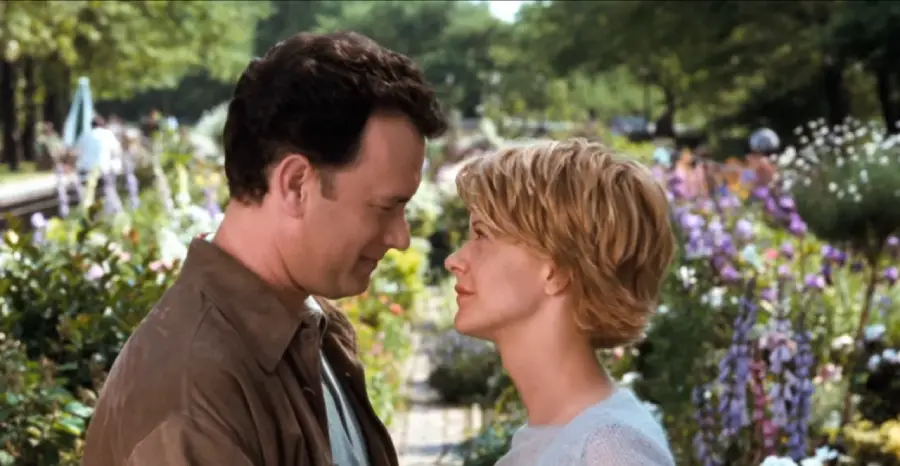
The absolute baseline of relationship destiny begins when two complete strangers physically smash into each other in a crowded public space, instantly scattering critical files or hot beverages across the pavement. Cinema historians frequently point toward You’ve Got Mail (1998) with Tom Hanks and Meg Ryan as a primary template, alongside the unforgettable sequence in Notting Hill (1999) where Hugh Grant accidentally drenches Julia Roberts in fresh orange juice right on a neighborhood street corner.
2. Post-breakup ice cream commiseration
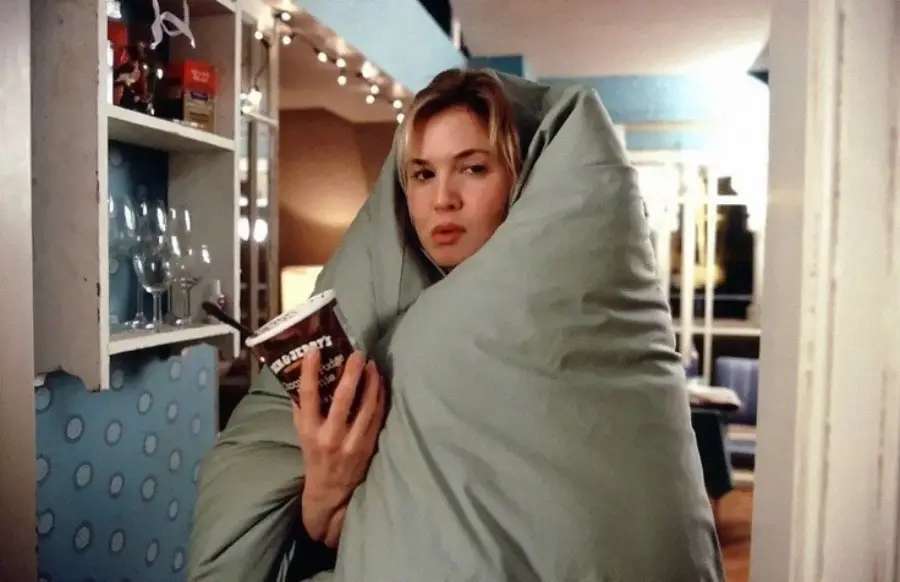
The immediate emotional aftermath of a devastating relationship split is universally visualized by a dejected protagonist sitting directly on the living room floor or sofa, eating dessert straight out of the family-sized tub. This specific visual shorthand is one of the most recognizable and heavily shared screenshots across the internet, featuring prominently in Bridget Jones’s Diary (2001) and Notting Hill (1999). It operates as a vital relatable moment that immediately connects the character’s profound heartbreak directly to the audience’s own comfort habits.
3. The unmasking makeover reveal
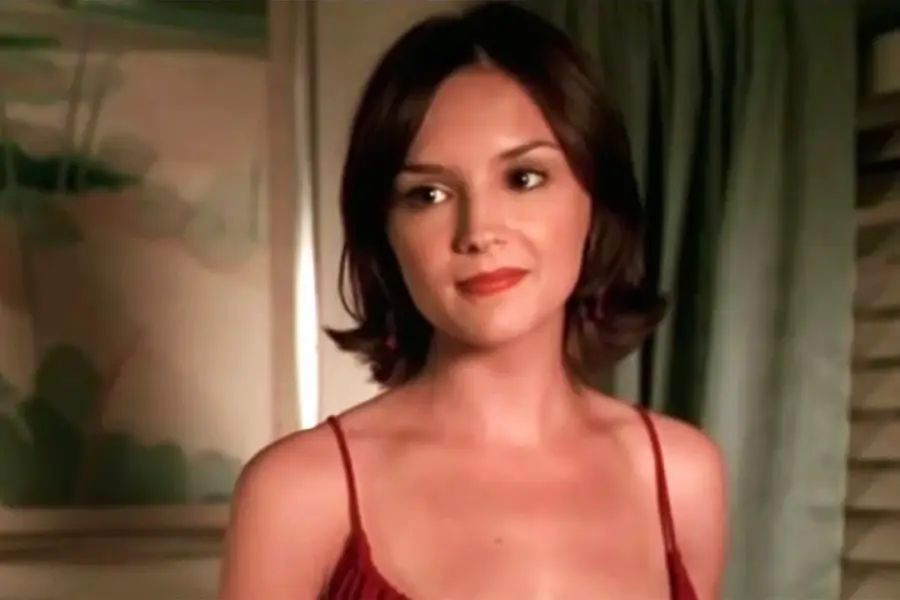
Few genre devices are more heavily parodied than the magical aesthetic transformation that turns a supposedly plain or undesirable character into an absolutely stunning beauty simply by altering her wardrobe. The definitive archetype for this trope occurs in She’s All That (1999) when Rachael Leigh Cook shockingly removes her thick prescription glasses and unpins her messy hair bun while walking down a staircase. The memorable visual sequence effectively established a permanent pop culture blueprint for cinematic reinventions.
4. The high-stakes airport sprint
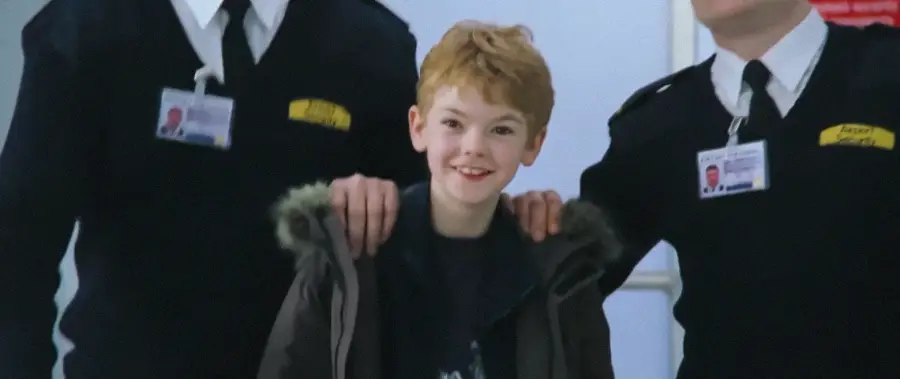
When a protagonist suddenly realizes they are letting the absolute love of their life slip away forever, they must instantly execute a frantic, laws-of-physics-defying race through airport terminal security to halt an embarking aircraft. Love Actually (2003) delivered arguably the most famous execution of this international transit chase, featuring Liam Neeson and a young child outrunning airport guards. This desperate dash against the departure clock remains a staple climax used to inject massive tension into final acts, appearing in modern favorites like Crazy, Stupid, Love (2011).
5. The completely avoidable third-act misunderstanding
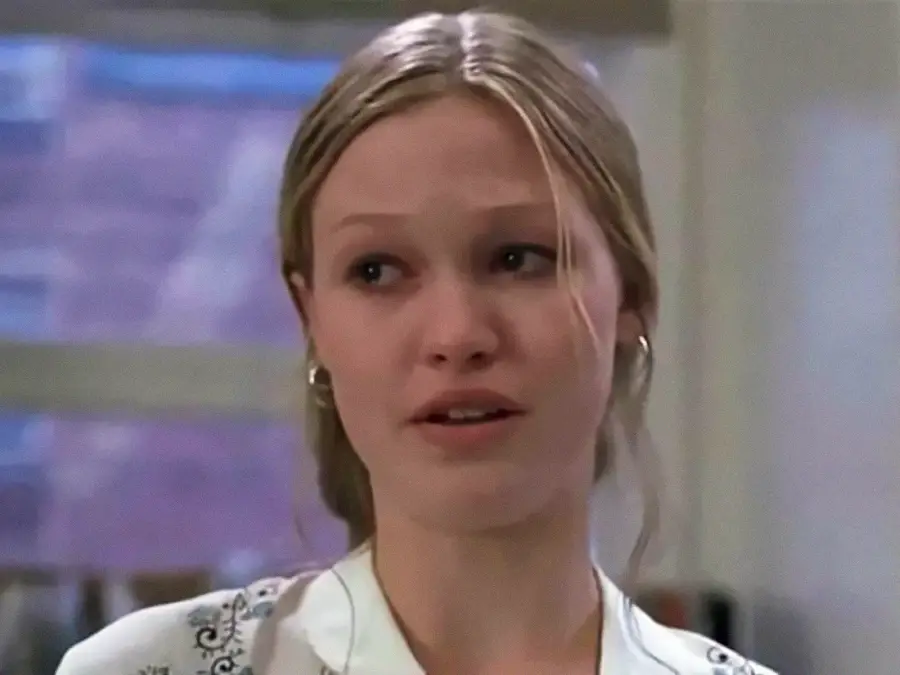
Just as a blissful future seems completely secure, the central couple is forcefully torn apart by a minor piece of miscommunicated dialogue or an unprompted secret that could be cleared up in a five-second conversation. In Notting Hill (1999), Julia Roberts’ character overhears Hugh Grant speaking completely out of context and vanishes into thin air for several weeks. A similar painful breakdown drives the plot of 10 Things I Hate About You (1999) when Kat Stratford discovers that Patrick was initially paid cash by a classmate to take her out on a date.
Trending on The Scroller
6. The charismatic left-behind best friend
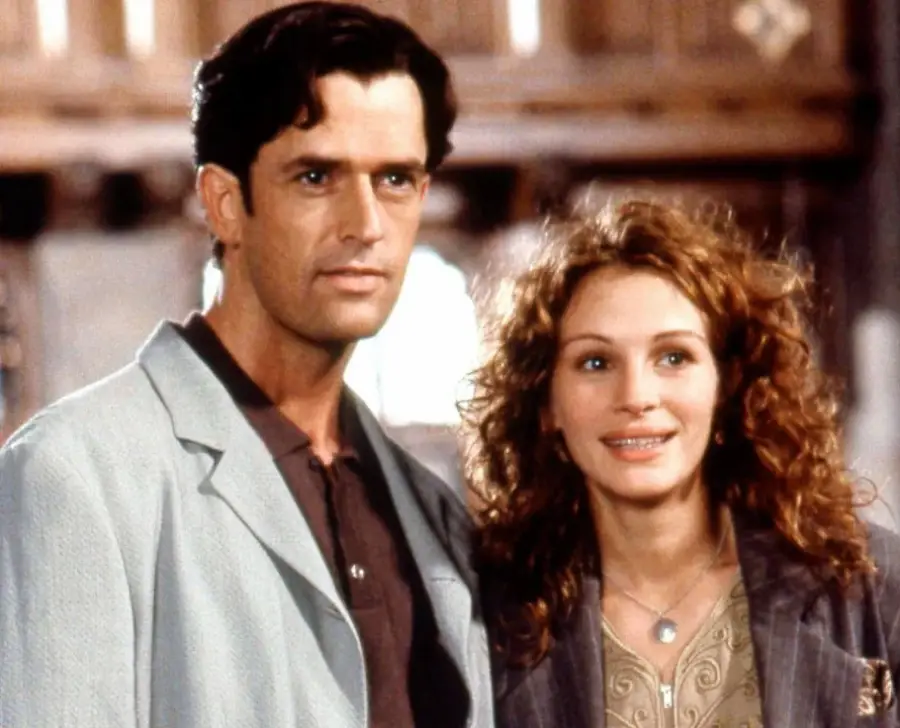
While the central protagonist navigates her chaotic love life, she is almost always accompanied by a sharp-witted companion who steals every scene but never receives their own dedicated romantic plotline. Rupert Everett’s brilliant performance as George in My Best Friend’s Wedding (1997) completely ran away with the film, cementing the sidekick as the true emotional anchor of the narrative. This trend of supporting casts completely outshining the primary leads reached a contemporary peak in Bridesmaids (2011), where the ensemble’s comedic chemistry completely redefined modern comedy standards.
7. The torrential downpour first kiss
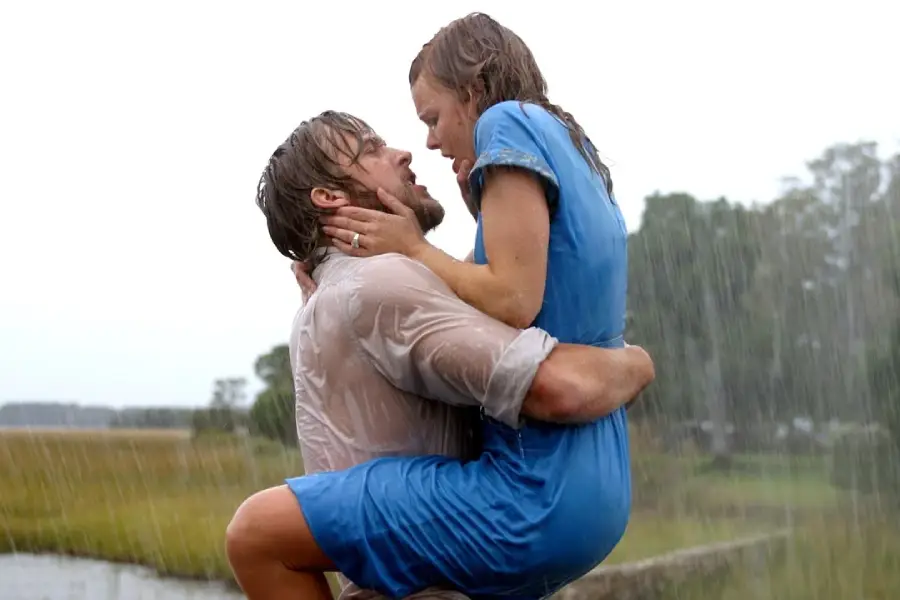
A dramatic declaration of eternal devotion or a highly anticipated first embrace is infinitely more impactful when the characters are completely drenched by a sudden atmospheric rainstorm. Hugh Grant and Andie MacDowell famously endured a massive downpour to deliver their ultimate romantic thesis in Four Weddings and a Funeral (1994). This weather-beaten tradition remains one of the most heavily searched visual sequences in cinema history, captured with equal intensity in The Notebook (2004) during Ryan Gosling and Rachel McAdams’ emotional confrontation on a wooden lake dock.
8. The enemies-to-lovers hostility dynamic
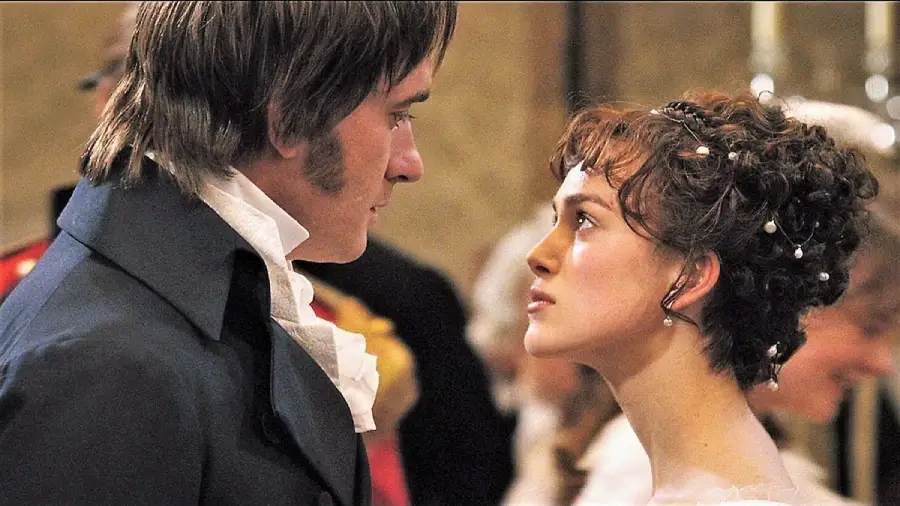
A highly effective narrative engine introduces a leading man who initially displays total arrogance or open disdain toward the heroine, only to gradually reveal himself as the absolute perfect companion. This foundational structure traces directly back to Pride and Prejudice variants, finding a sharp modern home in 10 Things I Hate About You (1999). The hostile friction acts as brilliant, dramatic kindling, creating intense onscreen chemistry that carries hits like How to Lose a Guy in 10 Days (2003) to a triumphant finish.
Sign up for our newsletter
9. The high-energy shopping montage
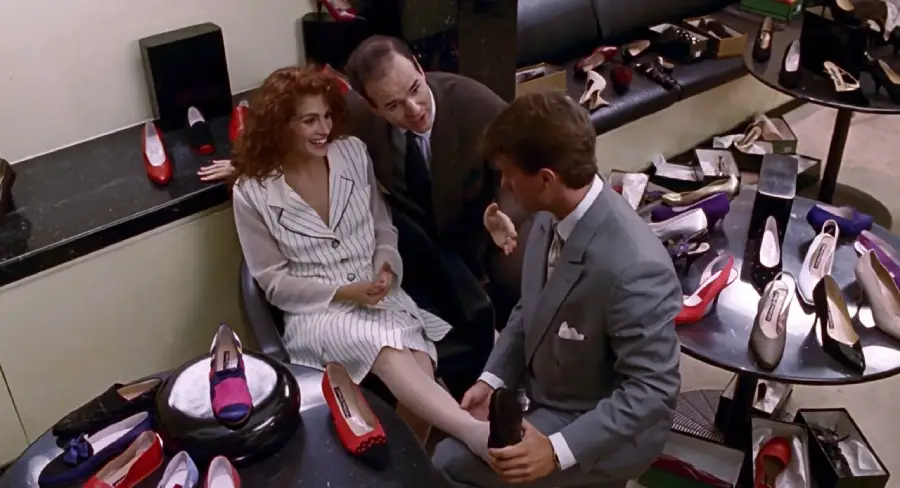
Transforming a wardrobe requires a fast-paced musical sequence where the leading lady tries on a succession of wildly contrasting designer outfits while an upbeat soundtrack plays over the scene. Pretty Woman (1990) permanently solidified this consumer fantasy on Rodeo Drive, creating an absolute blueprint for luxury shopping sequences. The classic consumer cliché was brilliantly parodied a few years later in Clueless (1995), which upgraded the concept by giving Cher Horowitz an advanced computerized digital closet system.
10. The public humiliation love manifesto
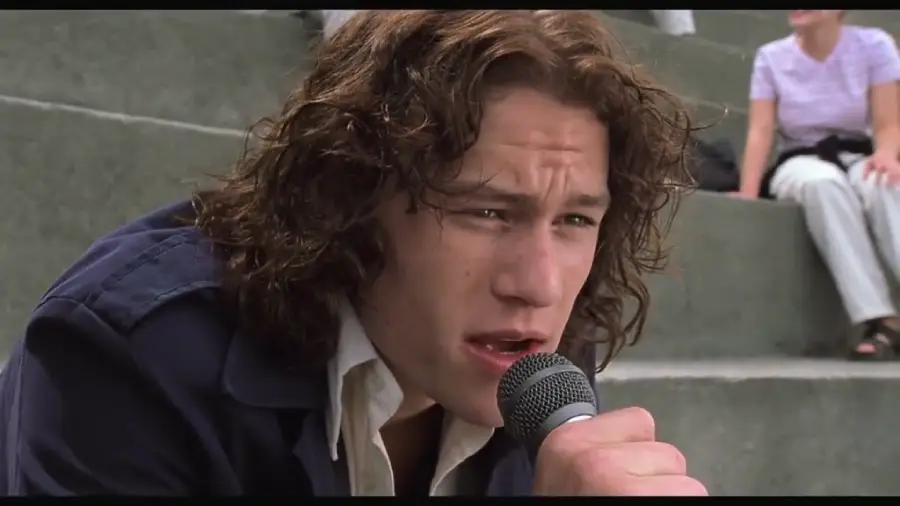
Winning back a jaded partner apparently requires a character to stand before a massive crowd of judgmental strangers and execute a loud, highly embarrassing public performance. The gesture is beautifully immortalized in 10 Things I Hate About You (1999) when Heath Ledger commandeers a high school stadium PA system to sing a classic pop track. Another ultimate compilation staple is John Cusack lifting a bulky boombox high above his head in Say Anything (1989) to blare a song directly outside a bedroom window.
11. The safe but obviously wrong fiance
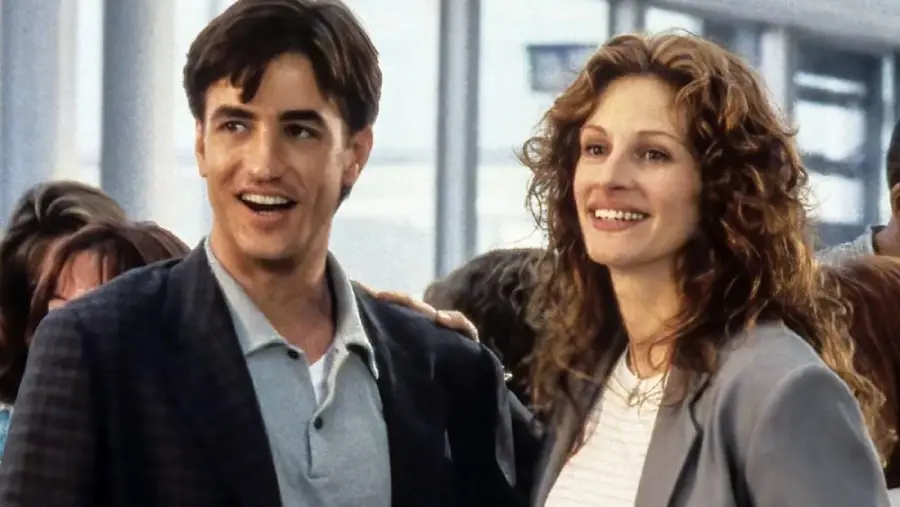
Before reaching their true romantic destiny, a protagonist must almost marry a perfectly polite, stable, but completely uninspiring partner to realize what true passion actually feels like. Julia Roberts famously wreaks absolute havoc on a lifelong friend’s impending nuptials before coming to terms with reality in My Best Friend’s Wedding (1997). In Bridget Jones’s Diary (2001), Hugh Grant’s smooth character initially presents himself as an alluring, prestigious option before his total lack of genuine reliability is exposed.
12. The true-self performance breakout
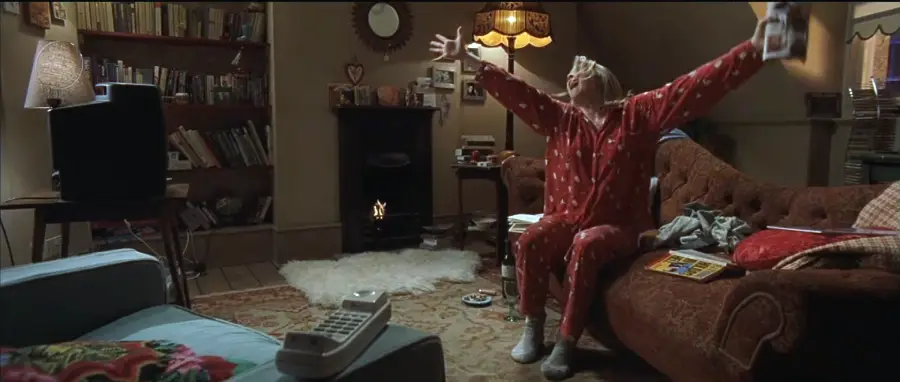
An impromptu karaoke session, a coordinated group dance, or an unexpected musical performance operates as the definitive narrative tool to peel back a character’s rigid emotional defenses. My Best Friend’s Wedding (1997) masterfully utilized a restaurant sing-along led by Rupert Everett to shift the film’s entire social energy. Whether it is Renée Zellweger passionately singing solo in her pajamas or the emotional piano finale of Crazy Rich Asians (2018), these musical interludes signal a massive personal breakthrough.
13. The handwritten doorstep signboards
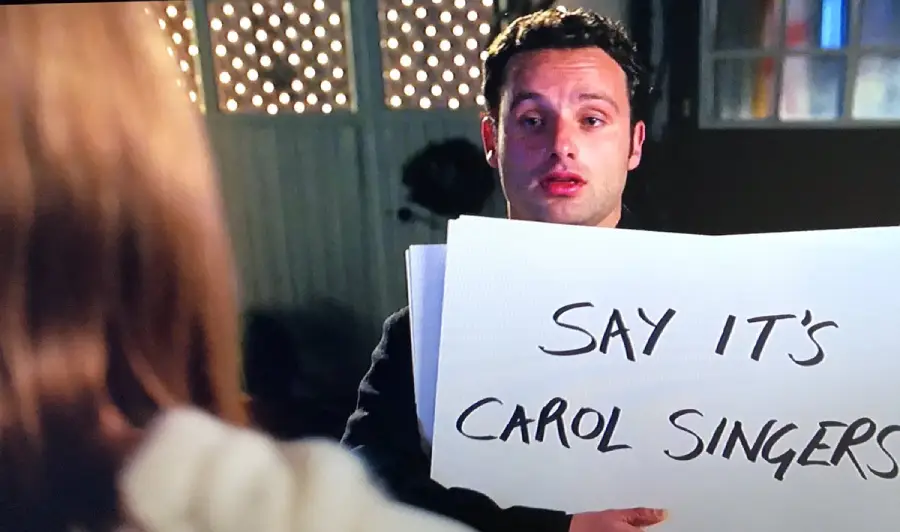
Few modern visual cues have achieved a more permanent internet legacy than a silent admirer standing on a dark doorstep holding up a sequence of large, hand-lettered white cards to confess their love. Andrew Lincoln’s silent holiday declaration to Keira Knightley in Love Actually (2003) stands as the single most reproduced and memed scene in the history of web culture. The sequence continues to be parodied across thousands of viral media templates and anniversary video compilations every single year.
14. The special landmark resolution
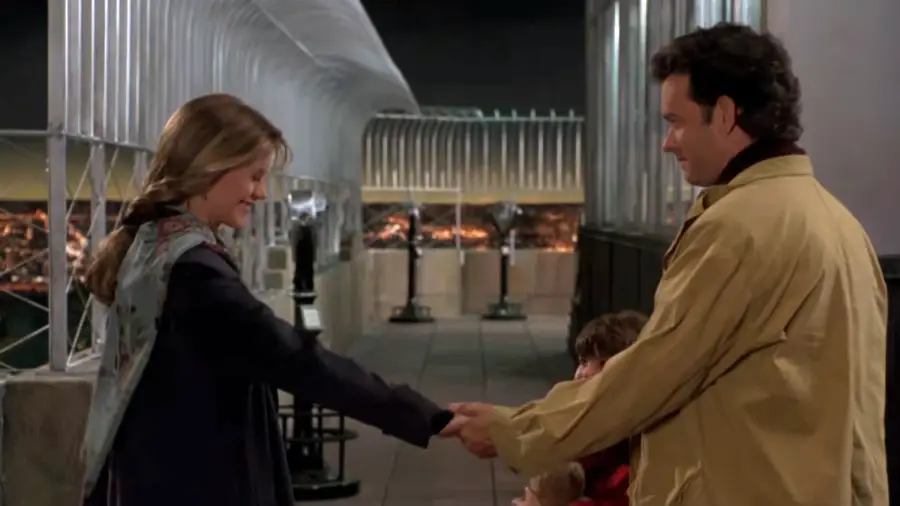
As the music swells and the credits prepare to roll, the reunited lovers always share a final embrace at a highly specific, geographically significant landmark, completely ignoring any realistic explanation of how they will solve their actual real-world problems. Notting Hill (1999) concludes beautifully with its leads resting inside a locked London private garden park. Similarly, Sleepless in Seattle (1993) brings Meg Ryan and Tom Hanks together on the absolute observation deck of the Empire State Building, allowing structural plot conflicts to simply evaporate as the final melody rises.
In the mood for more movie curiosities?
These unforgettable storytelling traditions serve as an excellent reminder of the unique, comforting, and highly creative formulas that shape our favorite date-night movies. Looking over these messy meet-cute collisions, desperate airport security runs, and rainy public declarations proves that while contemporary production budgets and digital viewing platforms change completely across the decades, the joy of a beautifully executed love story remains entirely timeless. When we choose to look past the superficial predictability of these classic scripts to appreciate the precise emotional engineering built directly into their scenes, we gain a much richer understanding of filmmaking history. If you enjoyed this detailed look back at the narrative formulas that defined generations of moviegoers, make sure to explore these 21 On-Screen Character Roles That Hollywood Had to Recast or 14 Famous Movie Clichés That Ruled 1980s Blockbusters. You may also like these 16 Famous Movie Posters That Completely Misled Audiences.