Walking into a local cinema or browsing a streaming queue usually begins with a quick glance at the official promotional posters designed to capture our imagination. Hollywood marketing departments spend millions of dollars crafting eye-catching imagery that sets a specific mood, highlights the lead actors, and hints at the upcoming plot line. For eager audiences, a striking theatrical print operates as the primary promise of what the cinematic experience will deliver once the lights go down. We naturally trust these visual advertisements to guide our expectations, believing that the tone, genre, and central characters displayed on the paper will accurately match the feature presentation on the big screen.
However, a closer look at cinematic history reveals that these commercial campaigns occasionally create a completely false impression of the actual story. The truth is that studios routinely design theatrical posters that actively mislead the public, sometimes transforming a dark psychological drama into a lighthearted comedy or tricking viewers about who the real protagonist is. Whether it was a desperate attempt to salvage a troubled box office run or a deliberate choice to hide a massive plot twist, these artistic campaigns occasionally left theater audiences scratching their heads in absolute confusion. Let’s dive straight into sixteen legendary promotional posters that promised an entirely different film than the one that actually played in theaters.
1. Crimson Peak – 2015
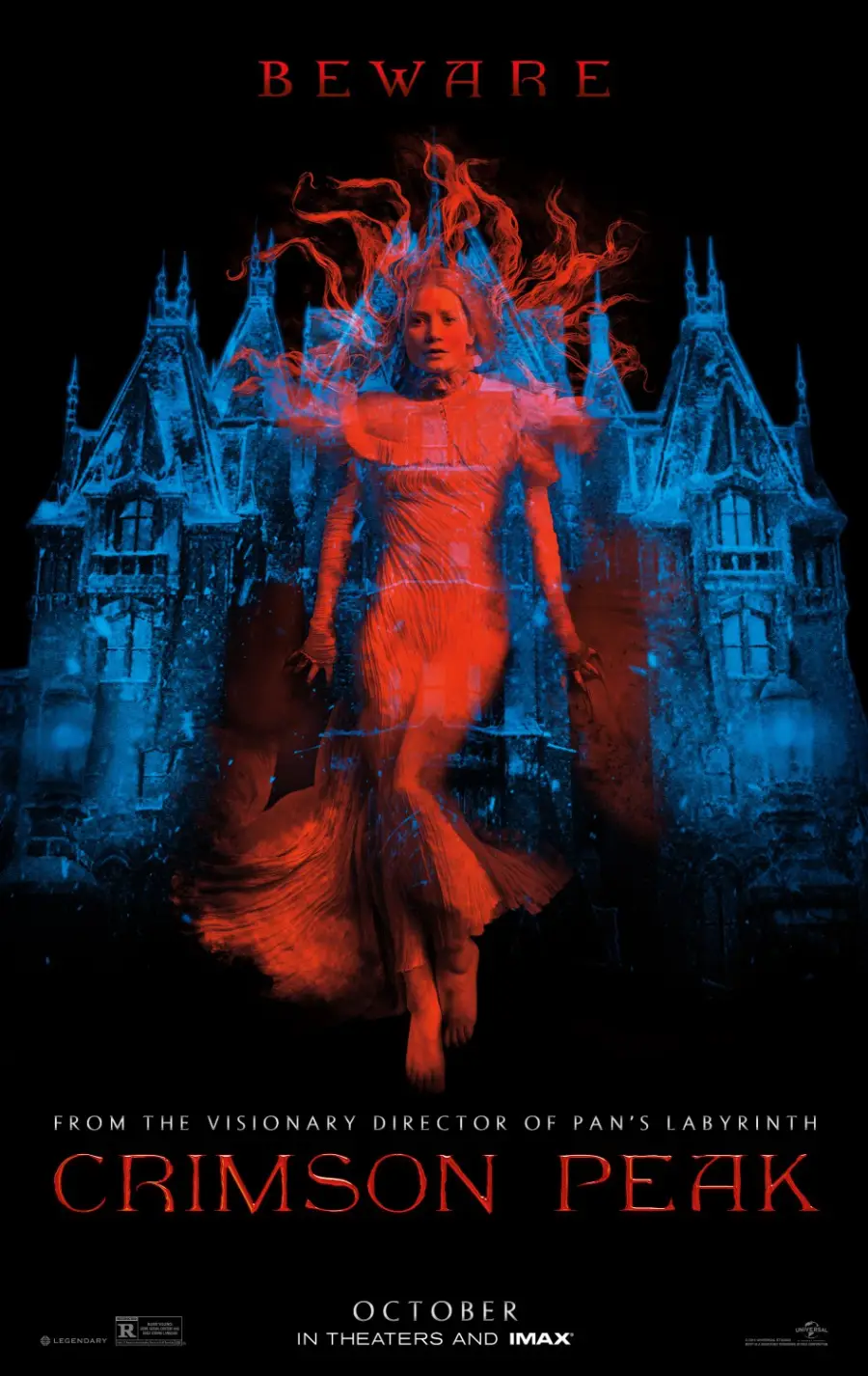
The main promotional artwork for this film showcases a spectral Mia Wasikowska floating in a bright red dress directly in front of a cold, sky-blue gothic mansion. The prominent warning word “BEWARE” emblazoned across the layout heavily implied that audiences were walking into a traditional, scare-fest style horror film. In reality, the narrative unfolds primarily as a dark gothic romance filled with intense domestic drama and psychological thriller elements. Director Guillermo del Toro actively tried to clarify the true genre to the public before the opening weekend, but the studio’s terrifying marketing materials completely overrode his efforts.
2. The Secret of NIMH – 1982
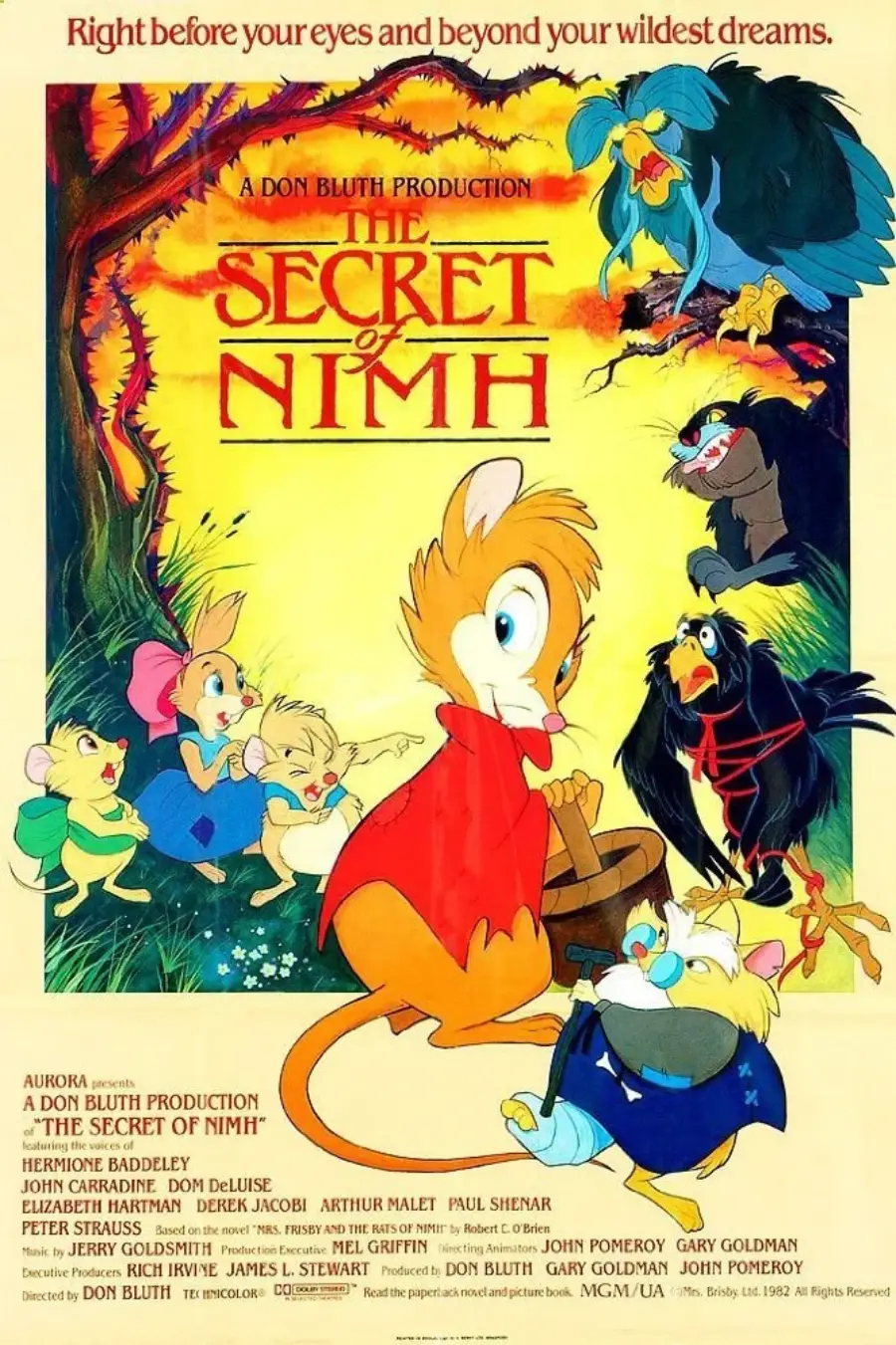
The primary theatrical print for this animated feature highlighted friendly talking animals and a whimsical fantasy setting, suggesting a lighthearted afternoon adventure for young children. Audiences were completely blindsided by the intense, dark atmosphere crafted by animation director Don Bluth. The narrative deals directly with mature themes like impending mortality, complex moral dilemmas, and graphic violence. Unforgettable, terrifying visual sequences like the glowing golden eyes of the Great Owl left a lasting impact on a generation of completely unprepared toddlers.
3. Drive – 2011
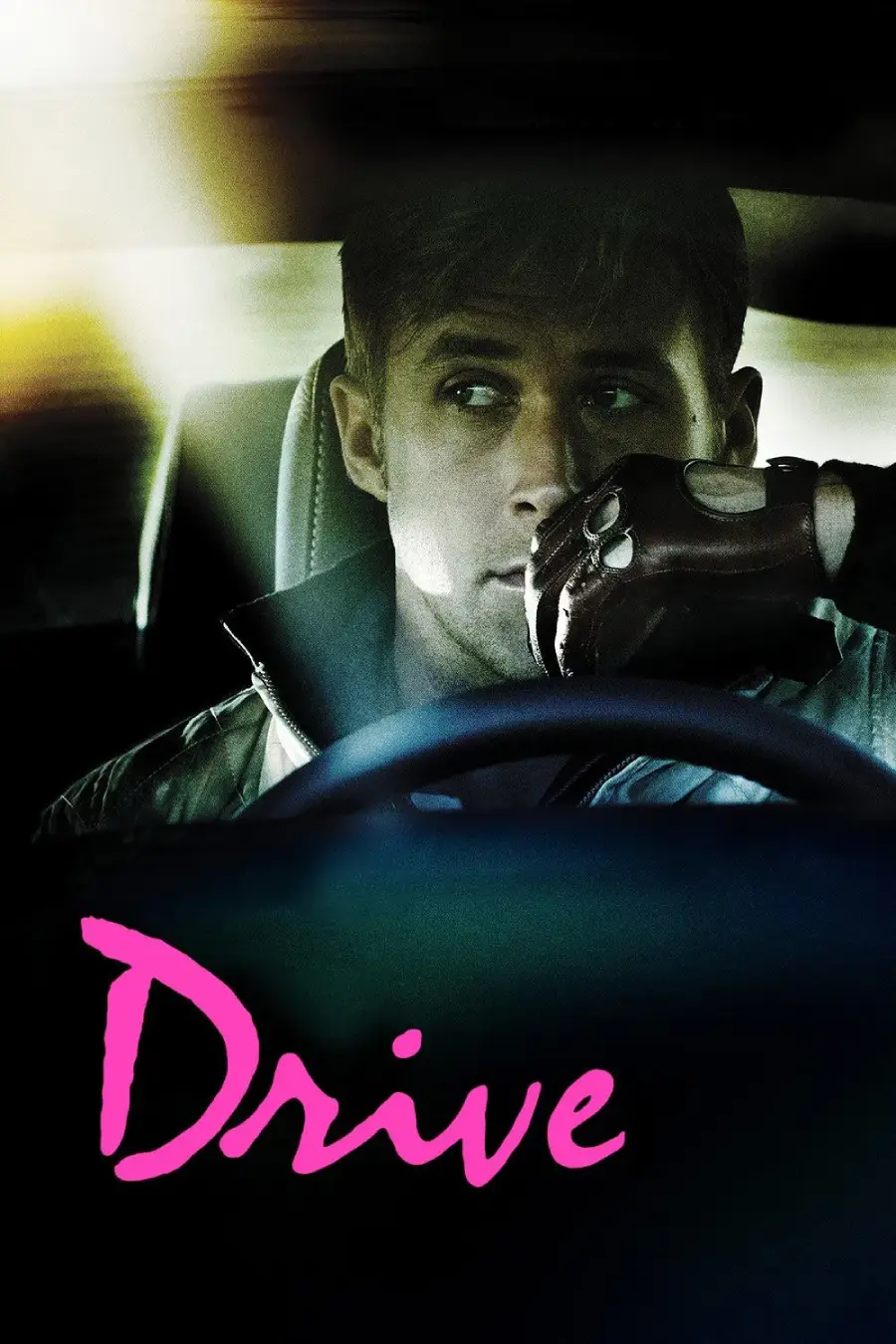
The official print showcased Ryan Gosling behind the wheel of a car surrounded by bright neon pink typography, promising a traditional, high-speed Hollywood car chase blockbuster. This action-heavy branding led audiences to expect a high-octane thriller in the exact style of the Fast & Furious franchise. Instead, viewers experienced a slow-paced, deeply atmospheric arthouse drama containing minimal dialogue and long contemplative scenes. This intense misdirection actually prompted a famous real-world lawsuit from a disgruntled viewer who sued the studio for false advertising.
4. Only God Forgives – 2013
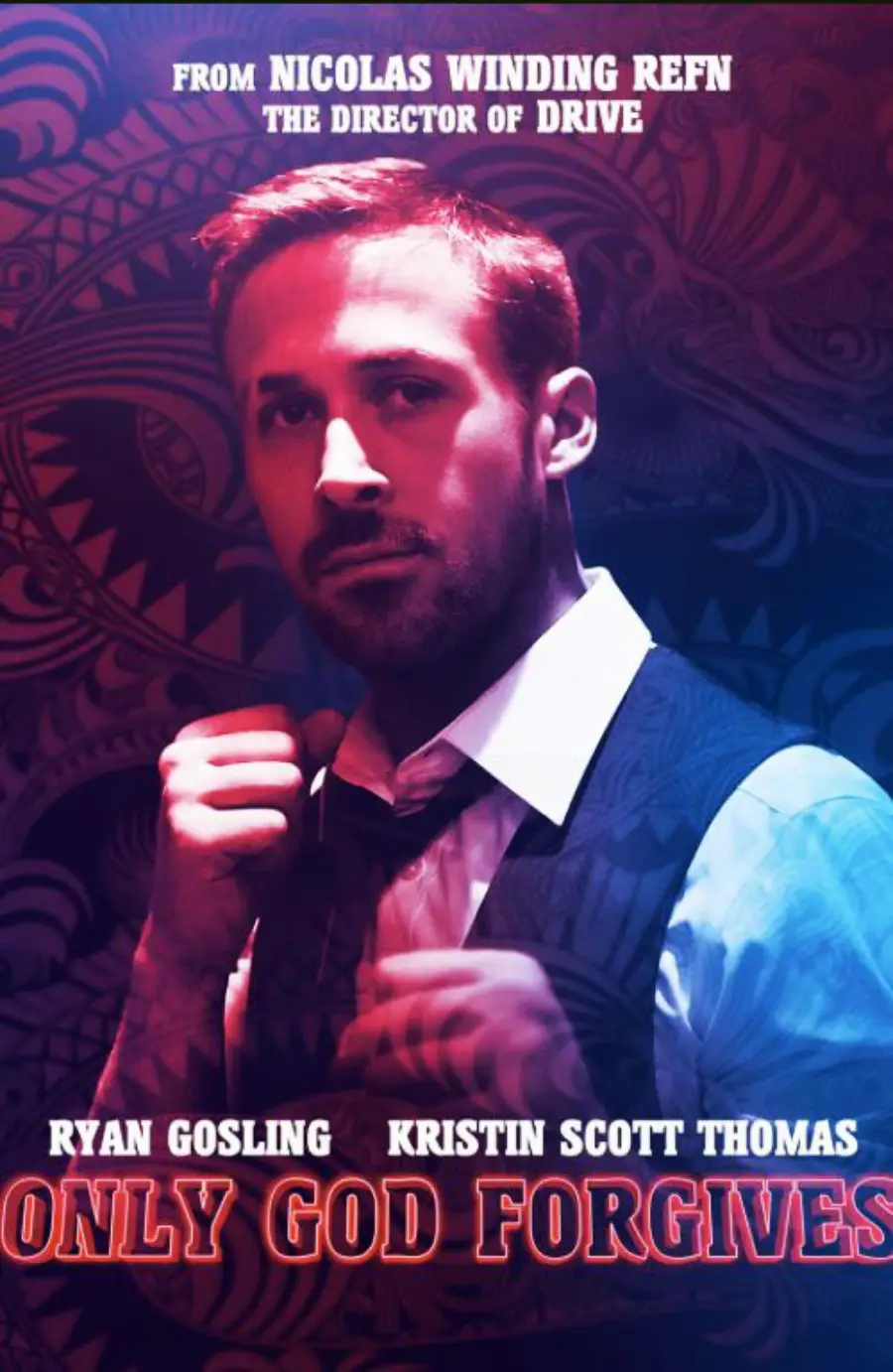
Capitalizing on their previous collaboration, the studio promoted this reunion between Ryan Gosling and director Nicolas Winding Refn with highly dynamic prints displaying Gosling in aggressive fighting poses. The promotional campaign directly promised a fast-paced martial arts crime thriller set in the dangerous Bangkok underworld. The final theatrical cut was actually an experimental, glacially paced meditation on violence filled with abstract symbolism and silent characters. The extreme contrast between the high-velocity artwork and the actual abstract film caused massive walkouts during its festival screenings.
5. Mother! – 2017
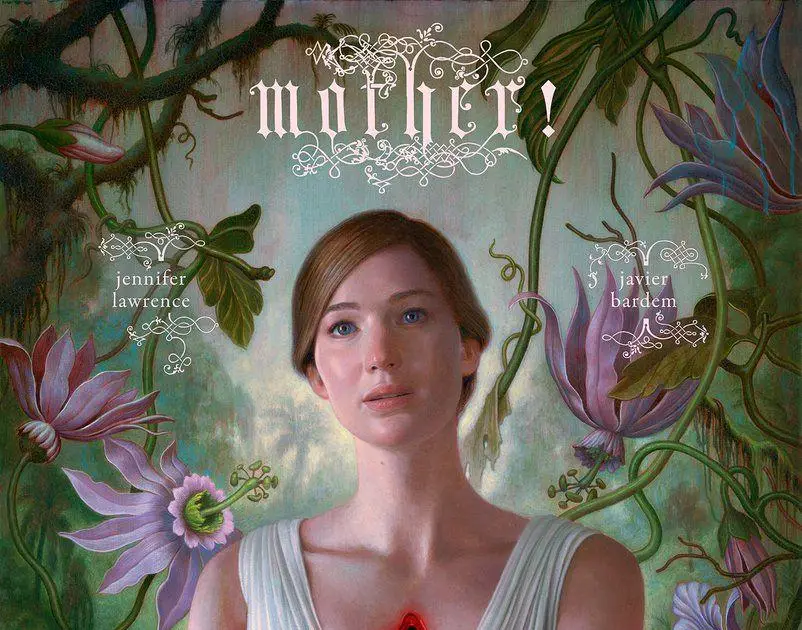
The promotional campaign highlighted a beautiful portrait of Jennifer Lawrence in a garden, strongly suggesting a conventional home invasion thriller or a standard psychological horror setup. Theater audiences were completely caught off guard when the story turned out to be an abstract, surreal, religious, and environmental allegory directed by Darren Aronofsky. The narrative entirely abandons traditional storytelling logic, shifting into a chaotic fever dream that looks absolutely nothing like a standard mainstream horror feature. The massive gap between the commercial marketing and the experimental final film resulted in highly divisive reactions online.
Trending on The Scroller
6. It Comes at Night – 2017
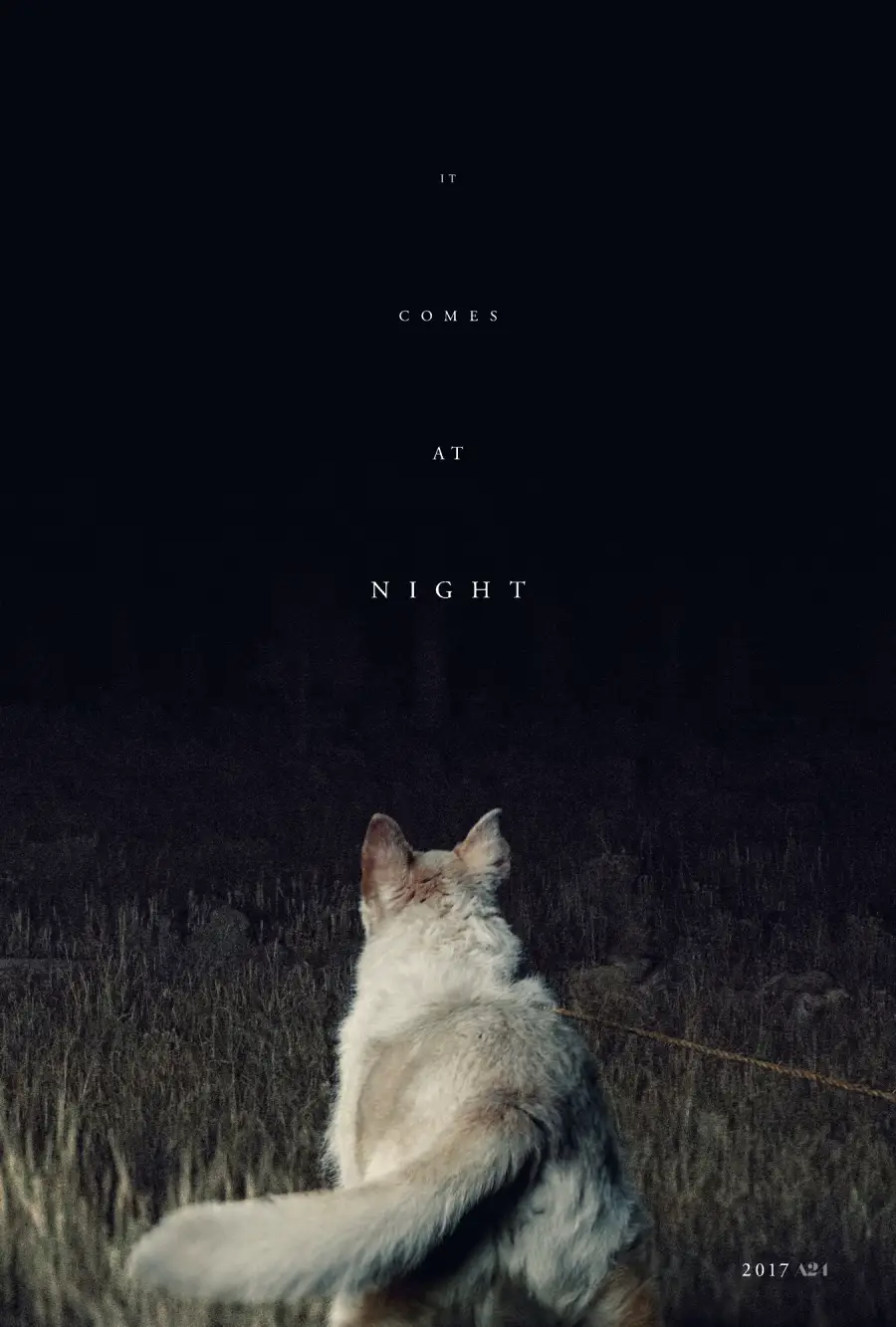
The highly atmospheric teaser print for this feature displayed a dog barking anxiously into a pitch-black forest, promising a traditional monster movie with a clear supernatural threat. Moviegoers spent the entire running time waiting for a physical creature to emerge from the shadows, only to realize the film was actually an ambiguous psychological study about human paranoia. The real conflict centers entirely on the breakdown of trust between two families trapped inside an isolated house during an unspecified apocalyptic event. The absolute absence of a literal monster caused immediate frustration across social media networks on opening night.
7. The Fifth Element – 1997
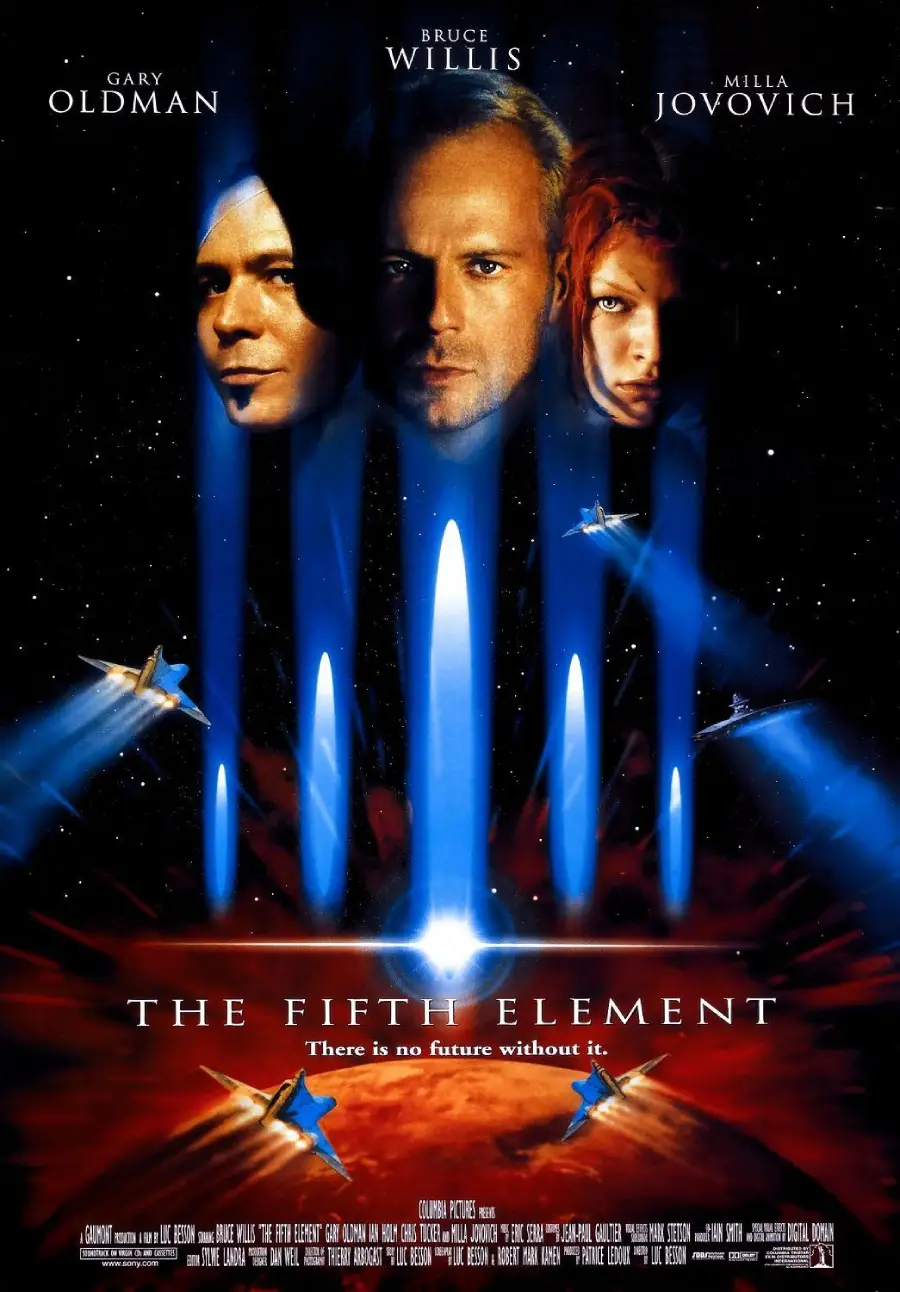
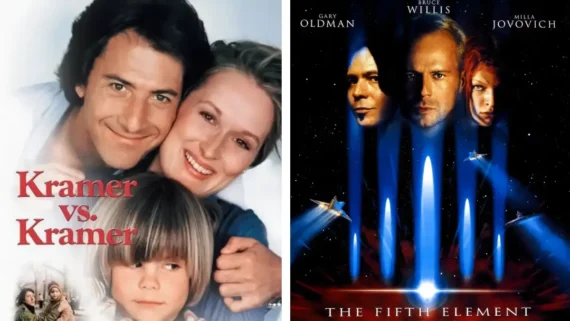
The official print showcased Bruce Willis, Milla Jovovich, and Gary Oldman staring intensely at the viewer between dramatic columns of light and futuristic spaceships. The solemn, high-contrast visual layout promised a gritty, serious space opera filled with constant military tension and high-stakes drama. Instead, director Luc Besson delivered an incredibly vibrant and campy science fiction world overflowing with eccentric humor. The narrative features highly stylized fashion choices, over-the-top comedic performances, and a memorable scene where an alien diva performs an operatic concert.
8. Reign of Fire – 2002
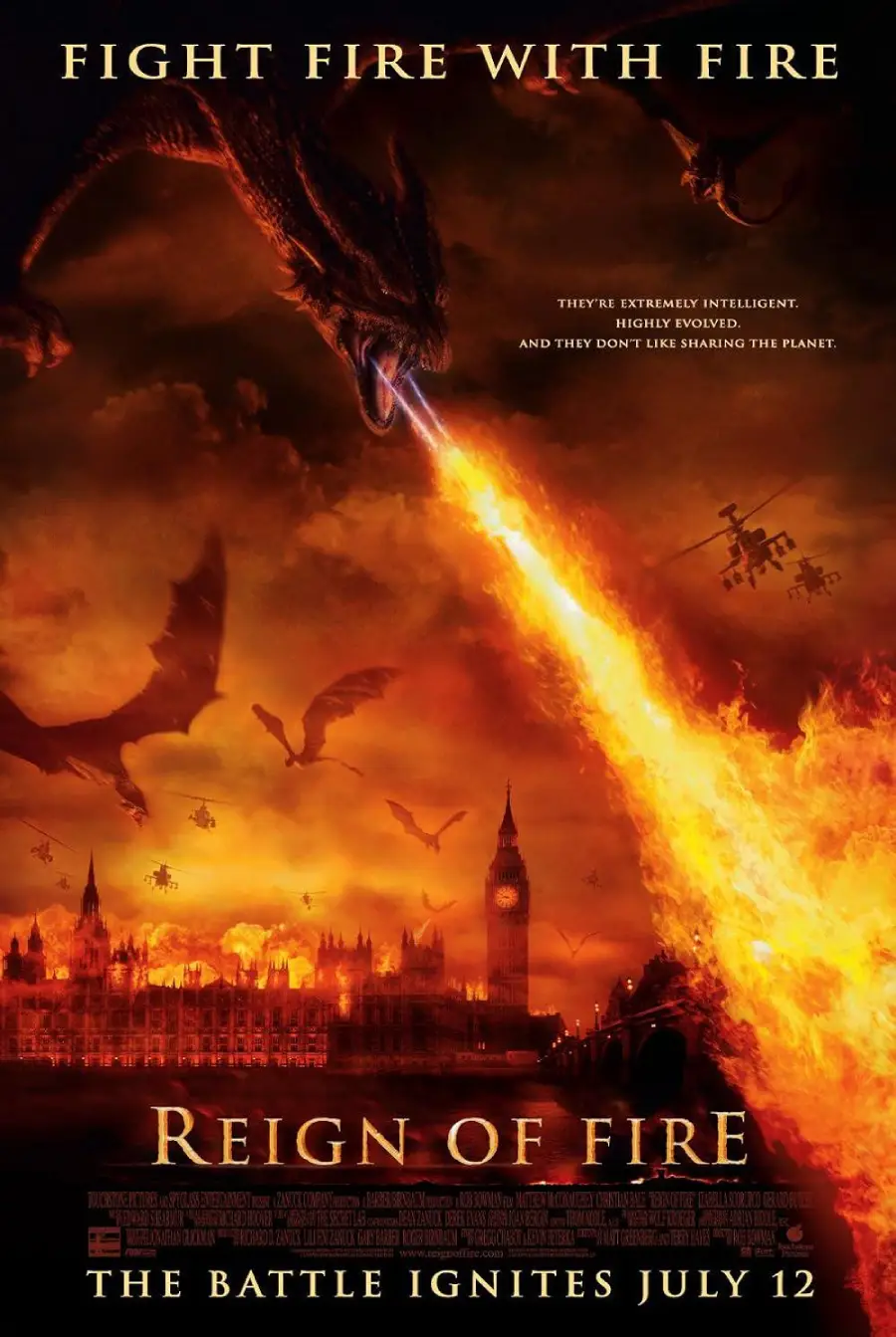
The main theatrical print for this fantasy action feature delivered a spectacular image of multiple giant dragons actively dogfighting a full squadron of military Apache helicopters over a burning city sky. This chaotic war scene never occurs in the film at all, as humanity’s modern military forces are already wiped out before the main timeline even begins. The real story takes place in a quiet, post-apocalyptic ruin where a small group of survivors tries to outlast a handful of beasts. The final film is much more melancholic and measured than the high-velocity aerial warfare promised on paper.
Sign up for our newsletter
9. Muriel’s Wedding – 1994
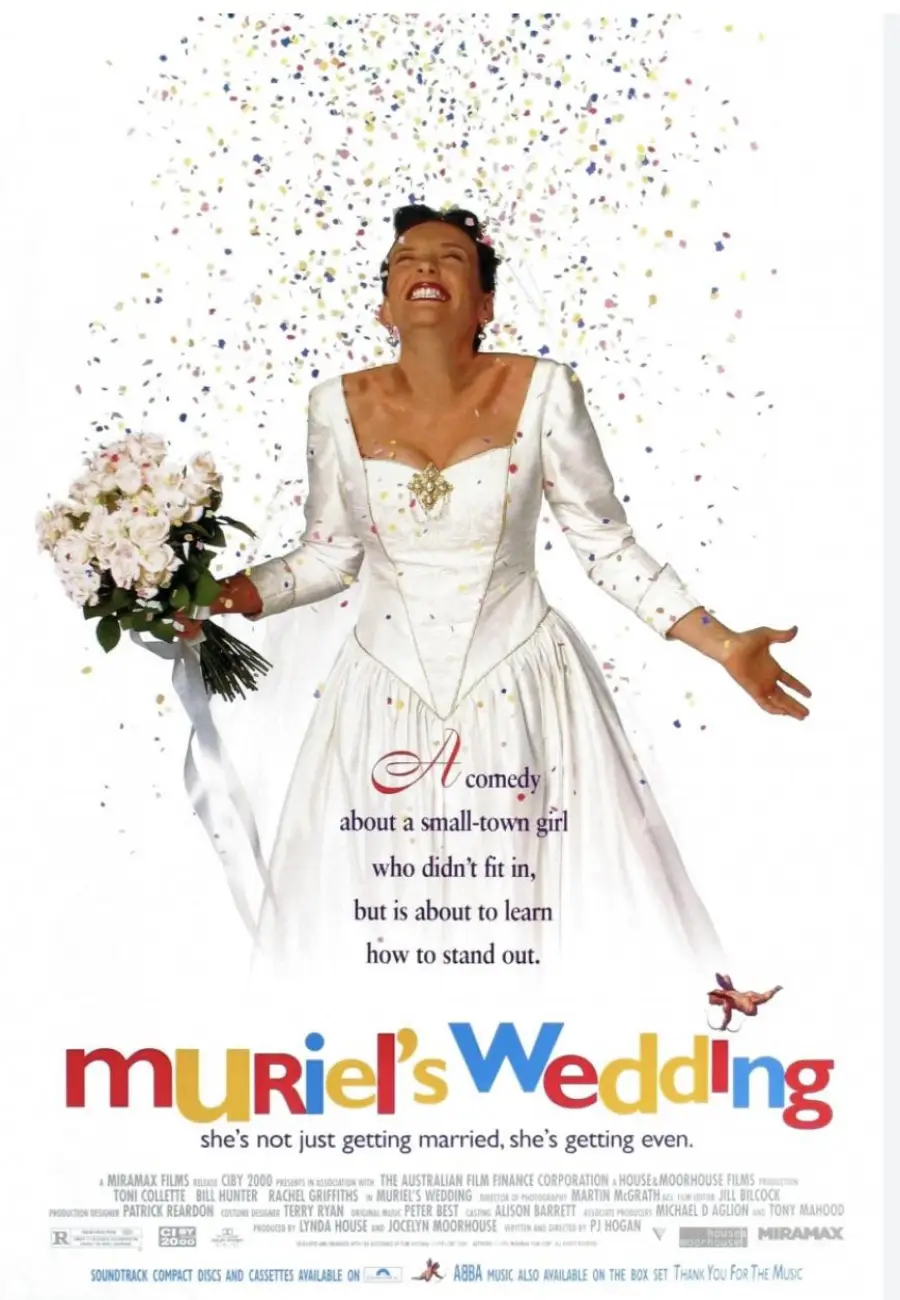
The cheerful white design of this print featured a large photo of a laughing bride, framing the Australian indie project as a lighthearted romantic comedy in the vein of Four Weddings and a Funeral. In complete opposition to this bright branding, the film is actually a deeply depressing look at severe emotional abuse, social isolation, and family tragedy. The story uses Muriel’s obsession with marriage to explore the painful realities of small-town desperation rather than a feel-good romance. It remains a classic example of using a happy marketing facade to hide a heavy, emotionally complex narrative.
10. Godzilla – 2014
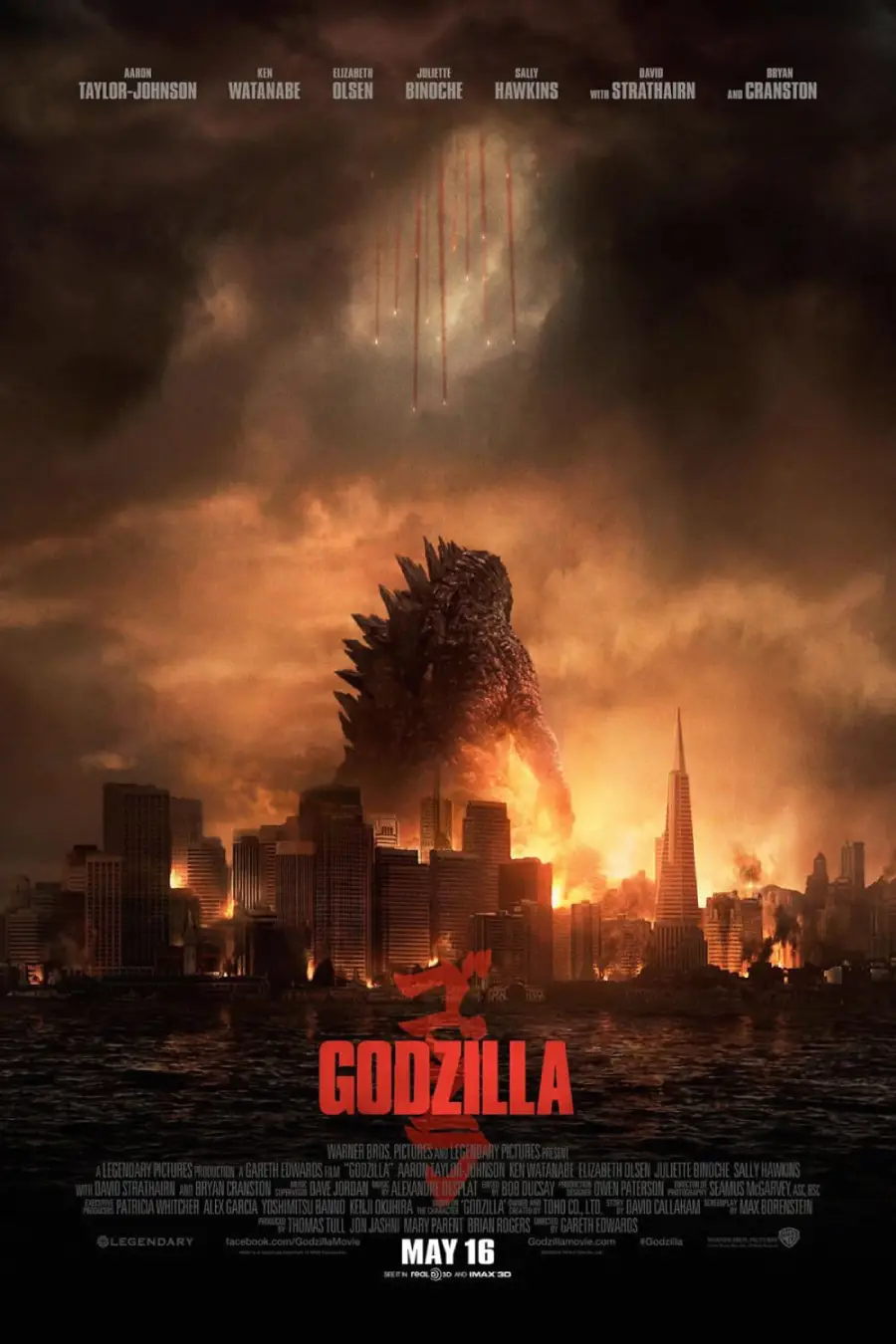
The entire commercial campaign centered heavily on Bryan Cranston’s character, utilizing his dramatic monologues and intense expressions to imply he would lead the fight against the giant monster. Audiences were completely shocked when his character was abruptly killed off within the first act, shifting the protagonist’s duties to his much less engaging military son. Furthermore, the giant lizard itself received surprisingly little screen time despite completely dominating the promotional art and trailers. The studio deliberately structured the marketing around Cranston to capitalize on his current television fame at the time.
11. Kramer vs. Kramer – 1979
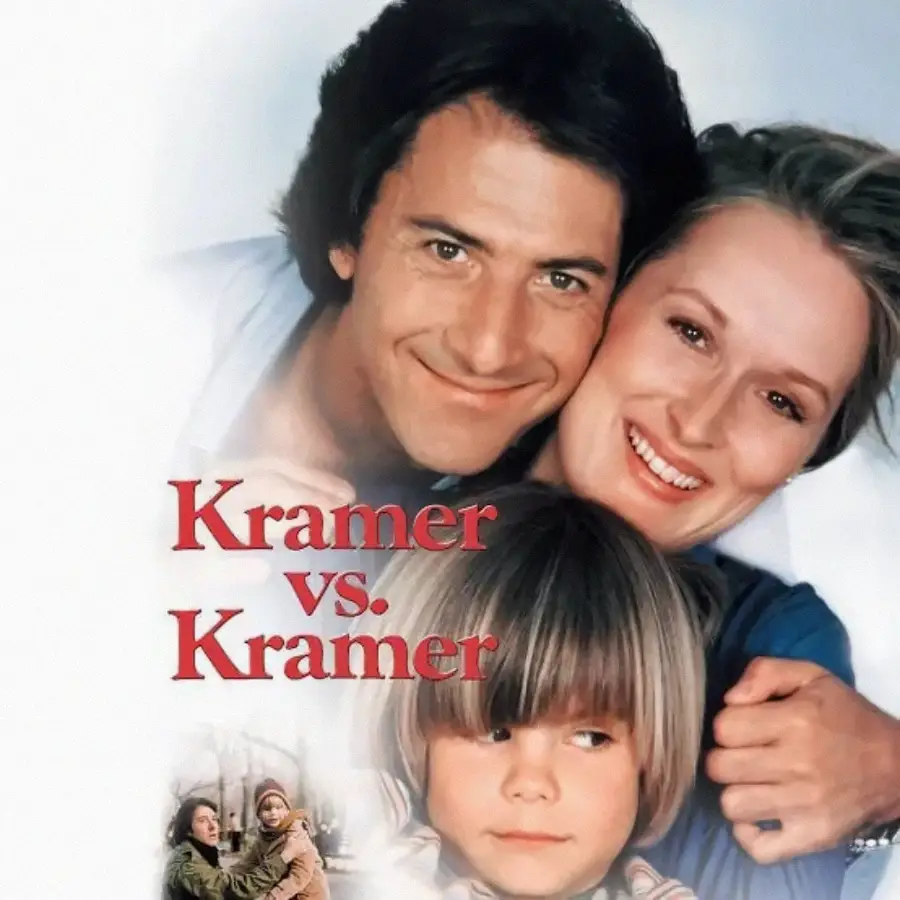
The simple theatrical print consisted entirely of a happy, smiling family portrait featuring Dustin Hoffman, Meryl Streep, and a young child looking completely unified. This heartwarming imagery led unsuspecting moviegoers to expect a lighthearted, cozy domestic comedy about modern parenting. The extreme optimism of the layout turned out to be entirely ironic, as the film delivers an emotionally exhausting look at a bitter divorce. The happy unit shown on the paper dissolves completely within the opening minutes of the script, leaving audiences to navigate a devastating legal battle.
12. Saving Face – 2004
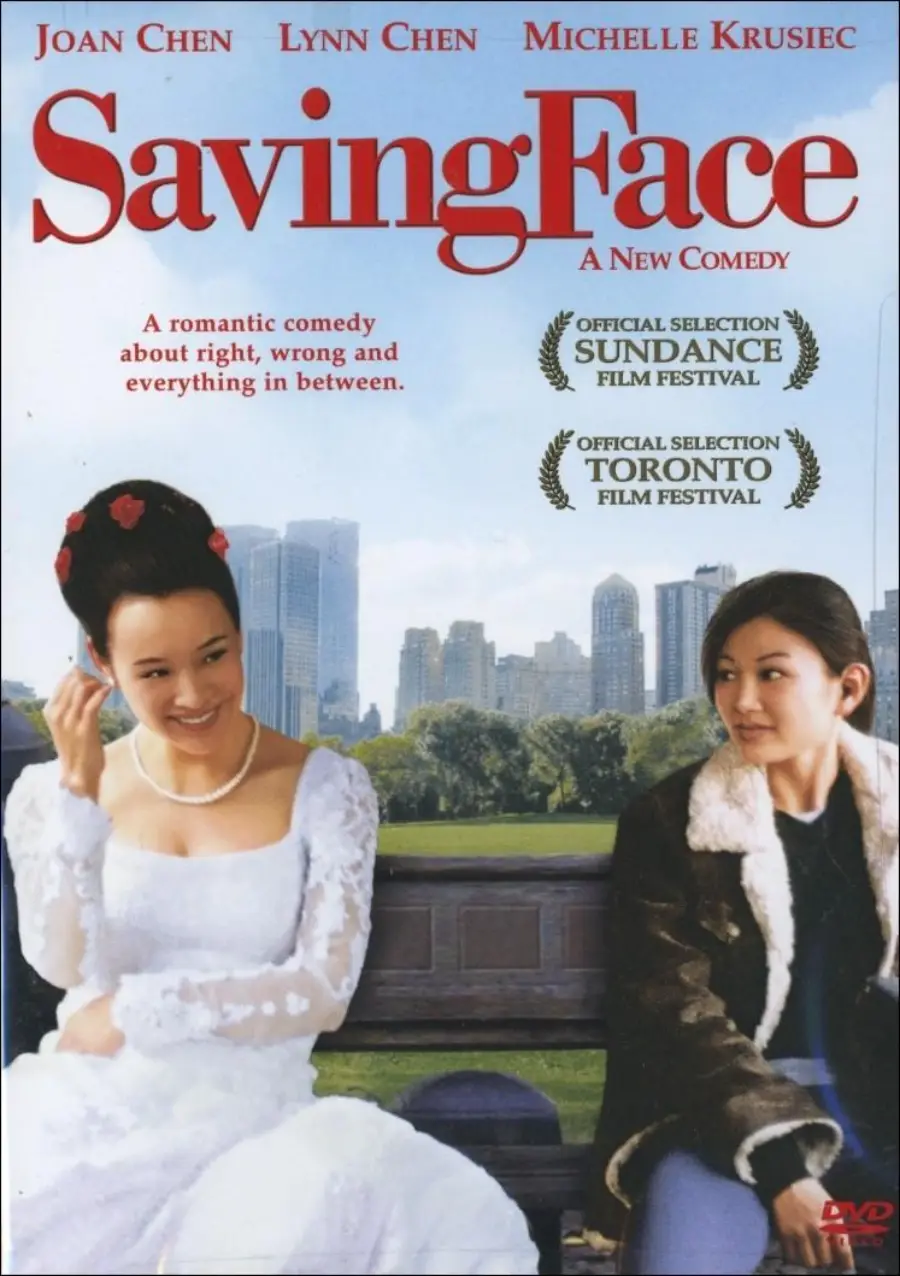
The layout for this print showcased two women, one in a traditional white wedding dress and the other in casual streetwear, sharing an incredibly intimate glance that heavily implied a central lesbian romance. In reality, the two individuals on the paper are actually a mother and her adult daughter. The actual plot tracks a closeted lesbian surgeon dealing with her traditional, widowed mother, who has suddenly become pregnant out of wedlock and refuses to name the father. It stands as a highly unique case where the marketing team completely recontextualized a familiar relationship to attract a specific niche audience.
13. Unknown – 2011
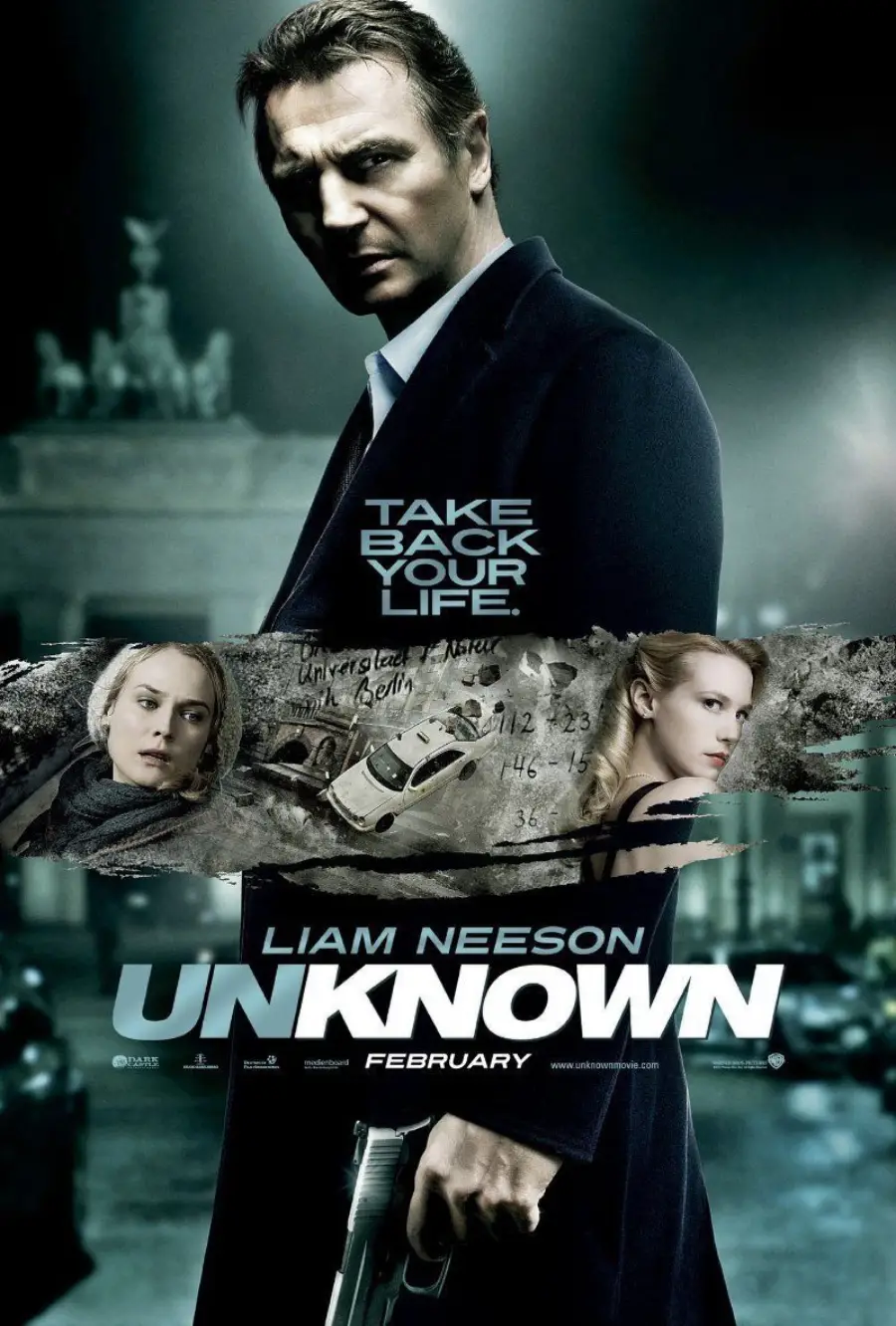
The print showed an intense Liam Neeson holding a firearm, actively capitalizing on his newly minted action-star status following the massive success of Taken. Action fans bought tickets expecting a high-velocity shootout thriller filled with standard Hollywood gunplay. Shockingly, Neeson’s character never handles, fires, or even holds a single firearm at any point during the entire running time. The movie operates instead as a psychological mystery about identity theft, leaving action enthusiasts completely surprised by the complete lack of traditional gun battles.
14. The Day the Earth Stood Still – 1951
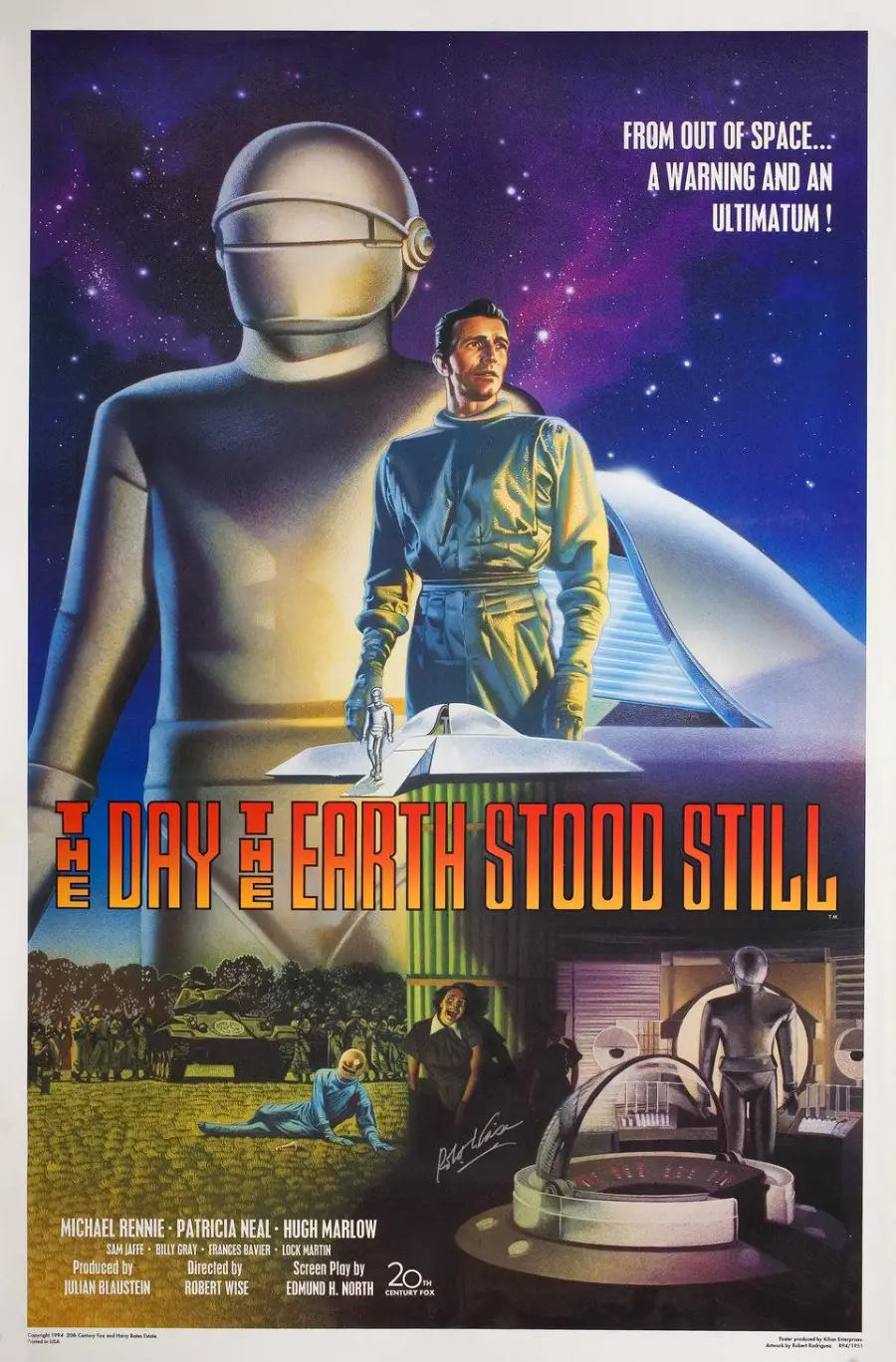
The gorgeous hand-painted print for this vintage masterpiece is an absolute jumble of dramatic sci-fi tropes, featuring terrifying alien creatures and high-stakes action scenes that never happen. The artwork showed a giant robotic entity actively destroying cities and carrying a screaming woman away from danger. The real film is a highly measured, deeply philosophical anti-war drama focused entirely on peaceful diplomatic negotiations and political parables. It stands as one of the earliest and most shameless examples of a studio inventing fake action sequences just to sell tickets to monster-movie fans.
15. District 9 – 2009
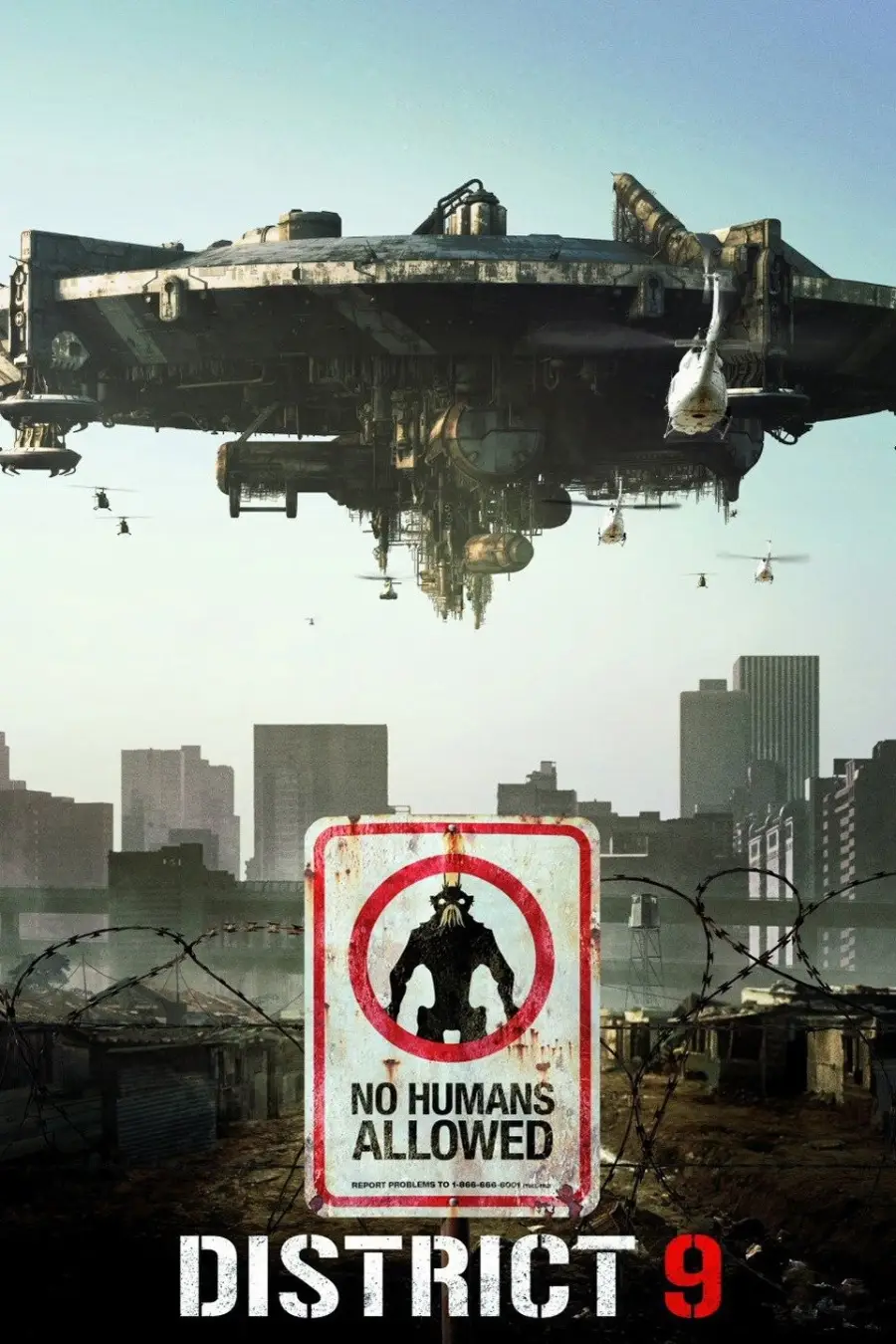
One specific promotional version showcased a colossal spaceship violently crushing buildings and swatting military attack helicopters out of the sky. This artwork directly promised a traditional, big-budget alien invasion blockbuster focused entirely on giant mechanical warfare. The actual project turned out to be a gritty, low-budget found-footage mockumentary tracking extraterrestrial refugees living in an impoverished South African slum. The giant robot shown on the paper was actually a small, three-meter exosuit that only appears briefly during the film’s closing sequences.
16. A Single Man – 2009
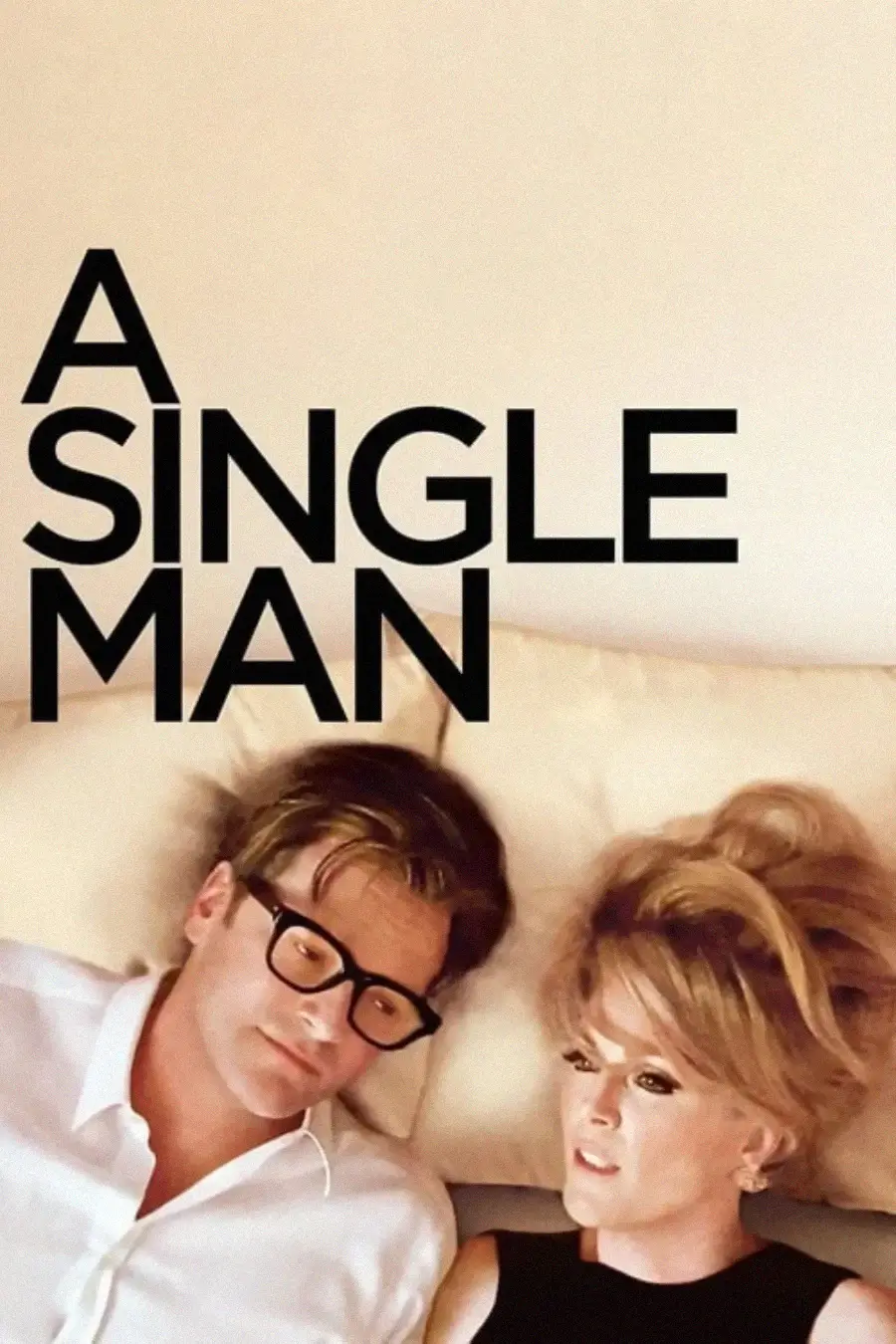
Concluding our countdown of visual misdirections is the initial promotional print that displayed Colin Firth in bed, sharing an intimate moment with actress Julianne Moore. This specific layout was designed to suggest a standard heterosexual romantic drama as the primary driving force of the story. In reality, Firth plays a grieving gay professor contemplating ending his life following the sudden death of his longtime male partner. Julianne Moore appears for less than ten minutes as a platonic friend, and the two characters never share a bed or a romance. The public criticism regarding this blatant erasure was so severe that the studio quickly issued a secondary version with Moore moved to the background.
Explore more Hollywood curiosities:
Revisiting these historical marketing choices serves as a great reminder of how a single piece of promotional artwork can completely shape our early expectations of a story. Looking over these misleading monster blockbusters, disguised psychological indie features, and hidden musical adaptations shows that while advertising strategies and streaming layouts change across the decades, the studio’s focus on filling theater seats stays entirely constant. When we choose to look past the initial confusion of these deceptive prints to appreciate the real artistic value of the films hidden beneath the hype, we can better understand the complex relationship between Hollywood commerce and creative art. If you enjoyed this detailed countdown tracking the wildest visual misdirections in Hollywood history, make sure to explore these 14 Family Movies That Explore Surprisingly Deep Life Lessons, or 16 Background Details in Famous Films You Entirely Missed. You can also check out these 14 Films That Flanked Financially but Became Masterpieces.