

Some myths are so deeply woven into everyday life that they feel impossible to question. Maybe your parents told you, maybe a teacher repeated them, or maybe you’ve simply heard them so many times that they became “common knowledge.” But what if some of those trusted facts were never true in the first place? Science has spent decades testing many of these popular beliefs, and the results are often far more surprising than the myths themselves. Let’s separate fact from fiction and see how many of these everyday myths you’ve believed over the years.
1. Humans Use Only 10% Of Their Brains
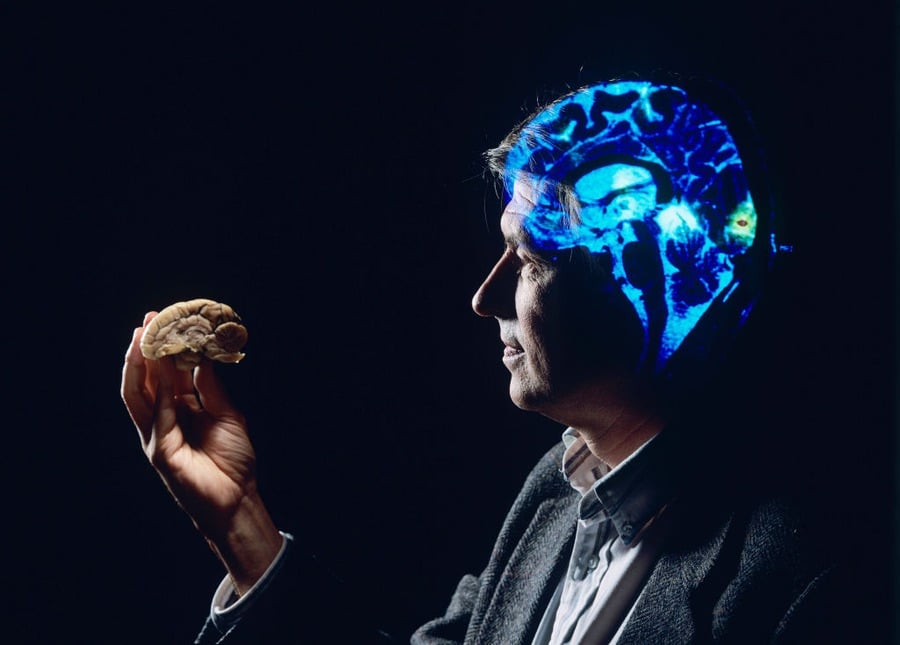
Imagine if someone told you there was a hidden switch that could unlock 90% more brainpower. It sounds like the perfect movie plot, which is probably why this myth has survived for so long. Modern brain imaging techniques like functional MRI and PET scans show activity across nearly every region of the brain throughout the day, even while you sleep. Different tasks activate different areas, but there isn’t a giant unused section waiting to be discovered.
2. Waking A Sleepwalker Is Dangerous

Don’t wake them up. You’ve probably heard that warning before, but is it actually true? Not really. Sleep specialists have found no evidence that waking a sleepwalker causes physical harm. The real danger is that someone walking while asleep could trip, fall, or leave the house, so gently guiding them back to bed is usually considered the safest approach.
3. Swimming Right After Eating Is Dangerous

For decades, kids sat on the edge of the pool watching everyone else swim because they’d just eaten lunch. The famous “wait 30 minutes” rule became almost universal, yet it isn’t supported by medical evidence. Organizations like the American Red Cross explain that eating before swimming doesn’t suddenly increase your risk of drowning. At worst, a very large meal might make vigorous exercise feel uncomfortable.
4. The Five-Second Rule Keeps Food Safe

The cookie hits the floor, and suddenly everyone starts counting. Five… four… three… Unfortunately, bacteria aren’t following the countdown with you. A Rutgers University study found that germs can transfer to food almost instantly, sometimes in less than a second. The amount depends on the surface and the food itself, but time alone isn’t what determines whether it’s safe to eat.
5. Blood In Your Veins Is Blue
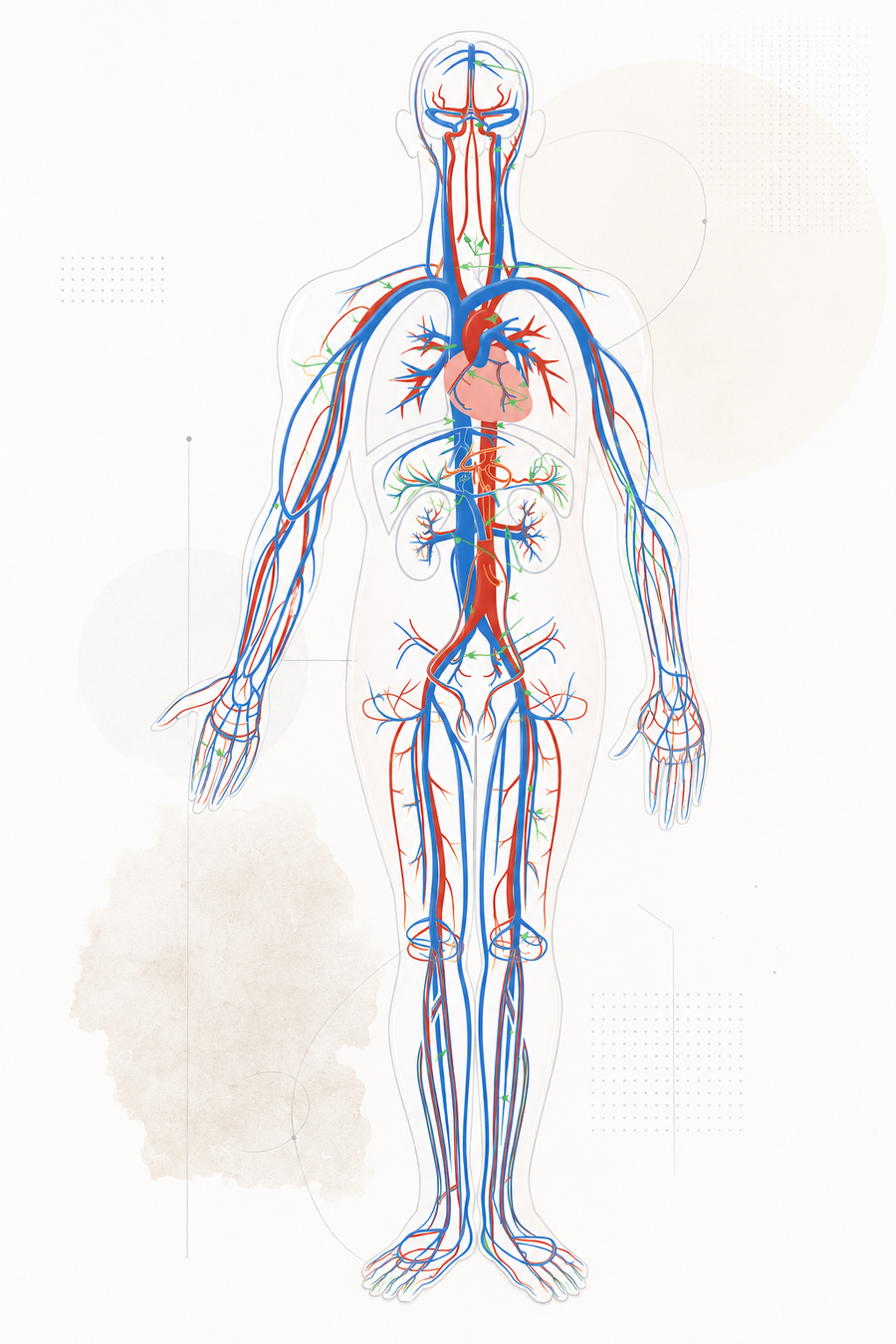
Here’s a question that has confused generations: if blood is red, why do your veins look blue? The answer has more to do with physics than biology. According to the American Chemical Society, blood is always some shade of red, whether it’s rich in oxygen or not. Your veins only appear blue because skin absorbs and scatters light in a way that changes the color your eyes perceive.
Trending on The Scroller


6. Cold Weather Gives You a Cold

Step outside without a jacket, and you’ll probably hear the warning: “You’ll catch a cold!” It sounds logical, but the temperature itself isn’t what makes you sick. According to the CDC, the common cold is caused by viruses, not chilly air. So why does this myth stick around? Because colds are far more common during winter, making it easy to confuse coincidence with cause. Cold weather may help viruses spread more easily, but it isn’t the illness itself. One of the most common everyday myths we still believe.
7. Swallowed Gum Stays in Your Stomach for Seven Years

Almost every kid has heard this terrifying countdown. Swallow your gum today, and it’ll still be sitting in your stomach years from now. Fortunately, your digestive system doesn’t work that way. While the gum base isn’t fully broken down, the Mayo Clinic explains that it usually passes through your digestive tract just like other indigestible materials. Seven years makes for a memorable warning, but not a very accurate one.
8. Shaving Makes Hair Grow Back Thicker

Run your hand over freshly shaved skin, and it’s easy to believe the myth. The stubble feels rougher, looks darker, and seems thicker than before. But appearances can be deceiving. Shaving only cuts hair at the surface and never changes the follicle beneath your skin. According to the Mayo Clinic, it doesn’t affect your hair’s thickness, color, or growth rate. What you’re noticing is simply the blunt edge left behind by the razor.
Sign up for our newsletter
9. Dogs See Only in Black and White
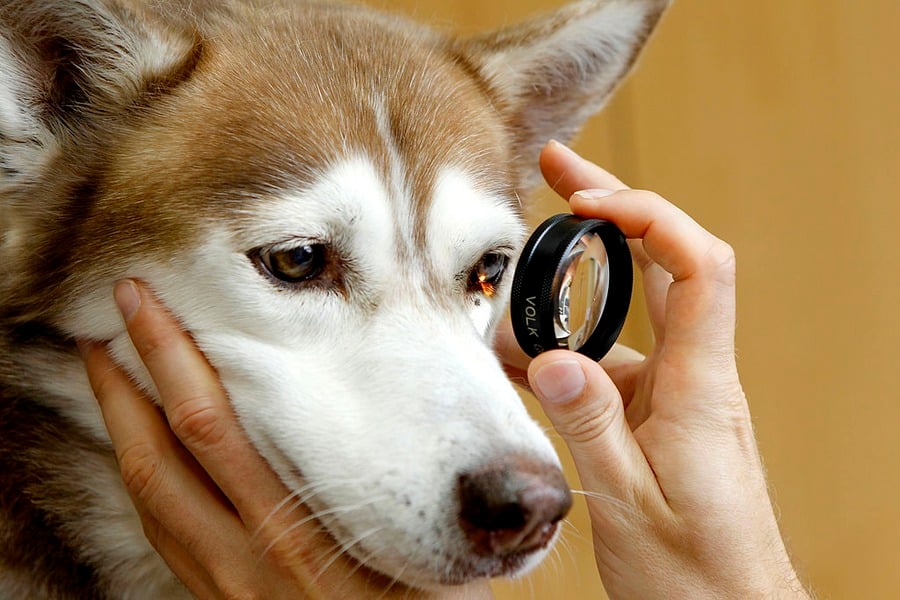
Black, white, and shades of gray… that’s how many people still imagine the world looks through a dog’s eyes. The reality is much more colorful. Scientists studying canine vision have found that dogs can distinguish certain colors, particularly blues and yellows, although they struggle to tell reds and greens apart. Their world isn’t black and white. It’s just painted with a smaller color palette than ours.
10. Sugar Makes Children Hyperactive

Ever noticed how birthday parties get louder right after the cake is served? It’s tempting to blame the sugar, but researchers have been testing this idea for decades. A large analysis of controlled studies found no consistent evidence that sugar alone causes hyperactivity in children. So why does the myth survive? Exciting events usually involve sweets, games, friends, and plenty of energy, making sugar an easy suspect when the real explanation is often much bigger.
11. Everyone Needs Exactly Eight Glasses of Water a Day

Eight glasses a day. It’s one of the most repeated pieces of health advice in the world. But where did that number come from? Surprisingly, no single scientific rule says everyone needs the exact same amount. The National Academies explain that hydration depends on factors like your age, activity level, climate, and even the water you get from foods. It’s a useful reminder that one-size-fits-all advice rarely fits everyone.
12. Cracking Your Knuckles Causes Arthritis
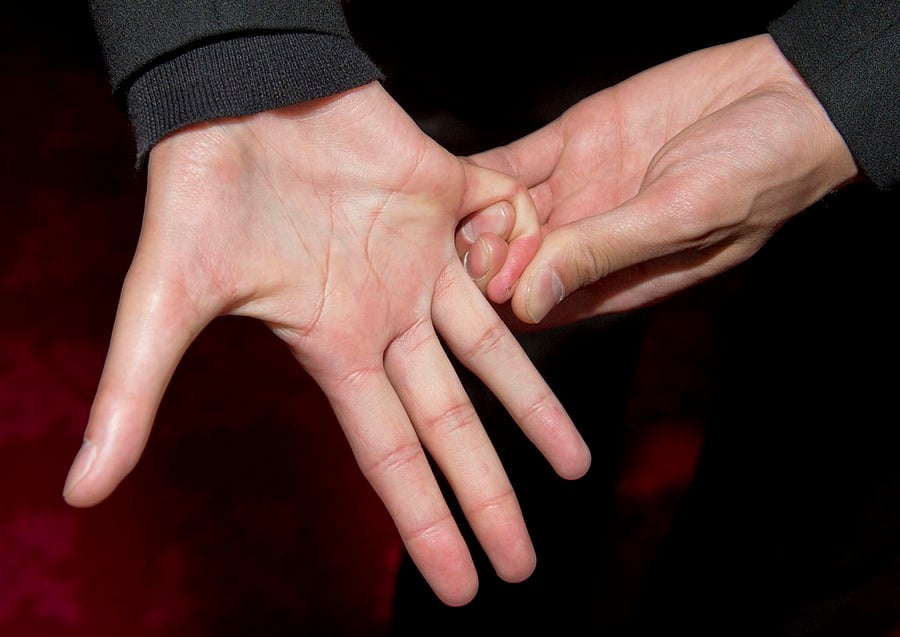
That loud pop has worried parents for generations. It certainly sounds like you’re damaging something, doesn’t it? Researchers have looked into the question for years, and studies haven’t found a clear link between knuckle cracking and arthritis. The noise comes from tiny gas bubbles forming and collapsing inside the joint fluid, not from bones grinding together. It may annoy the people around you, but your joints are telling a different story.
13. Reading in Dim Light Permanently Damages Your Eyes

Picture yourself reading under the covers with only a flashlight. Chances are someone warned you that you’d ruin your eyesight. While dim lighting can make your eyes feel tired or strained, there’s no evidence that it causes permanent damage. The National Eye Institute explains that your eyes simply have to work a little harder in low light. Uncomfortable? Yes. Harmful in the long run? No.
14. Putting a Wet Phone in Rice Is the Best Way to Save It

A phone falls into water, and almost instantly someone says, “Put it in rice!” The advice became internet folklore long before most people questioned it. Ironically, Apple now recommends against using rice for wet iPhones because small particles can get inside the device and cause additional problems. Instead, removing excess water and letting the phone dry in a well-ventilated area is the manufacturer’s recommended approach. Sometimes the most popular fix isn’t the best one.
15. Microwaves Destroy All the Nutrients in Your Food

Microwave dinners may have earned a questionable reputation, but does the appliance really strip away all the nutrients? Not at all. Food scientists have found that nutrient loss depends on cooking time, temperature, and the amount of water used, regardless of the cooking method. In fact, because microwaves often cook food quickly and with very little water, they can preserve certain vitamins better than boiling. It turns out the microwave’s biggest myth may be its own reputation.
16. Goldfish Have a Three-Second Memory

Poor goldfish. They’ve become the unofficial symbol of forgetfulness, but they deserve a better reputation. Scientists have shown that goldfish can learn routines, recognize feeding times, and even remember certain tasks for weeks or months, depending on the experiment. So where did the myth come from? Probably because it makes for an easy joke. The science, however, tells a much smarter story.
17. Touching a Baby Bird Makes Its Parents Abandon It

Imagine finding a tiny bird on the ground. Should you leave it alone because its parents will reject it if you touch it? Not necessarily. According to the National Audubon Society, most birds have a limited sense of smell and won’t abandon a nestling simply because a person handled it. The bigger concern is making sure the bird actually needs help. Sometimes the kindest thing to do is return it to its nest if it’s safe to do so.
18. Chameleons Change Color Only to Blend In

Changing colors to match the background sounds like the perfect survival trick, but that’s only part of the story. Chameleons also shift their colors to communicate with rivals, attract mates, regulate body temperature, and express their mood. Researchers have found that some of their brightest displays happen during social interactions rather than camouflage. Turns out they’re having conversations we simply can’t hear.
19. Lightning Never Strikes the Same Place Twice

You’ve probably heard this phrase used far beyond weather forecasts. It’s become a way of saying something is incredibly unlikely to happen again. Nature disagrees. The National Weather Service notes that lightning frequently strikes the same tall structures over and over. The Empire State Building, for example, is hit dozens of times each year. Apparently, lightning has no problem revisiting its favorite places.
20. The Great Wall of China Is Visible From the Moon

It’s one of the world’s most famous “facts,” but astronauts have been clearing it up for years. Although the Great Wall stretches for thousands of miles, it’s relatively narrow and blends into the surrounding landscape. NASA explains that it isn’t visible to the naked eye from the Moon and can even be difficult to spot from low Earth orbit under normal conditions. Sometimes the biggest myths survive simply because they sound too impressive not to be true.
It’s easy to laugh at old myths until you realize how many are still part of everyday conversations. Some survived because they sounded logical; others because they were passed down from parents, teachers, or popular culture without anyone questioning them. As these examples show, even the most familiar “facts” deserve a second look. Which one surprised you the most? Chances are, you’ve repeated at least one of these myths without realizing it.
Keep Exploring The Scroller
The world is full of surprising facts hiding behind everyday beliefs. Keep exploring The Scroller for more fascinating stories, forgotten history, surprising science, and the truths behind the myths we’ve all grown up believing:
17 Food Myths That Nutritionists Have Been Trying To Kill For Decades