The 1800s were a time of great discovery, but also deep misunderstanding. Long before science caught up with superstition, people held on to odd beliefs that shaped their daily lives. Strange medical ideas, questionable fashion choices, and fears rooted in folklore were all taken as fact.
Without modern tools to question or verify information, even the most bizarre claims could pass as truth, sometimes with dangerous consequences. Here are 18 strange and fascinating myths from the 1800s that people somehow believed with all of their hearts.
1. Tomatoes were poisonous

In early 19th-century America, many folks avoided tomatoes altogether, thinking they were toxic. Their resemblance to deadly nightshade didn’t help their reputation. It took years before people trusted them enough to eat them regularly.
2. Witches could steal your milk or butter
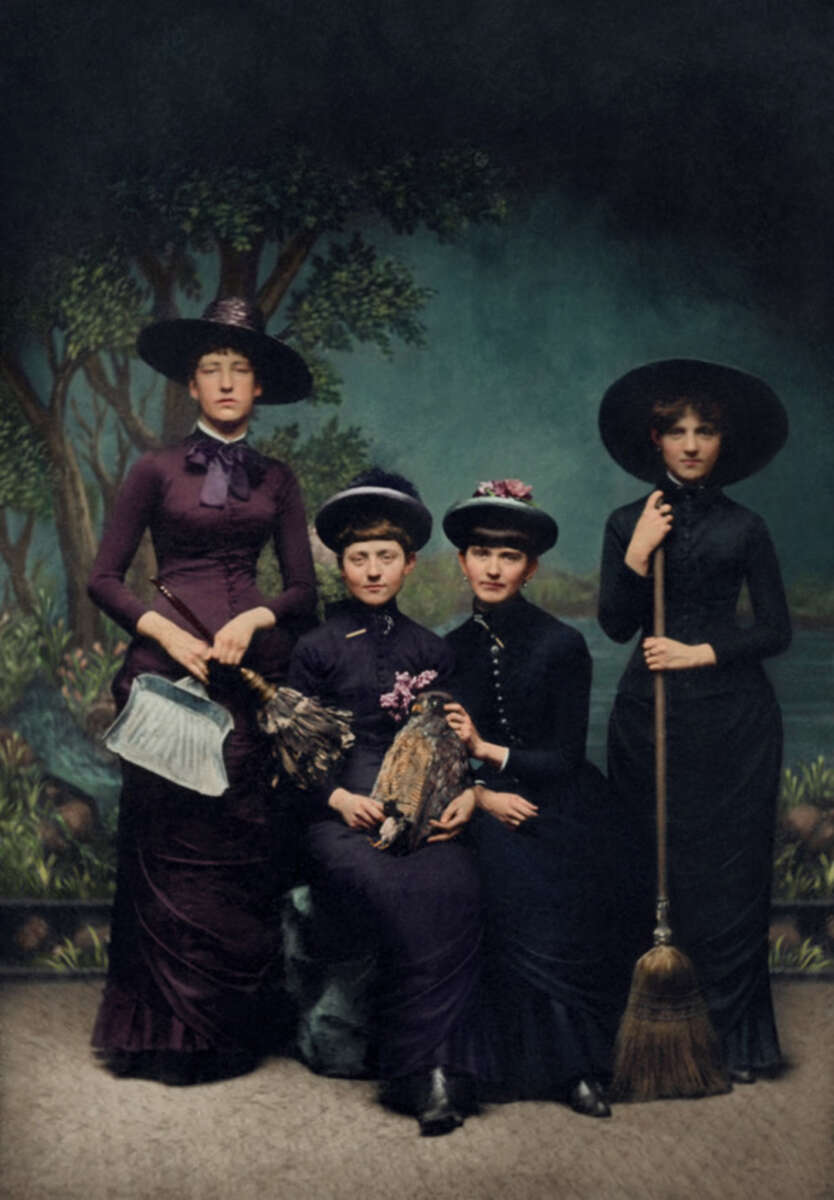
In rural areas, if a cow stopped giving milk or your butter wouldn’t churn, a local witch often got the blame. Folk remedies included placing iron nails in door frames or using herbs to ward off spells. These beliefs had deep roots in European superstition. Even as science advanced, some rural communities held onto them.
3. Corsets improved women’s health
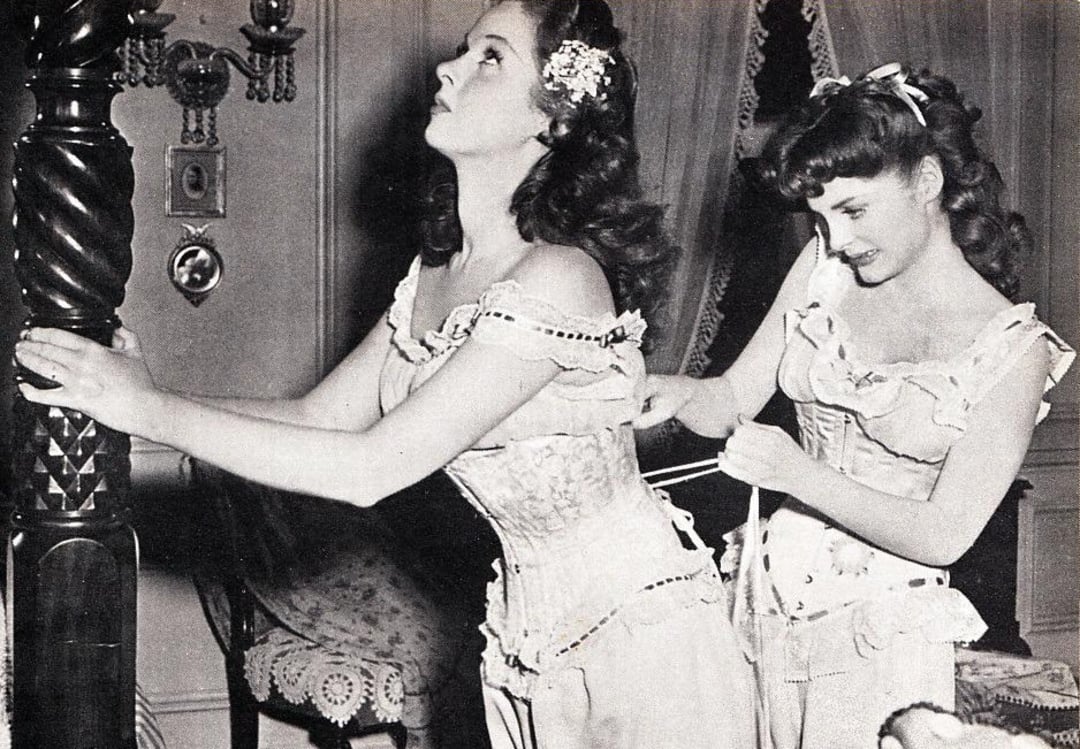
Some doctors claimed that corsets helped support a woman’s organs and posture. In reality, tightly laced corsets often led to breathing problems, fainting spells, and even internal organ displacement. Despite the risks, women were pressured to wear them for beauty and “wellness.” Health and fashion were dangerously intertwined.
4. Mercury was a medicine
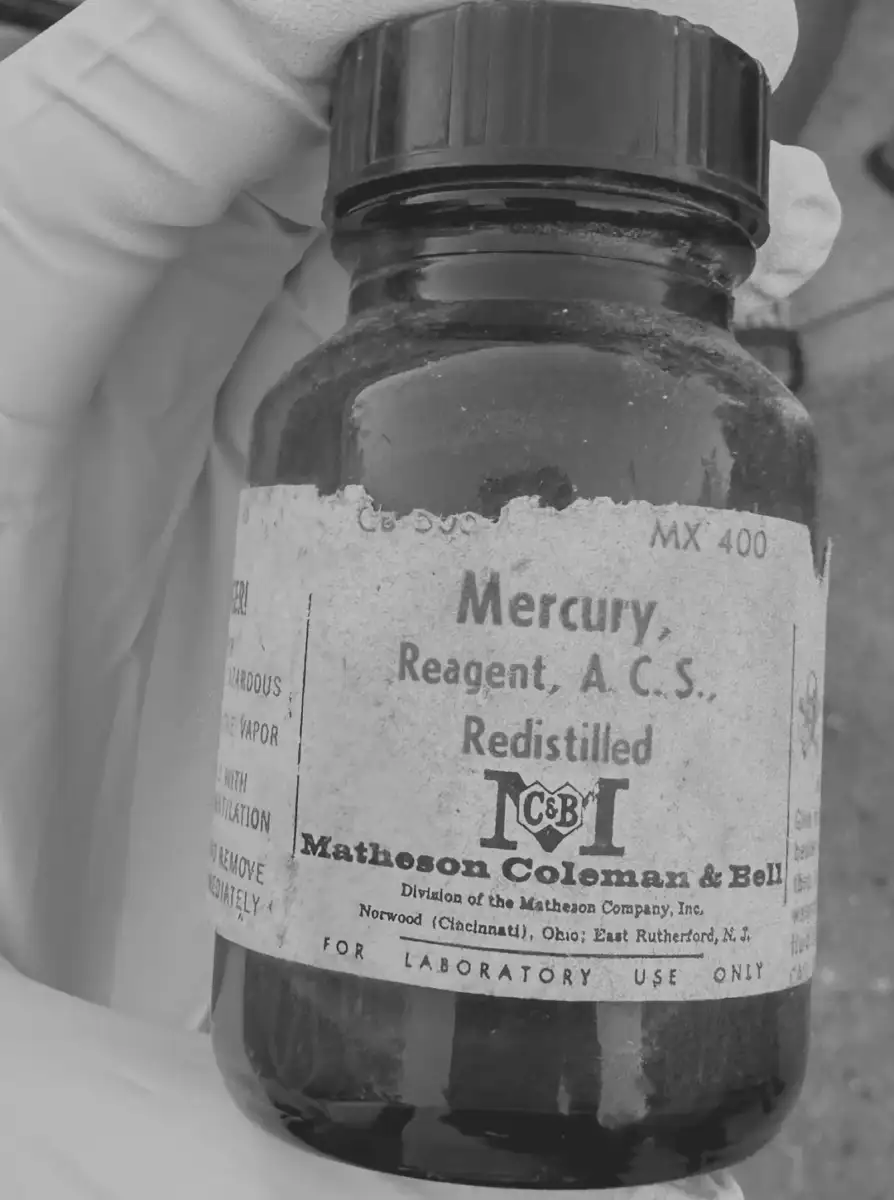
Mercury, now known as a dangerous toxin, was once used in medicine for everything from constipation to common sickness. It was sold in pills and powders and even given to children. While it sometimes relieved symptoms short term, it often did lasting damage. Tremors, tooth loss, and even death were not uncommon.
5. Ice water was dangerous

Doctors in the 1800s warned that drinking cold water, especially after exercise or a meal, could be harmful, or even fatal. They thought the sudden chill could shock the stomach or stop digestion altogether. Warm beverages were preferred, even on hot days. It was one of many health rules based on shaky assumptions.
Trending on The Scroller


6. Left-handedness was a sign of evil

Being left-handed wasn’t just unusual; it was seen as morally wrong or even linked to the devil. Children caught writing with their left hand were punished and forced to switch. “Correcting” left-handedness was seen as part of a proper upbringing. The stigma stuck around for generations.
7. Lightning could be prevented by ringing church bells

During storms, some communities rang church bells to keep lightning away. The idea was that holy sounds could ward off danger. In practice, it put bell ringers at serious risk, and many were struck and killed. Eventually, people realized metal towers and thunderstorms were a deadly mix.
8. Drinking vinegar could make you thin
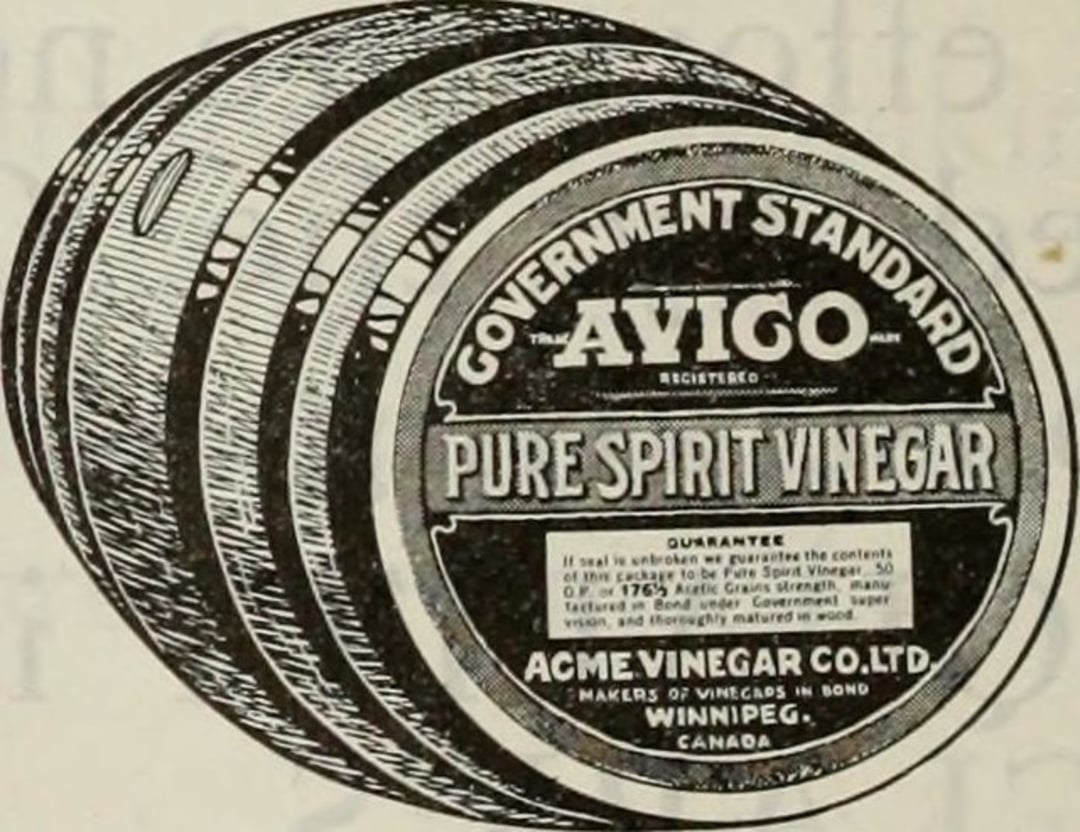
In the 1800s, there was a strange diet trend involving drinking vinegar to lose weight. This diet was made popular by figures like Lord Byron. People believed it cleansed the system and suppressed appetite. While it might have led to some weight loss, it often caused ulcers, nausea, and long-term health issues. It was more punishment than remedy.
Sign up for our newsletter
9. Diseases could be prevented by wearing red
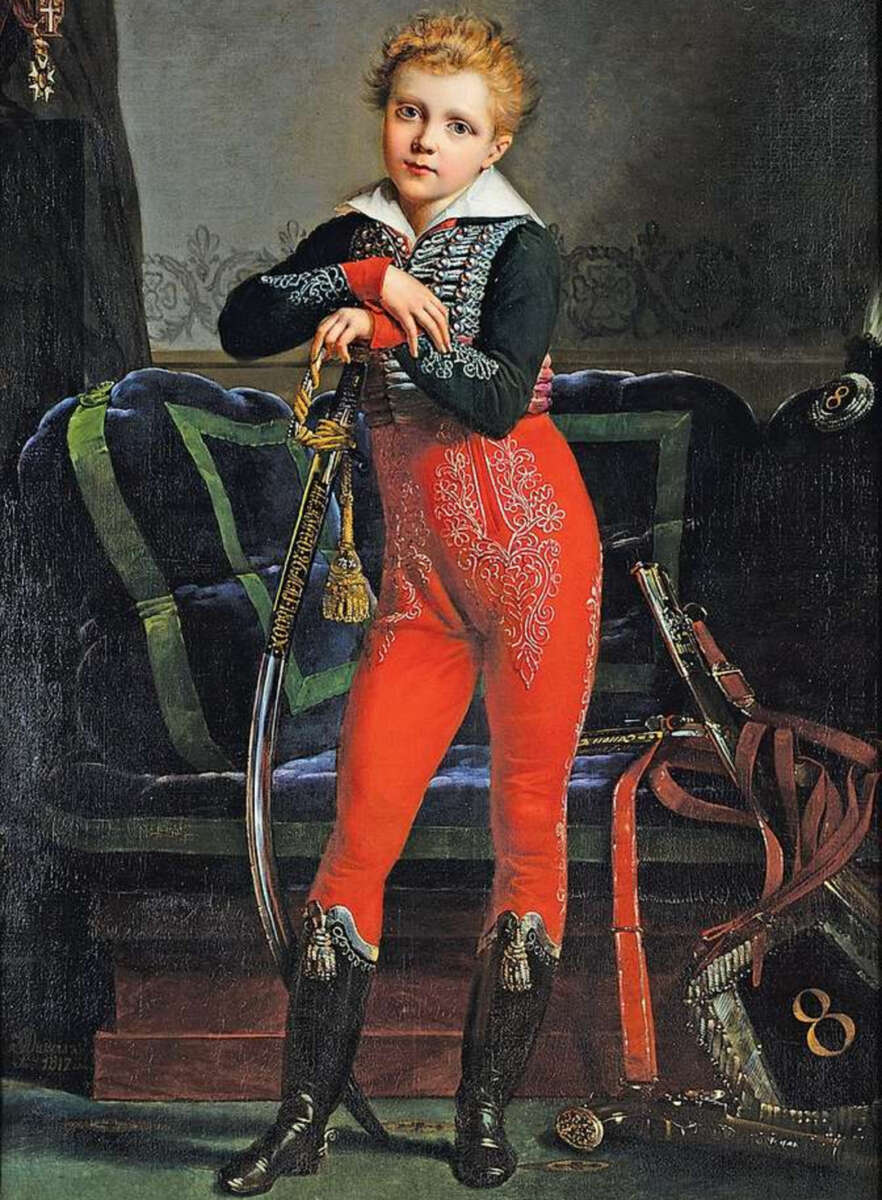
Red was thought to protect the body from diseases like measles or smallpox. Parents dressed their children in red, hoping it would shield them from harm. The logic was tied to the idea that red “heated” the blood or repelled illness. Of course, it had no actual effect.
10. Tooth worms could cause headaches
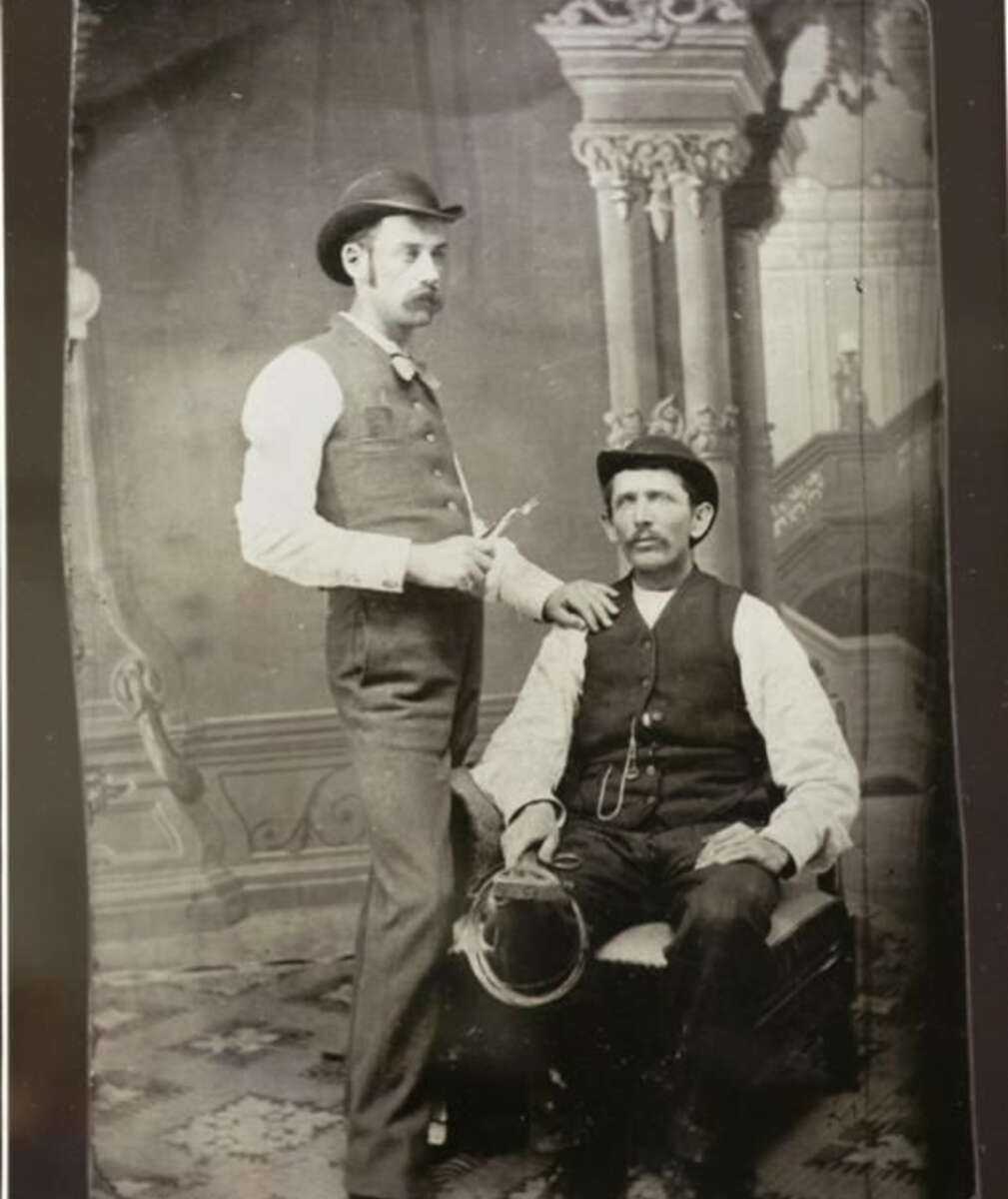
When people had a bad toothache, they blamed it on tiny worms living inside the tooth. Some treatments involved herbs or heat to “coax the worms out.” This idea hung on for centuries before bacteria were identified as the true cause. It’s a reminder of how poor dental science once was.
11. Lunacy was caused by the moon
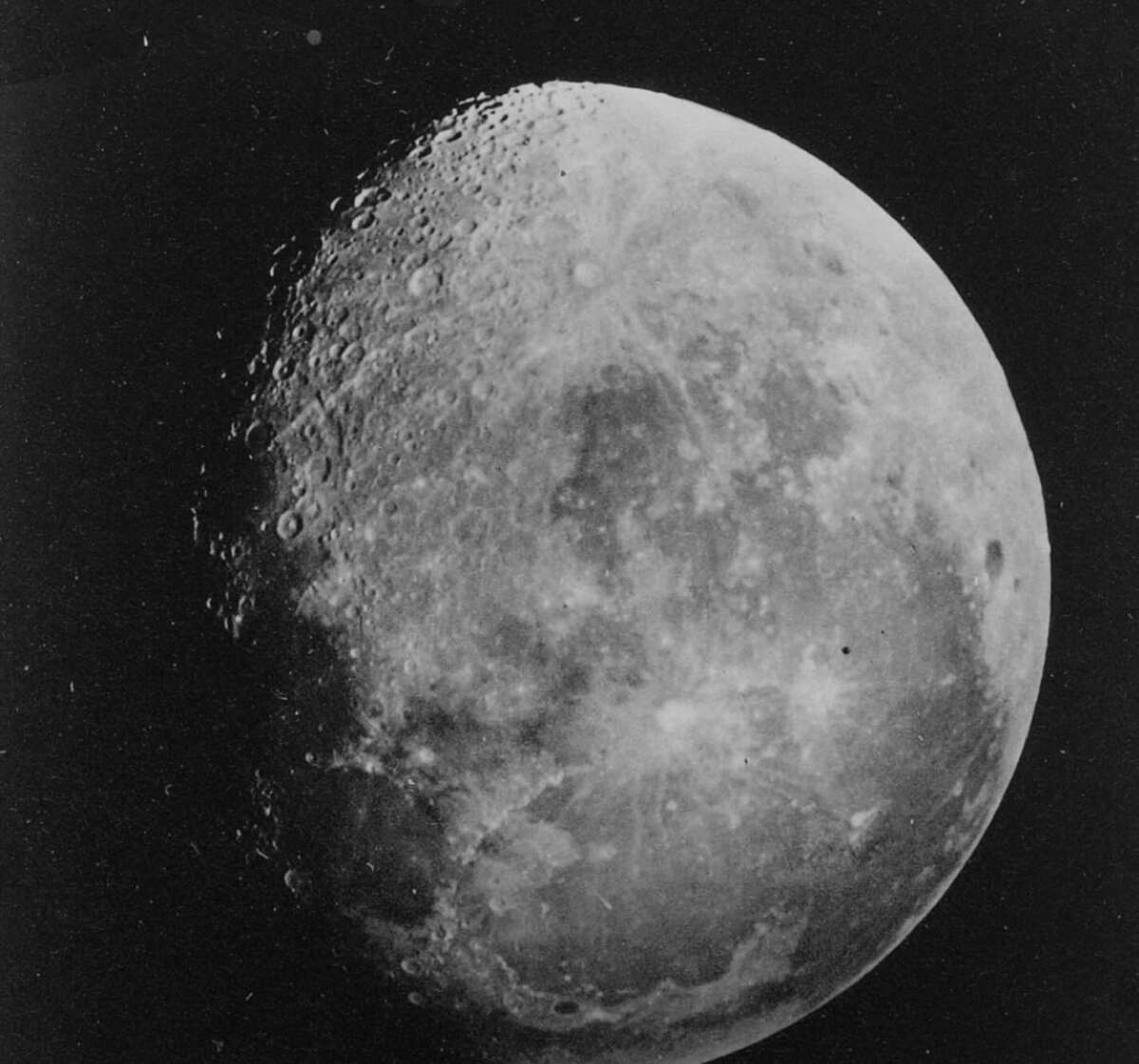
The word “lunatic” comes from the belief that the full moon could trigger madness. Asylums sometimes noted patient behavior during lunar cycles. Some even adjusted treatments based on the moon phase. The belief blended old superstition with early psychiatry.
12. Photographs could steal your soul
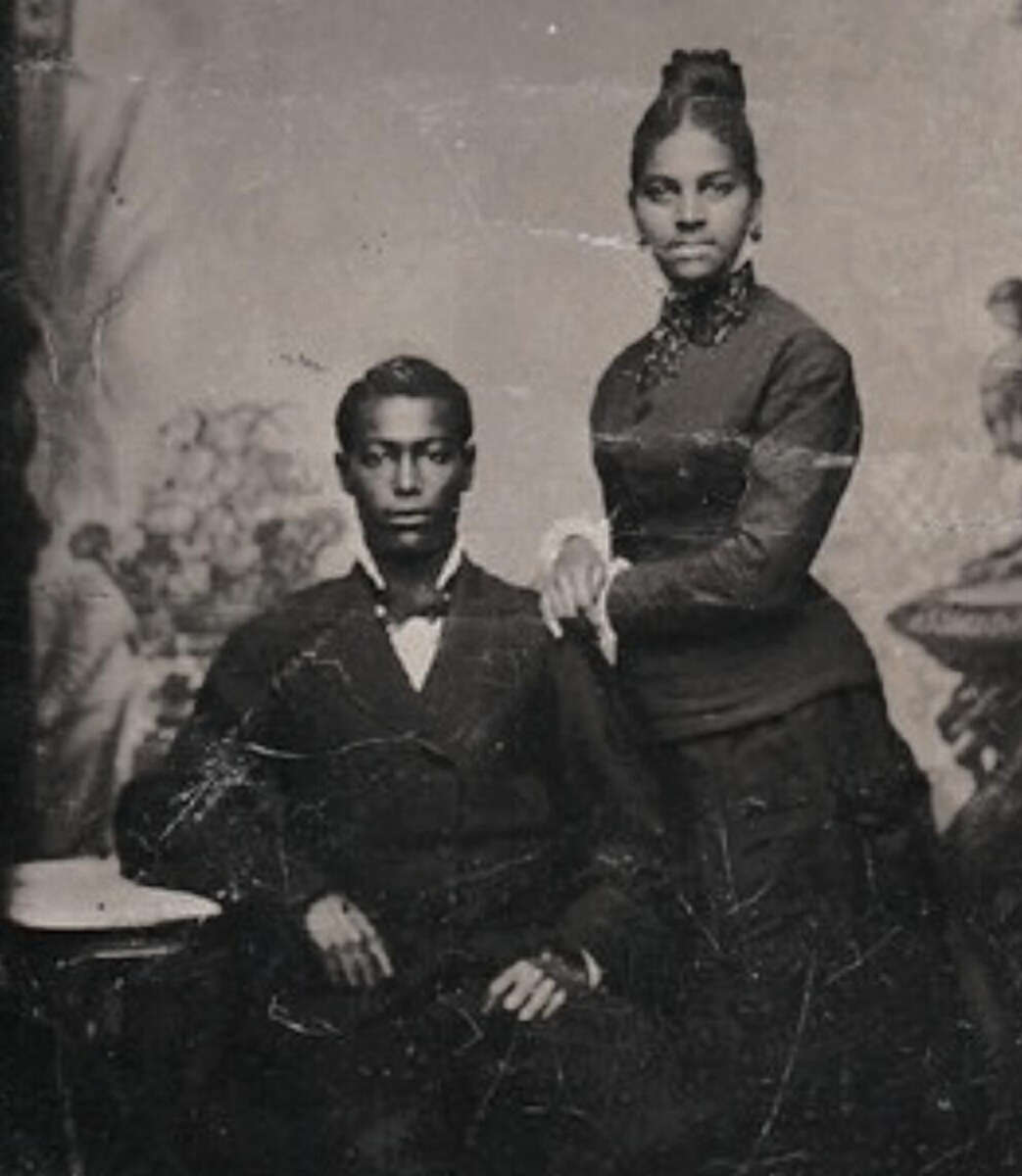
Early photography spooked some people, especially in isolated or traditional communities. It was believed that capturing someone’s image could also capture part of their spirit. As a result, many avoided having their photo taken. Over time, curiosity overcame fear, and the camera lost its spooky reputation.
13. Reading too much could damage your health
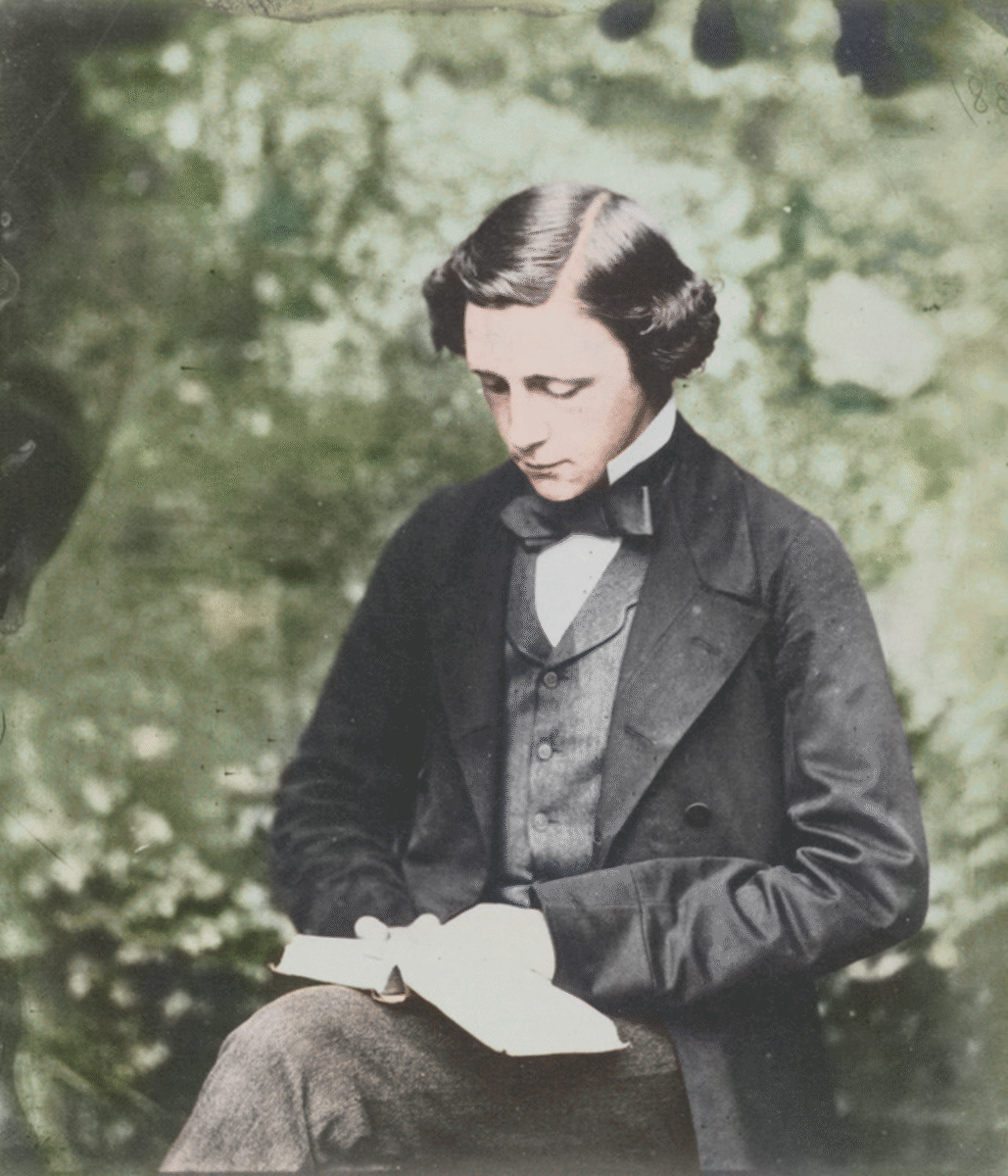
Many doctors in the 19th century believed that too much reading could overstimulate the brain and cause nervous exhaustion. It was thought to particularly affect women, making them emotional or unstable. Some even warned it could lead to insanity. Parents and schools were told to limit reading time to prevent “moral decay.”
14. Night air was poisonous

Opening windows at night was once considered dangerous. People believed that cool nighttime air carried disease, especially in cities where sanitation was poor. This led to tightly sealed bedrooms and stuffy homes, even during heat waves. Ironically, the real health risk came from indoor air pollution and lack of ventilation.
15. Crossed eyes could be fixed by scaring someone
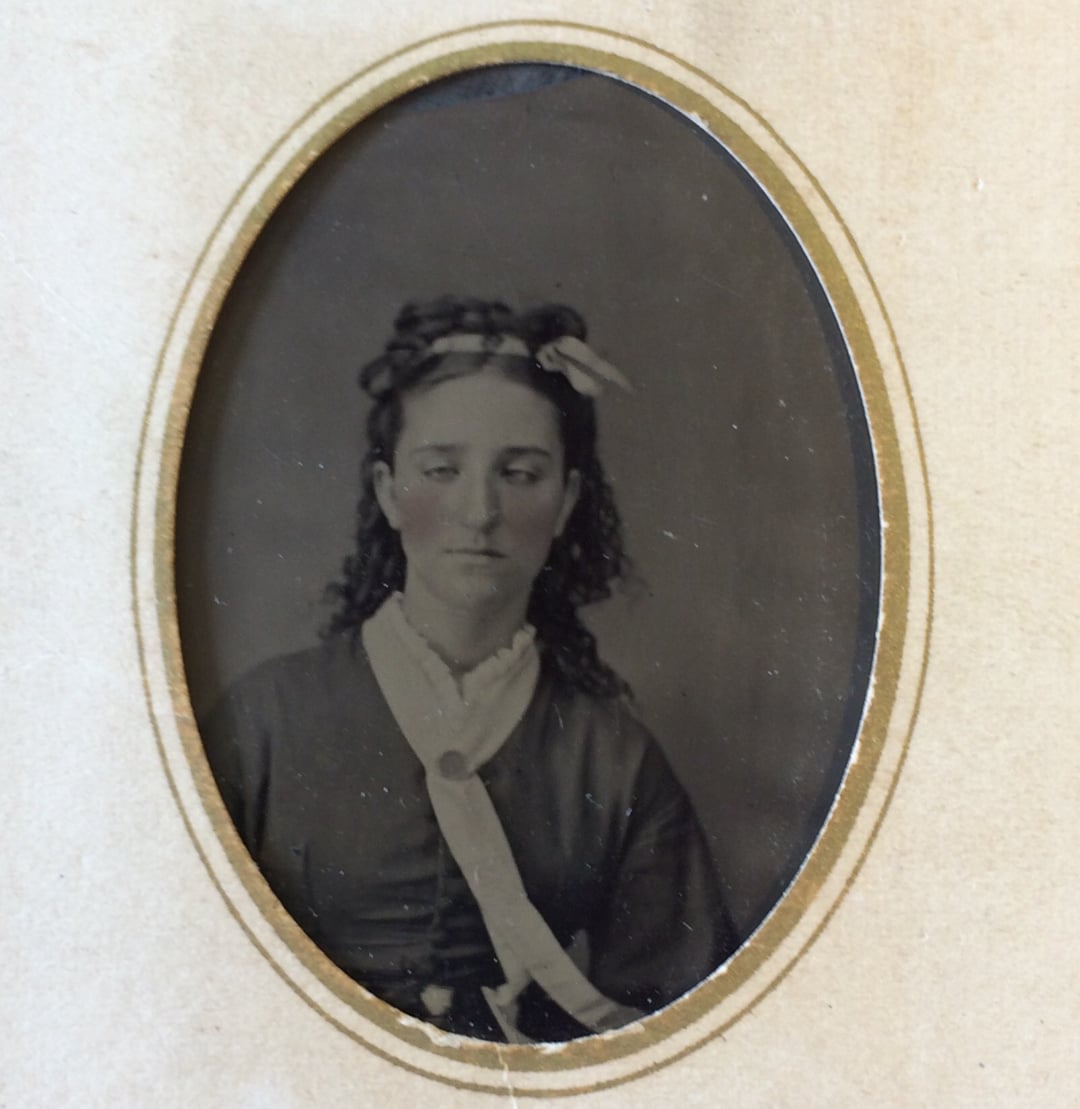
If a child had crossed eyes, some believed that scaring them, or even hitting them, could somehow “shock” the eyes straight. This cruel remedy had no medical basis, of course. But it was passed down as old wisdom in many families. Thankfully, modern medicine took a different route.
16. Bathing too much could make you sick
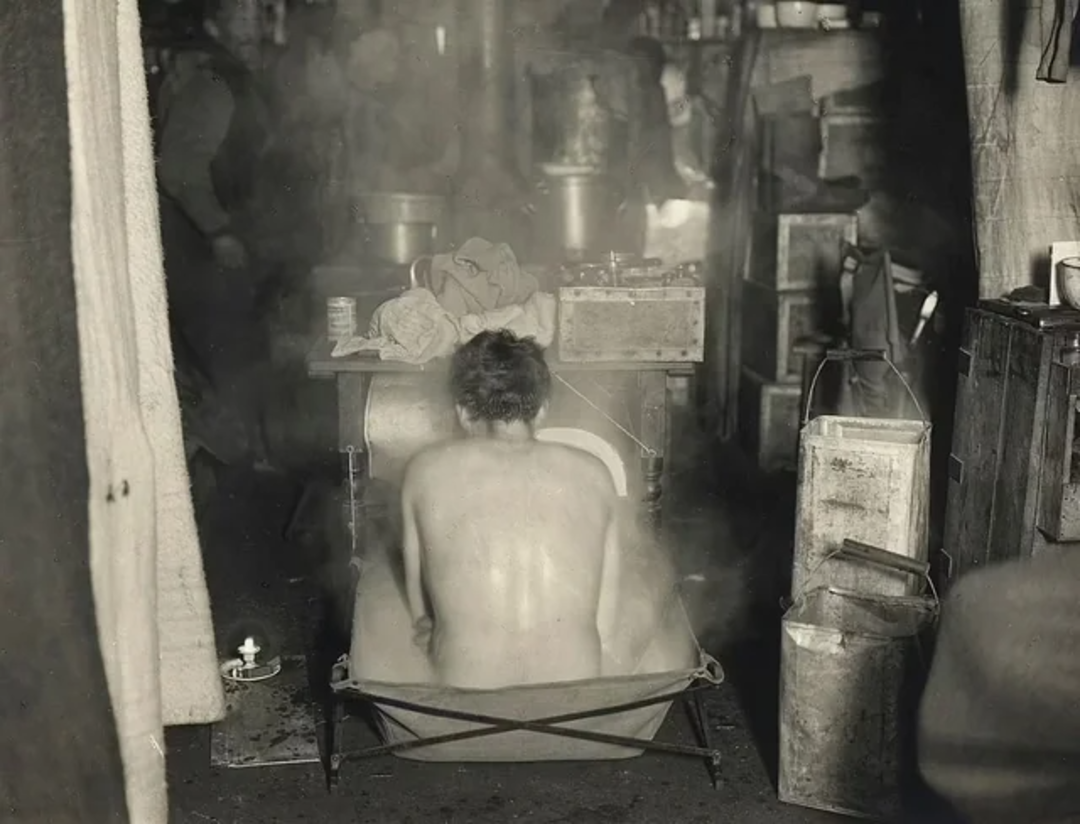
It might sound gross today, but in the 1800s, some people believed frequent bathing could weaken the body. Doctors warned that opening your pores too often might let illness creep in. Cold baths were especially feared, supposedly leading to pneumonia or worse. For many, a full-body wash was a once-a-month ordeal.
17. Cutting hair released vital energy
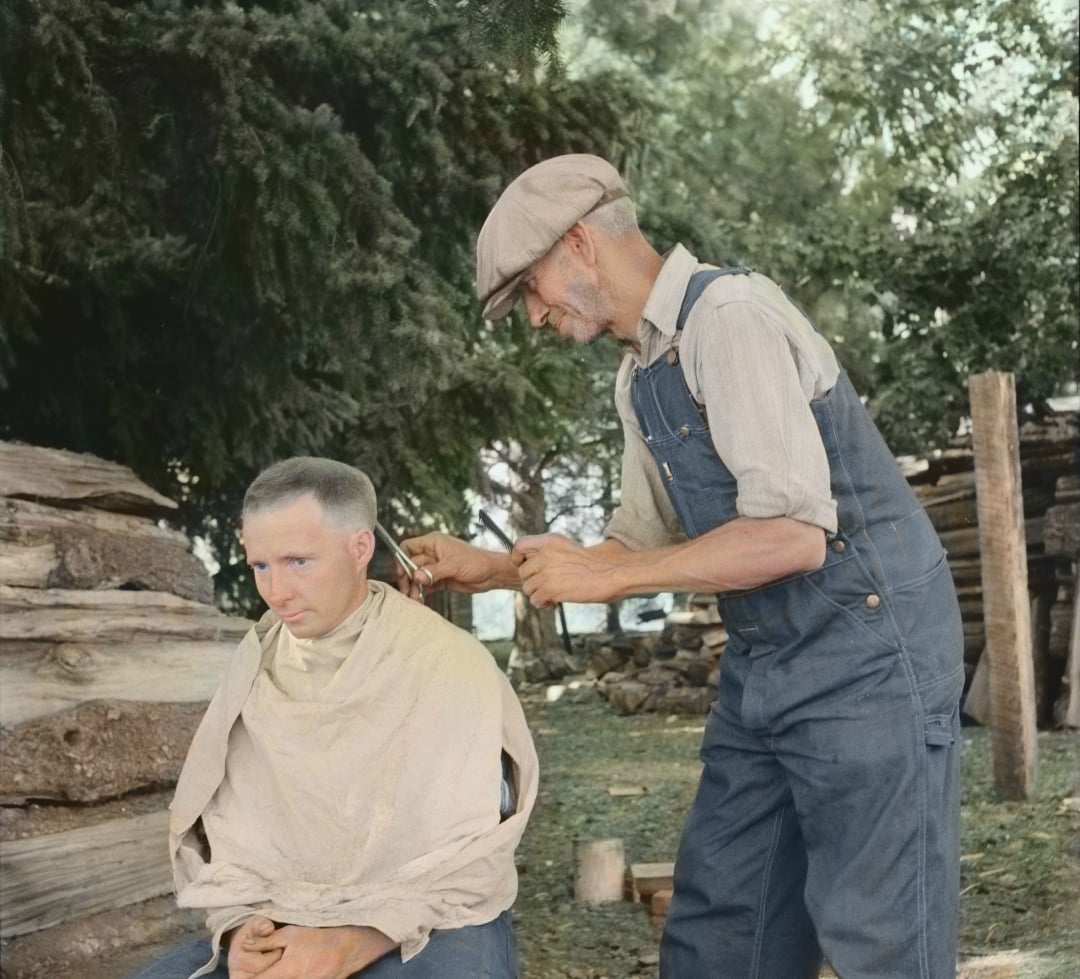
Some believed that trimming your hair too often could sap your strength or shorten your lifespan. Hair was thought to store life force, especially in children and the sick.
18. Coughing was good for your lungs
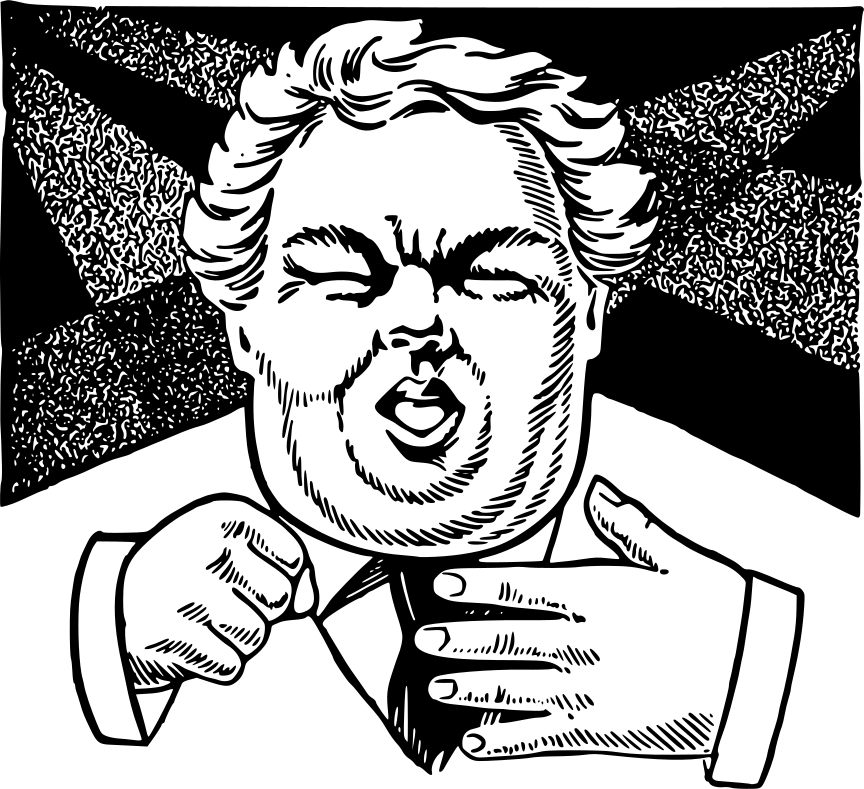
One 1800s health theory claimed that a strong, hearty cough helped “cleanse” the lungs. Some even advised people to cough regularly, just to keep the airways fresh, like sweeping a dusty floor. So yes, if you coughed constantly in public, you weren’t sick, you were just “ventilating.” That must’ve made 19th-century dinner parties extremely gross.
Want to see more 19th-century content?
Check out 18 Historical Figures from the 1800s Who Had Strange Hobbies, or take a look at 17 Firearms from the 1800s That Changed History. Finally, if you want to see the 1800s in color, take a look at 20 Colorized Photos From The 1800s.