
Hollywood didn’t invent grit; it borrowed it. Long before stunt doubles and sweeping scores, real sheriffs were riding night trails, wiring warrants, and trying to outwit troublemakers who loved an audience.
These 15 quick-hit profiles revisit the sheriffs whose real lives helped shape the big-screen hero we can’t stop rooting for.
1. Buford Pusser

The towering sheriff who took a club to organized crime, Pusser waged a brutally personal war on corruption and bootleggers. He kept coming back after ambushes, injuries, and political pressure, turning persistence into his brand. His crusade became like a template for the lone, uncompromising lawman and was immortalized in Walking Tall and its remakes.
2. Pat Garret
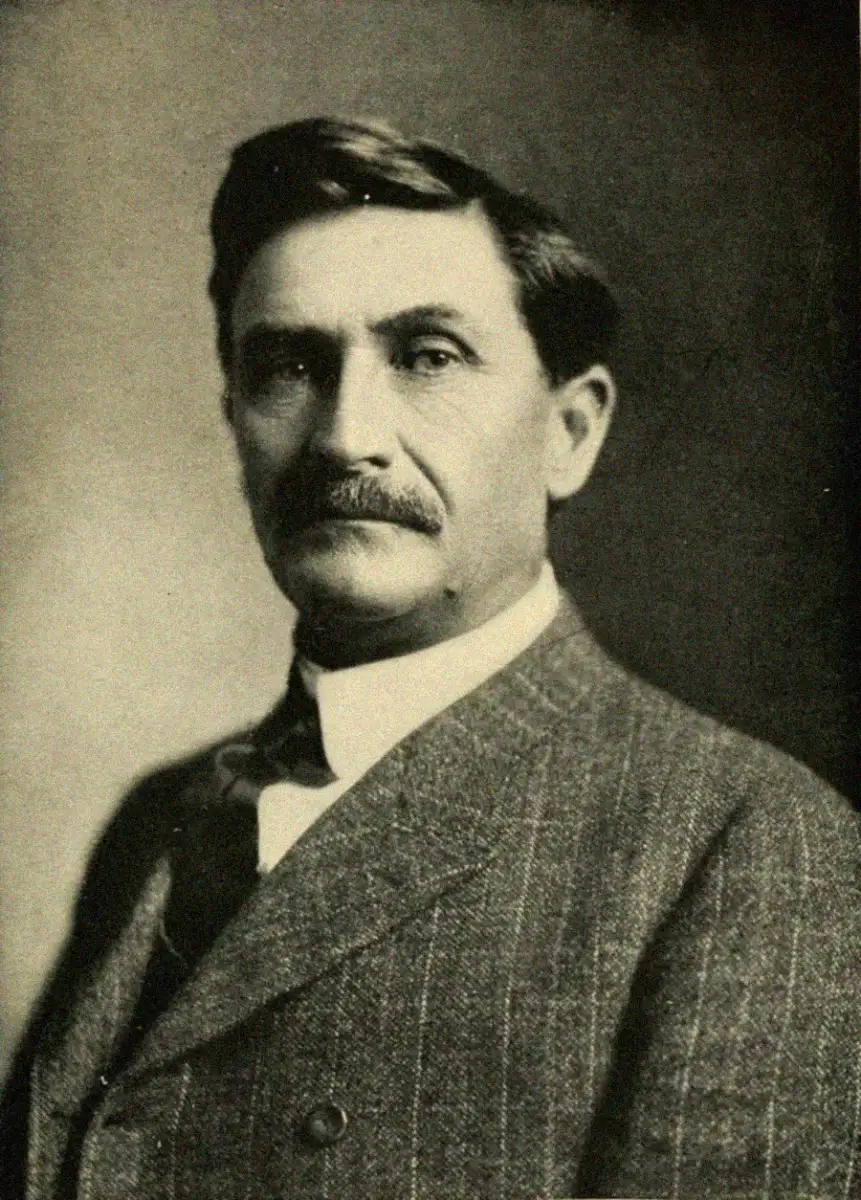
Cool as a ledger and twice as detailed, Garret shrank Billy the Kid’s world by mapping friends, food stops, and safe houses. His methods ended in a single dark-room shot that history still argues about. Filmmakers return to that moral gray zone again and again. You can see that in Pat Garret & Billy the Kid for the elegy version.
3. Seth Bullock
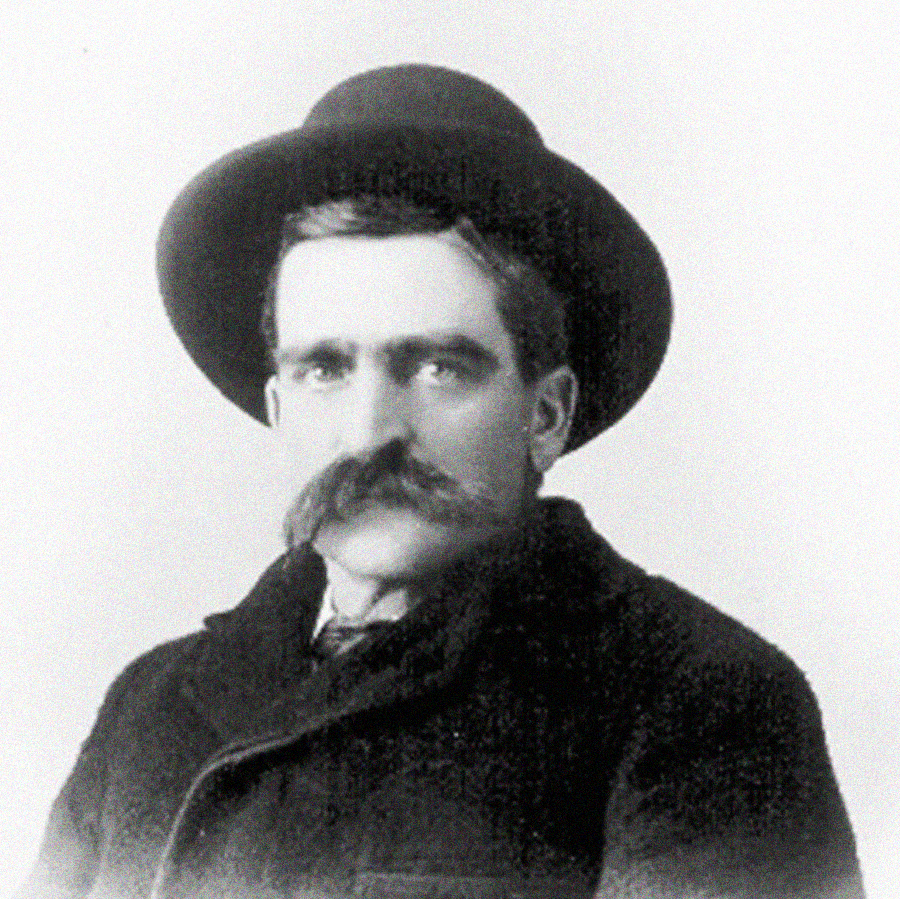
By choosing steady patrols, fast hearings, and zero flinch, Bullock imposed order with presence. He made a boomtown live by a clock instead of a gun barrel. The screen version of “the firm but fair sheriff” owes him a debt, and it’s most famously reimagined in Deadwood.
4. Bat Masterson

Masterson preferred a clean arrest to a messy shootout and never skimped on backup. He could talk a saloon quite and then write it up like a pro. Films have cast him as the charming tactician who wins with nerve and paperwork because that’s the historical record, just with better hats.
5. Bill Tilghman
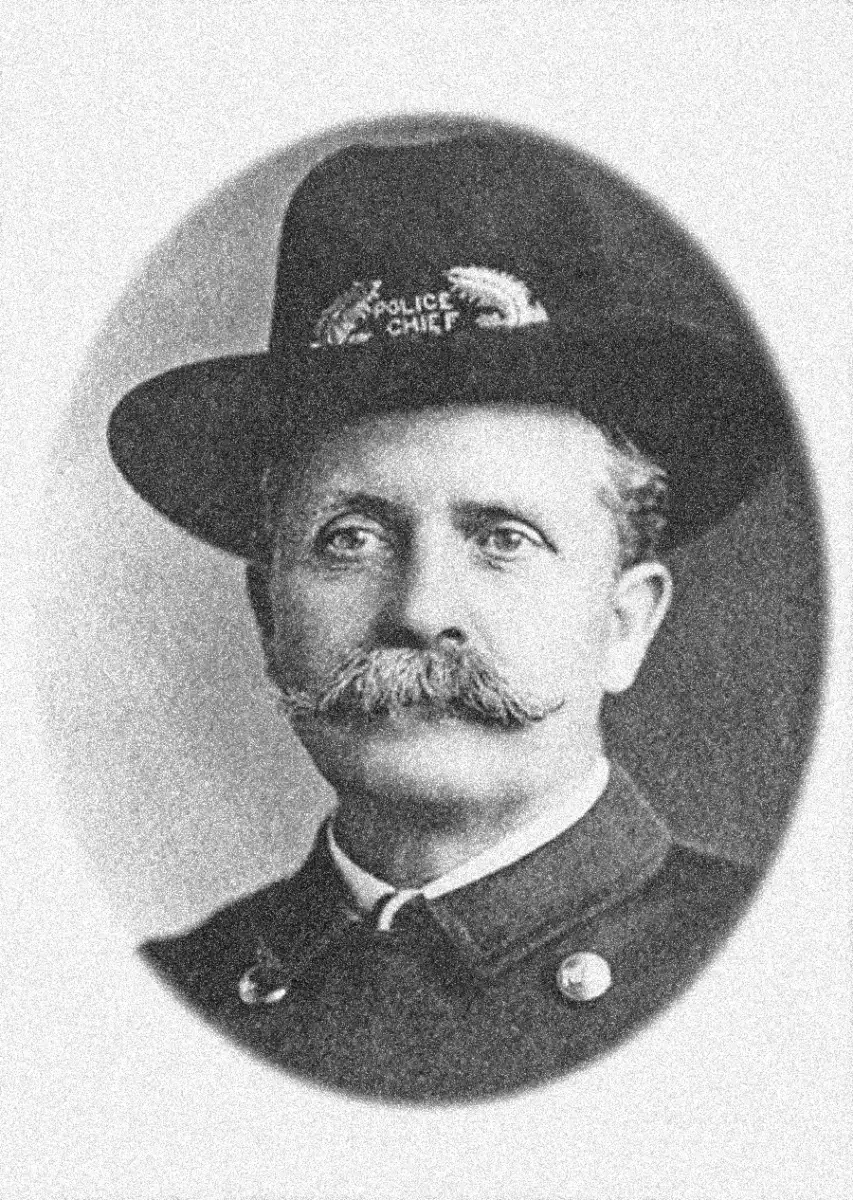
A gentleman with a steel core, Tilghman bridged the wild frontier and the age of procedure. By resorting to warrants, testimony, and careful files, he insisted the case be as strong as the collar. He even made an early Western to sell the public on law and order, a meta move that Hollywood still loves.
Trending on The Scroller

6. Commodore Perry Owens
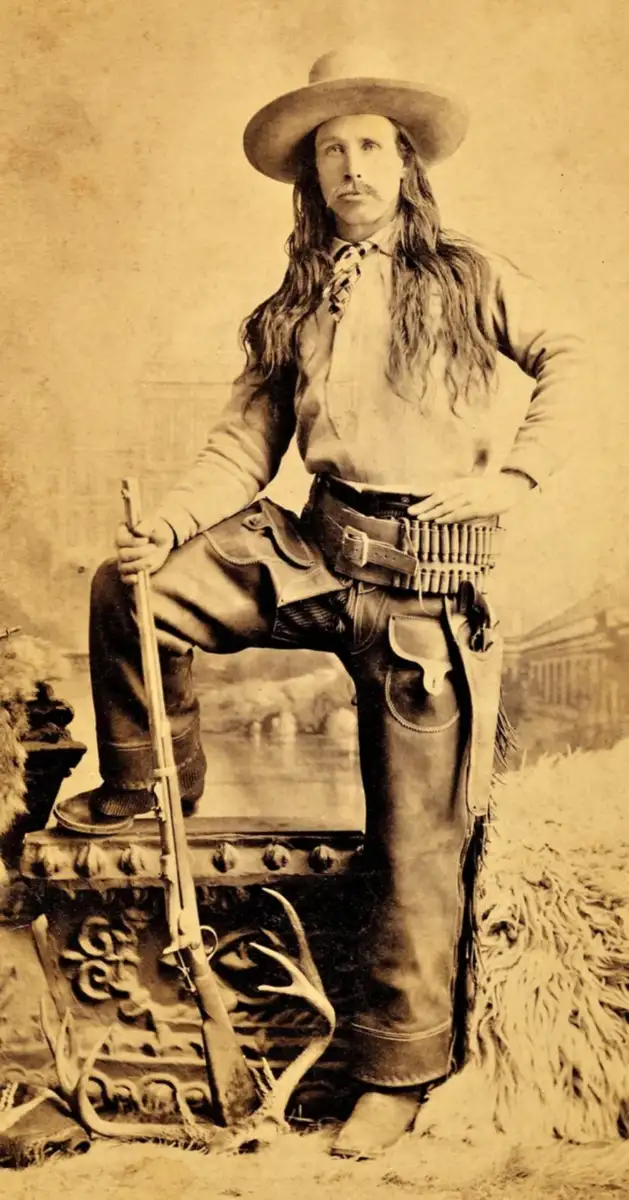
Carrying out an arrest warrant solo and holding his ground when rifles answered were a big part of Owens’ Holbrook showdown, and it became instant folklore. But his day-to-day edge was patience: he prepped, listened, and timed his knocks. Westerns keep casting his archetype as the laconic sheriff who doesn’t bluff.
7. John Slaughter

Slaughter ran border country like a ledger, turning routes and waterholes into traps for rustlers. He talked when talking worked and cuffed when it didn’t. Onscreen, he reads like the rancher-sheriff who knows every fence post and every lie.
8. Jon Selman
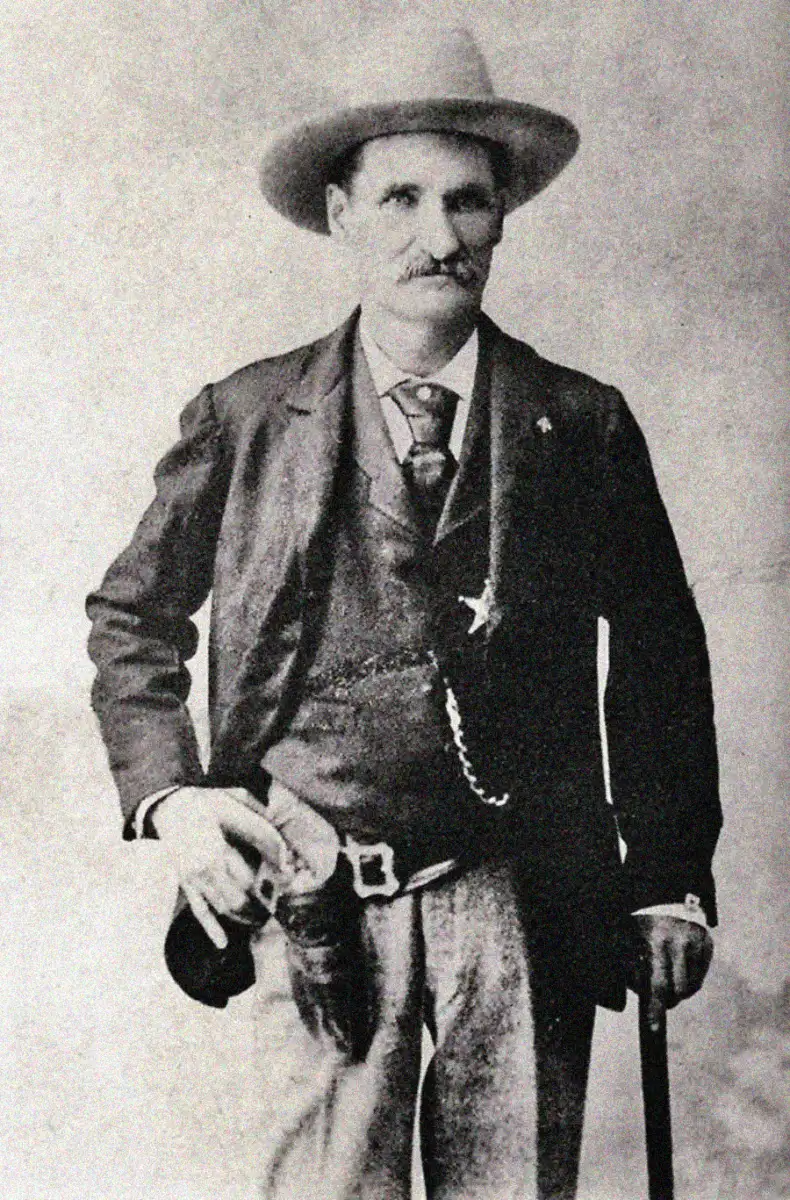
Selman watched John Wesley Hardin’s habits until the pattern gave him an opening at the Acme Saloon. The ending was fast, final, and pure border-town fate. Cinema has long borrowed that energy as the seasoned officer who ends a myth with one decisive move.
Sign up for our newsletter
9. Harry N. Morse
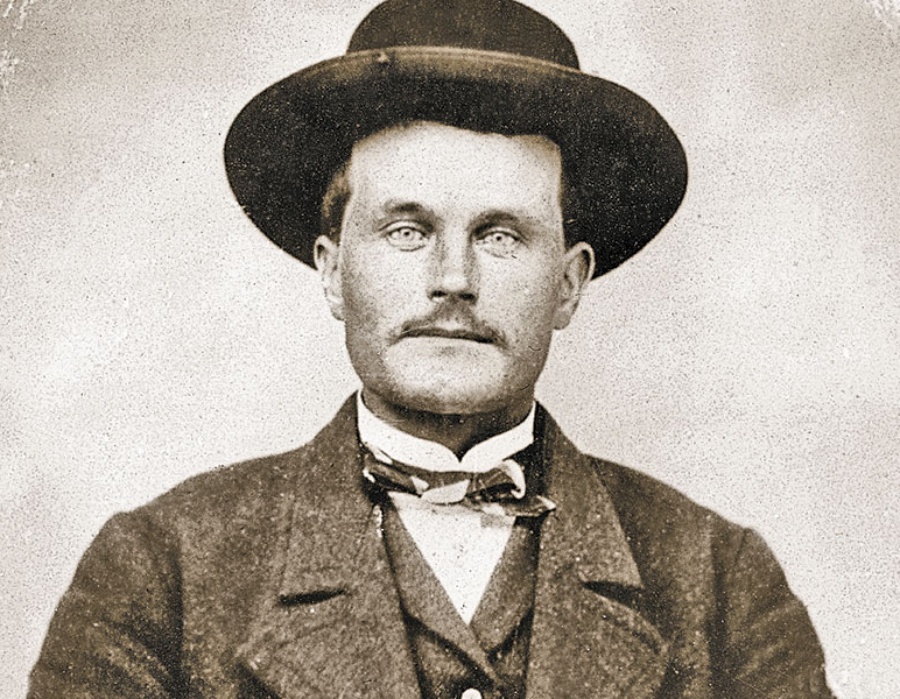
This sheriff treated bandits like math problems: trackers, timetables, and affidavits first, saddles second. He also helped squeeze high-profile outlaws around the Bay and made patience look thrilling. On the big screen, detectives with notebooks and nerve trace a line back to this kind of sheriffing.
10. Robert “Bob” Paul
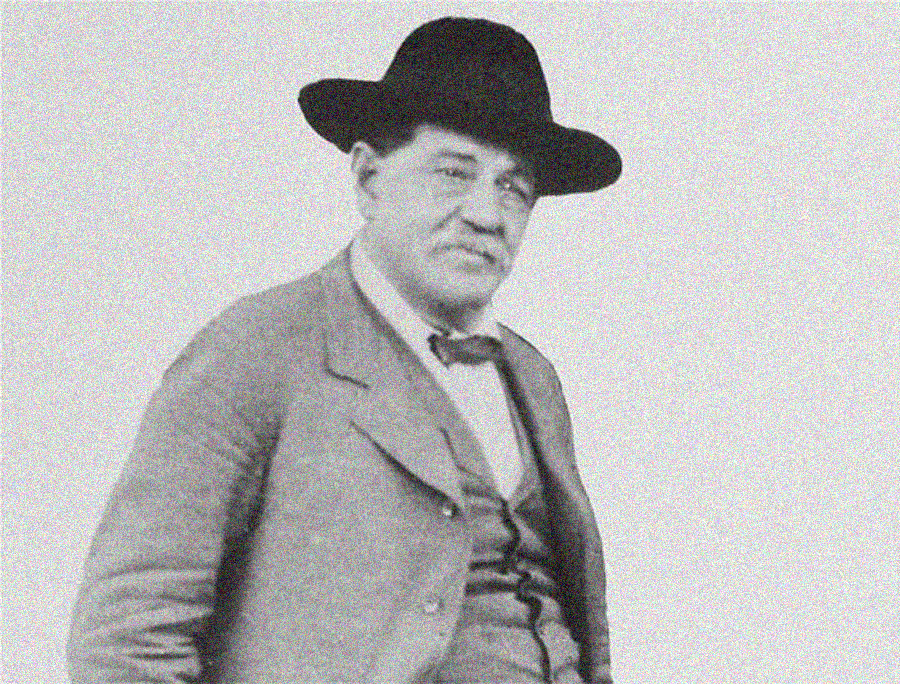
Paul turned county lines into speed bumps, coordinating posses across the desert like a human dispatch board. During his time, stage robbers learned that crossing jurisdictions didn’t reset the clock. The movie trope of the relentless pursuit owes a quiet bow to Paul’s paperwork-and spurs approach.
11. William R. Rowland
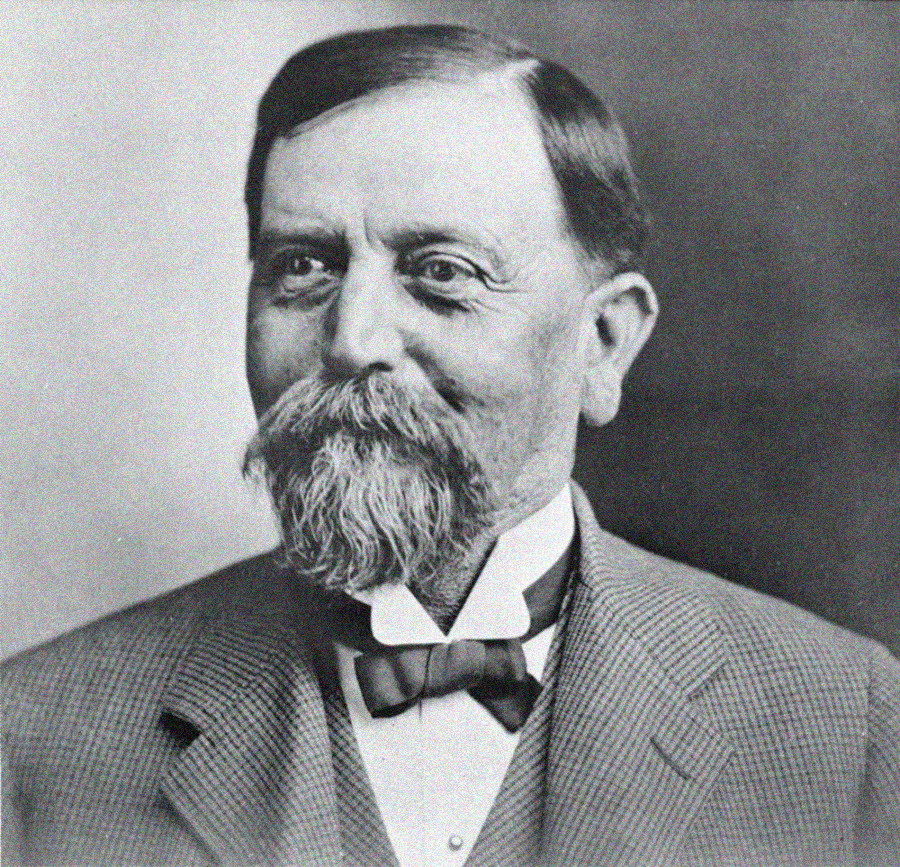
Rowland moved fast on intelligence, surrounding a notorious bandit hideout and ending a years-long chase in minutes. He ran a growing city’s law like a firm hand on a crowded tiller. Films set in old L.A. borrow that vibe of an urban sheriffing with frontier stakes.
12. Dave Allison
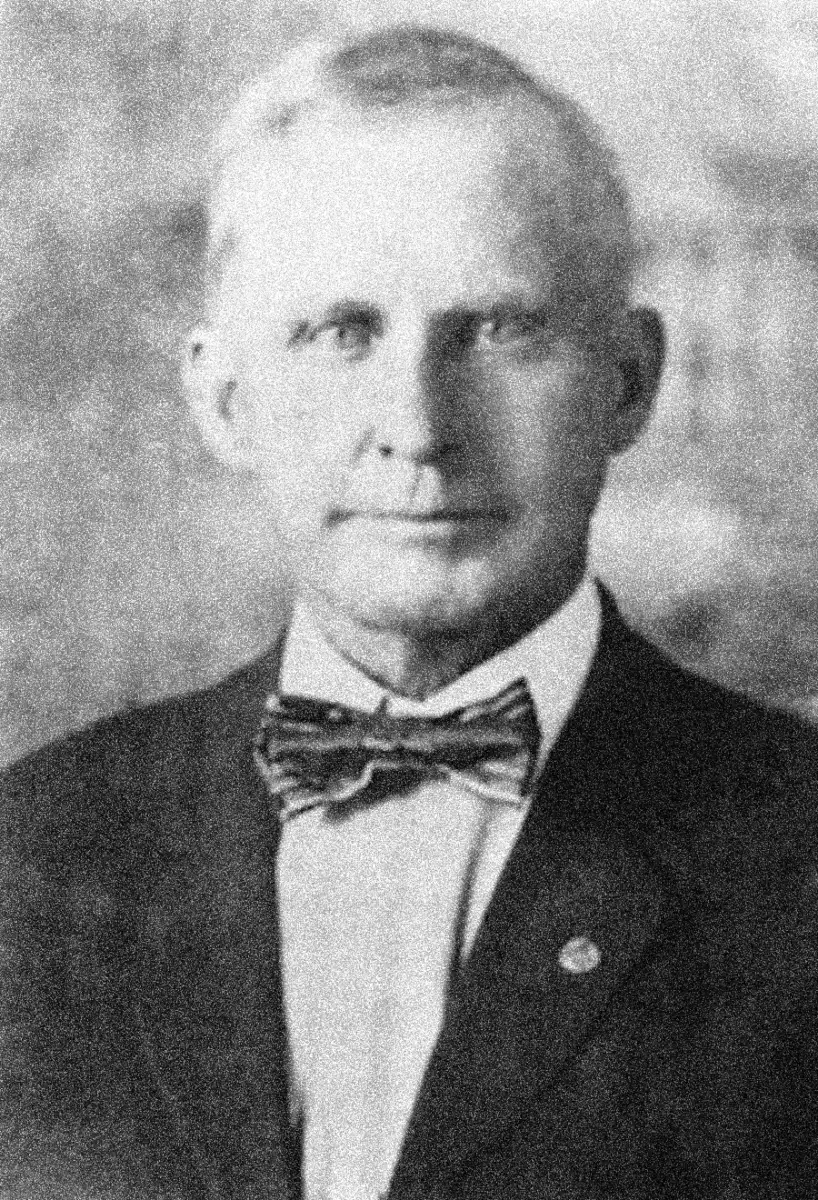
Allison carried Ranger grit into the sheriff’s office, hunting bank crews and killers with equal patience. He believed in timing as much as torque, letting the routine do the work and then striking. On screen, he’s the template for the quiet closer who never needs a speech.
13. John Hicks Adams

Orchard country hid some hard men, and Adams pieced them together with shoe prints, camp ash, and talkative informants. He logged the kind of cases that make great third acts, layering evidence until the last shot lands. Hollywood’s methodical sheriff archetype wears his fingerprints.
14. Charlie Basset

Before Masterson, Basset set Dodge City’s tone: be fair, be fast, and be everywhere at once. He kept cattle money flowing and egos in check without turning the town into a battlefield. The unflappable handler of chaos is the type of sheriff filmmakers love.
15. Elfego Baca

Baca’s legendary standoff -he alone in front of a small army- wasn’t just bravado; it was proof the law wouldn’t blink. Later, he traded the streets for the courtroom, carrying order forward. Hollywood sees him as the blueprint for the scrappy, principled underdog who wins the day.
Explore more historical content:
Swap the studio lights for lamplight and you’ll still recognize the silhouette: a steady hand, a patient hunt, and a badge that means what it says. Want more fast-reading history with big-movie DNA? Try these 18 Stories of Old West Sheriffs That Sound Too Wild to Be True, or these 15 Historic Lawmen Who Inspired Hollywood Legends. You may also like 18 Vintage Photos of Sheriffs Who Ruled the Frontier.