Accidental inventions have shaped the world in ways we rarely stop to consider. Over time, brilliant minds have created countless innovations that improve our everyday lives, from simple foods and drinks to life-saving medical breakthroughs. Innovation often feels intentional, but sometimes, the most impactful ideas come from unexpected moments.
When we think about science and invention, many of us imagine the classic “mad scientist,” experimenting endlessly in a lab through trial and error. Surprisingly, reality isn’t always that far off. Many of the discoveries on this list were born from mistakes, miscalculations, or pure curiosity. Yet, every person behind these accidental inventions deserves recognition; they created something that changed how we live, for better or worse. So let’s dive into these accidental inventions and see how many you already knew.
1. Penicillin
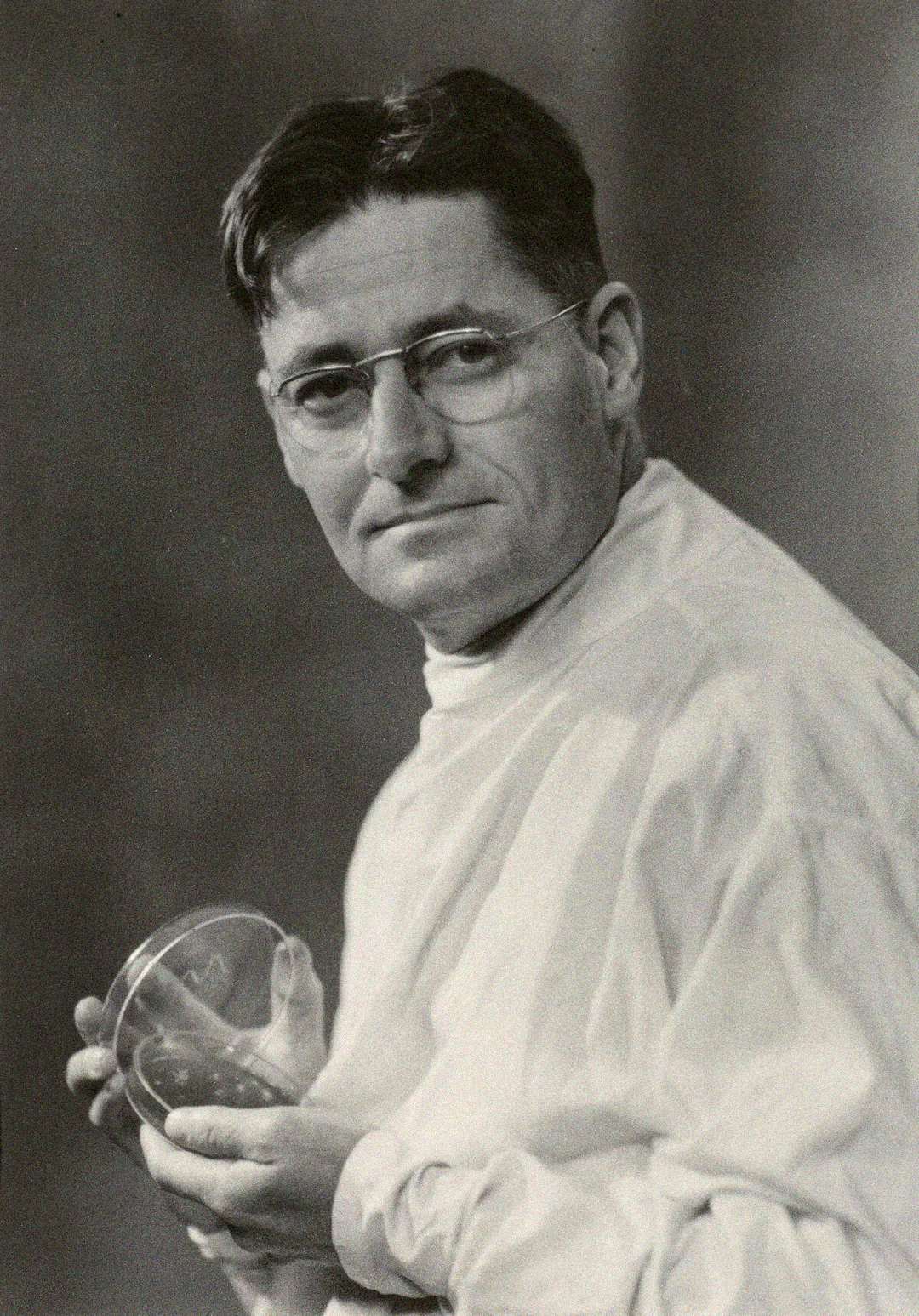
In 1928, Alexander Fleming returned to his lab to find mold growing on a petri dish he had forgotten to clean. Instead of throwing it away, he noticed that the bacteria around the mold had died. Surprisingly, that observation led to the discovery of penicillin, the world’s first antibiotic, completely by accident.
2. Microwave Oven
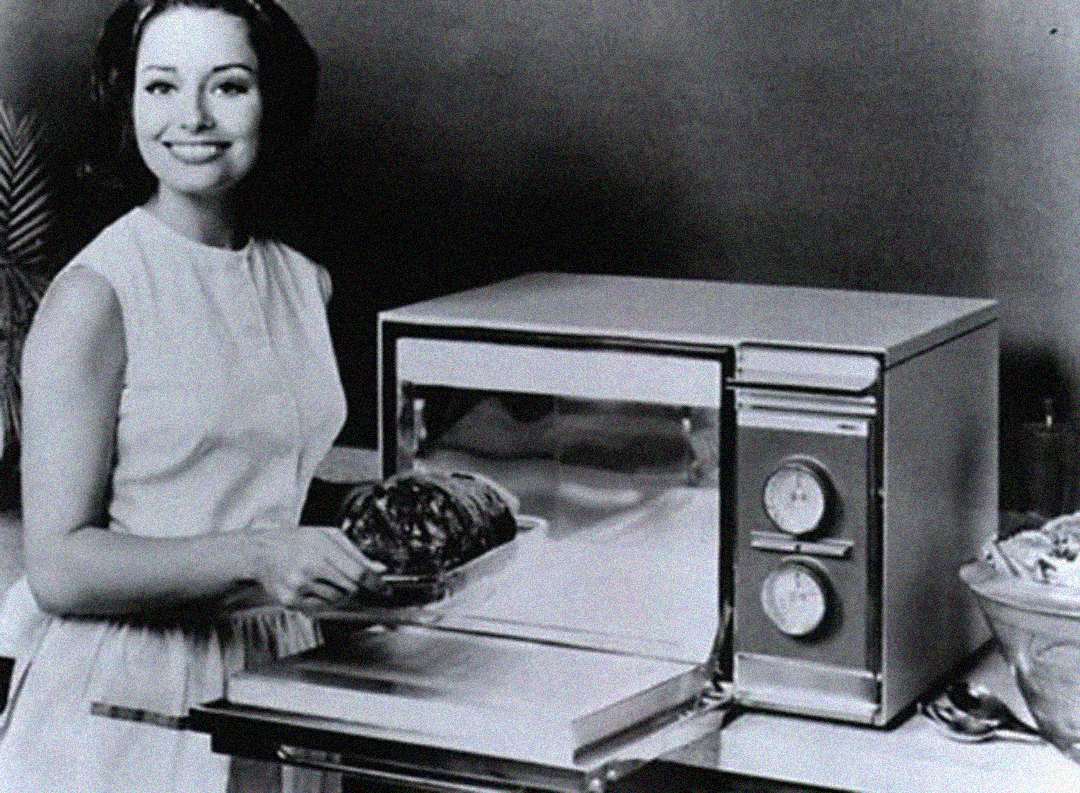
A melted chocolate bar sparked a revolution in 1945. Engineer Percy Spencer realized that the radar equipment he was working with had heated the snack in his pocket. Curious, he experimented further, ultimately leading to the invention of the microwave oven. An invention that would change cooking forever. Definitely deserves to be part of the accidental inventions list.
3. Post-it Notes
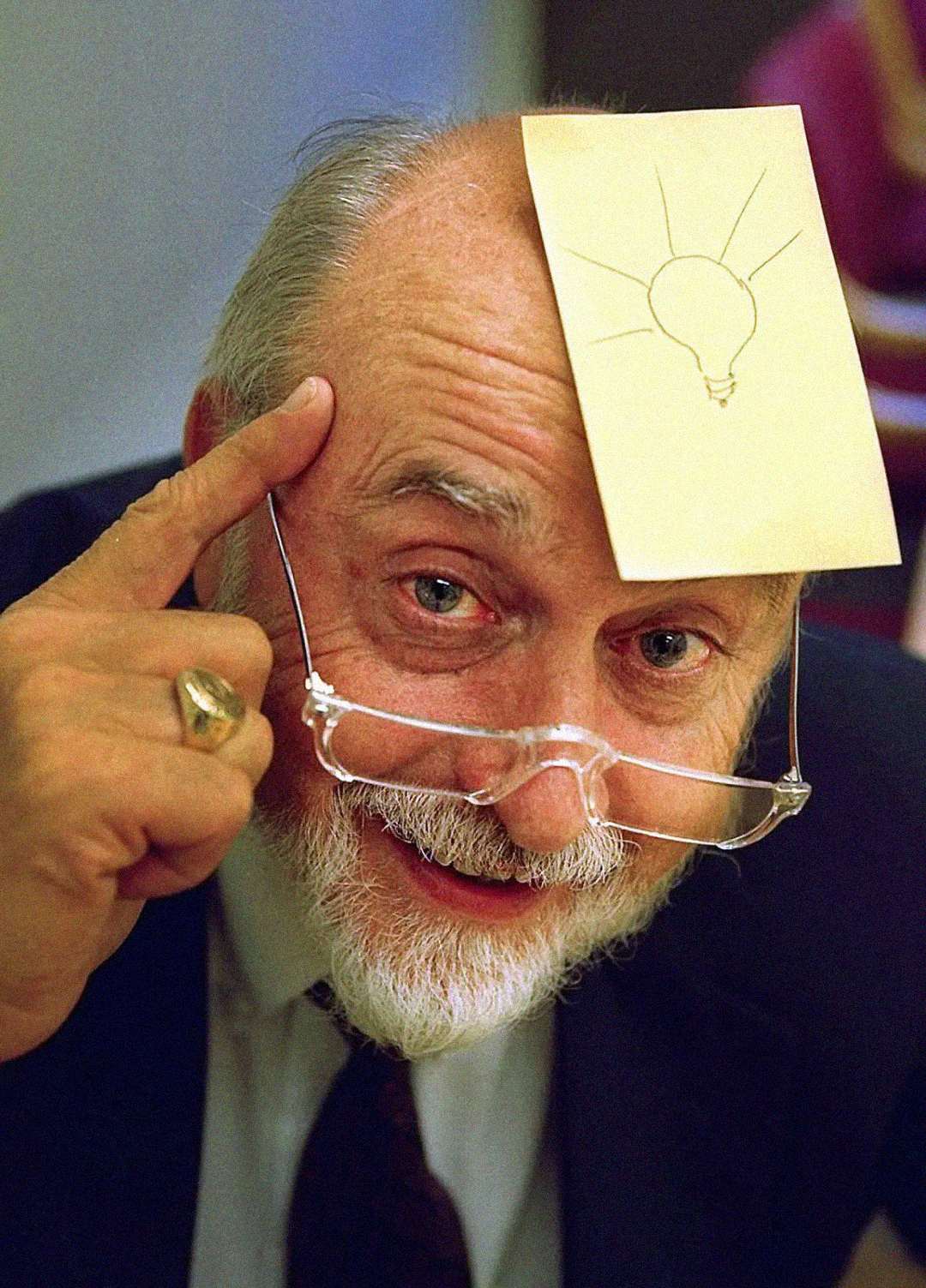
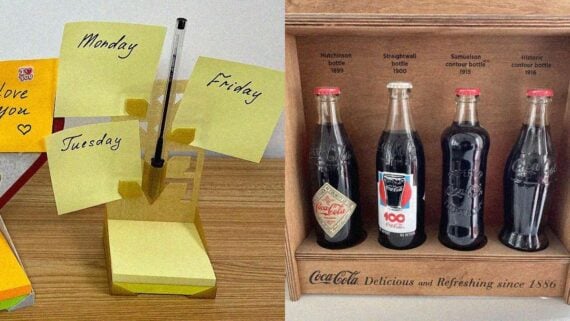
Originally intended to be a super-strong adhesive, Spencer Silver’s 1968 formula turned out to be weak and reusable instead. Years later, a colleague found the perfect use for it, creating sticky notes that could be repositioned without damage. What once seemed like a disappointment is now used by students and workers around the world.
4. Potato Chips
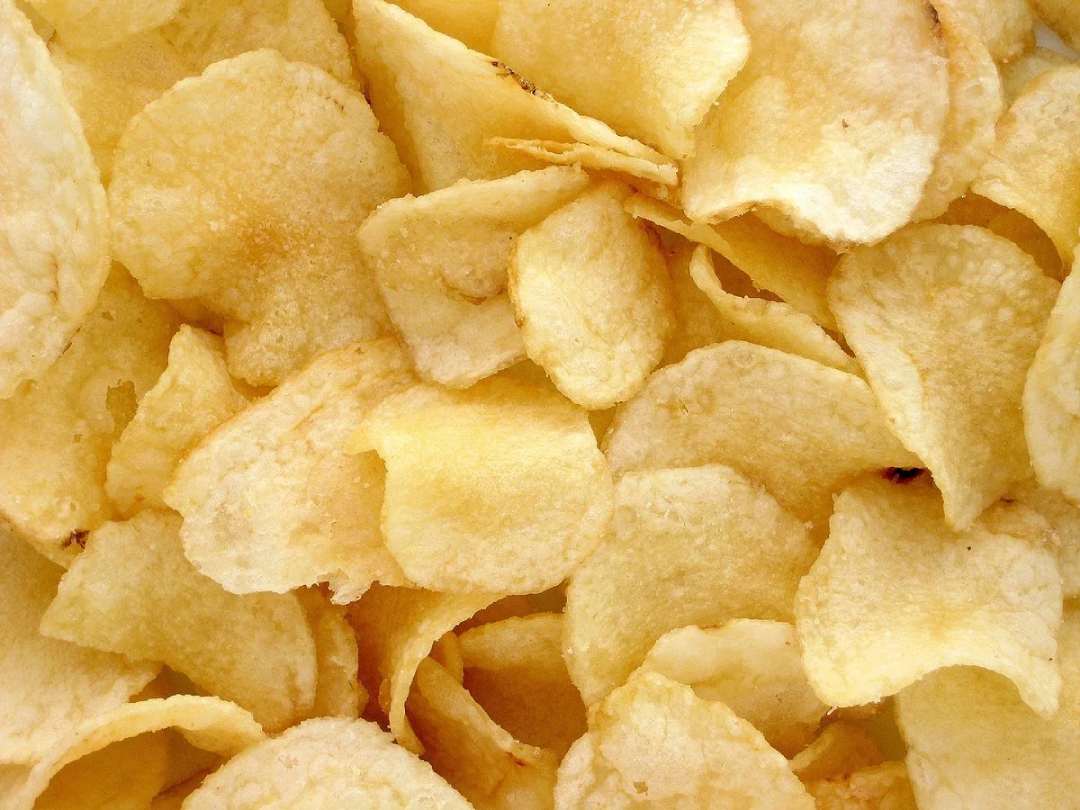
Complaints at a restaurant in 1853 led to an unexpected snack. Chef George Crum sliced potatoes extremely thin and fried them to prove a point to a picky customer. The result? A crunchy invention that became wildly popular and is now produced by many brands, such as Pringles.
5. X-Rays
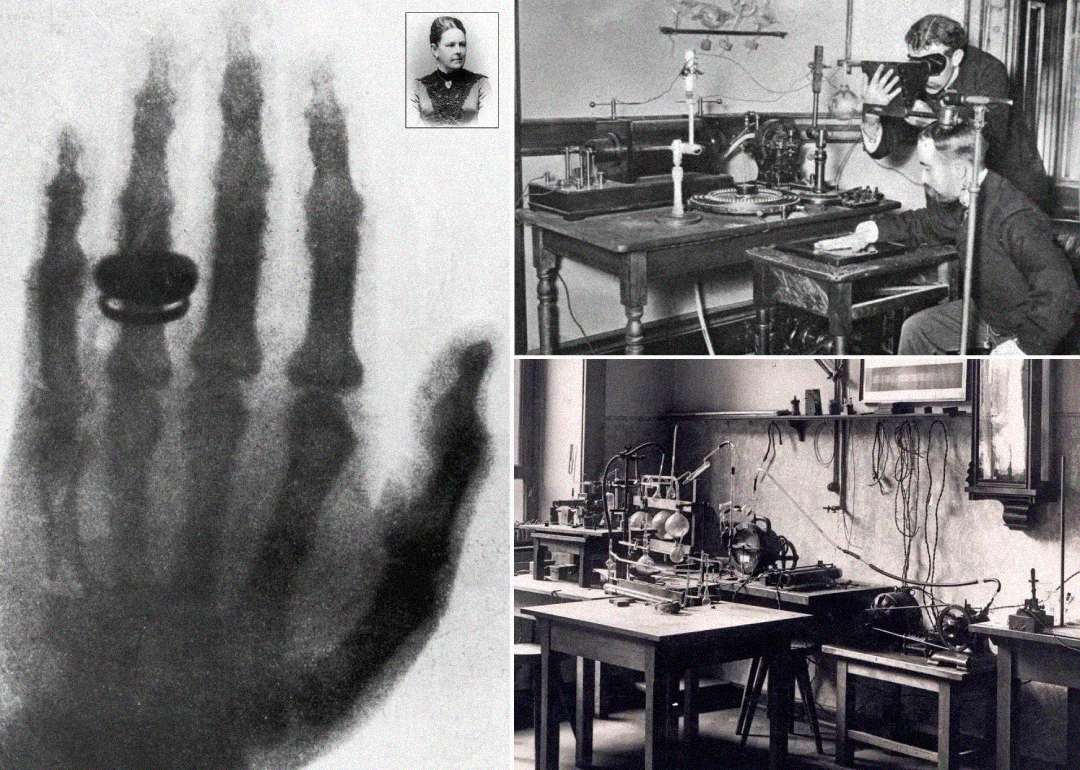
Wilhelm Röntgen wasn’t trying to change medicine in 1895, he was studying cathode rays. But when he noticed a mysterious glow passing through solid objects, he realized he had discovered a new type of radiation that could see inside the human body. This was, and still is, incredible, especially considering that not long before, doctors had to operate to see what was happening inside.
Trending on The Scroller

6. Velcro
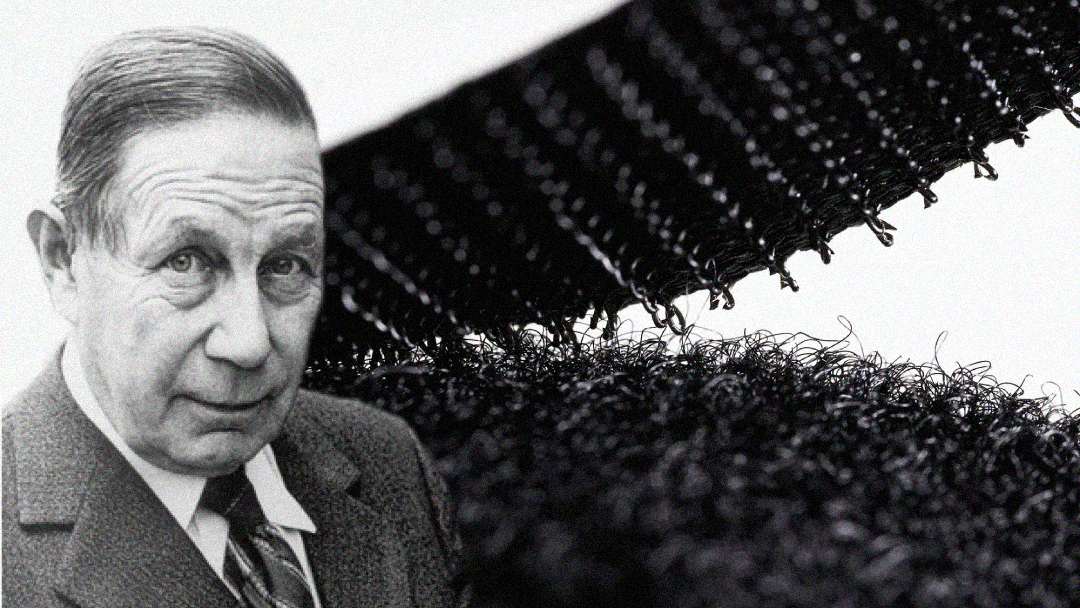
Inspired by nature in 1941, Swiss engineer George de Mestral noticed burrs sticking to his dog’s fur. Upon closer inspection, he recreated the hook-and-loop system, leading to the invention of Velcro, an everyday fastening solution.
7. Coca-Cola
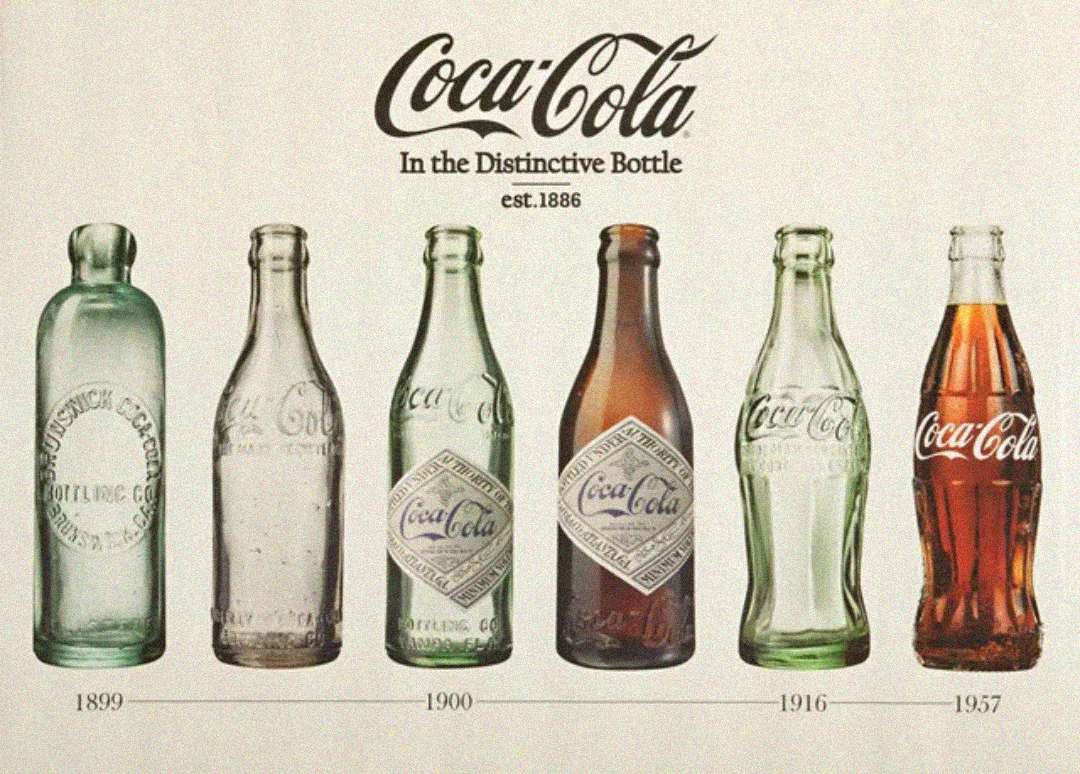
Have you ever heard someone say that Coca-Cola tastes like medicine? Well, they’re not far from its origins. What started as a medicinal tonic in 1886 became one of the most famous drinks in the world. John Pemberton accidentally created Coca-Cola while experimenting with a syrup intended to relieve headaches.
8. Teflon
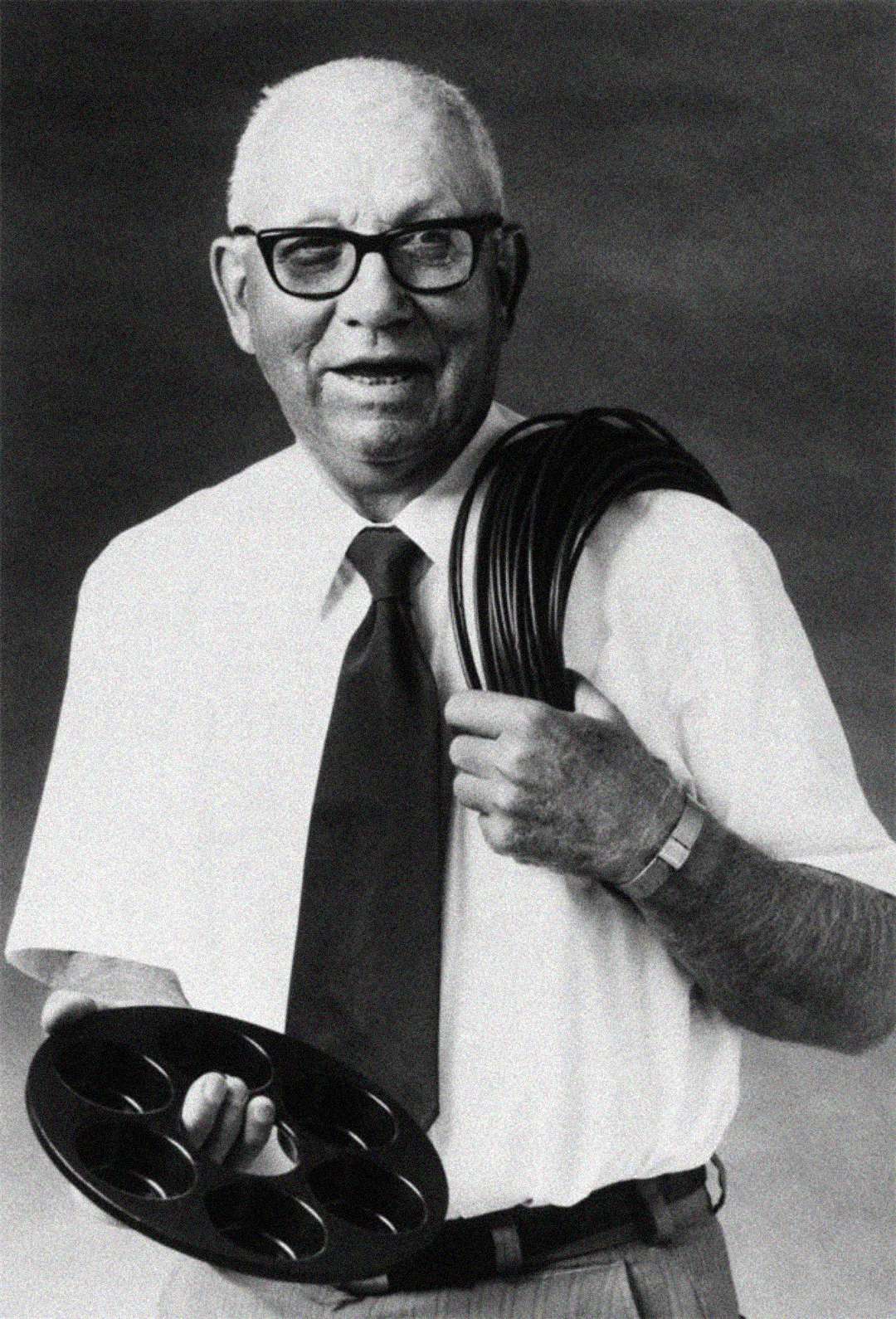
Roy Plunkett was working on refrigerants in 1938 when a gas he was testing unexpectedly solidified. The substance turned out to be incredibly non-stick, heat-resistant, and useful, leading to the creation of Teflon.
Sign up for our newsletter
9. Safety Glass
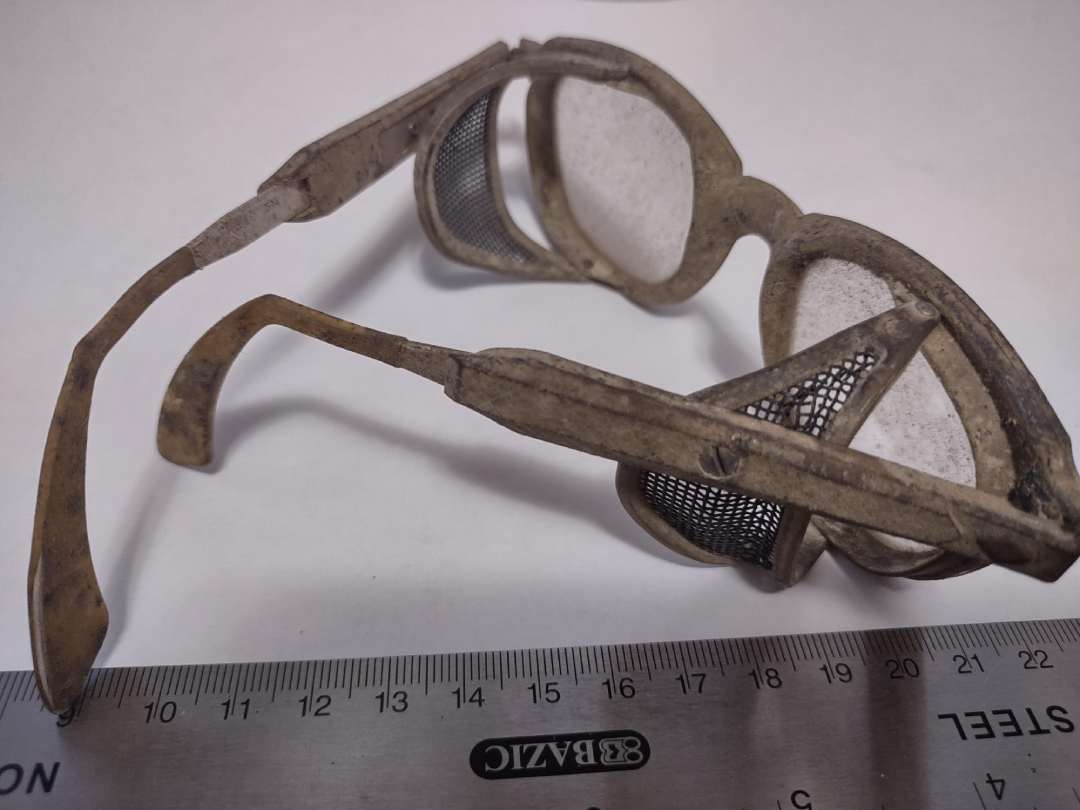
A dropped flask in 1903 didn’t shatter like expected. Chemist Édouard Bénédictus realized that a coating inside the glass had held it together, inspiring the invention of safety glass used in cars and buildings today.
10. Ice Cream Cone

At the 1904 World’s Fair, an ice cream vendor ran out of dishes. Nearby, a waffle seller rolled his product into a cone shape to help serve the ice cream, creating a portable dessert solution on the spot. It’s strange to think that there was a time when ice cream cones didn’t exist.
11. Super Glue
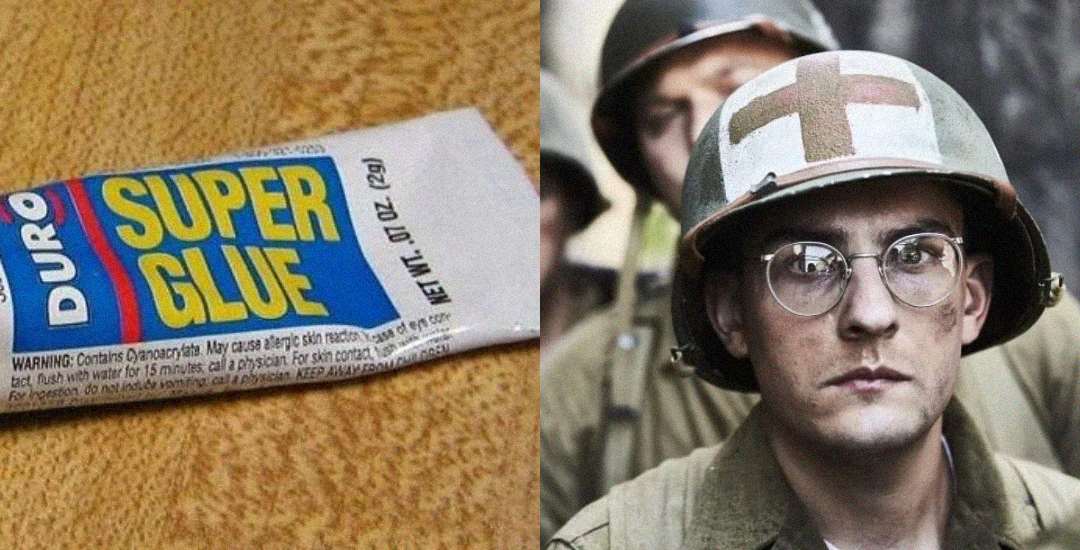
During World War II, Harry Coover was attempting to create clear plastic for gun sights. Instead, he discovered a substance that stuck to everything, too sticky at the time and underestimated, but later perfected as super glue.
12. Corn Flakes
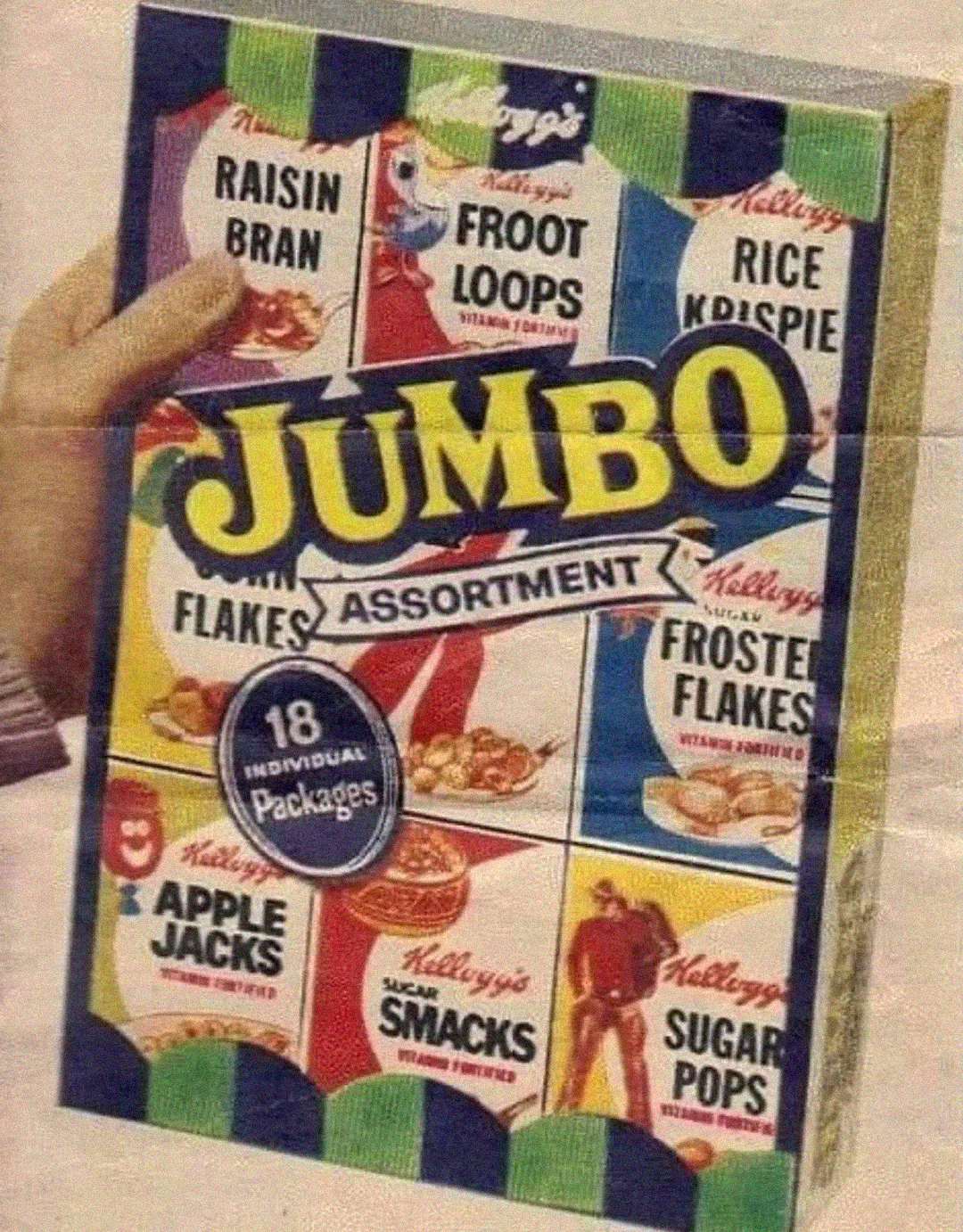
A simple mistake in the kitchen led to a breakfast staple. In 1894, the Kellogg brothers accidentally left cooked wheat sitting out too long, causing it to flake when rolled. They later refined the idea into corn flakes.
13. Matches
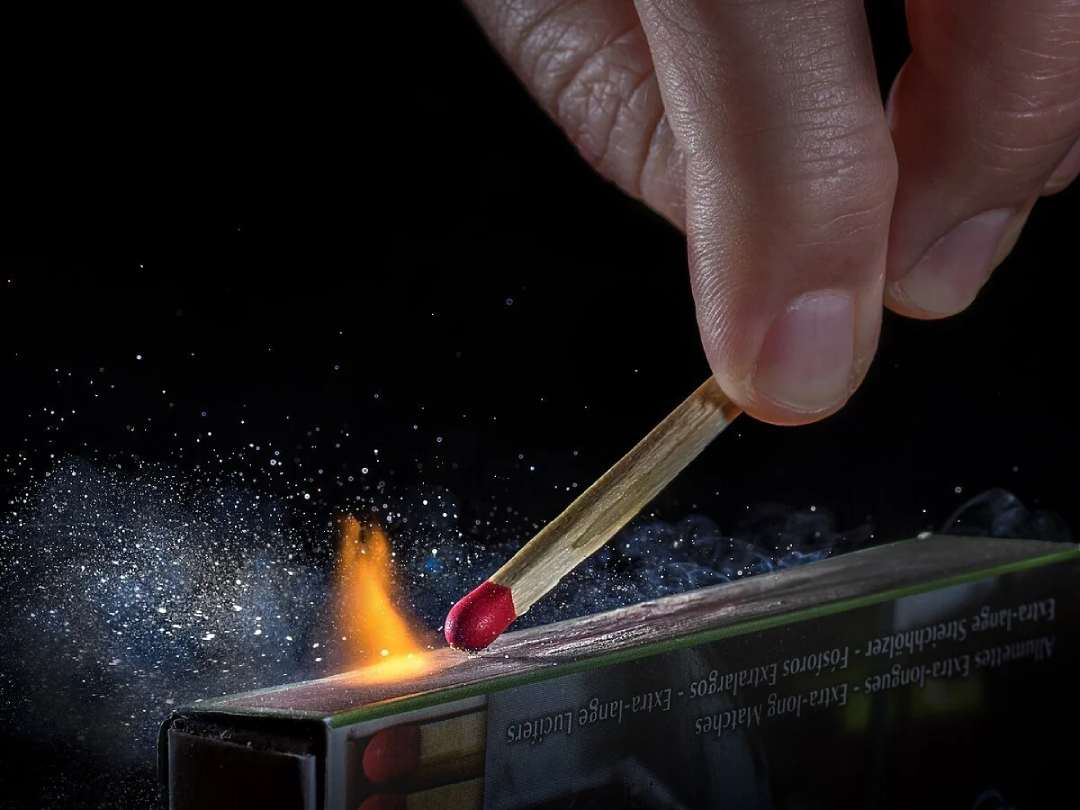
In 1826, chemist John Walker accidentally created the first friction match when a chemical mixture on a stick ignited after being scraped against a surface. This small accident revolutionized fire-starting. Ever since, camping has never been the same.
14. Play-Doh
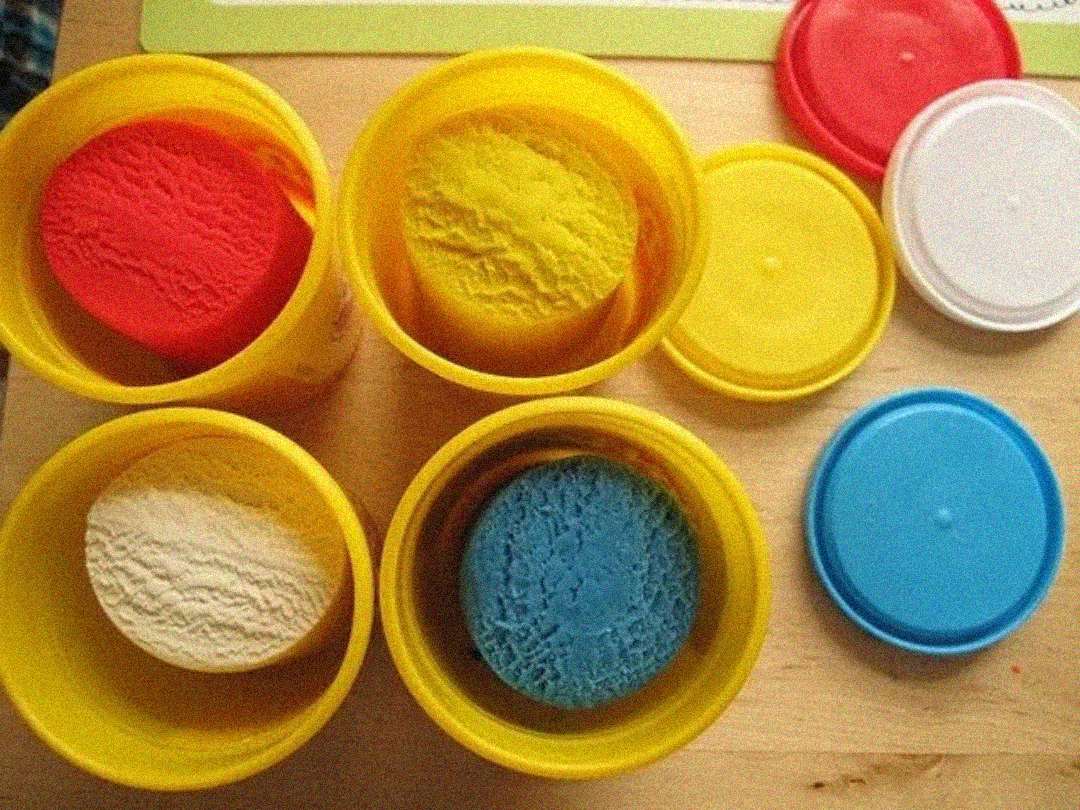
This one is crazy. Originally developed as a wallpaper cleaner in the 1930s, the soft compound failed in its intended purpose. However, it found a second life as a children’s toy, becoming the Play-Doh we know today.
15. Saccharin
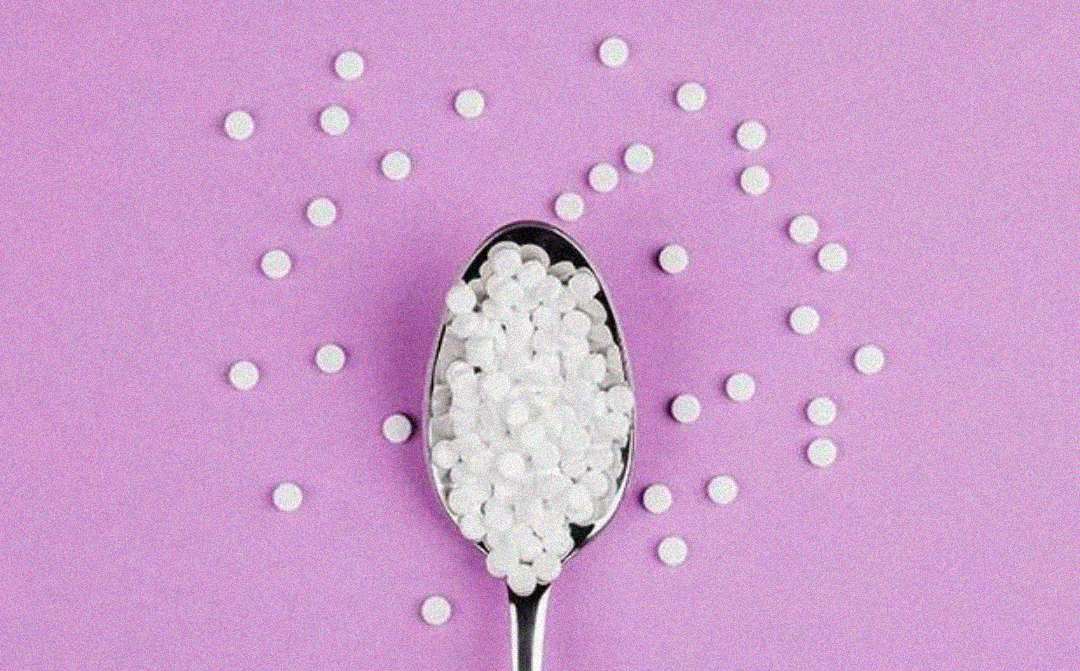
Constantin Fahlberg discovered the first artificial sweetener in 1879 after forgetting to wash his hands before eating. He noticed an unusually sweet taste, which led to the identification of saccharin. At first, it probably didn’t sound like the most appealing discovery…
16. The Pacemaker
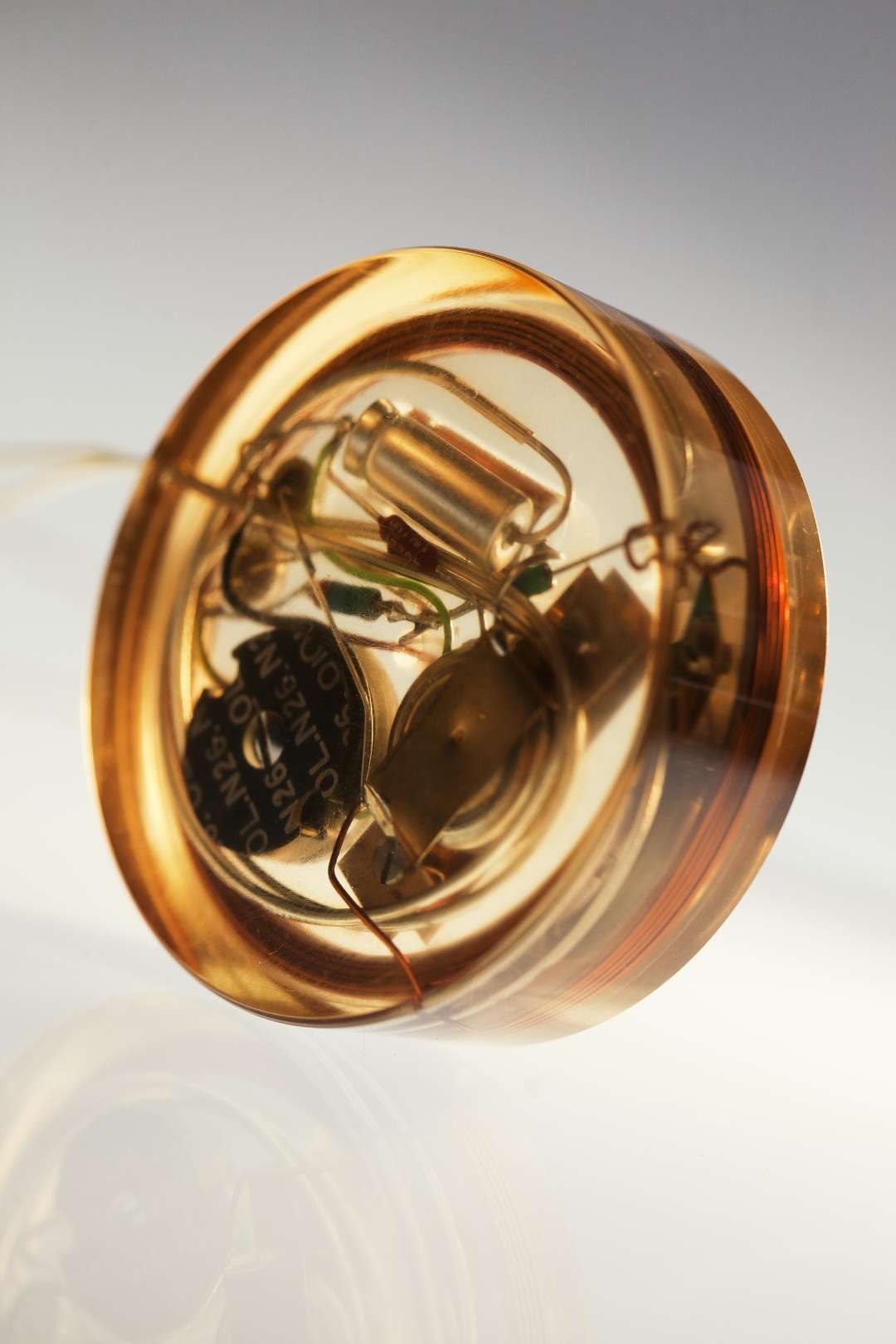
In 1956, engineer Wilson Greatbatch accidentally installed the wrong resistor into a circuit. Instead of failing, the device produced rhythmic electrical pulses, leading to the invention of the pacemaker.
17. Champagne
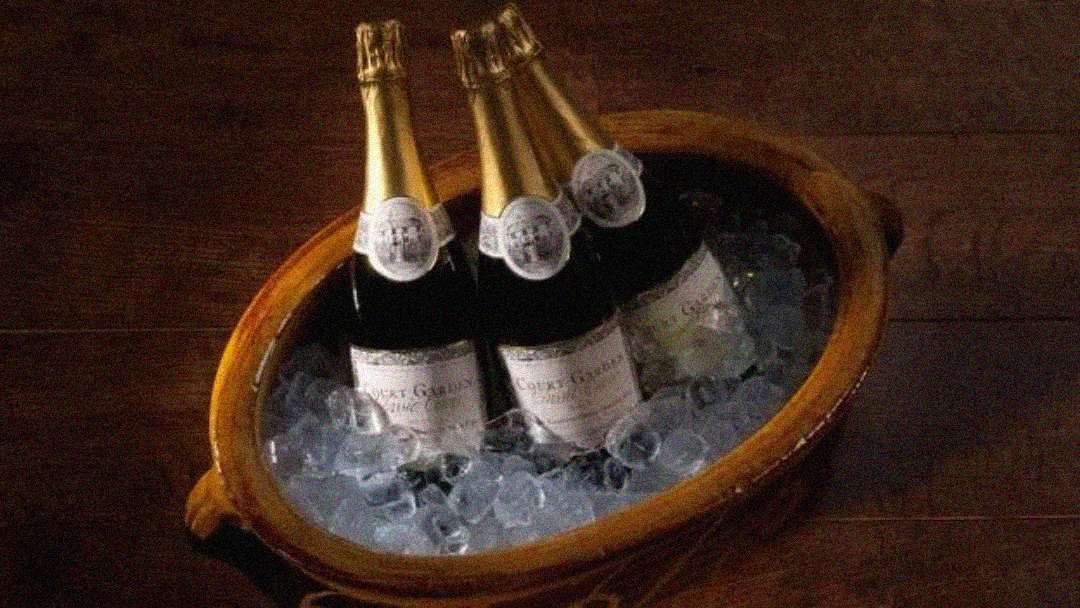
Sparkling wine wasn’t always intentional. Early French winemakers experienced unintended fermentation in bottles, creating bubbles. At first considered a flaw, it later became the defining feature of champagne. Today, celebrations around the world wouldn’t feel the same without it.
18. Vulcanized Rubber
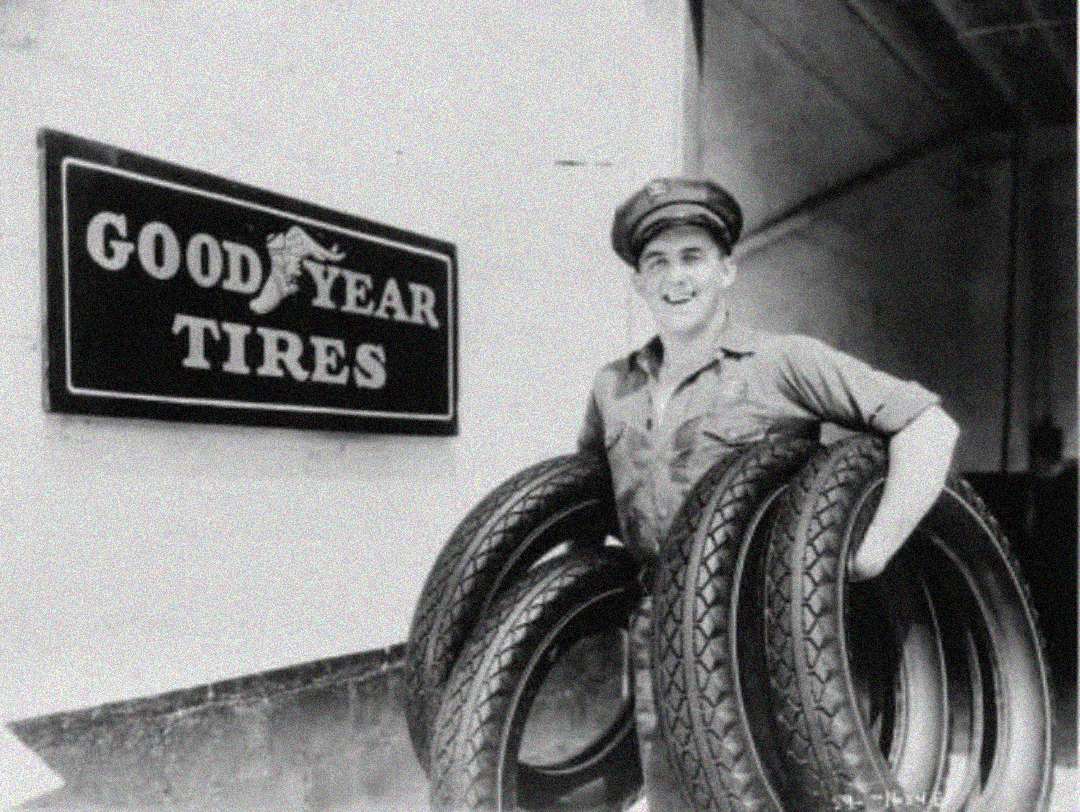
Charles Goodyear was experimenting with rubber when he accidentally dropped it onto a hot stove in 1839. The result was a durable, elastic material that didn’t melt easily, transforming industries worldwide.
19. Stainless Steel
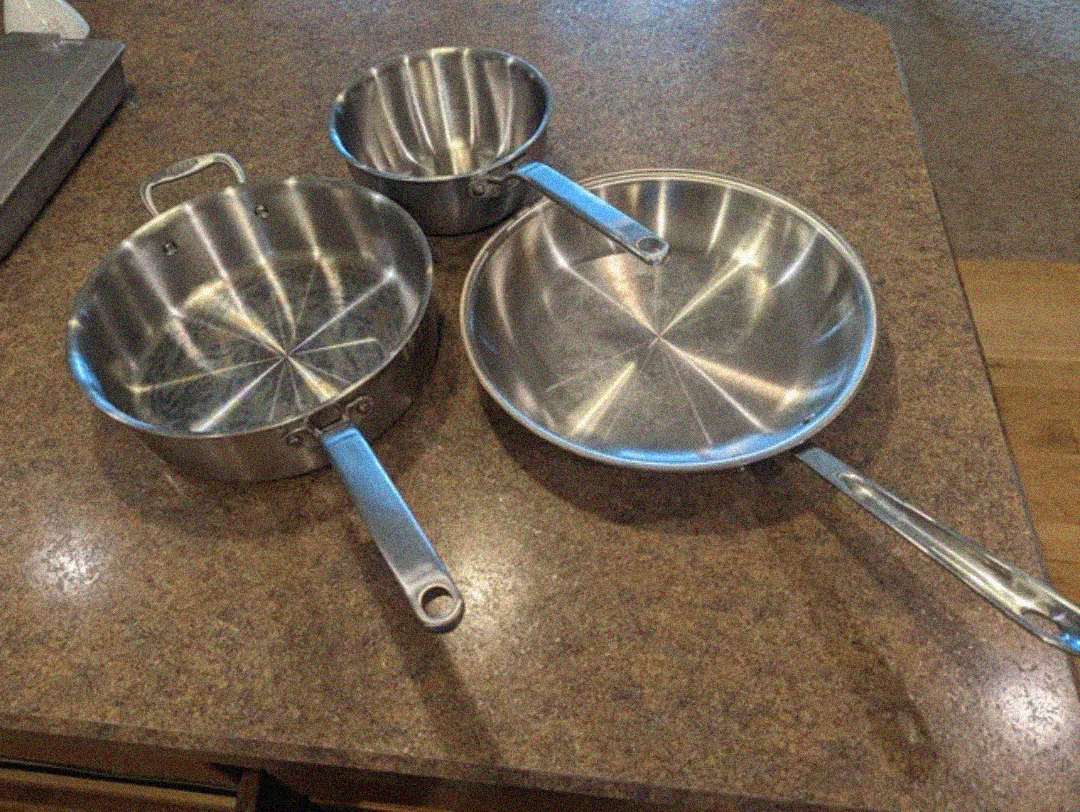
In 1913, Harry Brearley was testing steel alloys when he noticed one sample didn’t rust. That unexpected property led to the creation of stainless steel, now used in everything from cutlery to construction.
20. LSD
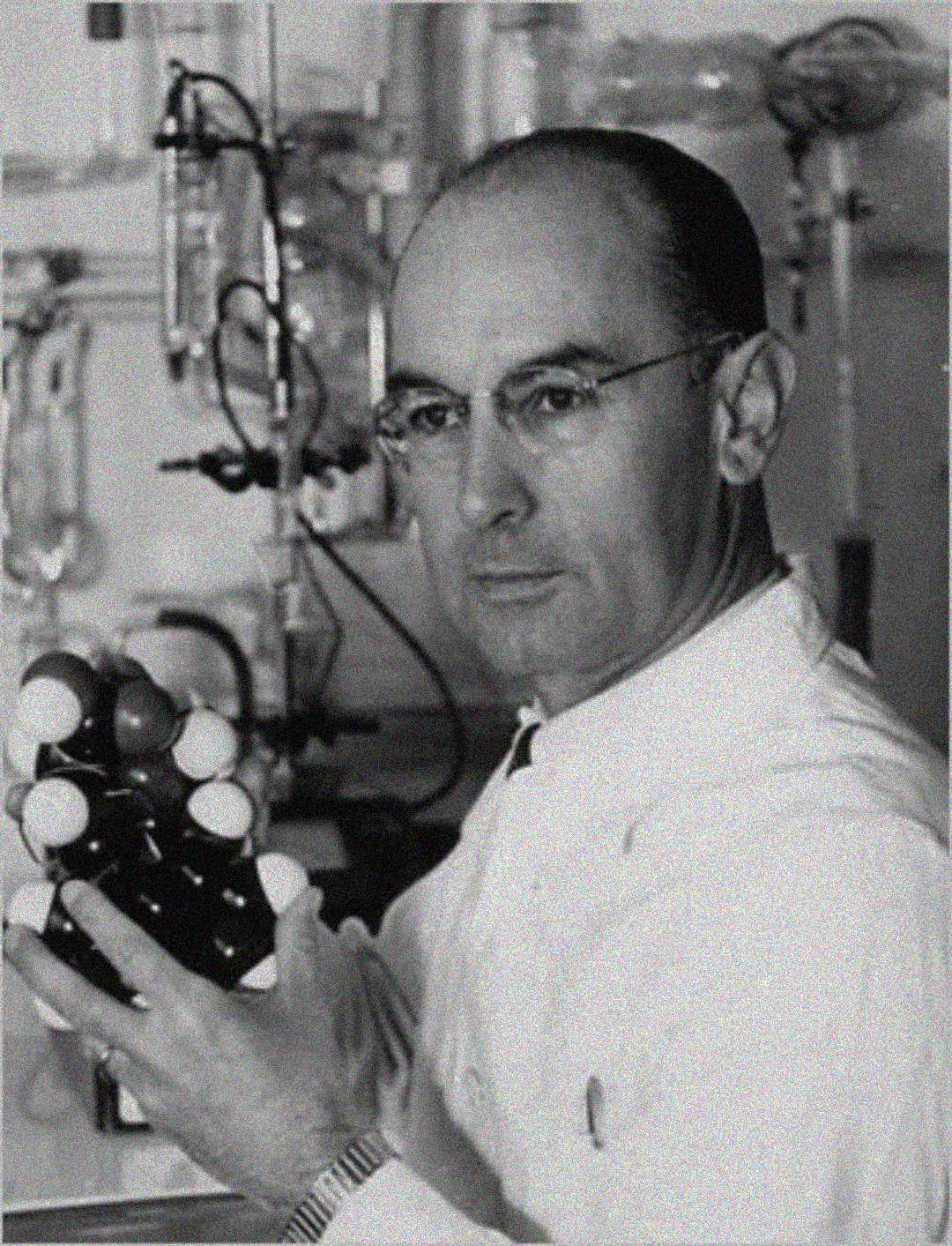
Chemist Albert Hofmann first synthesized LSD in 1938, but only discovered its effects years later after accidentally absorbing it through his skin. Though controversial, it became one of the most studied substances in psychology.
All these accidental inventions are absolutely incredible, but why stop here? Dive into more fascinating stories and discoveries just like this.
Accidental inventions remind us that some of the most groundbreaking discoveries come from the unexpected, so keep exploring and questioning to better understand the human mind. Looking back, it’s incredible how many of these accidental inventions changed our daily lives in ways we now take for granted. Sometimes, people spend years chasing an idea, only for it to appear in the most unexpected moment, and that’s what makes science, and life itself, so fascinating.
If you enjoyed this article, make sure to check out more of our content to keep learning and enjoying both science and everyday life. Who knows? You might “accidentally” come across something that surprises you: 15 Human Abilities That Sound Fake But Are Real, 15 Creations That Prove How Scary Humans Can Be, or 20 Funny Inventions That Had No Business Going To Market.