What would you say if we told you that we all have human abilities that can make us unique? Abilities that might sound made up, or, if you’re into science fiction, like something straight out of a superhero story. The reality is that we’re all different. Of course, we share certain traits that make us human, but there are also differences that set us apart.
There are traits that only a small number of people share, especially when it comes to abilities. Not everyone can ride a bike, write with their left hand, or jump rope on one leg, but those are skills you can mostly learn. Now, there are human abilities that aren’t so common and that not many people have, and that’s exactly what makes them so fascinating. Keep reading to find out if you might have one of these abilities yourself.
1. Echolocation (Human “Sonar”)
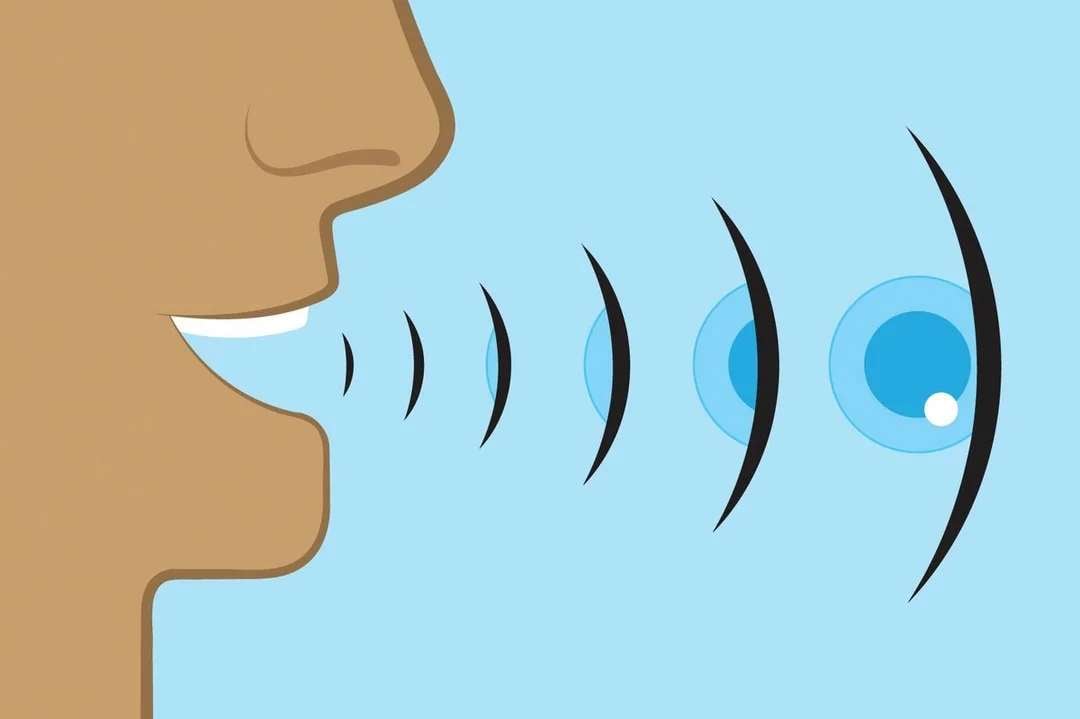
Some humans can detect objects by making clicking sounds and interpreting the echoes, similar to bats. This ability is most commonly developed by blind individuals, though technically anyone can train it. Studies from institutions like Durham University confirm that expert practitioners can identify shapes, distances, and even textures using sound alone. The human ear is kind of insane.
2. Tetrachromacy (Seeing More Colors Than Normal)
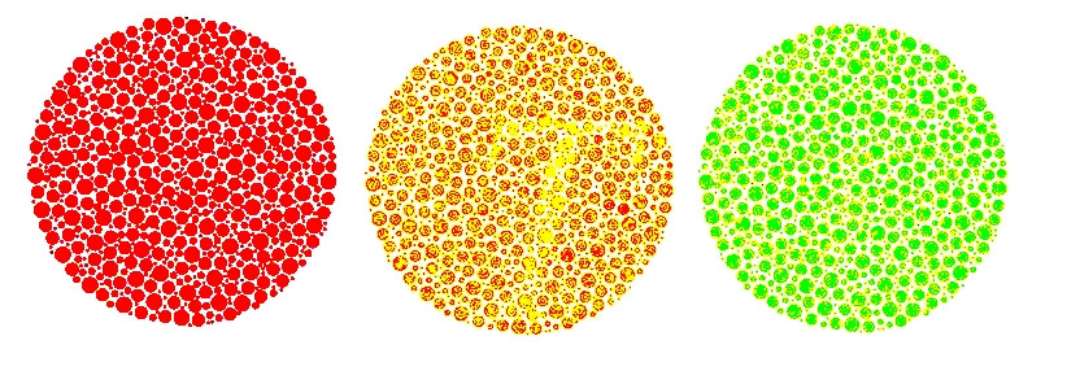
While most people have three types of color receptors, some individuals have four, allowing them to perceive millions more colors. It’s estimated that a small percentage of the population carries this trait, though not all actively use it. Research suggests that tetrachromats can distinguish color differences invisible to others. For some people, parts of reality literally look different.
3. Hyperthymesia (Perfect Autobiographical Memory)
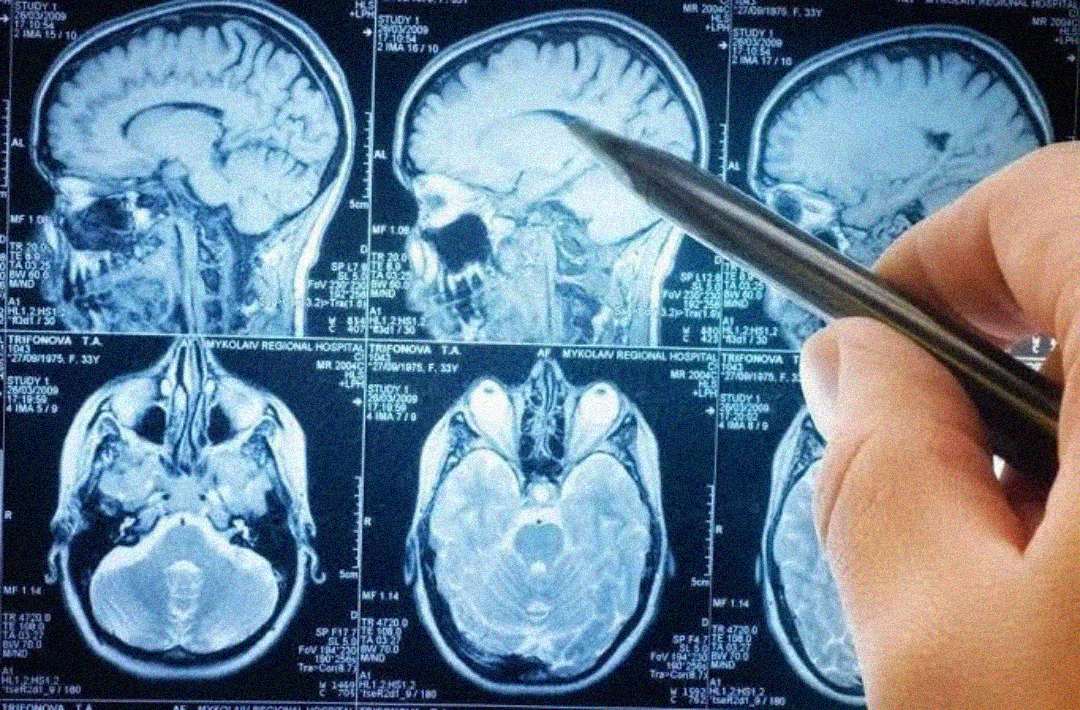
People with this condition can recall nearly every day of their lives in vivid detail. Fewer than 100 documented cases exist worldwide, making it extremely rare. One well-known case is Jill Price, whose memory has been studied extensively by neuroscientists. The human mind keeps finding ways to surprise us.
4. Voluntary Piloerection (Controlling Goosebumps)

Most people get goosebumps involuntarily, but some can trigger them at will. This ability is rare and not fully understood, though studies suggest only a small percentage of people can do it. Scientists believe it may be linked to greater control over the autonomic nervous system. Your body, but with hidden controls.
5. Super Tasting
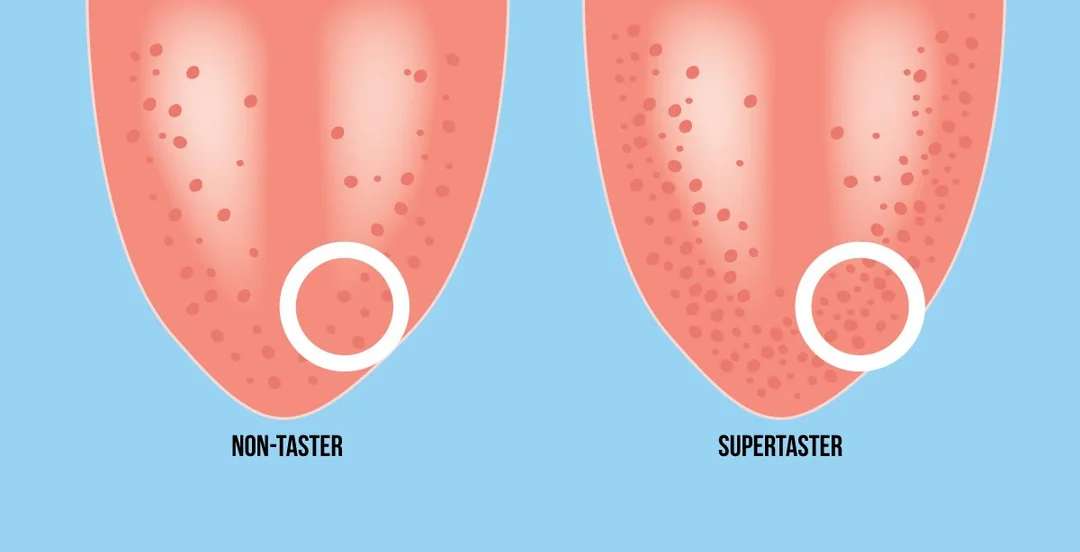
“Supertasters” have more taste buds than average, making flavors much more intense, especially bitter ones. Around 25% of the population may have this ability. It’s been studied by organizations like National Institutes of Health, linking it to genetics and diet preferences. Food doesn’t taste the same for everyone.
Trending on The Scroller


6. Absolute Pitch (Perfect Pitch)
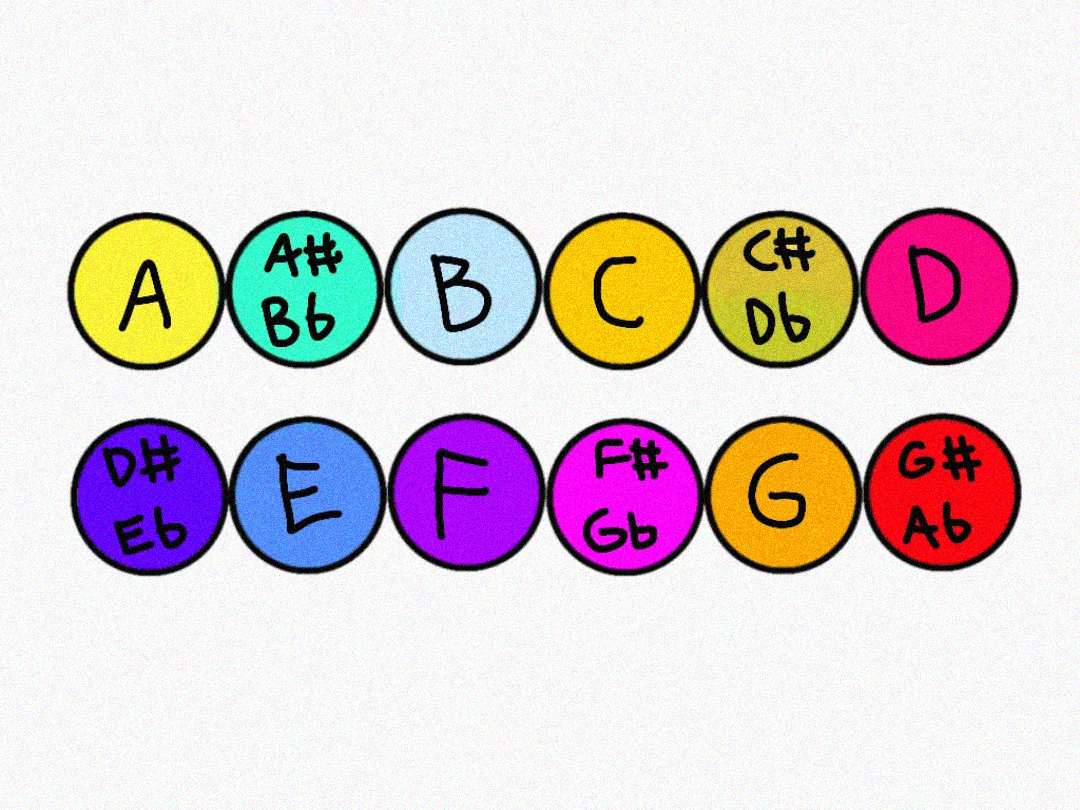
This is the ability to identify or recreate a musical note without any reference tone. Only about 1 in 10,000 people possess it, though it’s more common among trained musicians. Artists like Mariah Carey and Charlie Puth are known for having this rare skill. Hearing becomes precision.
7. Extreme Flexibility (Hypermobility)
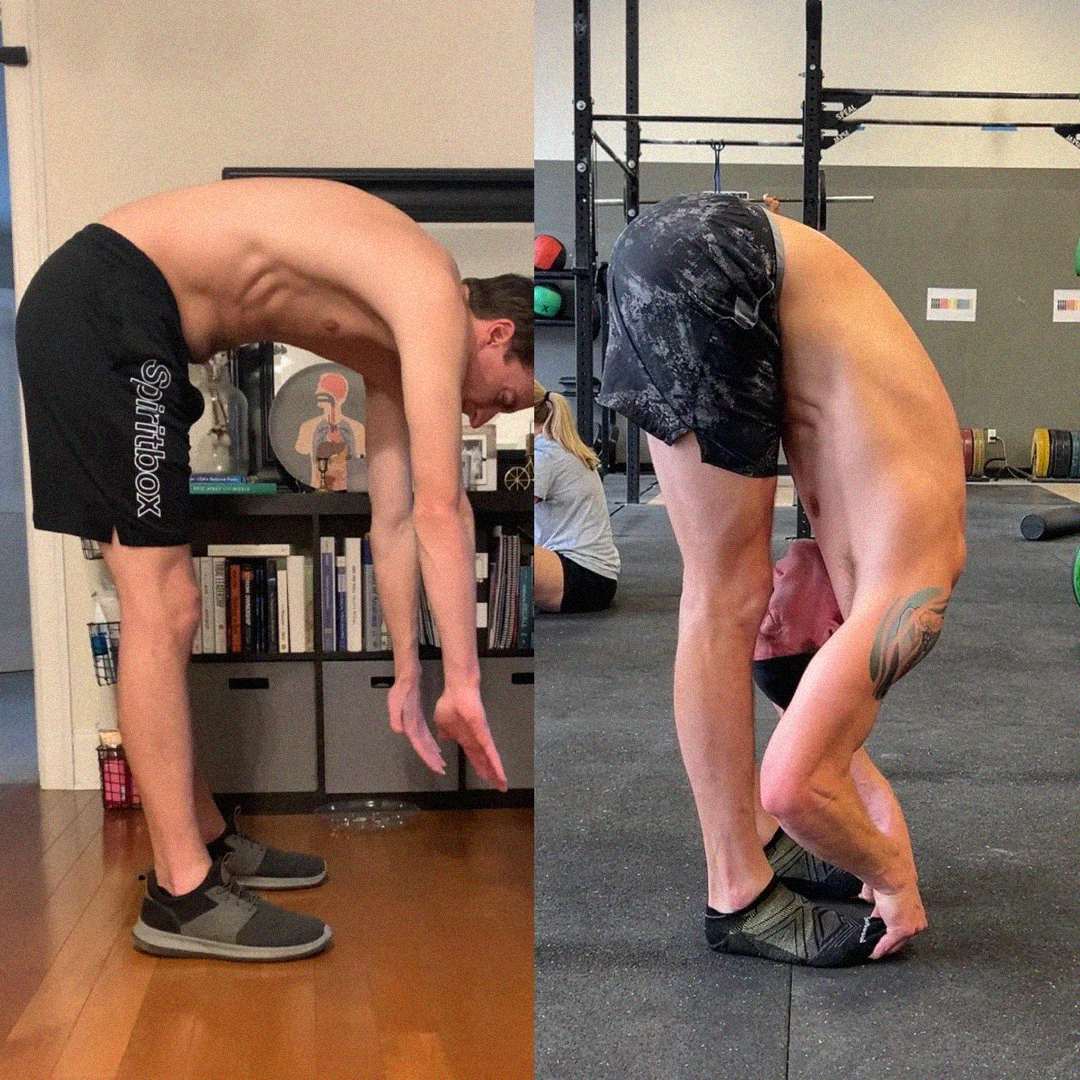
Some individuals can move their joints far beyond the normal range, sometimes even dislocating them voluntarily. This is relatively uncommon and often genetic. It’s associated with conditions like Ehlers-Danlos syndrome, though not all flexible people have a disorder. Centuries ago, this ability often placed people in circuses or performance arts.
8. Pain Insensitivity (Congenital Analgesia)

A very small number of people are born unable to feel physical pain. This condition is extremely rare and dangerous, as pain is essential for survival. It has been documented in medical research and linked to genetic mutations affecting nerve signaling. It’s so unusual that it’s been featured in shows like House and Grey’s Anatomy.
Sign up for our newsletter
9. Synesthesia (Blending of the Senses)
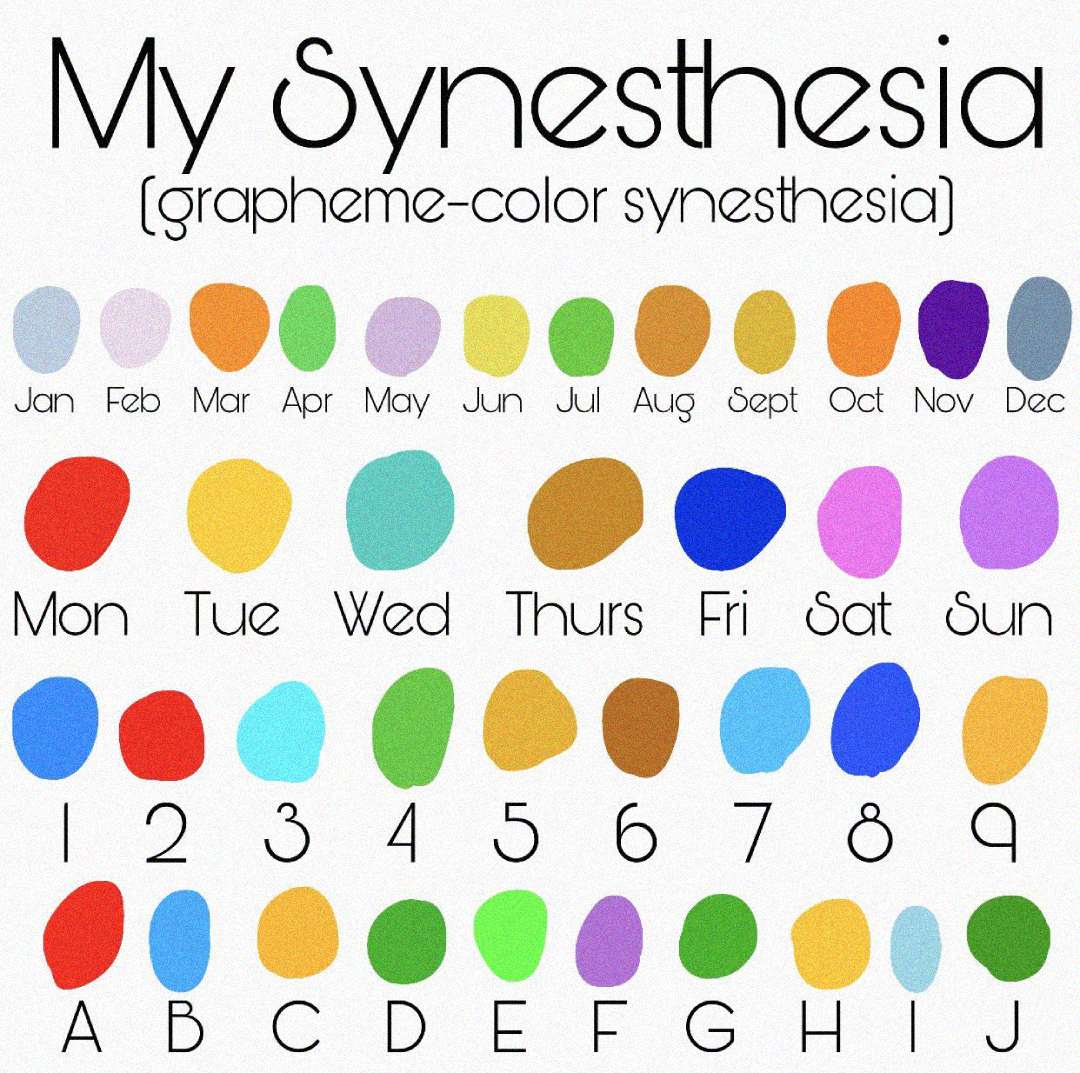
People with synesthesia might “see” colors when they hear music or associate numbers with personalities. It’s estimated that about 4% of the population experiences some form of it. Artists like Billie Eilish and Cynthia Erivo have described having this condition. The senses don’t always stay separate.
10. Wim Hof Breathing (Cold Resistance)

Through specific breathing techniques and training, some people can withstand extreme cold. The most famous example is Wim Hof, who has demonstrated unusual control over body temperature. While not everyone reaches that level, many improve cold tolerance through practice. It’s become popular among people who do ice baths and cold water immersion for health.
11. Rapid Calculation (Human “Calculator”)
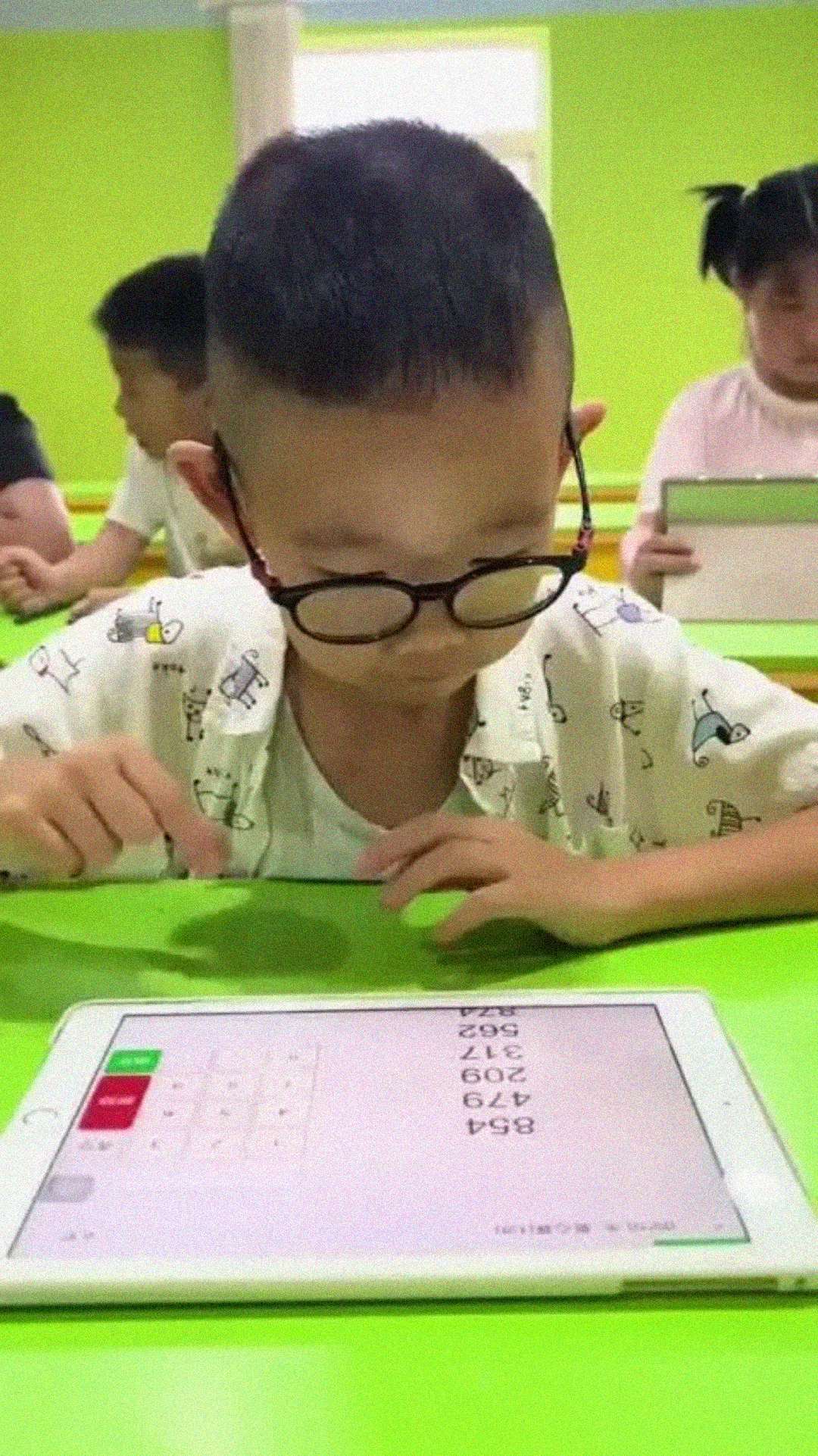
Some individuals can perform complex mathematical calculations in seconds without tools. This ability is extremely rare but well documented in “human calculator” cases. It often relies on pattern recognition rather than traditional step-by-step math. It feels almost unreal to watch.
12. Photographic Memory (Highly Accurate Recall)
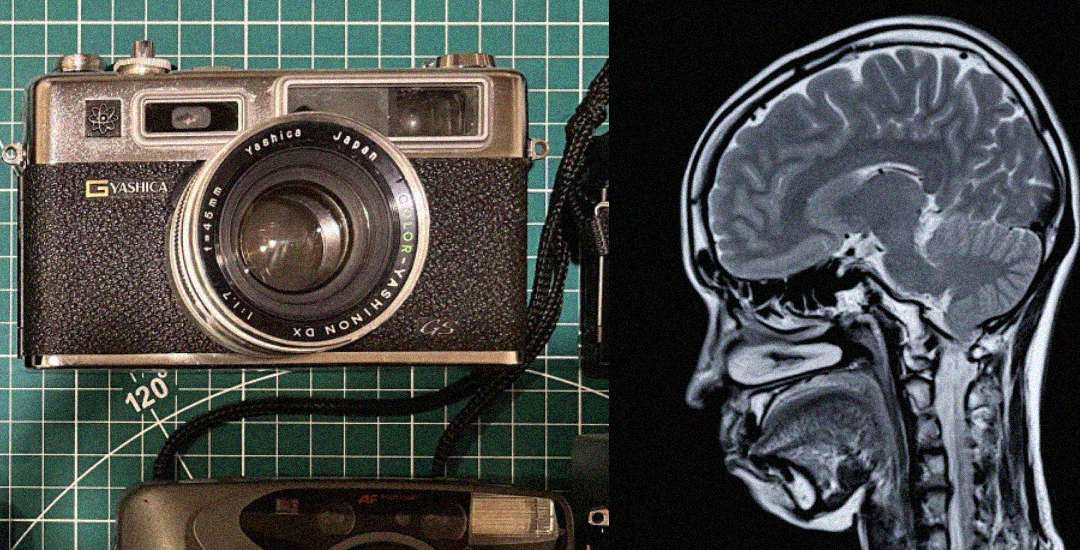
While true photographic memory is debated, some people can recall images, pages, or scenes with striking accuracy. This ability is rare and often linked to strong visual memory skills. Research shows that specific techniques can significantly improve recall. Memory is more trainable than we think.
13. Lucid Dreaming (Controlling Dreams)

Lucid dreamers are aware they’re dreaming and can sometimes control the experience. About 50% of people experience it at least once, but far fewer can do it regularly. Studies from Stanford University have explored how brain activity changes during these states. Dreaming, but with awareness.
14. Mental Mapping (Exceptional Spatial Awareness)
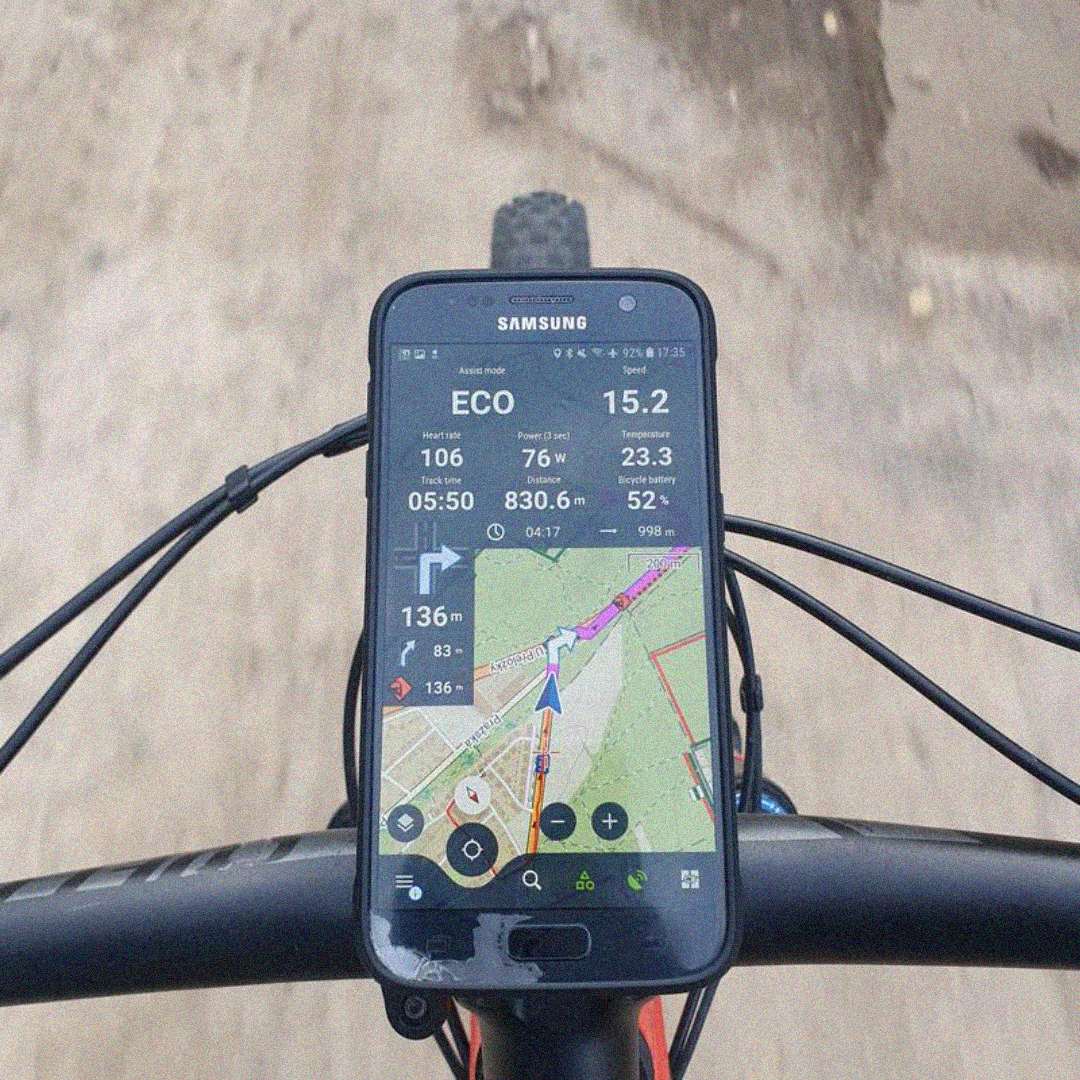
Some people can navigate complex environments without maps, remembering layouts after minimal exposure. This ability varies widely but is highly developed in certain individuals, like taxi drivers in large cities. Brain scans show increased activity in regions linked to spatial memory. Your brain builds its own GPS.
15. Microexpression Detection (Reading Hidden Emotions)
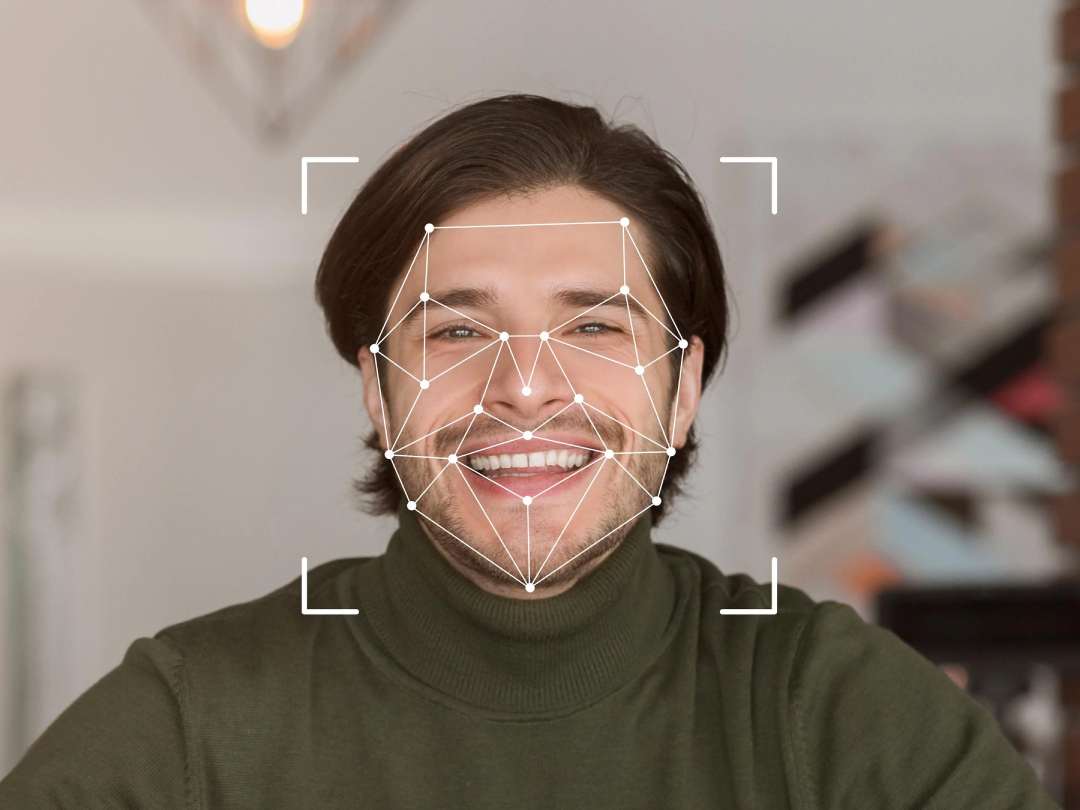
A few people can detect extremely fast facial expressions that reveal true emotions. These microexpressions last fractions of a second and are usually missed. Psychologist Paul Ekman pioneered research showing that this skill can be trained and improved. Reading people goes deeper than words.
Liked learning about these human abilities? Check out our content to find more interesting information
Human abilities are a reminder that every person is unique, and sometimes, with a bit of luck or genetics, even more special than we realize. Who knows, you might have a hidden ability you didn’t even know existed.
At the end of the day, human abilities show just how incredible the human body and mind can be, and how much we’re still capable of learning and developing. If you’re curious to explore more about the world and its hidden wonders, keep browsing our content and check out our most interesting recommendations: 20 Fascinating Facts About Humans That Defy Logic, 15 Strange Facts About the Human Body That Sound Like Pure Science Fiction, and 20 Mind-Bending Facts About The Human Brain That Most People Don’t Know.