The Old West didn’t run on wifi or warrants alone; it ran on nerve. These sheriffs (and a few sheriff-adjacent lawmen who wore the badge when it counted) kept boomtowns, railheads, and border trails from flying apart. Their stories sound almost too wild to be true, until you realize the paperwork, the posses, and the long rides happened.
1. Pat Garrett stared down the legend of Billy the Kid
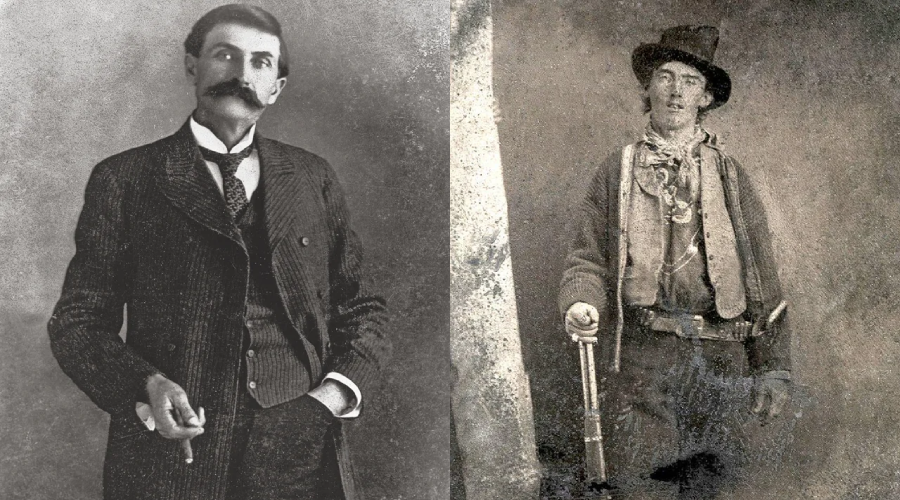
As Lincoln County sheriff, Garrett mapped the Kid’s friends, food stops, and hideouts like a living case board. After the Kid’s courthouse breakout, Garrett kept squeezing the circle tighter until it ended in a dark room at Fort Sumner. The shot made him famous and left him defending his version for the rest of his life.
2. Seth Bullock turned Deadwood from chaos into a calendar
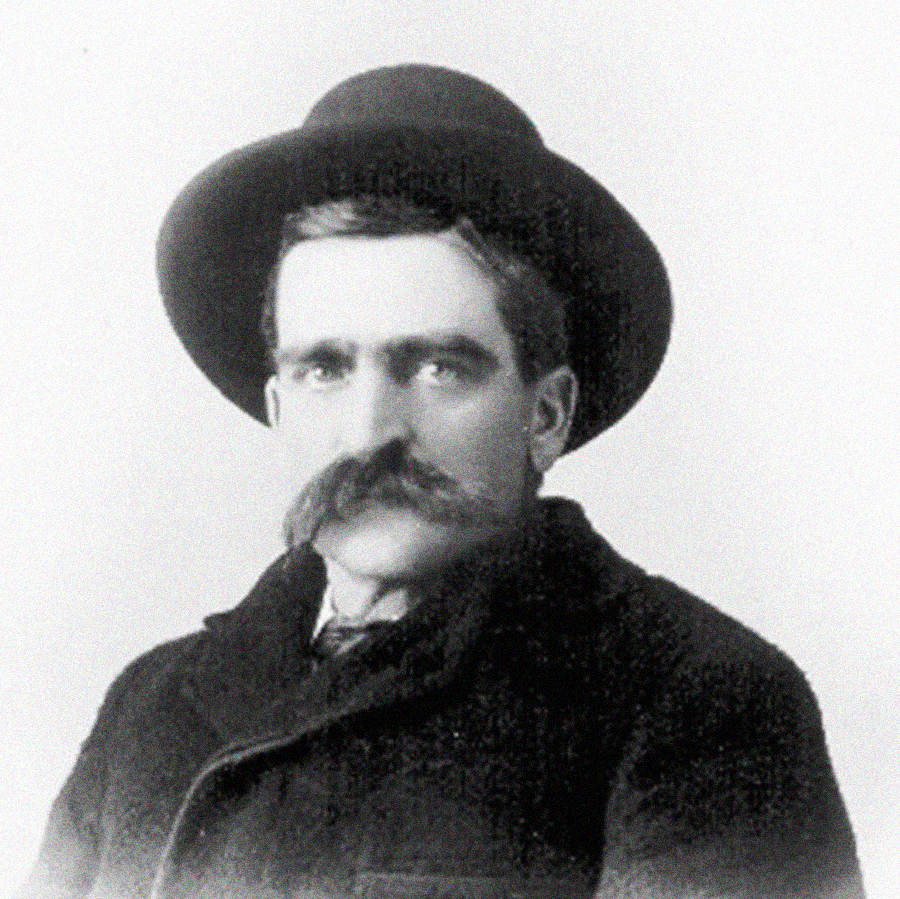
Appointed the camp’s first sheriff, Bullock favored presence over pistol play: steady patrols, quick hearings, and a refusal to flinch in saloons. He made merchants, miners, and gamblers all live by the same clock. The miracle wasn’t one big gunfight; it was a hundred small decisions that stuck.
3. Bat Masterson solved Dodge City with diplomacy and backups
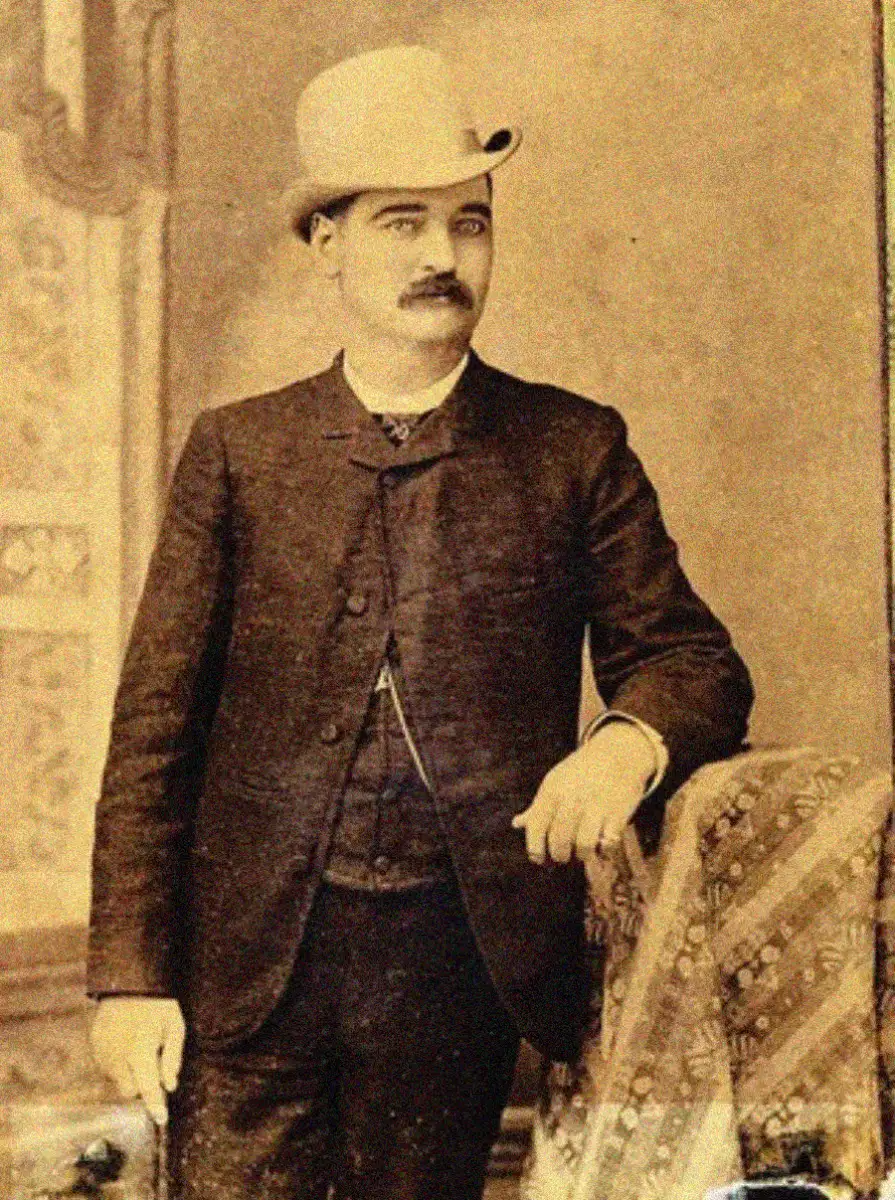
As Ford County sheriff, Masterson preferred a clean arrest to a messy shootout, but he never underpacked a posse. When the 1883 “Dodge City War” threatened to boil over, he helped broker peace with a smile and a shotgun just off-camera. Later he wrote sports columns, proving a lawman can retire his boots and sharpen his prose.
4. Charlie Bassett invented the two-step: badge, then bartender
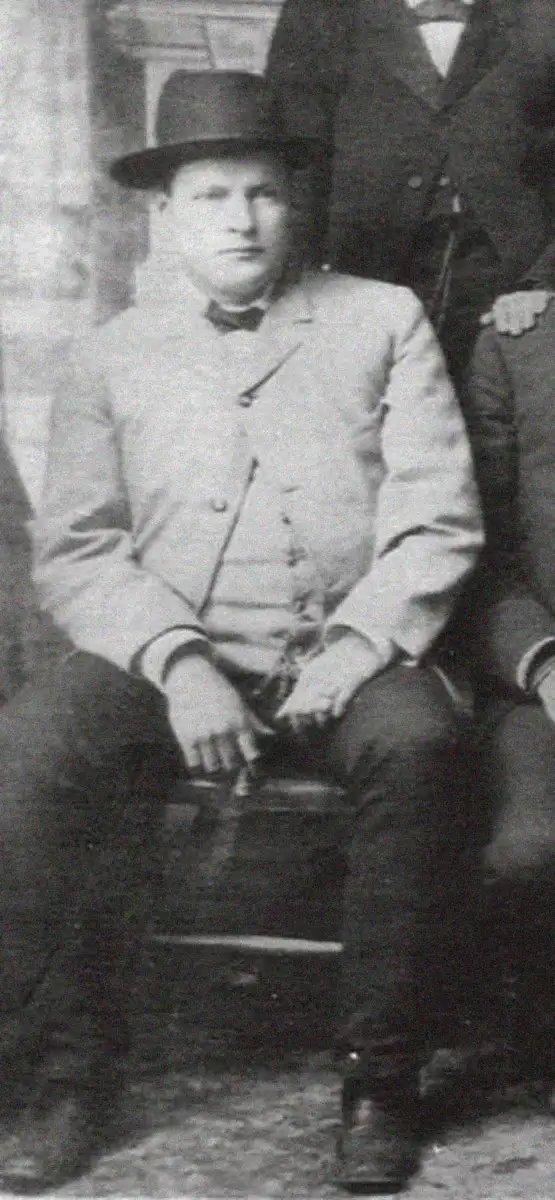
Dodge City’s first sheriff set the tone before Masterson, juggling cattle rushes, saloon grief, and a jail that needed expanding yesterday. Bassett’s trick was simple: be fair, be fast, and show up everywhere at once. In a town built on midnight, his law ran right on time.
5. Commodore Perry Owens settled a feud by knocking on one door

As Apache County sheriff, Owens walked solo to the Blevins house in Holbrook to serve a warrant, then stood alone when rifles answered. The shootout became instant folklore: one man, one badge, and a street gone silent. Owens didn’t posture; he prepared, and it saved his life.
Trending on The Scroller
6. John Slaughter made rustlers keep appointments
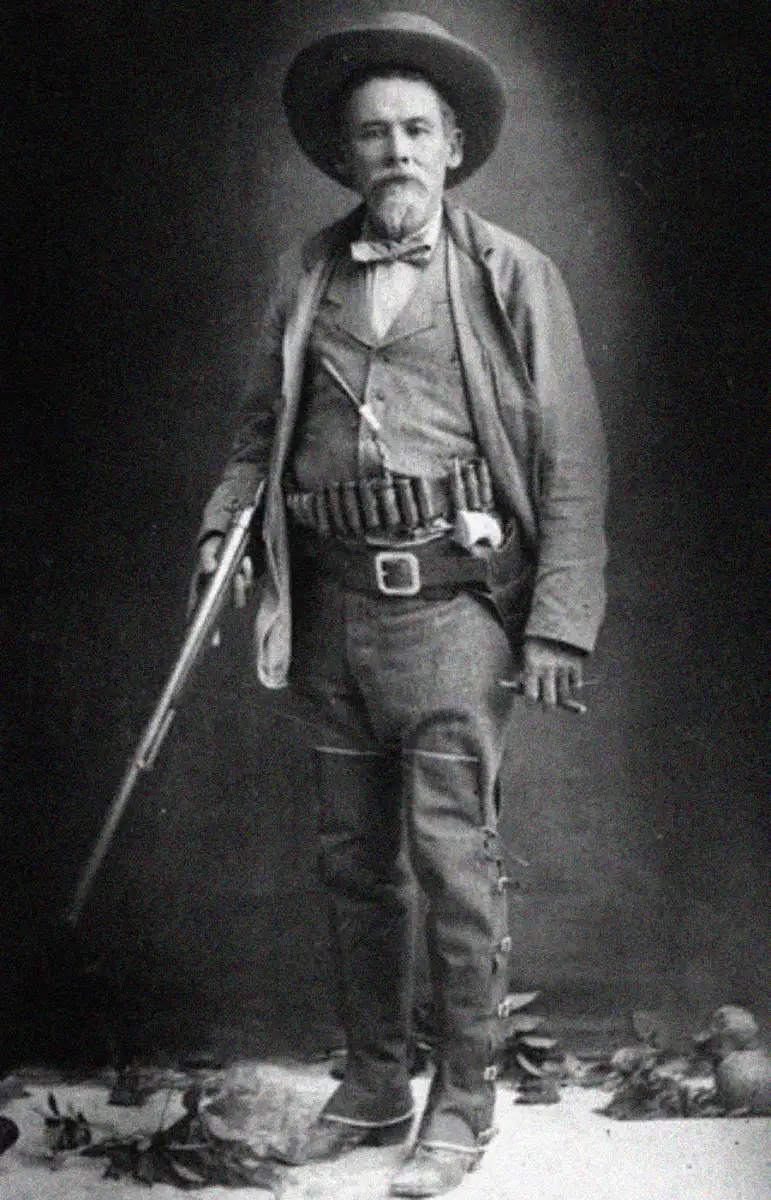
Cochise County’s sheriff used informants, patterns, and patience to box in border gangs. He let routes, water holes, and bad habits do half the work, then stepped in when choices ran out. “Talk first, cuff later” worked wonders when everyone knew he’d do both.
7. Henry Plummer wore a star—and, some said, a bandit’s grin

Elected sheriff in Bannack, he faced whispers that he ran road agents on the side. Vigilantes hanged him, ending the argument by rope instead of trial. Whether mastermind or scapegoat, Plummer’s story is the Old West warning label: power cuts both ways.
8. Johnny Behan tried to referee Tombstone and became part of the fight
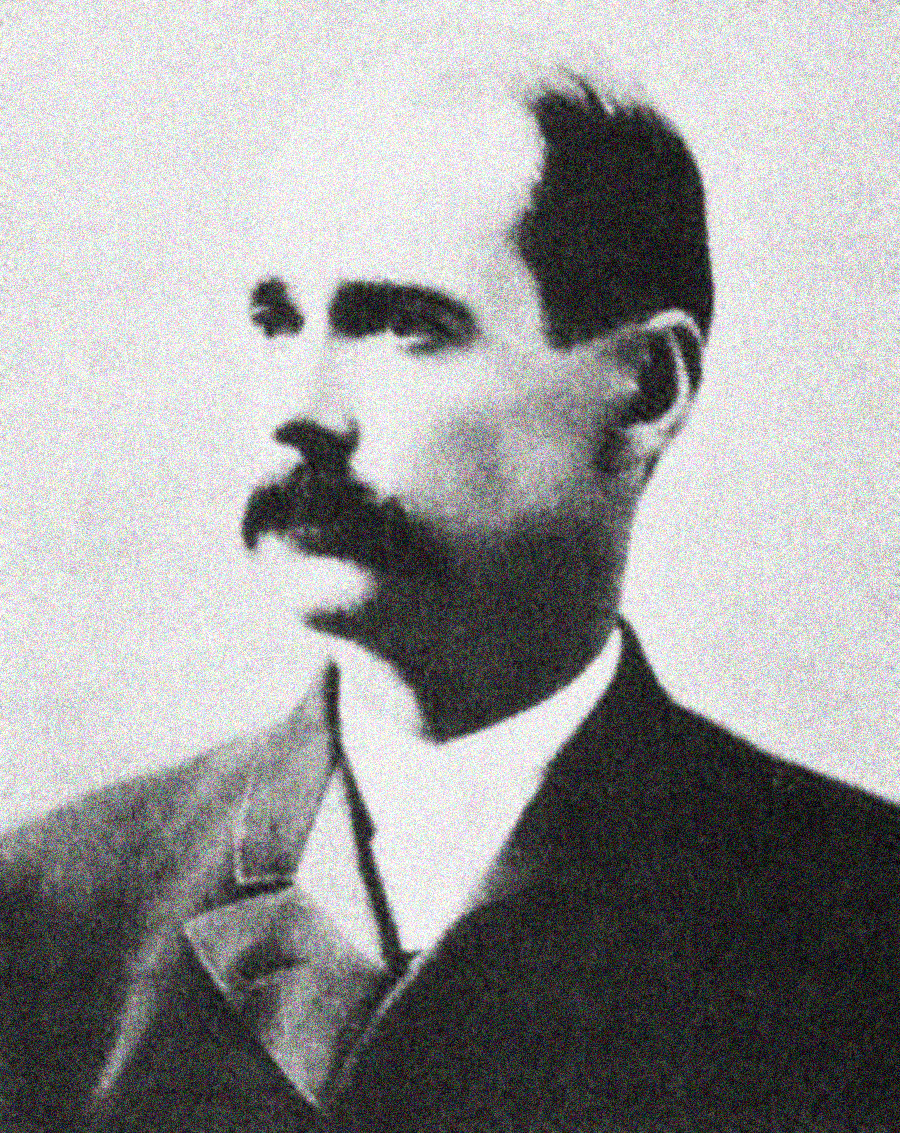
As Cochise County sheriff, Behan navigated Earp-Clanton politics, unpaid fees, and exploding headlines. After the O.K. Corral shootout, he led posses and paperwork while vendettas rolled. History grades him hard, but it was a no-win season to begin with.
Sign up for our newsletter
9. Sheriff William Brady stood at the fault line of the Lincoln County War
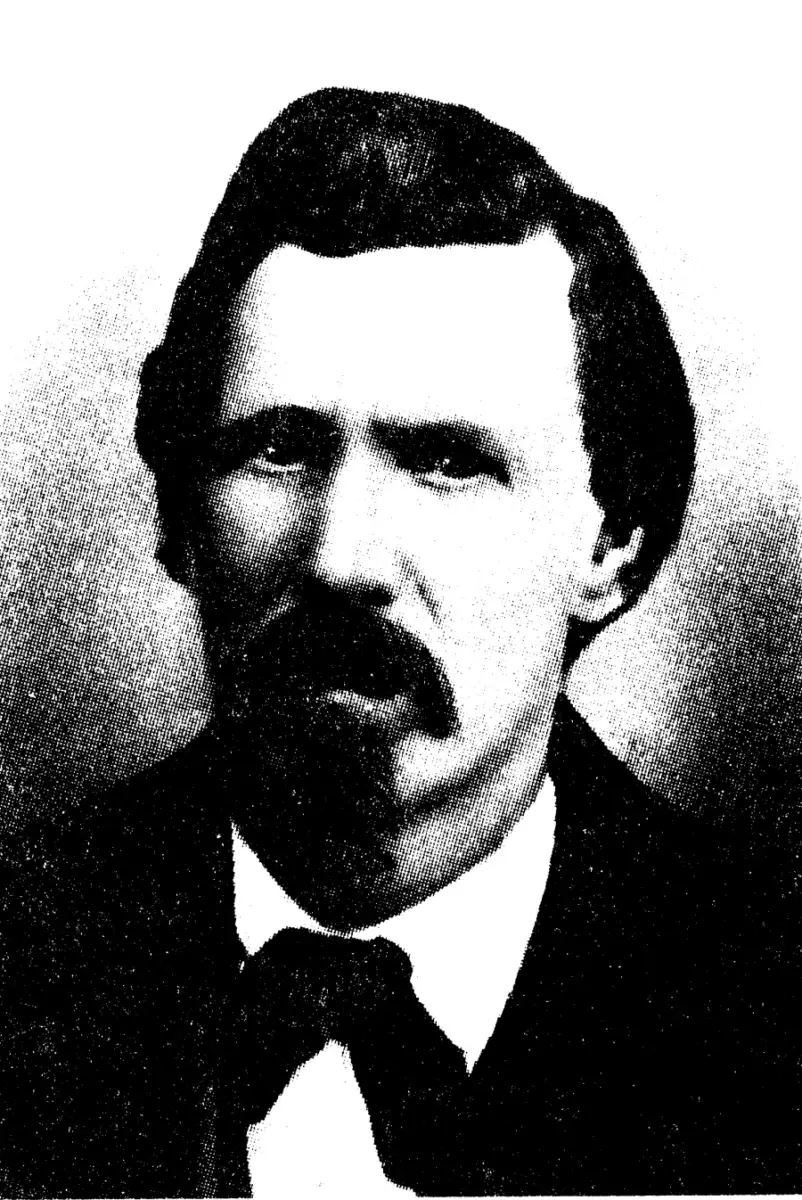
A by-the-book lawman in a county tearing itself apart, Brady became a daylight target on the main street. His killing snapped a feud into open warfare and pushed every neutral into a camp. Sometimes the first casualty of a range war is the referee.
10. John Selman ended John Wesley Hardin’s long, loud run

The El Paso constable and former deputy sheriff watched Hardin’s patterns down to the minute. One night in the Acme Saloon, Selman walked in and wrote a final sentence where the outlaw liked to punctuate his evenings. In border towns, reckonings rarely waited for daylight.
11. Robert “Bob” Paul turned county lines into speed bumps

As Pima County sheriff, Paul chased stage robbers across desert and politics, coordinating posses like a dispatcher with spurs. He made the outlaws’ favorite trick -crossing into the next jurisdiction- feel like running in place. When the Bisbee Massacre gang fled, Paul kept knocking until doors opened.
12. Harry N. Morse treated bandits like math problems
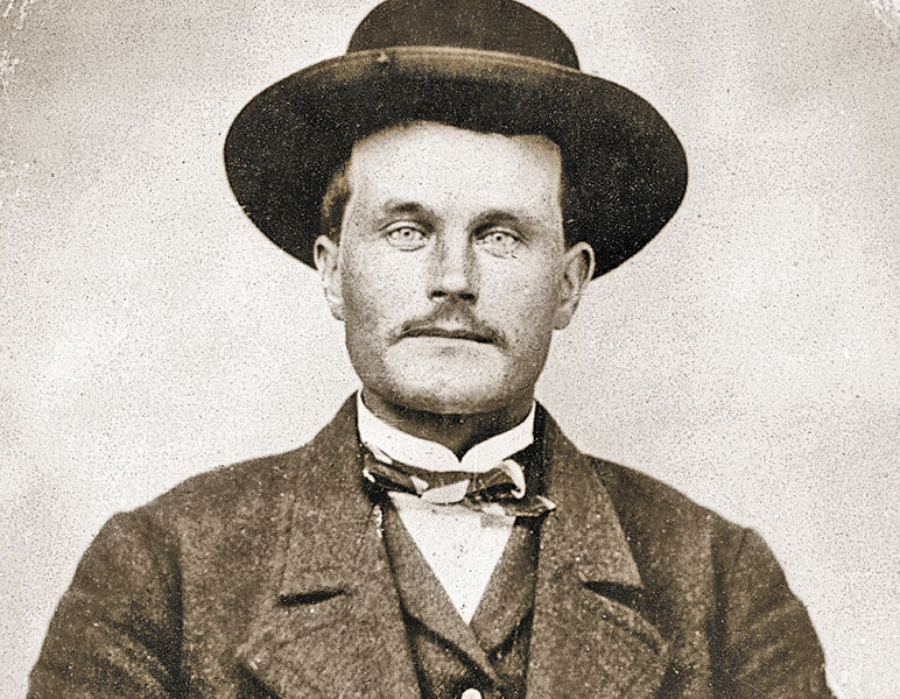
The Alameda County sheriff built cases with trackers, timetables, and affidavits, and then took the saddle. He broke up gangs around the Bay, pressured bigger fish like Tiburcio Vásquez, and proved that a ledger can be as deadly as a lever-action. Quiet law; loud results.
13. Elfego Baca made one badge look like a hundred
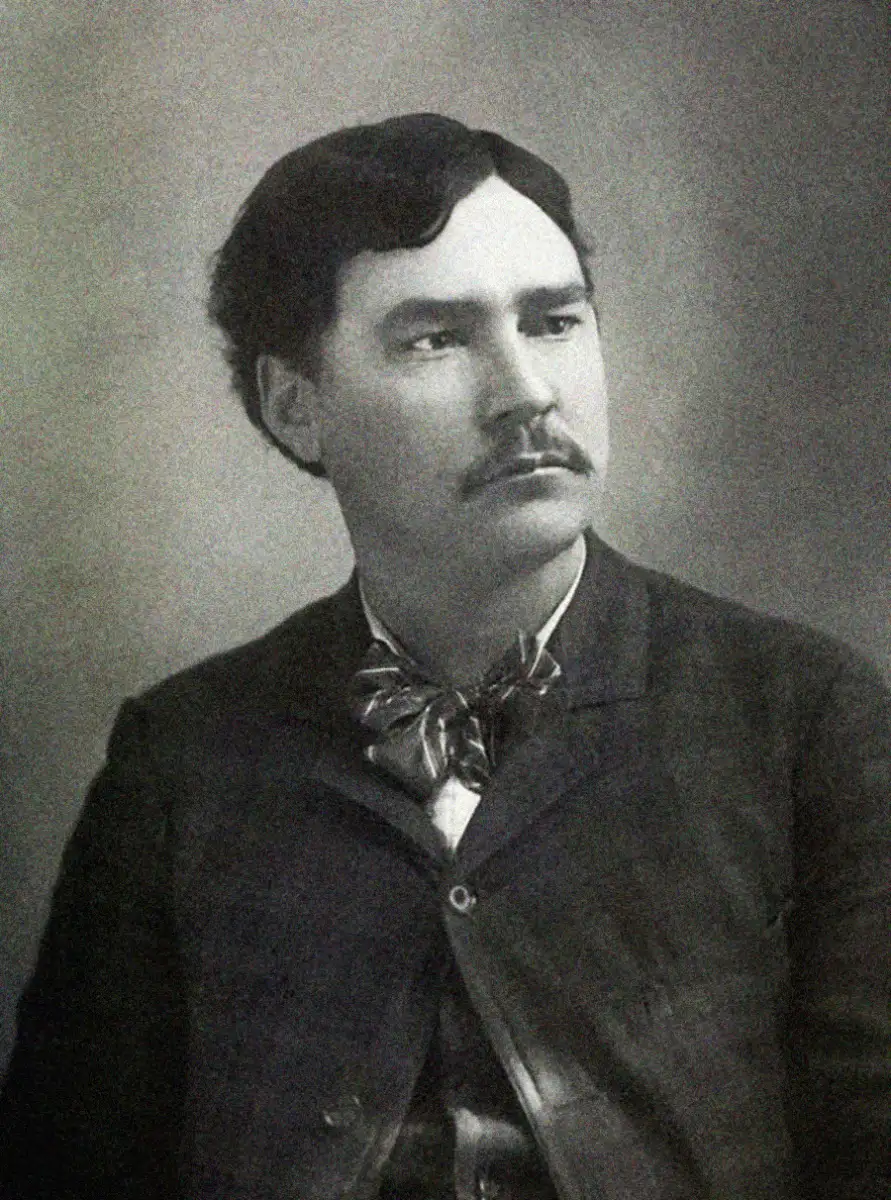
A Socorro County deputy sheriff, Baca holed up in Frisco and outlasted a small army that tried to blast him out. He argued that the law should look unafraid, even when the walls shook. Years later he became an attorney, carrying the fight from the street to the court.
14. John Hicks Adams turned stagecoach robbers into case studies
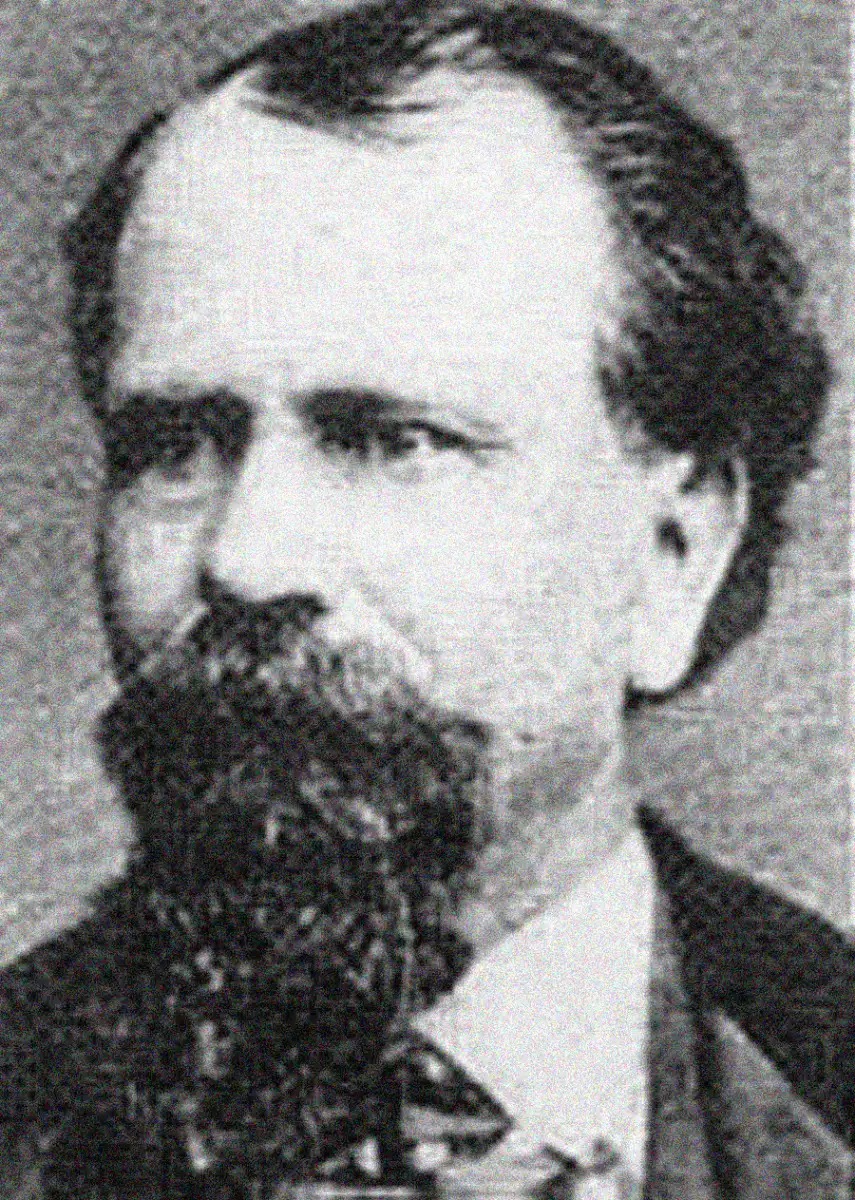
Santa Clara County’s sheriff pieced together robberies with shoe prints, campfire ash, and informants who liked the reward posters. He proved that California’s orchards could hide hard men and that patience could find them. The legend of “getaway” wilted under his paper trail.
15. Dave Allison brought frontier stubbornness into the 20th century

As sheriff in Midland and later Reeves County, Allison tracked bank robbers and killers through brush and timetables alike. He mixed Ranger grit with courthouse precision, hauling in names that newspaper readers feared. The badge changed shape; the job didn’t.
16. William R. Rowland led the posse that bagged Vásquez

The Los Angeles County sheriff moved fast when the infamous bandit got sloppy. Rowland’s men surrounded the hideout and ended a years-long game of chase in minutes. For once, the headline bandit didn’t get a romantic ending, just handcuffs.
17. Joe LeFors chased myths until they made mistakes

The soft-spoken Wyoming lawman worked interviews like a craftsman, letting suspects talk themselves into corners. His dogged pressure helped close the door on Wild Bunch stragglers. “Who are those guys?”, that’s the movie line for LeFors’ whole method.
18. Tom “Bear River” Smith proved de-escalation isn’t new

Abilene’s city marshal (sheriff in spirit if not title) tried something radical: fists first, guns last. He walked into saloons alone, cooled tempers with a boxer’s clinch, and made Sunday seem possible on a Saturday night. His death reads like tragedy; his philosophy reads like tomorrow.
Explore more historical content:
Tall hats, longer rides, and a stack of warrants; these sheriffs held a wild century together one arrest at a time. In the mood for more bite-sized frontier energy? Check these 15 Historic Lawmen Who Inspired Hollywood Legends, or these 18 Vintage Photos of Sheriffs Who Ruled the Frontier. And if you still want more, take a look at these 17 Photos of History’s Most Feared Lawmen.