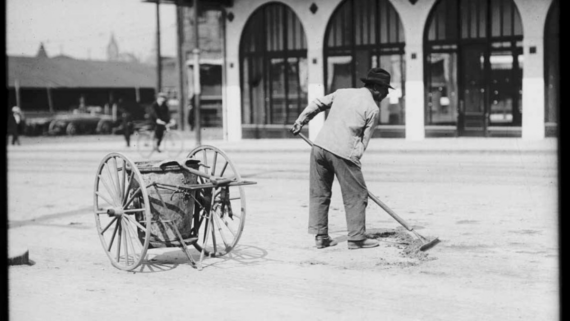
Tracing back to the 1940s, the family life in America was deeply molded by the hardships, and then the unity inspired by World War II. Families near and far clung tightly to their rituals that offered them comfort, connection, and whatever sense of normalcy that they were able to come by. This took on forms like Sunday dinners, radio nights, and unforgettable gatherings that were true staples of everyday living. Take a step back in time and explore 20 family customs that provide a nostalgic glimpse into the time of the ’40s when togetherness meant something far different than it does today.
1. Sunday Family Dinners

Large, home-cooked meals that included extended family members gathering around the table were a widely loved weekly ritual by many folks during the ’40s. However, busier lifestyles and suburbanization made this far less common after the war.
2. Listening to the Radio Together

Families often gathered around in the evening to listen to the news, comedy shows, and also various dramas on the radio. The surge of television’s popularity in the 1950s vastly changed how families consumed their entertainment.
3. Handwritten Letters to Loved Ones

Writing out family letters, especially the family that served overseas, was a deeply cherished routine. When phones and then email later on became more widespread, this tradition rapidly declined.
4. Home Canning and Preserving

Victory gardens, as well as preserving homegrown food, were essential during wartime rationing. Following the war, the growth of supermarkets quickly made this practice far less necessary.
5. Sewing and Mending Clothes at Home

Numerous families sewed clothing or went about mending garments to save money. When mass production as well as affordable fashion expanded, home sewing up and faded away from daily life.
Trending on The Scroller


6. Bath Night for the Whole Family

With fewer bathrooms and hot water being limited, families oftentimes scheduled only one bath night a week. Modern plumbing also made daily showers far more feasible.
7. Front Porch Socializing

Neighbors often gathered around on porches to chat, swap news stories, or watch kids play around. The rise of television, as well as air conditioning, also contributed to socializing moving indoors.
8. Attending Church as a Family

Weekly religious services were a widely shared family norm for numerous households. As time passed on by, church attendance also declined, and especially among the younger generations.
Sign up for our newsletter
9. Dressing Up for Dinner or Outings

Even things like casual family events involved more formal dress, like dresses, suits, and also polished shoes. Postwar fashion also became increasingly casual, especially by the time of the 1960s.
10. Sharing One Phone Line

Families oftentimes shared but one rotary phone, and sometimes even a party line with their neighbors. With mobile phones however, individual access then replaced communal phone use.
11. Evening Walks After Dinner

Largely known as “digestive walks”, families often took strolls together following meals. Busy schedules, in addition to mounting screen time sessions, have made this far less common.
12. Homemade Holiday Decorations

Families oftentimes crafted decorations together from both natural and recycled materials. Commercial holiday decor became much more available and also convenient after the 1950s.
13. Family Scrapbooking and Photo Albums

Documenting family life in physical albums became a major activity. Digital photography has also largely replaced the need for both printed photos as well as scrapbooks.
14. Sitting Together Around the Fireplace

Before there was central heating, the fireplace was a common central gathering spot. Modernized heating systems also changed home layouts, and where families spent time.
15. Community Chores and “Barn Raisings”

Families often helped out neighbors with bigger tasks, such as building barns or even harvesting crops. This culture, steeped in cooperation, vastly shrank as communities became much more individualistic.
16. Children Sleeping in Shared Rooms

It was very common for siblings to share beds or rooms due to space being limited. Larger homes and also shifting norms led to more individualized bedrooms.
17. Storytelling by Parents or Grandparents

Elders oftentimes passed down family and/or folk stories verbally, before bedtime. This ultimately faded with the rise of TV, books, and also digital content for children becoming much more readily available.
18. Penny Banks and War Bonds

Families often tried to educate their children about savings through literal physical coin jars, and also by purchasing war bonds. Modern financial tools have shifted a ton in how children learn about money.
19. Reading Newspapers Together

Reading the daily paper over breakfast or after dinner was common practice. The fall of print news naturally shifted this daily family ritual.
20. Singing Around the Piano

Families oftentimes sang both hymns as well as folk songs, together at home. This was even more common during the times of the holidays. The tradition would go on to fade as both radio and record players became much more dominant.
Explore more content capturing past times:
From wartime rationing rituals to Sunday radio sing-alongs, these forgotten practices remind us how dramatically everyday life can shift in just a generation. If this trip down memory lane sparked your nostalgia, flip back a decade with our 35 Vintage Photos Of The Early 1930s to glimpse how families coped with the Great Depression. Next, see which habits survived when baby boomers arrived by exploring 20 Common Family Traditions From the ’50s That Feel Totally Foreign Today.