Astronauts experience things that most people can only dream about, or even imagine. What did you want to be when you were a child? A lot of the time, we all shared the same answers, and without a doubt, at least half of those included “astronaut.” Growing up, astronauts seemed like the coolest people ever: incredibly smart, a little funny, and with what felt like the best job in the world. After all, they got to go to space, how amazing is that?
As time goes on, it becomes clear that not everyone is meant for that path. Becoming an astronaut takes years of study, intense preparation, and the ability to face both physical and mental challenges that most people will never experience. But what about those who actually make it? The ones who turn that childhood dream into reality. What happens once they’re finally up there?
The truth is, many of the things astronauts experience don’t just feel unusual, they feel completely unreal, almost like something out of a movie. The difference is this isn’t fiction. These are real situations that go far beyond anything we deal with in our everyday lives. Not sure what that looks like? Keep reading.
1. Microgravity feels like floating forever
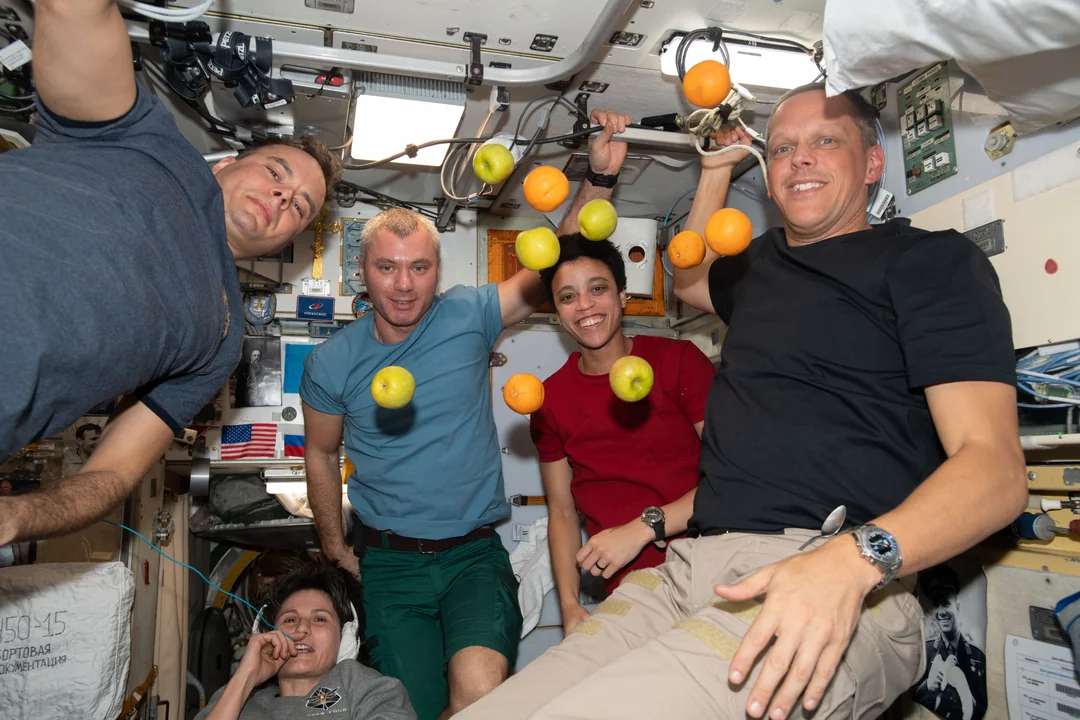
Astronauts don’t just “float”, they live in a constant state of microgravity where every movement sends them drifting. Former astronaut Chris Hadfield has shared how even simple actions like turning around require careful control. It feels unreal because the body never truly adjusts to having no sense of up or down. You can’t fully control your own body, it’s crazy.
2. Fluids shift to the upper body
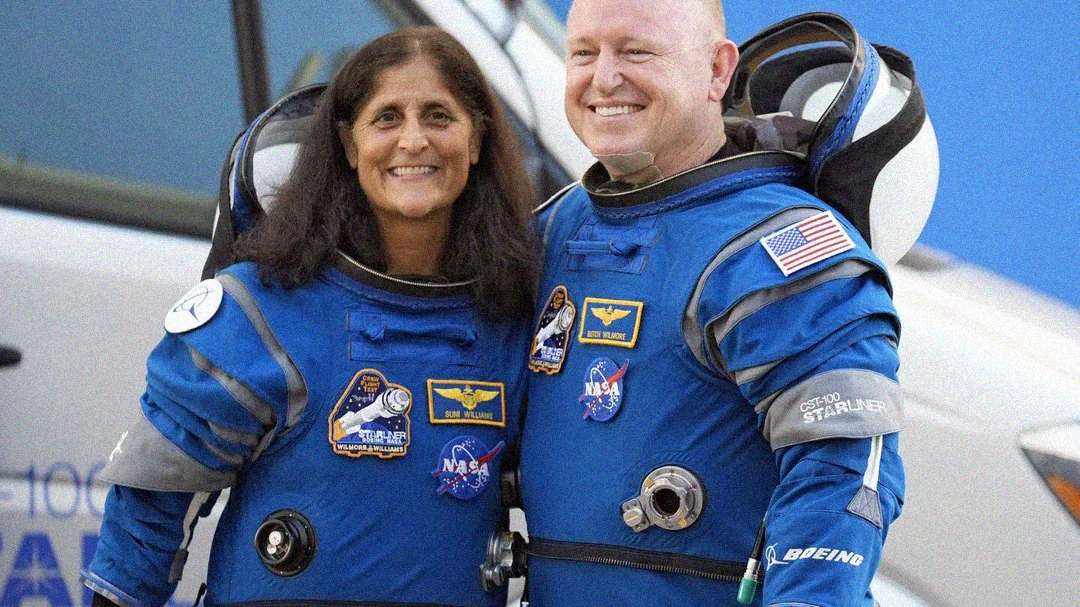
In space, bodily fluids move toward the head, making faces look puffier and legs thinner. NASA has documented this as the “puffy face, bird legs” effect. Astronauts often feel constant pressure in their heads, something that never happens on Earth. To manage it, they exercise daily and sometimes use lower body negative pressure devices to help pull fluids back down.
3. Space adaptation syndrome causes space sickness
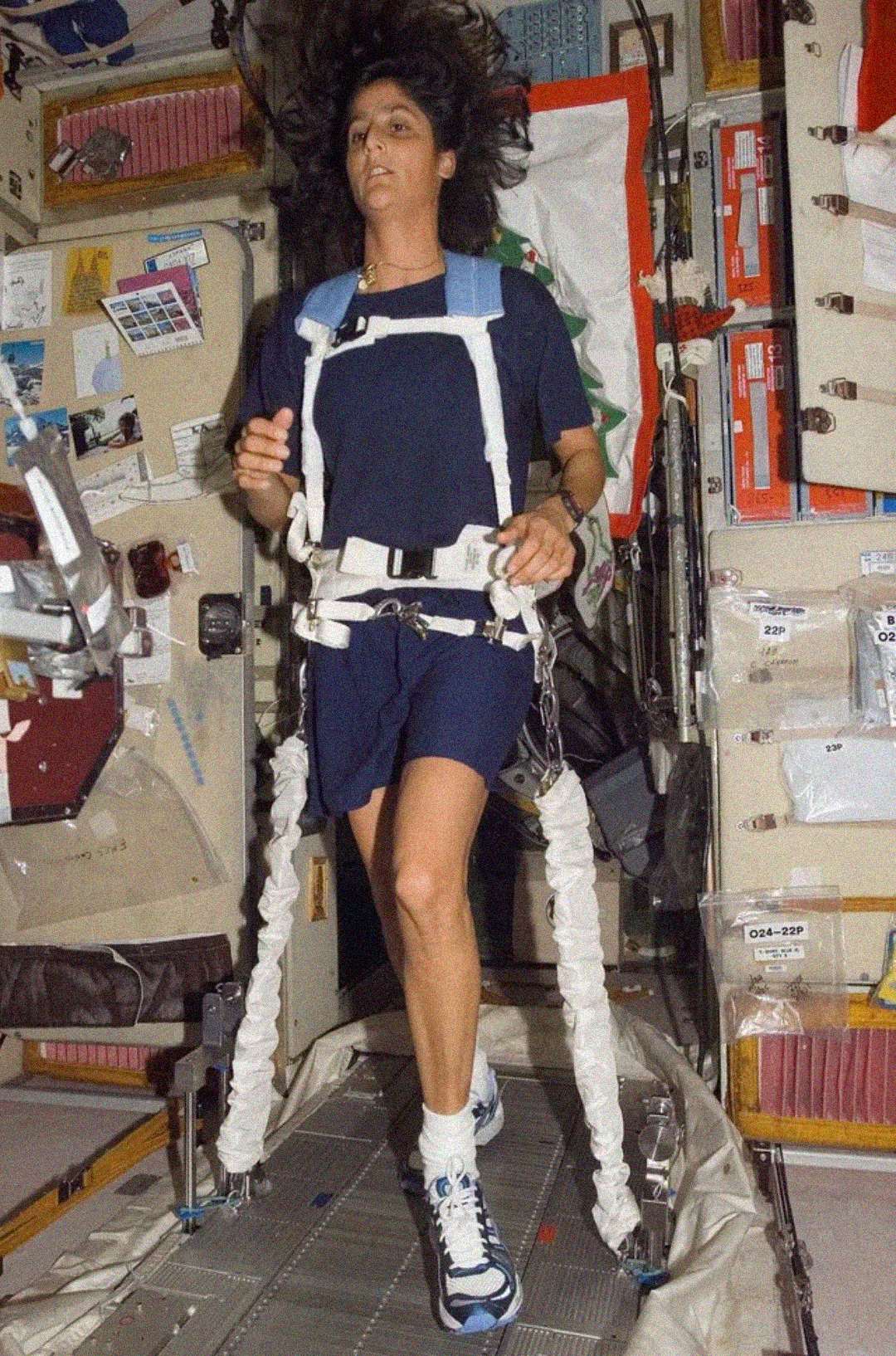
Many astronauts feel nauseous during their first days in orbit. Even highly trained professionals experience dizziness because the inner ear can’t process movement properly without gravity. It’s surprising because training on Earth doesn’t fully prepare the brain for it. And the craziest part is that training is extremely strict. If that can’t prepare you for space, nothing else really can.
4. Sleeping without gravity feels unnatural
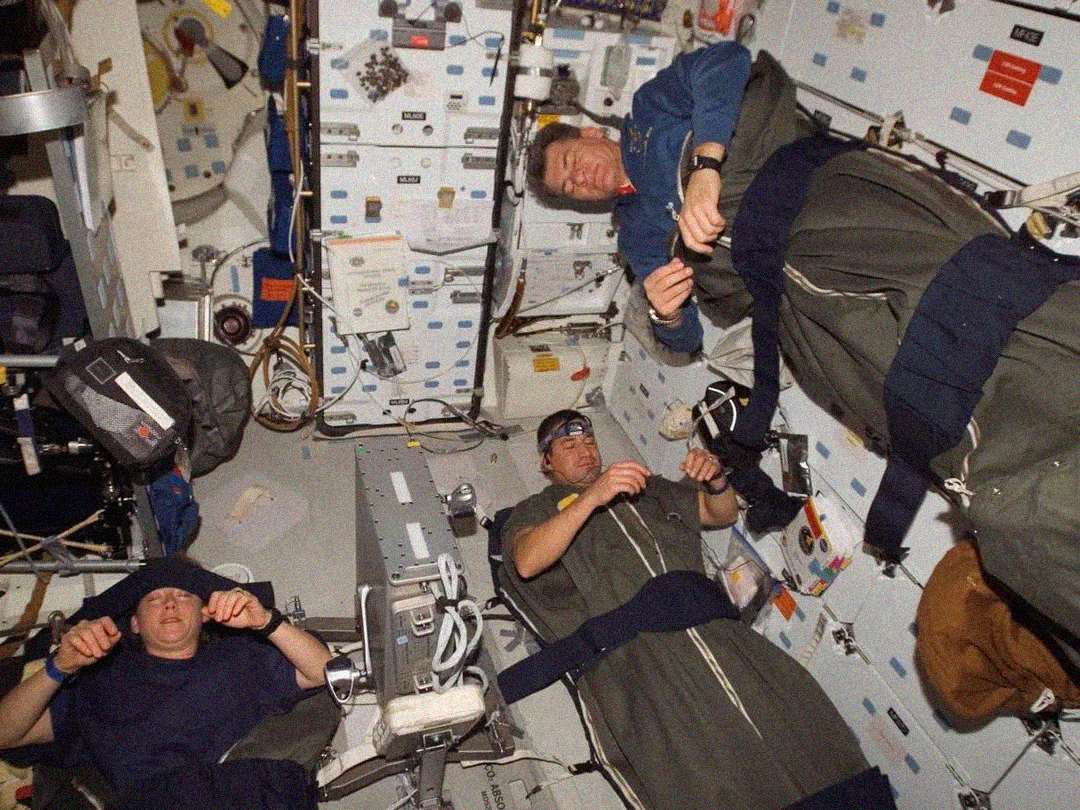
Astronauts sleep strapped into sleeping bags so they don’t float around. Some, like Scott Kelly, have described how strange it feels to sleep without pressure on the body. This is one of the many ways astronauts experience life differently in space. No mattress, no sense of lying down, just floating in darkness. It almost feels like a lucid dream.
5. Muscle atrophy happens quickly
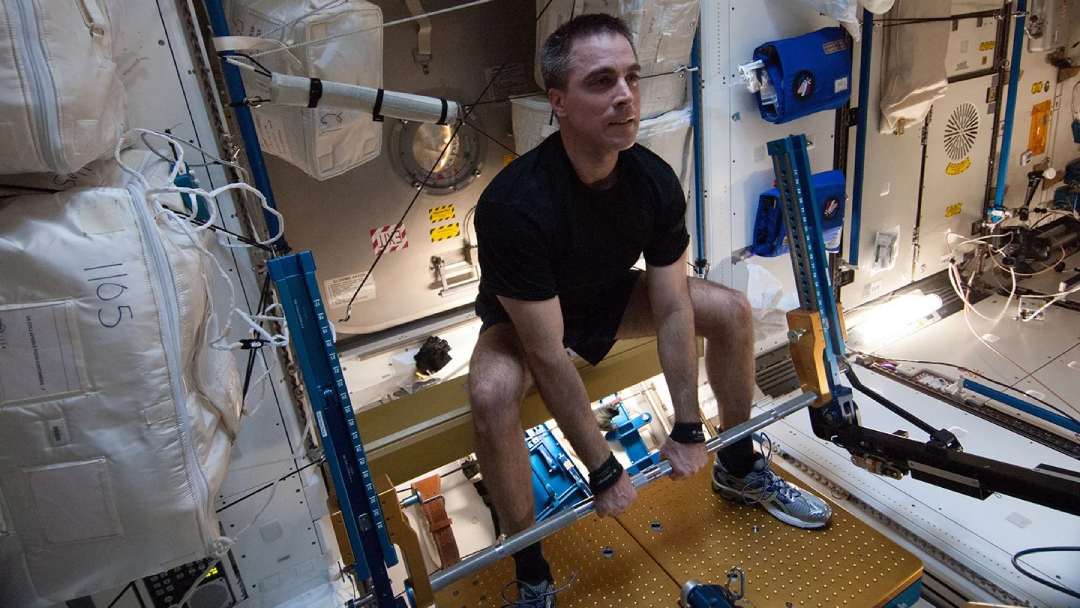
Without gravity, muscles don’t need to work as hard, so they begin to weaken. Astronauts must exercise for about two hours a day to maintain strength. Even then, returning to Earth can feel overwhelming, like relearning how to stand for the first time.
Trending on The Scroller


6. Bones lose density over time
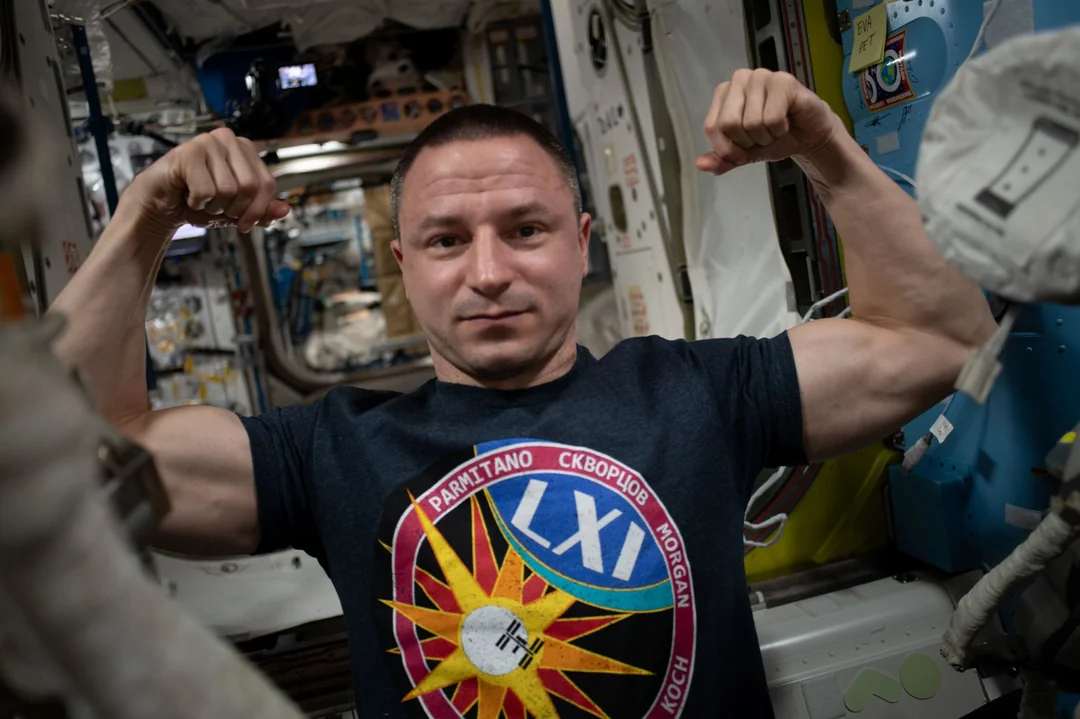
Astronauts can lose up to 1–2% of their bone mass per month in space. NASA studies have confirmed this effect, which is similar to accelerated osteoporosis. It’s shocking because it shows just how dependent the human body is on gravity.
7. Food tastes different in space
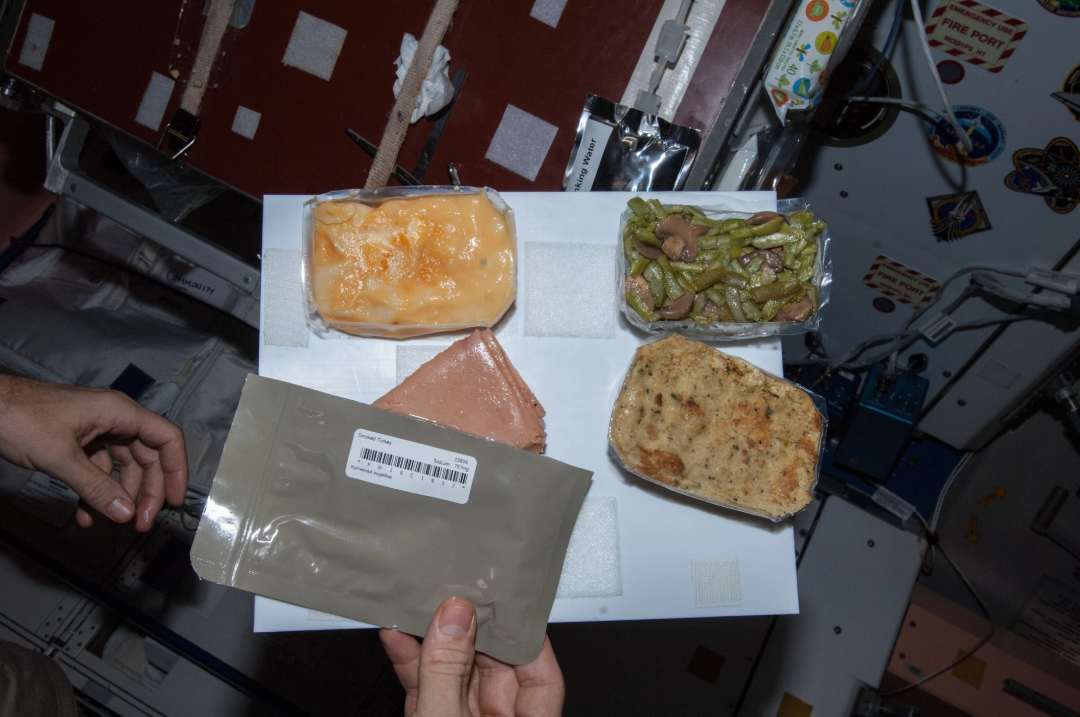
Many astronauts report that food tastes bland, mainly because fluid shifts affect the sinuses. NASA has noted that astronauts often prefer spicy foods in orbit just to feel something. It’s a small but surprising detail that shows how astronauts experience everyday things in completely different ways. The good news is that once they return to Earth, their sense of taste gradually goes back to normal.
8. The view of Earth changes perspective
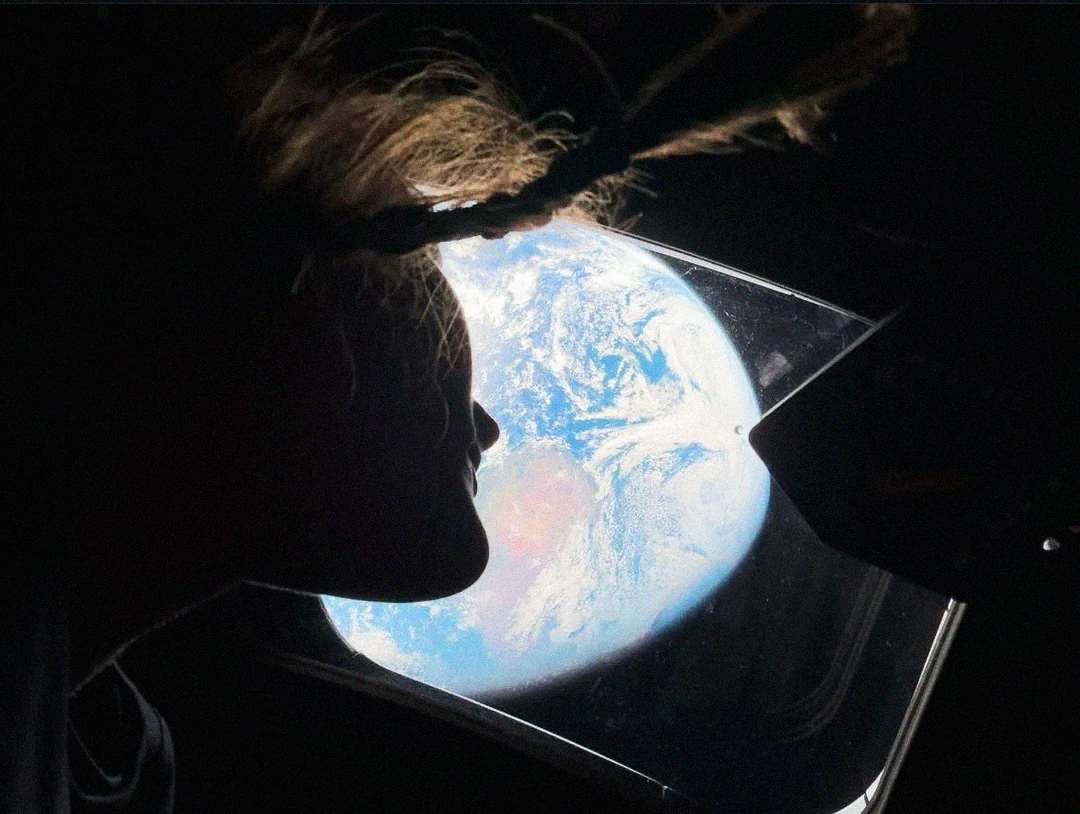
Astronauts often describe something called the “overview effect,” a powerful emotional reaction to seeing Earth from space. Edgar Mitchell spoke about feeling a deep sense of connection with the planet. It’s strange because it makes Earth feel both incredibly far away and very close at the same time.
Sign up for our newsletter
9. Circadian rhythm gets disrupted
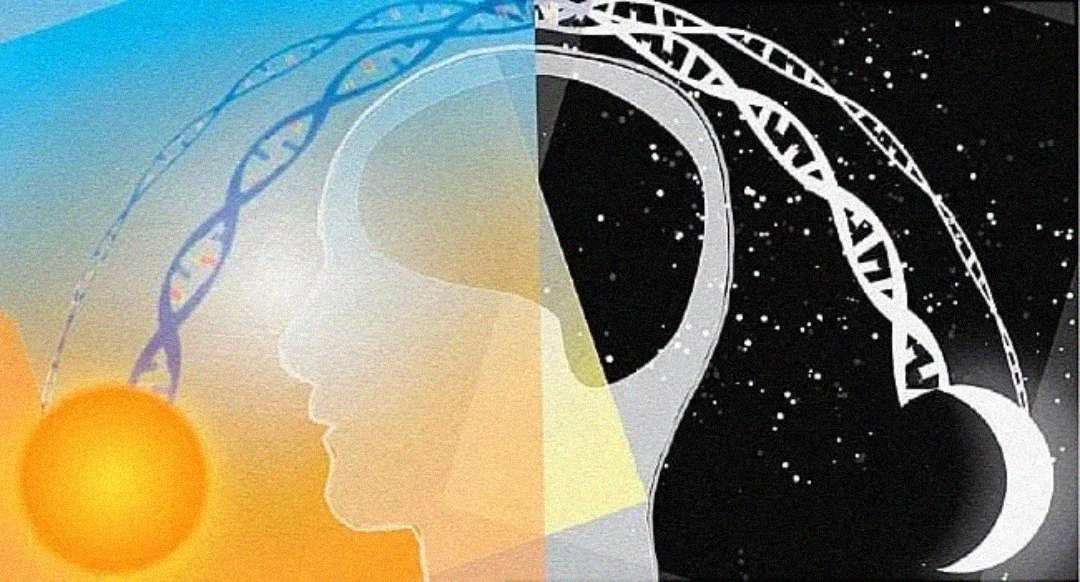
On the International Space Station, astronauts see about 16 sunrises and sunsets a day because the station orbits Earth roughly every 90 minutes. This constant cycle confuses the body’s internal clock, making sleep difficult to regulate.
10. Tears don’t fall, they stick
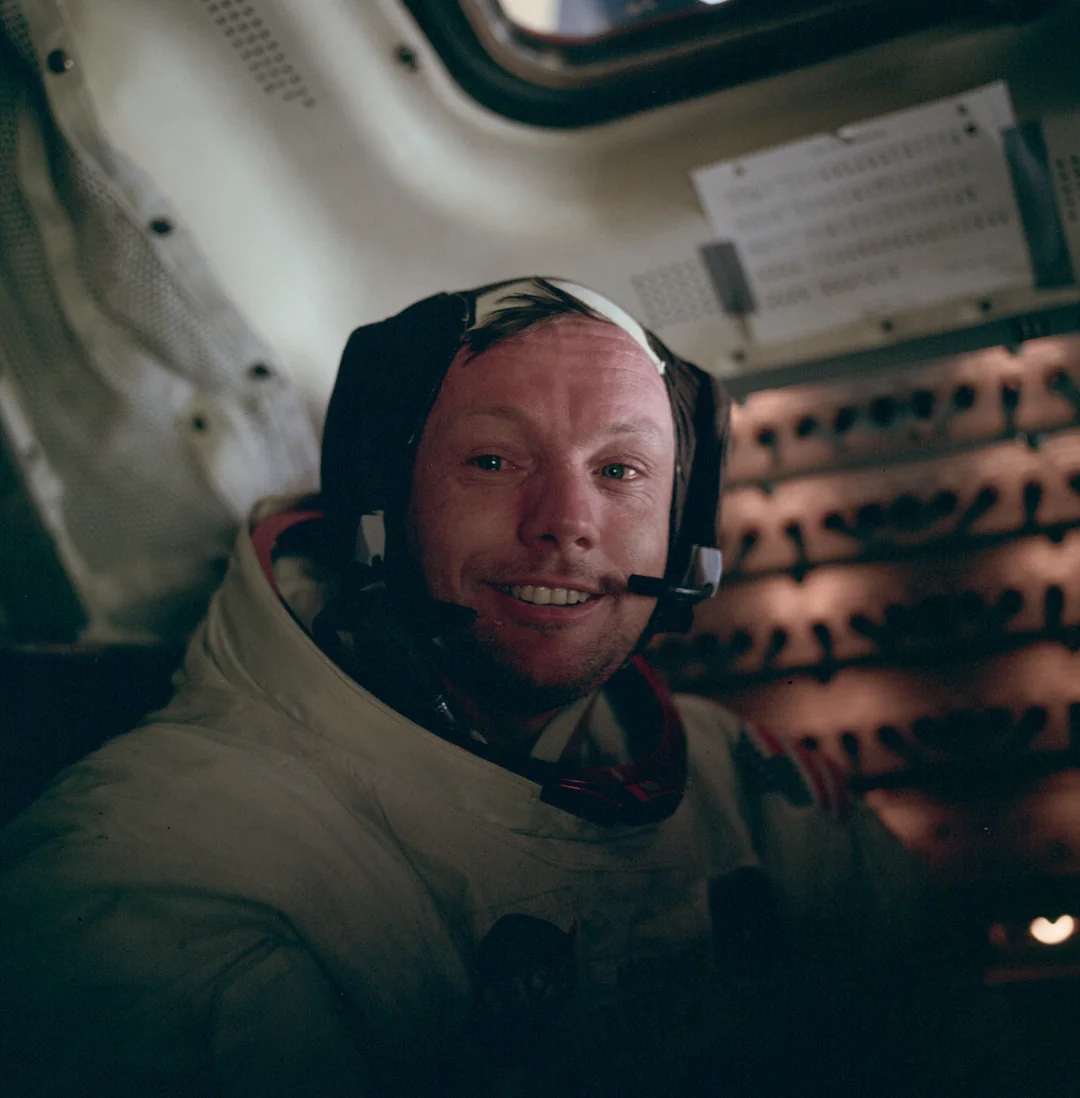
In microgravity, tears don’t roll down the face. Instead, they form floating blobs around the eyes. Astronauts experience emotional moments differently because crying doesn’t behave the way it does on Earth.
11. Space smells… burnt
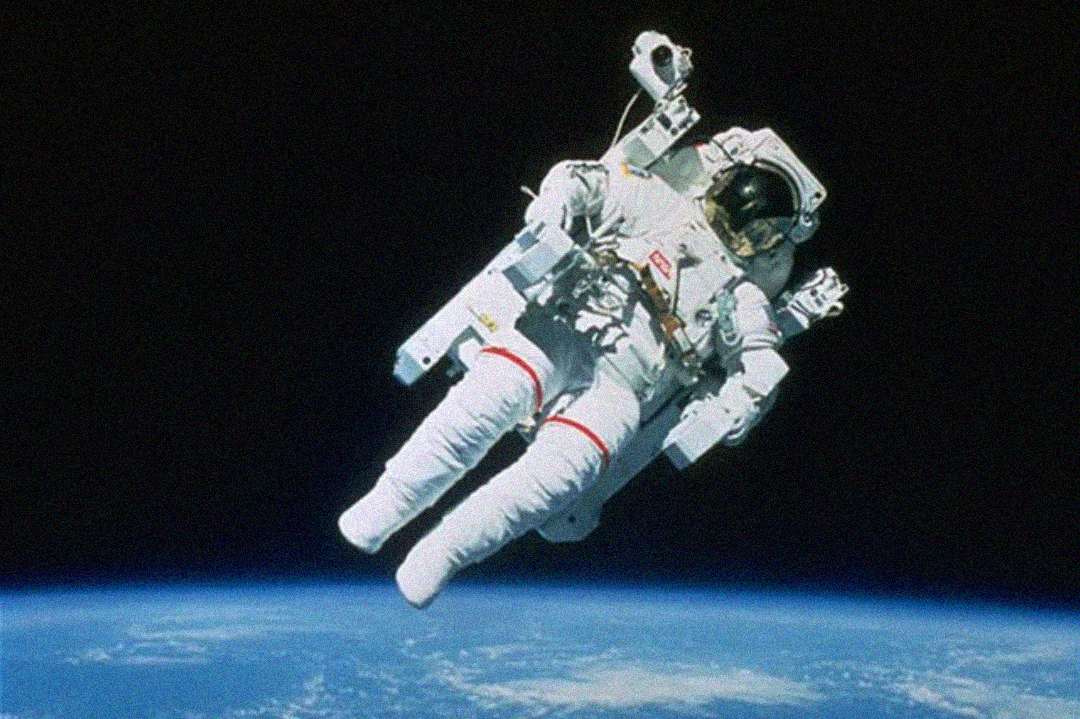
After spacewalks, astronauts report a strange smell on their suits, often compared to burnt metal or welding fumes. Space itself can’t be smelled, but particles that stick to suits bring this unexpected scent back inside.
12. Height temporarily increases
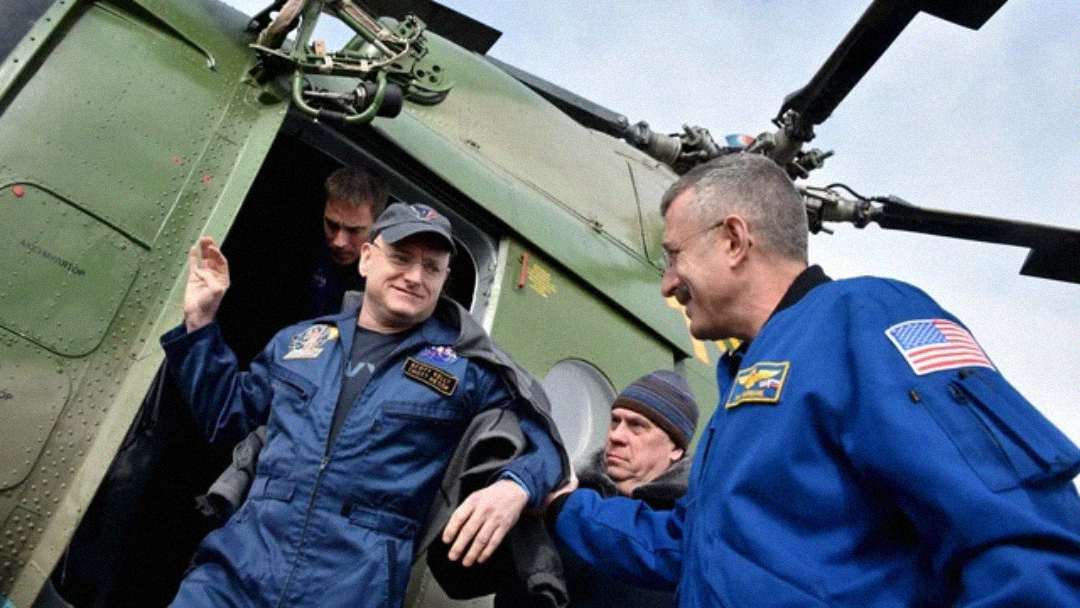
Without gravity compressing the spine, astronauts can grow up to 2 inches taller in space. This has been observed across many missions since early space exploration, including those following Yuri Gagarin. The effect reverses once they return to Earth.
13. Radiation exposure is much higher
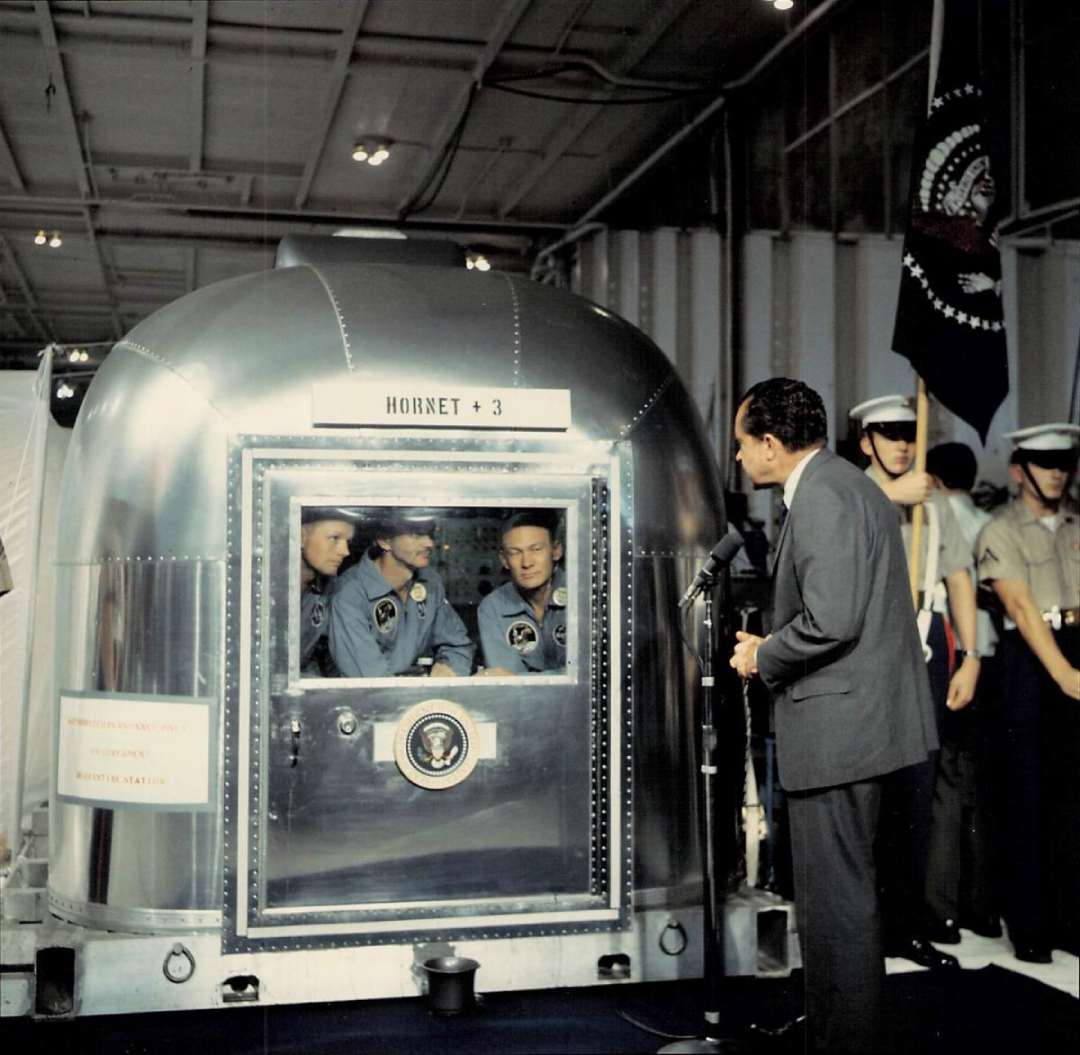
Outside Earth’s protective atmosphere, astronauts are exposed to higher levels of cosmic radiation. NASA closely monitors this because long-term exposure can increase health risks. However, astronauts are not quarantined because of radiation, quarantine protocols are mainly used before and after missions to avoid contamination and protect both astronauts and environments.
14. Everyday tasks become complex
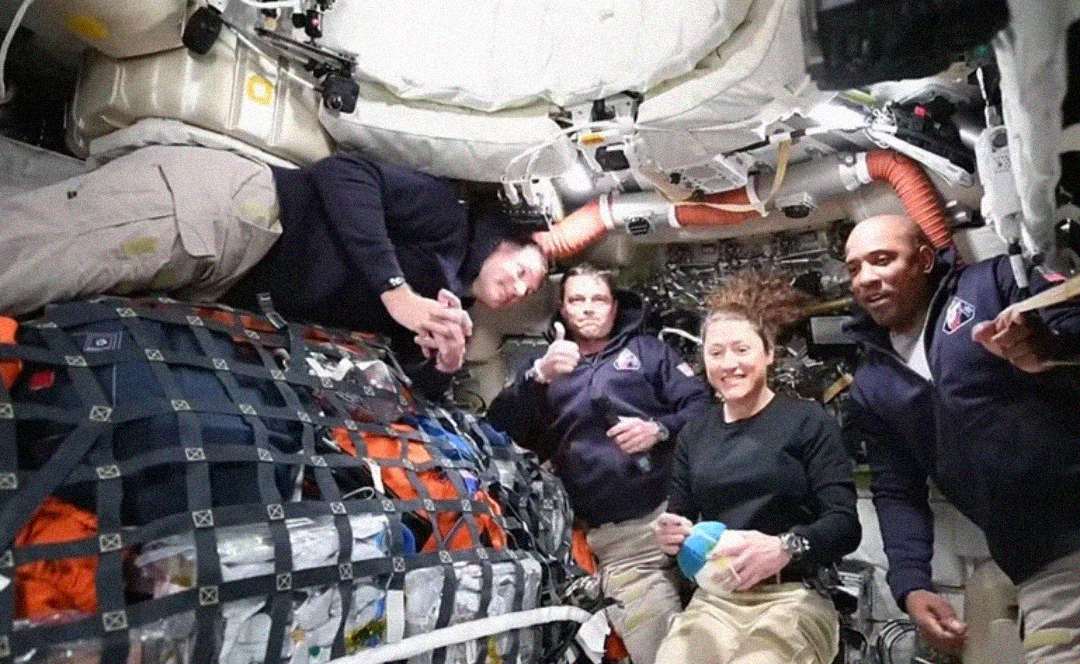
Simple things like drinking water or using the bathroom require specially designed systems. Astronauts train extensively for these routines, but many still describe them as some of the most unexpectedly difficult parts of living in space.
15. Silence feels different in space
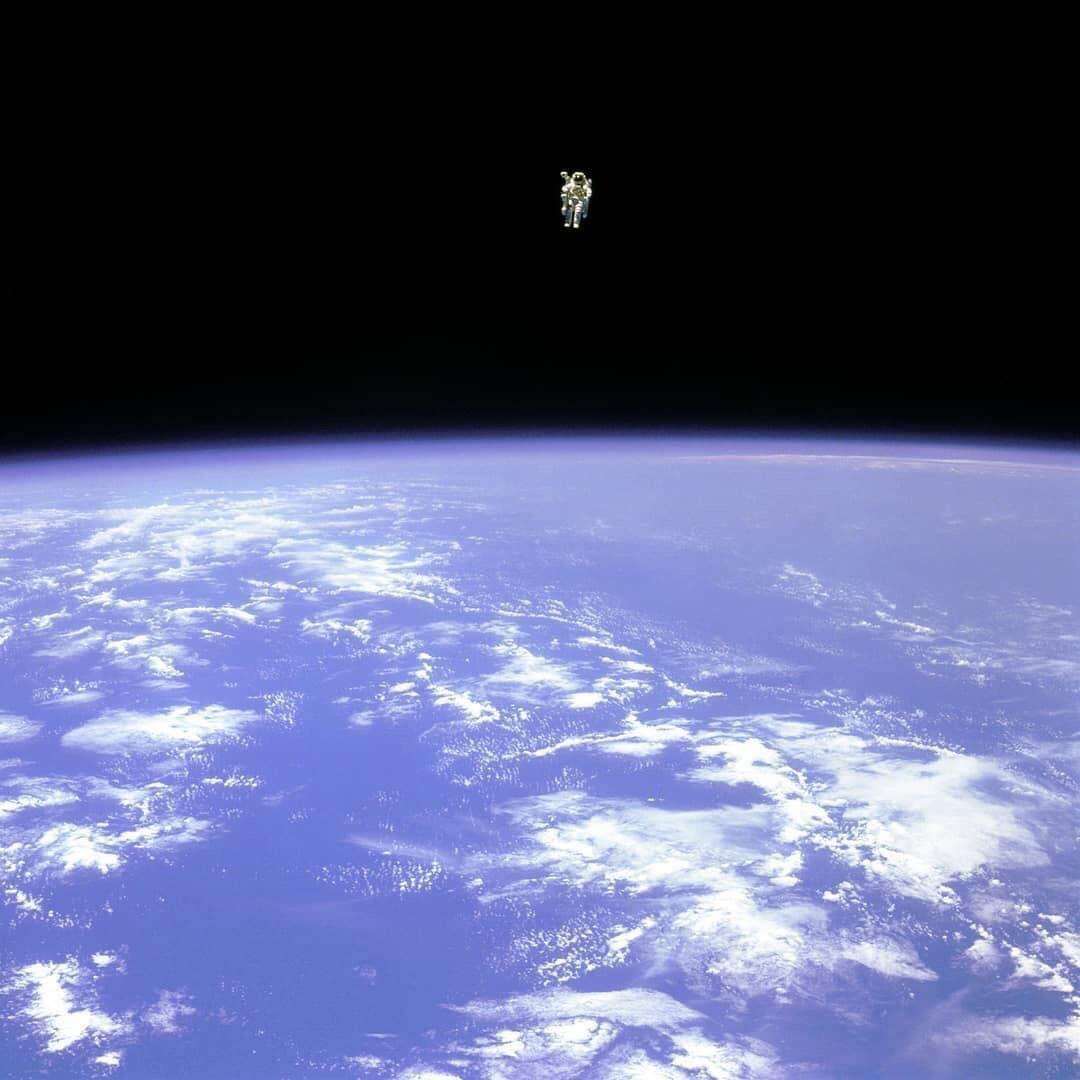
Inside spacecraft, there’s always the hum of machines. But outside, in the vacuum of space, there is complete silence because sound cannot travel without air. Astronauts who perform spacewalks describe it as both peaceful and unsettling, something that feels completely unreal.
Astronauts are the coolest people on Earth (and in space), and the astronauts’ experience continues to amaze us, so keep reading to discover more.
Whether these facts were already known or completely new, it still feels unreal that astronauts have to go through all of these experiences. It’s a reminder of just how extreme and fascinating life beyond Earth can be.
If the world of space sounds interesting, don’t miss our recommendations to explore more and even discover images from other times that will take the experience even further: 15 Real Photos From the Moon Landing That Still Feel Unreal, 15 Rare Photos of the 1960s Space Race Obsession in Every American Home, and 20 Vintage Photos Of Astronauts That Bring The Past To Life (1960s-1990s).