
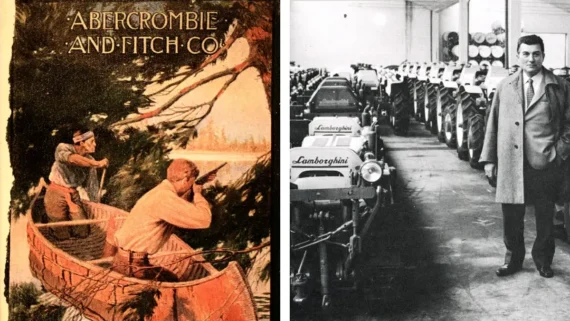
When we look at the corporate titans that dominate the modern global marketplace, it is easy to assume that their massive success was the result of a single, perfectly executed master plan. We recognize their logos, buy their signature items, and interact with their digital platforms daily, taking for granted that these organizations were always destined to fill their specific retail niches. However, the true history of global commerce reveals that flexibility matters significantly more than initial consistency when a business is trying to survive. Many of the most iconic brands we trust today began their life cycles selling products that look completely unrecognizable compared to the inventory they display on modern store shelves.
The survival of these massive corporate entities frequently required a dramatic, high-stakes pivot born out of pure financial desperation or a sudden technological breakthrough. Corporate founders often discovered that a minor background feature of their company or a random raw material they utilized possessed far more commercial value than the core product they were actively trying to market. Embracing these unexpected shifts required an immense amount of strategic courage, prompting executives to completely destroy their original branding to rebuild from scratch. Let’s dive into fifteen legendary brands that achieved massive global success only after completely abandoning the original products that started their corporate journeys.
1. Nintendo
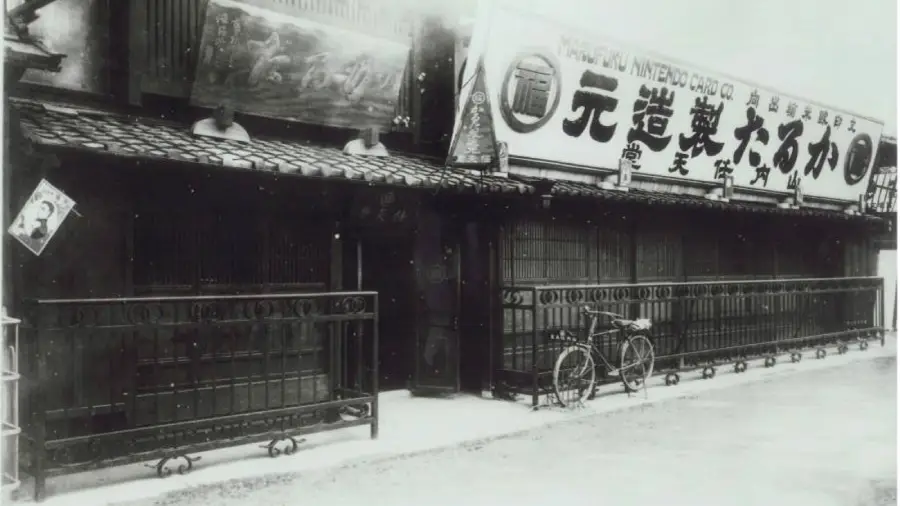
Long before becoming a massive titan of the global video game industry, this Japanese corporate giant was founded in 1889 strictly as a manufacturer of handmade playing cards. The company specialized in crafting beautiful, intricate hanafuda cards, which were traditional matching cards painted on thick mulberry paper that became highly popular among local gaming circles. As the decades rolled on and card sales began to stagnate, the leadership desperately experimented with a wide array of completely bizarre business ventures to keep the organization afloat. They opened a short-lived chain of hourly love hotels, launched an independent taxi company, and even attempted to market a proprietary brand of instant rice before finally discovering their true calling in electronic entertainment during the 1970s.
2. Tiffany & Co.
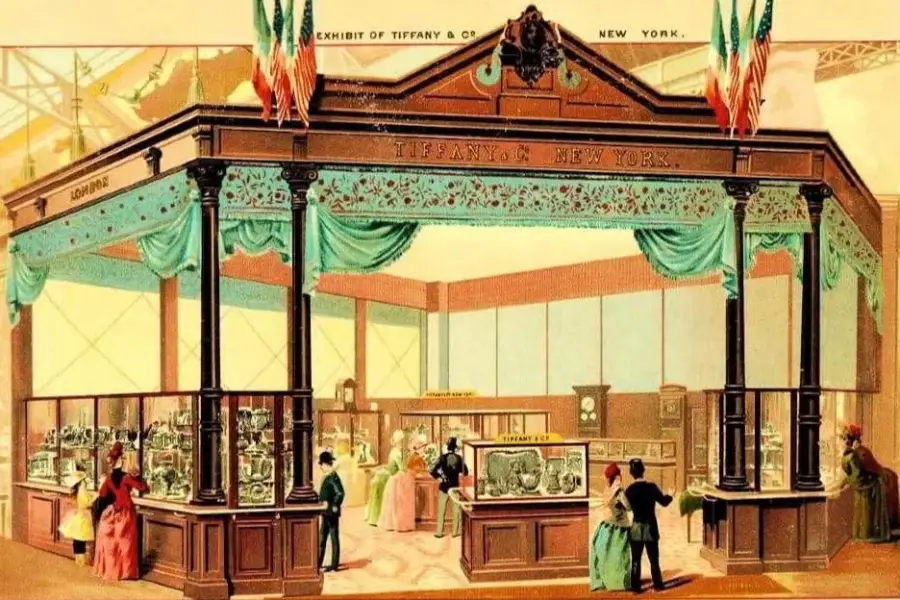
The definitive name in high-end luxury jewelry and pristine diamond engagement rings actually started its corporate life in 1837 as a humble stationery and fancy goods store in New York City. Founded by Charles Lewis Tiffany and John B. Young, the initial retail location relied on selling basic paper notebooks, elegant writing utensils, and generic imported household decorations. On their very first day open for public business, the storefront managed to secure a total revenue haul of just $4.38, a modest sum that did not indicate the massive wealth to come. The company gradually shifted its inventory toward elite silverware and rare gemstones after discovering that wealthy Manhattan elites were desperate for high-quality European luxury imports.
3. Nokia
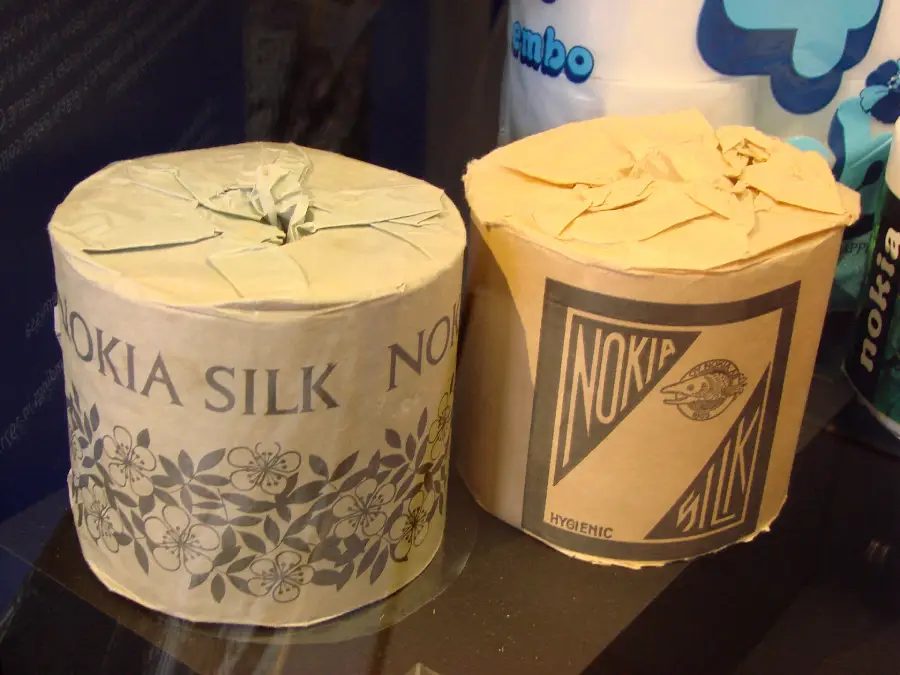
This Finnish technology conglomerate is universally remembered for manufacturing the indestructible cellular phones that dominated the early mobile market, but its 1865 origins lie deep in the forestry industry. The company began as a single, rustic paper mill operation built on the banks of the Tammerkoski rapids to produce basic industrial paper products. The enterprise eventually expanded into manufacturing heavy rubber boots, electrical cables, and rugged automotive tires to serve the infrastructure needs of the growing nation. It was only during the late 20th century that the executives made the bold choice to prune away all of their traditional manufacturing roots to focus exclusively on telecommunications hardware.
4. Hasbro

The massive toy empire responsible for bringing us legendary childhood favorites like Monopoly, G.I. Joe, and My Little Pony was originally established by three brothers as a textile remnant business in 1923. The Hassenfeld brothers began by selling simple scraps of leftover fabric before expanding into manufacturing high-quality cloth-covered pencil boxes and basic school stationary kits. They realized that including small, plastic items and creative tools inside their school boxes generated far more consumer excitement than the actual stationary itself. This realization prompted the company to pivot completely into creating medical kits for children, eventually leading to the mass production of toys that would reshape modern playrooms.
5. Avon
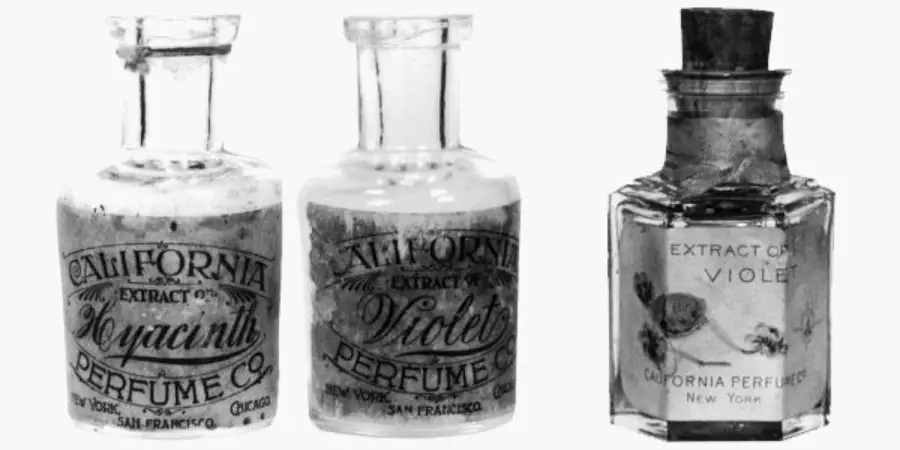
The legendary direct-sales cosmetics empire was originally founded in 1886 by a traveling book salesman named David H. McConnell under the name California Perfume Company. McConnell realized that his female customers living in isolated rural towns were significantly more interested in the small, complimentary vials of rose perfume he gave away than the actual literature books he was trying to sell. He recognized a massive, untapped commercial opportunity and decided to completely abandon the publishing industry to manufacture a dedicated line of custom fragrances. Crucially, he also realized that local women were exceptionally skilled at marketing these beauty items to their own neighbors, establishing the iconic door-to-door sales model that built the brand.
Trending on The Scroller
6. Samsung
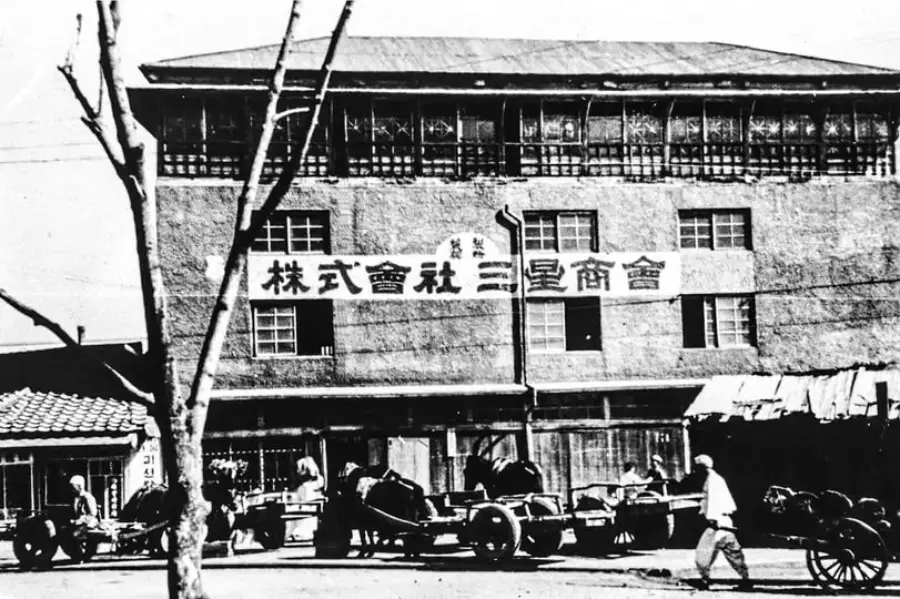
The South Korean electronics giant that manufactures premium smartphones, advanced microchips, and high-definition televisions was initially launched in 1938 as a small, independent trading store. The founder started the business with just forty employees, focusing exclusively on exporting dried local fish, regional vegetables, and domestic noodles to surrounding countries. The enterprise grew rapidly over the decades, utilizing its profits to diversify into heavy textile manufacturing, corporate insurance, and even major retail oil refining before touching technology. The company didn’t enter the electronics market until the late 1960s, beginning with the production of basic black-and-white televisions for domestic households.
7. Play-Doh
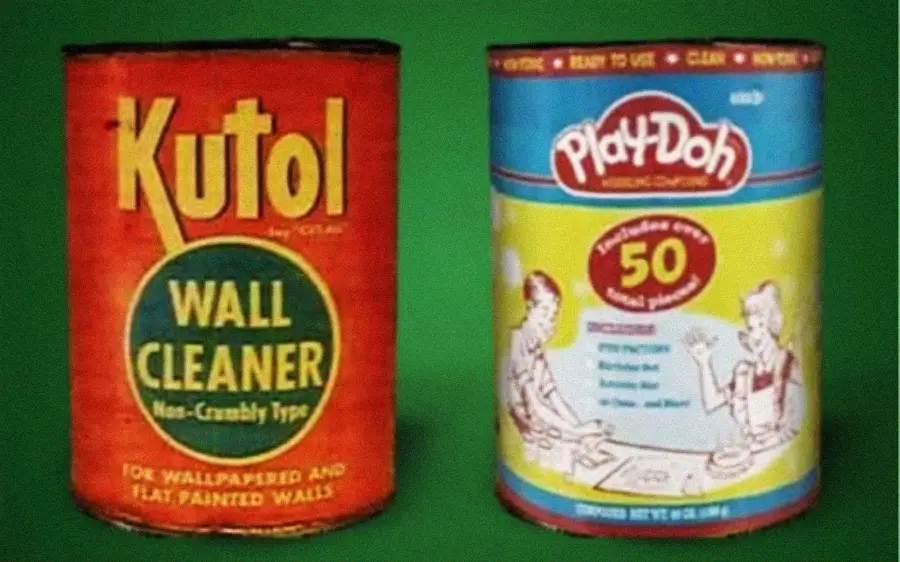
The colorful, salty modeling clay that has been a staple of early childhood creativity for generations was originally engineered during the 1930s to clean thick soot off wallpaper. Homes during this era relied heavily on burning soft coal for heat, which left a stubborn, dark residue on household walls that was incredibly difficult to wipe away without ruining the wallpaper design. The soft, non-toxic dough compound was sold in large tubs as an industrial utility cleaner until coal heating declined significantly and left the company facing absolute bankruptcy. The inventor’s sister-in-law, a schoolteacher, realized that kids loved shaping the pliable cleaning putty into artistic figures, prompting the company to remove the detergent and add bright dyes.
8. Colgate
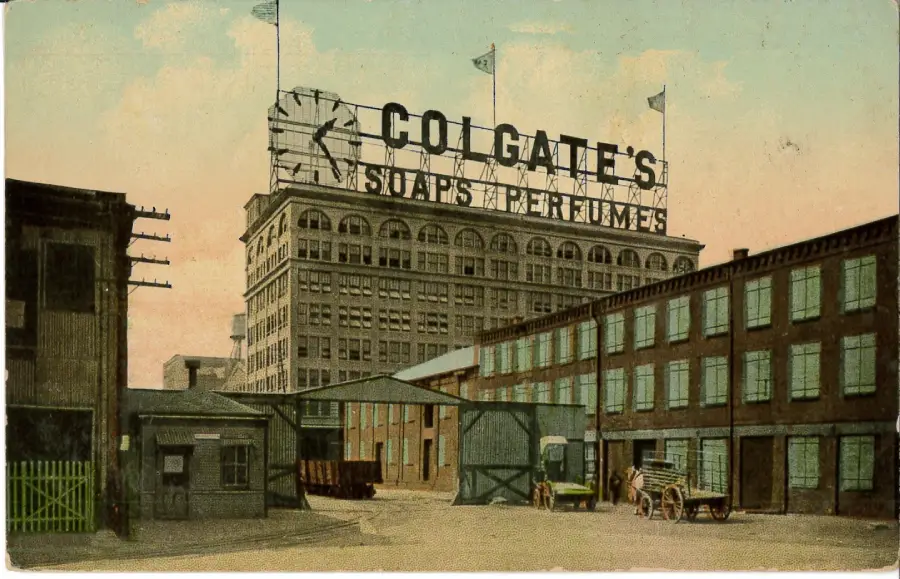
William Colgate established this global hygiene giant in New York City in 1806, but a customer walking into his initial storefront wouldn’t find a single tube of minty toothpaste. The business focused exclusively on the industrial production of starch, candles, and basic bars of animal-fat soap for local merchants and households. Colgate managed to dominate the regional market for decades based entirely on the consistent quality of his candles, running the operation as a successful family enterprise. The company didn’t introduce its very first aromatic dental cream until 1873, famously selling the paste inside small glass jars before pioneering the collapsible metal tube.
Sign up for our newsletter
9. 3M
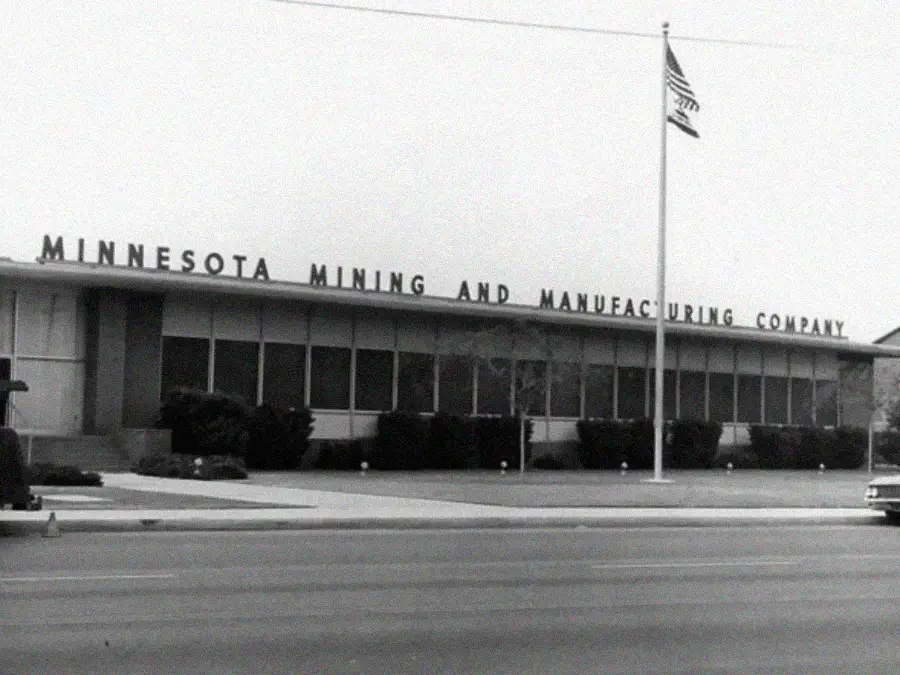
The corporate giant behind household staples like Post-it Notes and Scotch Tape was originally founded in 1902 under the name Minnesota Mining and Manufacturing Company. The five founding investors explicitly established the venture to mine a specific mineral called corundum, which they intended to sell to industrial manufacturers for making heavy-duty grinding wheels. The venture was an absolute logistical disaster because the geological surveys were wrong, leaving the company with a massive mountain of completely worthless anorthosite stone. Forced to innovate to survive the financial mistake, the engineers began importing quality abrasive materials to manufacture sandpaper, a pivot that birthed their legendary focus on advanced adhesives and coatings.
10. Twitter (X)
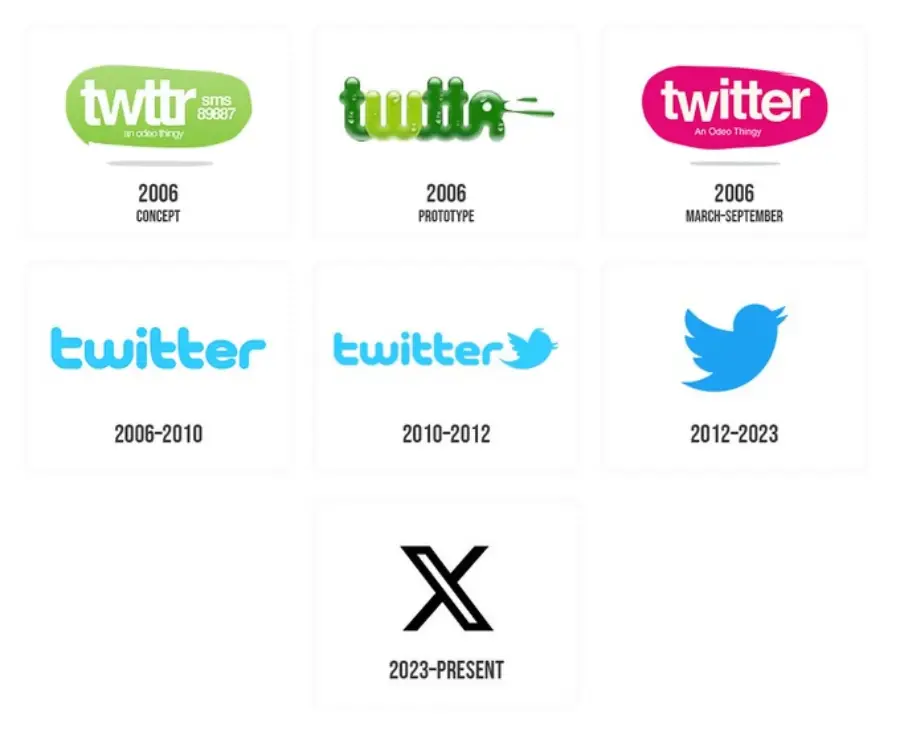
Long before it became the definitive, high-frequency global town square of the internet, this social media platform started inside a completely separate tech startup called Odeo. The original company was a dedicated podcasting platform where users could discover, record, and share audio files long before the entertainment medium achieved mainstream popularity. The entire business model was instantly crushed when Apple announced they were adding a built-in podcast directory directly into every single iTunes application for free. Facing total obsolescence, the team held a massive, day-long brainstorming session where an engineer suggested an internal SMS text system for sharing status updates, completely shifting the company’s trajectory.
11. Suzuki
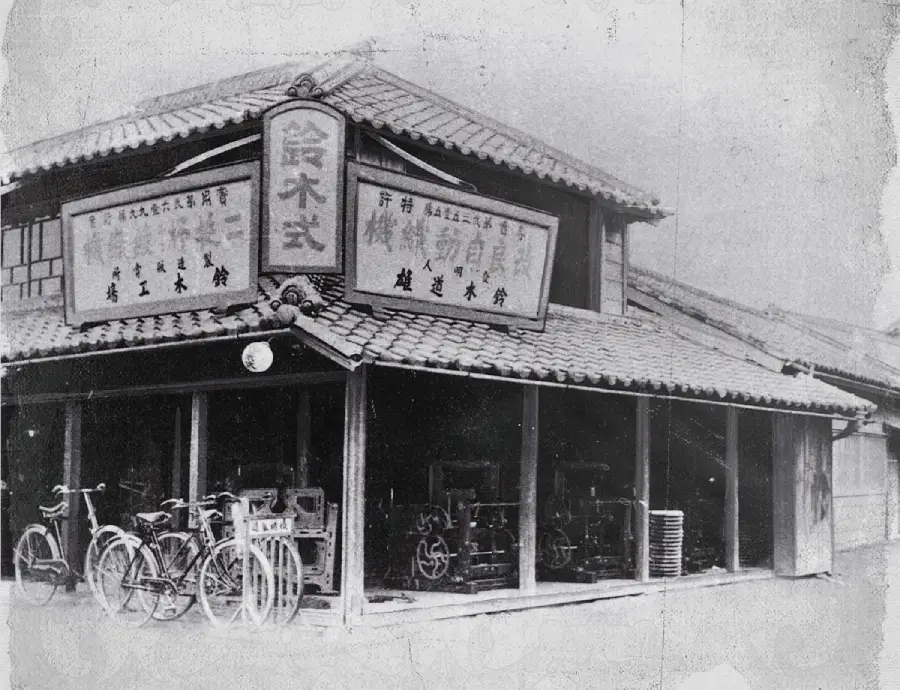
The Japanese automotive powerhouse celebrated for building high-performance motorcycles and rugged all-wheel-drive vehicles spent its first thirty years manufacturing complex industrial weaving looms. Founded in 1909 to serve Japan’s massive textile industry, the company built incredibly advanced, automated wooden looms that were exported to fabric factories worldwide. The founder was a brilliant inventor who held multiple patents for improving textile production efficiency, but he grew increasingly concerned about the long-term saturation of the loom market. He chose to diversify into manufacturing compact consumer automobiles in the late 1930s, realizing that the basic engineering principles of interlocking gears could transfer beautifully to motor vehicles.
12. Abercrombie & Fitch
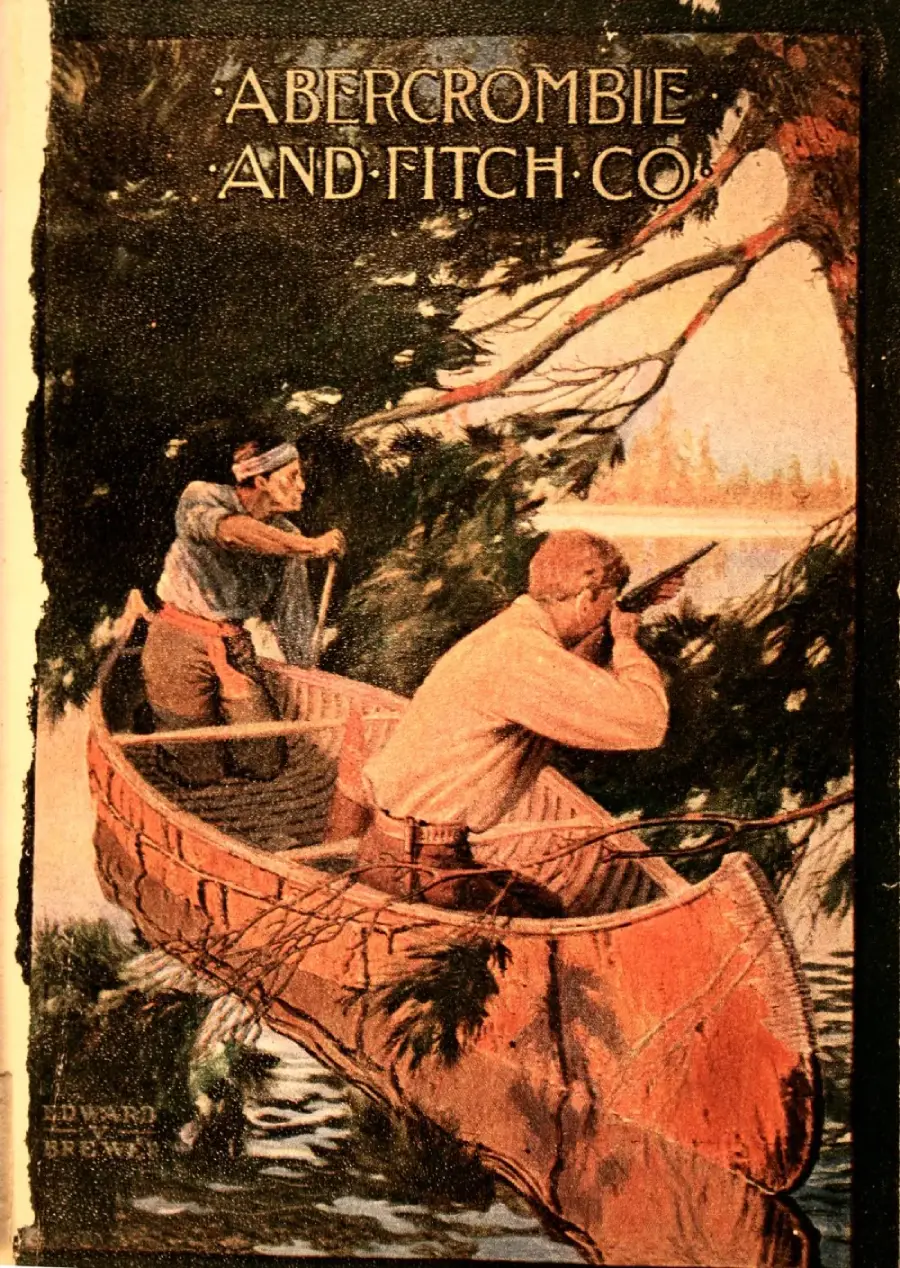
Before it became synonymous with cologne-scented shopping malls, neon lighting, and casual teen fashion during the early 2000s, this brand was an elite, rugged outdoor outfitter founded in 1892. The original storefront in Manhattan sold heavy-duty camping gear, professional hunting rifles, and specialized fishing rods to wealthy explorers and historical figures. Famous individuals like Theodore Roosevelt, Amelia Earhart, and Ernest Hemingway routinely bought their expedition gear from the company before launching their historic global adventures. The brand went through a massive corporate bankruptcy in the late 1970s, paving the way for a retail buyout that completely transformed the rugged sporting goods legend into an upscale apparel franchise.
13. YouTube

The definitive video-sharing website, which currently serves billions of hours of streaming content to the globe, was initially launched on Valentine’s Day in 2005 as an online video dating service. The original concept, explicitly titled Tune In Hook Up, allowed single individuals to upload short introductory videos of themselves detailing their ideal romantic partners so users could browse matches. The dating concept failed completely, as not a single person chose to upload a video to the website during its initial week online. The founders grew desperate and decided to scrap the romantic restrictions entirely, opening the server up to allow anyone to post any random video clip they wanted, starting with a short trip to the zoo.
14. Wrigley
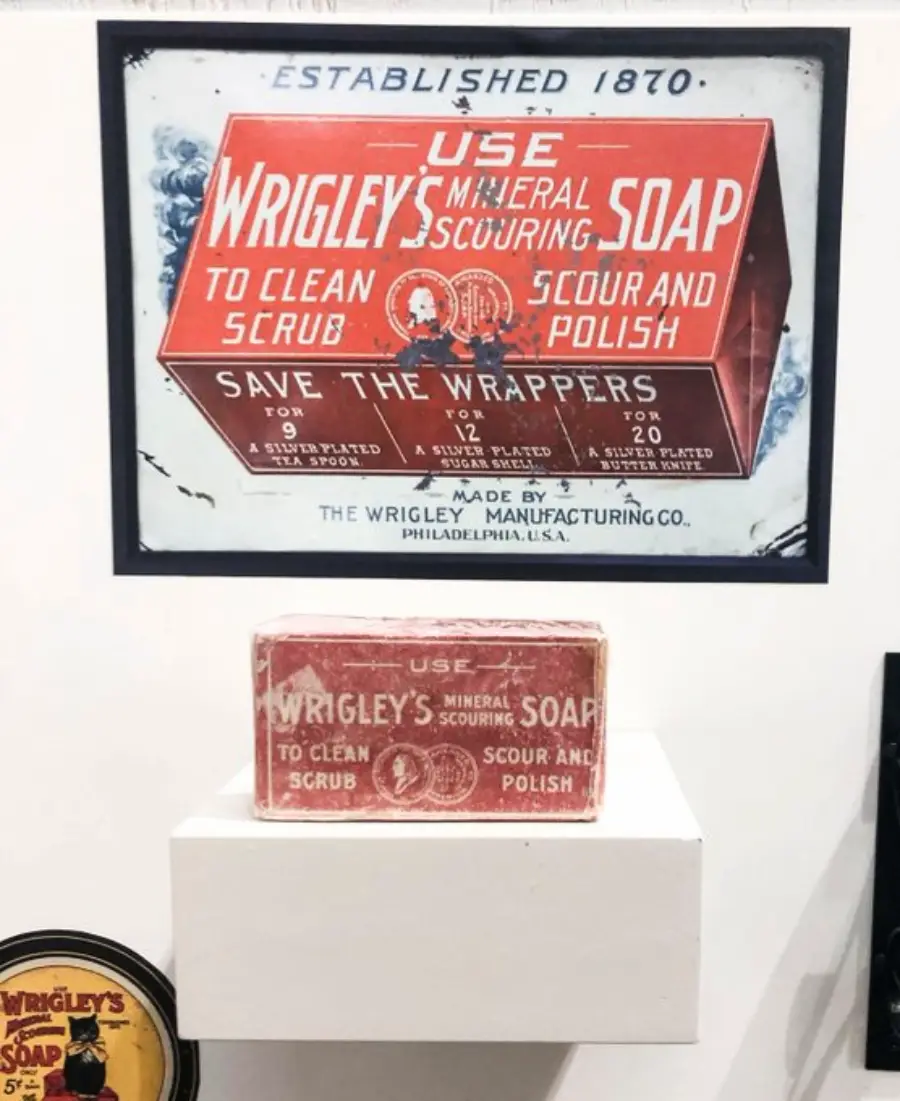
William Wrigley Jr. arrived in Chicago in 1891 to launch a business selling basic bars of scouring soap, offering a small incentive premium to local merchants who placed large wholesale orders. He noticed that the free baking powder he bundled alongside his soap shipments was actually generating significantly more customer enthusiasm than the soap itself. He immediately pivoted his production to focus exclusively on manufacturing baking powder, choosing to bundle a couple of packs of sweet chewing gum with every can of powder to keep sales high. History repeated itself when the chewing gum became a massive runaway hit among grocery owners, prompting him to pivot a second time into the confectionery giant we know today.
15. Lamborghini
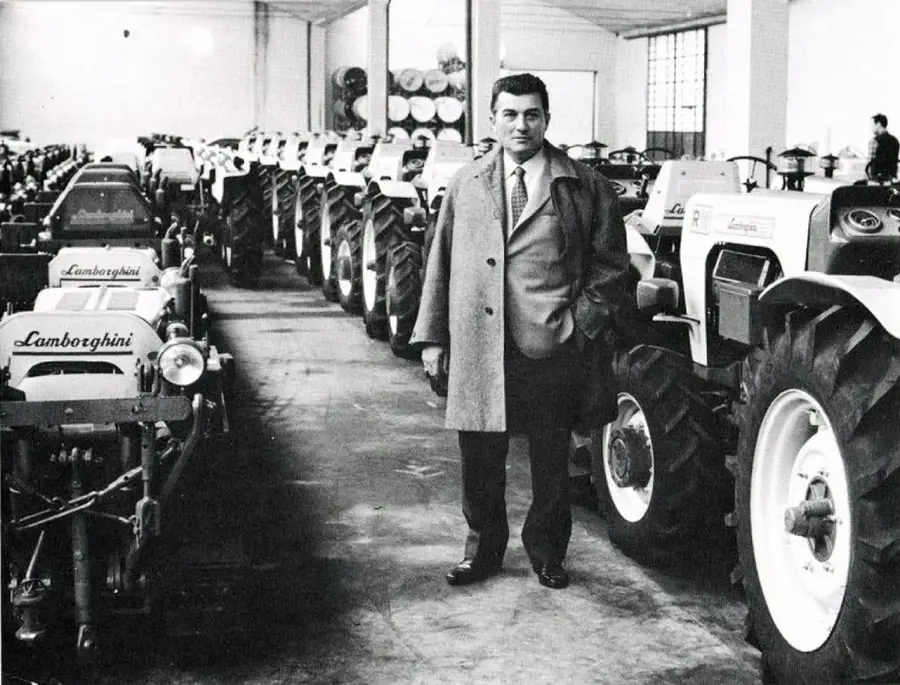
Ferruccio Lamborghini built a highly successful industrial manufacturing empire in postwar Italy by purchasing discarded military hardware to build rugged, reliable agricultural tractors. He grew immensely wealthy from his tractor business, allowing him to indulge his deep personal passion for collecting high-end luxury sports cars from rival manufacturers. After experiencing consistent mechanical clutch failures with his personal Ferrari, he visited Enzo Ferrari to complain about the vehicle’s structural quality and offer engineering feedback. Ferrari famously insulted him, telling the tractor manufacturer he was unable to handle a real sports car, an insult that enraged Lamborghini so deeply he hired top engineers to build a rival supercar.
Explore more facts about famous brands:
The incredible evolutionary histories of these famous brands highlight the fact that adaptability is the ultimate secret weapon in the volatile world of business. It is deeply satisfying to realize that the products we use every single day were born out of massive corporate failures and unexpected marketplace accidents. If you enjoyed this illuminating look at the hidden origins of the corporate world, make sure to explore these 20 Hilarious Off-Brand Fails That Look Almost Illegal, or How Big Brands Fumbled and Lost Their Fans. You can also check out these 20 Brands That Thought They Could Get Away With Shrinkflation.