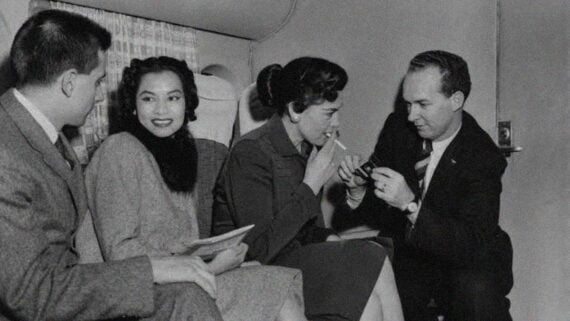
Habits are constantly evolving because societies change alongside scientific discoveries, cultural values, and a better understanding of health, safety, and equality. Many everyday routines that seemed perfectly ordinary during the 1960s would raise eyebrows today, not because people intentionally wanted to do harm, but because information, laws, and public attitudes were very different from what they are now.
Looking back at these habits offers a fascinating glimpse into how quickly communities can transform. Advances in medicine, environmental awareness, workplace safety, civil rights, and consumer protection have reshaped daily life over the past several decades. From lighting cigarettes almost anywhere to letting children ride without seat belts, these examples show how ordinary behaviors can become outdated as society learns and grows.
1. Smoking Almost Everywhere
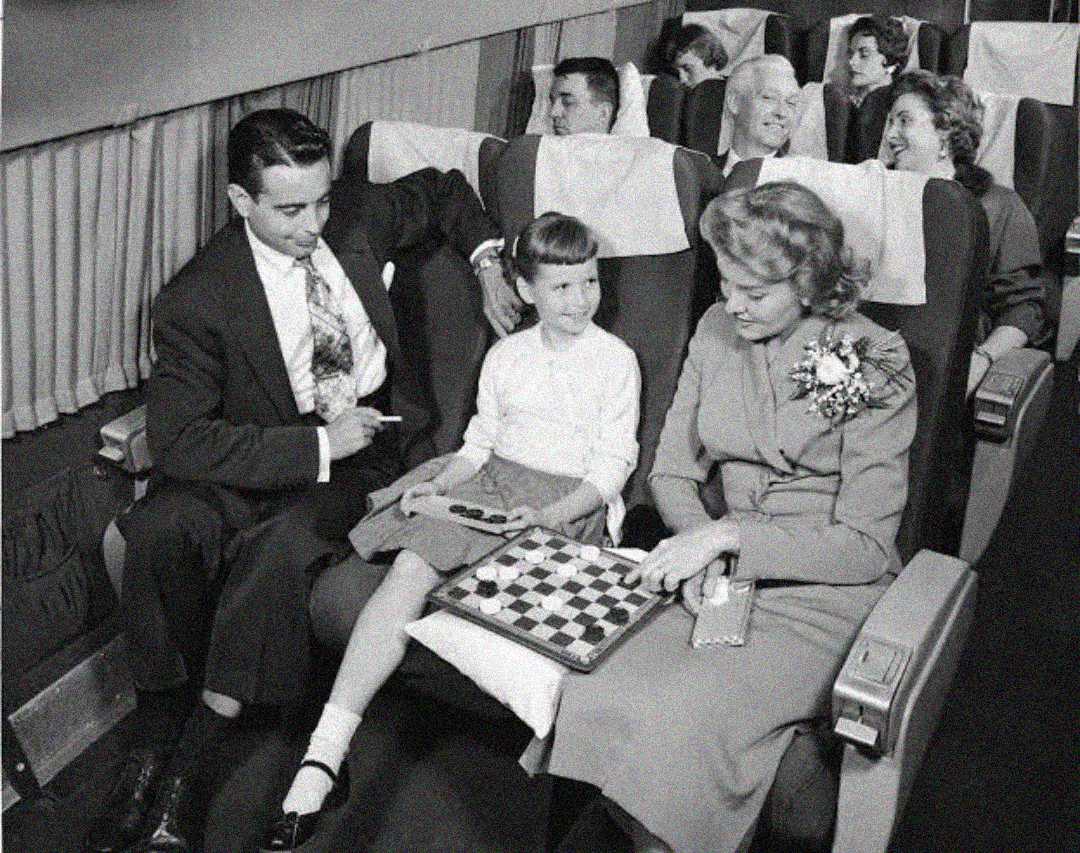
Smoking wasn’t just common, it was expected. People smoked in offices, restaurants, airplanes, hospitals, movie theaters, and even waiting rooms. Cigarette advertising appeared constantly on television and in magazines, often featuring doctors or celebrities. As medical research established the dangers of smoking and secondhand smoke, laws gradually banned indoor smoking in many countries. Today, this remains one of the most recognizable habits that disappeared from everyday life.
2. Riding in Cars Without Seat Belts
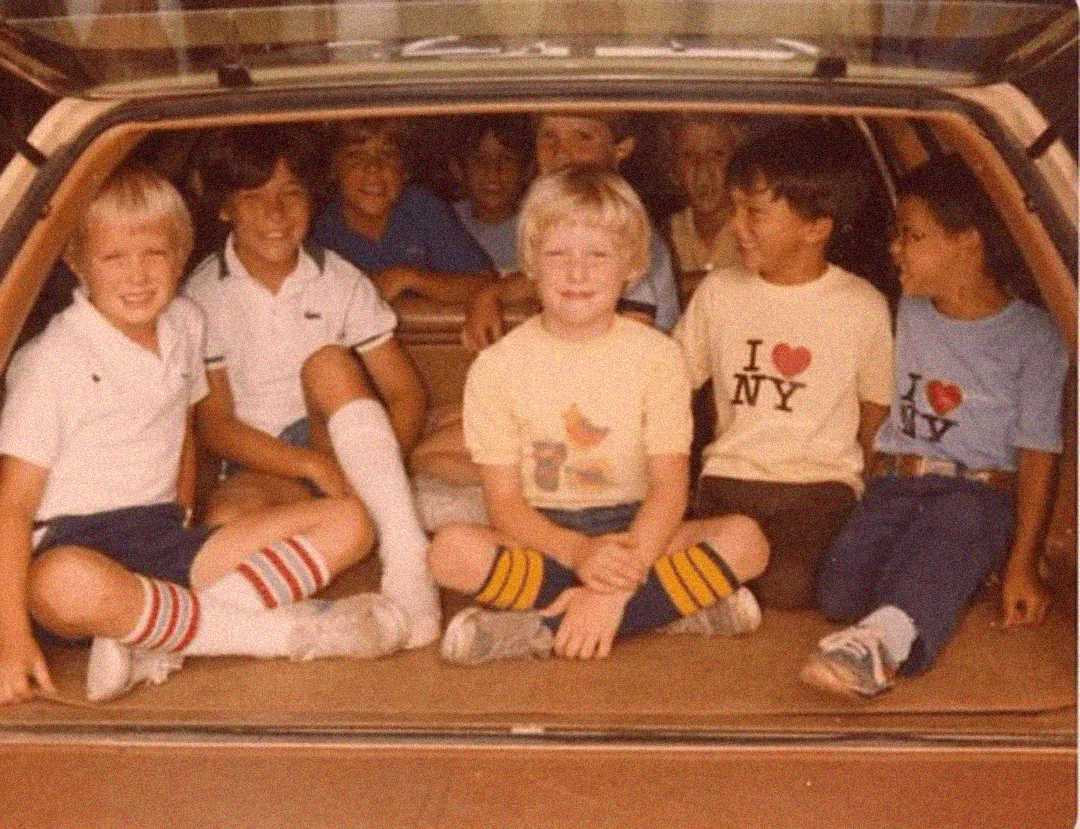
During much of the 1960s, many families didn’t regularly wear seat belts, even when cars had them. Children often stood on the seats, rode in the front passenger seat, or moved freely around the vehicle during trips. Crash testing and decades of traffic safety research proved that seat belts dramatically reduce injuries and deaths, making this one of the most important safety changes in modern transportation.
3. Letting Children Play Without Adult Supervision
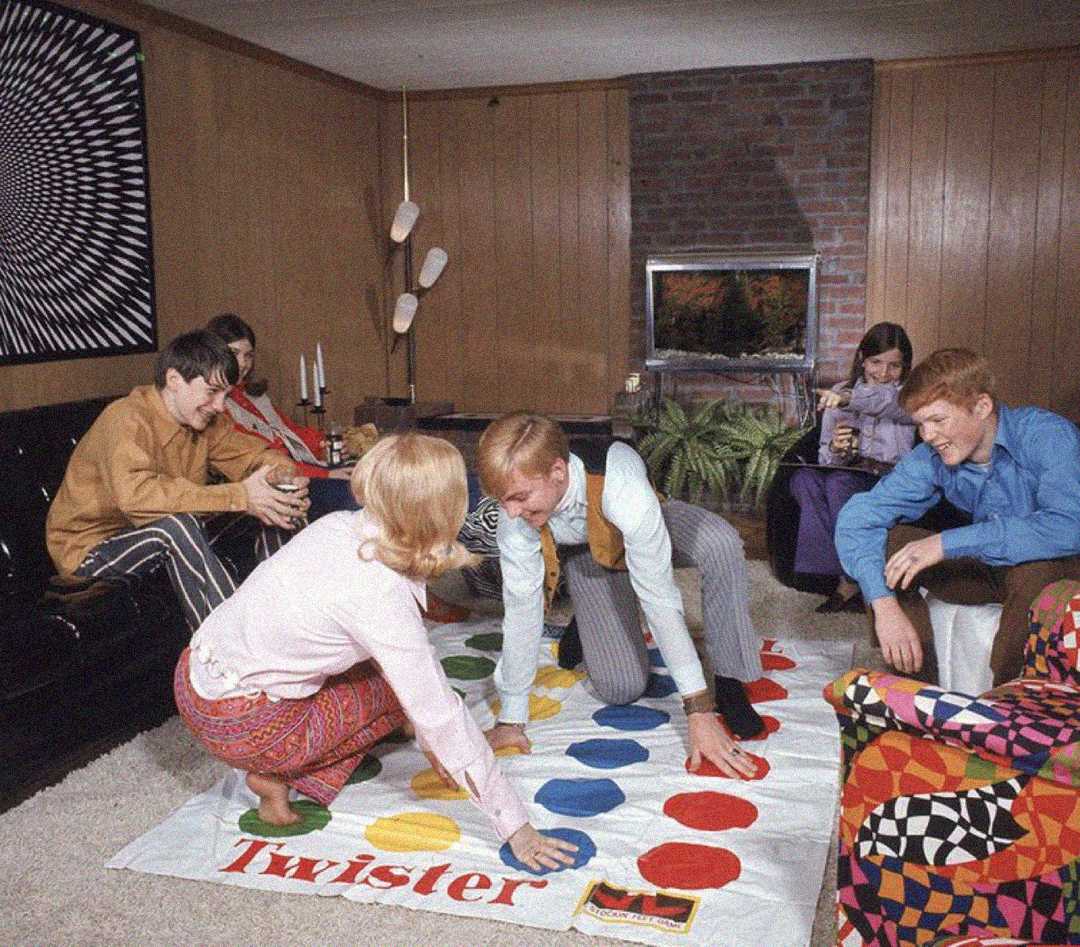
Many parents allowed children to spend entire afternoons exploring neighborhoods, forests, rivers, or construction sites with little adult oversight. Kids rode bicycles for miles and simply returned home by dinner. While independent play still exists today, concerns about traffic, accidents, and child safety have made unsupervised childhood far less common in many communities.
4. Drinking Alcohol Before Driving
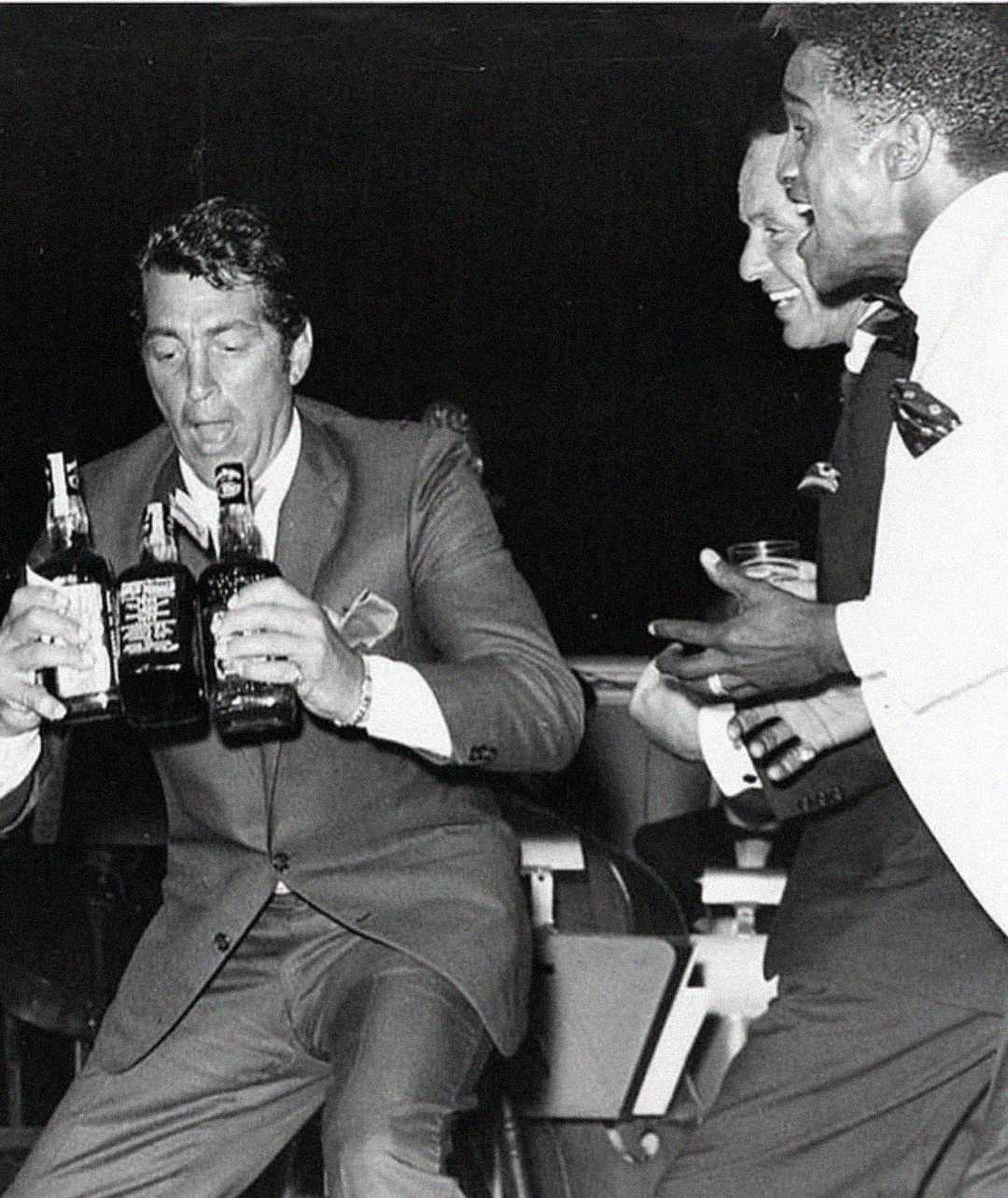
Having several drinks before getting behind the wheel wasn’t viewed as seriously as it is today. Blood alcohol limits were often higher, or nonexistent, and public awareness about impaired driving was limited. Decades of research and stricter enforcement have shown how dangerous drunk driving is, leading to stronger laws and public education campaigns worldwide.
5. Using Leaded Gasoline
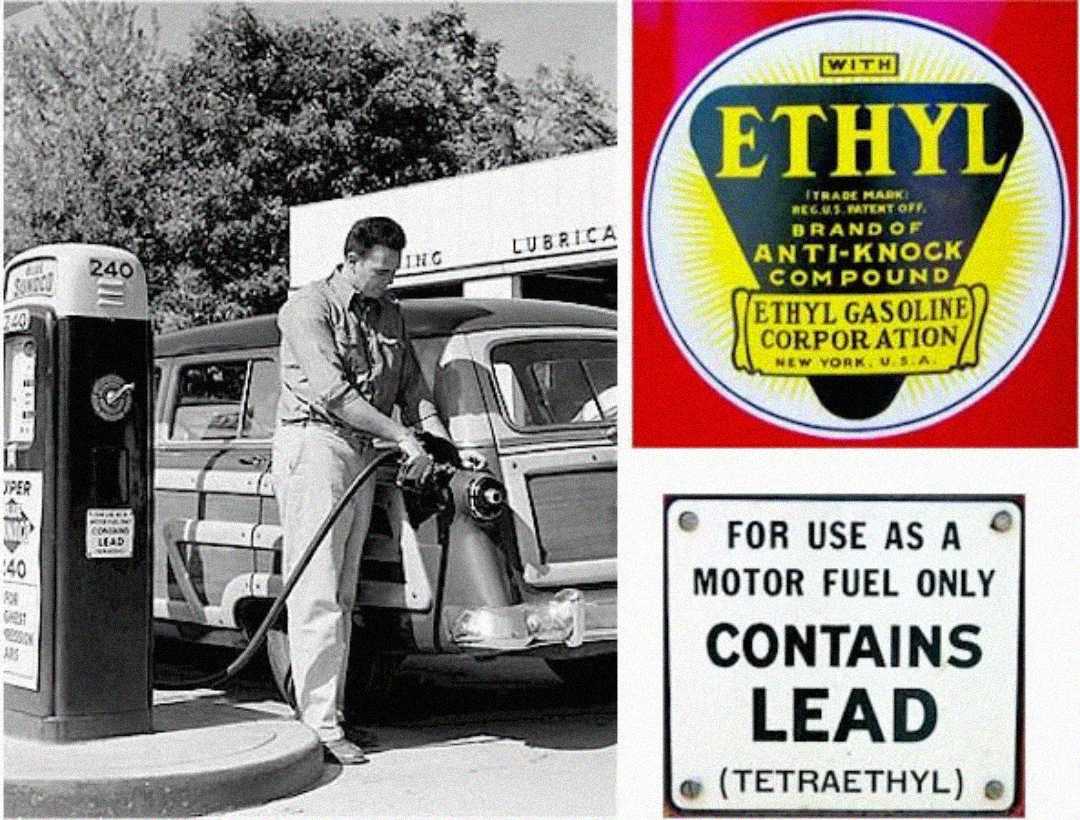
For decades, lead was added to gasoline to improve engine performance. Unfortunately, lead emissions polluted the air and contributed to serious health problems, especially in children. Countries gradually phased out leaded gasoline after scientific evidence linked lead exposure to developmental and neurological damage.
Trending on The Scroller


6. Burning Household Trash
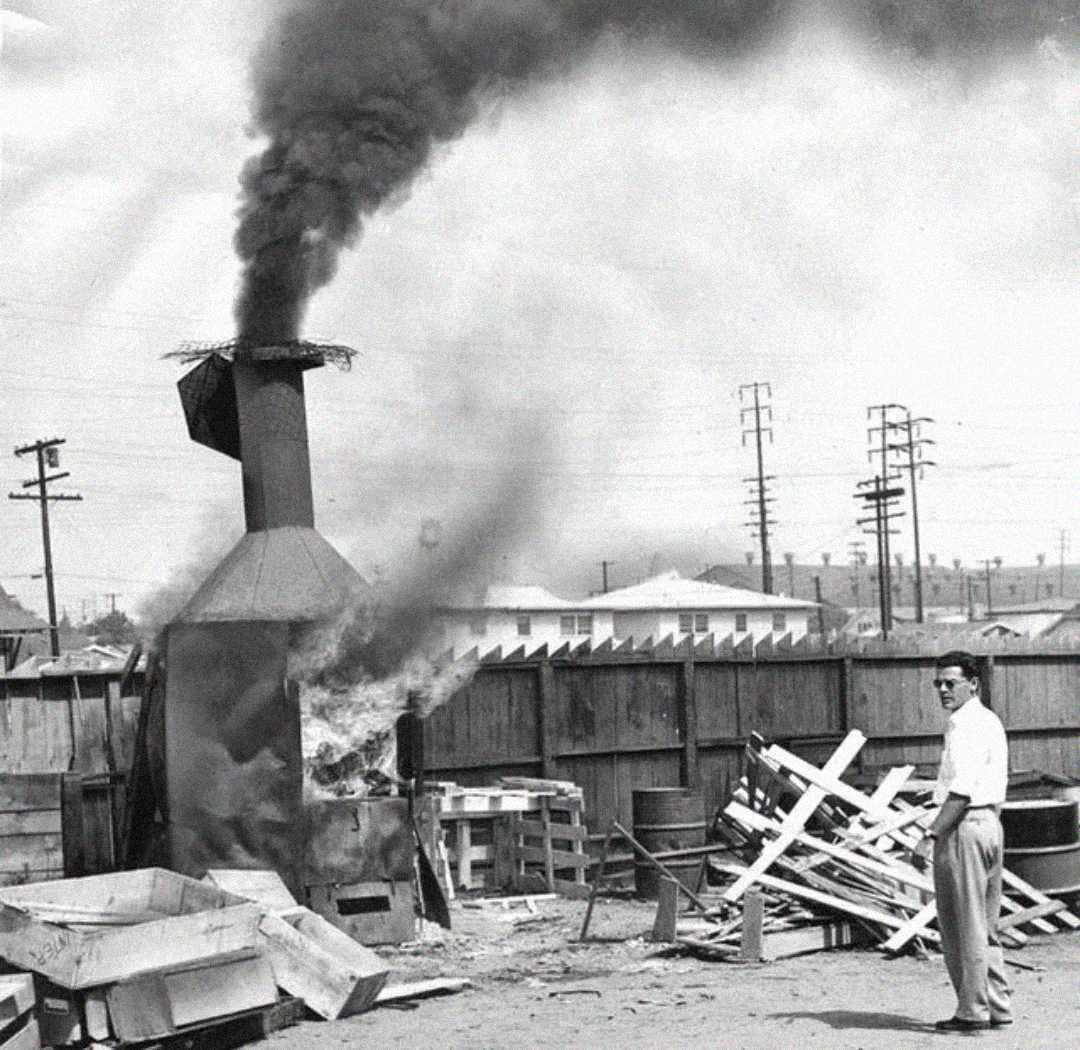
Many households regularly burned paper, plastics, food waste, and other garbage in backyard barrels or small incinerators. Environmental regulations and greater understanding of air pollution later showed that burning waste releases toxic chemicals into the atmosphere. Recycling and organized waste collection eventually replaced this once-common practice.
7. Throwing Litter Out Car Windows
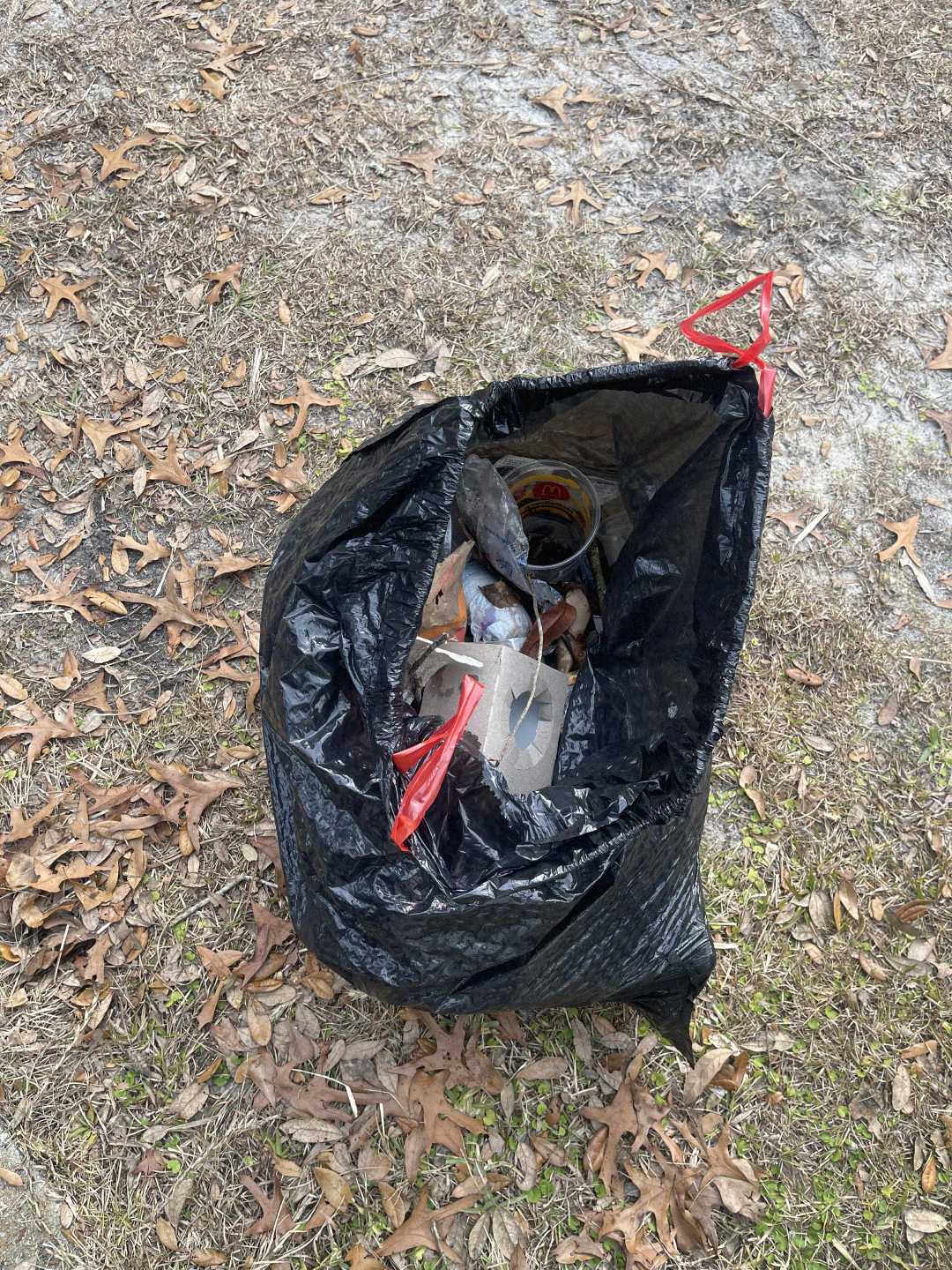
Roadside littering was far more common during the 1960s. Drivers often tossed bottles, cans, cigarette butts, and food wrappers directly onto roadsides without much public criticism. Environmental campaigns helped change public attitudes, turning litter prevention into an important civic responsibility.
8. Using Asbestos Without Concern
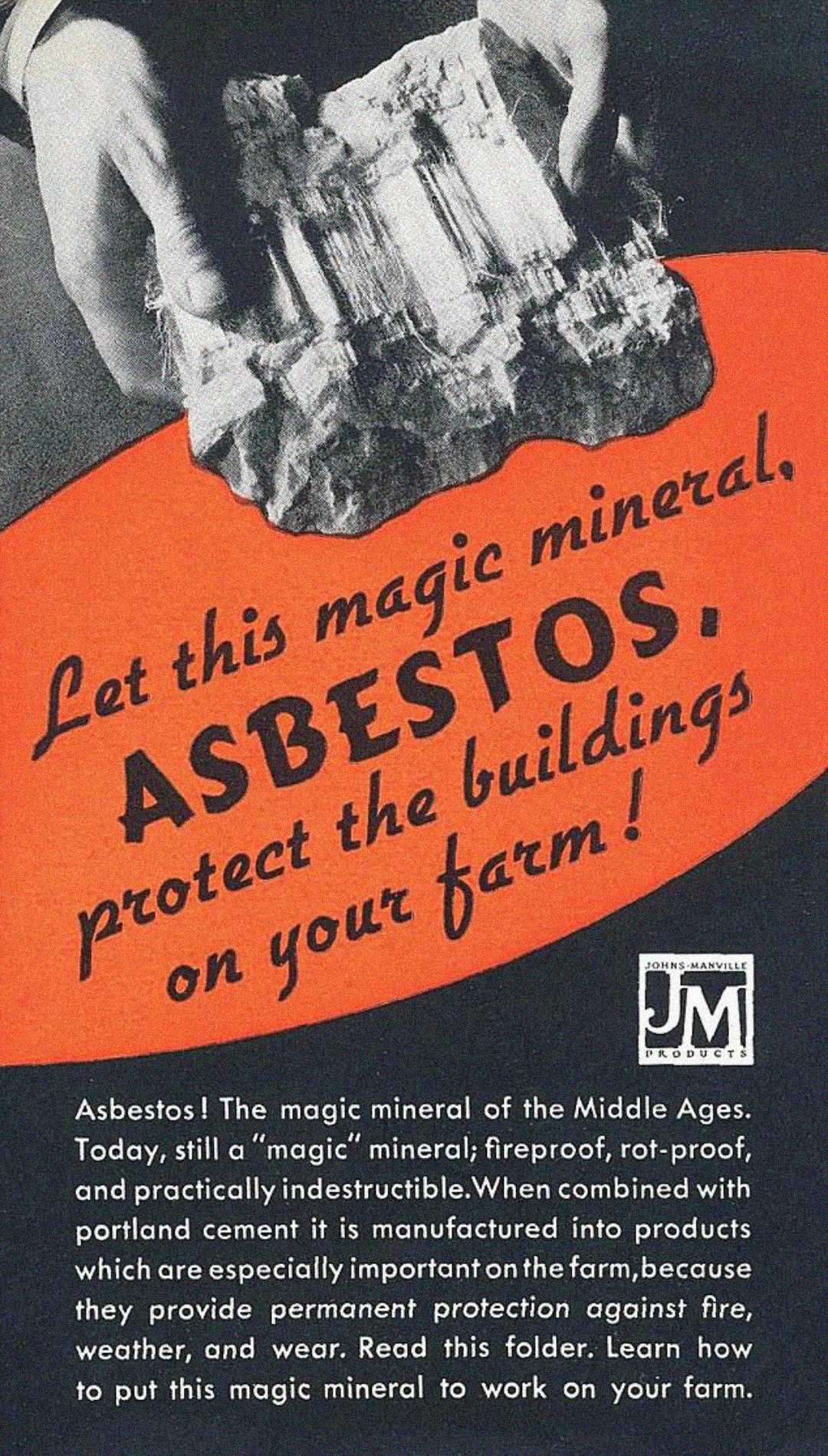
Asbestos was widely used in insulation, roofing, floor tiles, ceiling materials, and household products because it resisted heat and fire. Only later did researchers establish its connection to serious illnesses, including lung diseases and certain cancers. Today, strict regulations govern its removal and handling.
Sign up for our newsletter
9. Smoking Around Babies and Children
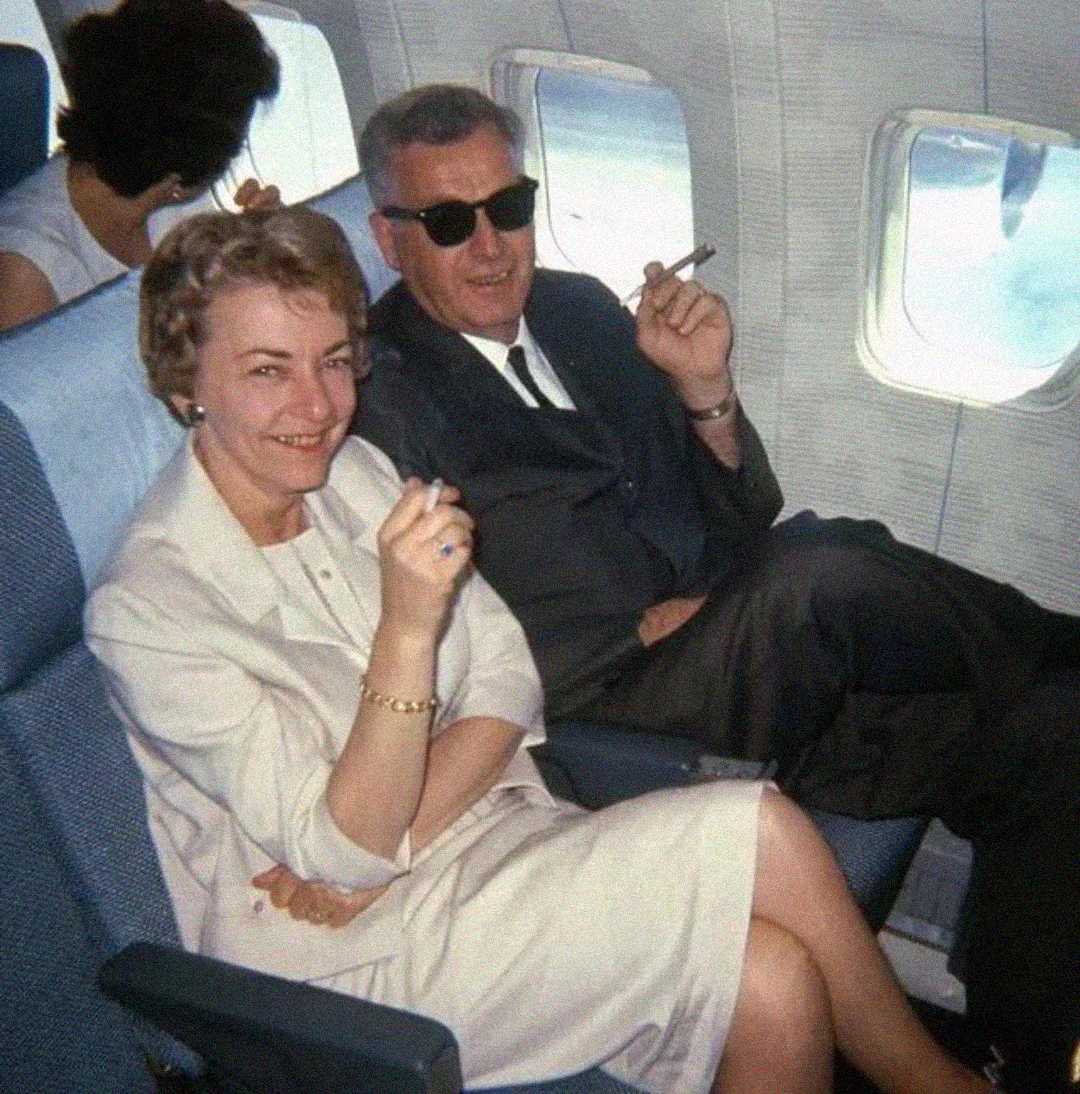
Parents frequently smoked inside homes, family cars, and around infants without realizing the risks of secondhand smoke. Pediatric research eventually demonstrated that exposure increases the likelihood of respiratory illnesses, asthma, ear infections, and other health problems, leading to major changes in family habits.
10. Corporal Punishment at School
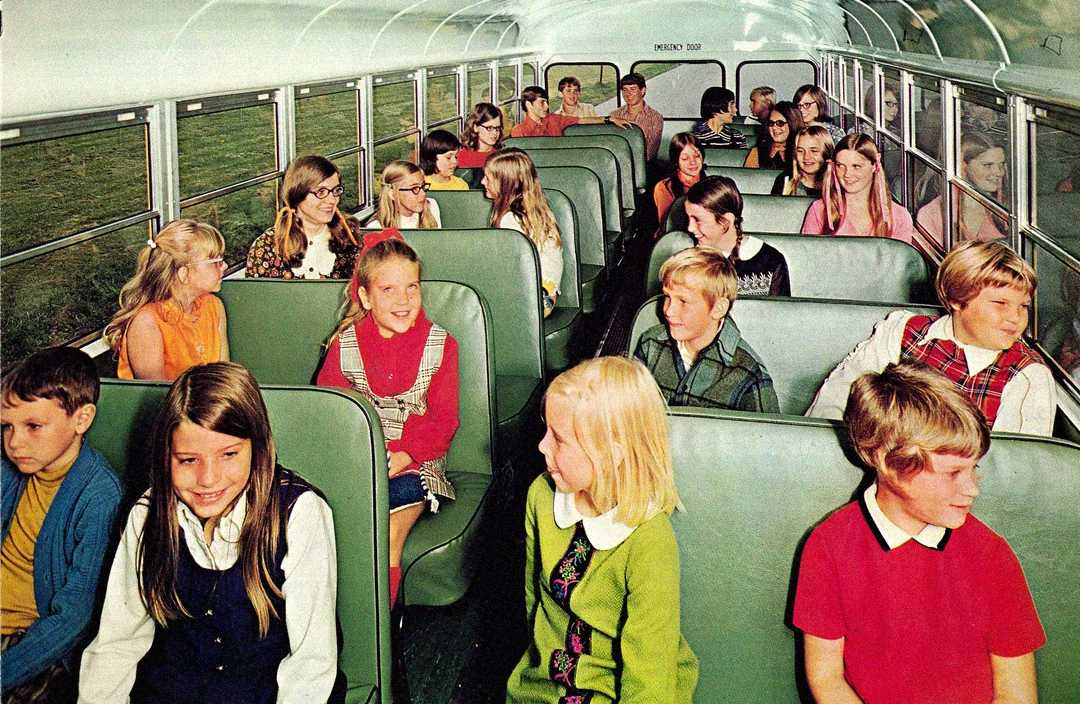
Physical discipline from teachers, including paddling or striking students, remained legal and socially accepted in many schools throughout the 1960s. Educational philosophy has shifted considerably since then, emphasizing positive behavior management and children’s rights instead of physical punishment.
11. Using DDT and Other Strong Pesticides Freely
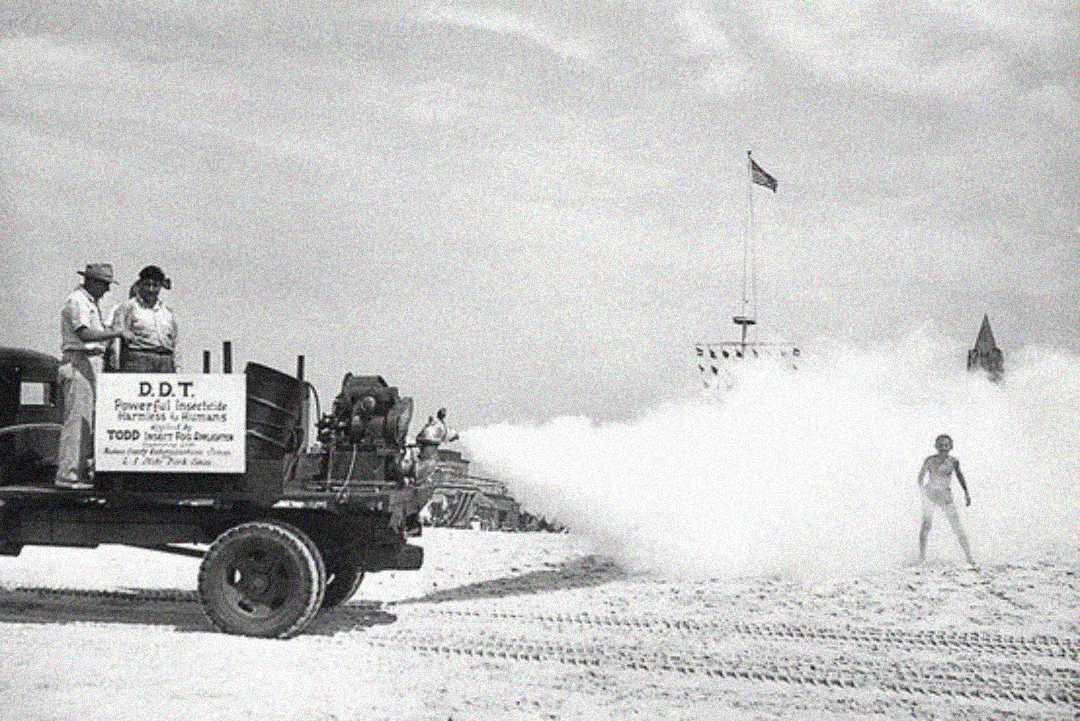
Powerful pesticides like DDT were heavily promoted for agriculture, gardens, and mosquito control. Later scientific research showed that DDT accumulated in wildlife, harmed ecosystems, and threatened bird populations. Many countries eventually banned or heavily restricted its use.
12. Not Wearing Bicycle Helmets
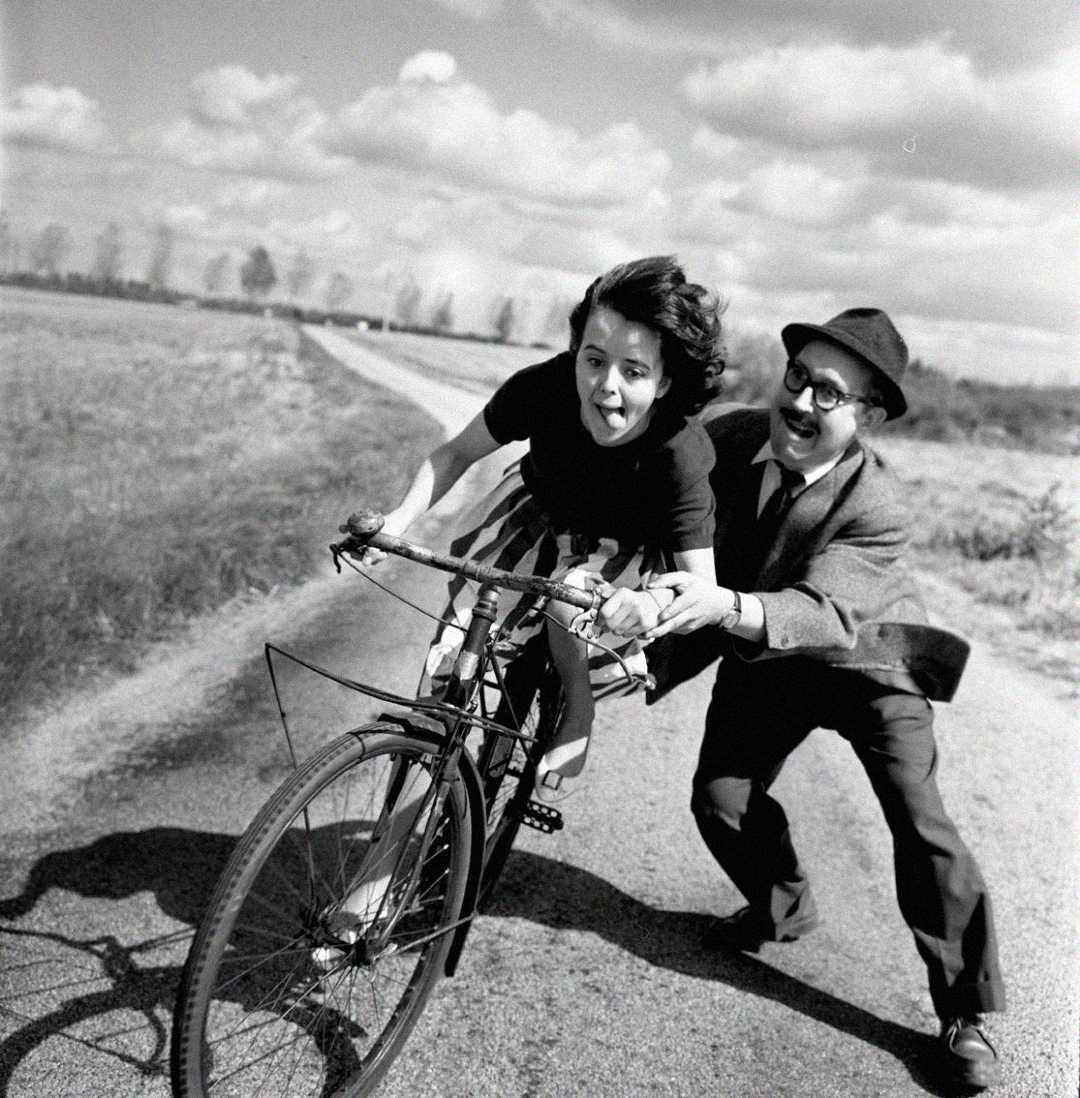
Children and adults almost never wore helmets while cycling. Protective equipment simply wasn’t considered necessary by most people. Today, helmet use is widely encouraged, and legally required in many places, because it significantly reduces the risk of serious head injuries.
13. Leaving Babies Unrestrained in Cars
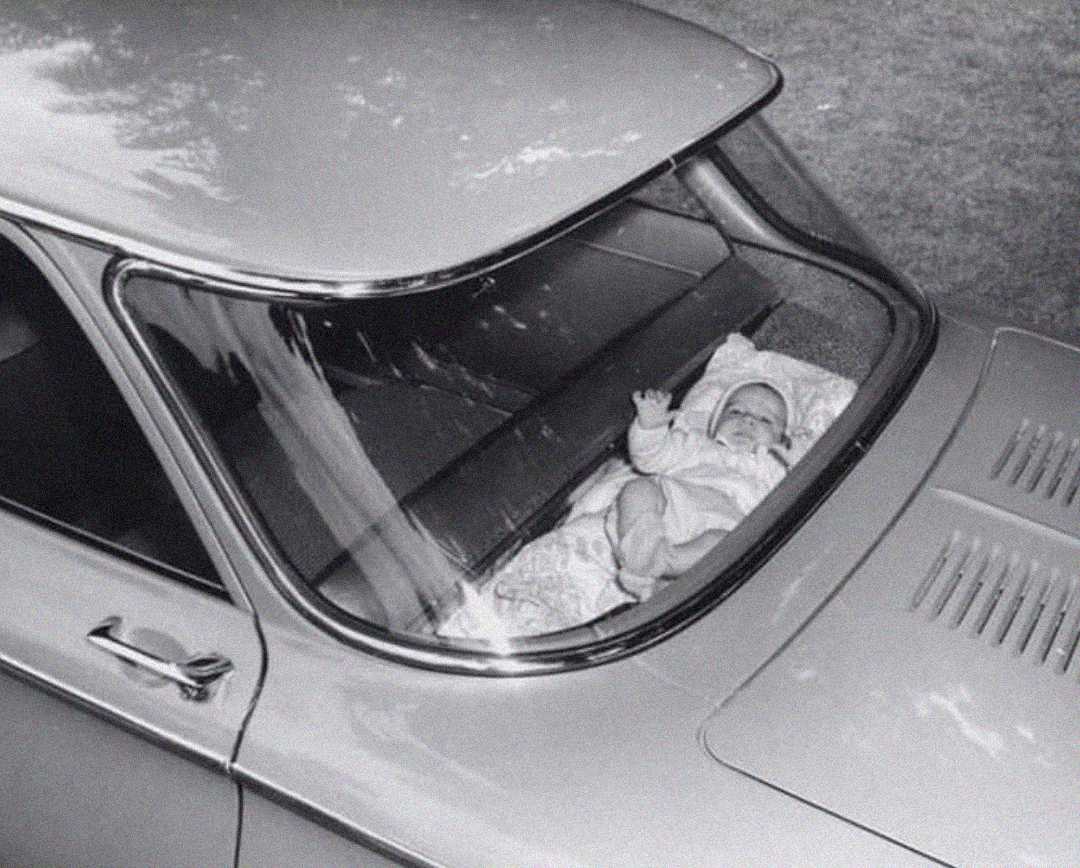
Infant car seats were not standard during much of the decade. Babies were often carried on an adult’s lap or placed in baskets inside the vehicle. Modern crash testing transformed child passenger safety, making properly installed child restraint systems one of today’s most important transportation habits.
14. Not Using Childproof Packaging for Medicines

During the 1960s, most prescription and over-the-counter medications came in bottles that children could open with ease. Child-resistant caps were not yet standard, and medicines were often stored within easy reach at home. As accidental poisonings among young children became a major public health concern, manufacturers began introducing childproof packaging.
15. Disposing of Motor Oil and Chemicals Improperly
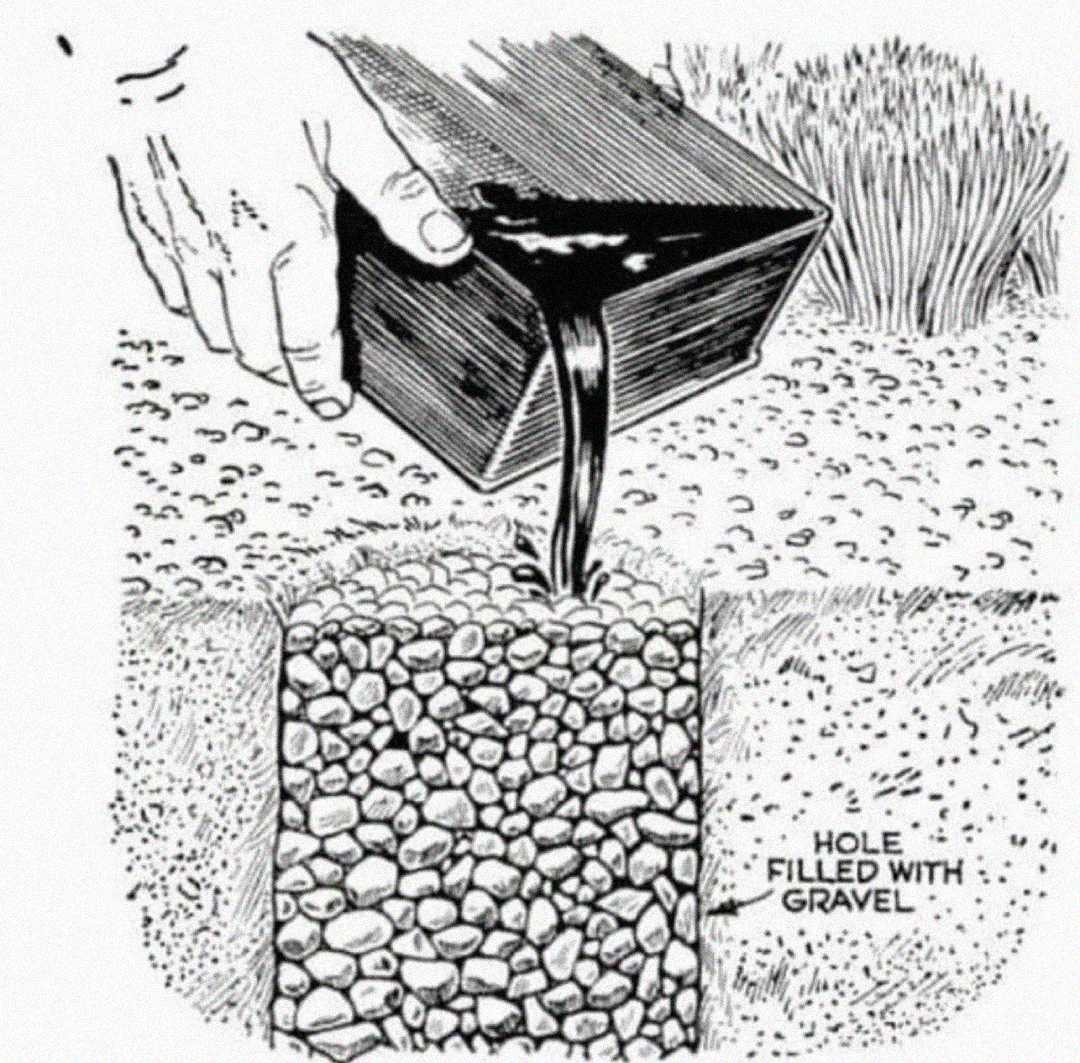
Many homeowners poured used motor oil, paint, solvents, and chemicals onto the ground or into storm drains without understanding the environmental consequences. Today, hazardous waste disposal programs exist to prevent contamination of soil, groundwater, and waterways.
16. Rarely Using Sunscreen
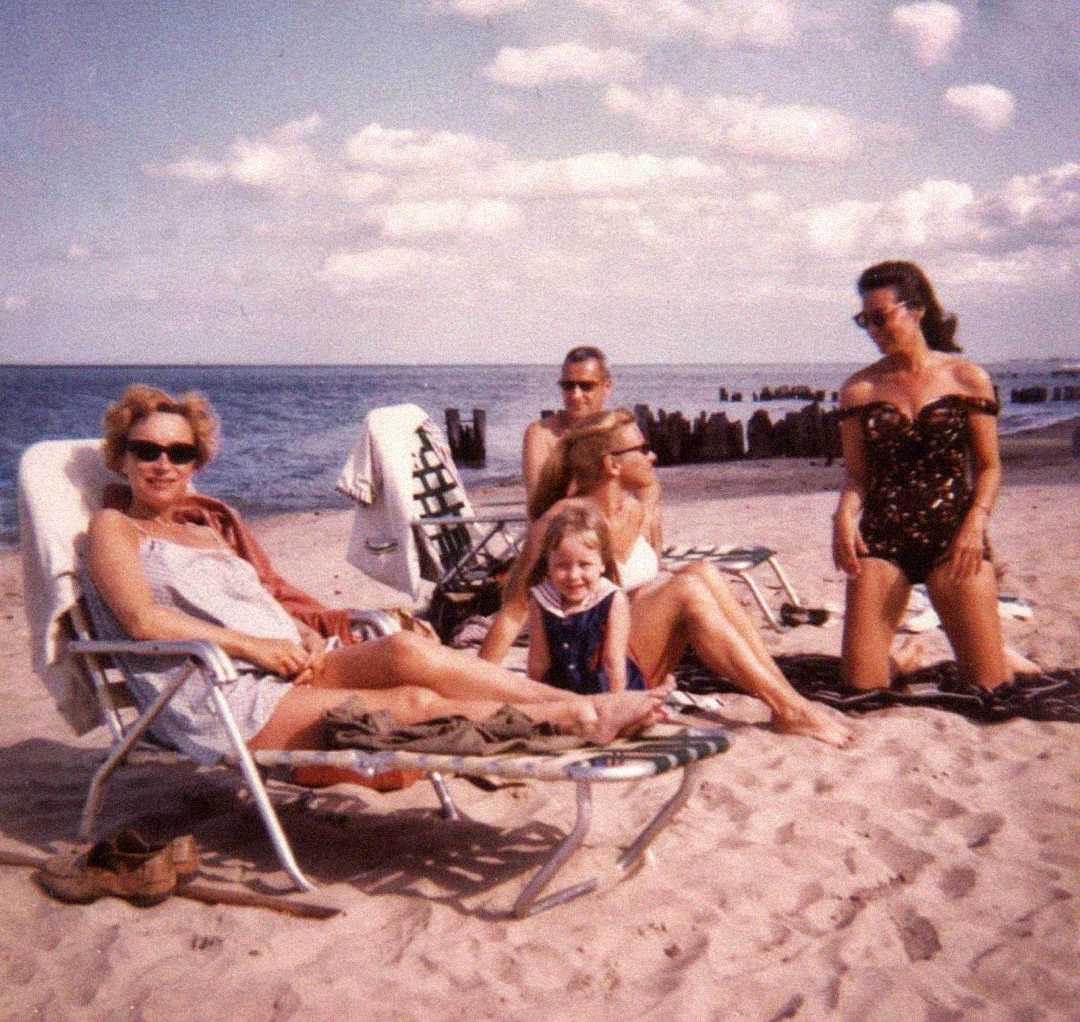
Although beach vacations were popular, sunscreen wasn’t part of many people’s regular summer habits. Deep tans were fashionable, and prolonged sun exposure was often encouraged. Medical research later linked ultraviolet radiation to premature skin aging and skin cancer, making sun protection a routine health recommendation today.
These habits may seem unbelievable today, but they reveal just how much everyday life has changed over the past several decades. Keep reading to discover more surprising things people once considered perfectly normal.
History reminds us that no society stays the same forever. As scientific knowledge expands and cultural values evolve, behaviors that once felt ordinary can become outdated or even unacceptable. These examples from the 1960s illustrate how advances in medicine, environmental protection, transportation safety, and human rights have reshaped daily life. Looking back at these changes helps us better understand not only the past, but also how future generations may one day view some of our own modern routines.
Did you enjoy learning about these habits? Explore our recommended articles to discover more fascinating moments from history, surprising cultural changes, and everyday traditions that have evolved over time. There’s always another story waiting to show how the world keeps changing: 15 Moments From U.S. History That Can Feel Like Scenes From a Movie, 15 Lasting Effects War Can Have on Soldiers During and After Service, and 12 Cold War Close Calls That Nearly Sparked World War III.