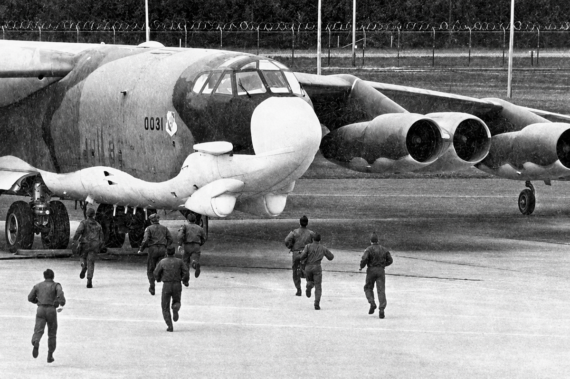
The Cold War is usually remembered through the big set pieces: Berlin, Cuba, Vietnam, the arms race. But some of the most frightening moments happened in control rooms, submarines, radar stations, and diplomatic back channels where almost nobody outside the room knew what was going on. A mistaken signal, a nervous commander, or one badly timed military drill could have pushed the United States and the Soviet Union into something neither side actually wanted. These are the close calls that still feel a little too easy to miss.
1. The Soviet Submarine That Almost Fired Near Cuba
OLDSCHOOLCOOL / REDDIT
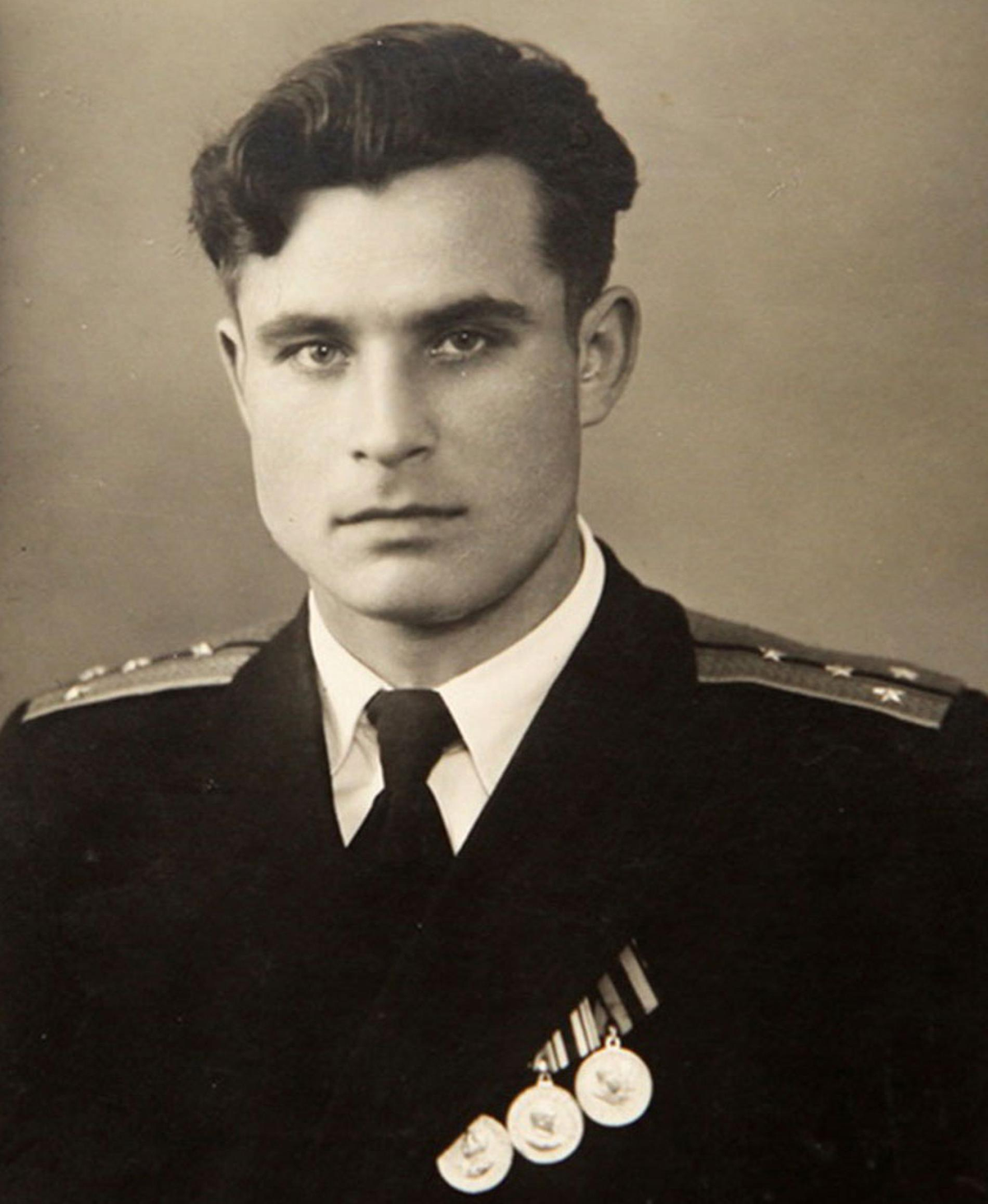
Deep below the surface near Cuba in October 1962, the Soviet submarine B-59 was cut off from Moscow, overheated, low on air, and being pressured by U.S. Navy ships dropping signaling charges. The captain, Valentin Savitsky, believed war might already have started and considered launching a nuclear torpedo. Two officers agreed, but a third, Vasily Arkhipov (the man in the photo), refused to approve it. That single refusal mattered, because the Americans above had no idea the submarine was carrying a nuclear weapon.
2. The Other U-2 That Drifted Toward the Soviet Union
SPYCRAFT101 / REDDIT
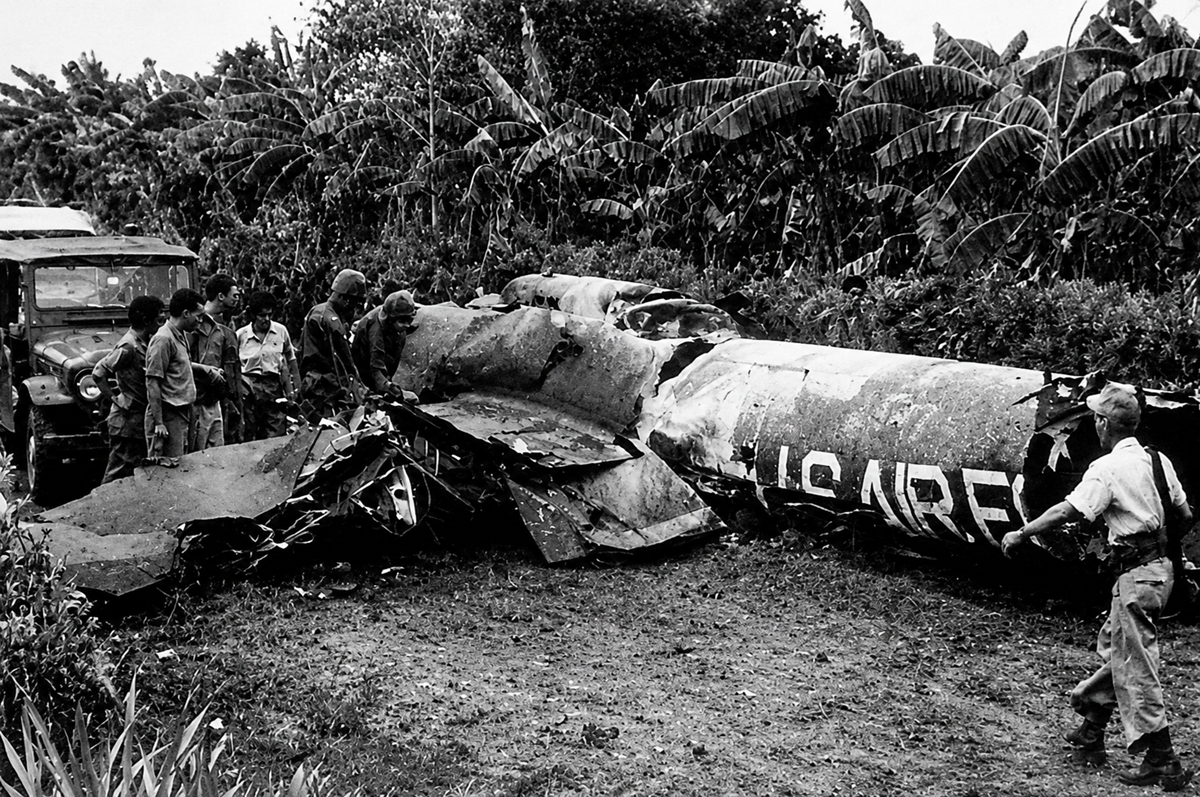
On the same dangerous day, another U-2 caused its own nightmare far from Cuba. Captain Charles Maultsby, flying a sampling mission near Alaska, became disoriented and strayed toward Soviet airspace while both sides were already on edge. Soviet fighters scrambled, American fighters went up too, and some of the U.S. aircraft were armed with nuclear air-to-air missiles. It sounds like a subplot added for tension, except it happened during the most tense hours of the whole crisis.
3. The Tanks Staring Each Other Down at Checkpoint Charlie
ARMY / REDDIT
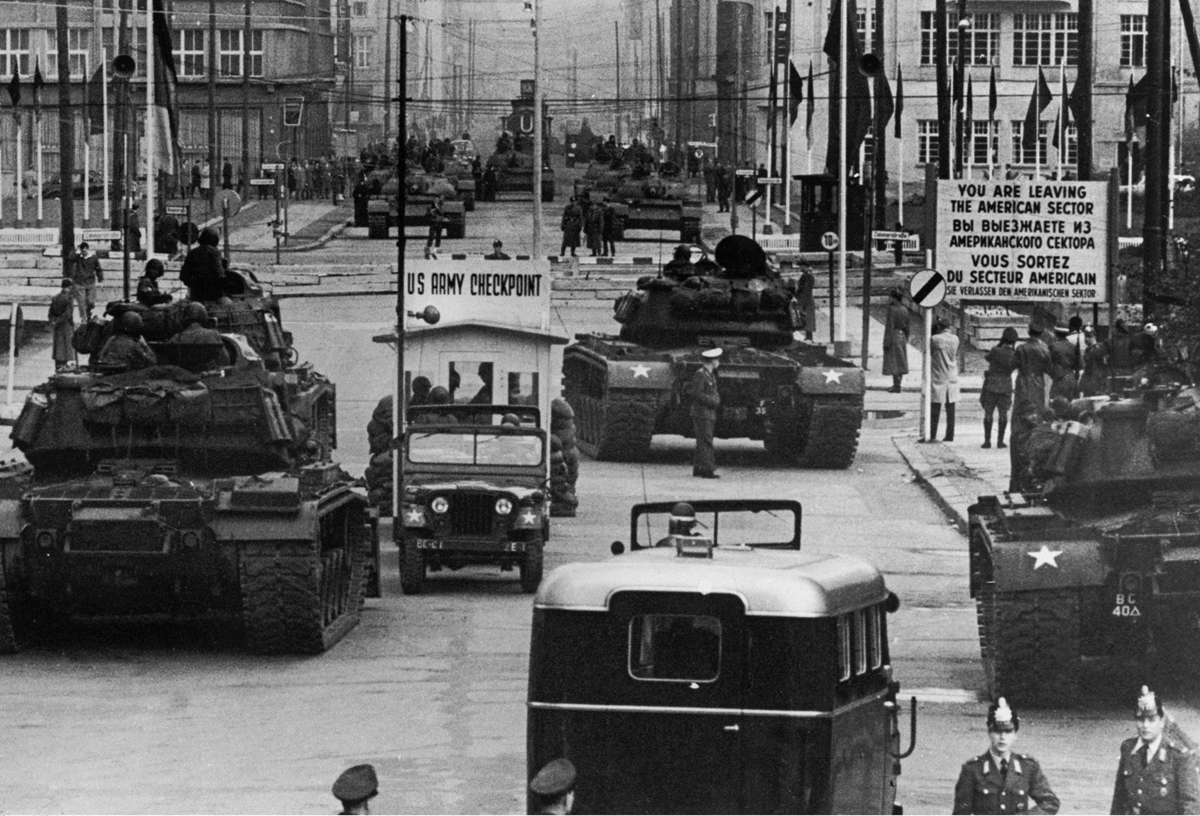
Berlin had a habit of turning paperwork into something much bigger. In October 1961, a dispute over Allied access to East Berlin brought U.S. and Soviet tanks face to face at Checkpoint Charlie, close enough that soldiers could see the other side waiting behind armor. The city was already split by the newly built Berlin Wall, and neither side wanted to look like it was backing down. After hours of staring across the crossing, the tanks withdrew one by one, almost politely, which is stranger than any movie version would dare to be.
4. The 1973 Middle East War Nuclear Alert
ALTERNATEHISTORYHUB / REDDIT
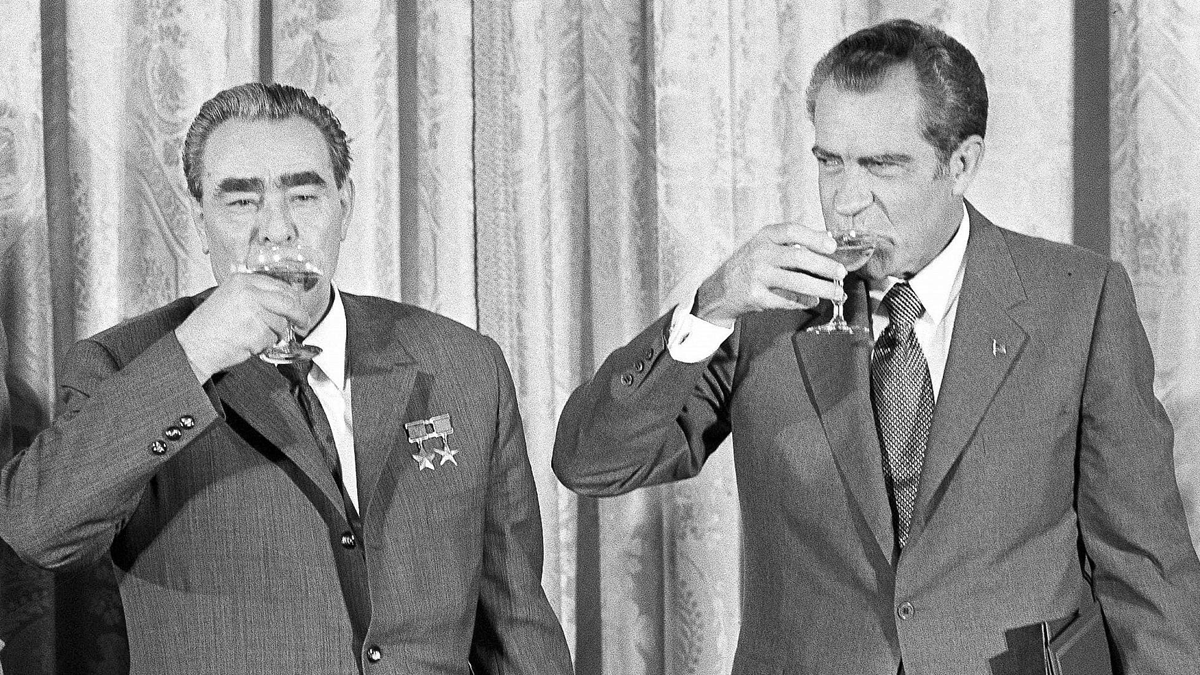
The Yom Kippur War was not just a regional conflict watched nervously from Washington and Moscow. By late October 1973, the cease-fire was breaking down, Egypt’s Third Army was trapped, and the Soviet Union hinted at possible unilateral action. The United States moved its forces to DEFCON 3, a global military alert that signaled the crisis had entered a much more dangerous lane. For people following the war on the news, the superpower layer was mostly invisible.
5. The War Game That Looked Too Real
HOGGIT / REDDIT
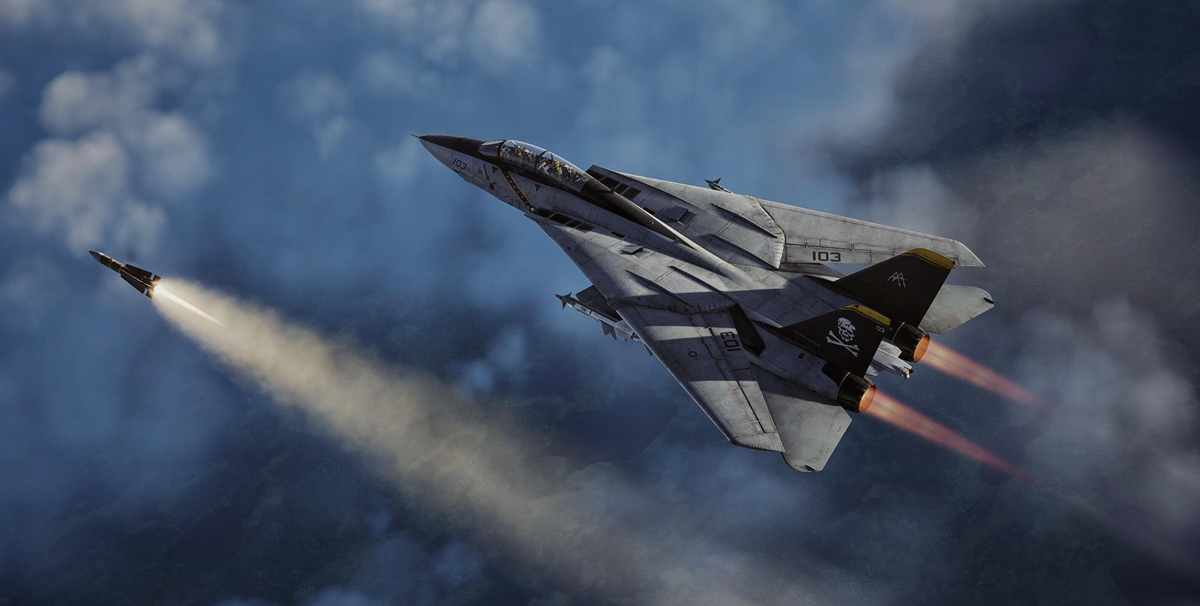
Able Archer 83 was supposed to be a NATO command exercise, the kind of military rehearsal that bureaucracies run all the time. The problem was the timing. Relations were already awful, Soviet leaders were suspicious, and the drill included unusually realistic nuclear command procedures. Some in Moscow feared it might be cover for an actual first strike, which made a fake countdown feel uncomfortably close to a real one.
Trending on The Scroller

6. Stanislav Petrov and the Satellite Warning
BEAMAZED / REDDIT
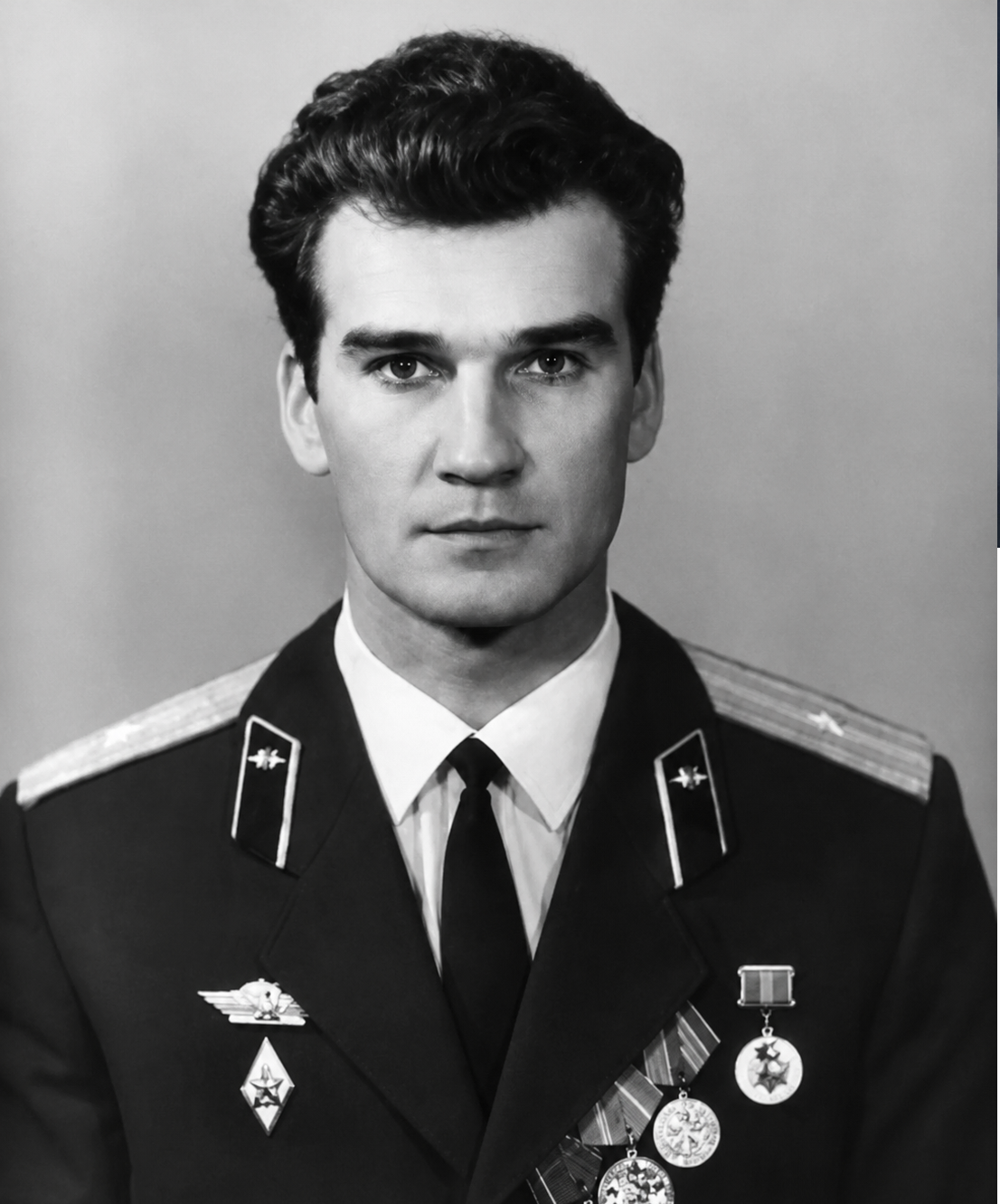
In September 1983, Soviet officer Stanislav Petrov was on duty when the early-warning system reported that U.S. missiles had been launched. First one, then several more. Petrov judged the warning to be false, partly because the pattern did not make sense for a real American attack. He was right, sunlight reflecting off clouds had fooled the system, but he did not know that when he chose not to escalate the alarm.
7. The NORAD Training Tape Mistake
CASSETTEFUTURISM / REDDIT
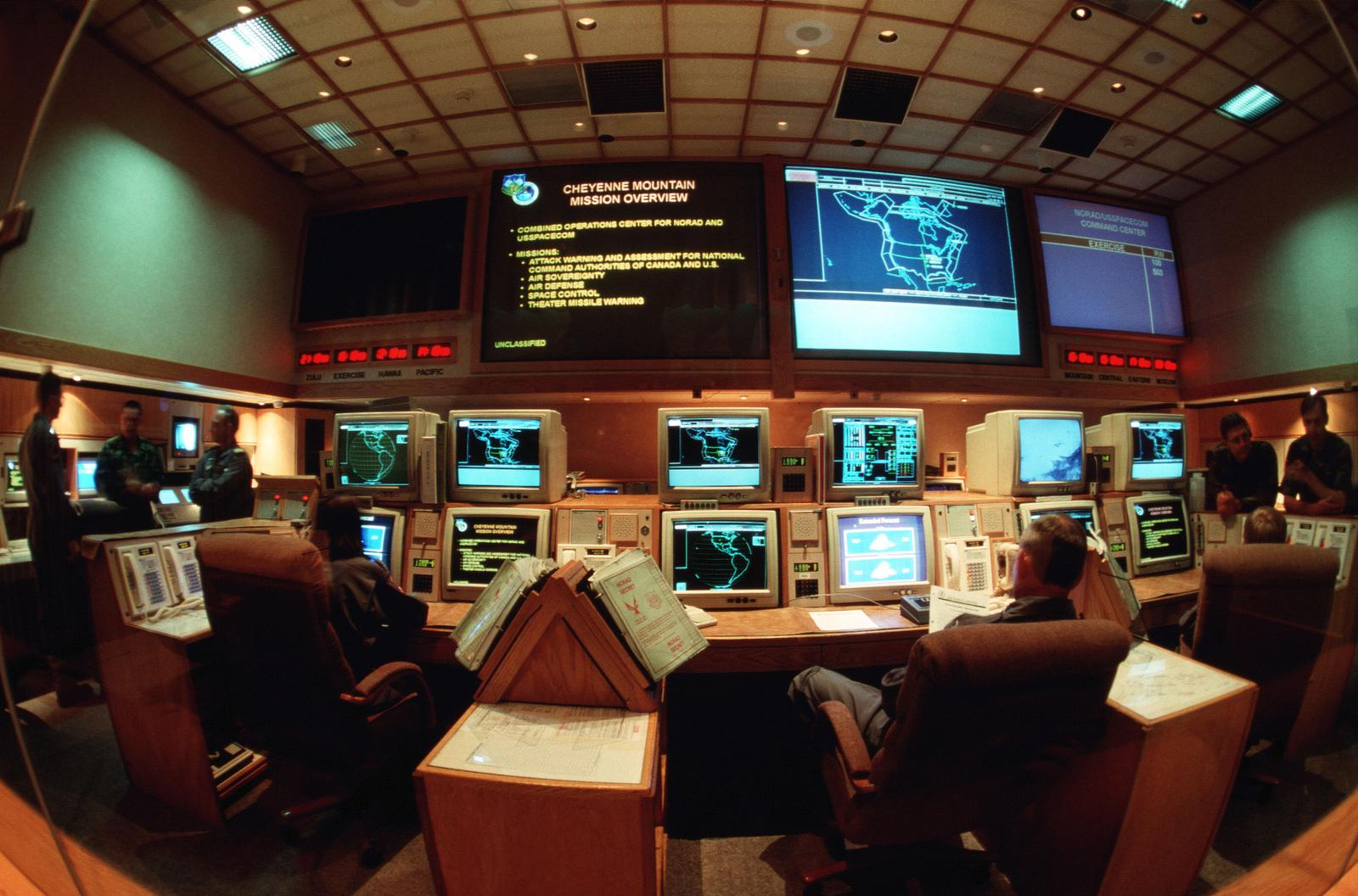
In November 1979, U.S. warning screens showed what looked like a massive Soviet missile attack. Bombers were prepared, command posts reacted, and the machinery of response began moving. Then officials realized the “attack” was actually a training scenario that had been fed into the wrong system. It was the kind of office mistake that should cause embarrassment, not a possible nuclear exchange.
8. The 46-Cent Computer Chip Scare
NATIONAL SECURITY ARCHIVE
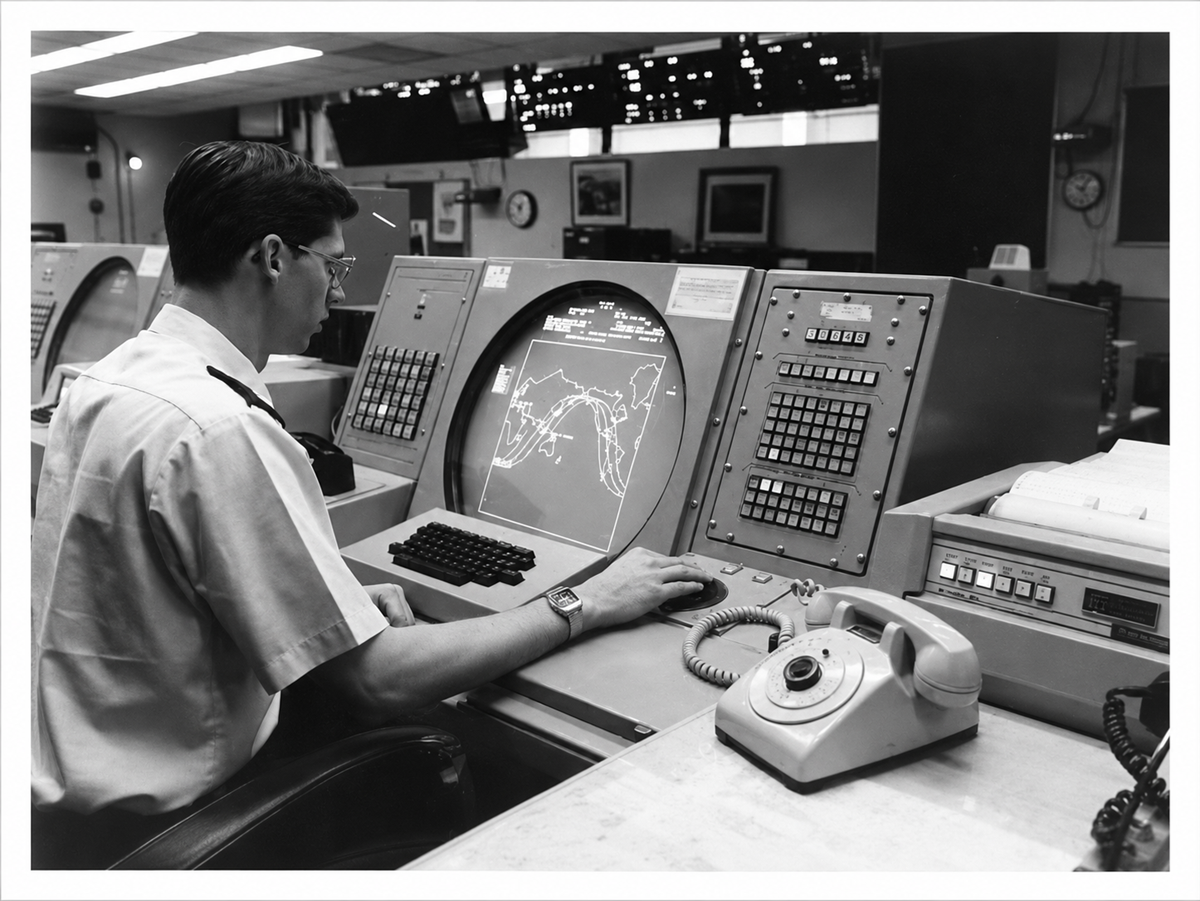
A year after the training tape incident, another false alarm hit the American warning system. This time, the culprit was reportedly a faulty computer chip, tiny, cheap, and absurdly ordinary. The system briefly suggested Soviet missiles were incoming, creating exactly the kind of confusion Cold War planners spent decades trying to avoid. It is hard to think of a more unsettling symbol of the era than world-ending anxiety triggered by a broken component.
Sign up for our newsletter
9. The Moonrise That Looked Like Missiles
REALTIME 1960s / VIA FACEBOOK
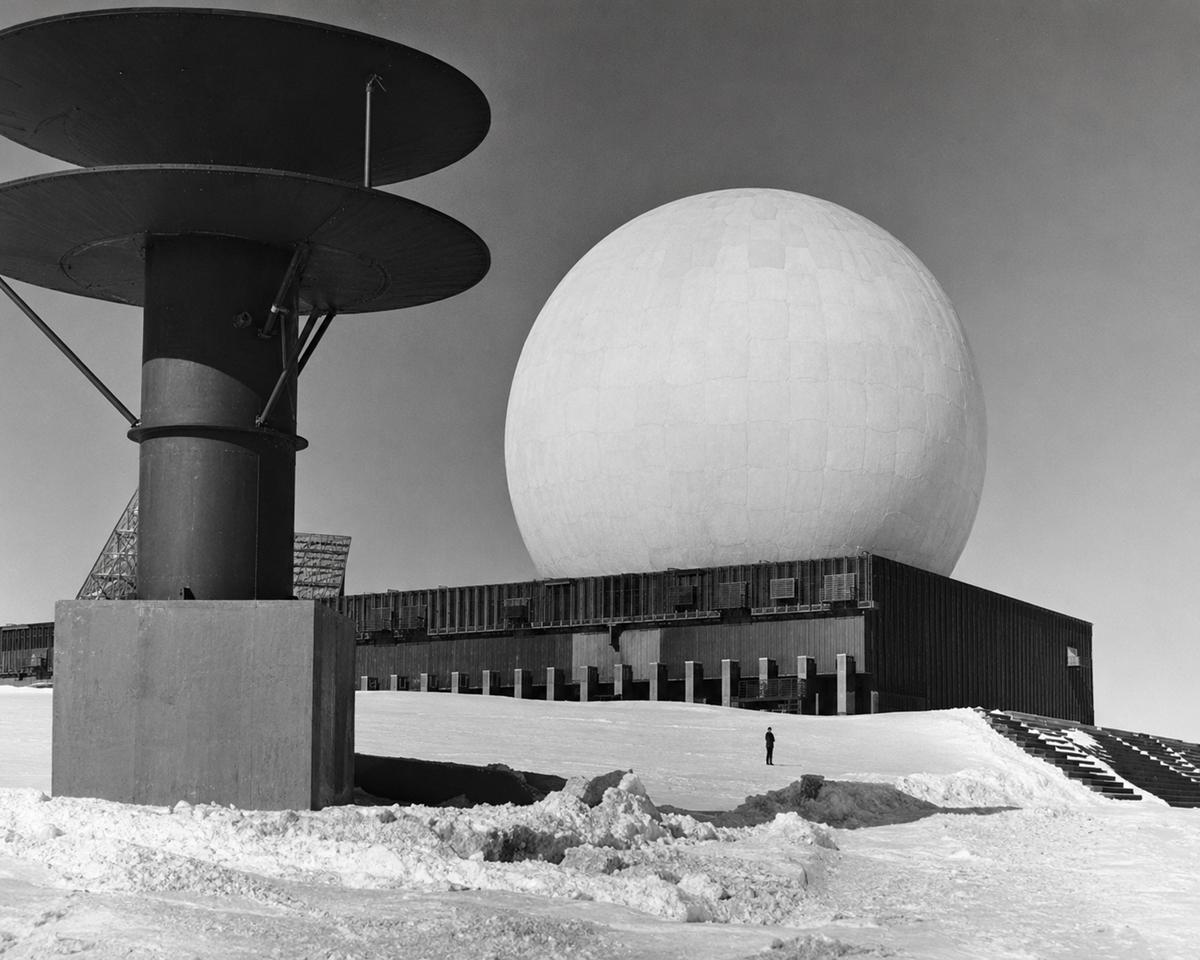
Early-warning radar was meant to buy precious minutes, but in 1960 it produced one of the stranger scares of the nuclear age. A radar system in Greenland appeared to show a Soviet missile attack coming over the horizon. The warning started to look suspicious when officials remembered that Soviet leader Nikita Khrushchev was in New York at the United Nations at the time. The source was not missiles, but the moon rising over Norway.
10. The Black Bear at Duluth
TODAYILEARNED / REDDIT
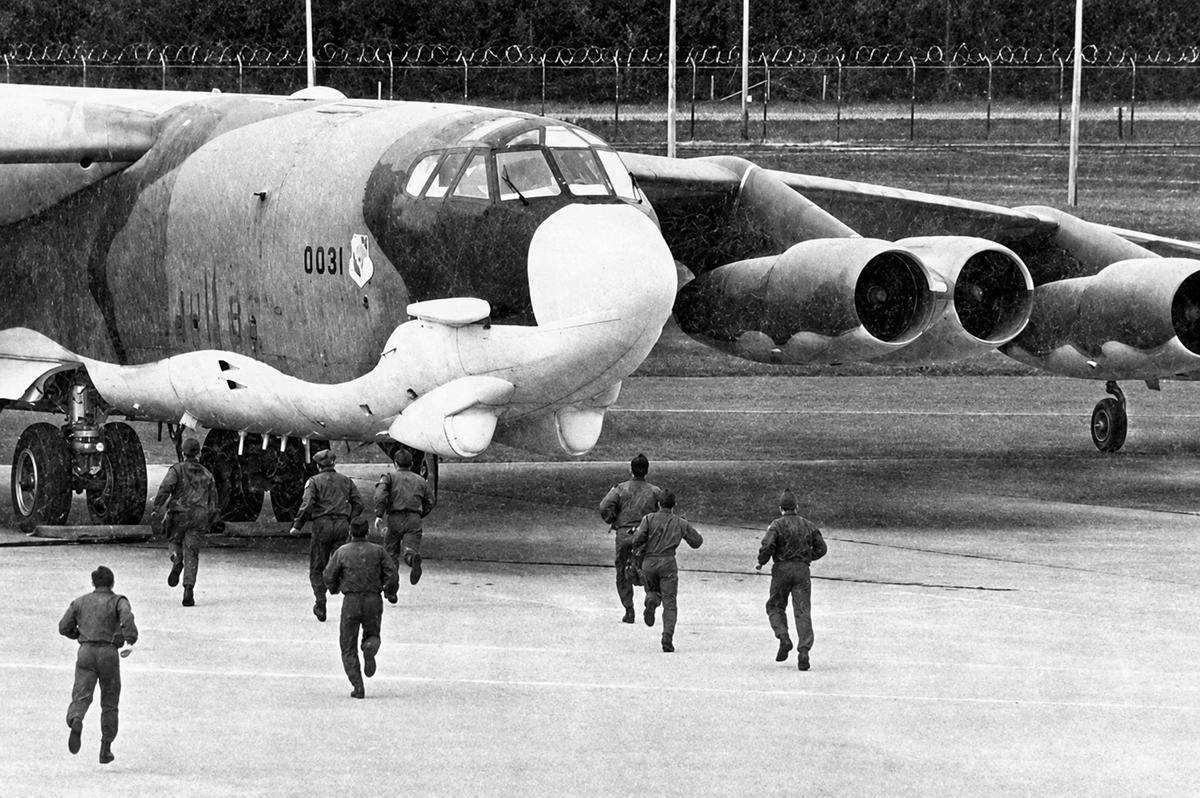
Not every Cold War scare began with satellites or strategy rooms. In 1962, a guard at Duluth Air Force Base in Minnesota spotted what he thought was an intruder and raised the alarm. Somewhere in the chain, the warning was misread at another base as a signal that war had begun, sending nuclear-armed interceptor aircraft toward takeoff. The intruder turned out to be a black bear climbing a fence.
11. The Sino-Soviet Border Clash That Got Nuclear Fast
USSR / REDDIT
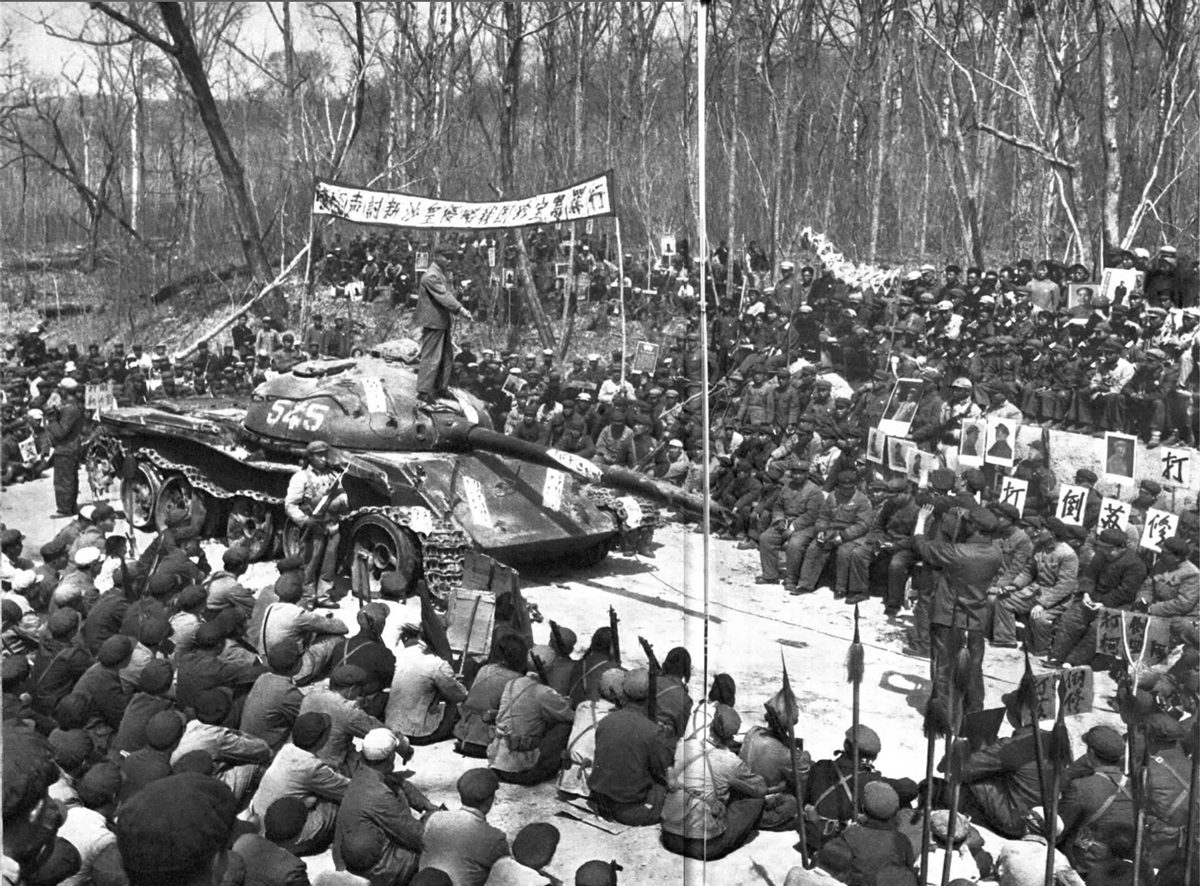
The Cold War was not only a U.S.-Soviet standoff, which is easy to forget. In 1969, Soviet and Chinese troops fought along the Ussuri River near Zhenbao Island, turning a border dispute between two communist powers into a much larger strategic worry. The fighting raised fears that the Soviet Union might consider strikes against Chinese nuclear facilities. Washington watched carefully, not as a neutral spectator exactly, but as a superpower trying to understand whether another nuclear-armed crisis was forming.
12. The False Alarm After Korean Air Lines Flight 007
CATASTROPHICFAILURE / REDDIT
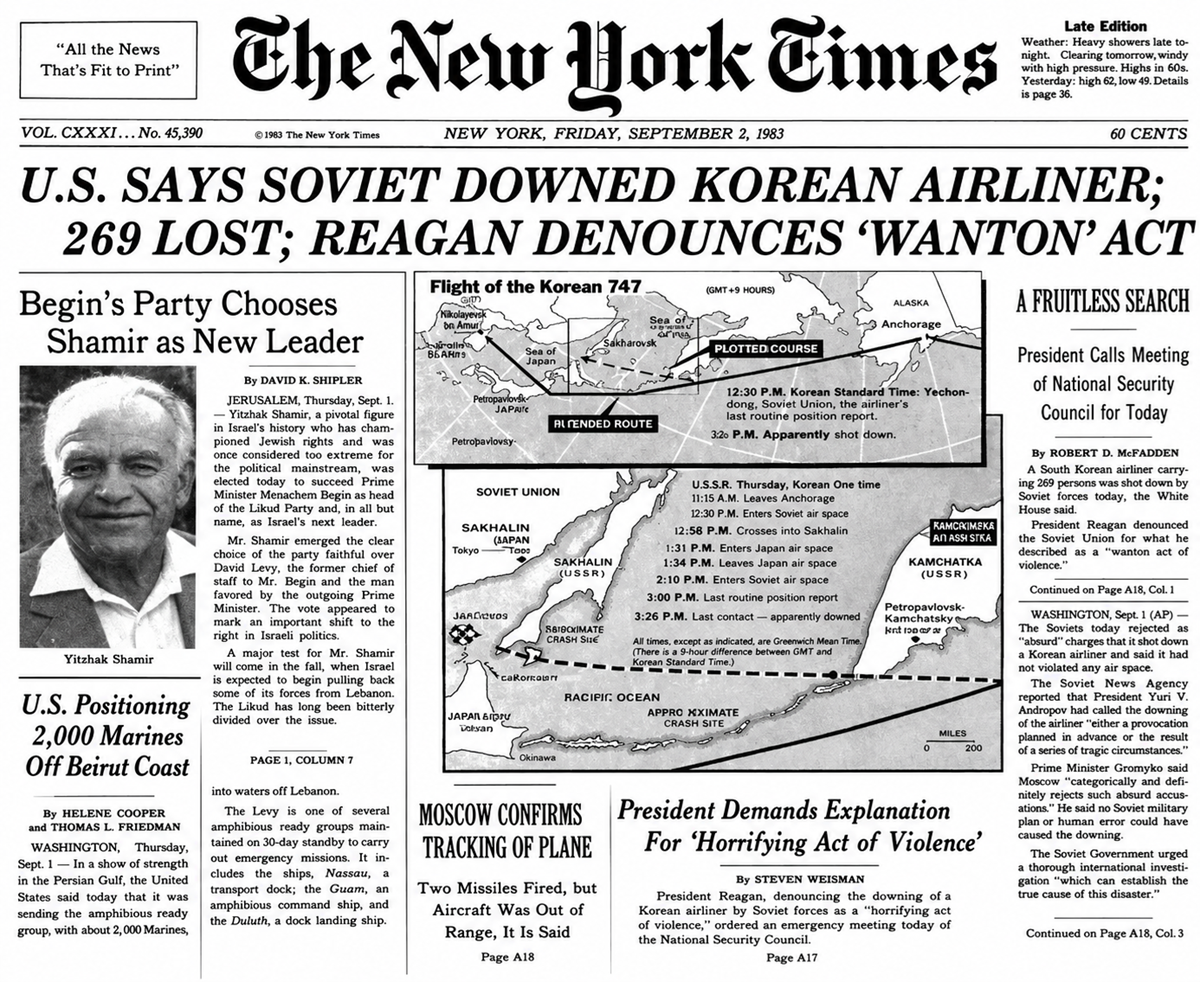
The mood in 1983 was already poisonous after Soviet forces shot down Korean Air Lines Flight 007, killing everyone aboard. Just weeks later came Petrov’s false missile warning, and then Able Archer followed in November. Seen separately, each event has its own explanation. Seen together, they show how a tense year can become dangerous not because one side wants war, but because every signal starts to look like part of a pattern.
In the mood for more?
Check out 20 Images from the Cold War, or take a look at 17 Spy Gadgets Used During the Cold War (1947-1991). If you want to see more, you can check out 20 Historical Photos And Facts From The Vietnam War.