The Vietnam War was one of the most complex and controversial conflicts of the 20th century, leaving lasting scars on both countries that lived through it. Fought mostly in villages and jungles, it reshaped global politics and changed how the world saw modern warfare. For the first time, graphic images of the front lines were broadcast directly into homes, sparking debate and bringing the realities of war to light.
These photos show the human side of the conflict. They show the lasting effect the war would have on soldiers and civilians. Each image tells a story, capturing the hardship and impact of war on people. Let’s dive into 20 photos and facts from the Vietnam War.
1. The war was fought between North and South Vietnam

North Vietnam followed a communist government led by Ho Chi Minh. South Vietnam was supported by the U.S. and other anti-communist allies. The fight was not only military, but also ideological.
2. The U.S. sent soldiers to help South Vietnam

Over 2.7 million American troops served during the war. Many faced difficult jungle conditions, booby traps, and guerrilla attacks. The U.S. involvement had a huge impact on both military strategy and public opinion at home.
3. North Vietnam was supported by the Soviet Union and China

They provided weapons, money, and military advisors to help North Vietnam fight the South. This made the Vietnam War a key part of the global Cold War struggle. Their support helped the North continue fighting despite heavy losses.
4. The Vietnam War is also known as the Second Indochina War

This distinguishes it from the First Indochina War, when Vietnam fought against French colonial rule. The second war involved more foreign powers and larger-scale battles. It ultimately shaped modern Vietnamese history.
5. The Gulf of Tonkin Incident ultimately increased U.S. involvement

In 1964, U.S. ships were reportedly attacked by North Vietnamese forces. This incident led Congress to pass the Gulf of Tonkin Resolution, giving the president authority to escalate military action. This incident marked a turning point in America’s role in the war.
Trending on The Scroller
6. It was the first “television war.”

For the first time, battles and casualties were broadcast directly into people’s homes. News reports brought the realities of the front lines to a global audience. This widespread media coverage influenced public opinion and government decisions.
7. Agent Orange was born during the Vietnam War

Agent Orange was created and extensively used by the U.S. military during the Vietnam War. It is a tactical herbicide that removes jungle foliage and destroys enemy crops. The effects of Agent Orange led to its ban in 1971.
8. The Viet Cong used guerrilla warfare

Guerrilla warfare is basically home-court advantage. They hid in trees, tunnels, and underground to launch surprise attacks. Their tactics made it very difficult for conventional armies to fight them.
Sign up for our newsletter
9. Saigon fell in 1975

North Vietnamese forces captured the city, marking the end of the war. South Vietnam surrendered, and the country was reunified under communist rule.
10. It was one of the most expensive U.S. fails ever

Estimates suggest that over $120 billion was spent fighting in Vietnam. The high cost fueled public debates about whether or not the war was worth it.
11. The Vietnam War caused extreme protests in the United States

Millions of Americans opposed the war, holding marches and demonstrations. Students and activists were especially vocal against military involvement. Public opinion influenced government decisions, and eventually helped end U.S. participation.
12. South Vietnam changed presidents multiple times during the war

Political instability weakened the government and made it harder to fight the North. Leadership changes often caused confusion and low morale.
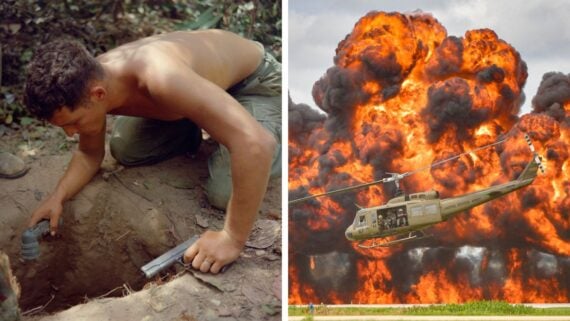
13. The U.S. used helicopters extensively in this war

Helicopters transported troops, supplies, and wounded soldiers. They became an iconic symbol of the Vietnam War.
14. The war involved heavy bombing campaigns

The United States dropped millions of tons of bombs on Vietnam. Many villages and forests were destroyed in the process.
15. North Vietnam built extensive tunnel systems

Tunnels allowed soldiers to hide, store supplies, and launch surprise attacks. They were often elaborate and extremely difficult to detect.
16. The Vietnam War inspired anti-war music and culture

Songs, movies, and books reflected public frustration and sadness. Artists helped shape opinions about the war worldwide.
17. Soldiers faced tropical diseases in Vietnam

Malaria, dysentery, and other illnesses were common. Disease caused many more casualties than combat in some areas.
18. Many American soldiers faced hate at home

While some supported the troops, others protested U.S. involvement. Soldiers returned to the country they were fighting for, with millions of people angry with them.
19. Booby traps were pivotal in the war

Hidden explosives and traps were set along paths and in villages. They did something almost worse than killing a soldier; they caused excruciating pain and extreme sickness.
20. The Vietnam War showed the impact that war has on the environment
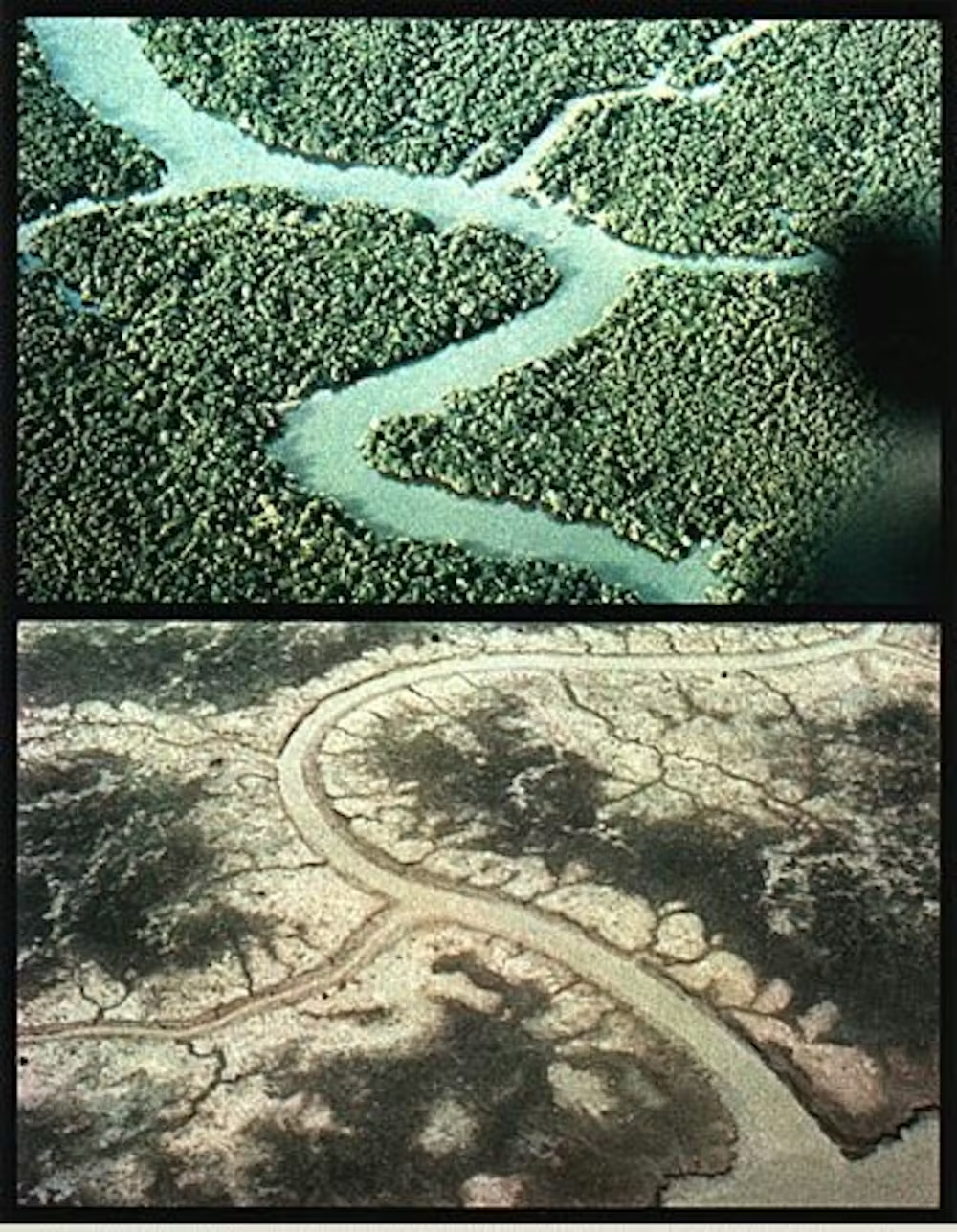
Forests were destroyed, rivers polluted, and farmland ruined. The effects are still seen in Vietnam today, where they still feel the effects of the war years later.
Want to see more military content?
Check out 18 Yearbook and Military Academy Photos of War Heroes from WWI and WWII, or take a look at 20 Military Photos That Embody Military Life In The 1960s. Finally, if you want to see military vehicles that redefined warfare, check out 23 Military Vehicles That Redefined Warfare.