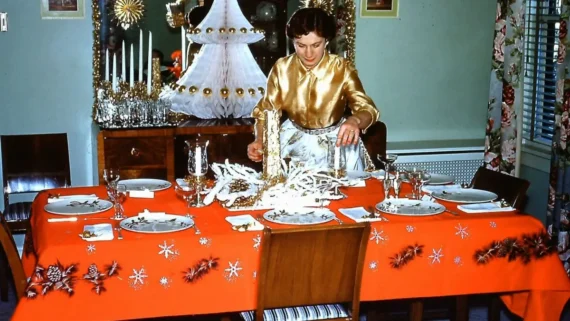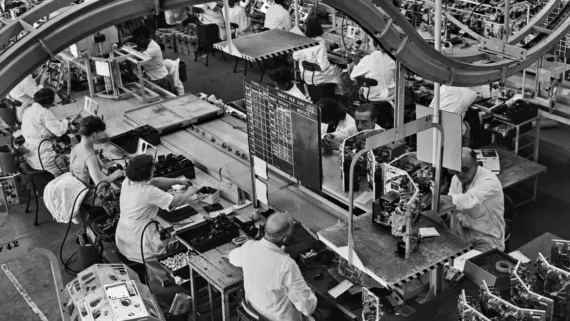
The 1980s were a decade defined by tactile technology and mechanical ingenuity, long before the sleek, silent screens of the modern era took over our lives. For those who grew up during this time, daily life was surrounded by heavy, colorful, and often noisy objects that required a physical connection to function. Whether it was the satisfying “clack” of a cassette tape or the metallic whirl of a rotary dial, these items provided a sensory experience that has almost entirely vanished in the wake of the digital revolution.
As we move further into the 21st century, many of these once-essential objects have transitioned from household staples to museum relics. While older generations remember them with a mix of fondness and frustration, many Millennials and members of Gen Z have likely never even laid a finger on them. Exploring these analog artifacts is more than just a trip down memory lane; it is a fascinating look at how quickly our world has evolved, turning the cutting-edge tools of yesterday into mysterious curiosities for the youth of today.
1. The rotary dial telephone

Long before touchscreens and contact lists, making a phone call was a deliberate and rhythmic process. You had to insert your finger into the hole for each digit and pull the wheel clockwise until it hit the metal stop, then wait for it to spin back. If you messed up the last digit of a long-distance number, you had to start the entire process all over again. A fun fact is that phone numbers with many 9s and 0s actually took longer to dial than those with 1s and 2s due to the physical distance the dial had to travel.
2. Manual typewriter, the ribbon era
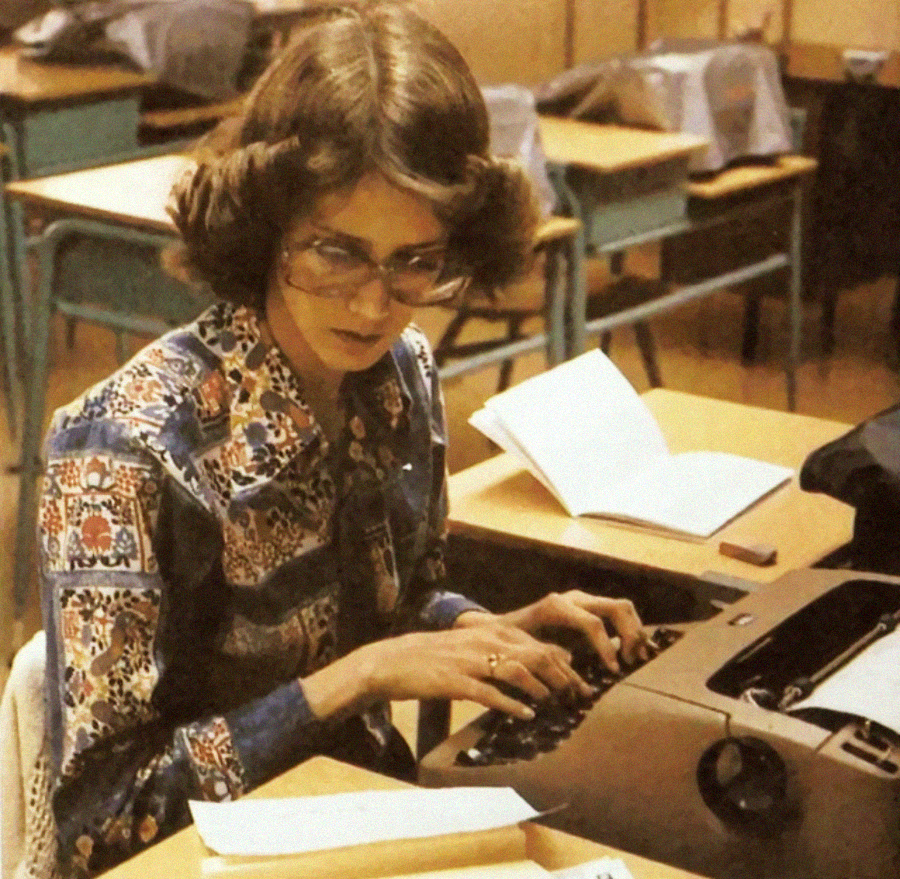
While personal computers were emerging, many 1980s households and offices still relied on the heavy, mechanical thud of a manual typewriter. These machines required a firm press of the fingers and used a physical ink ribbon that would eventually run dry or get tangled. If you made a mistake, you couldn’t hit backspace; you had to use messy correction fluid or a special “correction tape” to cover the error. Interestingly, the famous “QWERTY” layout was originally designed to prevent the mechanical arms of these machines from jamming during fast typing.
3. The 5.25-inch floppy disk
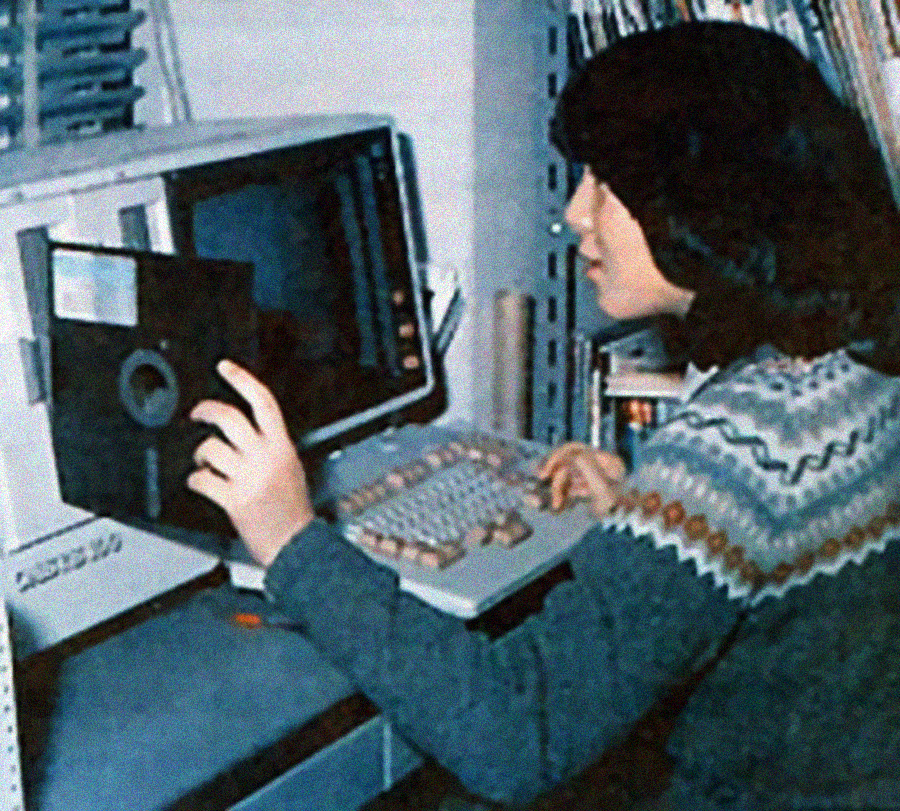
Before cloud storage or even USB drives, data lived on literal floppy disks made of flexible magnetic film inside a thin plastic sleeve. These 5.25-inch squares were incredibly fragile and could be easily ruined by a stray magnet or even a smudge from a fingerprint. They held a measly 360 KB of data, which is less than a single low-quality photo taken on a modern smartphone today. Most people remember having to “double-side” them by manually flipping the disk over in the drive to access more space.
4. TV channel knobs
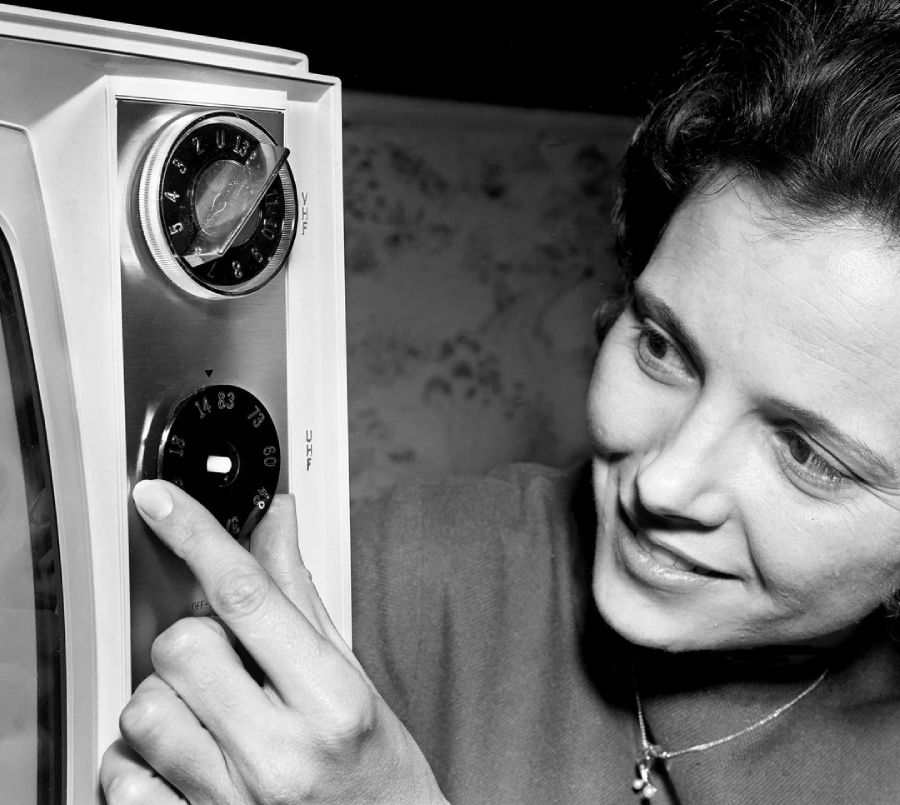
In the 80s, changing the channel wasn’t a silent press of a button; it was a loud, mechanical clunk as you turned a physical knob on the television set. Most TVs had two knobs: one for VHF (channels 2-13) and one for the static-filled UHF channels. Because remotes were still a luxury, the youngest child in the family was often designated as the “human remote control” for the parents. It was a common trick to use a pair of pliers to turn the knob if the plastic handle eventually snapped off from too much use.
5. Cassette tape head cleaners
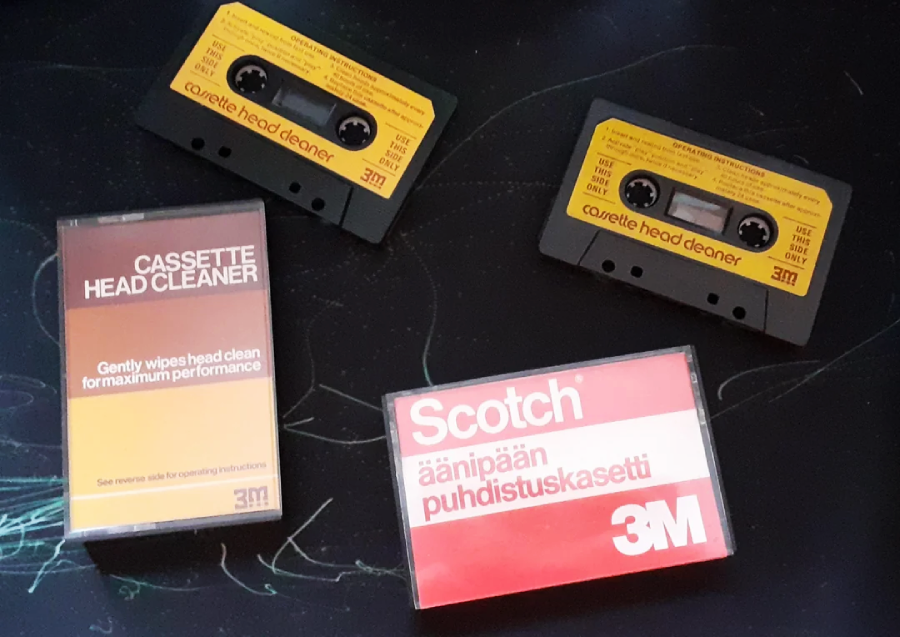
Cassette tapes were the primary way to listen to music, but they frequently left behind a brown residue that would muffle the sound of the player. To fix this, you had to use a special cleaning cassette that was filled with a felt-like fabric and a few drops of alcohol-based solution. You would pop it in, let it play for thirty seconds, and hope it restored the crispness of your favorite hair metal album. It was a vital maintenance ritual for anyone who took their Sony Walkman or car stereo seriously.
Trending on The Scroller

6. The film rewinder
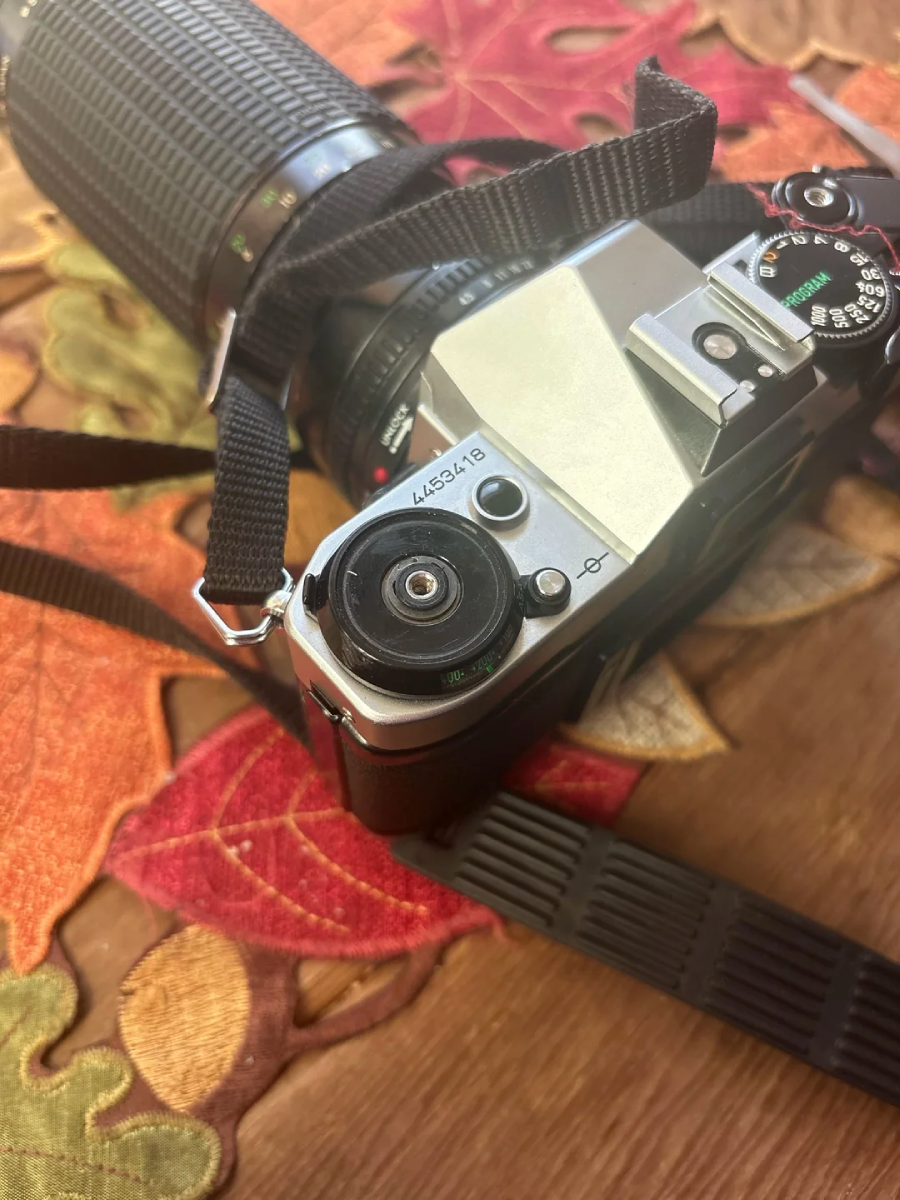
After taking 24 or 36 photos on a roll of 35mm film, you couldn’t just see them on a screen; you had to manually rewind the film back into its metal canister. This involved flipping up a tiny silver crank on the top of the camera and turning it until you felt the tension snap, signaling the film was safe. If you accidentally opened the back of the camera before rewinding, the light would burn every single memory you had captured. This physical anxiety is something that the unlimited shots generation will never truly understand.
7. Carbon paper for forms
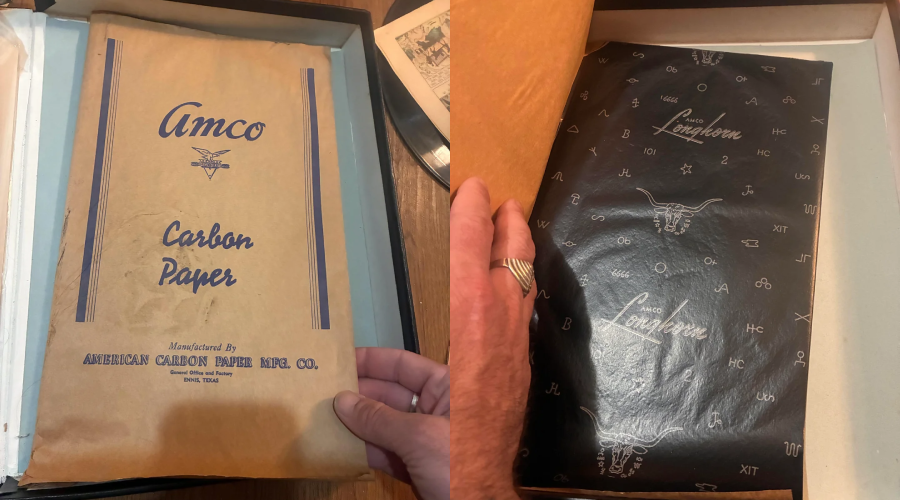
Long before digital “CC” (Carbon Copy) emails, if you wanted a copy of a document, you had to place a sheet of blue or black carbon paper between two pieces of regular paper. As you wrote or typed on the top sheet, the pressure would transfer the ink to the bottom one, creating a messy but functional duplicate. It was notorious for leaving permanent black stains on your fingers and clothes that were nearly impossible to wash off. Business transactions in the 80s were a much more inkier affair than the clean, paperless offices of today.
8. Slide projectors and carousels
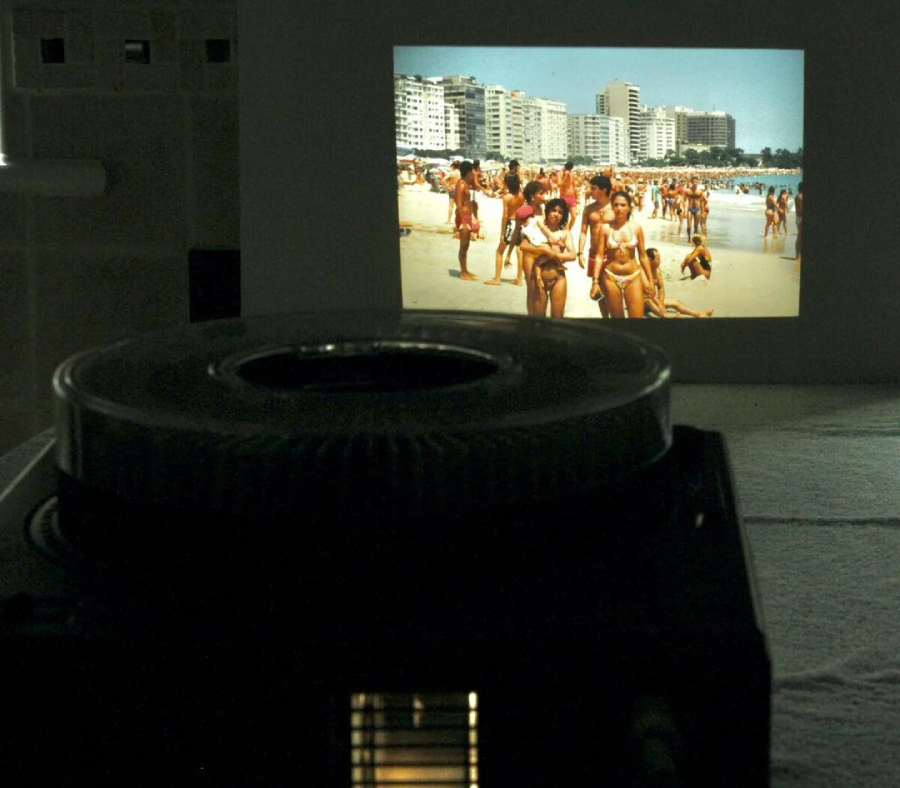
Family vacations in the 80s weren’t shared on Instagram; they were projected onto a white sheet in the living room using a bulky Kodak Carousel. You had to manually click through each translucent slide, accompanied by the loud “ka-chunk” of the machine and the smell of a very hot projector bulb. If a slide was put in upside down or backwards, the whole show had to stop while you fished the burning-hot plastic frame out of the slot. It was a communal, often slow-paced experience that turned every trip into a theatrical event.
Sign up for our newsletter
9. Telephone book, or Yellow Pages
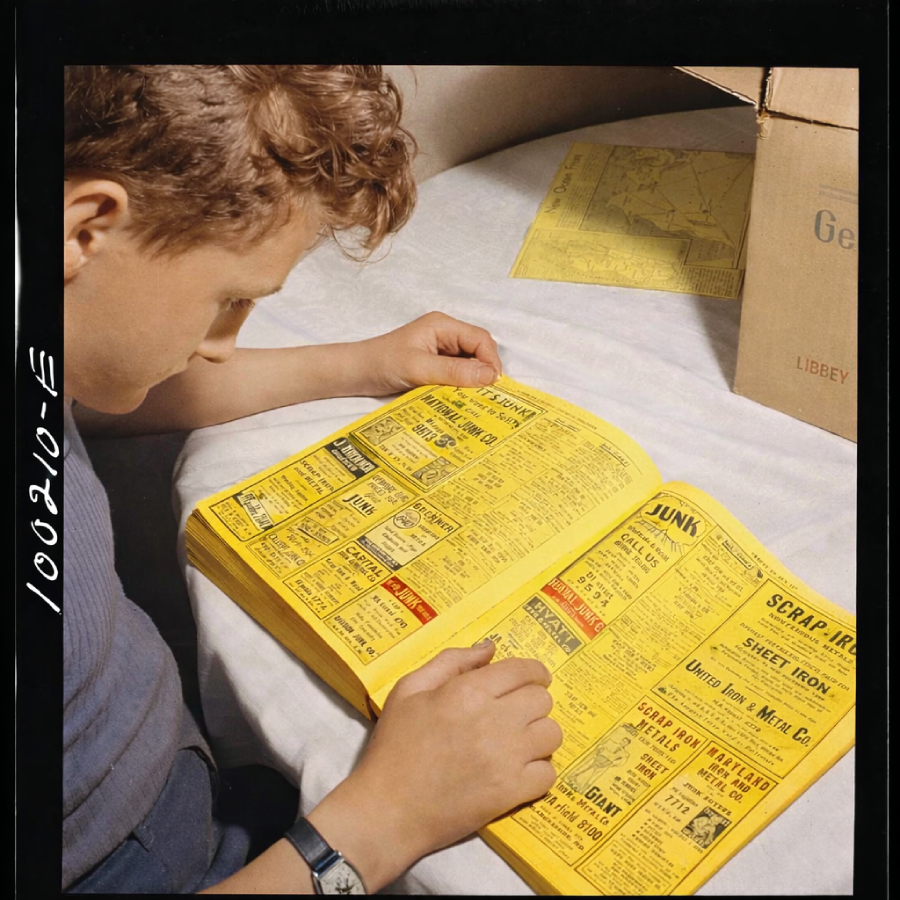
If you needed to find a local business or a friend’s home address, you had to lug a massive, five-pound book of yellow and white paper onto the counter. These books were organized alphabetically and printed in tiny, eye-straining font that required a steady finger to navigate. They were so ubiquitous that people often used them as makeshift booster seats for children at the dinner table. Today, the idea of a physical book containing every person’s private phone number seems like a massive privacy nightmare.
10. The library card catalog
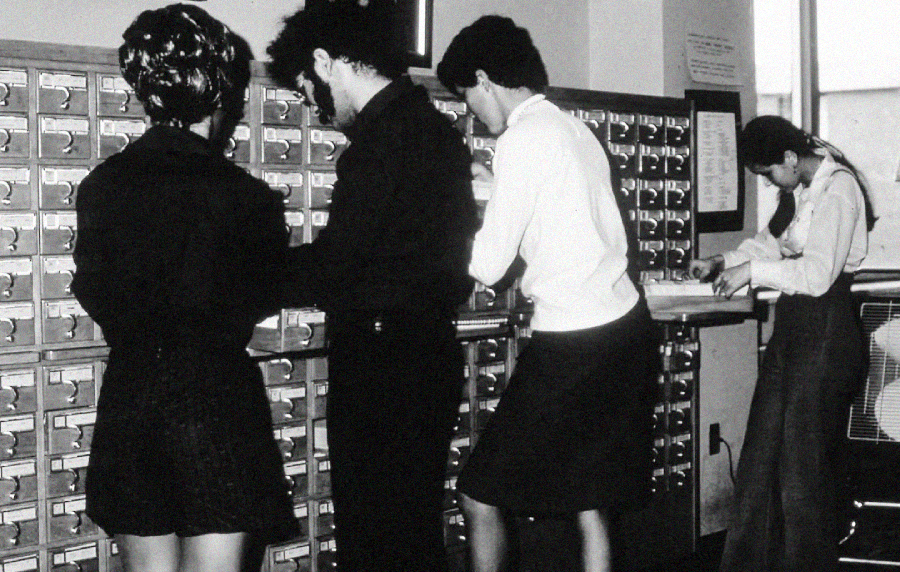
Researching a school project in the 80s meant standing in front of a giant wooden cabinet filled with thousands of tiny paper cards. You had to flip through them by hand to find the Dewey Decimal number for the book you needed, then go hunt through the stacks to see if it was actually on the shelf. If someone had misfiled the card, that book was effectively lost to the world until a librarian found it. It required a level of patience and physical searching that has been entirely replaced by a half-second Google search.
11. VHS head cleaners and rewinders
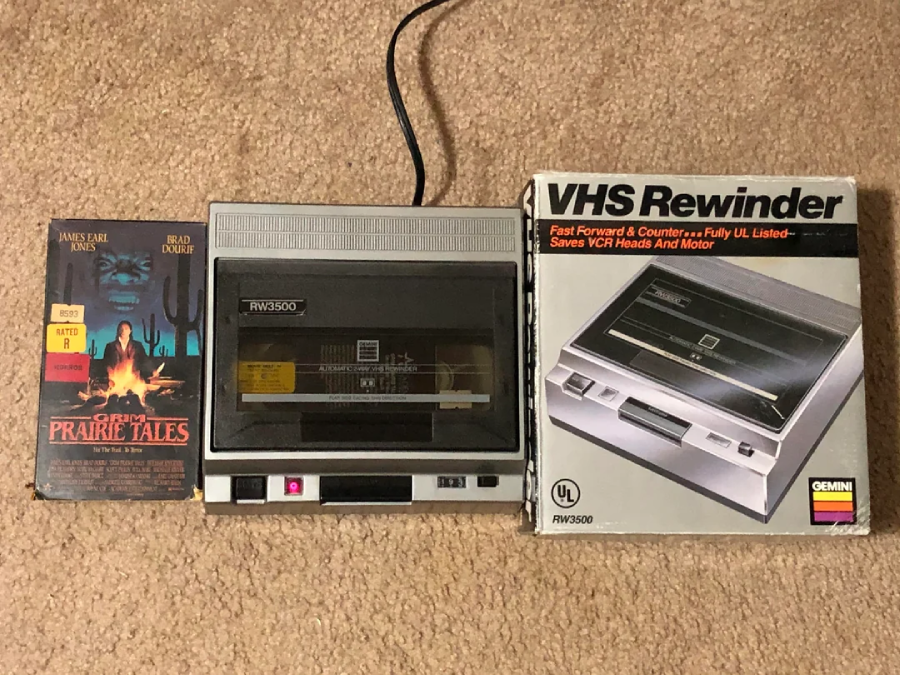
VHS tapes were the kings of home cinema, but the machines that played them were notorious for getting dirty and eating the tape. To keep the picture clear, you had to use a specialized cleaning tape that looked like a regular VHS but was filled with a dry or wet cleaning fabric. Additionally, many people bought separate rewinder machines shaped like sports cars to avoid wearing out the motor in their expensive VCRs. The phrase “Please Rewind” was a social contract that everyone respected to avoid a fine at the local rental store.
12. Hand-cranked car windows
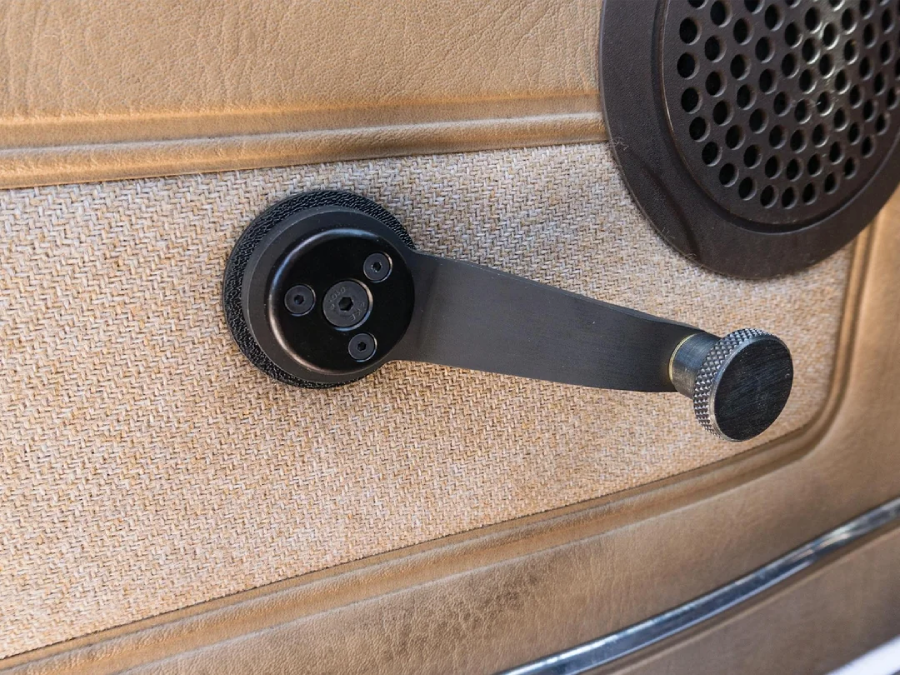
In the 80s, cooling down the car involved a serious arm workout as you turned a plastic and metal crank to lower the glass. There were no one-touch buttons; if you wanted to roll down the passenger window while driving, you had to lean across the entire car and crank furiously. It was a common sight to see a driver frantically cranking all four windows at a red light on a hot day. These mechanical handles were also notorious for snapping off, leaving you with a permanently closed window until it was fixed.
13. Mimeograph machines
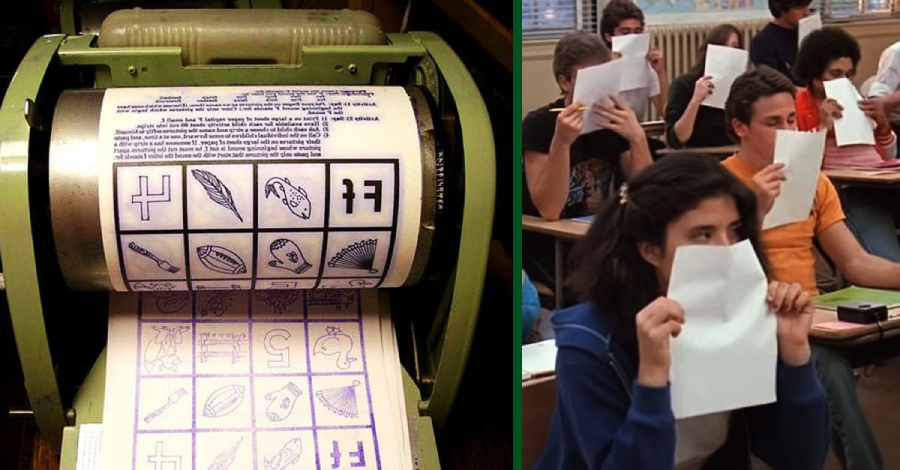
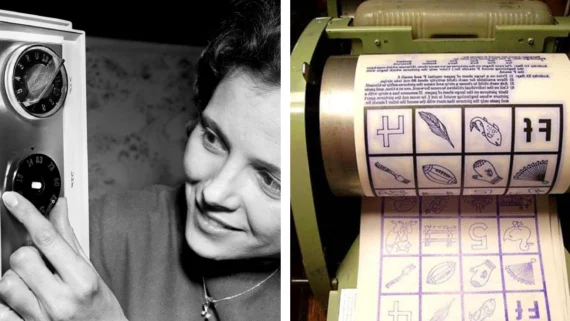
Before photocopiers were common in schools, teachers used mimeograph machines that produced purple-inked worksheets with a very distinct, sweet chemical smell. The machine worked by rotating a drum that pressed ink through a stencil, and students would often sniff the fresh paper because the solvent was still damp. These ditto sheets were the primary way information was distributed in classrooms for decades. Eventually, the superior (and less smelly) Xerox machine took over, making the purple-ink era a distant, fragrant memory.
14. Pagers and beepers
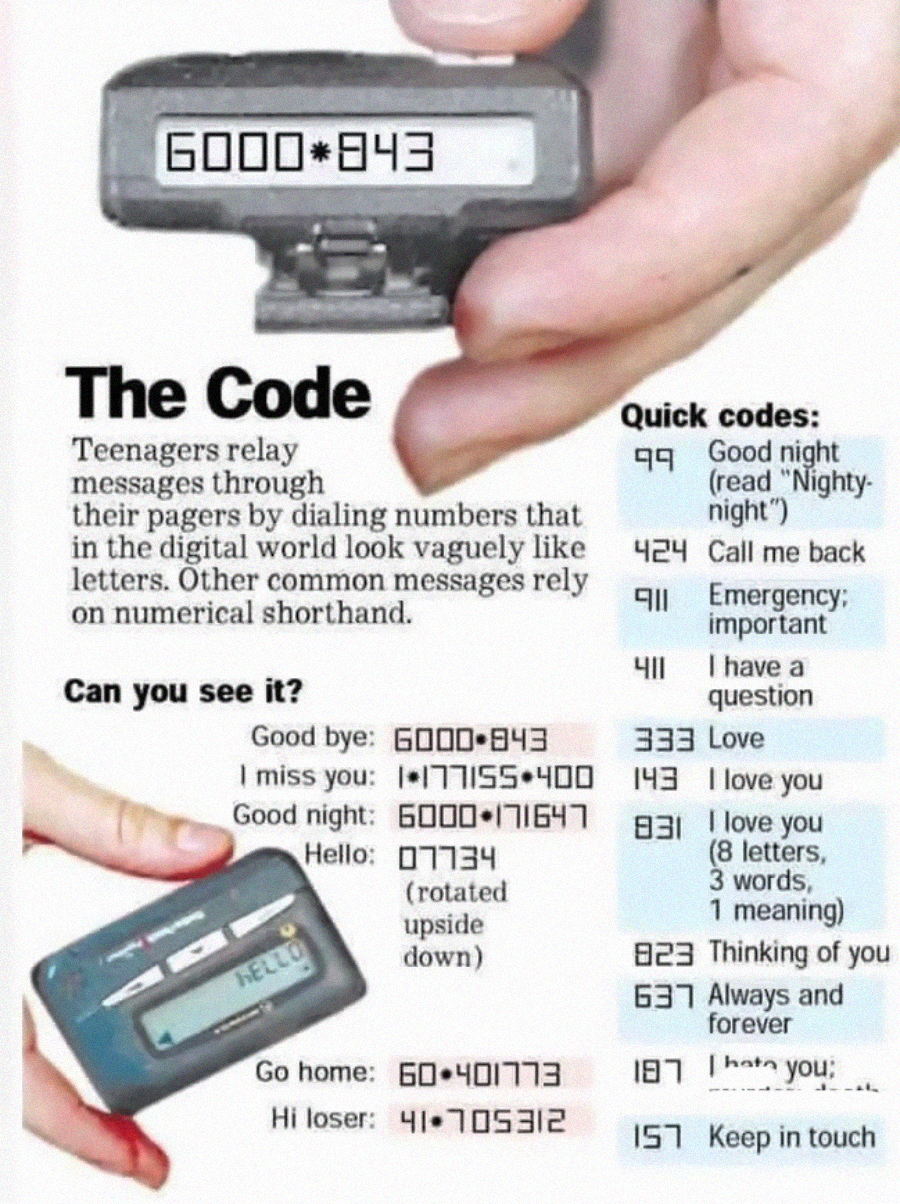
Before everyone had a cell phone in their pocket, the height of on-the-go technology was a small plastic box clipped to your belt that would beep when someone wanted to reach you. It didn’t show texts; it only displayed a phone number, which meant you had to find a payphone immediately to call them back. Some people developed pager codes where numbers like 143 meant “I love you” to save time and money. For most people in the 80s, owning a pager was a status symbol reserved for doctors, drug dealers, or very busy executives.
15. The Sears or JCPenney Christmas catalog
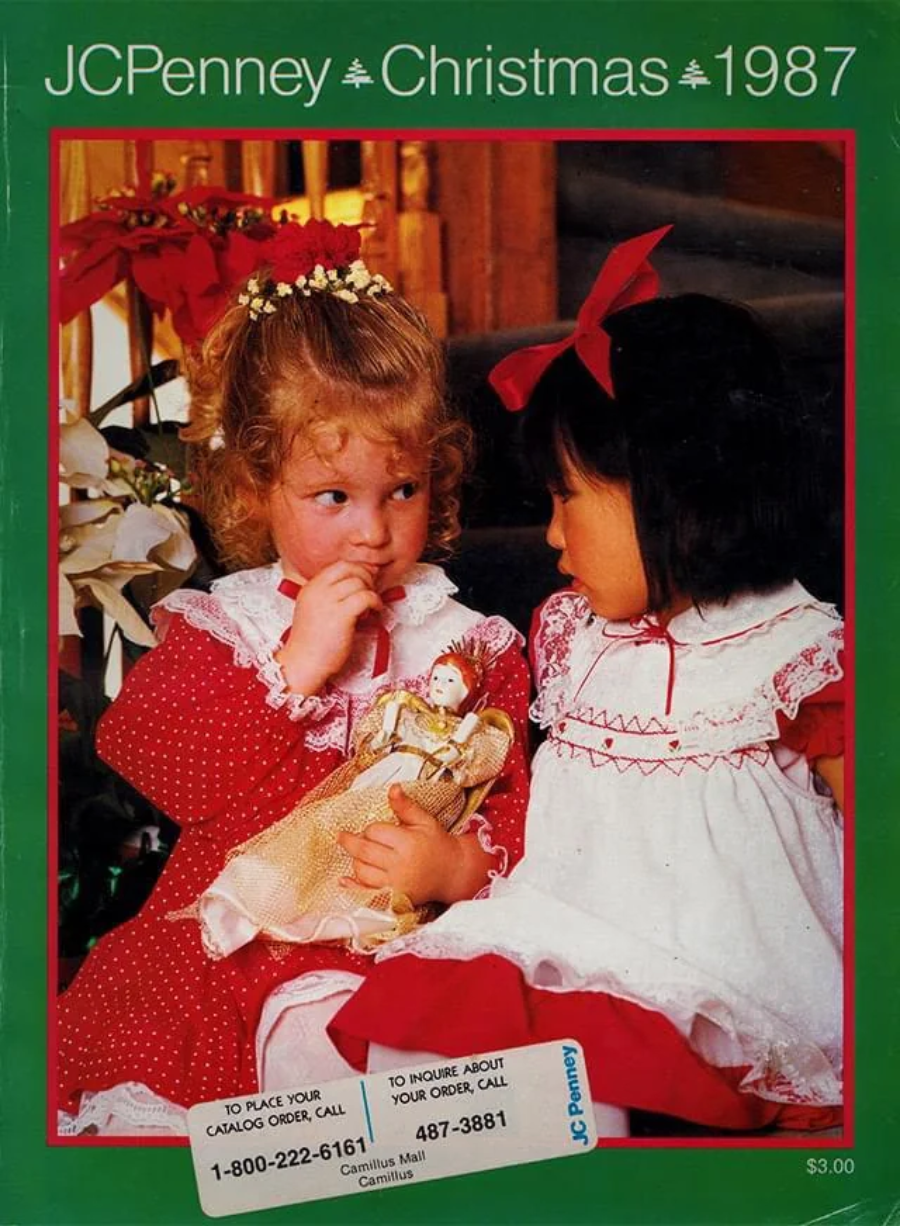
Every year, children in the 80s would wait for the arrival of the Wish Book, a massive, several-hundred-page catalog filled with every toy imaginable. You would spend hours circling items with a red pen and dog-earing the pages to show your parents exactly what you wanted for Christmas. It was the ultimate analog version of an Amazon wish list, providing a tactile dreamscape for kids across the country. These catalogs were so thick that they were often kept for years as a reference for fashion and home decor.
16. Analog bathroom scales with the spinning dial
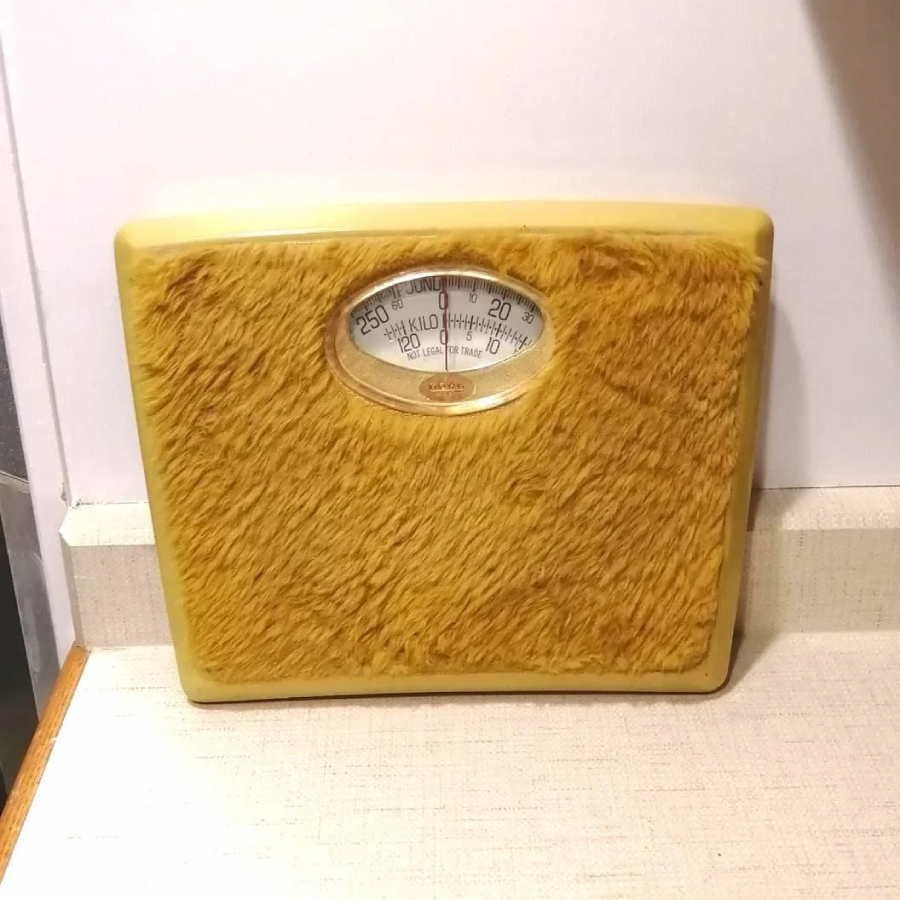
Weight was measured on heavy metal boxes that featured a physical, spinning dial behind a small glass window. You had to wait for the needle to stop wobbling to see your weight, and there was usually a small zero wheel you had to turn to calibrate it manually. They were notoriously inaccurate if the floor wasn’t perfectly level, often giving a different reading every time you stepped on them. Unlike modern digital scales that track your BMI and sync to your phone, these were simple, unforgiving mechanical tools.
17. The cassette pencil trick
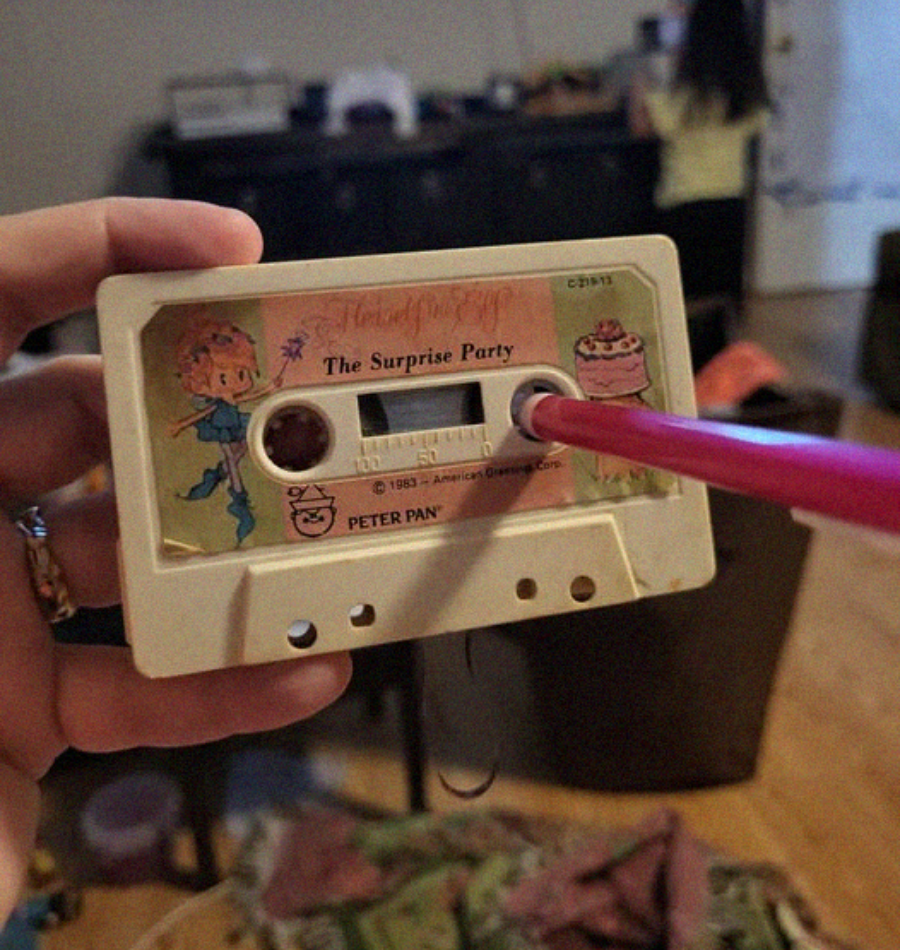
When a cassette tape would spill its magnetic ribbon out of the plastic casing, every 80s kid knew that a standard hexagonal pencil was the perfect tool to fix it. You would insert the pencil into one of the two gears and manually wind the tape back in, hoping it hadn’t been too crinkled or stretched. If the tape was damaged, the music would wobble or skip in that specific spot forever. It was a delicate surgery that required a steady hand and a lot of patience to save your favorite album.
18. Matchbook covers for notes
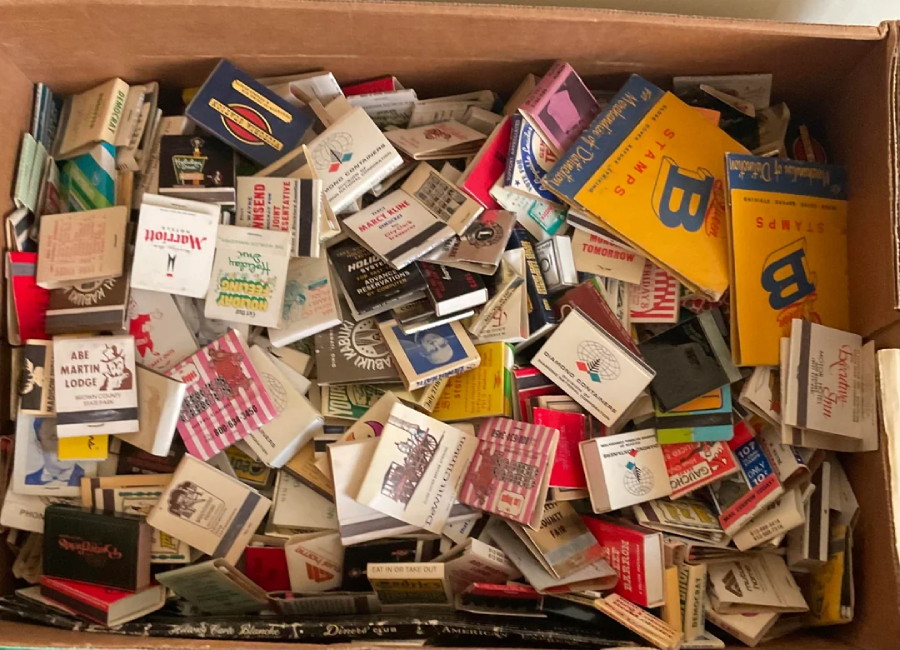
In an era when everyone seemed to carry matches, the inside of a matchbook cover was the universal scrap paper for writing down phone numbers or quick notes. You would see people at bars or diners frantically scribbling on the cardboard while trying to remember a piece of information. They were often collected as souvenirs from restaurants and hotels, serving as a tiny, flammable travel diary. Today, the idea of having to hunt for a matchbook just to write down a number seems incredibly primitive.
19. Public payphones and calling cards
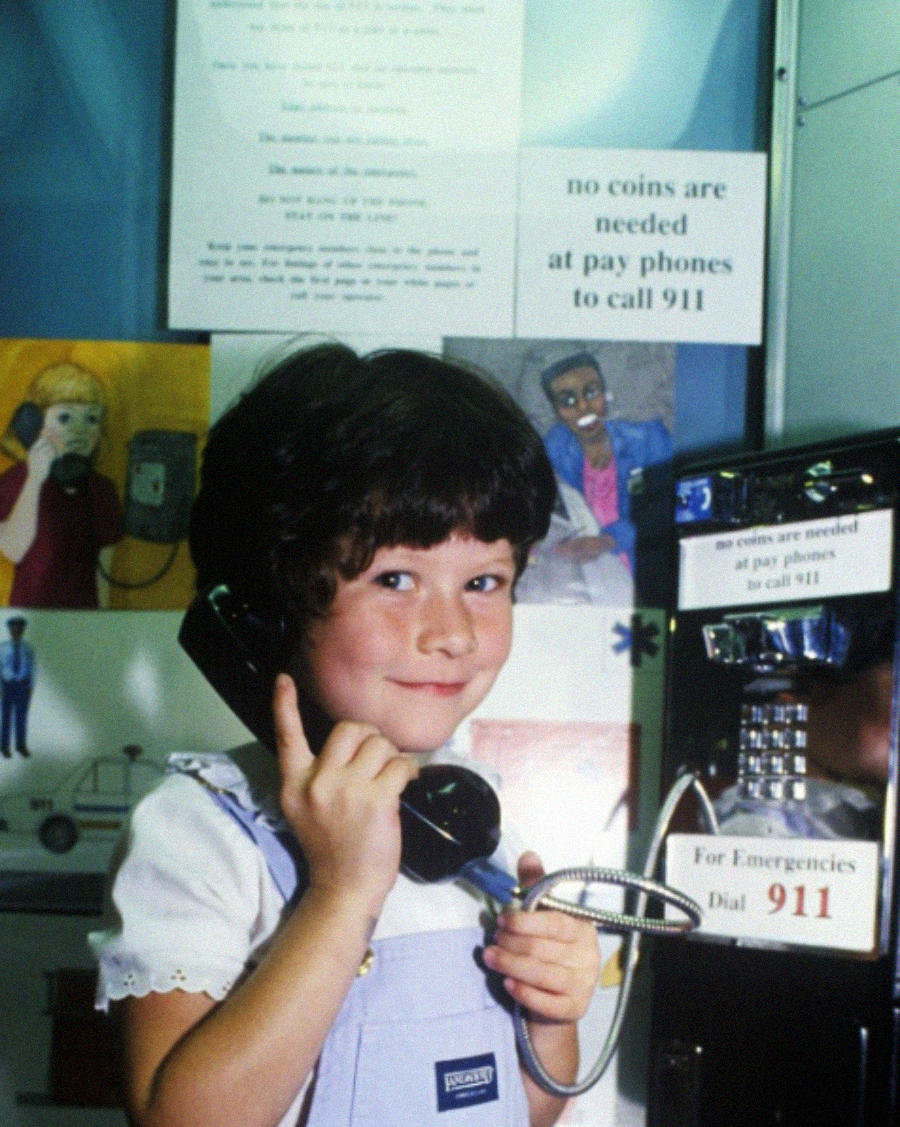
Being away from home in the 80s meant you were effectively off the grid unless you could find a silver box on a street corner or in a hotel lobby. You had to carry a pocketful of quarters or a plastic calling card with a long PIN to make a simple call. There was no privacy, as you usually had to shout over traffic or the person waiting behind you in line. The smell of a public phone booth is a sensory memory that modern generations will happily miss out on.
20. Metal lunchboxes with Thermos bottles
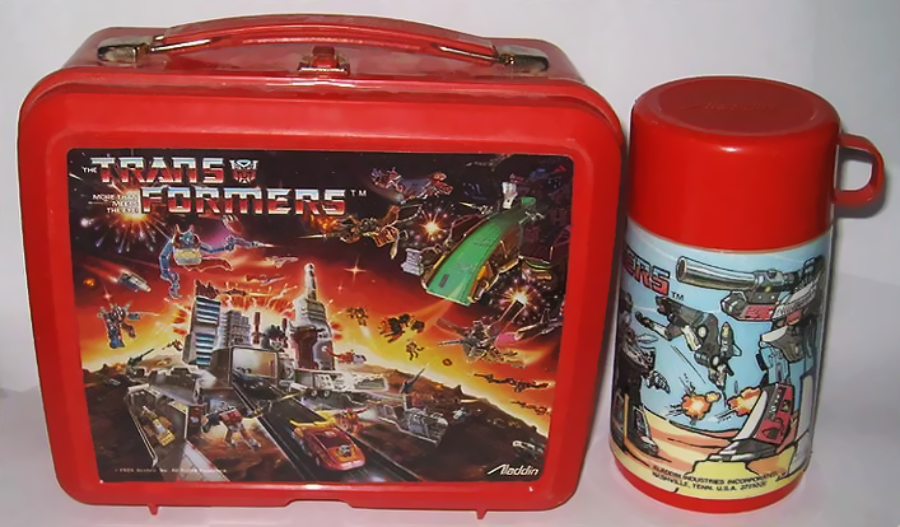
School lunches in the 80s were carried in heavy, rectangular metal boxes featuring colorful lithographs of cartoons like He-Man or The Thundercats. They always came with a matching plastic or glass-lined Thermos that would keep your milk cold or your soup warm until noon. These boxes were incredibly durable, but also became weapons on the playground during a disagreement. Most kids eventually moved to soft, insulated bags, but the clink of a metal lunchbox closing is a sound that defines the 80s childhood.
In the mood for more nostalgia?
Looking back at these objects, it’s clear that the 1980s required a lot more manual labor just to get through a normal day. While we appreciate the speed and convenience of our current technology, there was a certain charm to the physical world that is slowly fading away. If you enjoyed this nostalgic trip, don’t miss these 20 Things You’d Find in Almost Every Home in the ’50s-’70s, or 20 Things Older Generations Did That Kids Today Won’t Get. You can also check out these 17 Things ’80s People Did That Would Totally Confuse Kids Today.