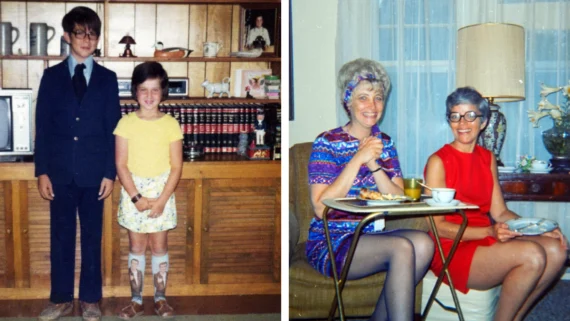
Walking into typical middle-class homes between the 1950s and the 1970s felt like entering a very specific, carefully curated world of wood veneer and vibrant textiles. It was an era where interior design wasn’t just about utility; it was about making a statement with avocado-colored appliances and furniture that was built to outlast the house itself. These spaces were the backdrop for the rise of the modern family, filled with gadgets and decor that now feel like time capsules of a simpler, albeit much more colorful, age.
If you grew up during these decades, you probably remember a specific “sound” and “smell” associated with these homes, from the click of a rotary phone to the scent of floor wax on linoleum. While many of these items have been replaced by sleek, digital alternatives, they remain the ultimate symbols of mid-century domestic life. Let’s take a nostalgic scroll through the household staples that were once considered the height of suburban luxury.
1. The rotary phone
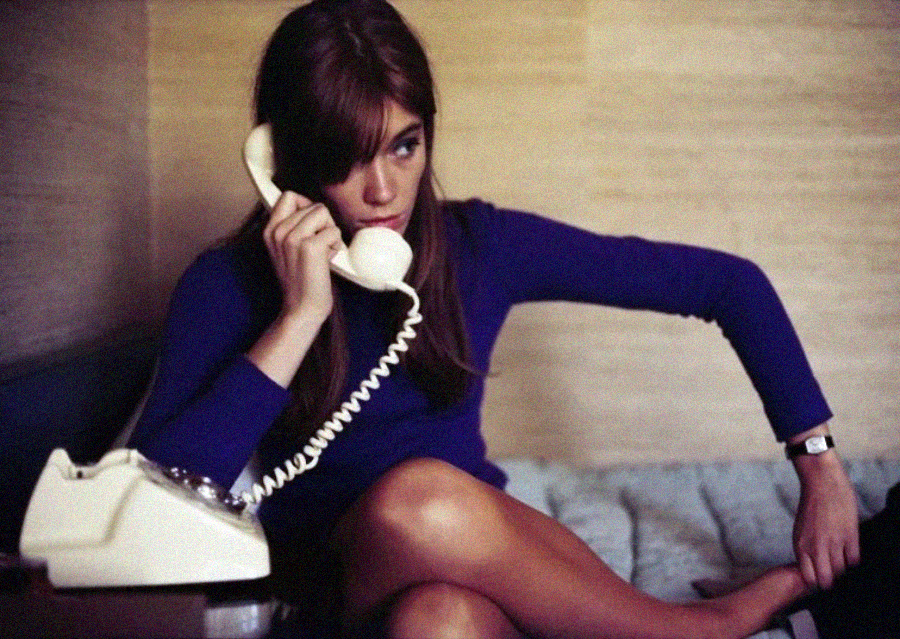
Before smartphones existed, the rotary phone was the undisputed communication hub of the house, usually anchored to the wall with an impossibly long, tangled cord. You had to commit to the physical labor of circling your finger for every digit, and heaven forbid you messed up on the last number and had to start all over again.
2. Wood-paneled walls
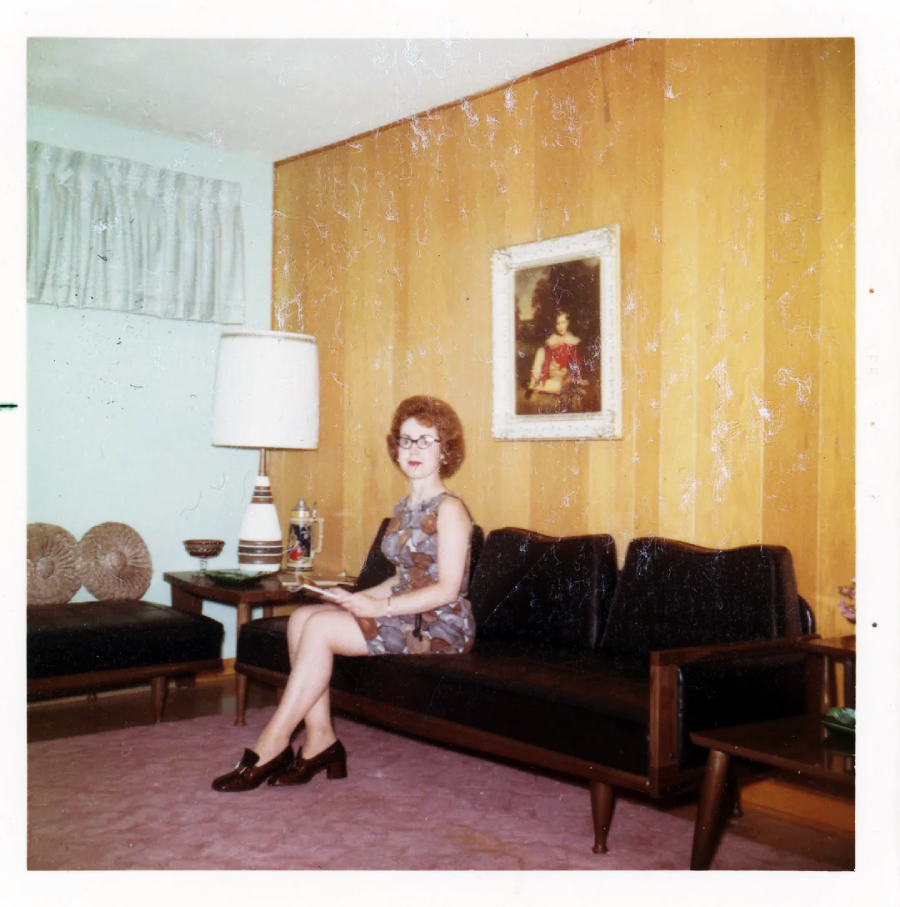
Nothing says “1970s basement” quite like the dark, slightly moody aesthetic of faux-wood paneling. It was the go-to solution for finishing a room quickly, creating a cozy atmosphere that made every family room feel like a mountain cabin.
3. Avocado green appliances
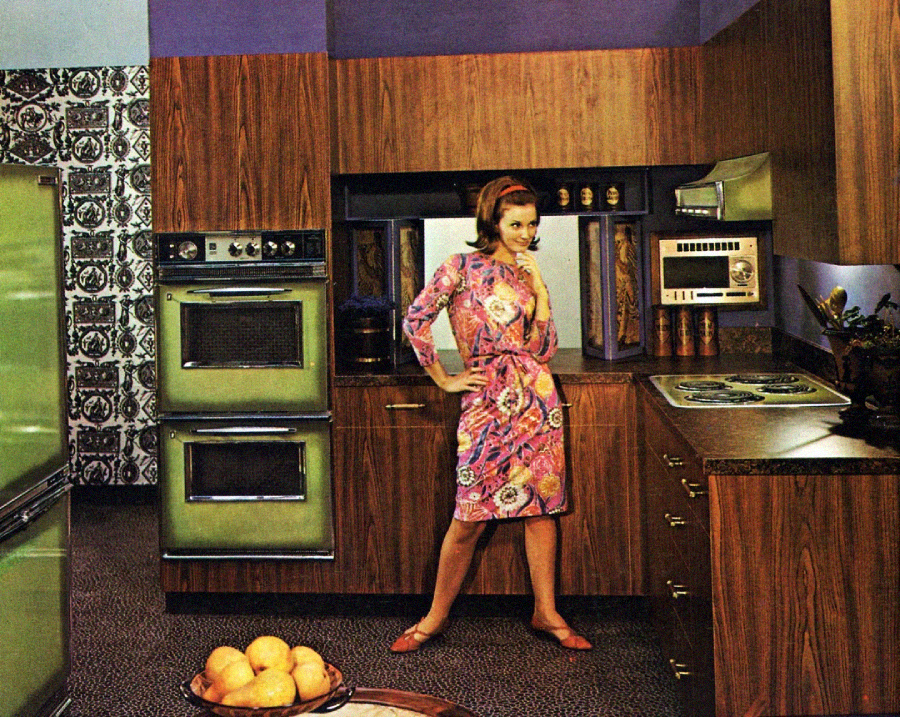
In a bold departure from basic white, many homes in the ’60s and ’70s embraced the “Earth Tone” movement with refrigerators and stoves in Avocado Green or Harvest Gold. These appliances were virtually indestructible, often surviving for decades even after the color went out of style.
4. TV trays
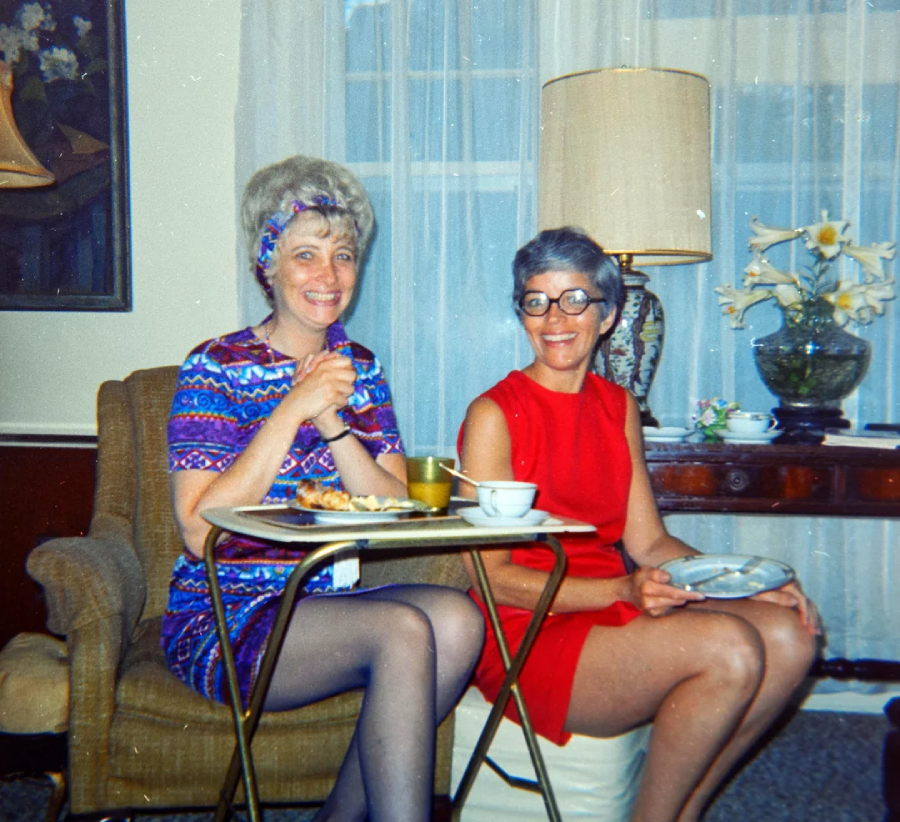
As the television became the new “hearth” of the home, foldable metal TV trays became essential for eating dinner while catching the evening news. They were usually decorated with floral patterns or landscapes and allowed the family to abandon the dining table without making a mess on the shag carpet.
5. Shag carpeting
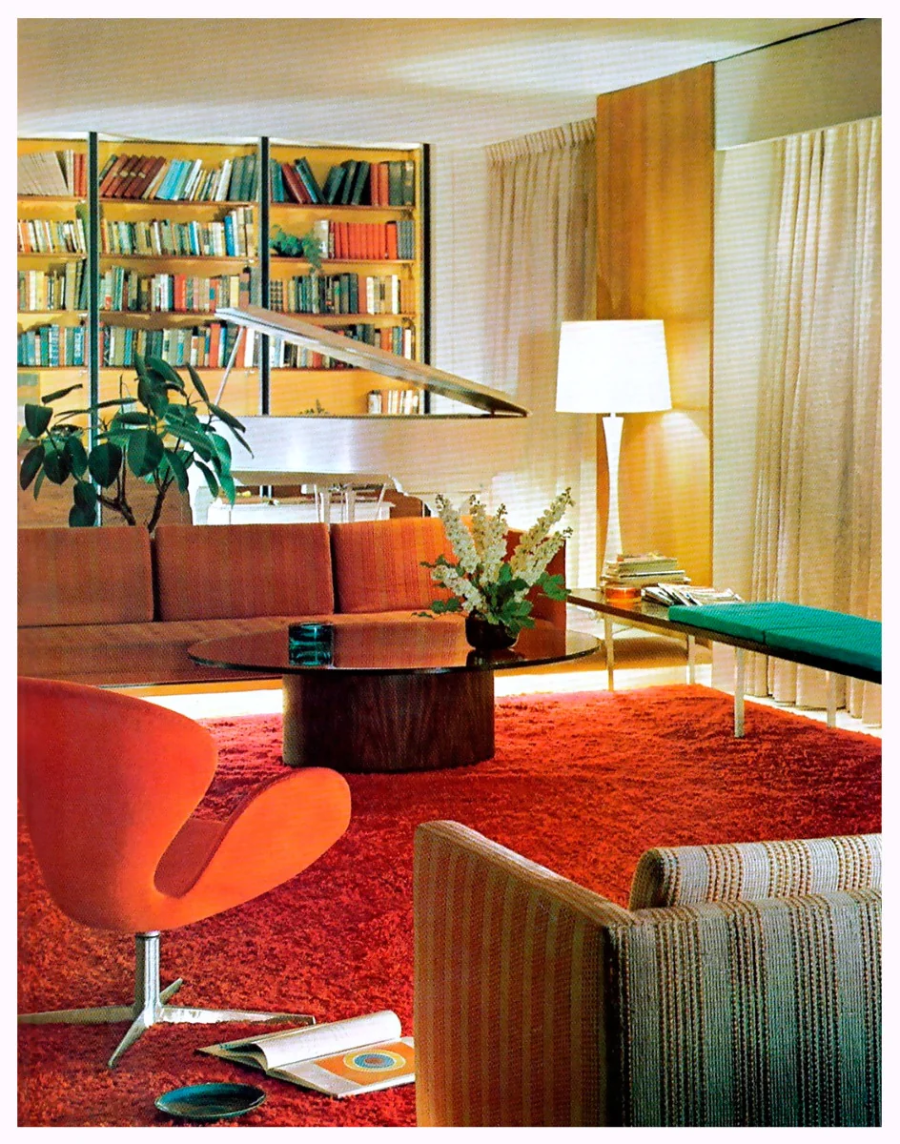
If you didn’t have a plastic rake specifically for your carpet, did you even live in the ’70s? Shag rugs were notoriously tricky to clean, often hiding lost LEGOs and spare change for years, but they provided a soft, plush landing spot for kids playing on the floor.
Trending on The Scroller

6. Encyclopedia sets
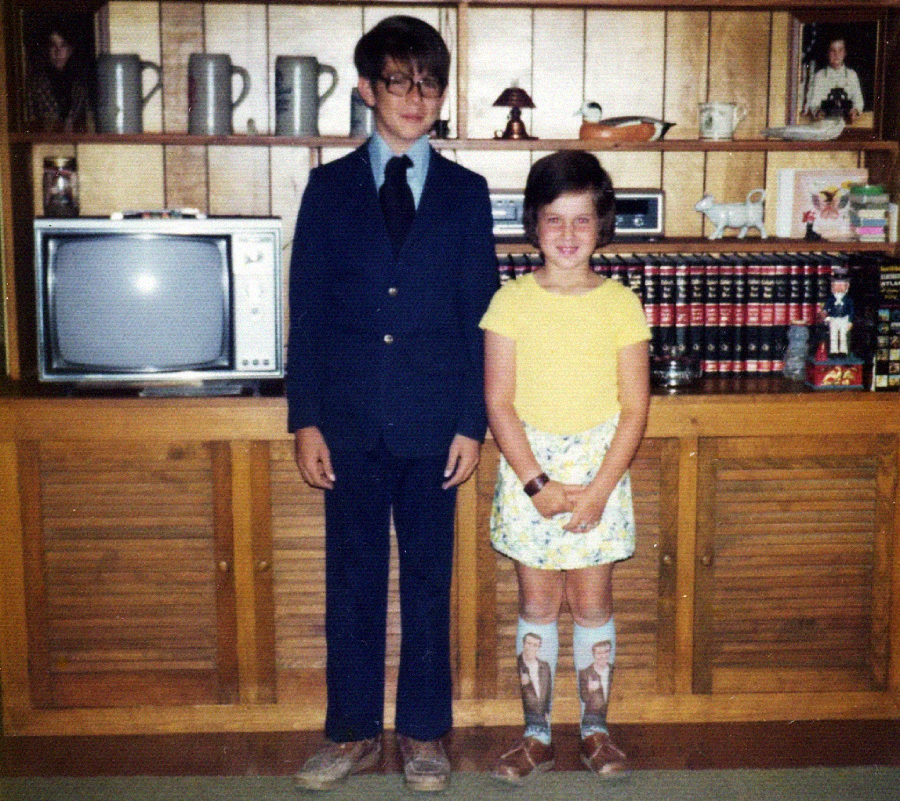
Before Wikipedia, a multi-volume set of encyclopedias was a major investment that sat proudly on the living room bookshelf. Most kids spent hours flipping through the “A” volume to finish a school report, hoping the information wasn’t already ten years out of date.
7. Sunbeam Mixmaster
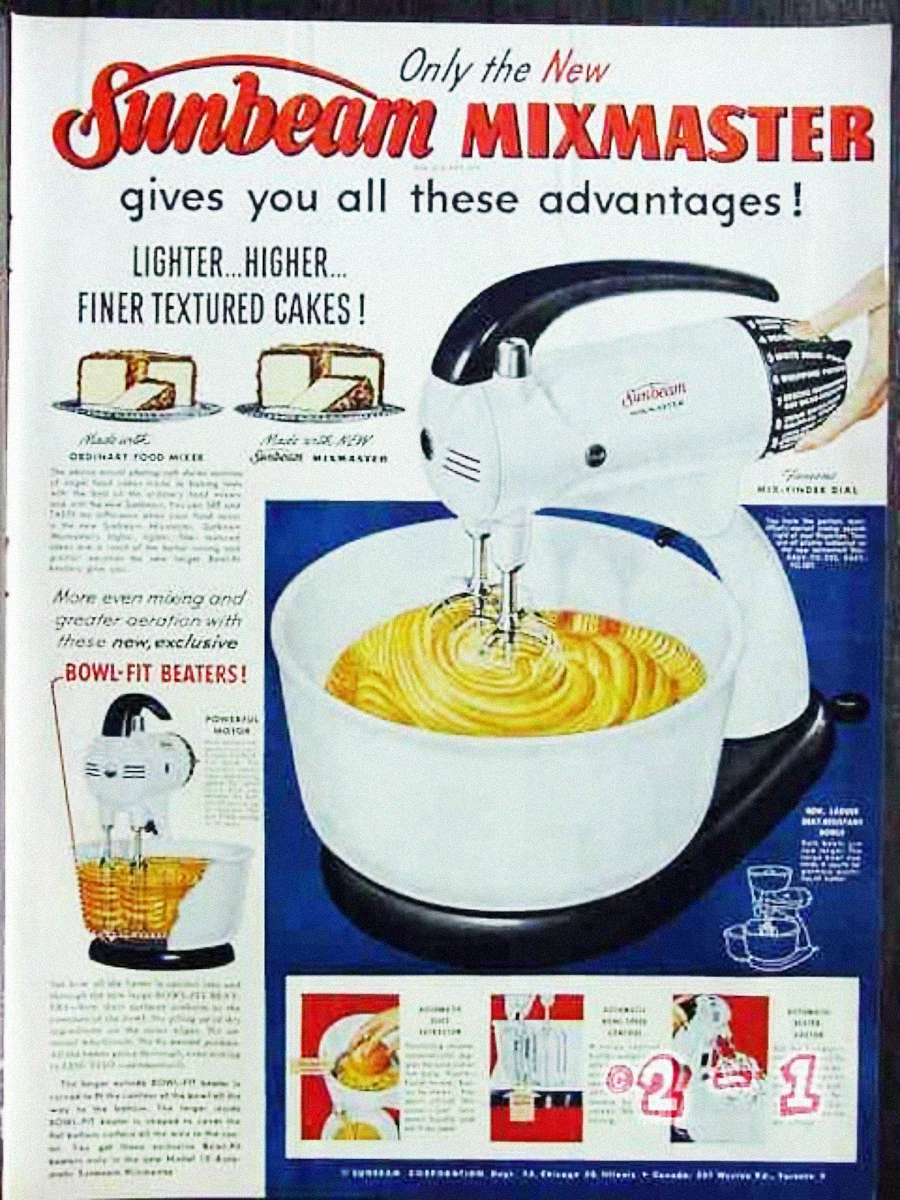
This heavy-duty stand mixer was the pride of many ’50s kitchens, known for its sleek “atomic” design and indestructible motor. It was often a wedding gift that stayed on the counter for forty years, tackling everything from birthday cakes to holiday mashed potatoes.
8. Linoleum floors
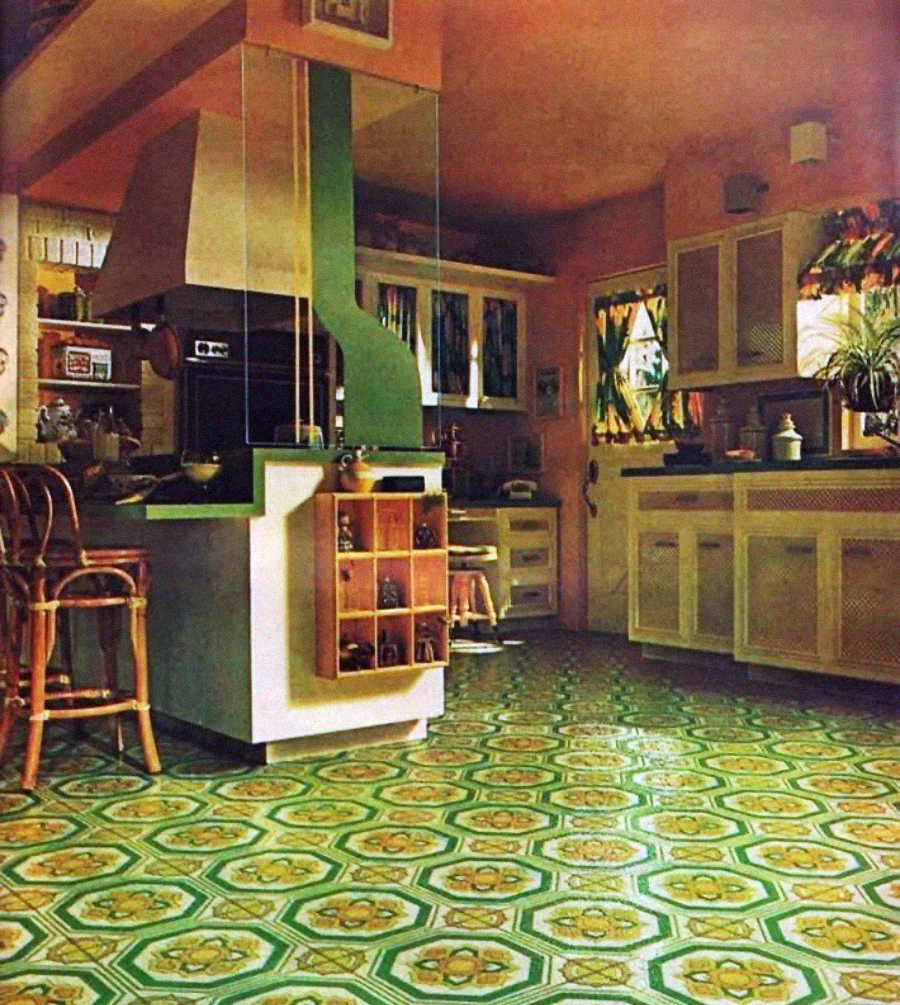
Easy to mop and available in dizzying geometric patterns, linoleum was the flooring of choice for every kitchen and bathroom. Its distinctive “shine” came from a fresh coat of wax that usually made the floor dangerously slippery for anyone wearing socks.
Sign up for our newsletter
9. Console televisions
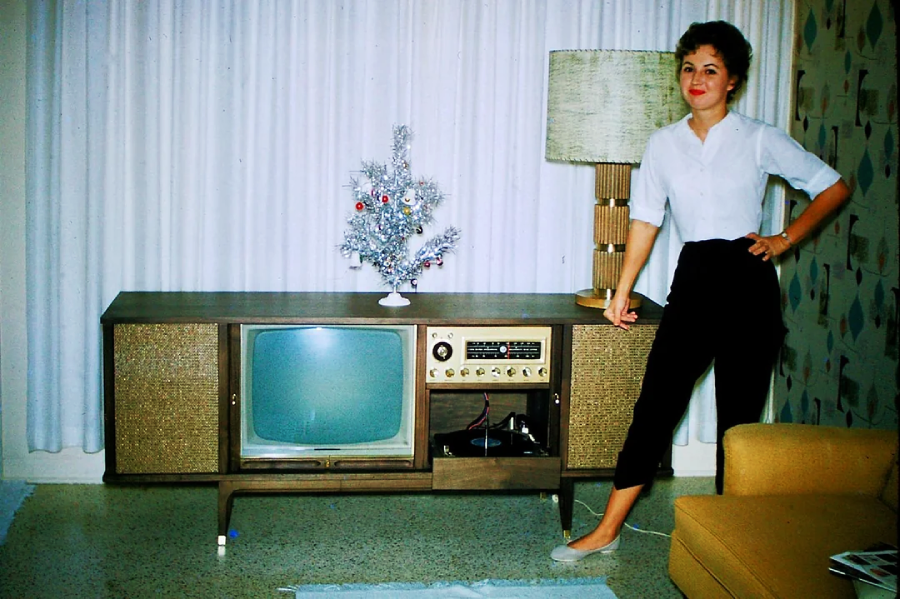
In the ’50s and ’60s, a TV wasn’t just an electronic device; it was a massive piece of furniture encased in a wooden cabinet. These units were so heavy that they were almost impossible to move, eventually serving as a very expensive “stand” for a newer, smaller TV once the tube inside finally blew out.
10. Tupperware – The party era
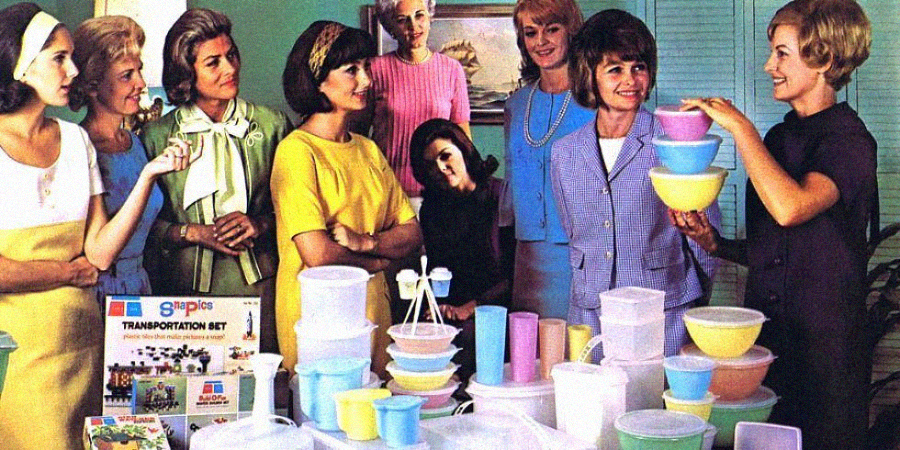
Burping the seal on a Tupperware lid is a sound that defined the mid-century kitchen. These colorful plastic containers revolutionized food storage and created a social phenomenon through “Tupperware Parties” held in living rooms across the country.
11. Bold patterned wallpaper
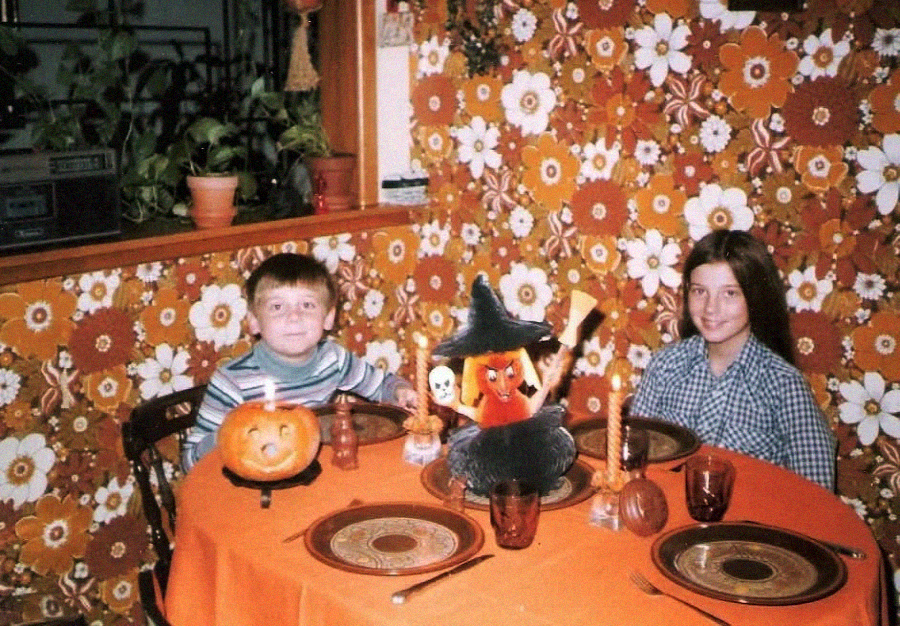
Before the era of “millennial gray,” walls were treated like a canvas for psychedelic florals and dizzying geometric shapes. In the ’60s and ’70s, almost every room had its own distinct personality, often featuring textured “flock” wallpaper that was literally fuzzy to the touch.
12. Asbestos floor tiles
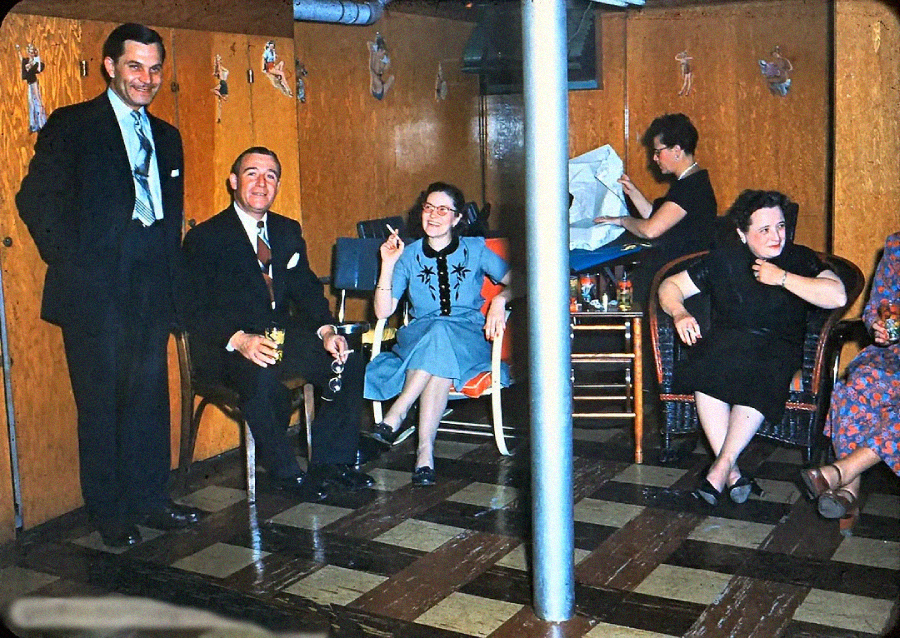
Most homeowners in the ’50s didn’t realize their durable 9×9 kitchen tiles contained asbestos; they just loved how easy they were to clean. These tiles were the gold standard for high-traffic areas, usually coming in “speckled” patterns designed to hide the dirt until the weekly Saturday scrub.
13. Formica countertops
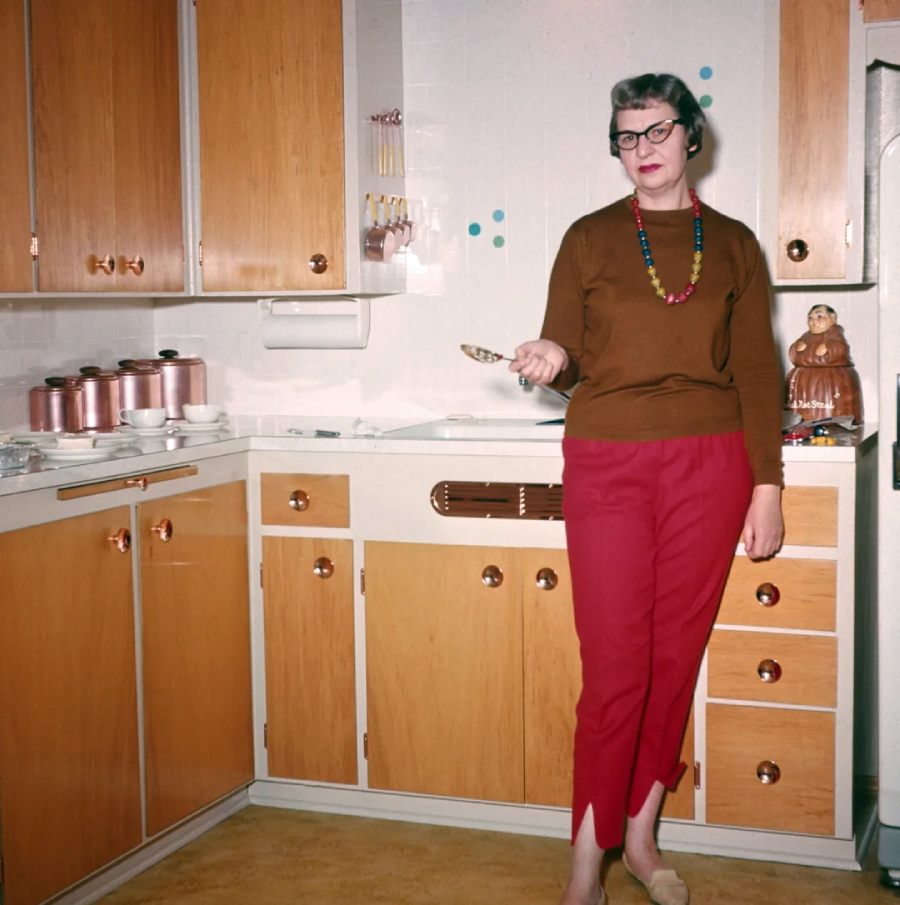
If you grew up in this era, your kitchen likely featured the indestructible, heat-resistant surface known as Formica. Often decorated with the iconic “boomerang” or “starburst” patterns, these countertops provided a bright, futuristic pop of color that defined the “Atomic Age” kitchen.
14. Lava lamps
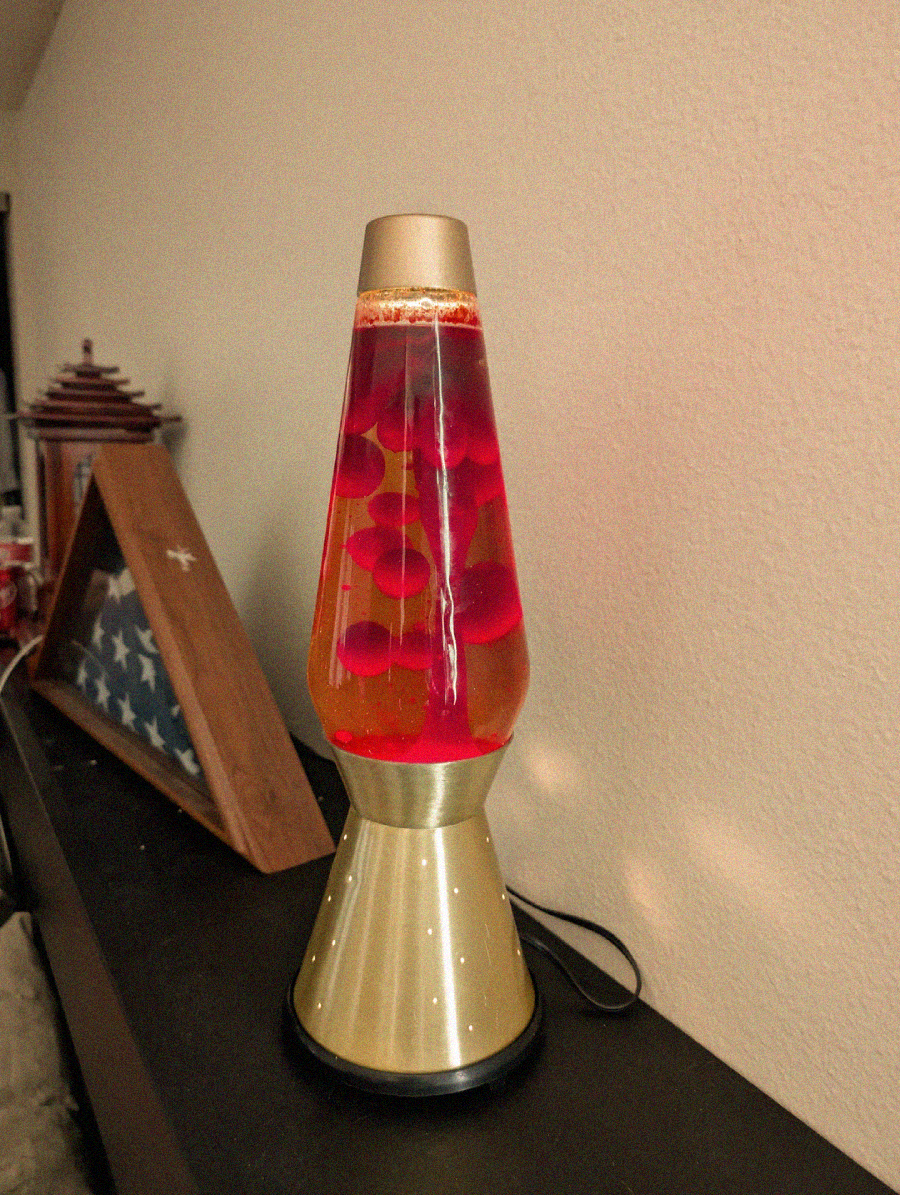
Nothing captured the groovy spirit of the late ’60s like the mesmerizing, slow-motion glow of a Lava Lamp sitting on a side table. They weren’t exactly great for reading, but they provided the perfect ambient lighting for listening to records and contemplating the universe.
15. Tufted headboards
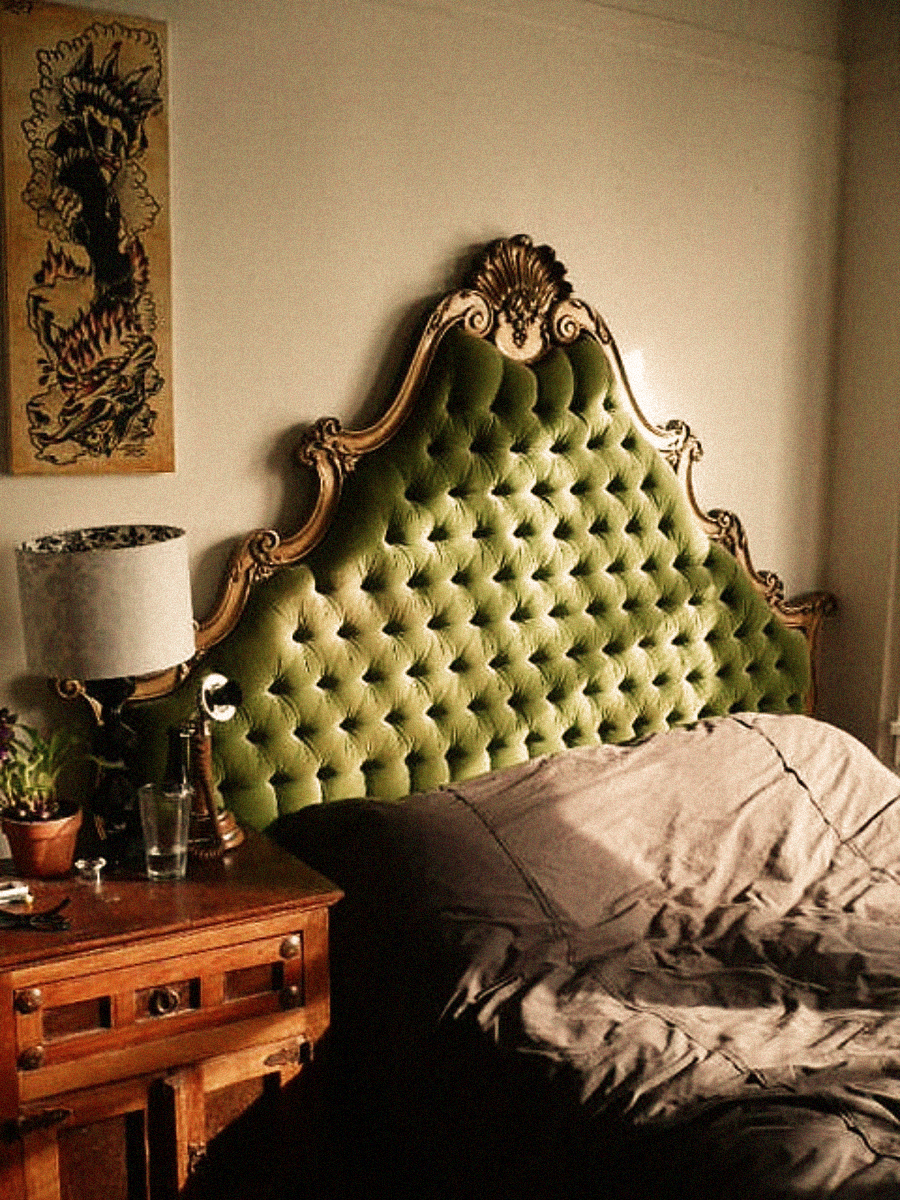
In the ’50s and ’60s, a master bedroom wasn’t complete without a plush, tufted headboard, usually in velvet or satin. These oversized pieces of furniture added a touch of Hollywood Regency glamour to suburban homes, making even a Sunday nap feel like a luxury experience.
16. Pyrex nesting bowls
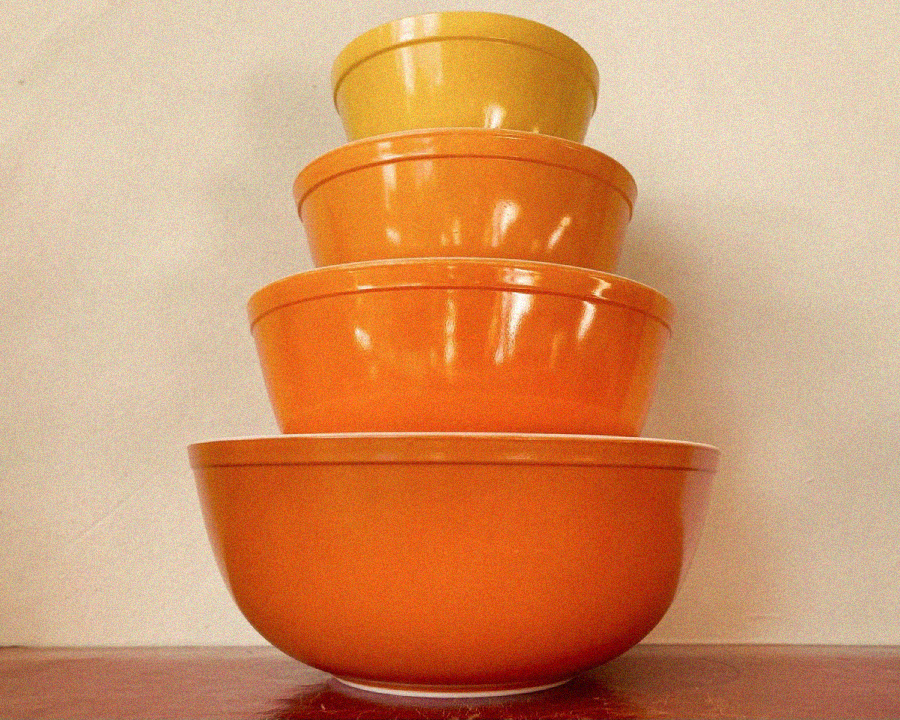
These colorful, heat-resistant glass bowls were the workhorses of the mid-century kitchen, often passed down from mothers to daughters. Whether they featured the “Primary Colors” or the “Gooseberry” pattern, they were used for everything from mixing cake batter to serving potato salad at the neighborhood potluck.
17. Macramé plant hangers
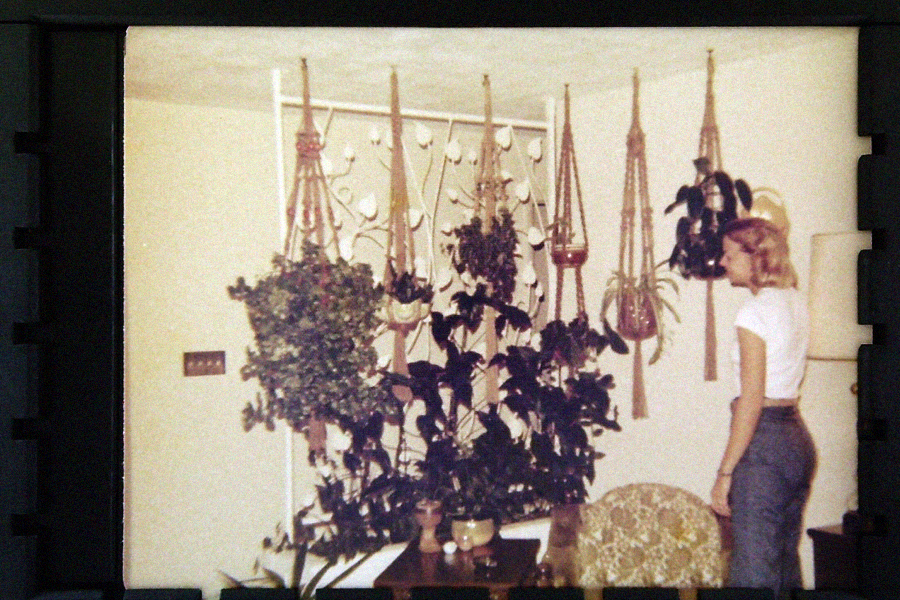
As the “indoor jungle” trend took over in the ’70s, homes became filled with intricate, hand-knotted macramé hangers dangling from the ceiling. Usually holding a hardy spider plant or a pothos, these earthy decorations were the ultimate DIY project for anyone looking to add a “bohemian” vibe to their living room.
18. Jell-O mold rings
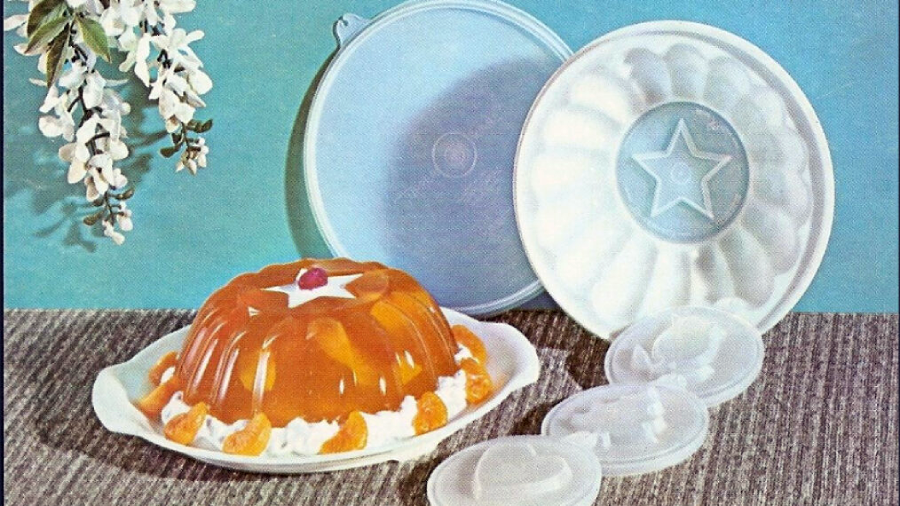
No dinner party was official without a shimmering, gravity-defying Jell-O salad molded into an intricate ring shape. While we might find the “savory” versions involving tuna or celery questionable today, these colorful centerpieces were considered the height of culinary sophistication at the time.
19. Record consoles
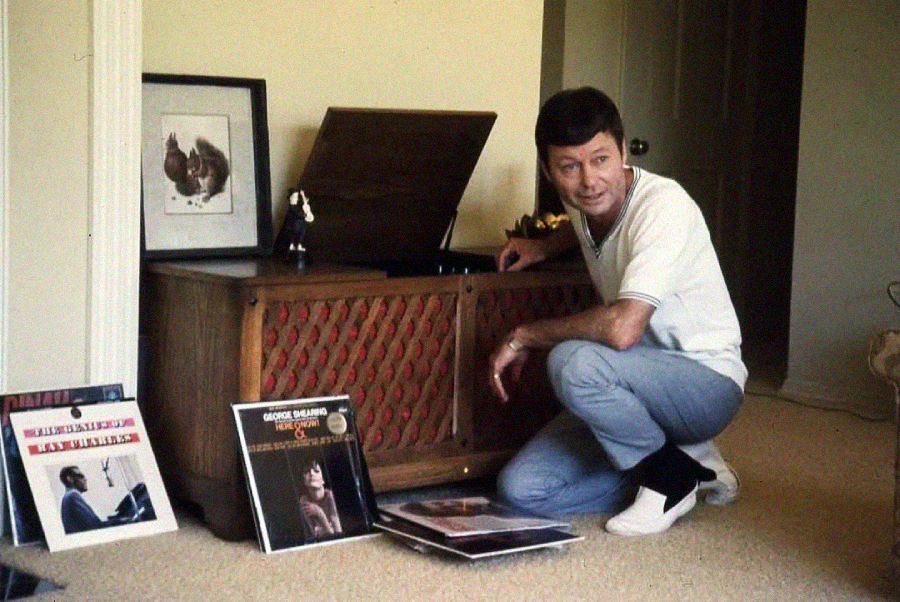
Long before Spotify, the family’s music collection lived inside a massive wooden cabinet that doubled as a sideboard. These record consoles featured built-in speakers and a turntable under a heavy lid, serving as a piece of furniture that anchored the entire living room layout.
20. Doilies on every surface
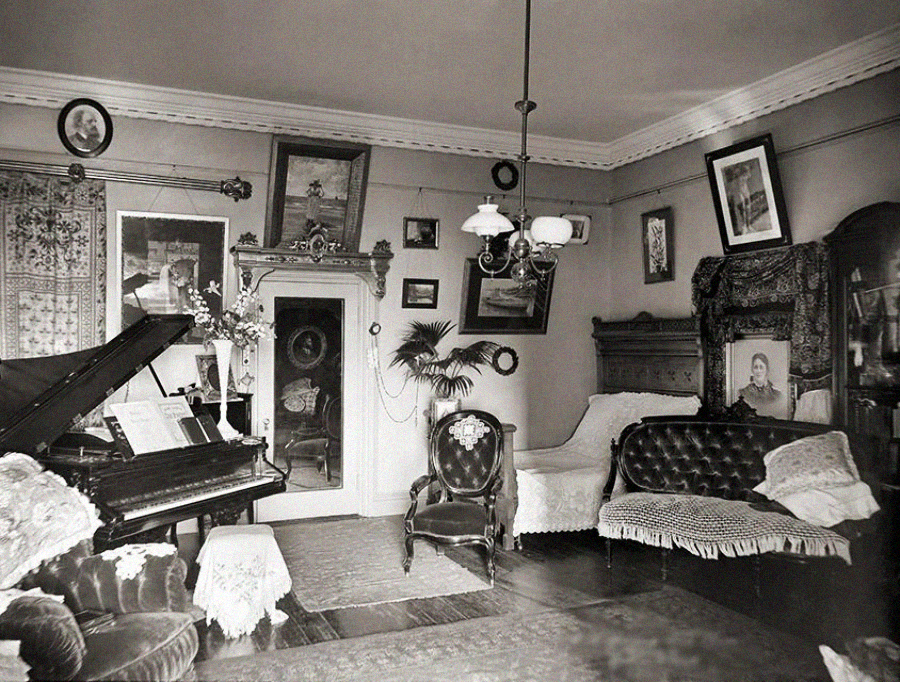
To protect that expensive wood furniture from scratches and dust, grandmothers everywhere placed lace doilies on every available surface. From the back of the sofa to the top of the console TV, these delicate, hand-crocheted accents were the invisible guardians of the mid-century home’s “good” furniture.
Explore more vintage content:
Looking back at these vintage homes is more than just a trip down memory lane; it’s a look at how our daily lives have been streamlined by modern tech. While we might have more “stuff” now, there was a tactile charm to the heavy wood and bright colors of the mid-century era that is hard to find in today’s minimalist designs. If you enjoyed this nostalgic journey, be sure to check out these 18 Vintage Photos That Show the Evolution of Swimwear, or these 20 Chores That Took Up an Entire Day Before Technology. You can also enjoy Everyday Life in 1971 Through Vintage Photos.