We often complain about our Wi-Fi being slow or the dishwasher taking too long, but a quick look back at history reveals that our ancestors lived in a world of constant physical labor. Before the digital age and the rise of smart appliances, simple household chores were full-day marathons that required muscle, patience, and a surprising amount of specialized knowledge. What we now accomplish with the push of a button once took a village… or at least an entire Saturday of back-breaking work.
Exploring the evolution of these daily tasks shows just how much technology has reshaped our “free time.” Many of these chores were so labor-intensive that they dictated the entire rhythm of the home, leaving little room for hobbies or relaxation. From the grueling process of heating water to the art of preserving food without a refrigerator, these vintage snapshots of domestic life remind us that “the good old days” were actually quite exhausting.
1. Doing the laundry

Before the electric washing machine, “Laundry Day” was a literal 24-hour event that involved hauling gallons of water from a well and heating it over a fire. Women would spend hours scrubbing clothes against corrugated washboards until their knuckles were raw and bleeding. Once cleaned, the heavy, wet fabric had to be manually cranked through a wringer and hung on lines, making a rainstorm the ultimate household disaster.
2. Harvesting ice
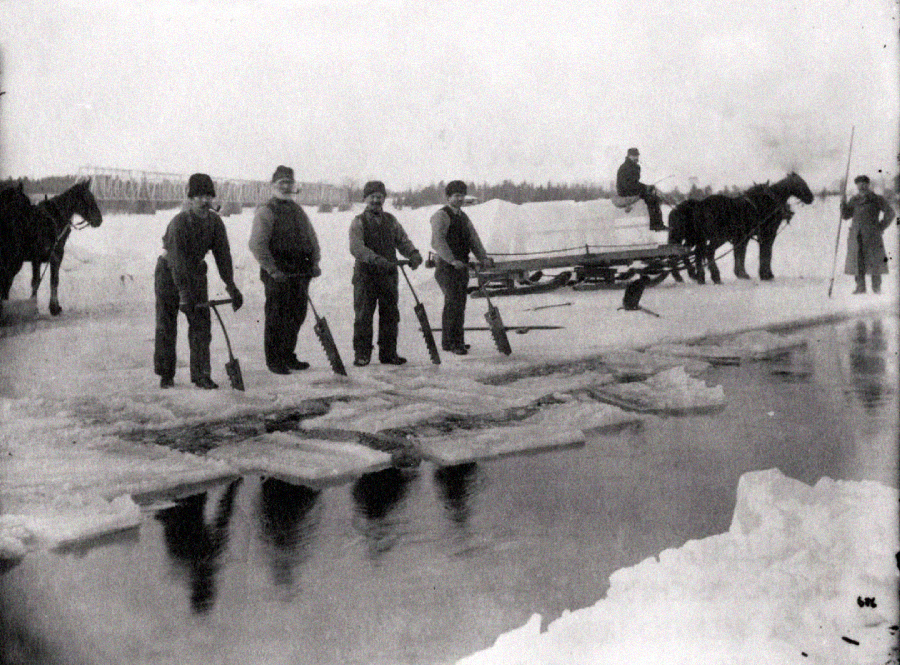
Before the luxury of an electric freezer, keeping food cold meant harvesting actual blocks of ice from frozen lakes during the winter. Men would use massive hand-saws to cut through feet of frozen water, hauling the heavy slabs to “ice houses” packed with sawdust for insulation. If you lived in a warmer climate, your “chore” was simply hoping the ice man arrived before your milk turned sour in the heat.
3. Beating the rug

Without the hum of a vacuum cleaner, dust was the ultimate enemy of a clean home. To get a carpet truly clean, it had to be dragged outside, draped over a heavy wooden line, and struck repeatedly with a wicker rug beater. This wasn’t just a quick task; it was a dusty, sweat-inducing workout that could take an entire afternoon just to finish the living room.
4. Grinding coffee beans

There was no “plug and play” espresso machine in the 1800s; if you wanted a morning cup, you had to work for it. Most households used small manual grinders that required a steady hand and significant arm strength to turn the crank until the beans were fine enough. It was a noisy, slow start to the day that certainly made that first sip feel much more earned than it does today.
5. Heating the bath

In the era before indoor plumbing and water heaters, a warm bath was a rare and precious luxury. It required carrying countless buckets of water to the stove, heating them in small batches, and pouring them into a copper tub. By the time the tub was full enough to sit in, the first few buckets had usually already started to cool down, making it a race against time.
Trending on The Scroller

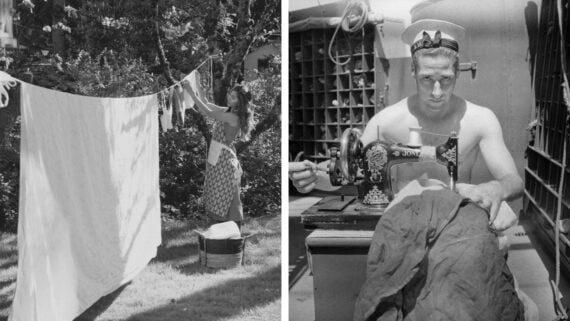
6. Ironing clothes

“Sad irons” weren’t called that because they were unhappy; they were “sad” because they were solid, heavy lumps of metal. You had to heat several of them on a roaring stove at once so you could swap them out as they cooled down. Handling these required thick pads to avoid burning your hands, and one wrong move could leave a permanent scorch mark on your best Sunday shirt.
7. Fetching water

The most basic necessity of life used to be the most repetitive chore on the list. Families without a nearby spring had to trek to a community well or pump several times a day to fill heavy wooden buckets. Every drop used for cooking, cleaning, or drinking had to be physically carried into the house, which naturally made people much more conservative with their water usage.
8. Baking bread

Before grocery stores stocked pre-sliced loaves, bread was a daily requirement that started before sunrise. The process involved hours of manual kneading, multiple rising periods, and managing a wood-fired oven that had no thermostat. Keeping the fire at a steady temperature was a high-stakes guessing game that could easily end in a charred mess or a raw center.
Sign up for our newsletter
9. Plucking poultry

Today, we buy chicken neatly wrapped in plastic, but historically, dinner started with the messy chore of plucking feathers. After the bird was prepared, it had to be dipped in boiling water to loosen the quills, followed by a tedious process of pulling every single feather by hand. It was a smelly, sticky task that most people were more than happy to leave behind once industrial processing arrived.
10. Whittling matches and kindling

Keeping the house warm wasn’t as simple as turning a dial on the wall; it started with the axe. Beyond just chopping logs, someone had to spend time finely whittling small shavings of wood to act as kindling for the morning fire. If the kindling was damp or poorly cut, the family faced a very cold morning, putting a lot of pressure on this “small” daily task.
11. Hand-churning butter

Before you could simply grab a stick of butter from the grocery store, enjoying a piece of toast required a massive physical commitment. The task involved pouring cream into a wooden churn and rhythmically plunging a wooden dowel up and down for what felt like an eternity. The process was so tedious that it was often assigned to children, who would end up with exhausted arms long before the fat finally separated into solid butter.
12. Manual lawn mowing (scythe)

Long before electric or gas-powered mowers, keeping a yard under control was a feat of sheer brute force and technique. Men used long-handled scythes that had to be swung with a precise hip motion to cut the grass evenly across the property. It was a dangerous job that required constantly sharpening the blade with a whetstone, turning basic yard maintenance into an all-day workout under the sun.
13. Sharpening tools

In an era where tools were expensive and meant to last a lifetime, maintaining the edge on axes and knives was a daily requirement. Households used large circular grindstones operated by a foot pedal, requiring perfect coordination between your leg rhythm and hand pressure. A single slip-up wouldn’t just ruin the tool; the sparks and physical strain made this one of the more hazardous “chores” in the domestic workshop.
14. Polishing silver with ash

Keeping the silverware sparkling was a major status symbol, but the process to achieve that shine was incredibly messy and primitive. Before modern chemical cleaners, people used a gritty mixture of fine wood ash and water to scrub each individual piece of cutlery. You had to buff the metal with cotton cloths for hours to remove the tarnish, leaving your hands blackened and your back aching from the hunched-over posture.
15. Scrubbing the floors on your knees

The long-handled mop is a relatively recent luxury in the history of the home. In the past, the only way to ensure a wood or stone floor was actually clean was to get down on your hands and knees with a bucket of soapy water and a stiff-bristle brush. It was a joint-destroying task that required constantly changing out heavy buckets of dirty water, making a full house cleaning a true test of physical endurance.
16. Mending every sock

In a world where clothing was a precious investment rather than “disposable” fast fashion, throwing away a sock because of a hole was unthinkable. Families spent their evenings huddled near an oil lamp using a “darning egg” to meticulously reconstruct damaged fabric thread by thread. This chore required excellent eyesight and infinite patience, as a poorly made stitch could cause painful blisters the very next time you went for a walk.
17. Emptying the chamber pot

Before the arrival of indoor plumbing and flush toilets, nighttime hygiene depended entirely on manual disposal. The first chore of the morning was usually collecting the “chamber pots” from under the beds and carrying them out to a cesspit or the back garden. It was a foul and thankless task that no one wanted to do, yet it was vital for maintaining a minimum of sanitation in a home where air circulation was already a struggle.
18. Peeling piles of potatoes
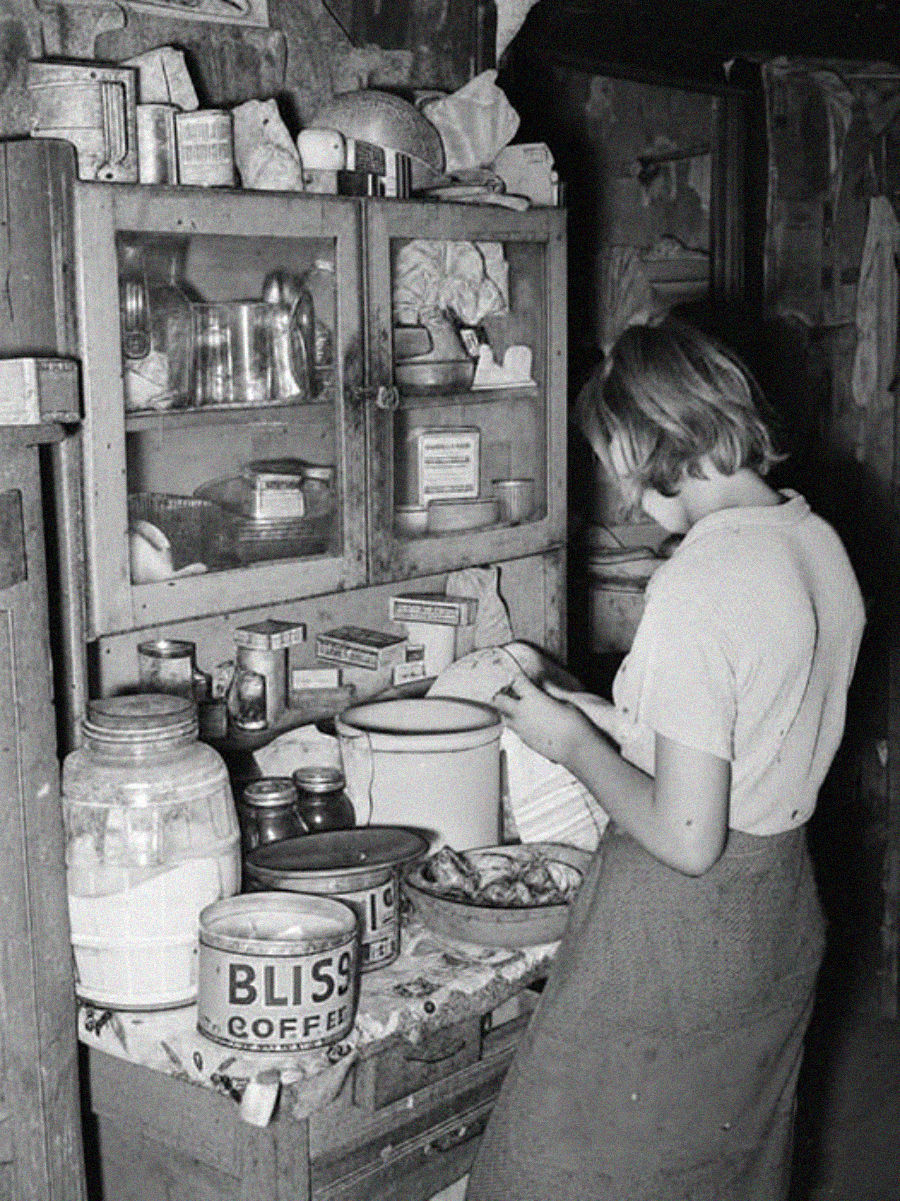
Without the help of ergonomic swivel peelers or pre-processed foods, preparing dinner for a large family started with a sack of dirt-covered tubers. People used simple metal knives that were often dull, making the process slow and incredibly prone to accidental nicks and cuts. Since potatoes were the caloric base of almost every meal, this was a daily ritual that consumed a disproportionate amount of time in the kitchen.
19. Making soap from scratch

Making soap was one of the most complex and dangerous household tasks because it involved handling caustic lye and boiling animal fat. The process started with filtering water through wood ashes and then mixing it with beef or pork tallow in giant iron pots over an open fire. You had to stir the mixture for hours until it reached the right consistency, all while avoiding chemical burns from the dangerous splashes.
20. Banking in person (before the apps)

Before the era of instant transfers and mobile apps, managing your money meant planning your entire day around “banker’s hours.” If you needed to deposit a paycheck or withdraw cash, you had to physically stand in a velvet-roped line and wait for a teller to manually verify your paper passbook. There were no ATMs for midnight emergencies, so if the bank closed at 4:00 PM on a Friday and you hadn’t made it through the door, you were officially out of luck until Monday morning.
Explore more historical content:
Looking back at these grueling chores serves as a powerful reminder of how technology has gifted us the most precious resource of all: time. These historical habits show that the “modern life” we often find stressful is actually a marvel of convenience. For more fascinating deep dives into how life used to be, check out these Wintertime Realities: How Cold Weather Once Ruled Daily Life, or these 18 Vintage Photos That Show the Evolution of Swimwear. You can also enjoy Everyday Life in 1969 in Vintage Photos.