Wintertime used to mean more than a coat and a thermostat. Cold got into the houses, the cars, and the daily plans. People adapted with practical routines that worked, even if they weren’t pretty.
They hauled, thawed, scraped, and patched. Families used tools you don’t see much anymore and tricks you only learn by living through it. These wintertime realities made people tougher because there was no other option.
1. Coal furnaces that needed lots of feeding
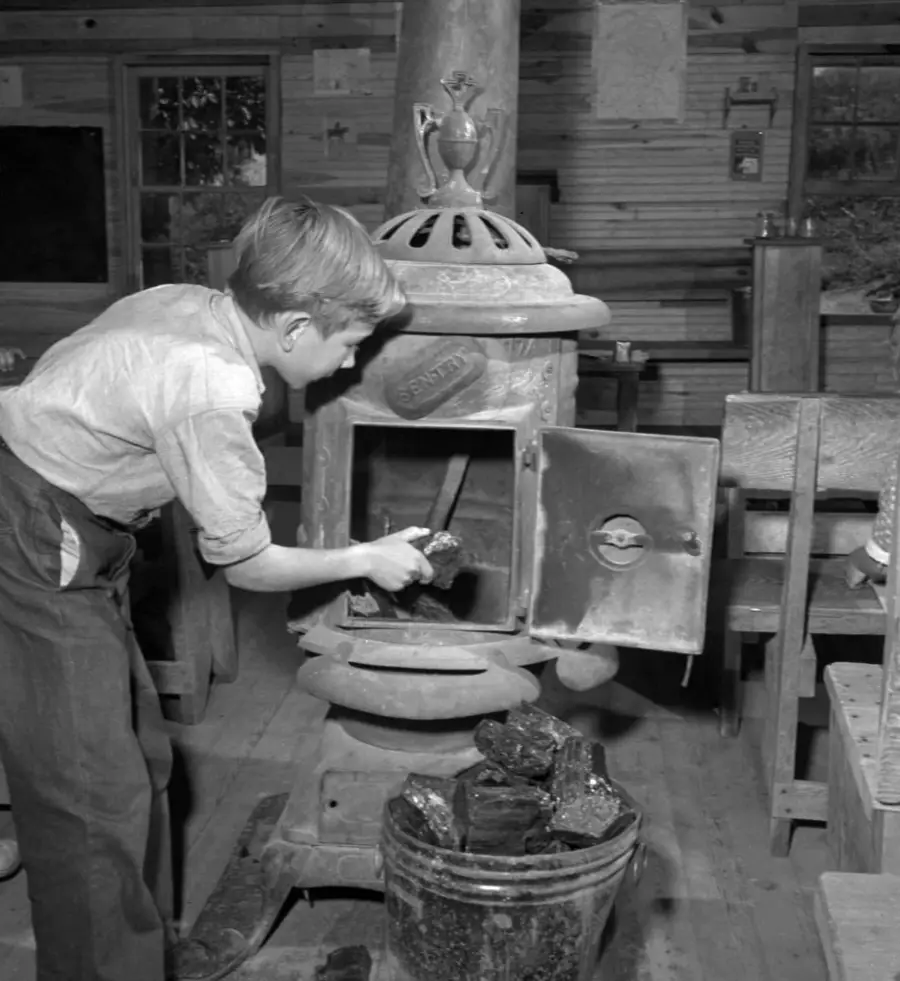
Many homes were heated with coal, not a set-and-forget dial. Someone shoveled fuel, shook the grates, and carried out heavy “clinkers.” If you missed a firing, the house cooled fast.
2. Water lines frozed solid

Uninsulated pipes iced over in a cold snap. People left faucets dripping, wrapped lines with rags, or crawled into crawlspaces with a hair dryer. A burst pipe meant hours with buckets and towels.
3. Outhouses and chamber pots on subzero nights

Indoor plumbing wasn’t a universal thing. Night trips meant boots, a coat, and a fast walk through crunching snow. Many kept a chamber pot under the bed rather than brave the wind.
4. Iceboxes and unheated pantries
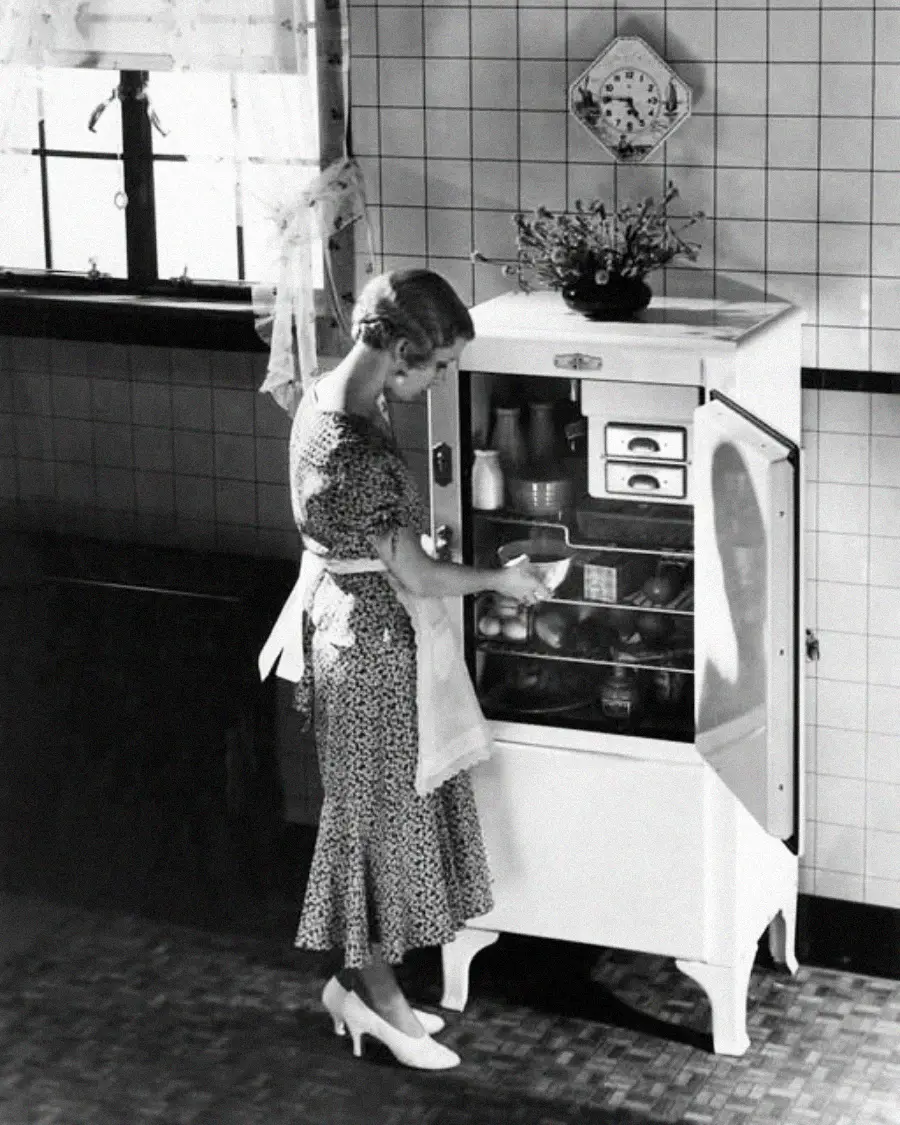
Before reliable fridges were invented, families used ice blocks or cold pantries to keep the food safe. Winter helped, but it also froze what you didn’t want frozen. Back then, you learned shelf placement the hard way.
5. Bed-warming with hot bricks or soapstone
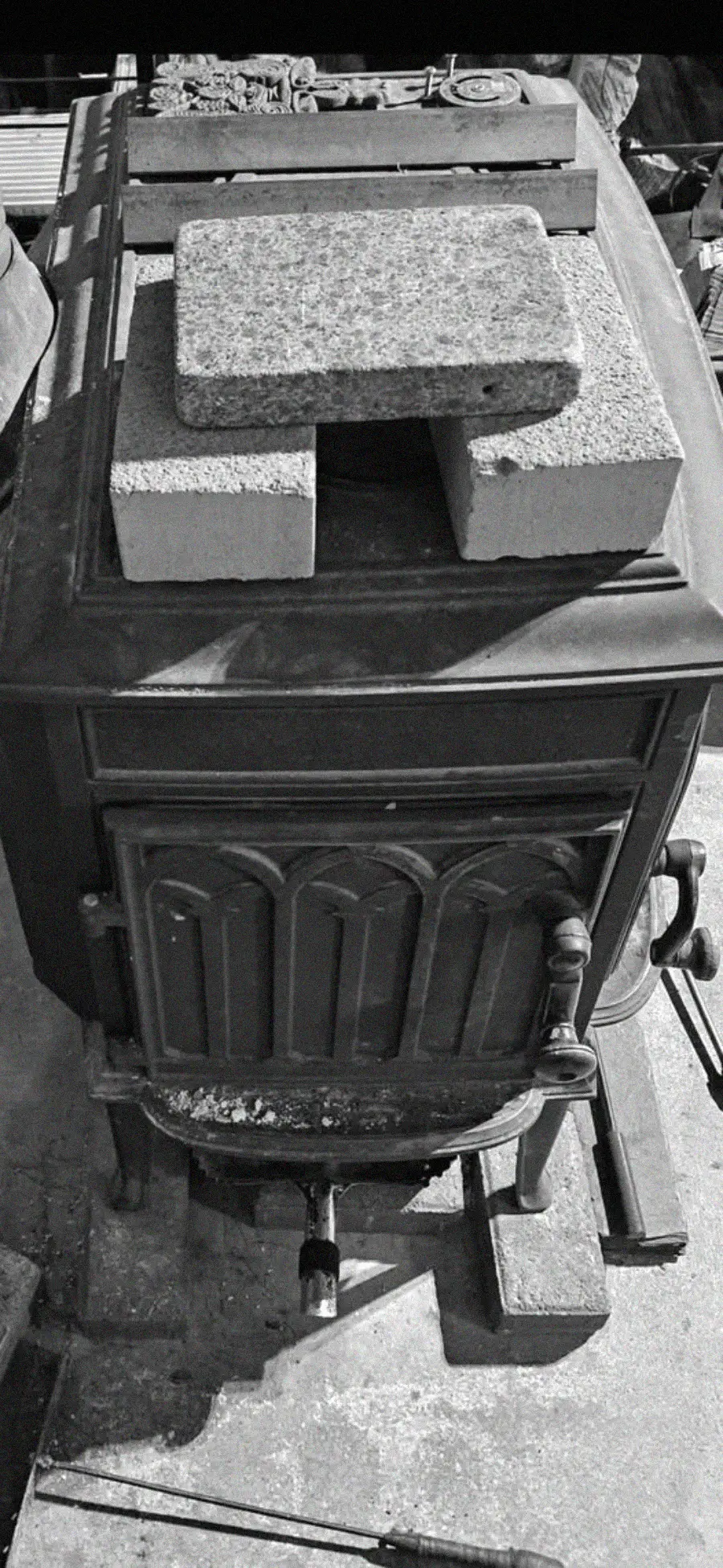
People set a brick by the stove, wrapped it in cloth, and slipped it under the quilt. It took the edge off crisp sheets long enough to fall asleep. Hot water bottles did the same job with fewer sparks.
Trending on The Scroller

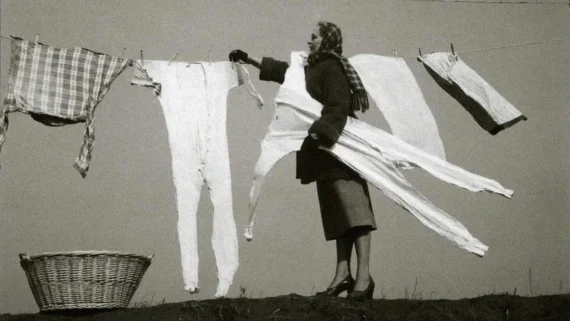
6. Laundry froze on the line

Freshly washed shirts turned stiff in minutes outdoors. Many finished drying on racks by the stove, crowding the room with steam. Mondays used to smell like soap and winter air.
7. Frost on the inside of the windows

Single-pane glass let the heat leak out and moisture freeze in. Mornings began with a sleeve or scraper clearing the glitter. You could see your breath at the sink.
8. Cars that hated cold starts

Carburetors flooded, batteries sulked, and oil moved like syrup. People used block heaters, battery blankets, and a careful touch on the choke. Push-starts were a neighborhood sport.
Sign up for our newsletter
9. Sandbags and studded tires for traction

Before modern all-season rubber, drivers added sandbags to the trunk for weight. Studded tires or chains bit into ice on back roads. A coffee can of sand lived in the car for slick driveways.
10. Roof rakes and ice-dam duty
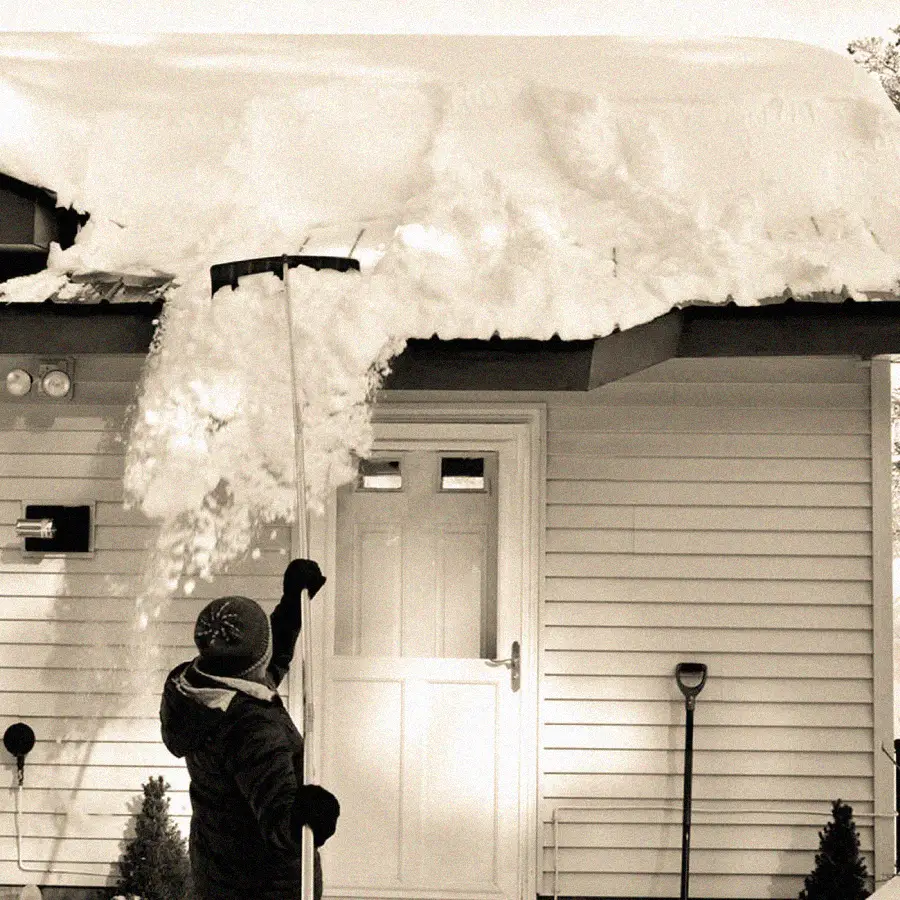
Heavy snow built dams that sent meltwater under the shingles. Homeowners raked the eaves to the ground and chipped the channels for runoff. Skipped a day, and you had to mop a ceiling.
11. Long, cold walks to school

Snow days were rare, buses were fewer, and boots were not always great. Kids wore galoshes over shoes and learned where drifts swallowed sidewalks. Teachers marked tardy, not canceled.
12. Kerosene lamps when the power quit

Storms knocked lines down for hours or days. Lamps came out, wicks got trimmed, and the stove did double duty for heat and soup. Card games and stories carried the evening.
13. Rural winters that isolated whole roads

Plows didn’t reach every lane quickly. Neighbors checked on one another with sleds and pickup beds, trading firewood, bread, and news. A friendly farm dog was part courier, part morale.
Explore more vintage content:
Those wintertime routines weren’t nostalgic; they were necessary. If this run-through of cold-weather grit hit home, keep scrolling through these 20 Vintage Photos of Working-Class Life in the 1930s, or these 20 Common Family Traditions From the ’50s That Feel Totally Foreign Today. You may also like these 20 Colorized Photos from the First Five Years of the 20th Century (1900–1904).