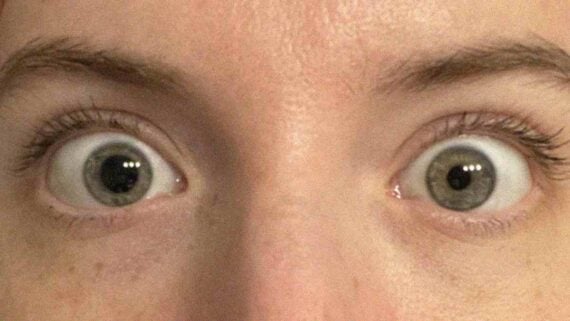
Let’s take a closer look at these bodily functions that humans simply can’t fully control. The human body is far more complex than most people realize, constantly performing millions of automatic processes every single second without asking for permission first. Many of these reactions can feel strange, embarrassing, or even frightening, especially when they happen unexpectedly, but science has shown that most of them are actually signs of an incredibly sophisticated survival mechanism at work.
Every day, people experience bodily functions they cannot stop no matter how disciplined or self-aware they are. Medicine explains that many of these actions are controlled by the autonomic nervous system, the part of the body responsible for essential operations like heart rate, digestion, temperature regulation, and reflex responses. Scientists have spent decades studying why these automatic reactions exist, and many of the answers reveal just how intelligent the human body truly is. Understanding these processes can make even the weirdest body reactions feel a little less mysterious and a lot more fascinating.
1. Sneezing

Sneezing is one of the body’s fastest defense mechanisms, designed to remove irritants from the nose before they can reach the lungs. Scientists explain that when dust, allergens, viruses, or strong smells stimulate nerve endings inside the nasal cavity, the brain instantly triggers a powerful reflex involving the chest, throat, eyes, and lungs. The burst of air released during a sneeze can travel at extremely high speeds, making it difficult or even dangerous to suppress completely. Medical researchers say the sneeze reflex is controlled by the brainstem, meaning it bypasses conscious decision-making almost entirely.
2. Hiccups

Hiccups occur when the diaphragm suddenly contracts without warning, forcing air upward while the vocal cords snap shut. Doctors describe hiccups as an involuntary spasm that often appears after eating too quickly, drinking carbonated beverages, or swallowing excess air. Although most hiccups disappear within minutes, scientists still debate why humans developed this reflex in the first place. One major theory suggests hiccups may be an ancient evolutionary leftover connected to primitive breathing systems in early vertebrates.
3. Blushing

Blushing is one of the few bodily functions directly linked to human emotions that cannot be voluntarily controlled. When people feel embarrassed, nervous, or socially exposed, the sympathetic nervous system causes blood vessels in the face to widen suddenly. This increases blood flow to the skin, creating the familiar red appearance associated with embarrassment. Psychologists say blushing is deeply connected to social behavior and may have evolved as a way to communicate sincerity or emotional awareness to others.
4. Goosebumps

Goosebumps happen when tiny muscles attached to hair follicles contract automatically, causing hairs to stand upright. This reflex is triggered by cold temperatures, fear, excitement, or powerful emotional experiences like music. Scientists explain that goosebumps are controlled by the autonomic nervous system and originated as a survival adaptation in mammals. In furry animals, raised hair traps heat and makes the body appear larger to predators. Humans retained the reflex even though body hair became much thinner over time.
5. Yawning

Yawning may seem simple, but scientists still consider it one of the body’s most mysterious involuntary behaviors. A yawn involves deep inhalation, stretching of facial muscles, and increased blood flow around the brain. Researchers believe yawning may help regulate brain temperature and maintain alertness when people feel tired or bored. One of the strangest discoveries about yawning is how contagious it can be. Studies show that seeing, hearing, or even reading about yawning can activate the same reflex in others. Neuroscientists suspect this contagious response may be linked to empathy and social bonding.
Trending on The Scroller


6. Shivering

Shivering is the body’s emergency heating system. When body temperature drops, the brain automatically orders muscles to contract rapidly in short bursts, generating heat through movement. These involuntary contractions can significantly increase heat production in an attempt to protect vital organs from cold damage. Medical experts explain that shivering is coordinated by the hypothalamus, the brain’s temperature-control center. People cannot simply decide to stop shivering because the process is designed to override comfort in favor of survival.
7. Crying

Although humans can choose to cry intentionally, emotional tears themselves are often impossible to stop once strong feelings take over. Neurologists explain that crying involves coordination between emotional centers in the brain, tear glands, facial muscles, and breathing patterns. Emotional tears contain higher levels of stress-related hormones and proteins, leading some researchers to believe crying may help regulate emotional balance. Studies also suggest crying can activate calming mechanisms in the nervous system after intense emotional experiences.
8. Sweating

Sweating is essential for survival because it prevents the body from overheating. The autonomic nervous system activates sweat glands whenever body temperature rises, whether from exercise, heat, stress, or anxiety. As sweat evaporates from the skin, it cools the body naturally. Researchers say humans possess millions of sweat glands, making us unusually efficient at temperature regulation compared to many animals.
Sign up for our newsletter
9. Muscle Twitches

Sudden muscle twitches, also called fasciculations, happen when groups of muscle fibers contract involuntarily. Doctors say these movements are usually harmless and commonly linked to fatigue, stress, caffeine, lack of sleep, or overworked nerves. Eyelid twitching is one of the most frequent examples. Neurological research shows that muscles can sometimes fire spontaneously because nerves remain electrically active even when the body is resting. Although occasional twitching is normal, persistent or widespread spasms can sometimes indicate nerve disorders or mineral imbalances.
10. Heartbeat
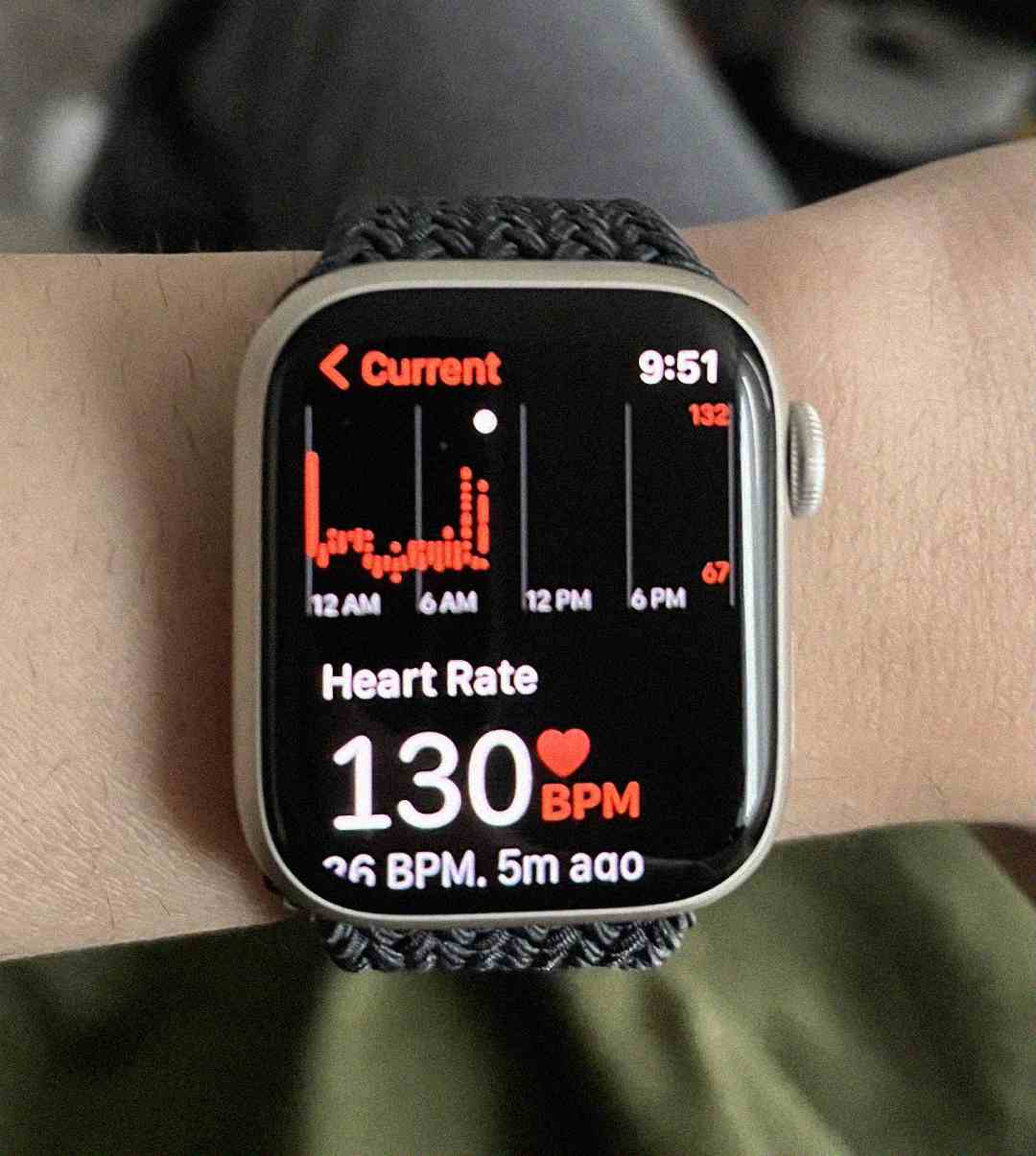
People can influence heart rate slightly through breathing or relaxation techniques, but the heartbeat itself operates independently from conscious control. The heart contains specialized pacemaker cells that generate electrical impulses automatically, allowing it to continue beating even without direct brain commands. Cardiologists explain that the autonomic nervous system constantly adjusts heart rate based on oxygen levels, activity, stress, and emotions. Fear or excitement can rapidly accelerate the heartbeat because adrenaline signals the body to prepare for action. This automatic regulation is so precise that the heart can adapt to changing conditions within seconds.
11. Digestion

Digestion continues working around the clock regardless of whether people actively think about it. Once food enters the digestive tract, muscles automatically contract in wave-like motions called peristalsis, pushing food through the stomach and intestines without conscious effort. Scientists often refer to the digestive system as the “second brain” because it contains an enormous network of neurons known as the enteric nervous system. This system can independently coordinate digestion, enzyme release, and nutrient absorption.
12. Pupil Dilation
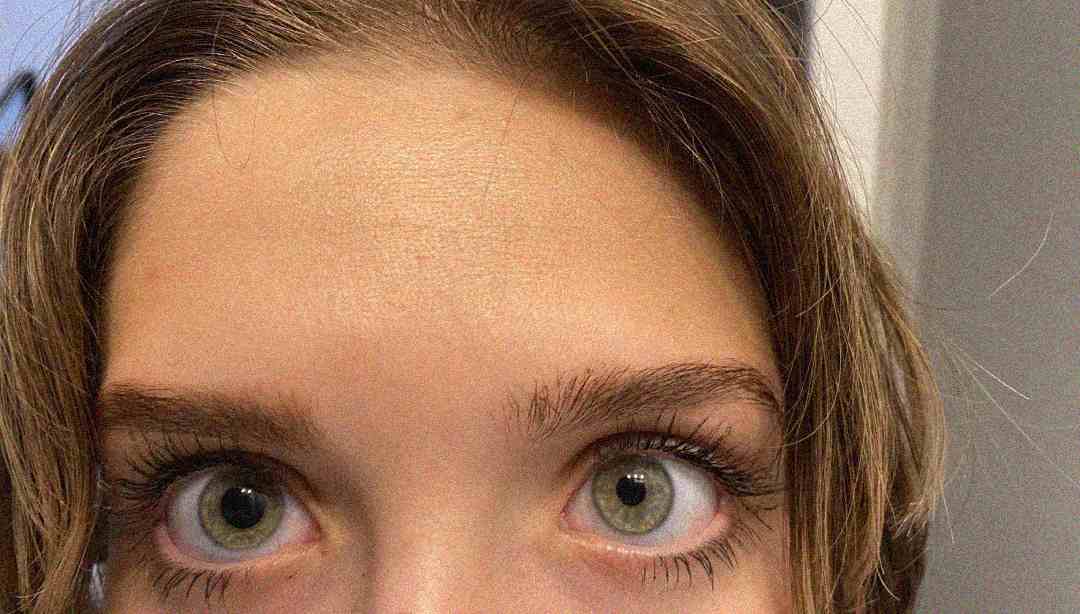
The pupils constantly expand and contract automatically in response to light levels, emotions, and mental activity. Bright environments trigger the pupils to shrink for protection, while darkness causes them to widen to improve vision. These adjustments happen within fractions of a second. Studies have shown that pupils may unconsciously dilate when people look at something they find emotionally stimulating or intellectually interesting, revealing reactions the mind cannot easily hide.
13. Reflexes

Reflexes are rapid automatic reactions designed to protect the body from harm before conscious thought can interfere. When a doctor taps the knee and the leg kicks forward, sensory nerves send signals directly through the spinal cord instead of waiting for the brain to process the situation. Medical researchers say this shortcut dramatically speeds up reaction time during dangerous situations.
14. Breathing During Sleep

People can consciously control breathing for short periods, but once asleep, breathing becomes fully automatic. The brainstem continuously monitors oxygen and carbon dioxide levels, adjusting breathing patterns without waking the person. Sleep researchers explain that this automatic control is essential because humans would not survive if breathing required constant attention. Disorders like sleep apnea reveal how delicate this system can be, as interruptions in breathing force the brain to repeatedly restart normal respiration during sleep.
15. Stomach Growling

Stomach growling, medically known as borborygmus, happens when muscles in the stomach and intestines contract to move food, liquid, and gas through the digestive tract. These movements create vibrations and hollow sounds that can become surprisingly loud, especially when the stomach is empty. Although many people associate growling with hunger, doctors explain that the noises can occur at any time during digestion.
The human body never stops surprising us, and learning more about bodily functions reminds us just how complex and intelligent our systems truly are. Keep reading for more fascinating content about the strange and incredible ways the human body works.
Even the bodily functions we cannot control have important purposes connected to survival, protection, communication, and balance. What may seem random or embarrassing often turns out to be part of an advanced biological system developed over millions of years. Our bodies are extraordinary machines, and although losing control over certain reactions can feel uncomfortable, understanding the science behind them makes them far less mysterious and much more impressive.
Did you enjoy this article? We have plenty more fascinating content waiting for you. Explore more strange facts, unbelievable science, and amazing human body discoveries in our latest articles: 20 Fascinating Facts About Humans That Defy Logic, 15 Scientific Explanations for Things Our Body Does That We Never Thought to Question, and 15 Strange Facts About the Human Body That Sound Like Pure Science Fiction.