

For generations, we have dismissed many of our grandmothers’ warnings as nothing more than superstitious folklore or strange myths designed to keep children in line. These tales were often treated as relics of a pre-scientific age, whispered in kitchens and passed down through oral tradition without a shred of hard evidence to back them up. However, as modern medicine and chemistry continue to evolve, researchers are discovering that many of these ancient remedies and observations were rooted in a deep, intuitive understanding of the natural world that science is only now beginning to quantify.
It turns out that the women who curated these tales centuries ago were essentially the world’s first observational scientists, noticing patterns in health and nature long before we had microscopes to explain them. From the power of a specific soup to the way our bodies react to the weather, what once seemed like magic is often just complex biology at work. Exploring the reality behind these legends is a humbling reminder that sometimes, the best medical advice doesn’t come from a textbook, but from a tradition that has survived the test of time.
1. Chicken soup actually fights a cold

Grandmothers have been prescribing chicken soup for centuries, and it turns out they were right all along. A famous study by the University of Nebraska found that chicken soup has anti-inflammatory properties that inhibit neutrophil migration, the white blood cells that cause those miserable cold symptoms. The combination of warm broth, vegetables, and chicken actually helps reduce inflammation in the upper respiratory tract. It’s not just a comfort food; it is a scientifically backed liquid medicine that helps your body clear out a virus faster.
2. A red sky at night is a sailor’s delight

This weather-based tale has been used for millennia to predict the following day’s conditions, and it is rooted in the physics of light scattering. When the sun is low in the west, its light travels through a high concentration of dust and smoke particles, which usually indicates a high-pressure system, meaning stable, clear weather is coming. Conversely, a red sky in the morning suggests that the high-pressure system has already moved east, making way for a low-pressure system and rain. This is a rare case where a simple rhyme is actually a masterclass in atmospheric meteorology.
3. Cranberry juice helps prevent urinary infections
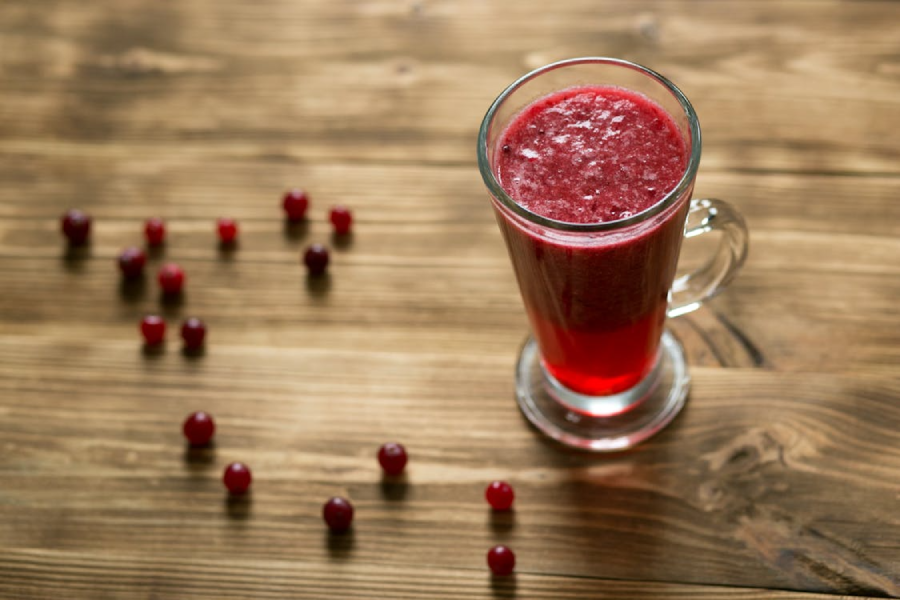
For a long time, doctors debated whether cranberries actually did anything, but recent studies have confirmed their preventative power. These berries contain specific compounds called proanthocyanidins that prevent bacteria from sticking to the walls of the bladder. Instead of the bacteria setting up shop and causing an infection, they are simply flushed out of the system naturally. While it won’t cure a full-blown infection, drinking it as a preventative measure is one of the most effective old wives’ tales in modern urology.
4. An apple a day keeps the doctor away

While it might sound like a simple marketing slogan from the 1800s, apples are genuine nutritional powerhouses. Research from the University of Reading showed that eating two apples a day can significantly lower bad cholesterol and improve heart health due to their high fiber and polyphenol content. The ursolic acid found in the skin has also been linked to muscle growth and weight management in various clinical trials. It turns out that the simplicity of this advice was hiding a complex array of life-extending benefits.
5. Honey is better for a cough than syrup
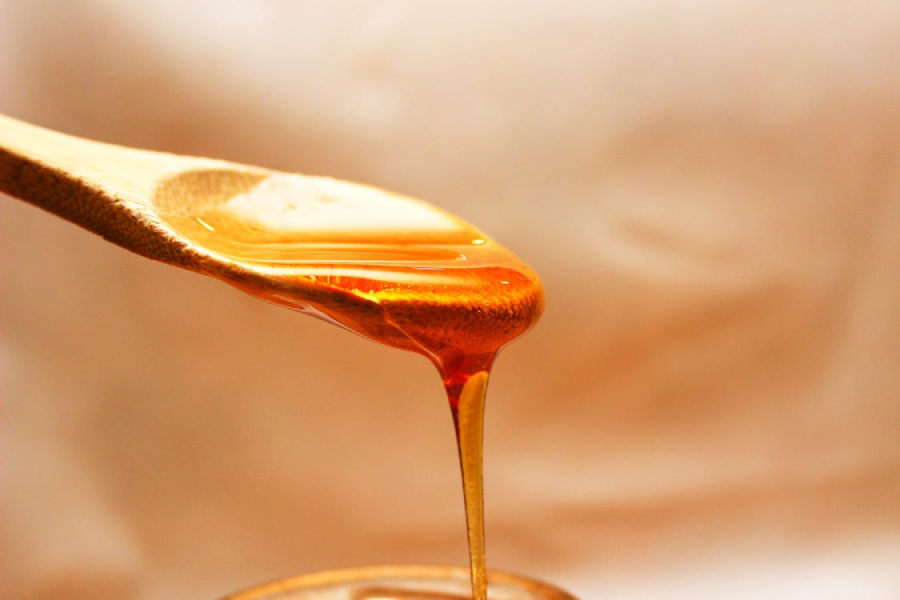
Before the invention of modern cough suppressants, honey was the primary treatment for a sore throat, and science now confirms it works better than many over-the-counter drugs. A study published in the journal Pediatrics found that a single dose of honey was more effective at reducing nighttime coughing and improving sleep than dextromethorphan. Honey is a natural demulcent, meaning it forms a protective film over the throat to soothe irritation. Additionally, its antimicrobial properties help fight the underlying infection while it calms the reflex.
Trending on The Scroller


6. Heartburn during pregnancy means a hairy baby

This was long considered one of the most ridiculous tales told to expectant mothers, but researchers at Johns Hopkins University were shocked to find a correlation. The study found that higher levels of the hormones that cause hair growth in a fetus also relax the esophageal sphincter in the mother, leading to severe acid reflux. In their sample, 82% of women with severe heartburn gave birth to babies with a full head of hair. It is a bizarre biological link where the baby’s development directly dictates the mother’s physical discomfort.
7. Oatmeal soothes itchy skin
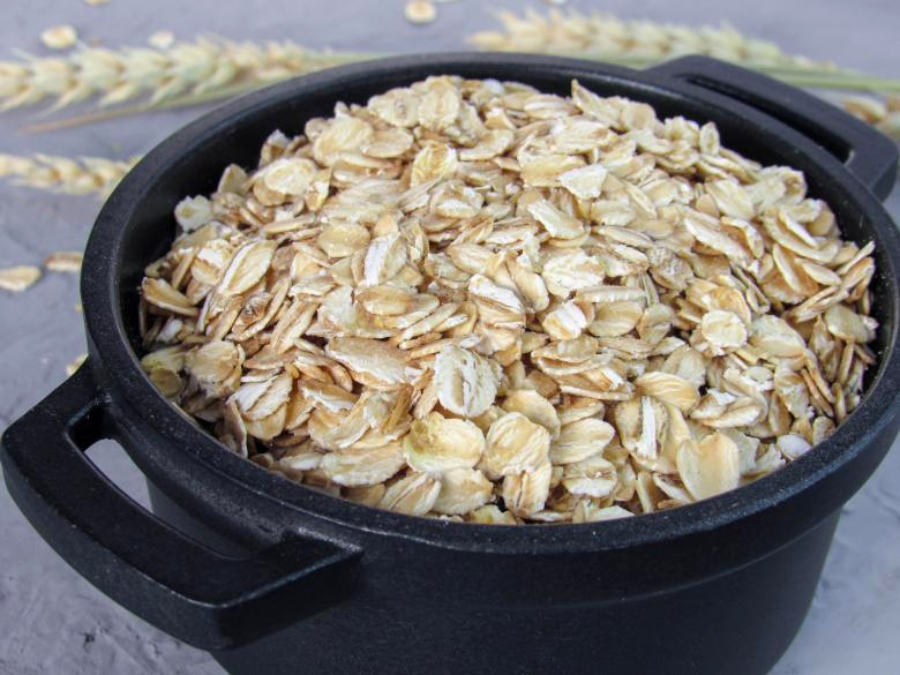
If you had chickenpox or a bad rash as a kid, your parents likely threw you into a tub of oatmeal, and they were using a powerful anti-inflammatory tool. Oats contain compounds called avenanthramides, which are potent antioxidants that specifically reduce skin redness and irritation. When finely ground into a colloidal form, the oats create a protective barrier on the skin that locks in moisture while calming the immune response. It remains one of the few ancient skin treatments that is still recommended by dermatologists today.
8. Full moons affect our sleep patterns
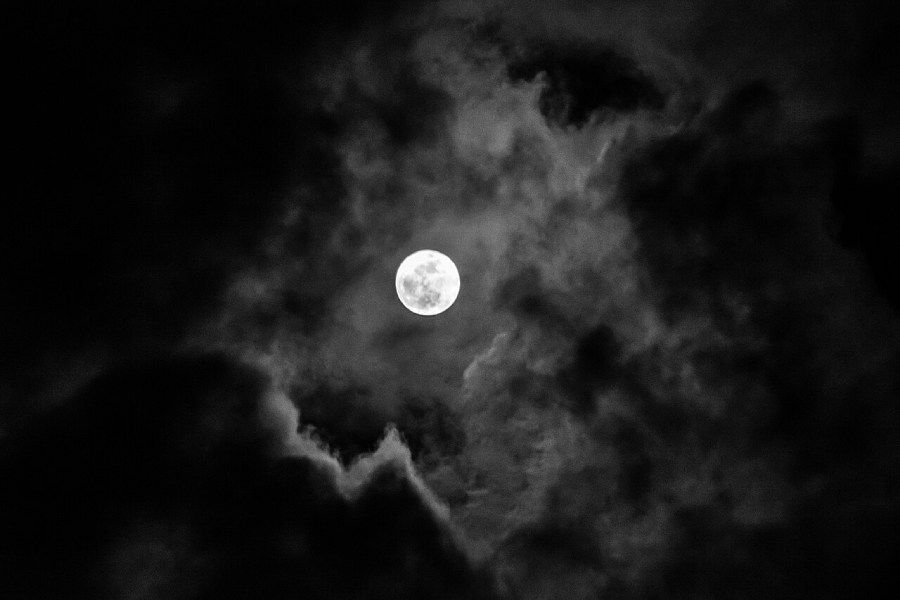
People have claimed for centuries that they feel different or sleep poorly during a full moon, and science has finally validated this lunacy. A study in Current Biology monitored volunteers in a sleep lab and found that around the full moon, brain activity related to deep sleep dropped by 30%. Participants also took longer to fall asleep and reported feeling more tired the next day, despite not knowing the moon’s phase during the experiment. It seems our internal circadian rhythms are still tethered to the lunar cycle in ways we don’t fully understand.
Sign up for our newsletter
9. Cheese can help you dream more vividly

While the “cheese gives you nightmares” myth is a bit of an exaggeration, it does have a chemical effect on your dreams. A study by the British Cheese Board found that 75% of participants who ate Stilton cheese before bed experienced strange, vivid dreams. This is likely due to the presence of tryptamine and other compounds in aged cheese that affect the production of serotonin and melatonin. Depending on the type of cheese you eat, your brain might just serve up a much more theatrical experience during REM sleep.
10. Garlic is a natural antibiotic
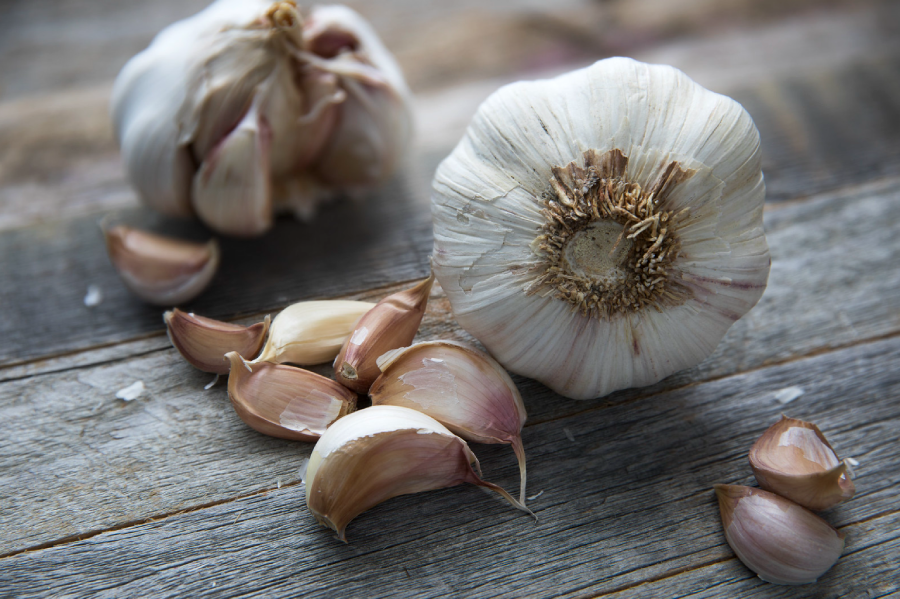
Long before we had penicillin, garlic was used to treat wounds and infections, and its magic comes from a compound called allicin. When garlic is crushed or chewed, it releases this powerful antimicrobial agent that has been proven to kill various types of bacteria and fungi. In some laboratory tests, allicin has shown to be effective even against antibiotic-resistant strains of bacteria. While it’s not a replacement for modern medicine in an emergency, its reputation as a shield against illness is scientifically well-founded.
11. Chewing mint helps with indigestion
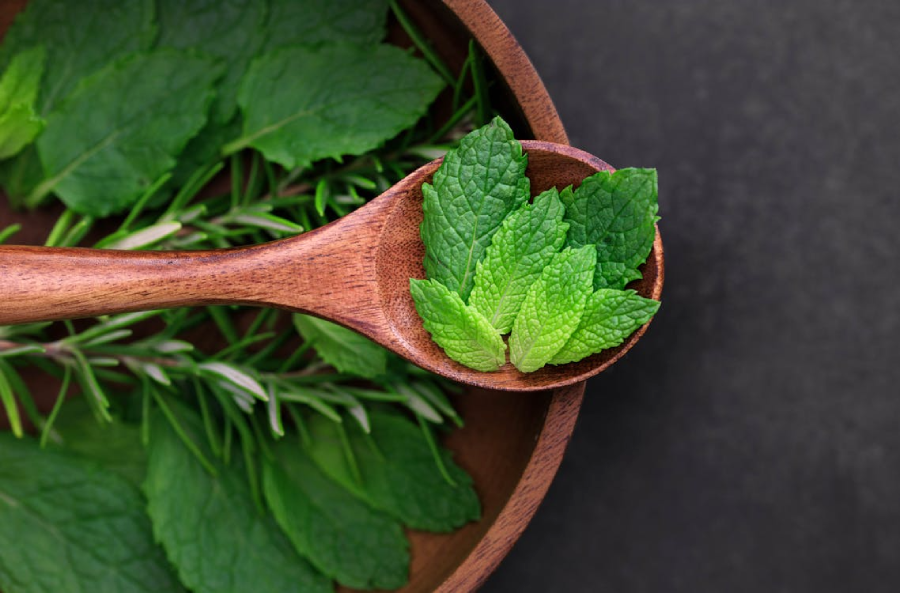
The tradition of an after-dinner mint isn’t just for fresh breath; it’s a functional digestive aid used for thousands of years. Peppermint oil has been clinically proven to relax the muscles of the digestive tract, allowing gas to pass more easily and reducing cramping. It is so effective that it is now a primary ingredient in medical treatments for Irritable Bowel Syndrome (IBS). However, grandmothers also knew that you shouldn’t use it if you have reflux, as it can relax the valve that keeps stomach acid down.
12. Wet weather can make your joints ache

Many elderly people claim they can “feel a storm coming” in their knees or hips, and atmospheric science actually supports this. When a storm approaches, the barometric pressure drops, which causes the tissues in the body to expand slightly. In an already inflamed or arthritic joint, this microscopic expansion puts extra pressure on the nerves, resulting in a noticeable spike in pain. It isn’t the rain that causes the ache, but the shift in air pressure that precedes the clouds.
13. Walnuts are good for brain health
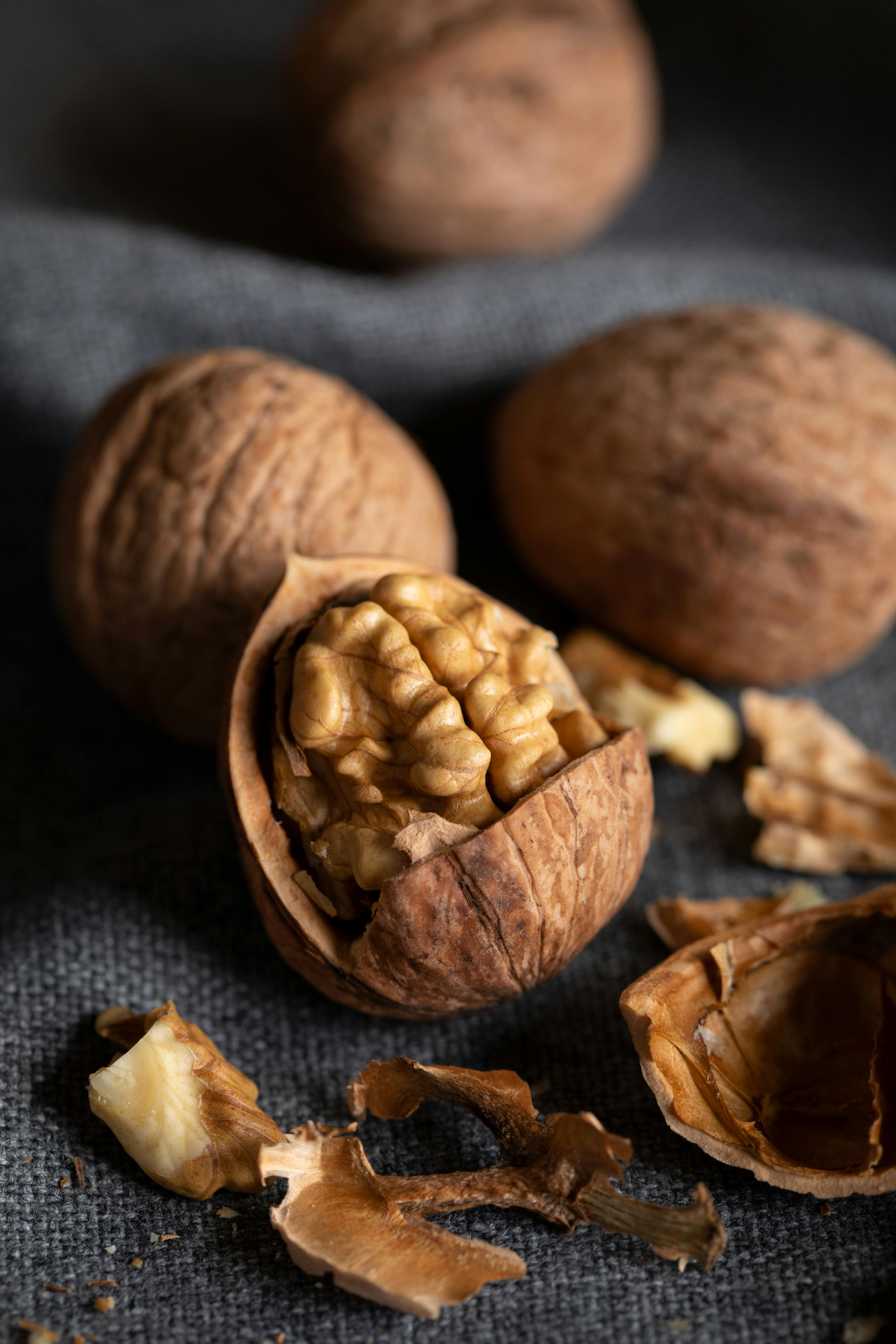
The old doctrine of signatures suggested that since a walnut looks like a tiny brain, it must be good for your head. While that logic is faulty, the conclusion was remarkably accurate. Walnuts are rich in omega-3 fatty acids, polyphenols, and vitamin E, all of which have been shown to improve cognitive function and reduce neuroinflammation. Studies have even linked regular walnut consumption to better memory and faster information processing in adults. It’s a happy coincidence where the shape of the nut actually matches its primary health benefit.
14. Spicy food can help a stuffy nose

If you’ve ever eaten spicy peppers while sick, you know they act like a biological drain cleaner for your sinuses. Capsaicin, the compound that makes peppers hot, is a powerful natural decongestant that thins the mucus and triggers its release. This is why your nose starts running almost immediately after a bite of spicy food. It’s an ancient remedy that works just as well as (if not faster than) many chemical nasal sprays found in pharmacies.
15. Clove oil for toothaches
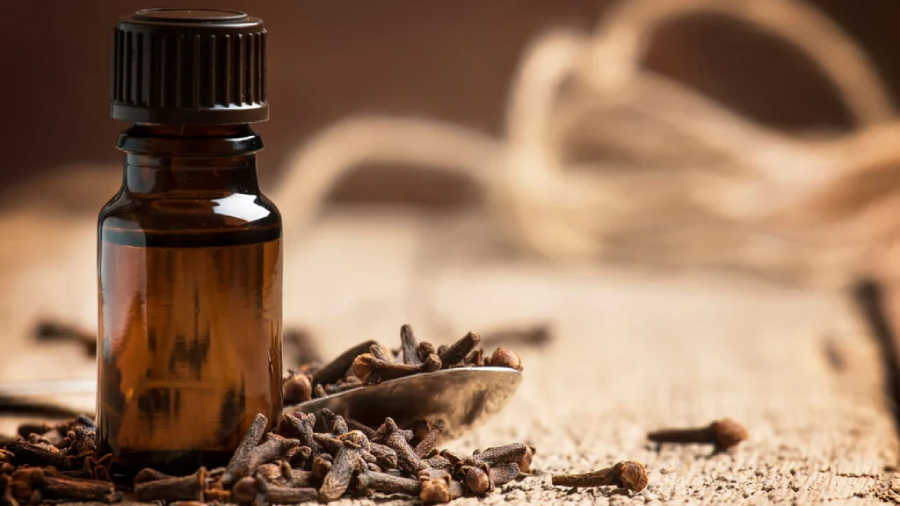
Long before modern dentistry, cloves were the go-to remedy for a throbbing toothache, and the secret lies in a chemical called eugenol. Eugenol is a natural anesthetic and antiseptic that is still used in dental materials today to soothe irritated nerves. Applying a small amount of clove oil to an aching tooth can provide near-instant numbing relief by blocking pain receptors. It is one of the most effective examples of a kitchen cabinet remedy that remains a legitimate medical tool.
Want to know more interesting facts?
The fact that these tales have survived for so long is a testament to the power of human observation. While we have fancy machines to explain the “why” today, our ancestors were just as capable of figuring out the “what.” If you enjoyed discovering the science behind the folklore, you won’t want to miss these 20 Science Facts That Sound Fake but Are 100% True, or 15 Human Body Facts That Sound Impossible But Are Real. You may also like these 15 Historical Facts That Make History Feel Very Recent.