

The truth is that we love learning weird things. It becomes even more fascinating when those weird things involve human behavior and the strange ways our bodies work without us even realizing it. Humans are incredibly complex, and the more scientists study the brain and body, the more bizarre discoveries they continue to uncover. From the way we dream to the strange reflexes we experience while sleeping, countless nighttime mysteries are happening inside us every single day.
Scientists, neurologists, psychologists, and sleep researchers have spent decades studying these unusual nighttime experiences. Thanks to brain scans, sleep labs, and neurological research, experts now understand that many of these strange behaviors are connected to REM sleep, stress, memory processing, and the way the brain transitions between different stages of consciousness. Some of these phenomena are harmless, while others still leave researchers searching for answers. So if you have ever wondered why your body twitches before sleep, why dreams can feel so real, or why some people seem to live entire second lives while asleep, you are in the right place. Here are some of the weirdest things that happen while people sleep, and the scientific explanations behind them.
1. Your Brain Can Create Fake Sounds Called “Exploding Head Syndrome”

Exploding Head Syndrome is a sleep disorder studied by neurologists and sleep specialists. People with this condition suddenly hear loud imaginary noises while falling asleep or waking up. The sounds can resemble explosions, gunshots, crashes, or electrical blasts, even though nothing actually happened. Researchers believe it occurs because of sudden bursts of neural activity during sleep transitions. Although harmless physically, the experience can feel extremely frightening.
2. Your Body Sometimes Paralyzes You on Purpose
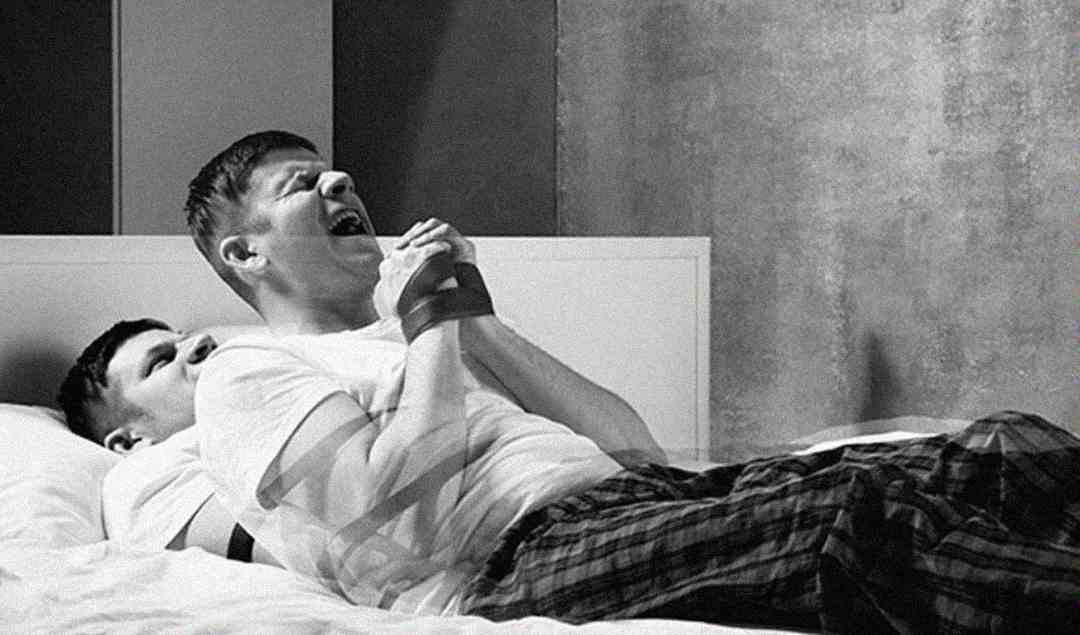
During REM sleep, the brain intentionally shuts down most muscle movement through a process called REM atonia. Scientists discovered this mechanism prevents humans from physically acting out their dreams. Occasionally, people wake up mentally before this paralysis ends, creating the terrifying experience known as sleep paralysis. Victims may feel awake but unable to move, speak, or escape vivid hallucinations.
3. You Can Actually Learn While Sleeping
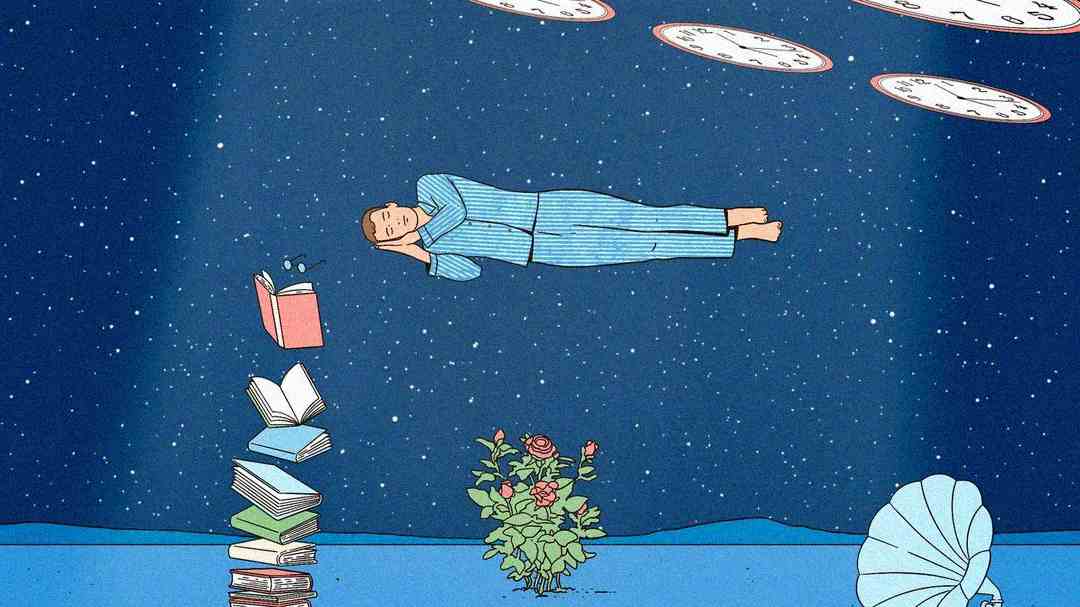
Research from sleep laboratories shows the brain continues processing sounds, patterns, and information during sleep. Some studies suggest certain forms of memory reinforcement can occur while sleeping, especially with sounds connected to information learned earlier in the day. While people cannot magically master a language overnight, psychologists have confirmed that sleep plays a major role in memory consolidation and learning retention.
4. Hypnic Jerks Happen Because Your Brain Thinks You Are Dying

That sudden falling sensation before sleep is called a hypnic jerk, and researchers still debate exactly why it happens. One leading theory suggests the brain misinterprets muscle relaxation as a dangerous fall or physical collapse. In response, it sends an emergency muscle contraction to “save” the body. Nearly everyone experiences them occasionally, making them one of the most common strange sleep phenomena in humans.
5. Some People Can Have Entire Conversations While Asleep

Sleep talking, or somniloquy, has fascinated psychologists for decades because sleepers can sometimes produce full sentences without awareness. Most sleep talking occurs during transitions between sleep stages and can range from random words to emotional conversations. Sleep experts note that people rarely reveal actual secrets while sleep talking, despite what movies often suggest. Brain imaging studies show language areas remain partially active even during unconscious states.
Trending on The Scroller


6. Dreams Can Physically Affect Your Body
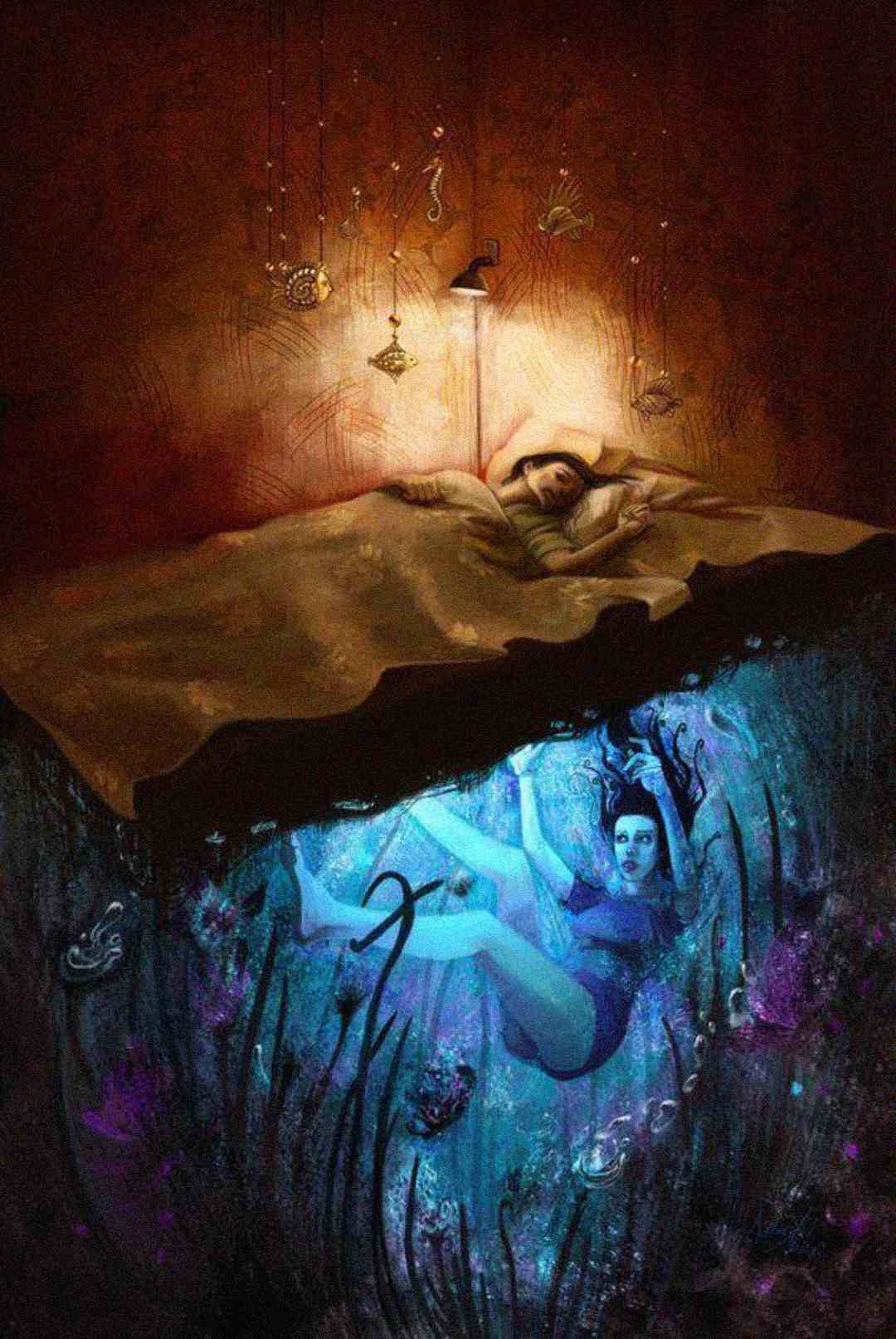
Dreams are not just imaginary experiences inside the brain. Scientific studies show dreams can trigger genuine physical reactions throughout the body. Heart rate, breathing, sweating, and even sexual arousal can change dramatically depending on dream content. Researchers studying nightmares found that frightening dreams can activate the same stress systems used during real danger. Psychologists also discovered emotional dreams may help process trauma, fears, and unresolved experiences stored in memory.
7. Your Brain Cleans Itself While You Sleep
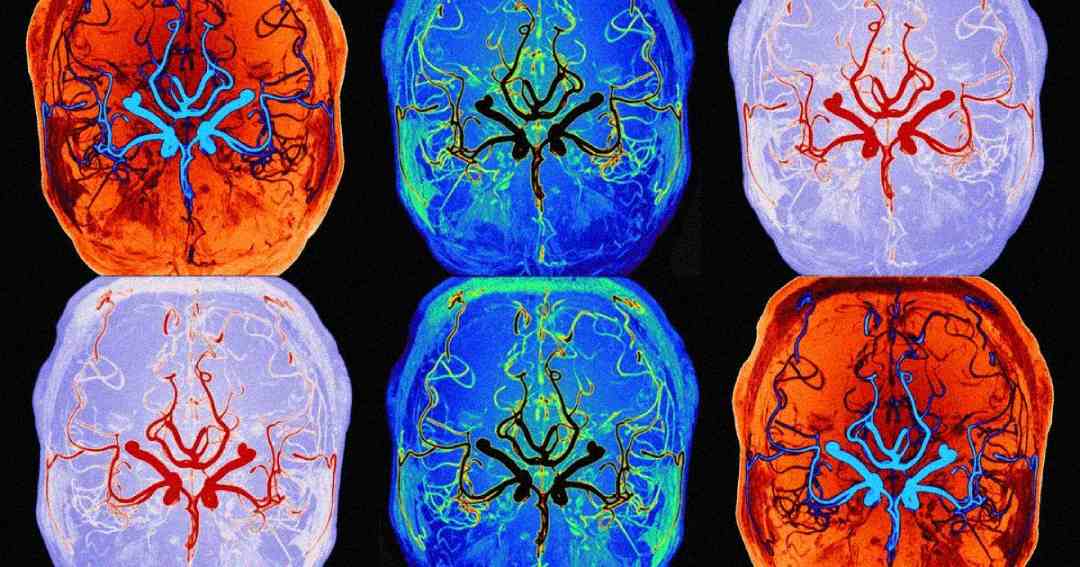
One of the biggest discoveries in neuroscience came when researchers identified the glymphatic system, a cleaning process that becomes highly active during sleep. Scientists found that cerebrospinal fluid washes through the brain, helping remove waste proteins and toxins that build up during the day. Some researchers believe poor sleep may contribute to neurological diseases because this nighttime cleaning system becomes less effective. This discovery completely changed how experts understand the biological importance of sleep.
8. People Can Eat Entire Meals Without Waking Up

Sleep-related eating disorder is a medically recognized condition in which people prepare and consume food while remaining mostly unconscious. Sleep specialists have documented cases involving complicated behaviors like cooking, eating frozen foods, or mixing bizarre ingredients together. Many sufferers have little or no memory afterward.
Sign up for our newsletter
9. Your Eyes Move Rapidly Even Though They Are Closed
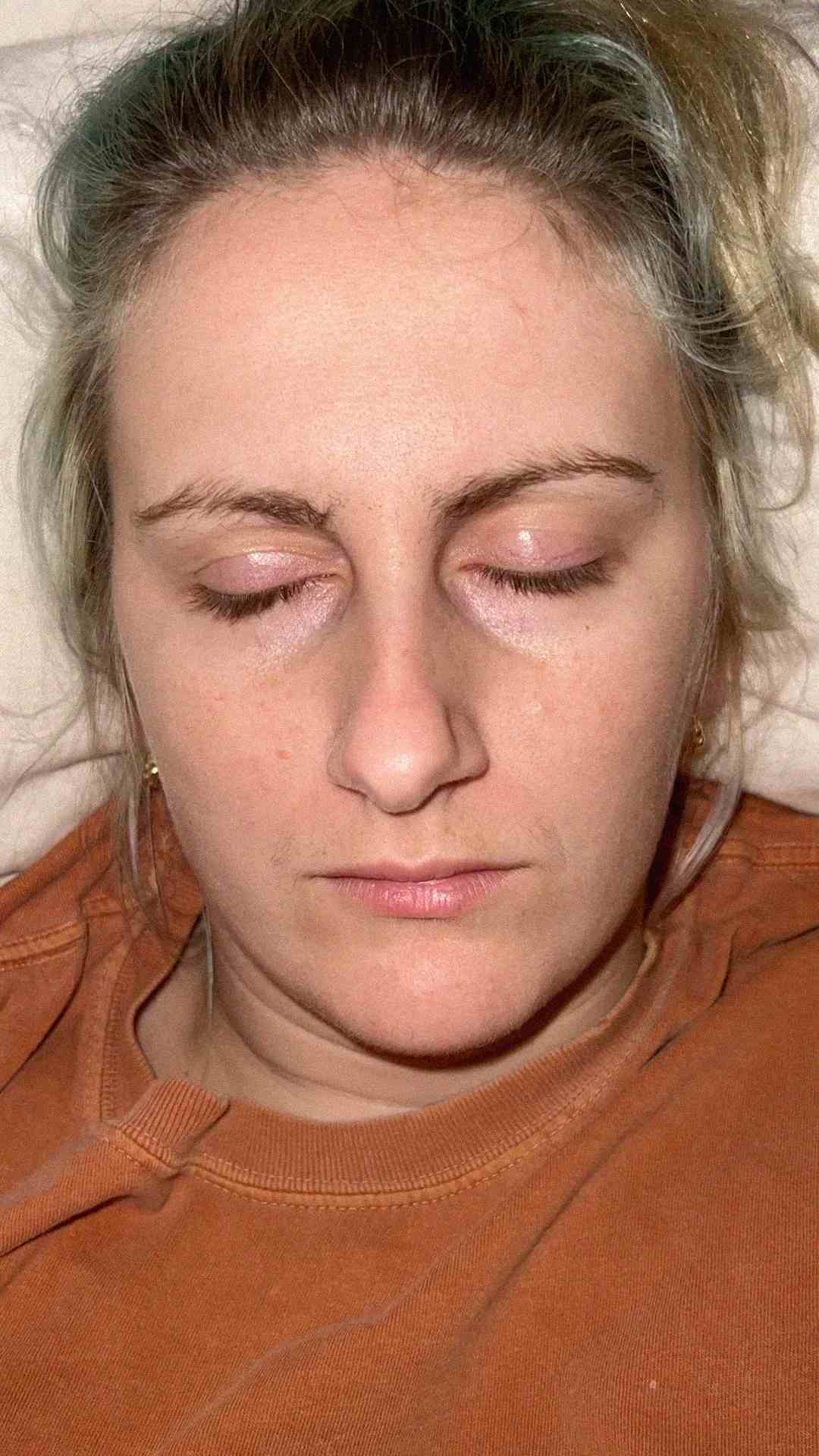
REM sleep literally stands for “Rapid Eye Movement,” and scientists still find this stage fascinating. During REM sleep, the eyes dart quickly beneath closed eyelids while brain activity becomes extremely intense. Researchers discovered REM sleep is strongly connected to vivid dreaming, emotional regulation, and memory formation. Brain scans show that during REM sleep, some areas of the brain can become nearly as active as they are while awake. This stage is considered essential for healthy cognitive function.
10. Sleepwalking Can Turn People Into Completely Different Versions of Themselves

Sleepwalking remains one of the strangest sleep behaviors scientists study because people can perform surprisingly complex actions while unconscious. Some sleepwalkers unlock doors, rearrange objects, eat, or even drive vehicles without awareness. Neurologists believe sleepwalking occurs when parts of the brain controlling movement wake up while areas responsible for consciousness remain asleep.
11. Your Internal Clock Controls More Than Sleep
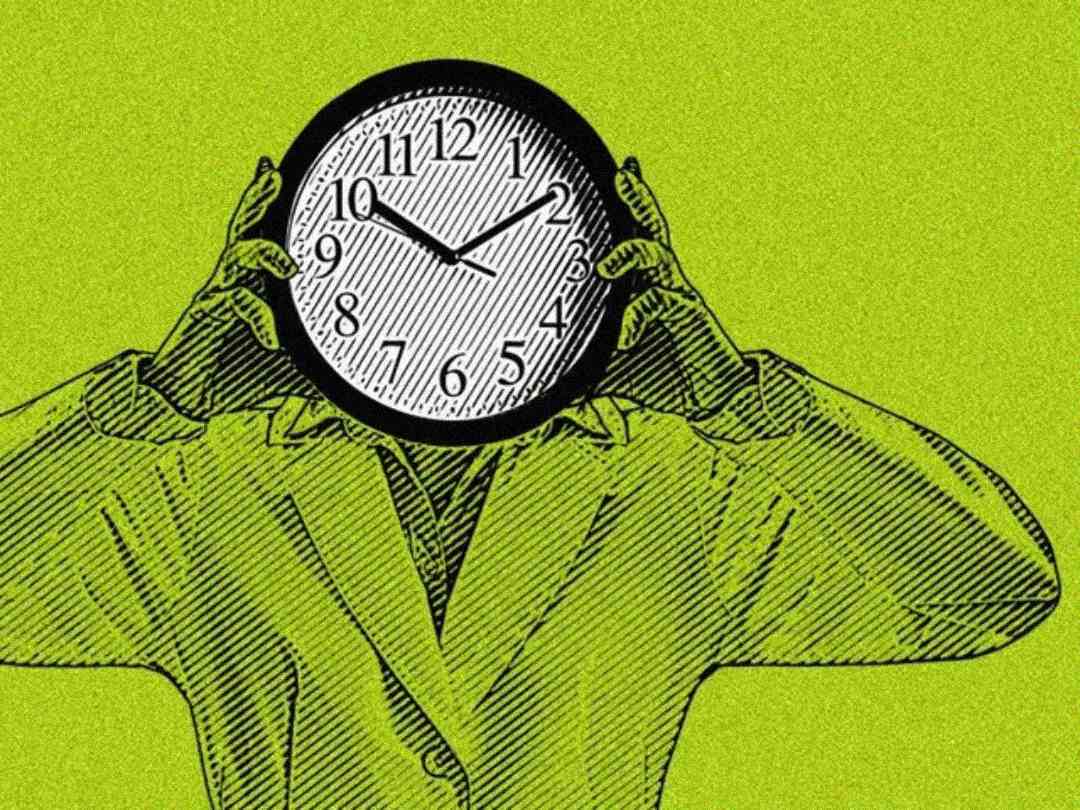
The circadian rhythm acts like a built-in biological clock that regulates far more than bedtime. Scientists discovered this system influences hormones, digestion, body temperature, alertness, metabolism, and even emotional stability. Sleep researchers found disruptions to circadian rhythms can affect mental health and physical wellbeing. This explains why jet lag, overnight shifts, and inconsistent sleep schedules often leave people feeling physically and emotionally disoriented for days.
12. Nightmares May Help Humans Survive

Some psychologists believe nightmares evolved as a survival mechanism. Studies on dream behavior suggest threatening dreams may help the brain rehearse responses to danger and emotional stress. Finnish cognitive neuroscientist Antti Revonsuo proposed the “Threat Simulation Theory,” arguing nightmares allow humans to mentally practice surviving dangerous situations. Researchers continue debating the theory, but brain imaging studies confirm that fear-processing regions become highly active during disturbing dreams.
13. Your Body Temperature Drops Before Sleep

The human body naturally cools down before sleep begins. This temperature drop helps signal the brain that it is time to rest. Scientists studying circadian rhythms found that cooler body temperatures are strongly linked to melatonin release and deeper sleep quality. This is one reason experts often recommend cooler bedrooms for better sleep. The body’s nighttime cooling process is considered a critical part of healthy sleep regulation.
14. Some People Act Out Their Dreams Violently

REM Sleep Behavior Disorder occurs when the body fails to maintain normal dream paralysis during REM sleep. As a result, people may physically punch, kick, yell, or jump while dreaming. Neurologists closely study this condition because it has been linked to certain neurodegenerative diseases, including Parkinson’s disease. Sleep laboratories use video monitoring and brain scans to diagnose the disorder. Unlike normal sleep talking or twitching, these movements can sometimes become dangerous.
15. Your Brain May Replay the Entire Day While You Sleep
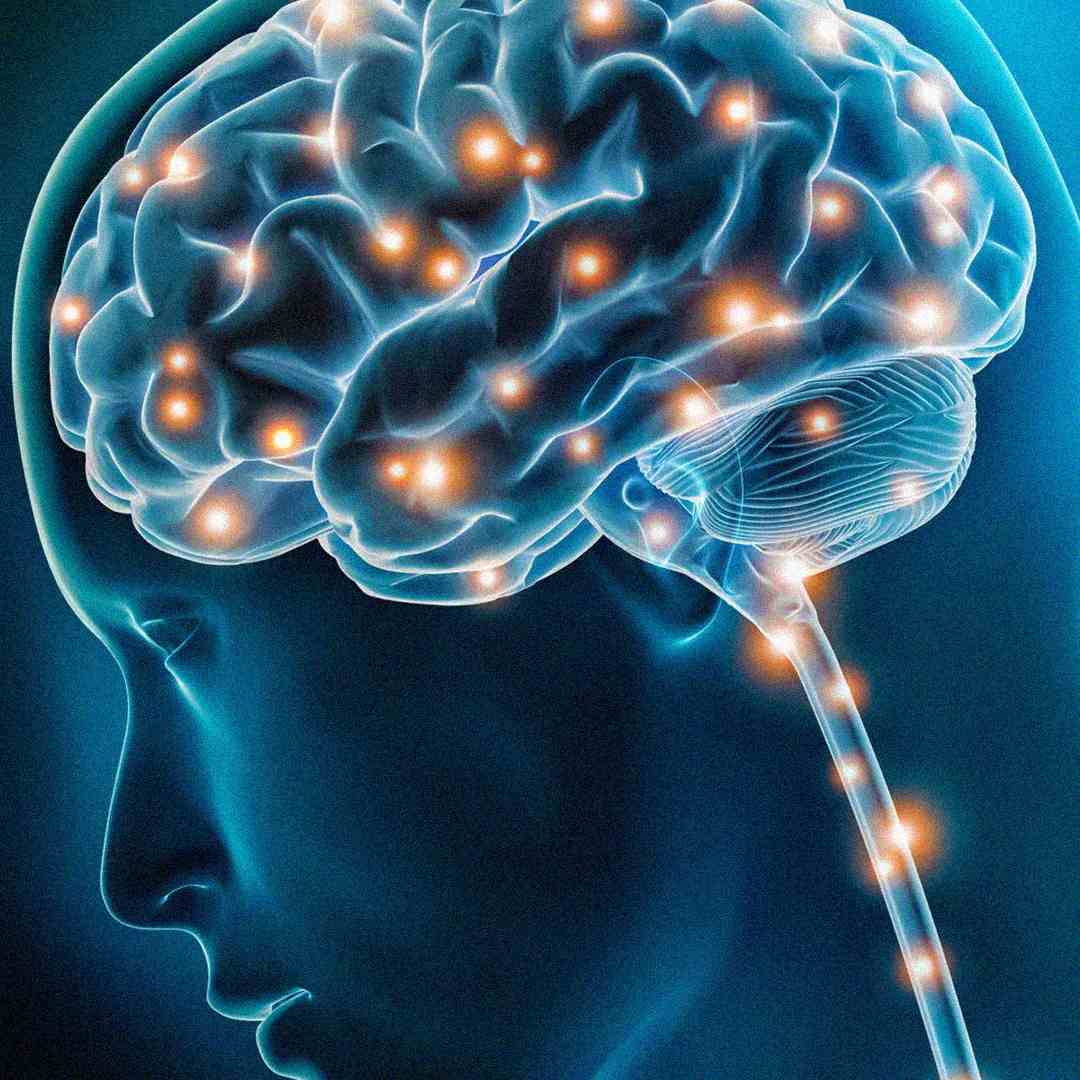
Studies using brain imaging and neural monitoring suggest the brain “replays” experiences during sleep to strengthen memories and organize information. Researchers observed similar patterns in both humans and animals, especially during deep sleep stages. Psychologists believe this replay system helps learning, emotional processing, and decision-making. Some experts even think dreams may partly result from the brain reorganizing memories, emotions, and random neural activity all at once.
Did you enjoy discovering these weird things that happen while people sleep? Keep reading for even more weird things that reveal how strange, fascinating, and mysterious the human body can truly be.
The more scientists study sleep, the clearer it becomes that sleeping is far more than simply resting. While we sleep, the brain reorganizes memories, cleans itself, processes emotions, controls hormones, and sometimes creates experiences so bizarre they still confuse experts today. Learning about these nighttime behaviors not only teaches us more about the human mind, but also opens the door to new questions we still want answered.
If you enjoyed this article, there is plenty more content waiting for you. We explore strange facts, unusual science, bizarre human behavior, and fascinating discoveries that make everyday life far more interesting than most people realize. Some topics are weird, some are surprising, and some are almost impossible to believe, but they are always entertaining. You can start with our recommendations: 15 Scientific Explanations for Things Our Body Does That We Never Thought to Question, 15 Strange Facts About the Human Body That Sound Like Pure Science Fiction, and 18 Fun Facts On How To Avoid Stress.