
We inhabit our physical forms every second of every day, yet we rarely stop to consider the complex biological engineering behind our most basic involuntary actions. The human body is a masterpiece of efficiency, often performing strange or sudden movements, like a sneeze or a muscle twitch, without us ever giving a conscious command. Most of us simply accept these quirks as just something that happens, but nearly every strange sensation or reaction has a deep-seated evolutionary reason for existing in the first place.
Science suggests that many of these automatic responses are actually leftover survival mechanisms from our ancient ancestors. Whether it’s your body preparing for a potential fall during sleep or trying to protect your eyes from sudden irritants, there is a fascinating neurological explanation for every tick and tingle. By peeling back the curtain on these everyday mysteries, we can gain a newfound respect for the silent, sophisticated systems that work tirelessly to keep us safe and functional in a chaotic world.
1. The feeling of falling when you are falling asleep

Almost everyone has experienced that sudden, jarring sensation of falling just as they are about to drift off into deep sleep. This is known as a hypnic jerk, and it happens when your muscles relax so quickly that your brain misinterprets the sensation as a physical fall. In response, your nervous system triggers a massive muscle twitch to catch you and keep you upright. Evolutionarily speaking, some scientists believe this was a mechanism to keep our tree-dwelling ancestors from falling out of branches during the night.
2. Getting pruney fingers in the water
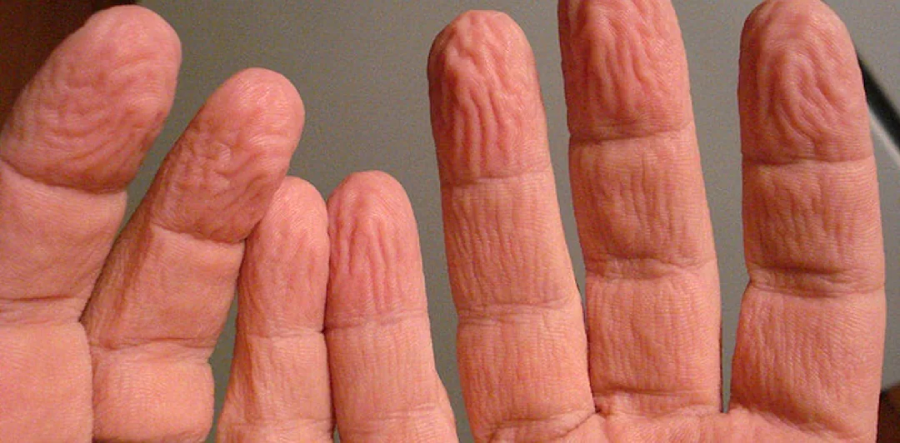
For a long time, people thought that skin wrinkled in the bathtub simply because it was absorbing water like a sponge. However, researchers have discovered that this is actually an active nervous system response designed to improve our grip. The wrinkles act like tiny tread patterns on a tire, channeling water away so that our ancestors could better handle wet objects or gather food in rain-slicked environments. Interestingly, this reaction won’t happen if the nerves in your fingers are damaged, proving it’s a calculated internal command.
3. The brain freeze from cold food

That sharp, sudden headache you get from eating ice cream too fast is officially called sphenopalatine ganglioneuralgia. When something cold touches the roof of your mouth, it causes the blood vessels in your head to rapidly constrict and then dilate in an attempt to keep your brain warm. This rapid change in blood flow triggers pain receptors that your brain mistakenly refers to your forehead. To stop it instantly, try pressing your warm tongue against the roof of your mouth to stabilize the temperature.
4. Sneezing when looking at the Sun

About one in four people experience a sudden sneeze when they walk out into bright sunlight, a phenomenon known as the Photic Sneeze Reflex. This happens because the optic nerve and the trigeminal nerve (which controls sneezing) are located very close to each other in the brain. When the sun overstimulates your optic nerve, the signal leaks over to the trigeminal nerve, tricking your brain into thinking there is an irritant in your nose. It is a hereditary trait, so if you do this, there is a good chance one of your parents does too.
5. Getting goosebumps when you’re cold or scared
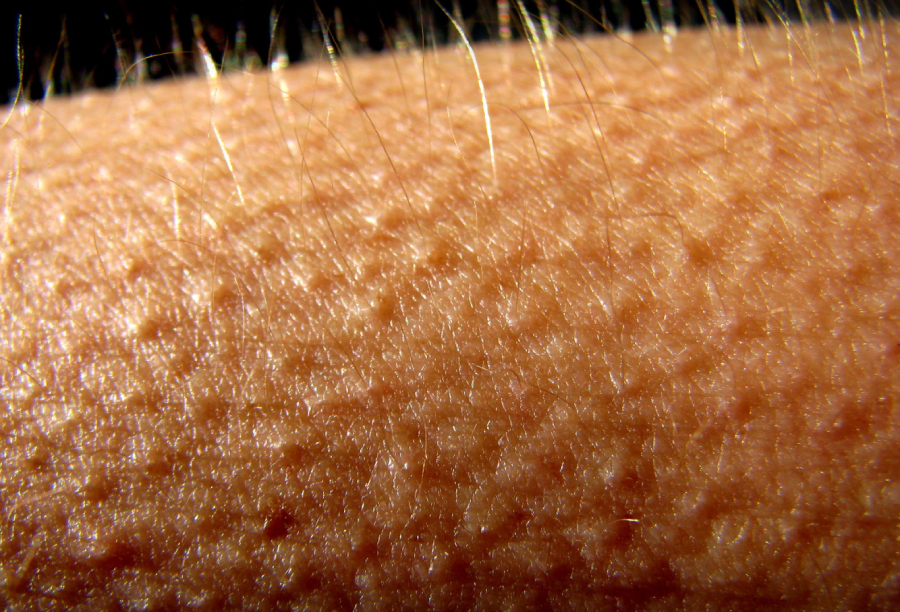
Goosebumps are caused by tiny muscles at the base of each hair follicle, called arrector pili, which contract and pull the hair upright. For our much hairier ancestors, this served two purposes: it trapped a layer of air to keep them warm and made them look larger and more intimidating to predators. Since humans have lost most of their thick body hair, the reaction is now a vestigial response that doesn’t provide much actual warmth. Interestingly, we also get them during emotional moments because our brain releases adrenaline, which triggers these same tiny muscles.
Trending on The Scroller


6. The “old man” sneeze (sneezing after a meal)

Some people experience a fit of sneezing immediately after eating a large, satisfying meal, a condition humorously named snatiation. Scientists believe this occurs because the stomach and the nasal lining share certain nerve pathways that become overstimulated when the stomach is full. As the stomach wall stretches to accommodate food, it can accidentally trigger a nasal tickle signal in the brain. While it’s harmless, it is a fascinating example of how interconnected our digestive and respiratory systems really are.
7. Seeing floaters in your field of vision
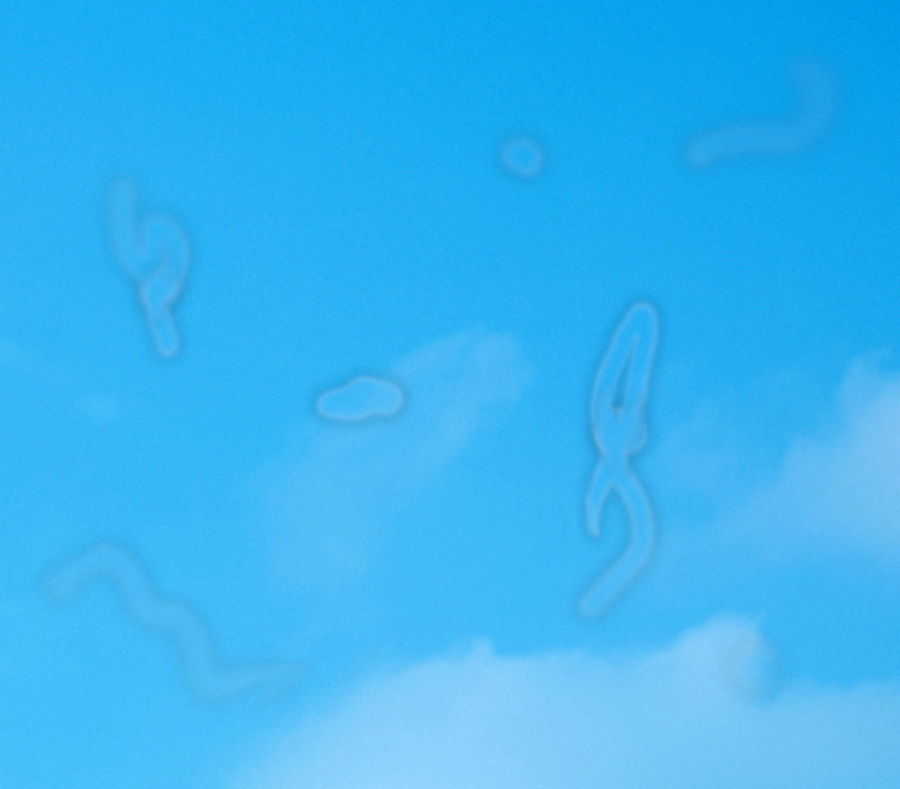
Those tiny, worm-like shapes that drift across your eyes when you look at a clear sky are actually shadows cast on your retina. They are caused by tiny clumps of protein or red blood cells suspended in the vitreous humor, the gel-like substance inside your eyeball. Because they are floating in liquid, they move whenever your eye moves and seem to dart away when you try to look directly at them. Most people have them, and they are perfectly normal signs of the natural aging process of the eye’s internal fluid.
8. Why your eyelid twitches randomly
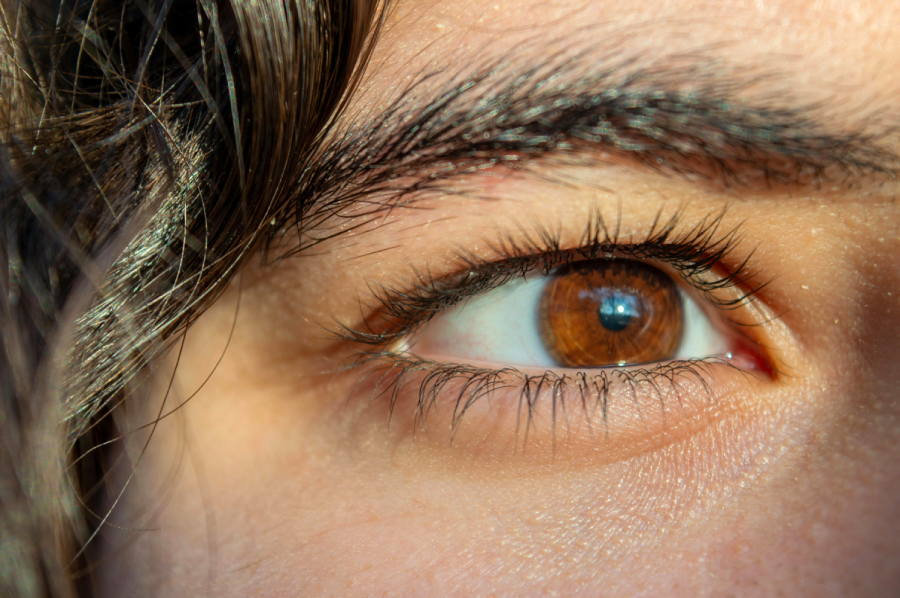
A persistent twitch in your eyelid, known as myokymia, is usually your body’s way of telling you that you are overextended. These involuntary muscle contractions are almost always triggered by high levels of stress, extreme fatigue, or an excess of caffeine. The nerves surrounding the eye are incredibly sensitive, and when they are overstimulated by chemicals like cortisol or adrenaline, they begin to misfire. Usually, the best “scientific” cure is simply a few extra hours of sleep and a break from the coffee pot.
Sign up for our newsletter
9. The ice cream chill (shivering)

When your core temperature drops even slightly, your brain sends rapid-fire signals to your muscles to begin contracting and relaxing in quick succession. This shivering is a highly efficient way for the body to generate kinetic heat through friction and energy expenditure. It is an emergency survival tactic designed to keep your vital organs warm when your external environment is too cold. A vigorous shiver can actually increase your body’s heat production by nearly 500% in a matter of seconds.
10. Why we get pins and needles

The tingling sensation you feel when your foot falls asleep is often misunderstood as a lack of blood flow, but it’s actually about your nerves. When you sit in an awkward position, you apply pressure to a nerve, temporarily blocking the electrical signals it sends to the brain. When you move and release that pressure, the nerve starts firing scrambled signals all at once as it reboots. Your brain interprets this sudden rush of chaotic data as the uncomfortable prickling or stinging sensation we know as paresthesia.
11. The purpose of a yawn
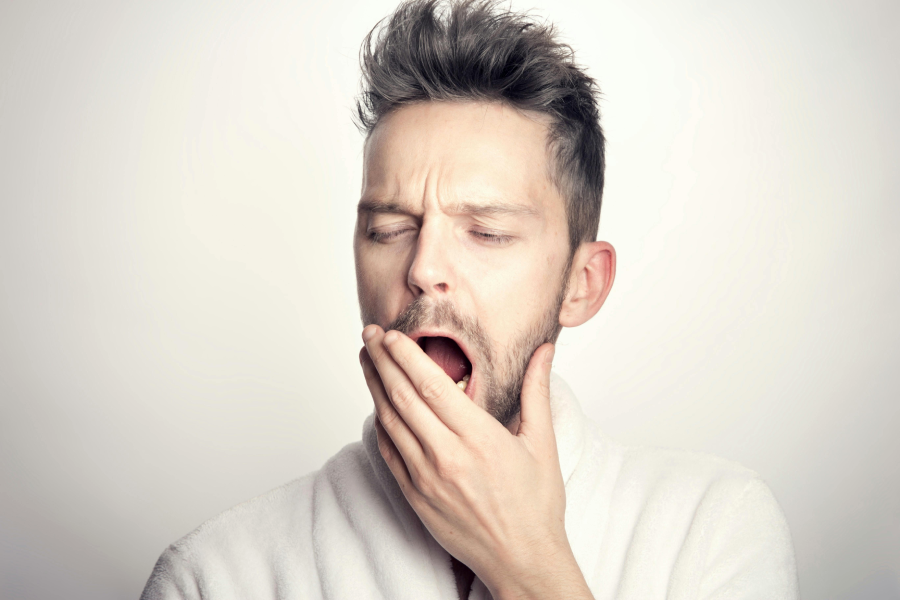
While we often associate yawning with boredom, science suggests it might actually be a way to cool down the brain. When you take a deep, wide-mouthed breath, it increases blood flow to the neck and face, while the intake of cool air regulates the temperature of the blood going to the skull. A hot brain is less efficient and more prone to sleepiness, so the yawn acts like a biological radiator to keep you alert. This explains why yawning is contagious; it’s an evolutionary social cue to keep the whole group awake and vigilant.
12. Why onions make you cry

Onions don’t just have a strong smell; they actually engage in a form of chemical warfare when they are cut. Breaking the onion’s cells releases an enzyme that creates a gas called propanethial S-oxide, which turns into a mild sulfuric acid when it touches the moisture in your eyes. To protect your delicate corneas from this acid, your brain immediately triggers the tear ducts to flush the irritant away. Pro tip: Chilling the onion before cutting it slows down the chemical reaction, giving you more time before the waterworks start.
13. The lump in your throat when crying

That tight, aching sensation you feel in your throat when you’re trying not to cry is caused by the glottis, the opening between your vocal cords. When you are under stress, your nervous system tells the glottis to stay wide open to allow more oxygen into your lungs in case you need to fight or flee. However, when you try to swallow while the glottis is being forced open, you create muscle tension that feels like a physical lump. It is essentially a tug-of-war between your digestive system trying to close the throat and your respiratory system trying to keep it open.
14. Why we hiccup

A hiccup is a sudden, involuntary contraction of the diaphragm muscle, followed immediately by the snap of your vocal cords closing. While the exact evolutionary purpose is debated, many scientists believe it is a primitive remnant of amphibian breathing patterns. When we eat too fast or swallow air, the vagus nerve becomes irritated, causing the diaphragm to spasm in a rhythmic pattern. The “hic” sound is simply the air hitting your closed windpipe, a reflex that serves no modern purpose but remains hardwired into our biology.
15. The side stitch while running

That sharp pain in your side during a workout is officially known as exercise-related transient abdominal pain (ETAP). While many think it’s a cramp, the most likely scientific explanation is irritation of the parietal peritoneum, the lining of your abdominal cavity. When you run, your internal organs move up and down, putting friction on this lining, especially if you have a full stomach or are breathing shallowly. To get rid of it, most trainers suggest exhaling deeply when your opposite foot hits the ground to relieve the internal pressure.
In the mood for more interesting facts?
The more we learn about the human body, the more we realize that nothing it does is truly accidental. From the wrinkles on our fingertips to the yawns that cool our brains, we are walking collections of ancient survival tactics and brilliant biological engineering. If you found these scientific insights fascinating, you’ll definitely want to explore our other deep dives, such as these 15 Human Body Facts That Sound Impossible But Are Real, or 20 Fascinating Facts About Humans That Defy Logic. You can also explore these 18 Fun and Surprising Facts About How to Avoid Stress.