Keeping your space clean is about more than just appearances. It also affects how comfortable and healthy your home feels. To help you give every corner the attention it deserves, here are twenty often forgotten items that could use a little extra care. From small gadgets to hidden surfaces, these are the places you’ll want to start adding to your cleaning checklist.
1. The handle to turn on your sink

Even though we wash our hands at the sink, the handle itself is constantly touched by dirty hands. Raw meat, produce, and pet contact all leave germs behind. Cleaning it regularly prevents those microbes from contaminating your freshly washed hands. Faucet handles can carry bacteria like E. coli and mold, making them surprisingly dirty.
2. Light switch plates

Light switches are touched dozens of times a day yet rarely cleaned. Each touch transfers oils, dirt, and microbes to the surface. Regular cleaning stops germs from spreading around your home.
3. Refrigerator door handles

The fridge handle sees frequent contact, often with hands that have handled raw food or trash. Studies show these handles can carry dozens of types of bacteria. Wiping them down helps prevent germs from reaching ready-to-eat foods. A clean handle keeps your kitchen safer for everyone.
4. Dishcloths and sponges

Dishcloths and sponges are among the germiest items in the kitchen. Studies show that over seventy percent carry bacteria such as Salmonella or E. coli. They spread germs to dishes, countertops, and hands if not cleaned or replaced often. Washing them in the dishwasher or replacing them frequently prevents contamination.
5. Remote controls

Remotes are handled frequently and often with unwashed hands or while eating. They collect oils, crumbs, and germs over time. Wiping them regularly helps reduce the transfer of bacteria to your hands and face.
Trending on The Scroller

6. Garbage can lid and handle

Trash lids are touched after handling food scraps and waste, making them full of germs. Wiping them prevents bacteria from spreading to your hands or nearby surfaces. Keeping the bin clean is an easy way to lower the risk of contamination.
7. Window blinds and curtains

Dust and oils from hands accumulate on blinds and curtains over time. These surfaces are rarely cleaned and can affect air quality. Wiping them removes dirt and reduces allergens in your home. Clean blinds make a noticeable difference in air freshness.
8. Cell phone and tablet screens and cases

Our devices travel everywhere and collect germs from every surface they touch. They come into contact with our face and hands constantly. Cleaning them regularly reduces the buildup of bacteria. It is an easy way to improve personal hygiene.
Sign up for our newsletter
9. Car steering wheel and gear shift

Even in your own car, these surfaces collect germs from hands after errands or meals. Dust and outside bacteria add to the problem. Wiping them prevents germs from transferring back into your home.
10. Ceiling fan blades and housings

Dust and germs collect on fan blades over time. When the fan is turned on, dust is spread throughout the room. Wiping blades and housings prevents the redistribution of microbes and improves air quality. Clean fans make rooms feel fresher instantly.
11. Dish strainer

The dish strainer may seem harmless, but it is a magnet for bacteria and grime. Water, food particles, and soap residue get trapped in the tiny holes and corners, creating a perfect environment for microbes to multiply. Studies have found that kitchen strainers can harbor bacteria like E. coli and Salmonella if left uncleaned.
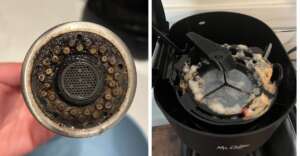
12. Your coffee maker might be moldy

Coffee grounds, water residue, and oils from coffee build up in the carafe and filter basket. This environment encourages bacteria and mold growth. Cleaning the carafe after each use prevents buildup and keeps your coffee tasting fresh.
13. Kitchen sponge holder

Sponges sit in damp holders, creating the perfect breeding ground for bacteria. Even if the sponge is replaced often, the holder can remain contaminated. Regular cleaning prevents microbes from transferring back to your sponge and dishes.
14. Sink faucet aerator

The small mesh at the end of the faucet traps mineral deposits, grime, and bacteria. Over time, this buildup can affect water flow and harbor microbes. Unscrewing and cleaning the aerator ensures cleaner water and reduces germs in your sink area.
15. Dish soap dispenser

The pump on top of the soap dispenser gets touched by hands that are not always clean. Residue builds up around the nozzle, creating a hotspot for bacteria. Wiping it regularly prevents germs from returning to your hands when you use it.
16. Blender jar and lid

Smoothie ingredients, sauces, and oils stick to blender surfaces. If not cleaned thoroughly, bacteria and mold can grow inside cracks and lids. It’s important to remove any rubber seals and clean inside every bit of the blender cap to prevent mold and bacteria growth.
17. Spice shakers

These shakers are constantly handled, often with fingers that just touched food. Oils, crumbs, and bacteria accumulate on the surface and around the holes. Wiping and washing them reduces contamination and keeps seasonings safe.
18. Ice cube tray

Ice trays hold water in cold, moist conditions where bacteria can thrive. Residue from previous uses can lead to off-flavors and contamination. Washing trays thoroughly prevents germs from transferring to your ice.
19. Recycling bin lid

The recycling bin lid is touched every time you toss bottles, cans, or paper. Hands often carry bacteria from packaging, dirt, and outdoor surfaces. Wiping the lid prevents microbes from spreading back into the home. A clean lid also reduces odors and keeps the bin hygienic.
20. The cutlery tray in your drawer

Forks, knives, and spoons leave crumbs, moisture, and oils in the tray. Over time, this builds up bacteria and can cause odors. Cleaning the tray regularly keeps utensils sanitary and the drawer smelling fresh.
Want to see more helpful content?
Check out 30 Design fails that are on an unfortunate level of their own, or take a look at 5 Crucial Mental Health Boosting Secrets. Finally, if you want to see cooking tips, check out 5 Cooking Tips People Always Remember When It’s Too Late.