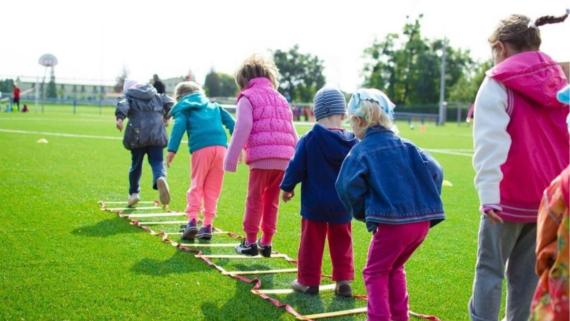
Growing up is hard. Not just because of the visible physical changes our bodies go through, but also because of the deep psychological shifts happening beneath the surface. As children move into adolescence and beyond, they begin to develop a new sense of identity, question authority, and process emotions in more complex ways. What once felt simple becomes layered and confusing, and the world starts to demand responsibilities they may not feel ready to handle.
This transition is often underestimated. We tend to focus on milestones, school, friendships, independence, without fully acknowledging the internal struggles that accompany them. Realizing you’re no longer a small child, while not yet feeling like an adult, creates a kind of in-between space that can feel overwhelming. It’s a stage filled with contradictions: wanting freedom but needing guidance, seeking identity while feeling lost, and experiencing emotions more intensely than ever before.
As we grow older, many of us look back and begin to understand just how complex that phase really was. We develop empathy for those currently going through it, recognizing patterns and challenges we once faced ourselves. These facts aim to shed light on the biological and psychological realities of growing up, helping us better understand what younger people are experiencing, and maybe even make sense of our own past.
1. Synaptic pruning literally reshapes your brain
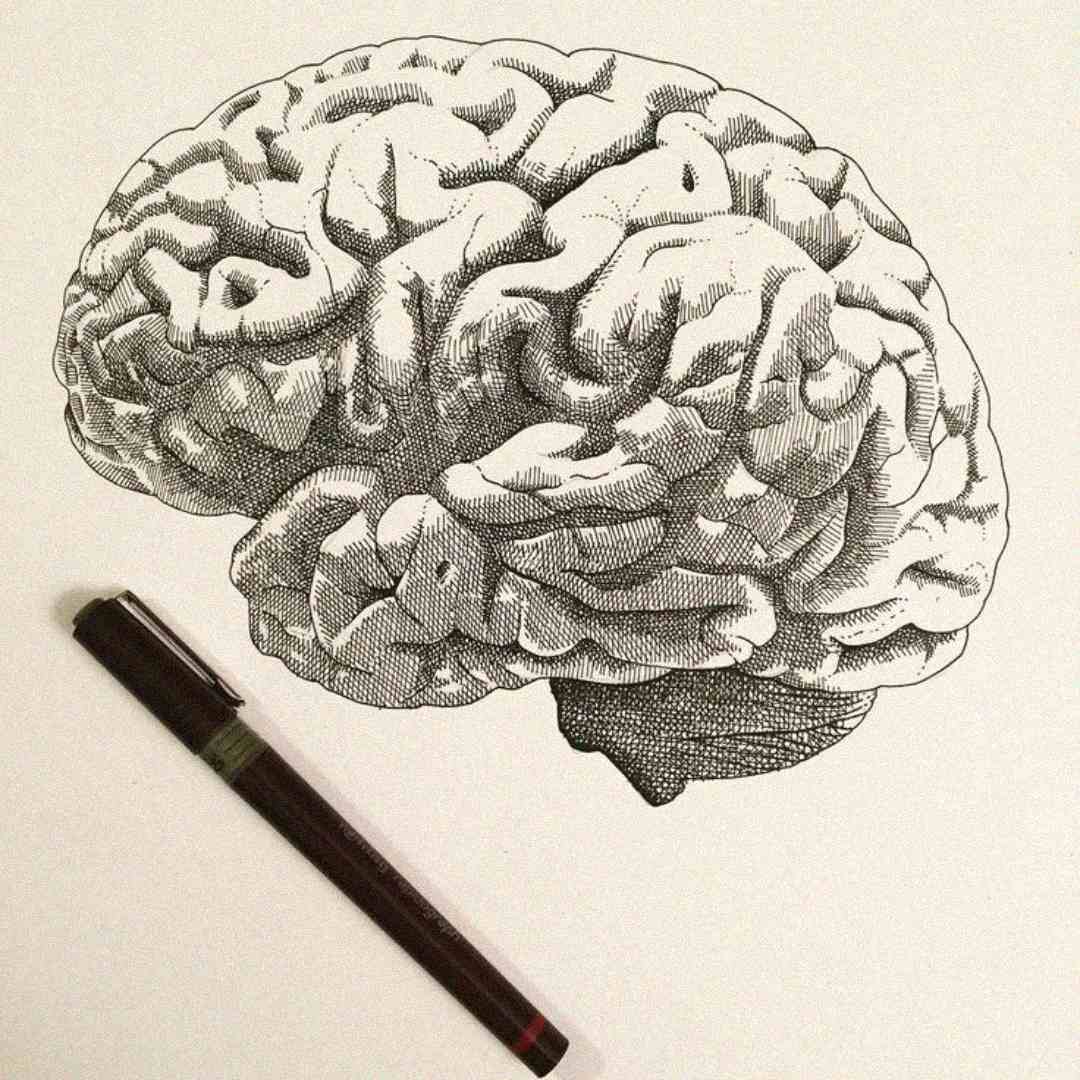
During adolescence, the brain eliminates unused neural connections in a process known as synaptic pruning. Frequently used pathways become stronger, while others are removed, making the brain more efficient, but also more shaped by habits, environment, and repeated behaviors.
2. Dopamine sensitivity increases, changing motivation

Teen brains respond more intensely to dopamine, the neurotransmitter linked to reward. As a result, new, exciting, or socially rewarding experiences feel amplified, often shifting motivation toward immediate gratification and exploration rather than long-term outcomes.
3. The prefrontal cortex lags behind the limbic system
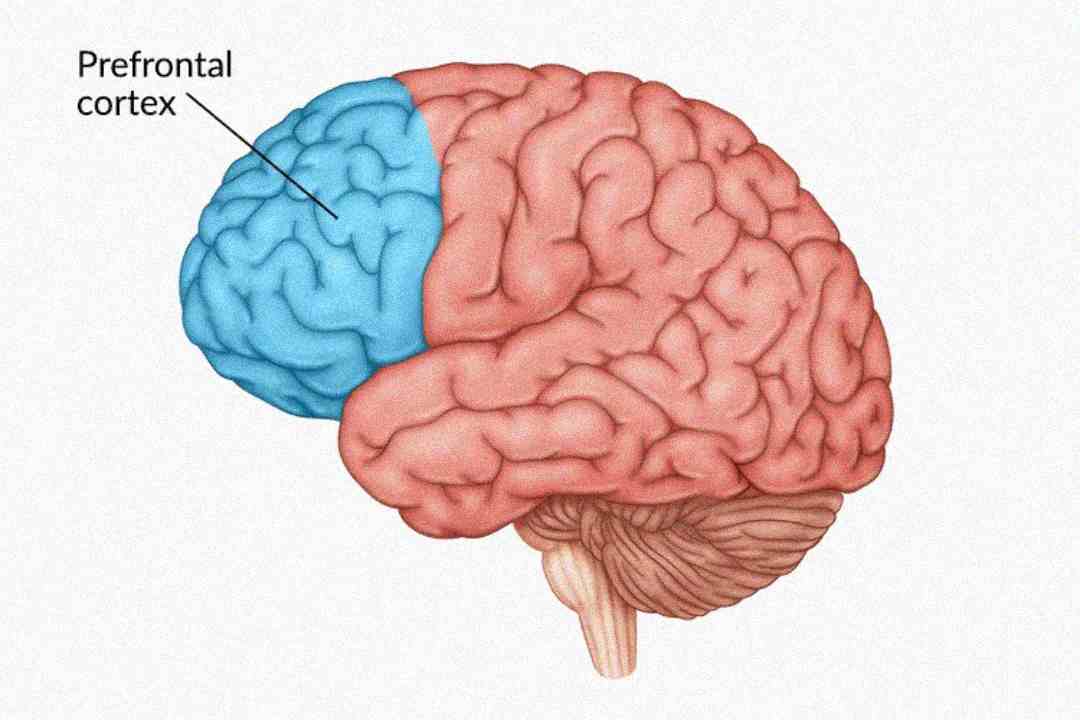
Have you ever wondered why emotions feel so overwhelming during growing up? The limbic system develops earlier than the prefrontal cortex, which is responsible for reasoning and impulse control. This imbalance makes emotional reactions stronger and harder to regulate in intense situations.
4. Circadian rhythm delay is hormonally driven

Melatonin, the hormone that regulates sleep, is released later at night during adolescence. This isn’t just a habit, it’s a biological shift that naturally pushes teenagers to stay up later and wake up later.
5. The social brain becomes hyperactive
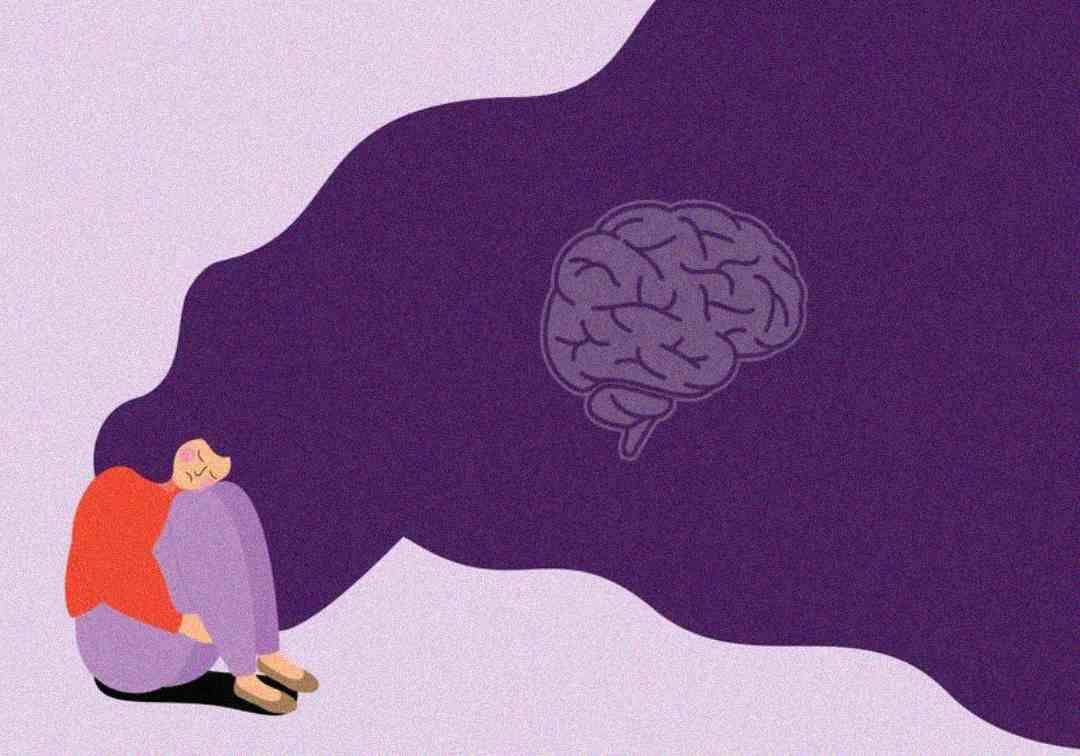
Brain regions involved in social awareness, particularly the medial prefrontal cortex, become more active during adolescence. This makes social interactions, acceptance, rejection, and judgment, feel significantly more intense.
Trending on The Scroller


6. Stress systems become more reactive

The hypothalamic-pituitary-adrenal (HPA) axis becomes more sensitive during this stage. Because of this, stressful situations can trigger stronger and longer-lasting physical and emotional responses.
7. Emotional memory becomes more vivid
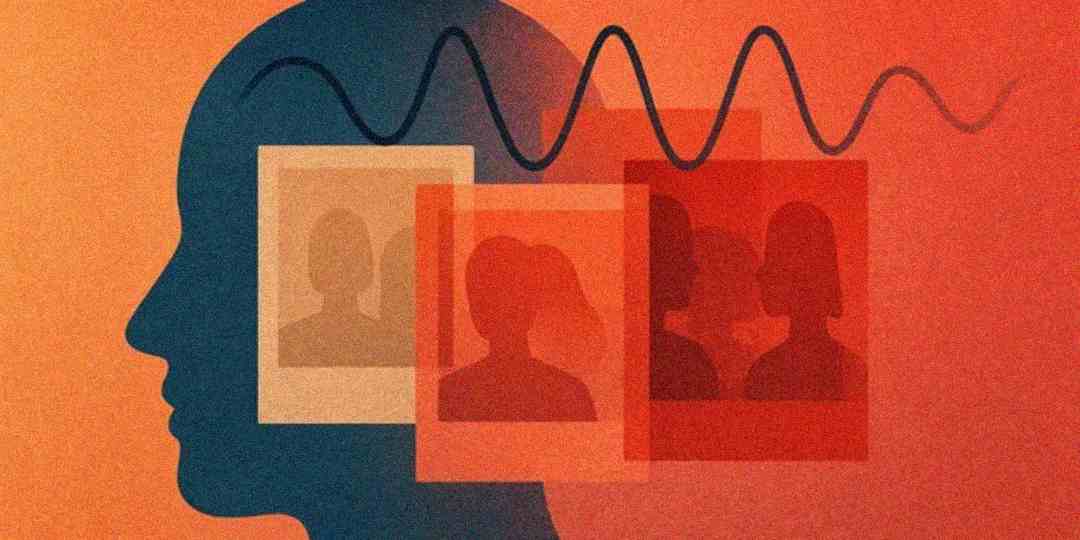
The amygdala becomes highly active and closely linked to memory systems. This is why experiences during adolescence often feel more intense and are remembered more clearly, sometimes even years later.
8. Hormones directly influence risk perception

Fluctuations in hormones like testosterone and estrogen affect how risk is evaluated. During adolescence, risky situations can feel less threatening, or more rewarding, than they actually are.
Sign up for our newsletter
9. Abstract thinking expands rapidly
The brain develops the ability to think in abstract terms, including hypothetical scenarios and moral reasoning. This allows for deeper reflection, but can also lead to overthinking and self-doubt.
10. Social rejection activates pain pathways
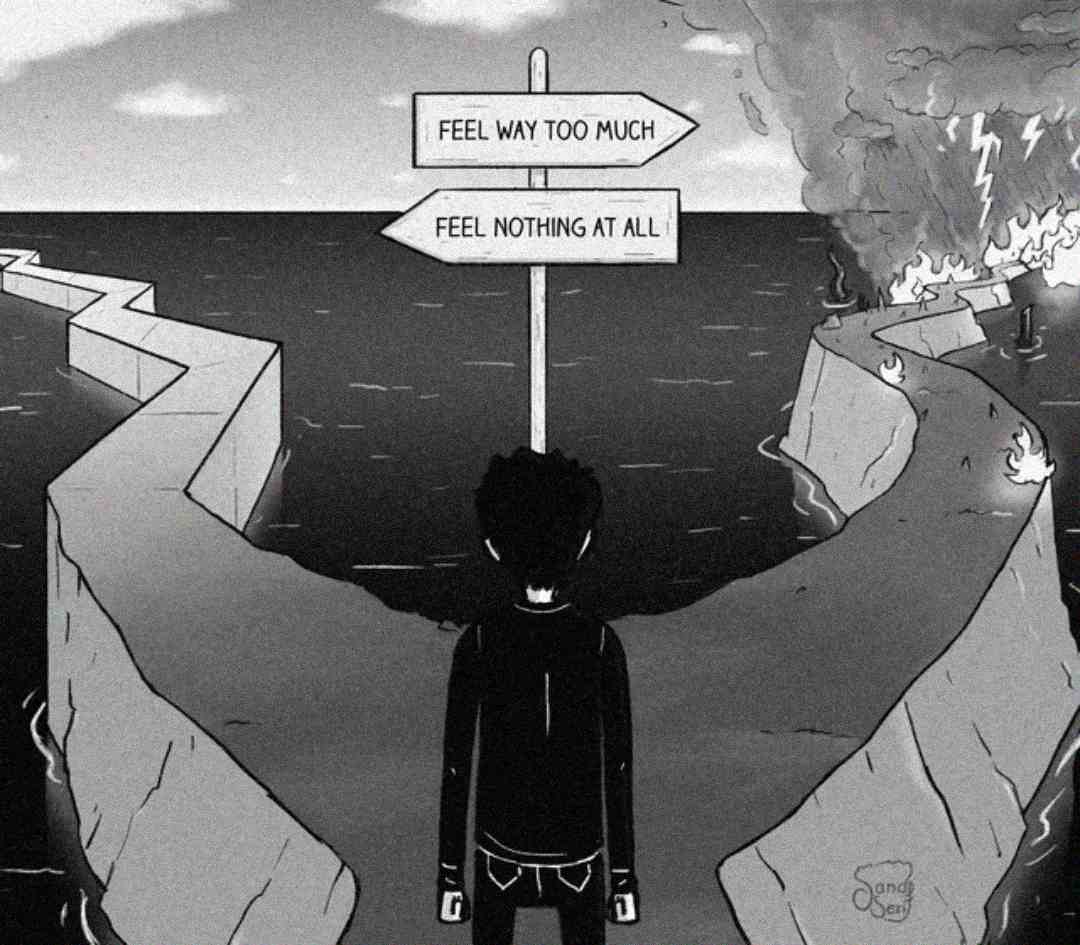
Brain imaging shows that social rejection activates similar neural regions as physical pain. This is why exclusion or criticism can feel disproportionately intense during growing up.
11. Growth happens in sudden, uneven spurts

Height doesn’t increase gradually, it happens in rapid bursts driven by growth hormones. These sudden changes can temporarily affect coordination, making movements feel awkward or unfamiliar.
12. Body odor changes due to new gland activity

Puberty activates apocrine sweat glands, especially in areas like the armpits. These glands produce a thicker sweat that bacteria break down, resulting in a stronger and more noticeable body odor.
13. The voice changes as the larynx grows

The larynx expands and vocal cords lengthen during adolescence, particularly in males due to testosterone. This causes the voice to deepen and sometimes crack as it adjusts.
14. Skin becomes oilier because of hormonal shifts
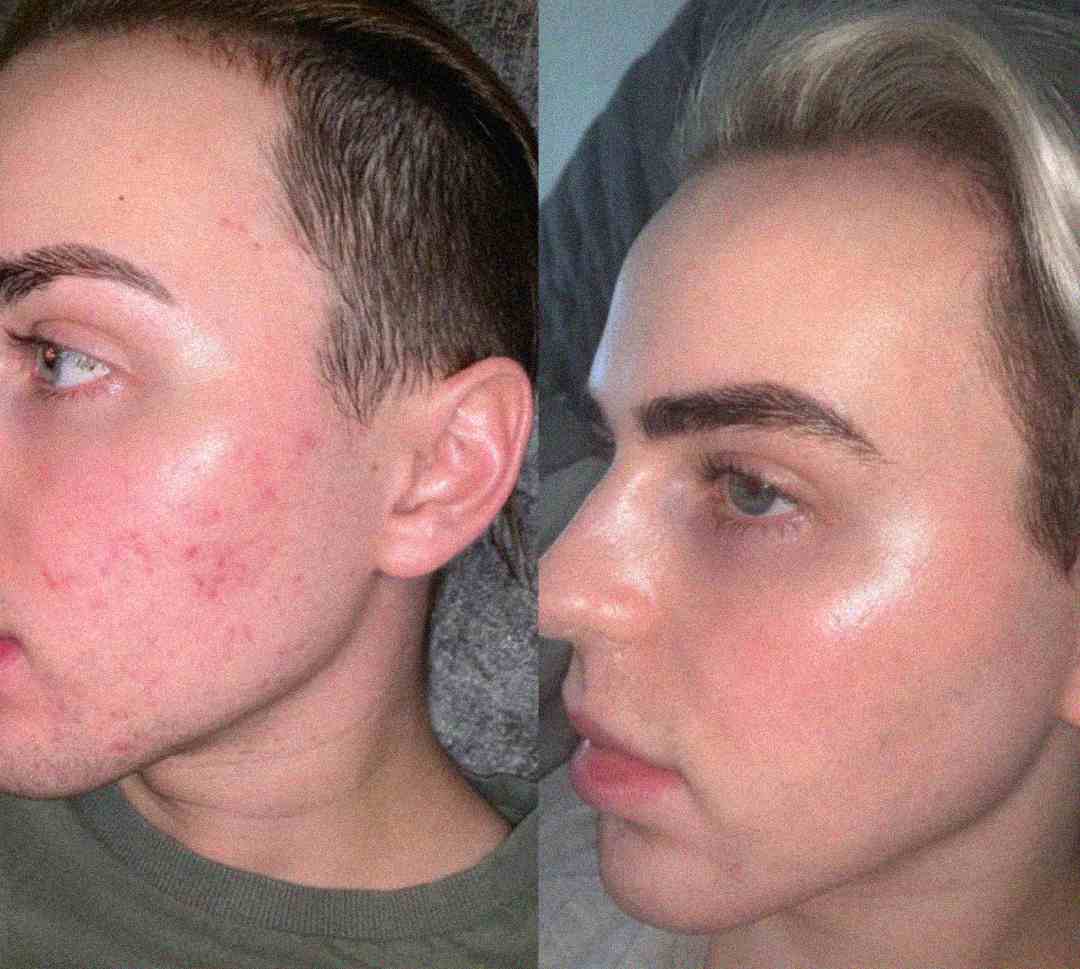
Sebaceous glands increase oil production under the influence of hormones. This excess oil can clog pores, which is why acne becomes more common during adolescence.
15. Increased appetite supports rapid development

The body requires more energy to sustain bone growth, muscle development, and hormonal changes. As a result, hunger levels naturally rise to meet these physical demands.
Growing up is hard, so understanding it better is improving. Read more to find out about these facts.
Growing up can be challenging, but gaining insight into this process allows us to approach it with more patience and empathy. When we understand the biological and psychological changes behind behaviors and emotions, we can better support others, or even reflect on our own experiences with greater clarity and compassion.
If you’re interested in these facts and want to learn more about the processes we go through, not only during growing up but in many stages of life, explore more of our articles. You might find perspectives that truly resonate with you: 15 Strange Facts About the Human Body That Sound Like Pure Science Fiction, 15 Ways To Improve Life Working From Home, and 18 Fun Facts On How To Avoid Stress.