

Working from home sounds like a dream until the lines between work and personal life start to blur. Without the structure of an office, it’s easy for distractions to creep in, routines to slip, and the day to feel longer than it should. Still, with a few small adjustments, your space and schedule can start working with you instead of against you.
These are practical ways to make working remotely feel more balanced and productive. From setting better boundaries to creating a setup that actually supports focus, these ideas are all about helping you feel more comfortable. Let’s dive into 15 ways to improve life working from home.
1. Get yourself a pet

Having a pet brings warmth and energy into your home during the workday. Whether it’s a low-maintenance fish or an active dog, caring for another living being creates a sense of connection and purpose. Pets provide companionship that can ease feelings of isolation often linked to remote work. They naturally encourage healthy breaks, whether that’s feeding time, playtime, or a walk outside. That routine adds structure to your day while also boosting mood and reducing stress.
2. Upgrade your chair or desk setup
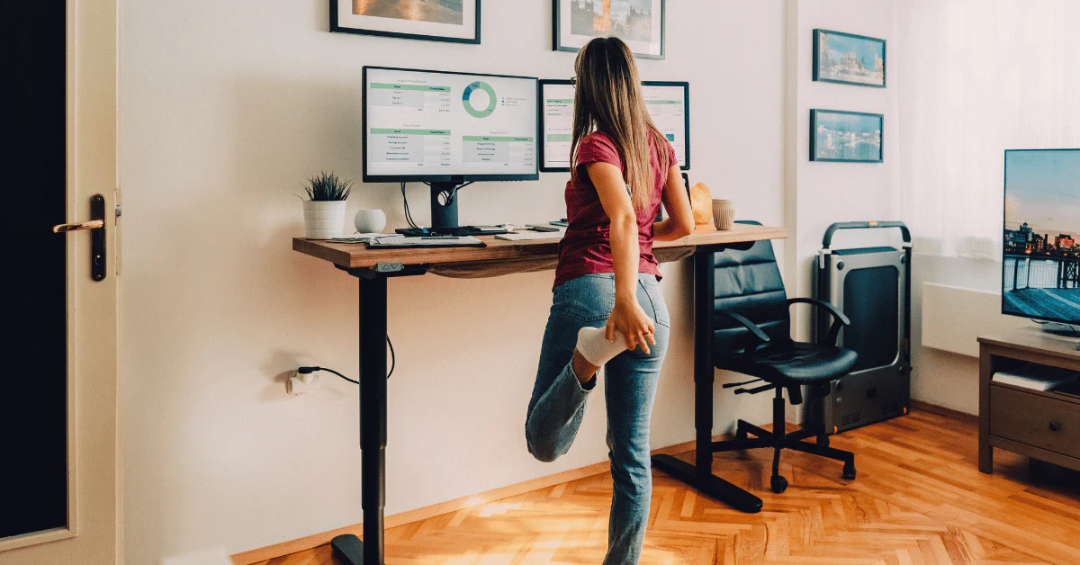
Physical discomfort can quietly drain your focus throughout the day. An ergonomic setup supports your posture and reduces strain on your neck, back, and shoulders. When your body feels supported, it’s easier to stay engaged with your tasks. You can also get an adjustable standing desk to increase blood flow when you need it.
3. Use natural light when possible

Natural light helps regulate your internal clock, which supports better sleep and daytime alertness. A brighter environment can lift your mood and make your workspace feel less confined. Sunlight exposure during the day has also been linked to improved focus and reduced stress. Working near a window can provide a subtle connection to the outside world, which helps combat the isolation of remote work. If sunlight is limited, warm lighting can still make your space feel more energizing.
4. Keep a morning routine

A consistent morning ritual helps ease the transition from home life into work mode. Without a commute, it’s easy to jump straight into tasks while still feeling mentally scattered. Simple habits like stretching, making coffee, or journaling create a moment of calm before responsibilities begin. This structure helps you feel more grounded and prepared for the day ahead.
5. Personalize your space
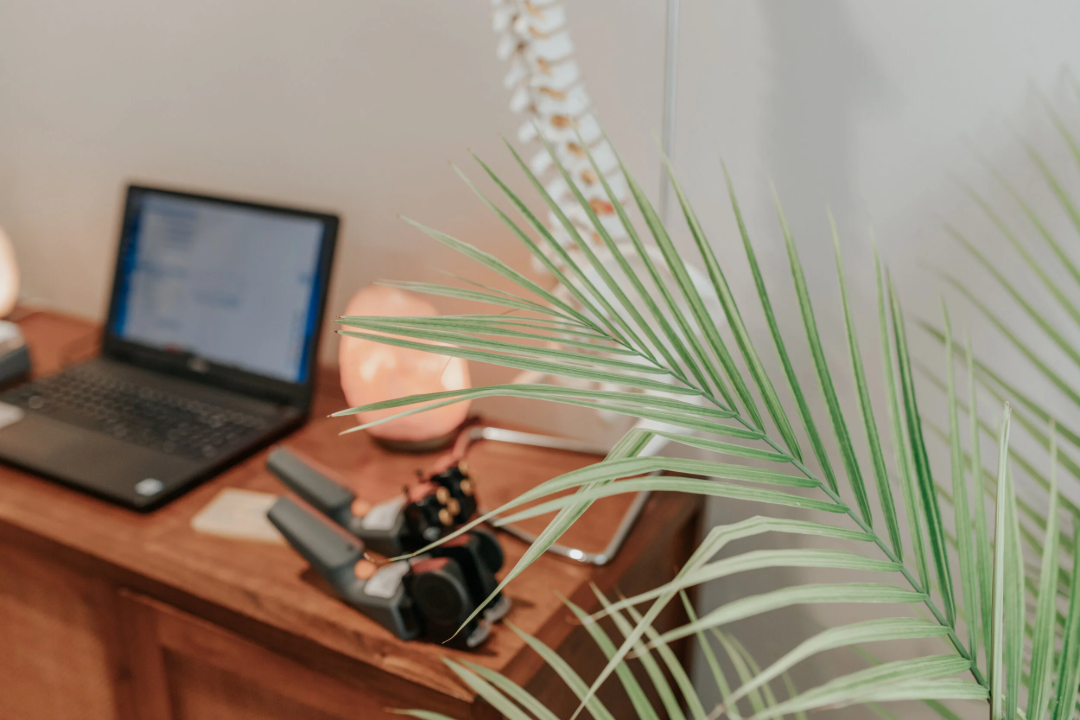
Personal touches can transform your workspace from a plain setup into a genuinely inviting space. Items like a plant, framed photo, or a favorite mug add warmth and a sense of personality to the area. When your surroundings feel comfortable and familiar, stress levels tend to drop, and long workdays feel more manageable.
Trending on The Scroller


6. Move your body during the day

I’m not saying take 15 minutes every hour to stretch, but sitting for long periods can leave you feeling sluggish and stiff. Adding small bursts of activity boosts circulation and mental clarity. Movement releases tension that builds up from staying in one position. Even light exercise can improve mood and focus for hours afterward. Staying active helps your body keep up with the demands of desk work.
7. Create a shutdown ritual

Finishing work without a clear stopping point can leave your mind stuck in work mode. A short closing routine signals that your responsibilities are done for the day. Reviewing progress and preparing for tomorrow helps you mentally let go. Tidying your space also creates a fresh start for the next morning.
8. Get outside after work

Leaving the house after work helps mark the transition from professional time to personal time. Fresh air and movement can release tension built up during the day. Exposure to nature often improves mood and reduces mental fatigue. This simple habit replaces the natural separation that a commute once provided.
Sign up for our newsletter
9. Make some time to learn something new

Working from home can free up time once spent commuting. Using some of that time to learn a new skill or hobby keeps your mind engaged. Personal growth adds variety to your routine, and it also brings a sense of progress beyond daily tasks.
10. Start your day with some movement

A short stretch, yoga flow, or walk can wake up your body before you sit down to work. Morning movement boosts circulation and helps shake off grogginess, and also improves focus and mood for hours afterward. Beginning the day actively sets a positive tone.
11. Step away when you feel stuck

If you’ve been at the desk for hours working on the same project, your mind might need a quick 5-minute break. Pushing through mental blocks can sometimes make them worse. Taking a short walk or changing activities can reset your thinking. Distance from a problem often leads to fresh ideas, and returning later with a clearer mind saves time and frustration.
12. Keep some snacks nearby

Having nutritious options within reach helps maintain steady energy. It prevents the crash that comes from skipping meals or grabbing sugary snacks. Balanced fuel supports focus and mood throughout the day.
13. Schedule something enjoyable after work

Looking forward to plans later in the day can be a great motivator to get through your responsibilities. It gives you something positive to work toward and makes finishing tasks feel more rewarding. Doing things you enjoy also helps you mentally step away from work, which is important. That kind of balance is what really supports your well-being over time.
14. Track your energy levels

It may sound silly, but keeping a note of when you feel the most energized during the day can really help plan it out. Try scheduling your most demanding work during the times of day when you naturally have the most energy. You’ll get more done, and it won’t feel like such a grind. Then, when your energy dips, switch to simpler, low-effort tasks so you’re not fighting your brain. Paying attention to your natural rhythm makes it a lot easier to work smarter instead of just pushing harder.
15. Check your posture regularly

Slouching often happens without you even noticing. Taking a moment to adjust how you sit can help reduce strain and fatigue. Good posture also supports better breathing and alertness. Feeling comfortable in your body makes it easier to stay focused and engaged.
Want to see some more useful tips?
Check out 13 Hilariously Outdated Dating Tips From 1938, or take a look at 18 Everyday Things You’ve Been Doing Wrong Your Entire Life. Finally, if you want to see some cooking tips, check out 5 Cooking Tips People Always Remember When It’s Too Late.