Growing up in the digital age certainly has its perks, from instant information to high-definition gaming, but it has also erased a specific set of “character-building” struggles that defined previous generations. Today’s kids navigate a world of seamless connectivity where every question has an immediate answer and every song is just a tap away. While this convenience is great, it means they are missing out on the tangible, tactile, and often frustratingly slow experiences that taught us patience, resourcefulness, and the art of dealing with minor technological tragedies.
There was a certain magic in the limitations of the past that helped shape our sense of adventure and independence. Whether it was the high-stakes gamble of taking a photo without knowing how it would turn out or the pure social freedom of being completely unreachable once you stepped out the front door, those moments are becoming historical curiosities. For modern kids, the concept of “waiting” for media or “getting lost” without a GPS is almost alien. Let’s take a trip down memory lane to look at the analog joys and struggles that are officially extinct.
1. The agony of the scratched CD

Before streaming, your entire musical identity was stored on fragile plastic discs that could be ruined by a single stray grain of sand. There was a specific kind of heartbreak in hearing your favorite song start to “stutter” because the CD player hit a scratch you tried to buff out with toothpaste. It forced us to treat our belongings with a level of surgical care that digital files simply don’t require.
2. Being “unreachable” after dark
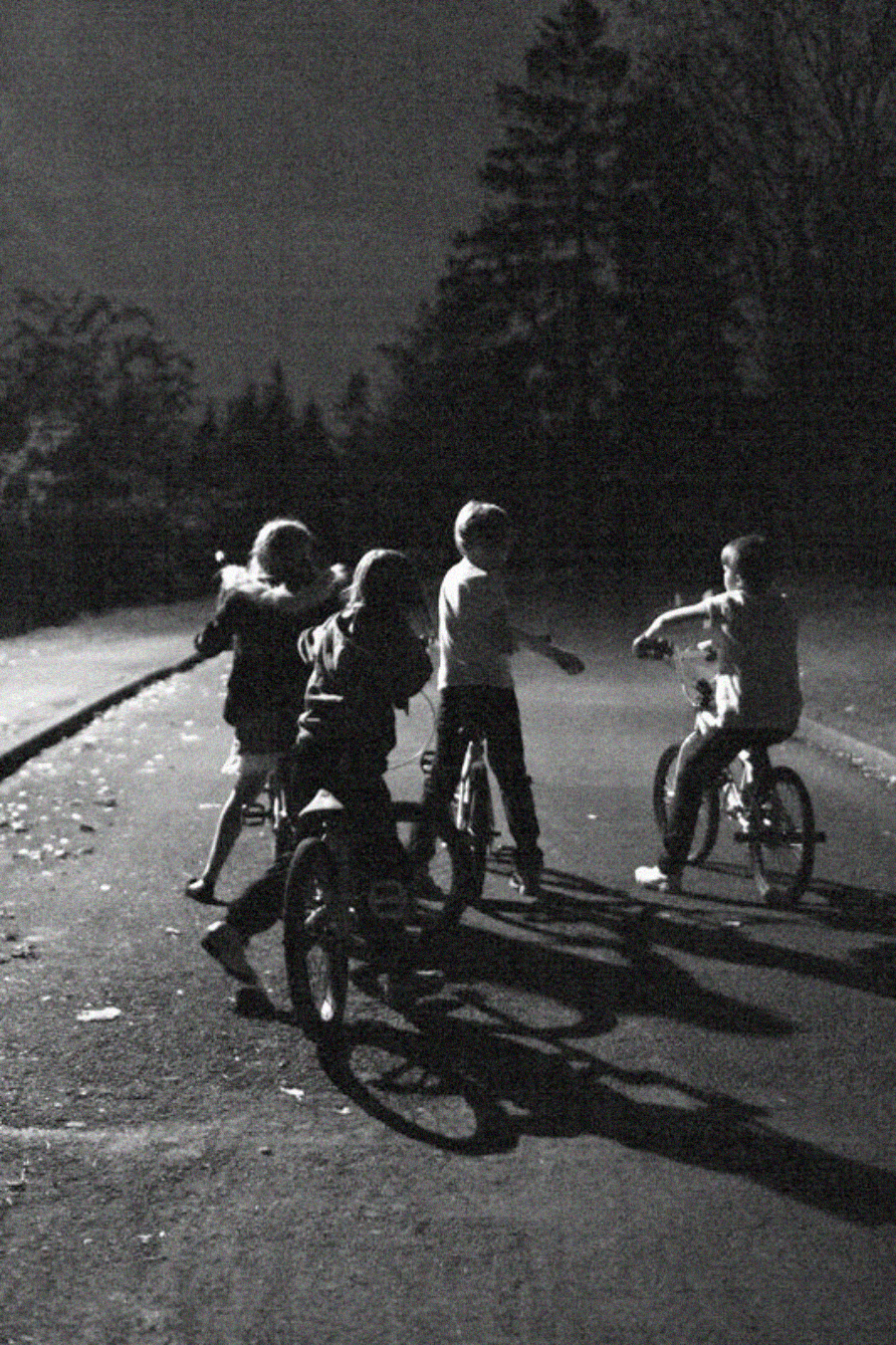
Once you hopped on your bike and left your house, you were essentially off the grid until you decided to come home or found a payphone. There were no tracking apps or constant text check-ins, giving us a sense of true autonomy and privacy that most kids today will never know. It built a level of trust between parents and children that has been largely replaced by digital surveillance.
3. Recording songs off the radio
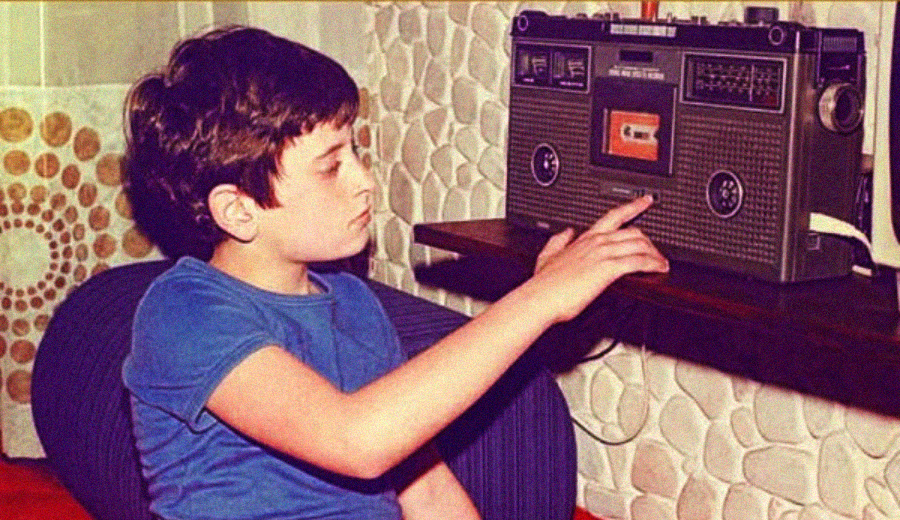
The ultimate test of reflexes was trying to hit “Record” on a cassette deck the exact millisecond a song started while praying the DJ didn’t talk over the intro. We would sit for hours waiting for that one specific track to play, creating “mixtapes” that were essentially trophies of our dedication. Today, if you want a song, you just ask an AI to play it, removing the thrill of the hunt.
4. Navigating with a giant paper map
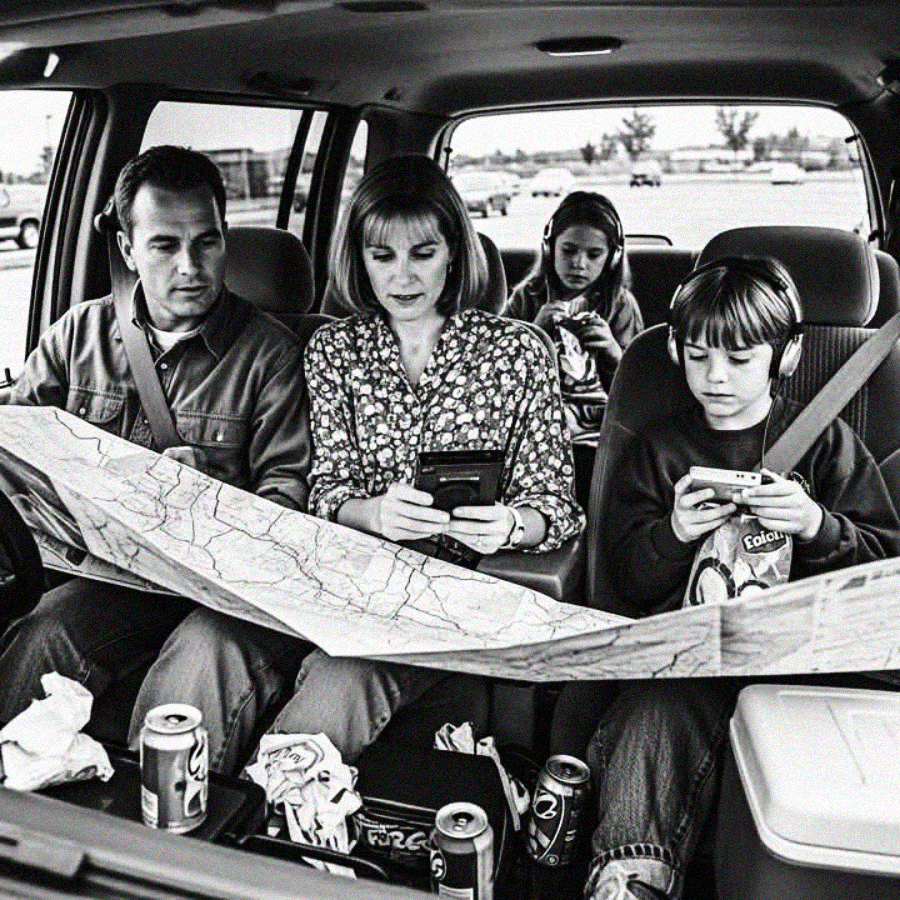
Road trips used to involve the “navigator” in the passenger seat wrestling with a massive, folding paper map that obscured the entire windshield. If you took a wrong turn, there was no soothing voice to tell you to “recalculate”; you had to figure it out using landmarks and intuition. It was a bonding (and often arguing) experience that made the destination feel much more earned.
5. Developing a roll of film
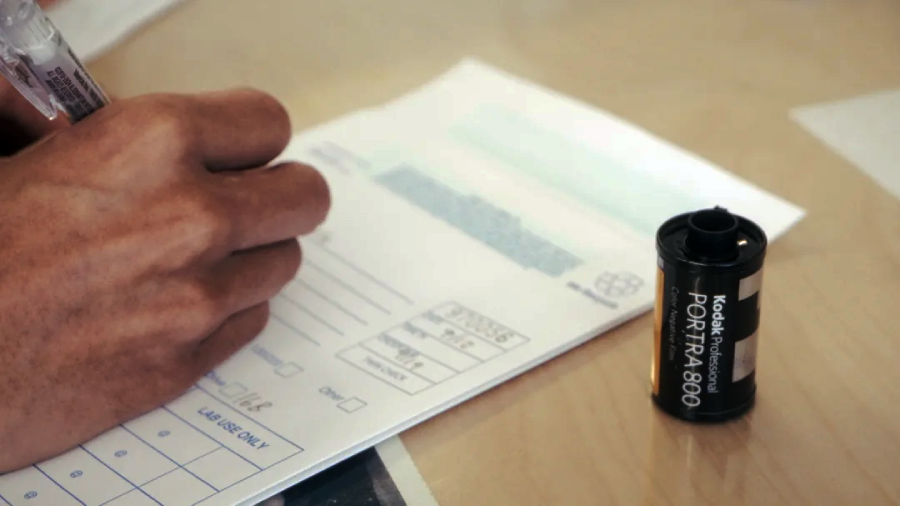
Back in the day, you didn’t see your photos until a week after the event when you picked up a yellow envelope from the drugstore. You only had 24 or 36 “chances” to get it right, which meant you didn’t waste shots on pictures of your lunch or 50 identical selfies. The excitement of finally seeing those blurry, poorly lit memories for the first time is a suspense modern photography has lost.
Trending on The Scroller


6. The “Saturday Morning Cartoon” window
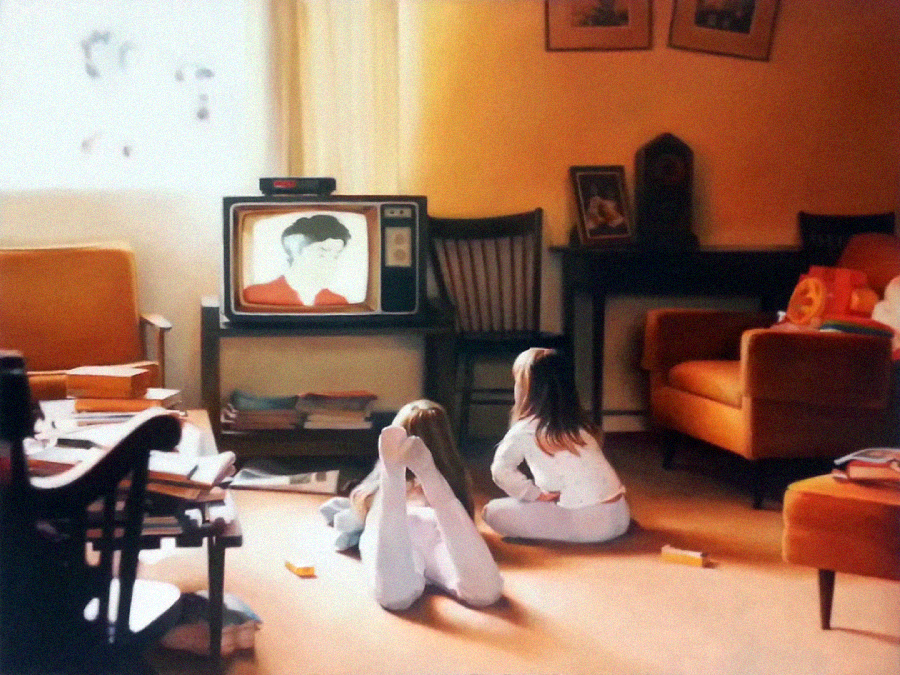
Cartoons weren’t a 24/7 on-demand service; they were a fleeting, sacred window of time that required waking up earlier than you did for school. If you slept in past 11:00 AM, you simply missed out on your favorite shows for an entire week. This forced us to adhere to a schedule and made those few hours of animated entertainment feel like a hard-won reward.
7. Using a pencil to fix a cassette tape
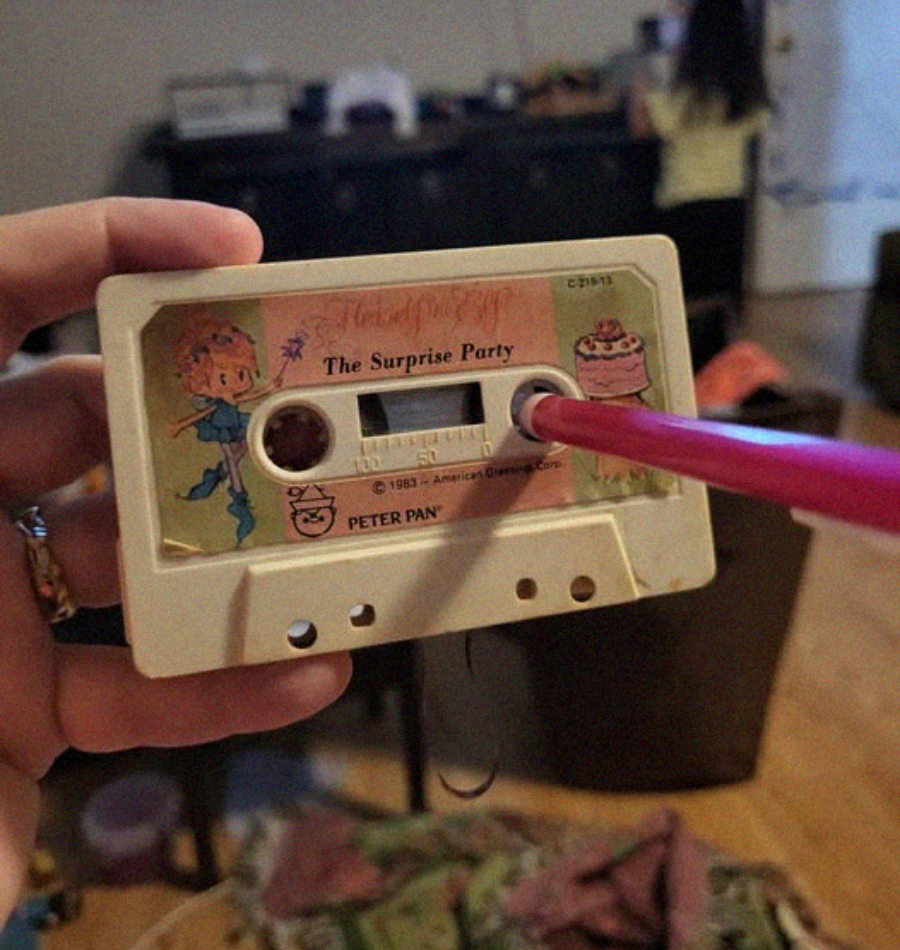
When a Walkman “ate” your tape, it resulted in a terrifying bird’s nest of shiny brown magnetic ribbon spilling out of the plastic casing. The only way to save your music was to carefully wind it back in using the hexagonal tip of a No. 2 pencil. It was a delicate manual labor task that every child of the ’80s and ’90s mastered out of sheer necessity.
8. Looking things up in a physical encyclopedia
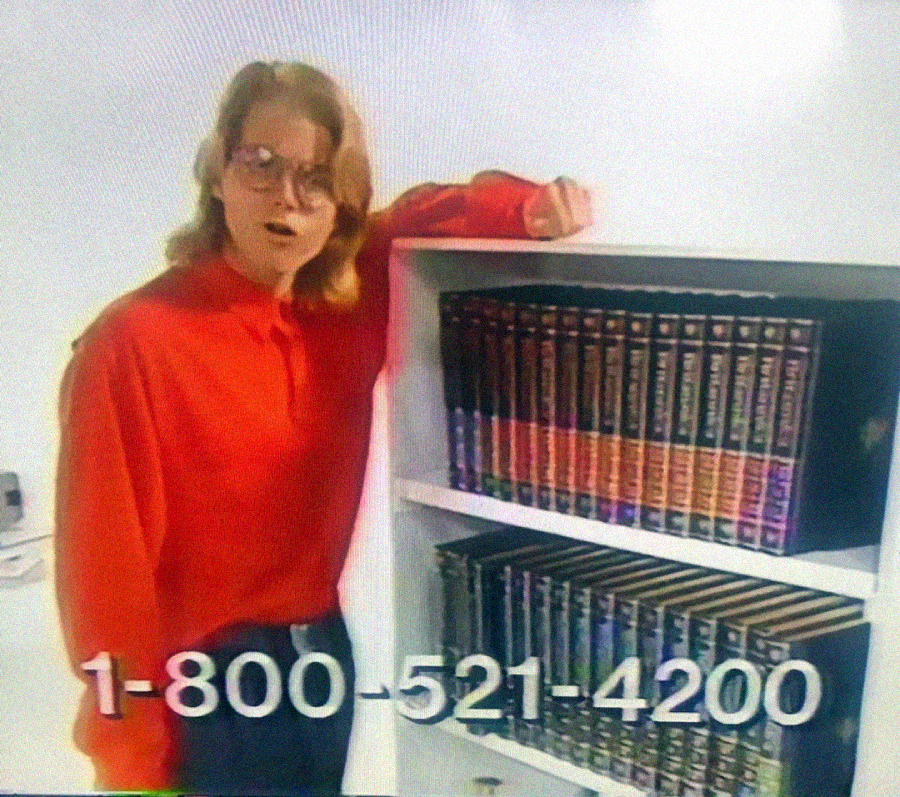
If you had a school report on the Roman Empire, you couldn’t just Wikipedia it; you had to lug a heavy, dust-covered volume of the Encyclopedia Britannica off the shelf. You learned how to alphabetize and cross-reference information manually, often getting distracted by other fascinating entries along the way. It made the acquisition of knowledge feel heavy, physical, and substantial.
Sign up for our newsletter
9. The high-pitched scream of Dial-up internet
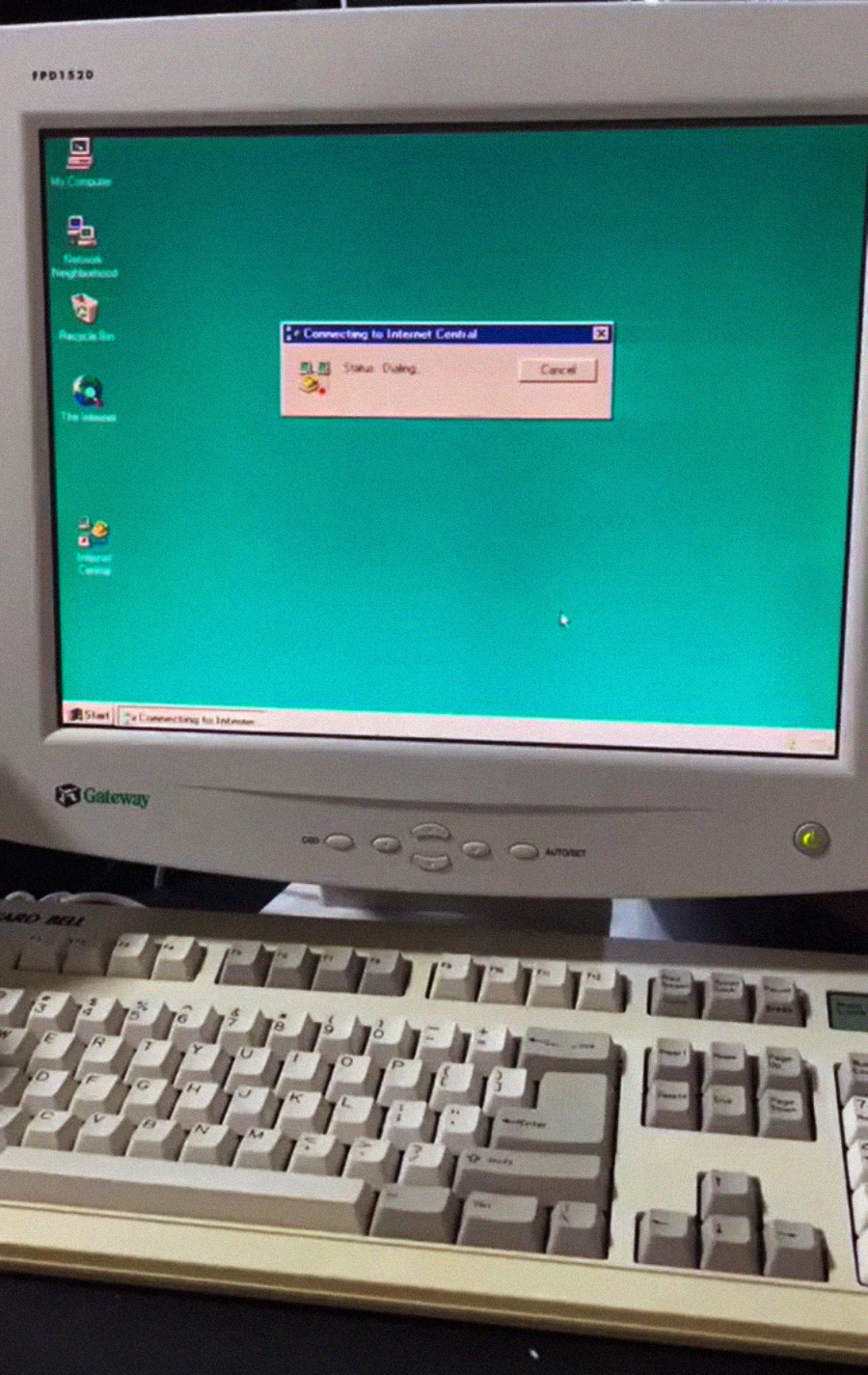
Getting online used to be a loud, mechanical event that sounded like a robot having a mid-life crisis. You had to sit through a minute of screeching and static before the connection finally “handshaked” and let you onto the web at a snail’s pace. The worst part was that if anyone in your house picked up the telephone, the connection would instantly die, usually right as you were 99% done with a download.
10. Calling your friend’s house and talking to their parents first

Before everyone had a private cell phone in their pocket, “socializing” required a massive amount of courage to speak to your crush’s dad first. You had to navigate a minefield of small talk and introduce yourself properly just to see if your friend was home. It taught an entire generation of children how to speak to adults with respect and how to handle rejection in real-time.
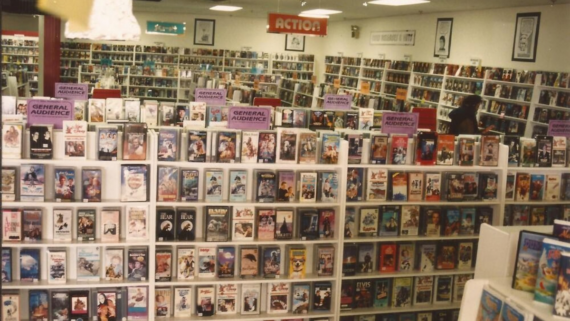
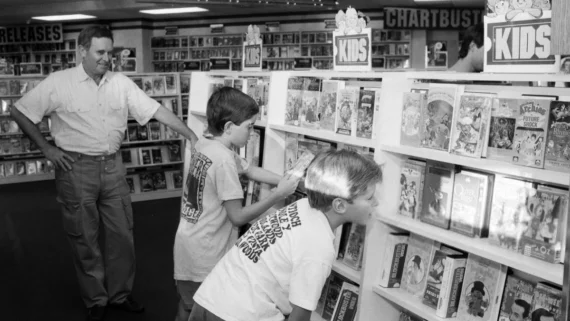
11. Renting a movie based solely on the cover art
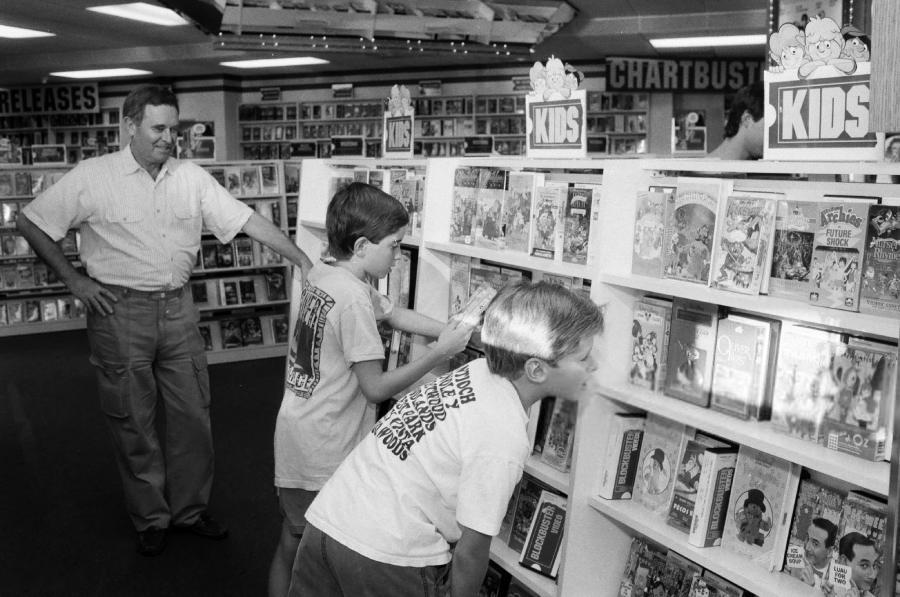
Walking into a video rental store meant committing to a film based on nothing but the colorful, often misleading, poster on the plastic case. There were no Rotten Tomatoes scores or YouTube trailers to guide you, so you had to rely on your gut instinct and the recommendation of a bored teenager behind the counter. If the movie was terrible, you were stuck with it for the weekend, teaching us a valuable lesson about taking risks.
12. “Channel surfing” during commercial breaks
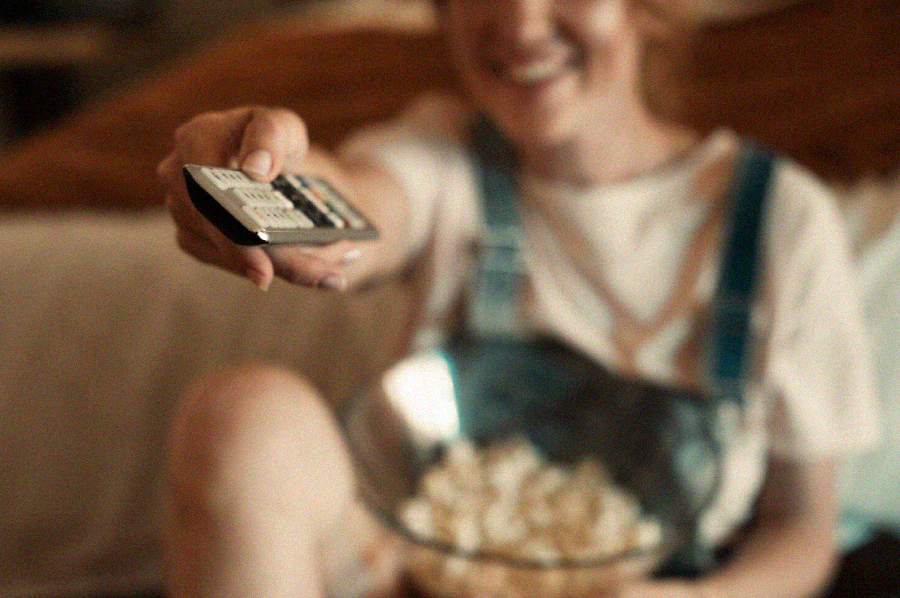
When a commercial came on, you had to manually flip through every single channel to see what else was on, hoping to find a music video or a sports update. You had to memorize the timing of the break so you could flip back exactly when the show returned, a skill that required incredible mental precision. Today, the concept of “waiting” for a show to resume is almost entirely gone thanks to the “Skip Ad” button.
13. Writing notes on paper and folding them intricately
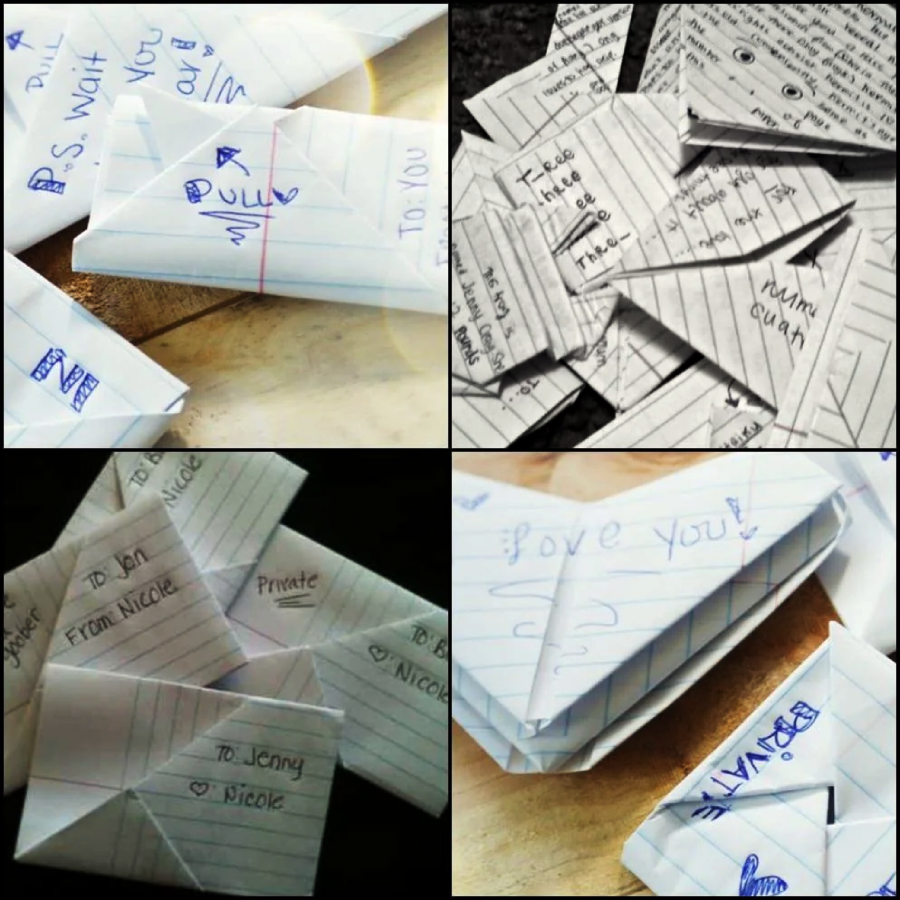
Since we couldn’t text under our desks, we developed a sophisticated system of physical “DMing” that involved complex paper folding. There were specific “football” or “diamond” folds that signaled the importance of the note, and passing it across the room was a high-stakes mission. Getting caught by the teacher meant having your private thoughts read aloud to the class, a level of public humiliation that today’s kids will never understand.
14. Blowing into video game cartridges to make them work
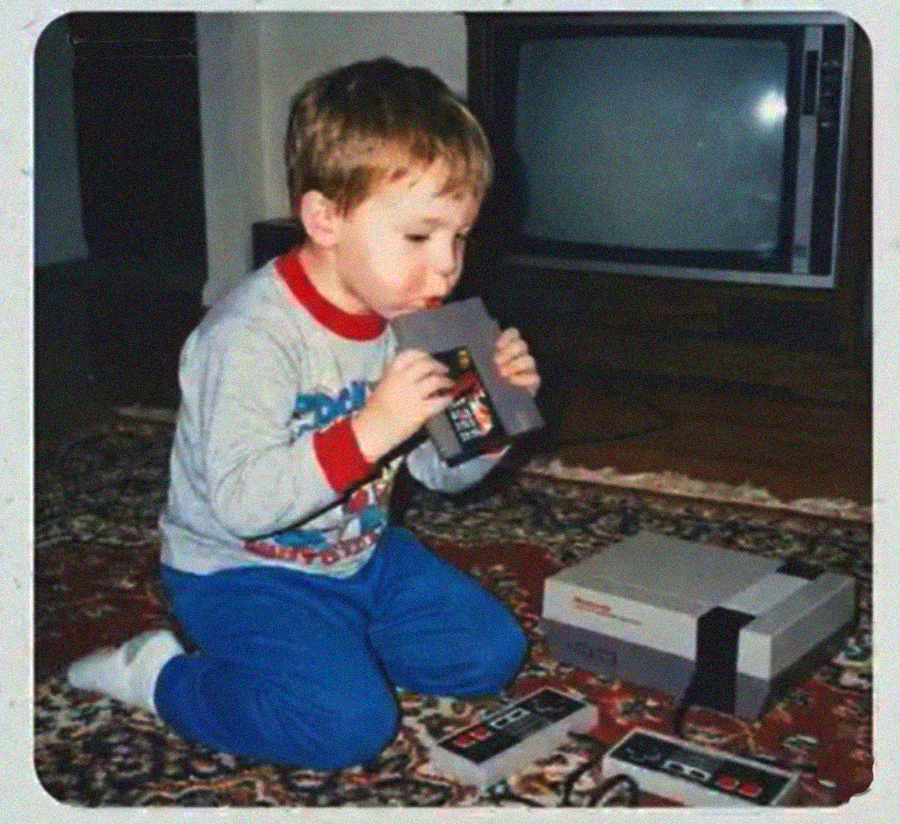
When a game froze or the screen went fuzzy, every kid knew the scientific “cure” was to take the cartridge out and give it a quick, forceful puff of air. While experts now say the moisture in our breath actually caused more damage, at the time, it felt like a magical ritual that solved everything. It was the original “have you tried turning it off and on again,” but with a lot more lung capacity.
15. The Yellow Pages: A five-pound book of phone numbers
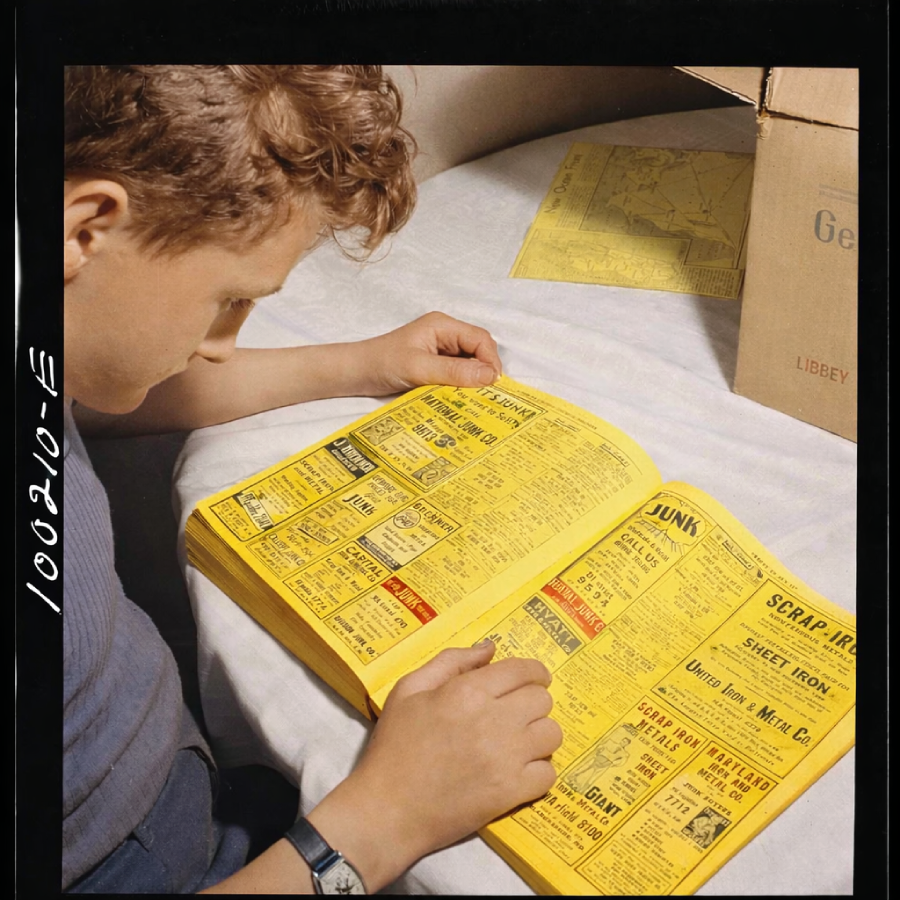
Finding a local pizza shop or a plumber used to require lugging a massive, yellow book out of a kitchen drawer and searching through thousands of tiny-print entries. The book was so thick that it was often used as a makeshift booster seat for children sitting at the adult dinner table. Now that every business is a Google search away, the idea of a physical directory delivered to your porch seems like ancient history.
16. The terror of the “Roaming” charge
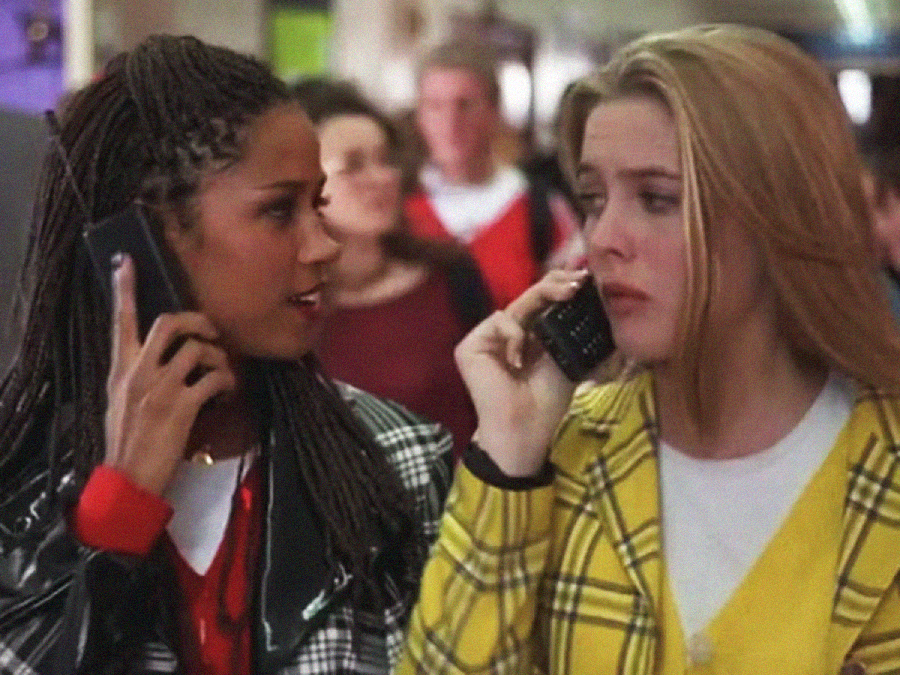
Early cell phone plans were a financial trap where leaving your local area code meant paying a staggering amount of money per minute. You had to check a physical map of your “coverage area” to ensure you weren’t accidentally bankrupting your parents while talking to a friend in the next town over. It made every phone call feel like an expensive luxury rather than a constant, background connectivity.
17. Looking at the back of cereal boxes for entertainment

Before tablets were glued to every hand at the breakfast table, we spent our mornings reading the back of the cereal box for the tenth time. Whether it was a maze, a “spot the difference” puzzle, or just the nutritional facts, that cardboard box was our only source of morning media. It taught us to find entertainment in the most mundane places and made getting the “prize” inside the box the highlight of the week.
18. T9 texting: The art of multi-tapping
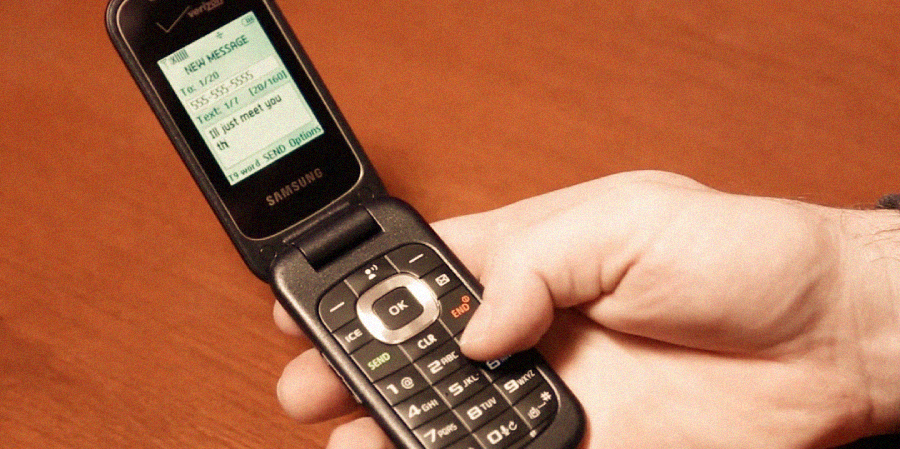
Sending a simple “Hello” used to require pressing the number ‘4’ twice, the number ‘3’ twice, and the number ‘5’ three times. We became so fast at this numerical code that we could type entire paragraphs under our desks without ever looking at the screen. It was a digital language all its own, and the feeling of your thumb “galloping” across the plastic buttons is a tactile memory modern touchscreens can’t replicate.
19. Using a public payphone (and knowing the cost of a call)
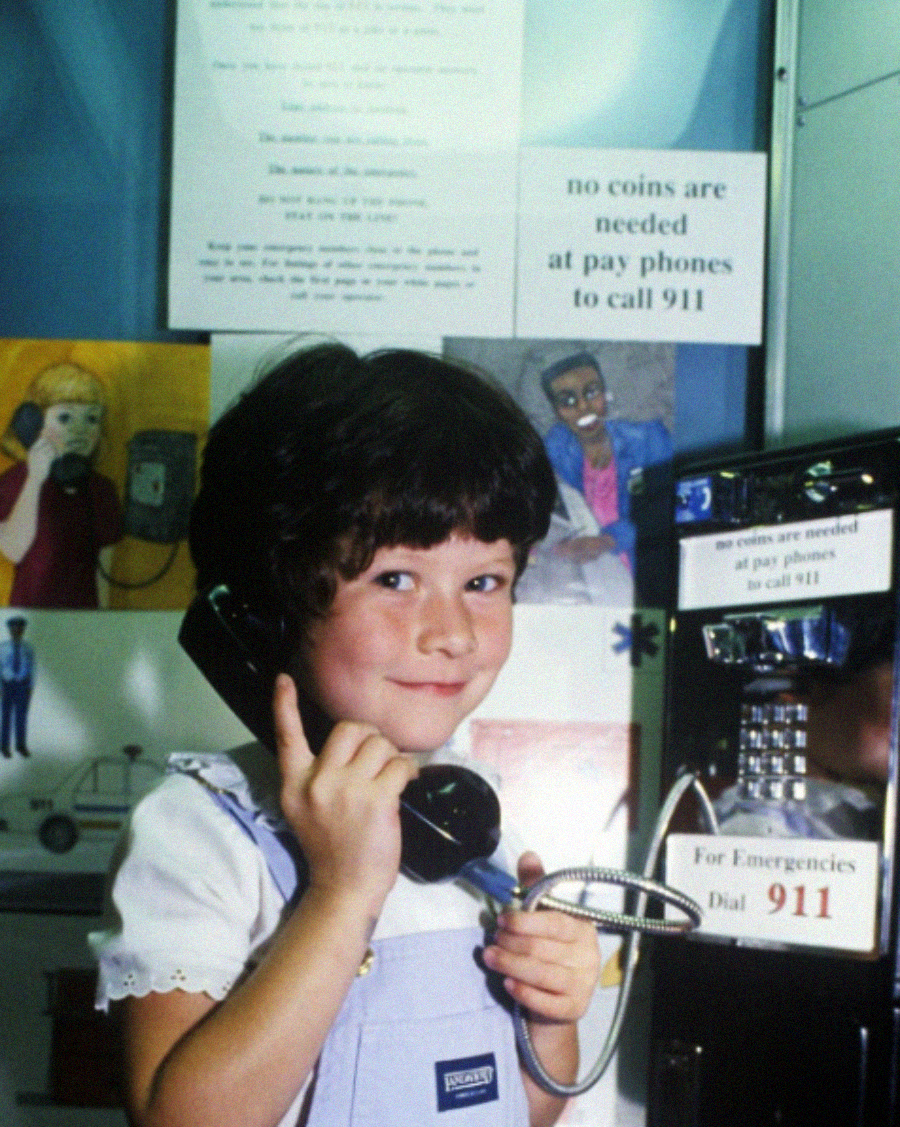
There was a time when knowing where every payphone in town was located was a vital survival skill for a teenager. You always had to carry a spare quarter in your shoe for emergencies, and the smell of the stale, plastic receiver is something you never forget. Today, these booths are mostly used as decorative relics or “portals” in movies, as the idea of paying for a single call in a glass box is totally foreign to Gen Z.
20. Carrying a portable CD player without it skipping
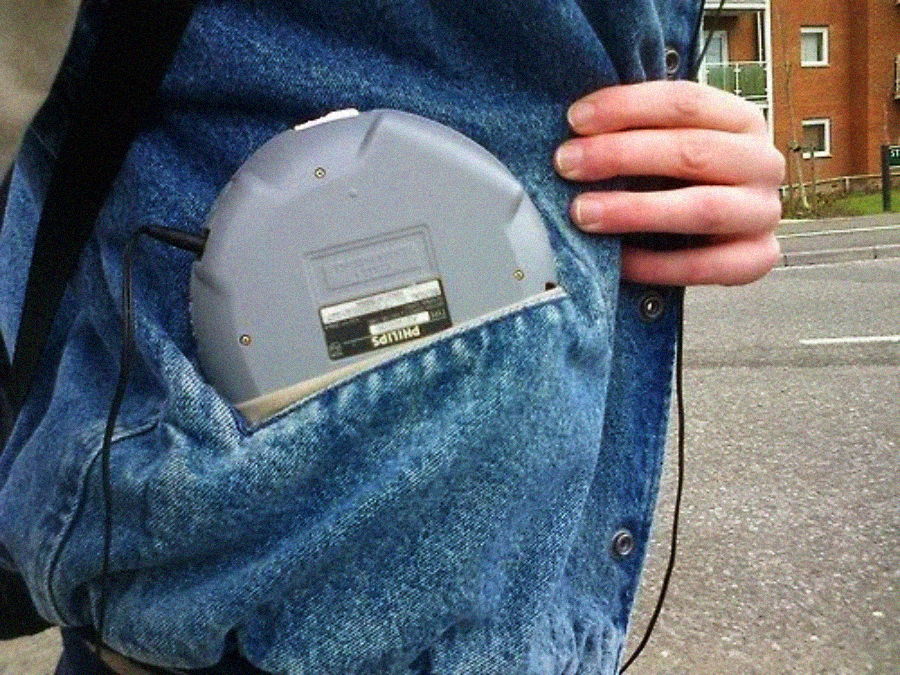
Using a Discman while walking was an actual athletic feat that required keeping your body perfectly level to avoid “skipping.” Even the most expensive players with “45-second anti-shock” would give up if you hit a medium-sized curb too hard. It meant we listened to music with a strange, stiff-legged gait, treating our portable players like they were made of thin glass.
Want more nostalgia?
It’s easy to look back at these experiences as “inconvenient,” but they were the friction points that made life feel a little more textured and real for kids of the past. While we wouldn’t trade our modern fiber-optic speeds for a screeching modem, there’s a part of us that misses the simplicity of a world where you had to wait for things to happen. If you’re feeling particularly nostalgic today, don’t miss these 20 Iconic Millennial Trends Officially Revived in 2026, or these 20 Things Only 1990s and 2000s Kids Will Understand. You can also check out these 15 Former Child Actors Who Now Have Regular 9-to-5s.