
Throughout history, people have been fooled by stories, images, and claims that turned out to be completely false. Some hoaxes spread because they sound believable at the time, while others caught on simply because people actually wanted to believe them. It’s surprising how easily misinformation can take hold, especially before the internet made fact-checking instant.
As you look through these examples, it becomes clear how convincing some of these tricks really were. In some cases, entire communities were misled before the truth eventually came out. These stories serve as a reminder that not everything we hear can be taken at face value, no matter how convincing it might seem at first. Let’s dive into 15 hoaxes people actually believed.
1. The 160-foot giant squid
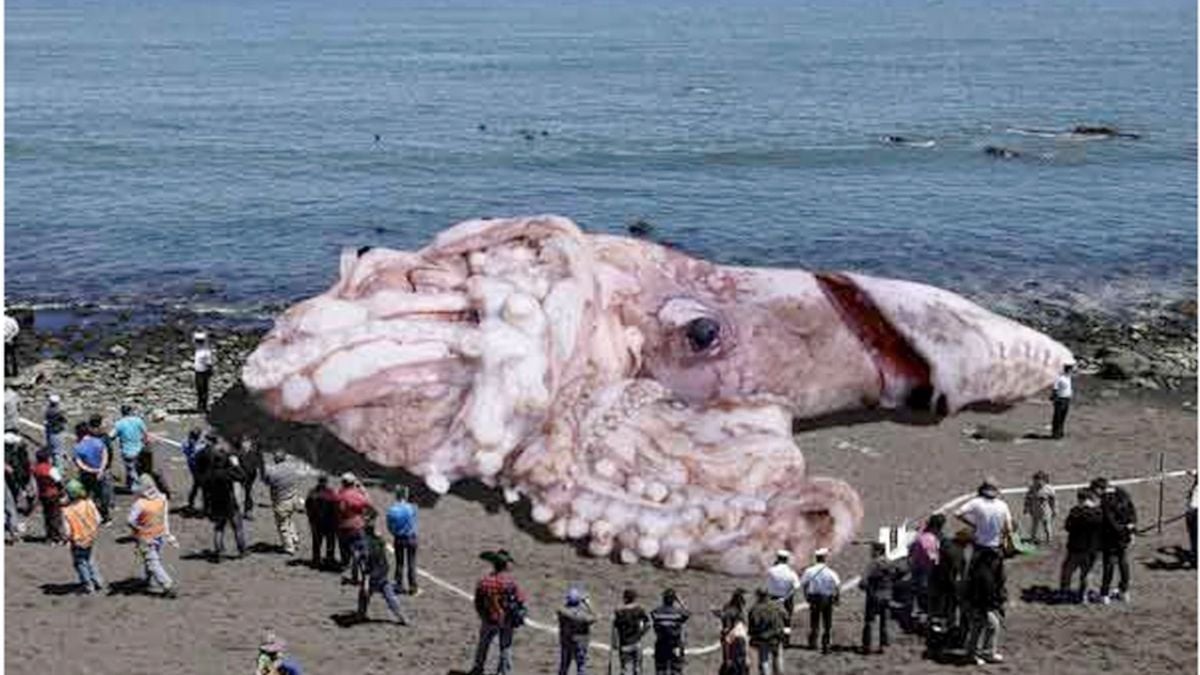
This image circulated online and in email chains showing a massive squid supposedly washed onto a beach and measuring 160 feet long. The photo was widely shared as evidence of unknown deep-sea giants. Digital analysis and image comparison showed it was photoshopped from a real image of a squid. Marine biologists also confirmed that no known squid species reaches anywhere near that size, making the claim completely impossible. Giant squids can reach up to 40 feet, though, which is pretty amazing.
2. The Cardiff Giant
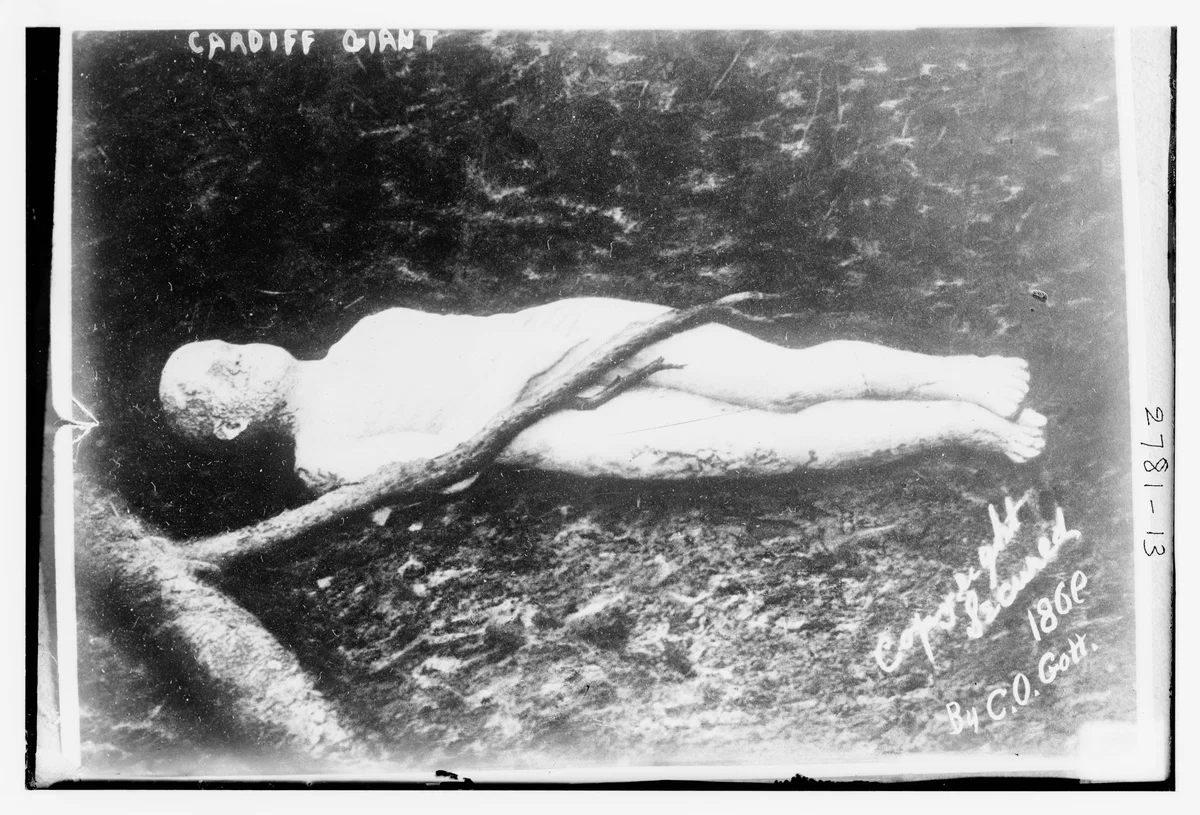
The Cardiff Giant was uncovered in 1869 in Cardiff, New York, and presented as a petrified prehistoric human. It quickly became a sensation, with people paying to see what was claimed to be an ancient fossilized giant. The object was actually carved by George Hull as an elaborate hoax intended to mock religious literalism. It was exposed when experts identified chisel marks and confirmed it was freshly carved stone.
3. The Balloon Boy Incident
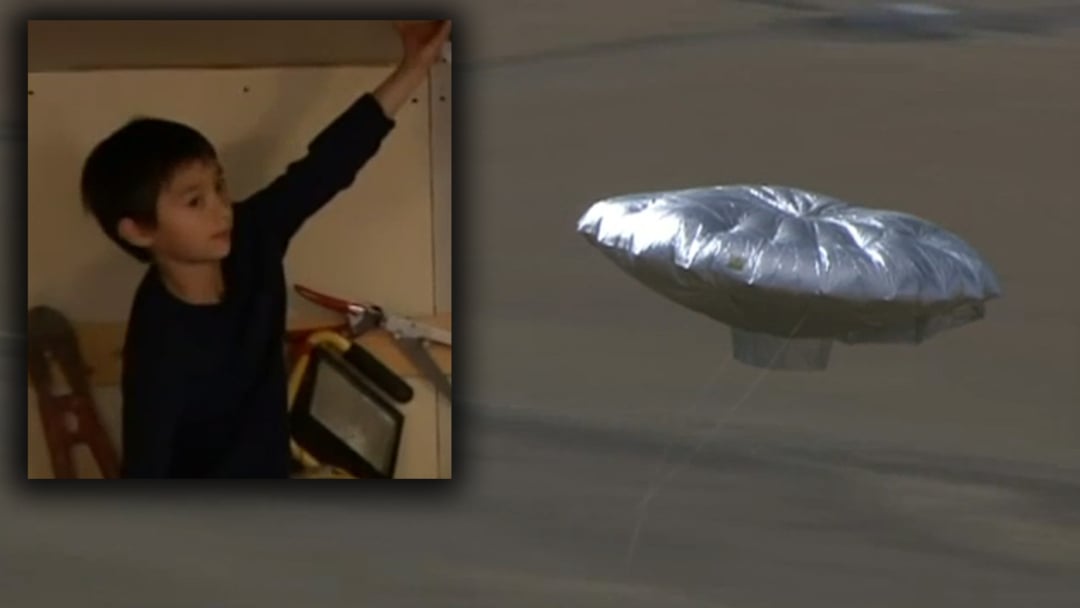
In 2009, Richard and Mayumi Heene claimed their six-year-old son had floated away in a homemade helium balloon in Colorado. News helicopters tracked the balloon across multiple states as emergency crews prepared for rescue. The child was later found hiding in the family’s home attic. Authorities concluded the event was staged for publicity, and the parents faced legal penalties.
4. The BBC Spaghetti Tree

In 1957, the BBC aired a segment showing farmers harvesting spaghetti from trees. Many viewers contacted the network to learn how to grow their own pasta plants. The segment was created as an April Fools broadcast, and the BBC later clarified that spaghetti is made from wheat, not trees.
5. The Fiji Mermaid Display
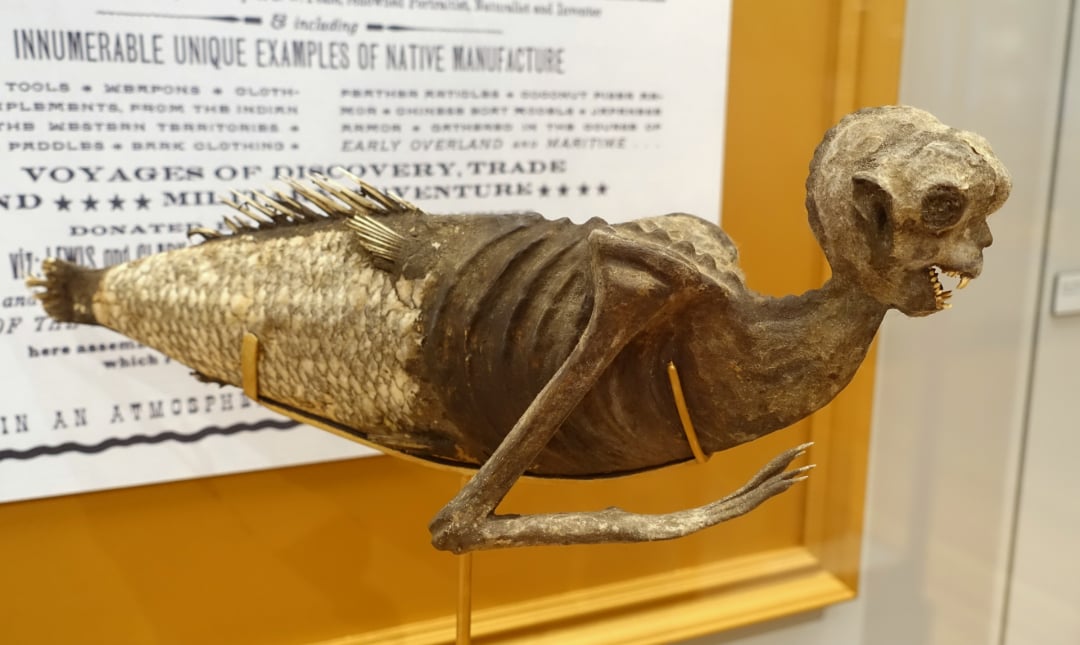
In the 1840s, P T Barnum exhibited a supposed mermaid captured near the Fiji Islands. The creature drew massive crowds due to its humanoid shape. It was later revealed to be a taxidermy creation combining a monkey torso with a fish tail. Barnum openly admitted the deception was designed to attract paying audiences.
Trending on The Scroller

6. Loch Ness Monster Surgeon Photograph
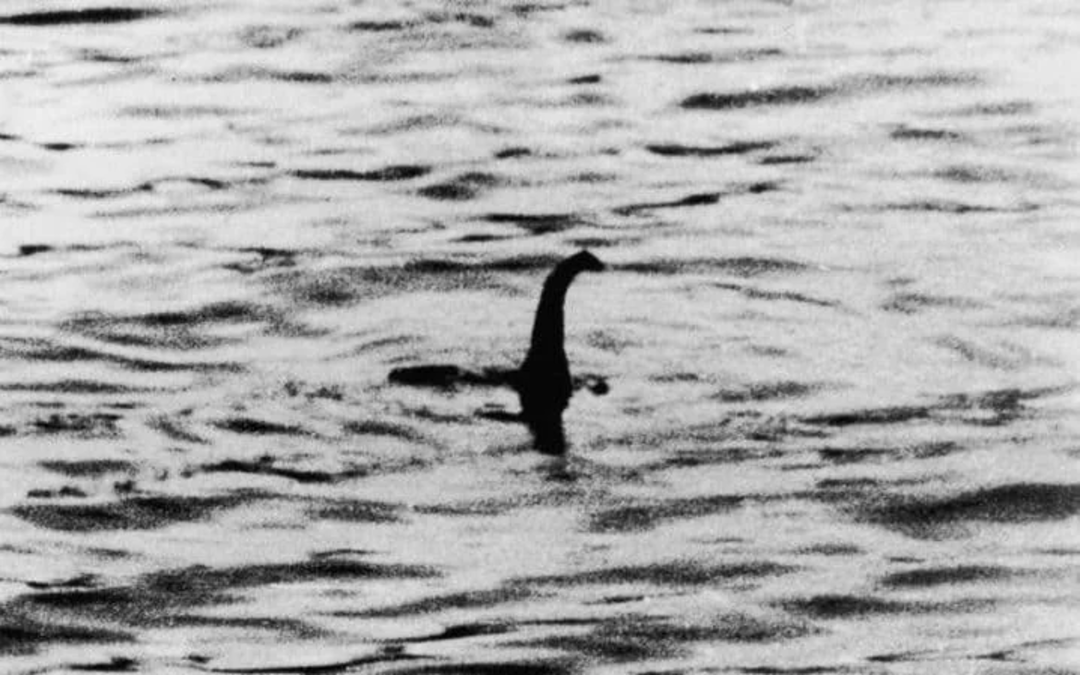
The 1934 “surgeon’s photograph” whored a long-necked creature emerging from Loch Ness in Scotland. It became one of the most famous pieces of alleged evidence for the Loch Ness Monster. In 1994, it was revealed to be a staged model attached to a toy submarine. We were living a life for fifty years. One of the participants admitted the deception and confirmed it was a publicity stunt.
7. Alien Autopsy Film
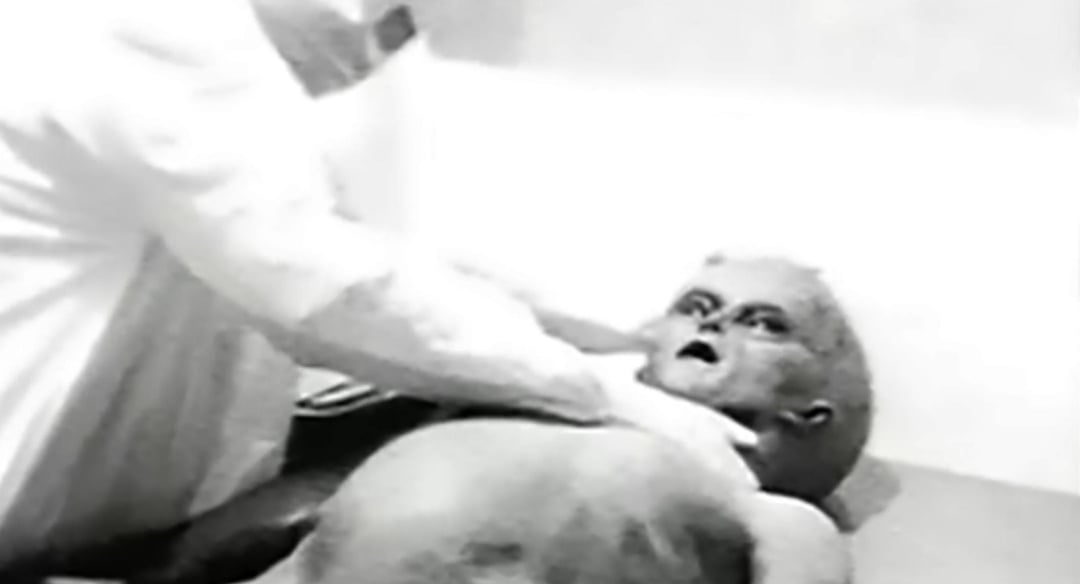
In 1995, a video aired claiming to show a government autopsy of an extraterrestrial recovered from a crashed spacecraft. The footage gained global attention and fueled many conspiracy theorists. The producers later admitted the “alien” was a fabricated prop made of rubber and special effects techniques. The film was created for commercial profit and staged entertainment.
8. The Bat Boy
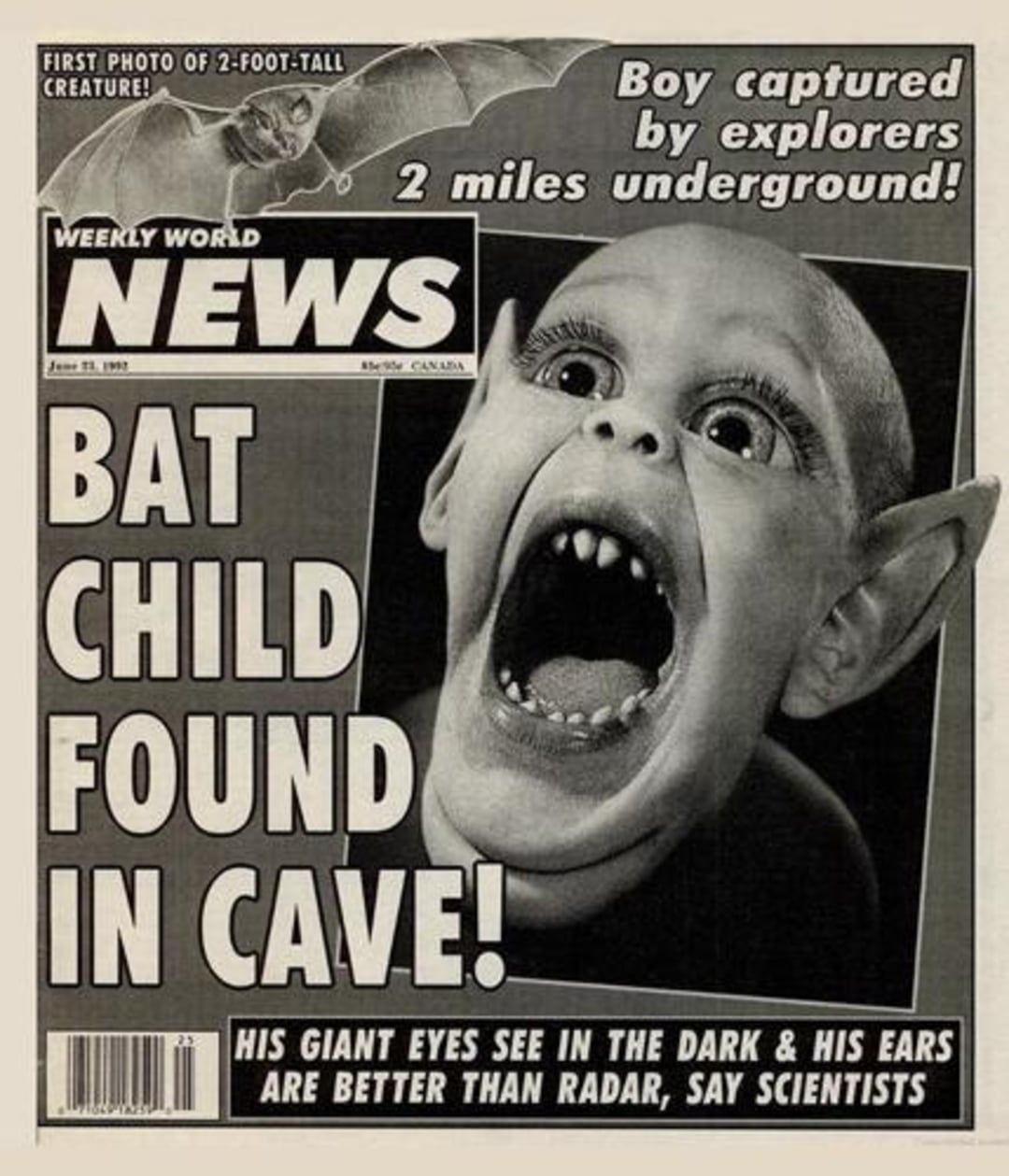
Magazines surfaced in the 1990s with a creature known as Bat Boy on the front page. The character was described as a half-human, half-bat found in a cave and often featured outrageous stories. Readers initially struggled to determine whether the reports were real due to the paper’s sensational tone. It was later confirmed that Bat Boy was entirely a satirical invention for entertainment.
Sign up for our newsletter
9. The Roswell Alien Crash
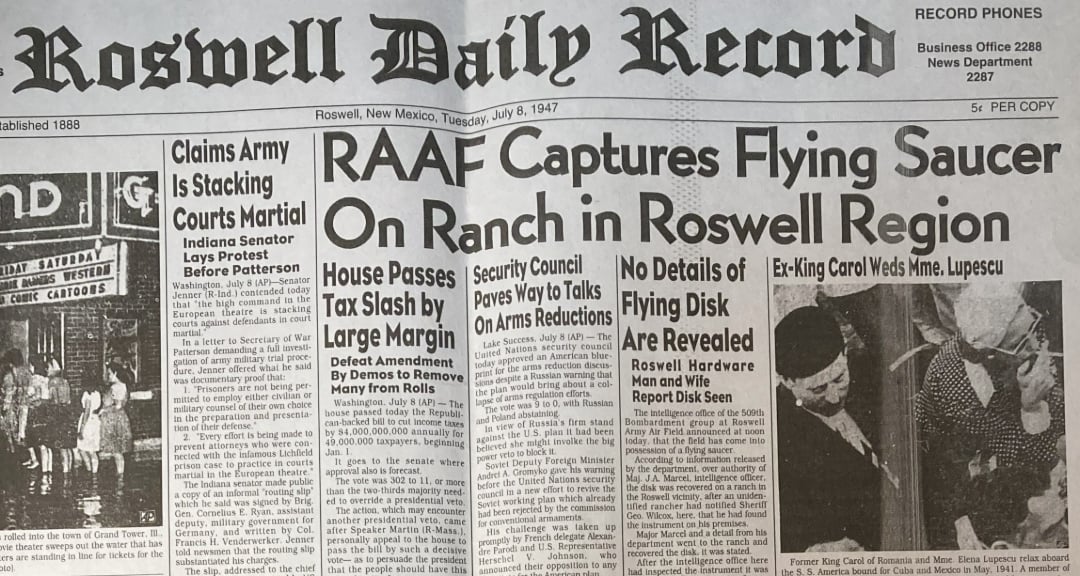
In 1947, reports emerged of a crashed object near Roswell, New Mexico, sparking rumors of a UFO recovery. The US military stated it was a weather balloon, but conspiracy theorists claimed a cover-up involving extraterrestrial technology. Later declassified information confirmed it was part of a surveillance balloon program. No credible evidence of alien involvement was ever found.
10. The Paul is Dead Album Clues Myth
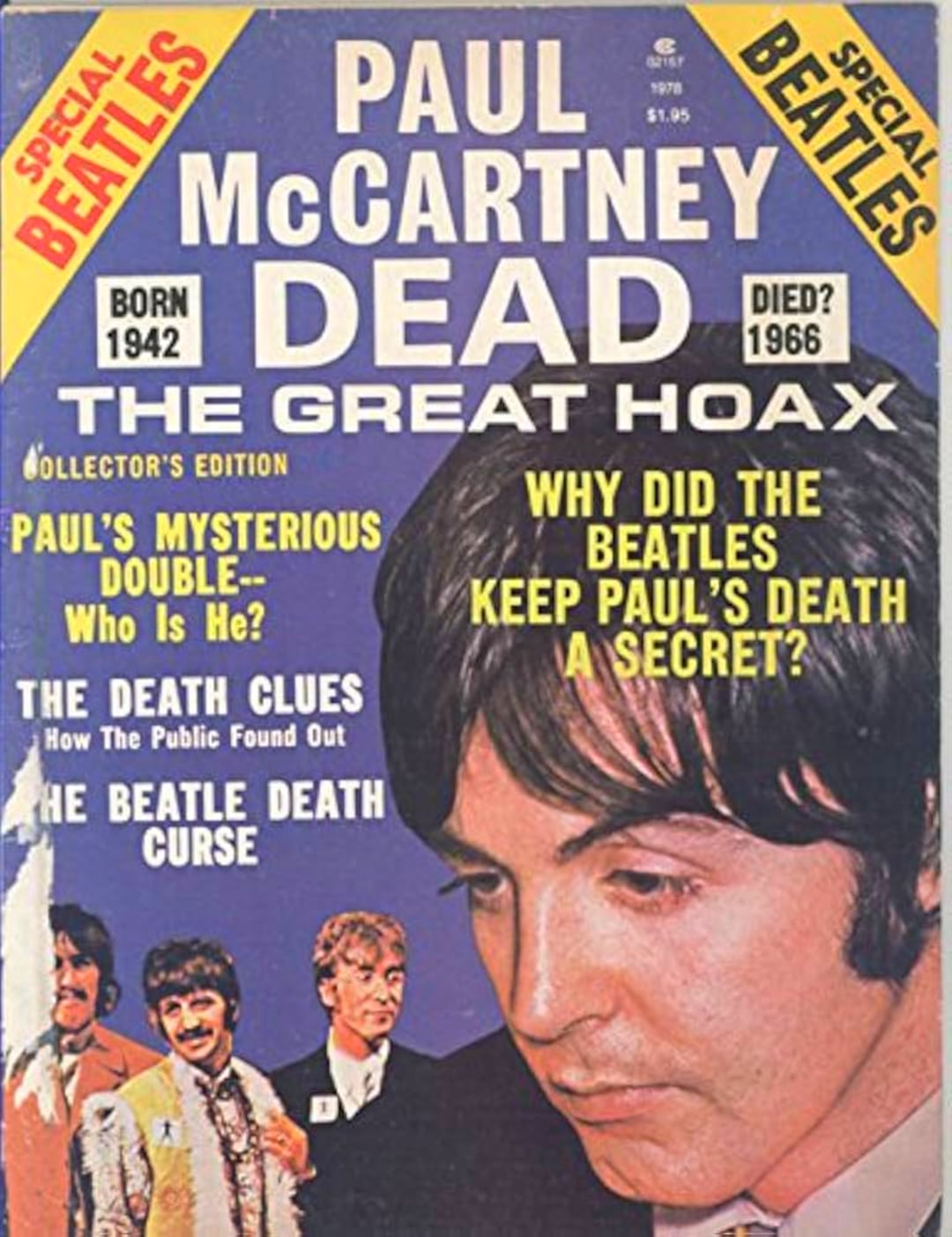
The Beatles’ album artwork and lyrics were widely analyzed for supposed clues about McCartney’s death. People interpreted backwards audio and visual symbolism as coded messages. The band later clarified that these interpretations were coincidental or imagined by fans. The theory became one of the most famous music industry urban legends.
11. The Momo Challenge
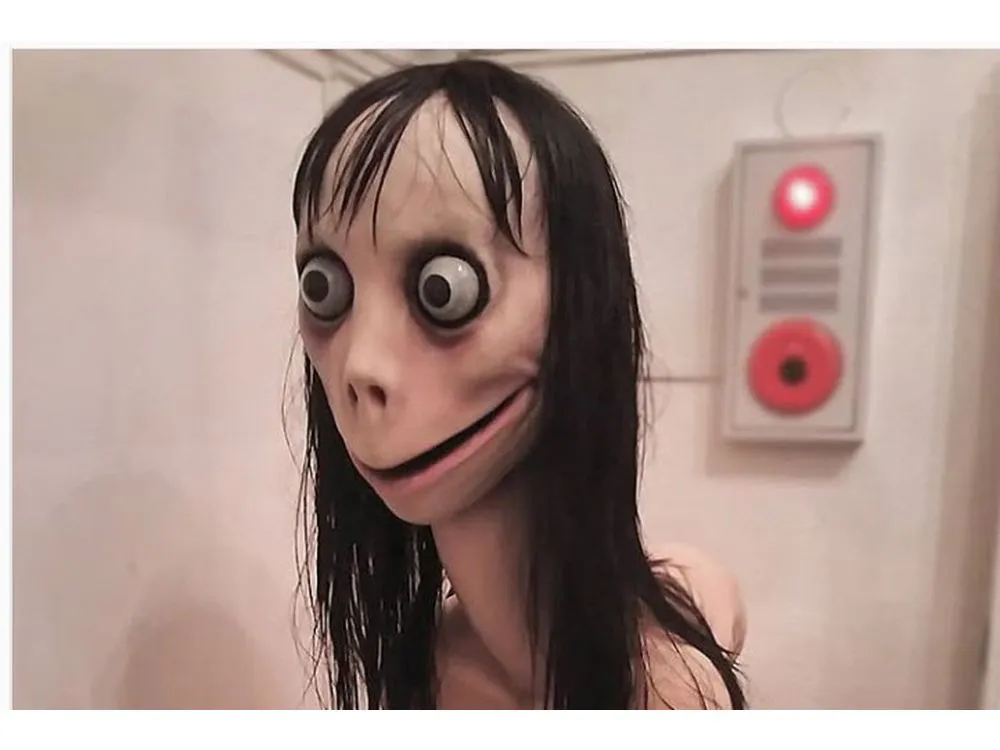
Around 2018, reports spread online about a disturbing figure known as Momo allegedly appearing in messaging apps and encouraging dangerous behavior. The story quickly went viral, alarming parents and schools across multiple countries. Investigations found no evidence that any real coordinated challenge existed, and the image was actually a creepy sculpture. The panic was fueled largely by social media sharing.
12. The Blair Witch Project
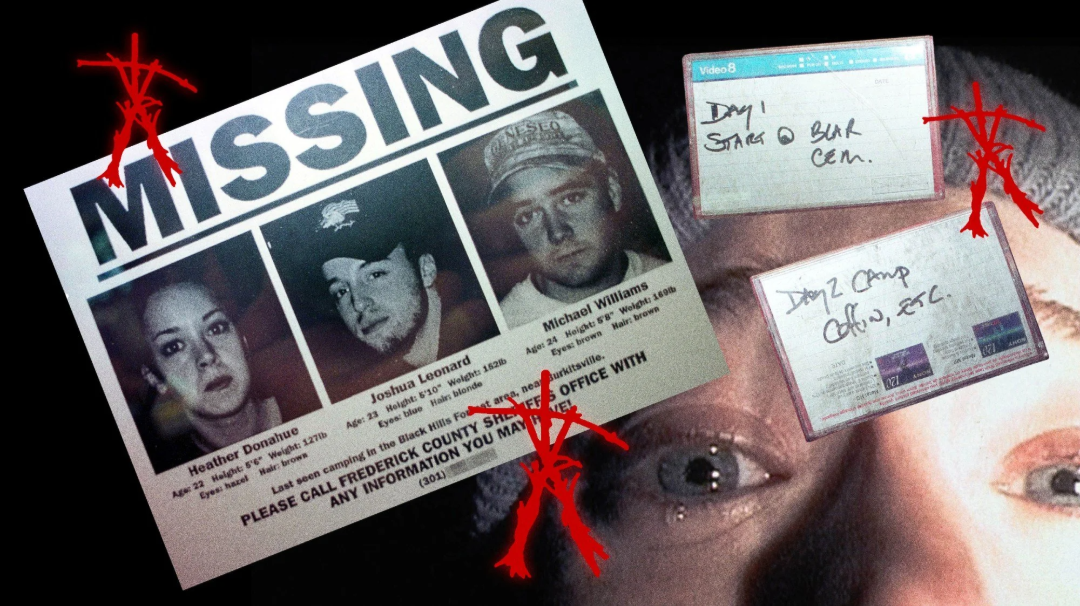
In 1999, the film The Blair Witch Project was promoted using a marketing campaign that suggested the footage was real. Early audiences were unsure whether the events depicted were authentic or not. The strategy created widespread confusion and fear, and helped the film become a major success. It’s not known to be completely scripted, but when it was first released, it was a terrifying thought that it could be real.
13. The Russian Sleep Experiment Story
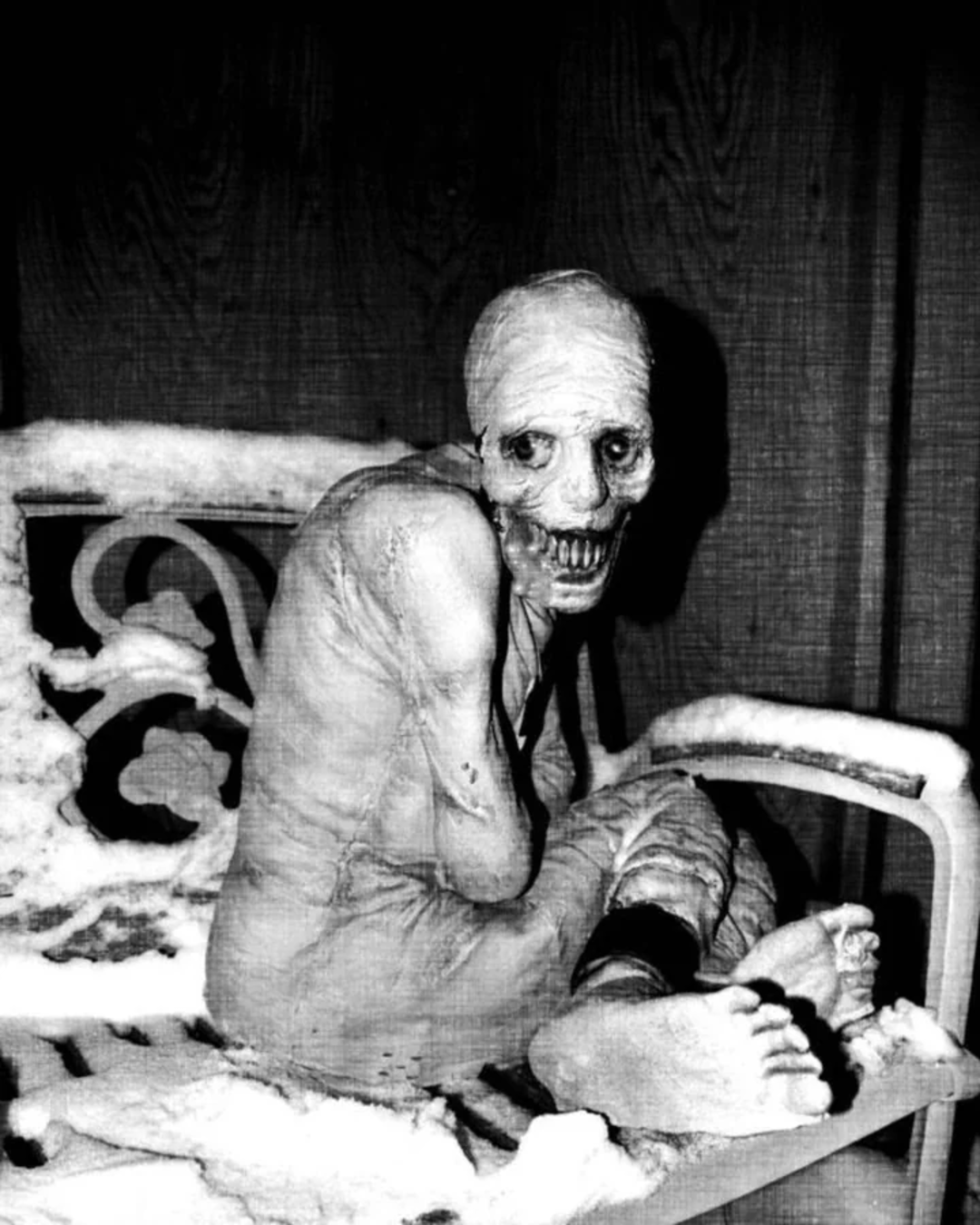
A horror story circulated online claiming that Soviet scientists kept prisoners awake for days using experimental gas, leading to extreme psychological breakdowns. The tale described increasingly disturbing behavior and almost supernatural encounters. It was later confirmed to be a fictional creepypasta with no historical basis. Despite this, many readers initially believed it might be real government research.
14. The Conjuring
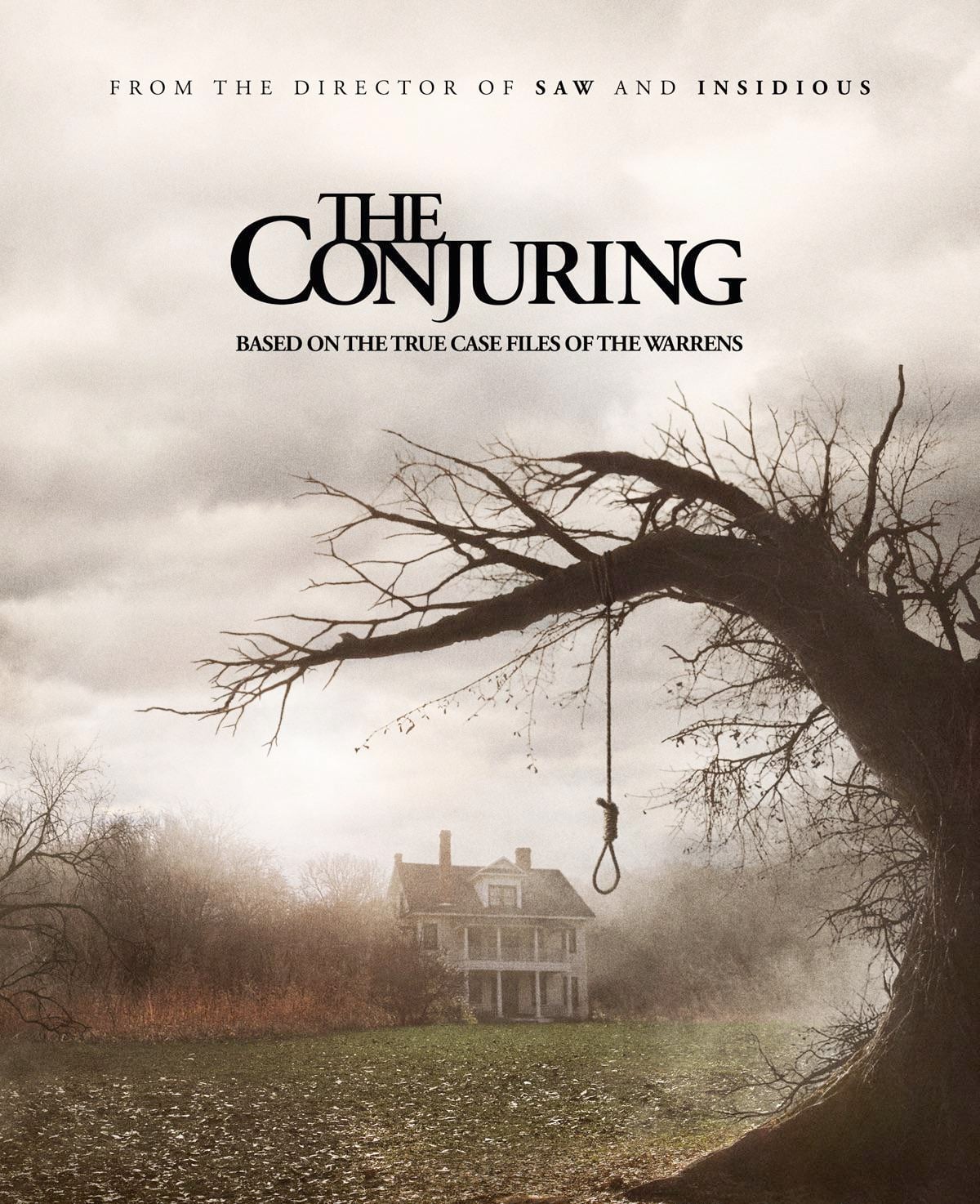
After the release of The Conjuring, many viewers believed the story was based on fully verified real paranormal events. The movies portray cases investigated by Ed and Lorraine Warren as undeniable encounters with demonic forces. In reality, while the Warrens did investigate the alleged hauntings, many of their claims remain heavily disputed. The film obviously dramatizes the events for entertainment, but members of the actual Perron family claimed basically none of what you saw happened.
15. The HAARP Weather Control Conspiracy

Some conspiracy theorists claim that a research program in Alaska is capable of controlling weather patterns and causing natural disasters. Supporters of the idea believe advanced tech is being used for hidden atmospheric manipulation. In reality, the facility studies the ionosphere for scientific and communication purposes. There is no evidence at all that they can influence the weather or create large-scale events.
Want to see more surprising content?
Check out 18 Rare Vintage Photos of People Doing Surprisingly Dangerous Things for Fun, or take a look at 15 Psychology Facts Most People Find Surprising. Finally, if you want to see famous people who lived humbly, check out 20 Famous People Who Lived Surprisingly Humble Lives.