Historical events are often divided into separate boxes. Ancient Egypt goes in one, medieval Europe in another, and modern technology somewhere much later. It is easy to miss how often those timelines overlap. Place a few familiar moments side by side, and the past suddenly looks far less orderly.
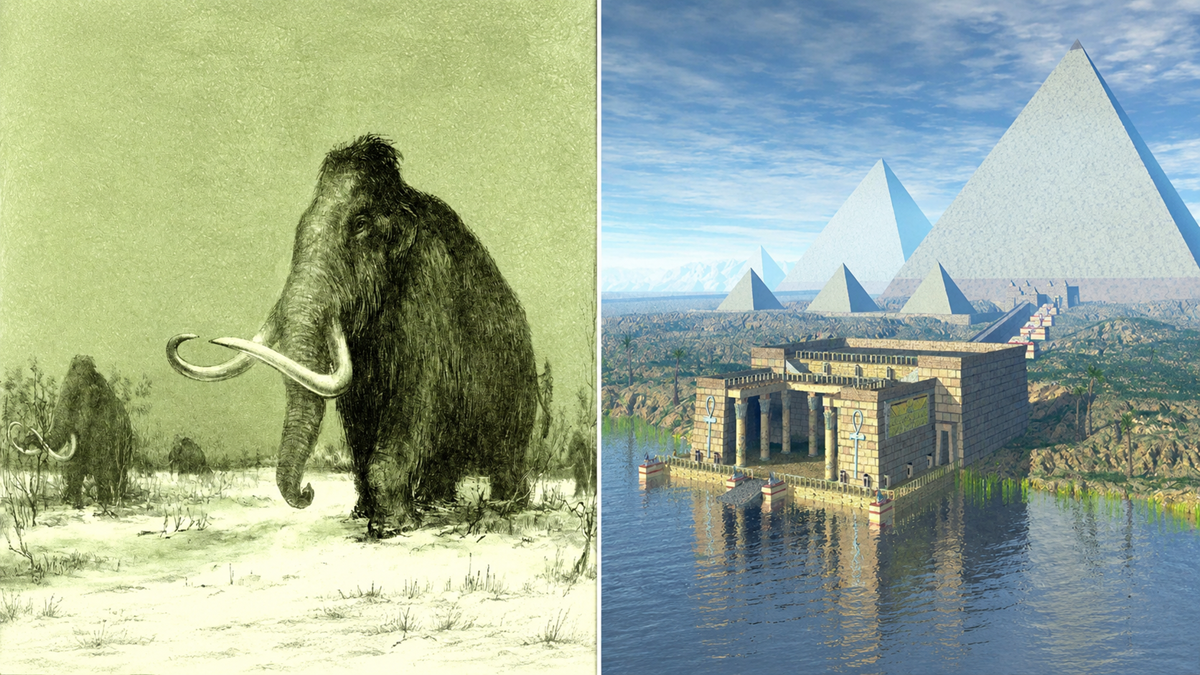
1. Woolly Mammoths Were Still Around After the Pyramids
TODAYILEARNED / VIA REDDIT
The Great Pyramid of Giza was already standing while a small group of woolly mammoths still lived on Wrangel Island in the Arctic Ocean. Most mammoths had disappeared thousands of years earlier, but this isolated population survived until roughly 1650 BCE. Ancient Egypt and the Ice Age feel like separate worlds, yet for a while they were not.
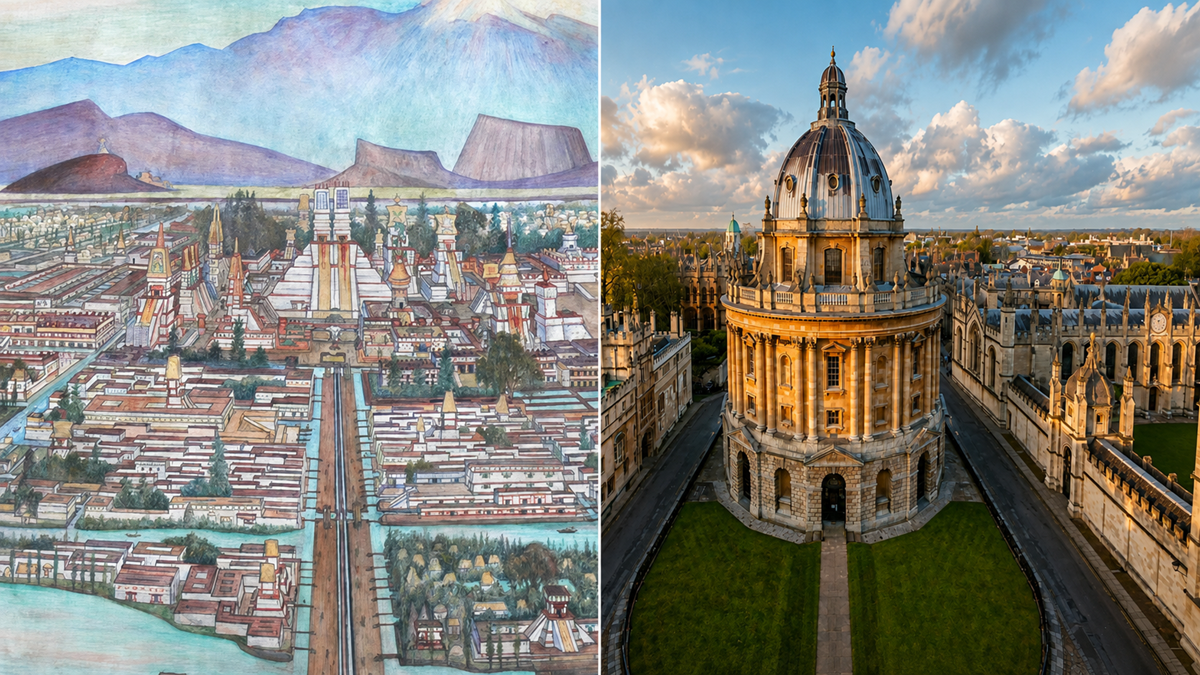
2. Oxford University Predates the Aztec Capital
UKUNIVERSITYSTUDENTS / VIA REDDIT
Teaching had begun at Oxford by the late 11th century. Tenochtitlán, the city that would become the center of the Aztec Empire, was founded in 1325. By then, students had already been gathering in Oxford for more than two centuries.
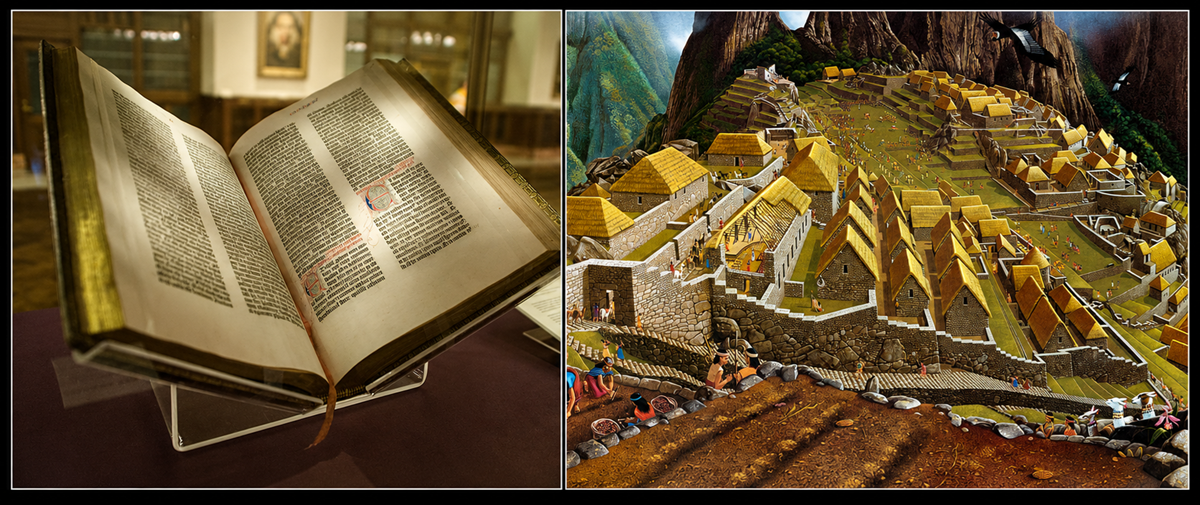
3. Machu Picchu and the Gutenberg Bible Belong to the Same Era
PERU / ARTIFACTS / VIA REDDIT
Around the middle of the 1400s, builders in the Andes were creating Machu Picchu high above the Urubamba Valley. At about the same time, Johannes Gutenberg’s workshop in Mainz was producing one of Europe’s first major books printed with movable metal type. Stone terraces in Peru and printed pages in Germany rarely appear in the same history lesson, but they were taking shape within the same generation.
4. Hamlet Appeared as the Tokugawa Shogunate Began
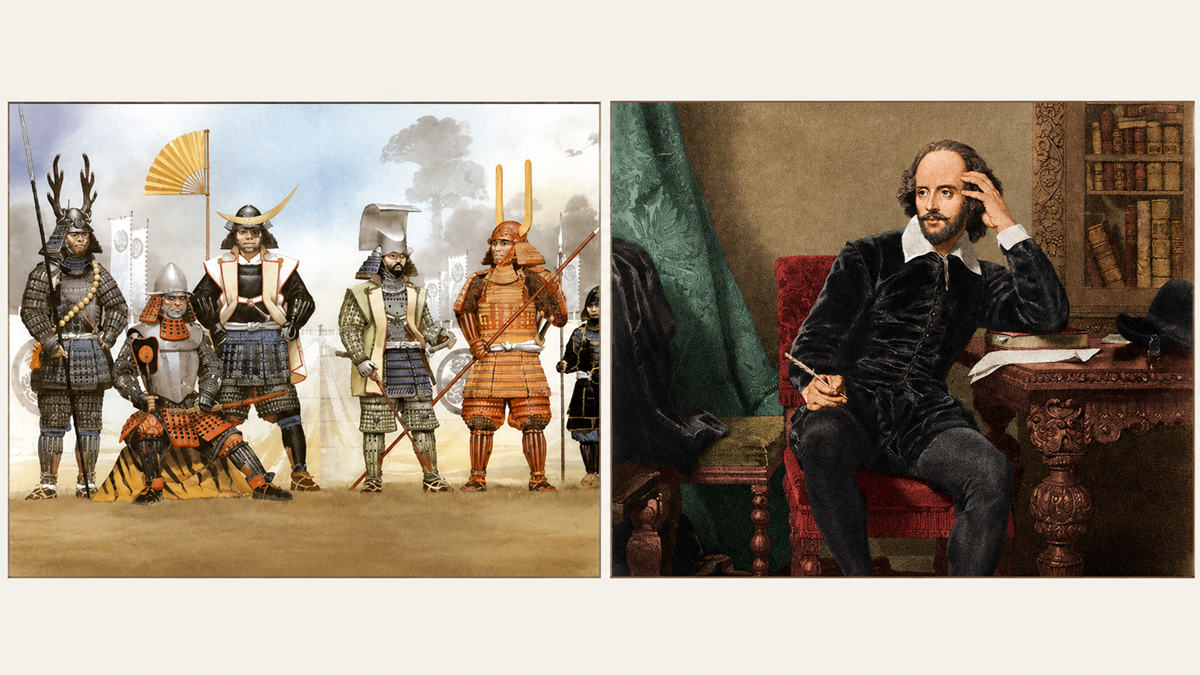
JAPANESEHISTORY / SHAKESPEARE / VIA REDDIT
Shakespeare was writing Hamlet around the turn of the 17th century, probably between 1599 and 1601. In 1603, Tokugawa Ieyasu became shogun of Japan. London theater crowds were watching a Danish prince wrestle with revenge while Japan entered a political era that would last for more than 250 years.
5. Harvard Opened While the Taj Mahal Was Being Built
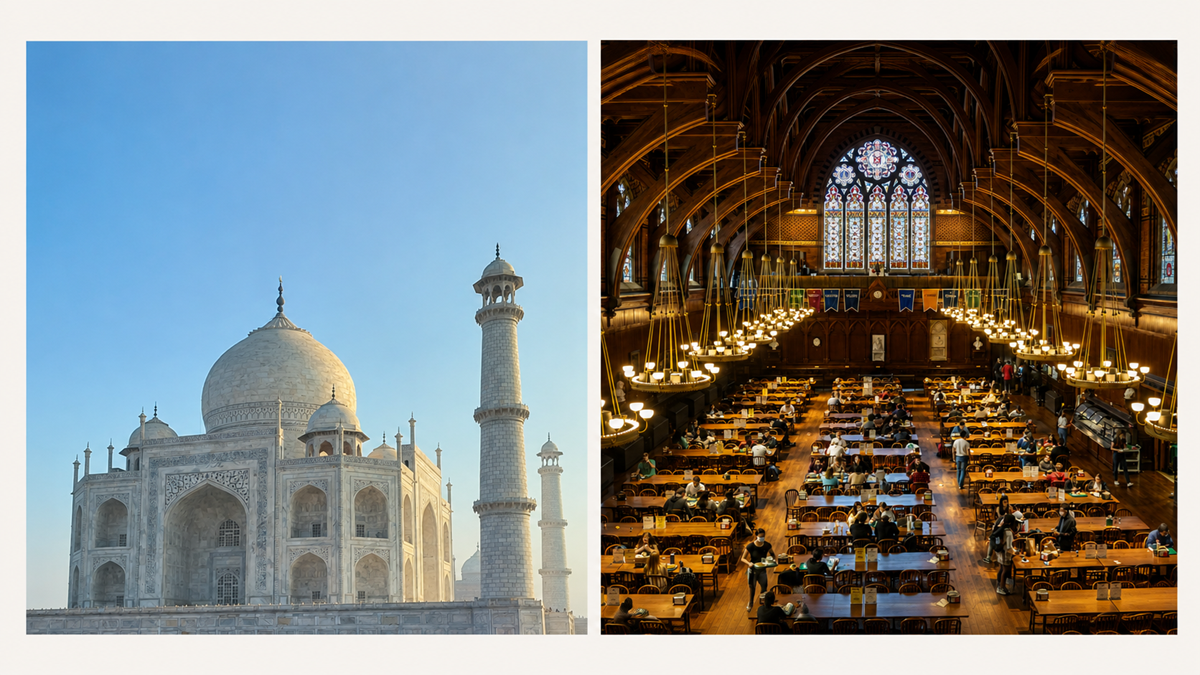
INDIASOCIAL / ARCHITECTURE / VIA REDDIT
Construction on the Taj Mahal began in 1632, after Mughal emperor Shah Jahan commissioned it in memory of Mumtaz Mahal. Four years later, Harvard was founded in the Massachusetts Bay Colony. While workers in Agra were shaping the monument’s marble walls and gardens, students across the world were beginning classes at what would become America’s oldest university.
Trending on The Scroller
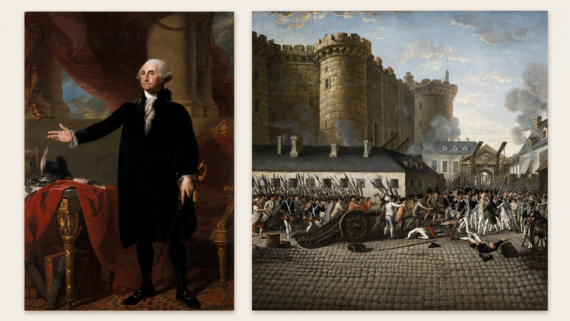
6. George Washington Became President Before the Bastille Fell
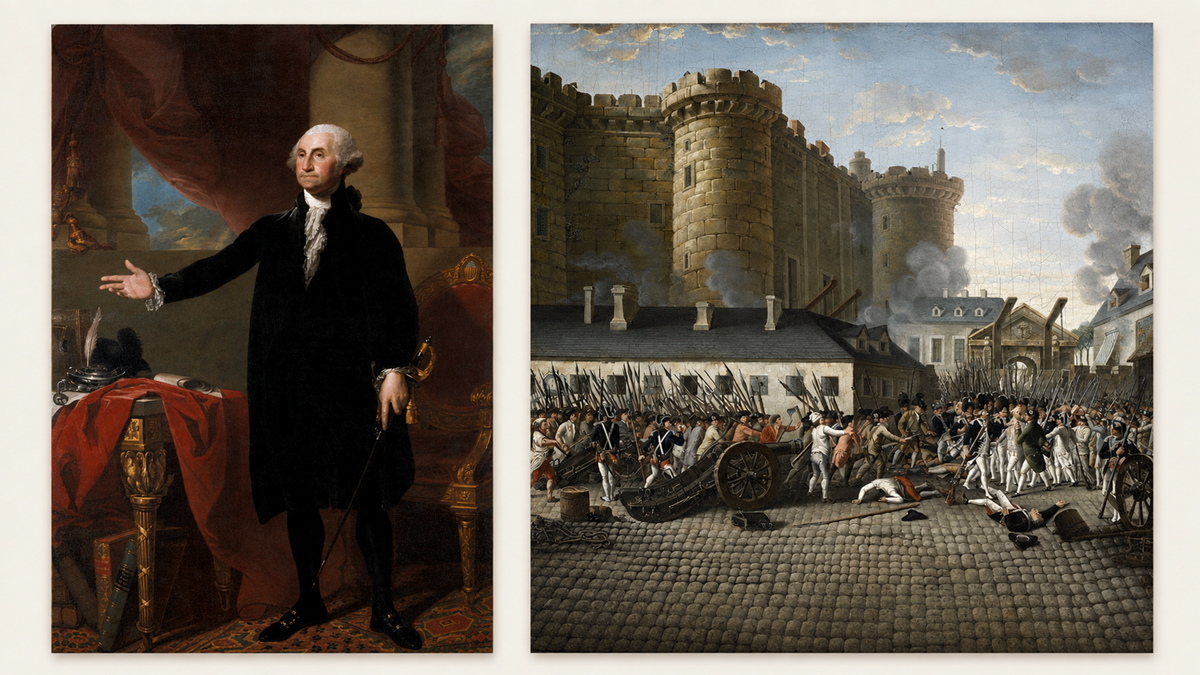
PRESIDENTS / NAPOLEON / VIA REDDIT
George Washington took office as the first president of the United States on April 30, 1789. The Bastille was stormed in Paris less than three months later. One revolution was settling into government just as another was gathering speed.
7. Lewis and Clark Left as Napoleon Became Emperor
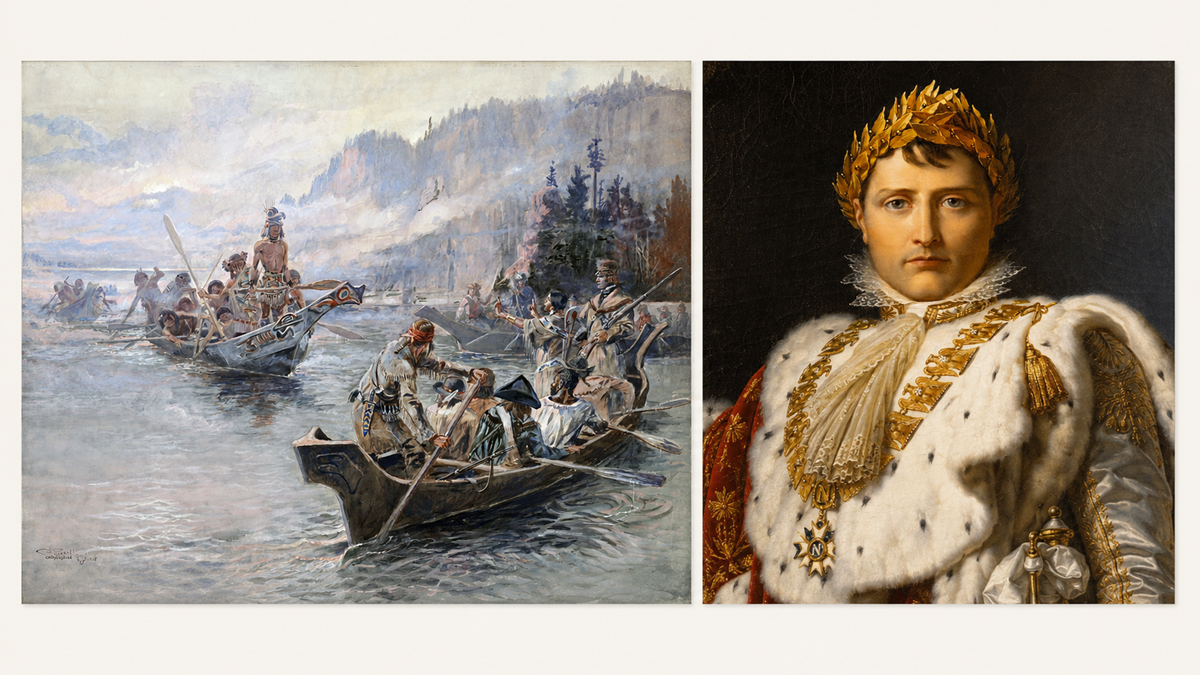
THISDAYINHISTORY / NAPOLEON / VIA REDDIT
The Lewis and Clark expedition began moving west in 1804. Before the year was over, Napoleon crowned himself Emperor of the French at Notre-Dame Cathedral. While one group traveled up the Missouri River, another ceremony was reshaping European power.
8. An Early Fax Machine Existed During the Oregon Trail Era
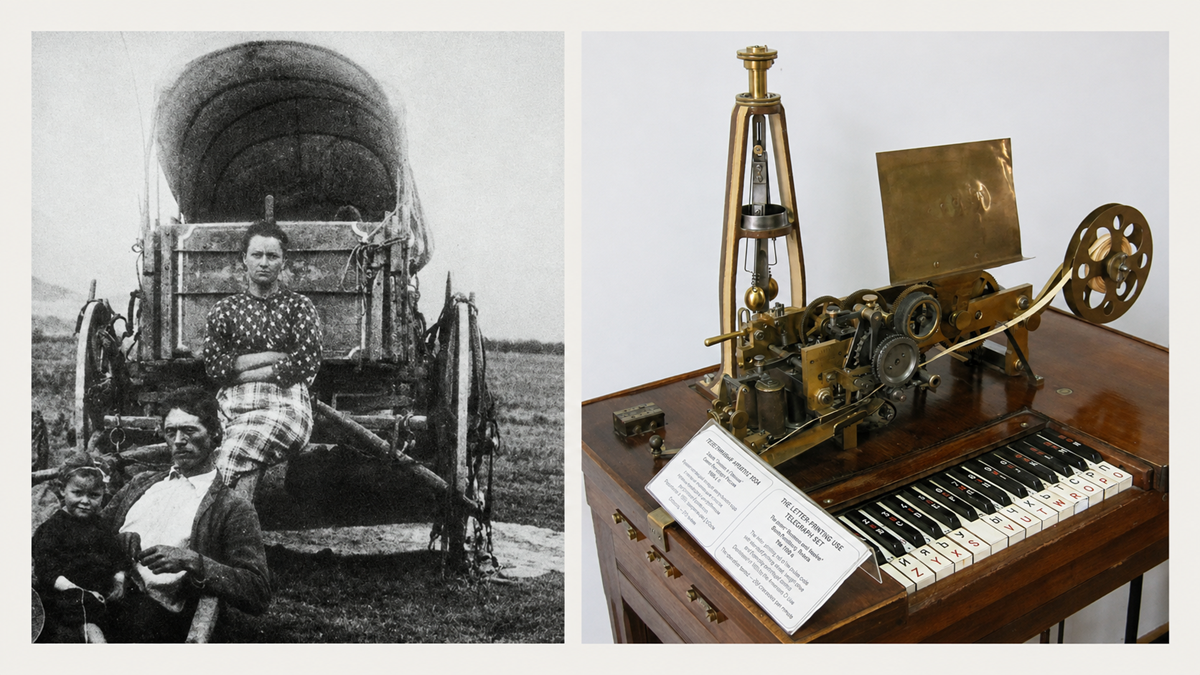
WIKIMEDIA COMMONS / OLDSCHOOLCOOL / VIA REDDIT
Alexander Bain patented an early facsimile device in 1843. That same year, hundreds of emigrants joined the large wagon movement later known as the Great Migration along the Oregon Trail. People were crossing North America in covered wagons while inventors in Britain were already experimenting with sending images through electrical signals.
Sign up for our newsletter
9. London’s Subway Opened During the American Civil War
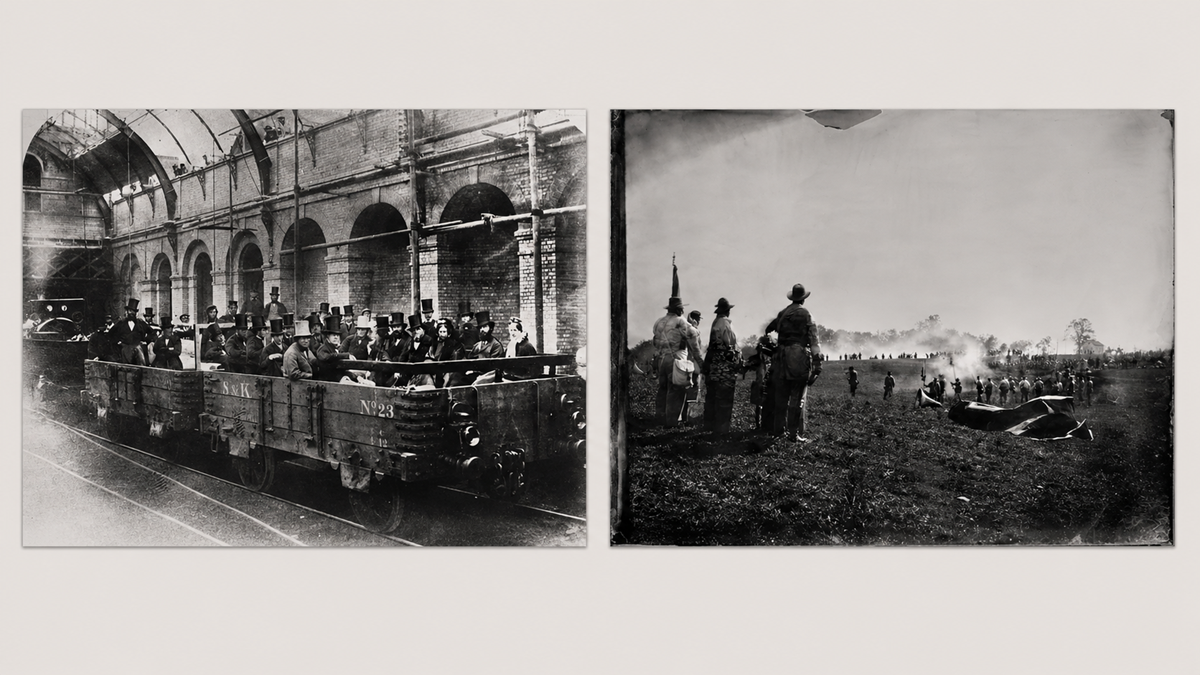
UNITEKINGDOM / CIVILWAR / VIA REDDIT
The first section of London’s Underground opened in January 1863. At the same time, the American Civil War was entering another brutal year. Steam trains were running beneath London streets while battles continued across the United States.
10. Nintendo Started the Year the Eiffel Tower Was Completed
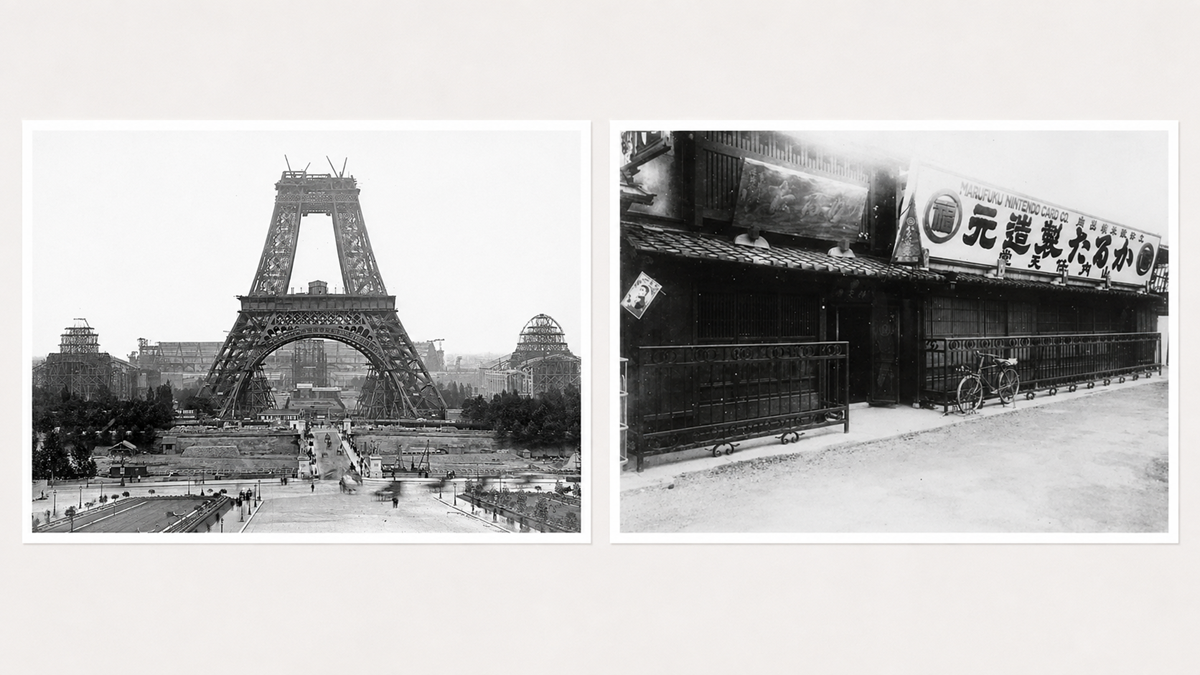
GAMING / HISTORY / VIA REDDIT
The Eiffel Tower was finished in 1889 for the Paris World’s Fair. Later that year, Fusajiro Yamauchi founded a small playing-card company in Kyoto. The company was Nintendo, though video games were still many decades away.
11. Henry Ford Drove His First Car Days After the Dow Jones Debuted
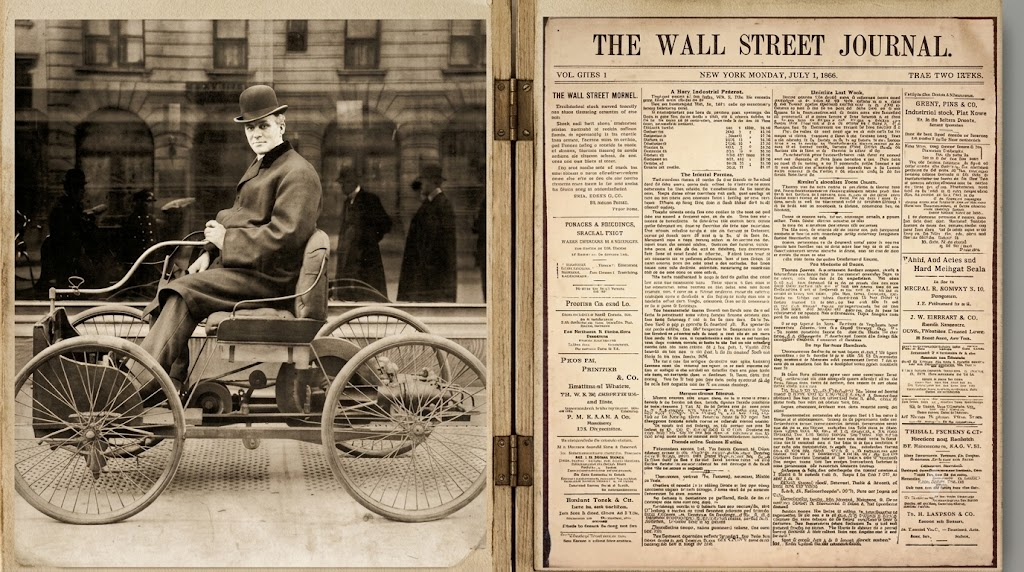
OLDSCHOOLCOOL / HISTORY / VIA REDDIT
The Dow Jones Industrial Average was first published on May 26, 1896, using a group of 12 industrial companies. Just nine days later, Henry Ford took his Quadricycle on its first test drive through Detroit. One familiar measure of American business and one of the country’s best-known automotive careers began less than two weeks apart.
12. The Titanic Sank the Year Oreos Went on Sale
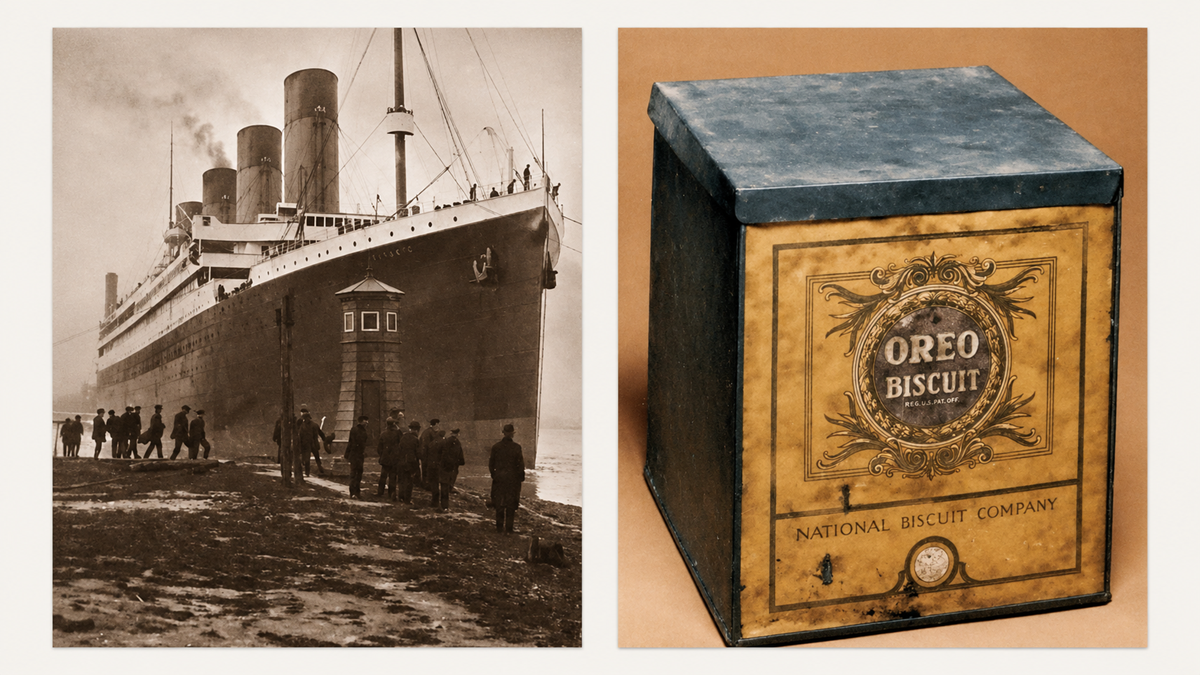
TITANIC / HISTORY / VIA REDDIT
The Titanic sank in April 1912. Oreo cookies also appeared in American stores that year. One became attached to one of the best-known disasters of the century, while the other quietly settled into grocery aisles.
13. Picasso Was Alive When The Dark Side of the Moon Was Released
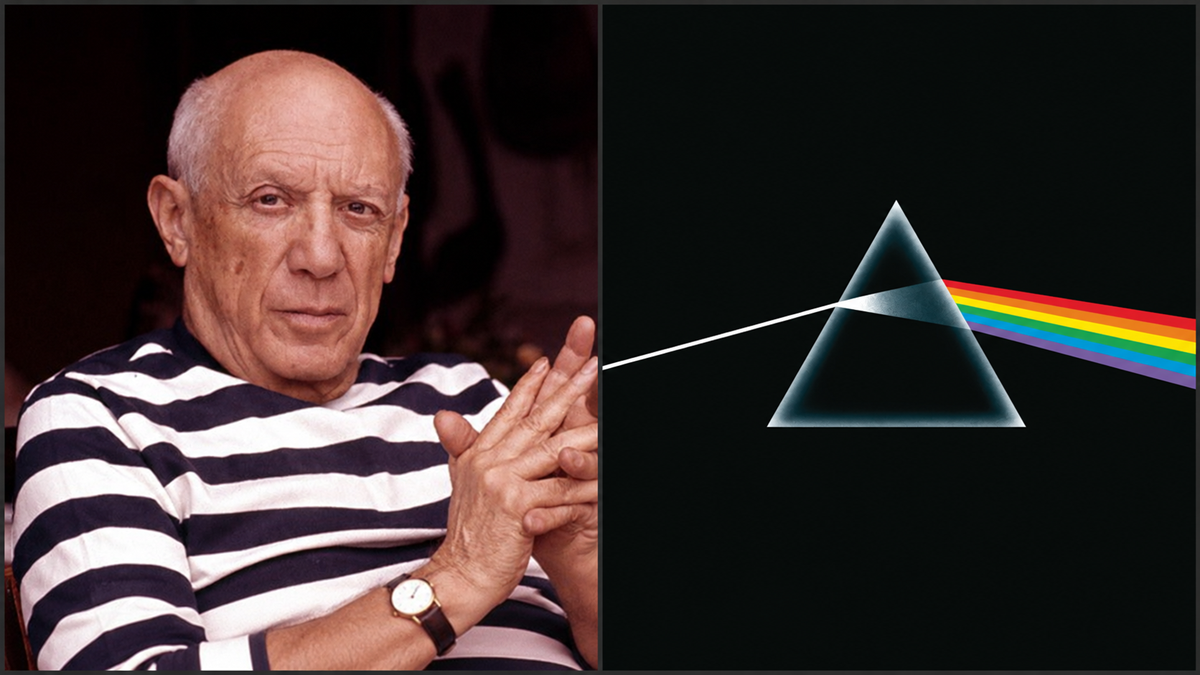
PICASSO / PINKFLOYD / VIA REDDIT
Pink Floyd released The Dark Side of the Moon in March 1973. Pablo Picasso died the following month. Cubism and classic rock are usually treated as different cultural periods, but their timelines briefly touched.
14. Star Wars Was in Theaters While France Still Used the Guillotine
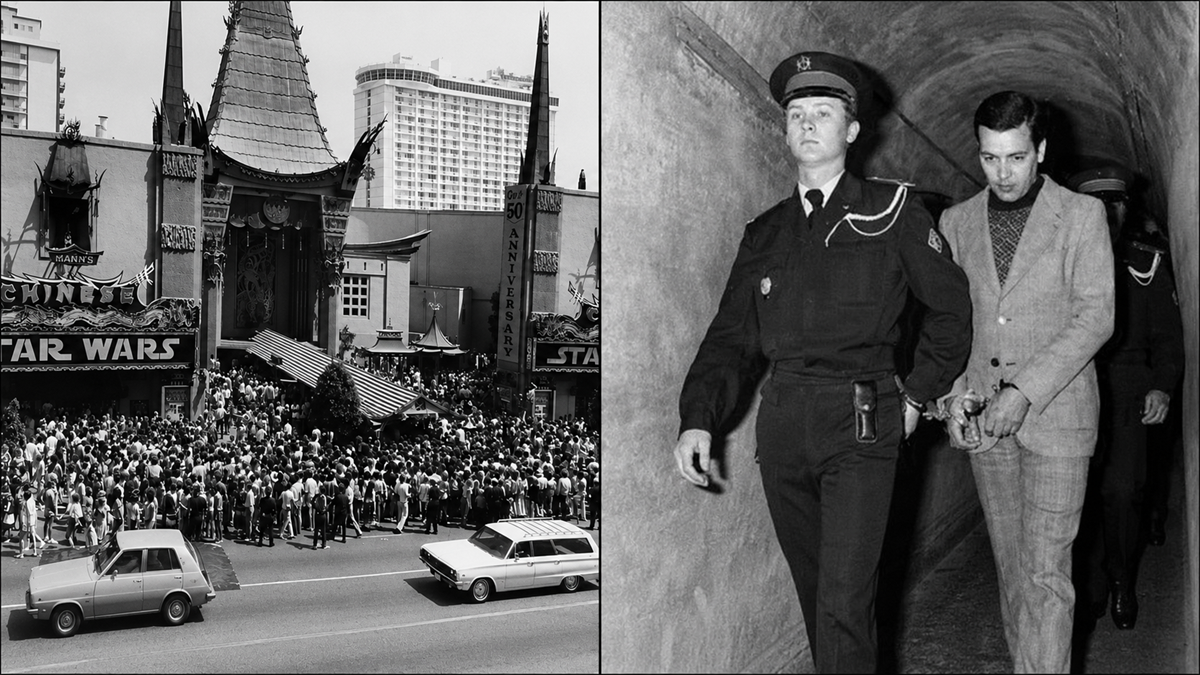
HISTORY / VIA REDDIT
Star Wars opened in American theaters on May 25, 1977. Less than four months later, France carried out its final execution by guillotine at a prison in Marseille. The weapon most closely associated with the French Revolution was still in official use after audiences had already met Darth Vader, Luke Skywalker, and Princess Leia.
15. The Berlin Wall Fell as the World Wide Web Was Being Planned
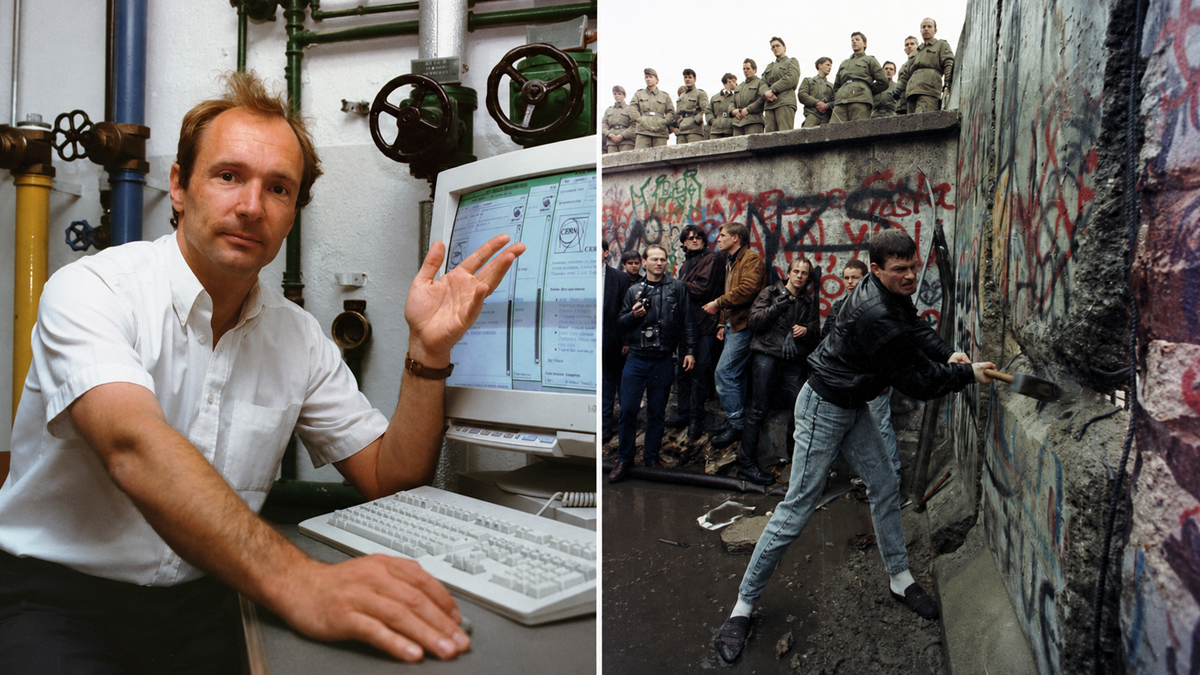
BEAMAZED / PICS / VIA REDDIT
Tim Berners-Lee submitted his first proposal for the World Wide Web in March 1989. In November, the Berlin Wall opened. One event was visible, crowded, and immediate, while the other began as a technical document that few people outside CERN had seen.
In the mood for more?
Check out 18 History Facts That Sound Like Total Lies But Actually Happened, or take a look at 15 Ancient Inventions So Advanced They Still Raise Questions Today. If you want to see more unexpected history, you can check out 12 Strange Historical Coincidences That Sound Almost Made Up.