Ancient inventors were working without computers, electric tools, or modern laboratories, yet some of what they produced remains surprisingly difficult to explain. Researchers can often identify what an object did, but not exactly how its makers designed it, manufactured it, or discovered the principles behind it. In other cases, even the original purpose is still being debated. These 15 inventions offer a glimpse of technologies that were more sophisticated than their age might suggest.
1. The Antikythera Mechanism
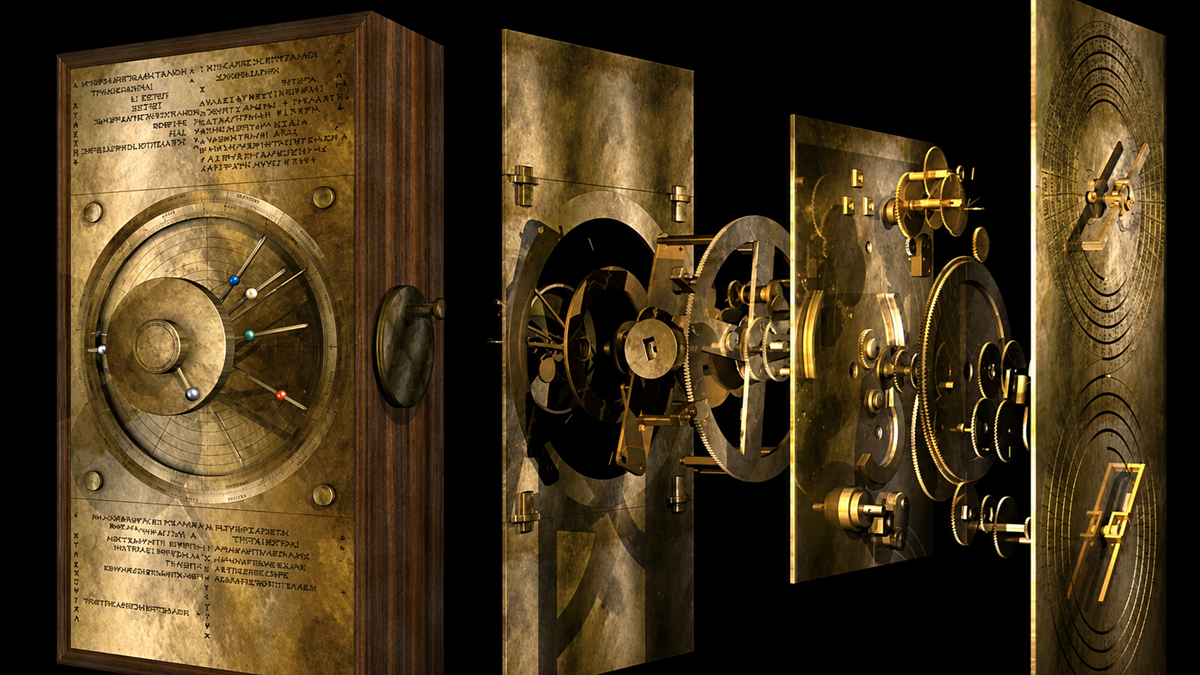
Recovered from a shipwreck near the Greek island of Antikythera in 1901, this corroded bronze device turned out to contain an intricate system of interlocking gears. It was built more than 2,000 years ago and could model astronomical cycles, track the Moon, anticipate eclipses, and possibly display the timing of athletic games. Modern reconstructions have revealed much of its operation, but large portions are missing, leaving researchers to debate its original gear arrangement, front display, calendar system, and practical use. Nothing else from the ancient world approaches quite the same level of surviving mechanical complexity.
2. Roman Self-Healing Concrete

Roman harbors, bridges, vaults, and walls have survived for centuries in conditions that would damage many modern concrete structures. Researchers now believe volcanic ash, lime, seawater reactions, and small lime-rich fragments all contributed to that durability. Some experiments suggest cracks could trigger chemical reactions that formed new minerals and partly sealed the damaged area. The broad chemistry is becoming clearer, but historians still do not know how consistently Roman builders understood these reactions or how much their recipes varied from one construction site to another.
3. The Lycurgus Cup
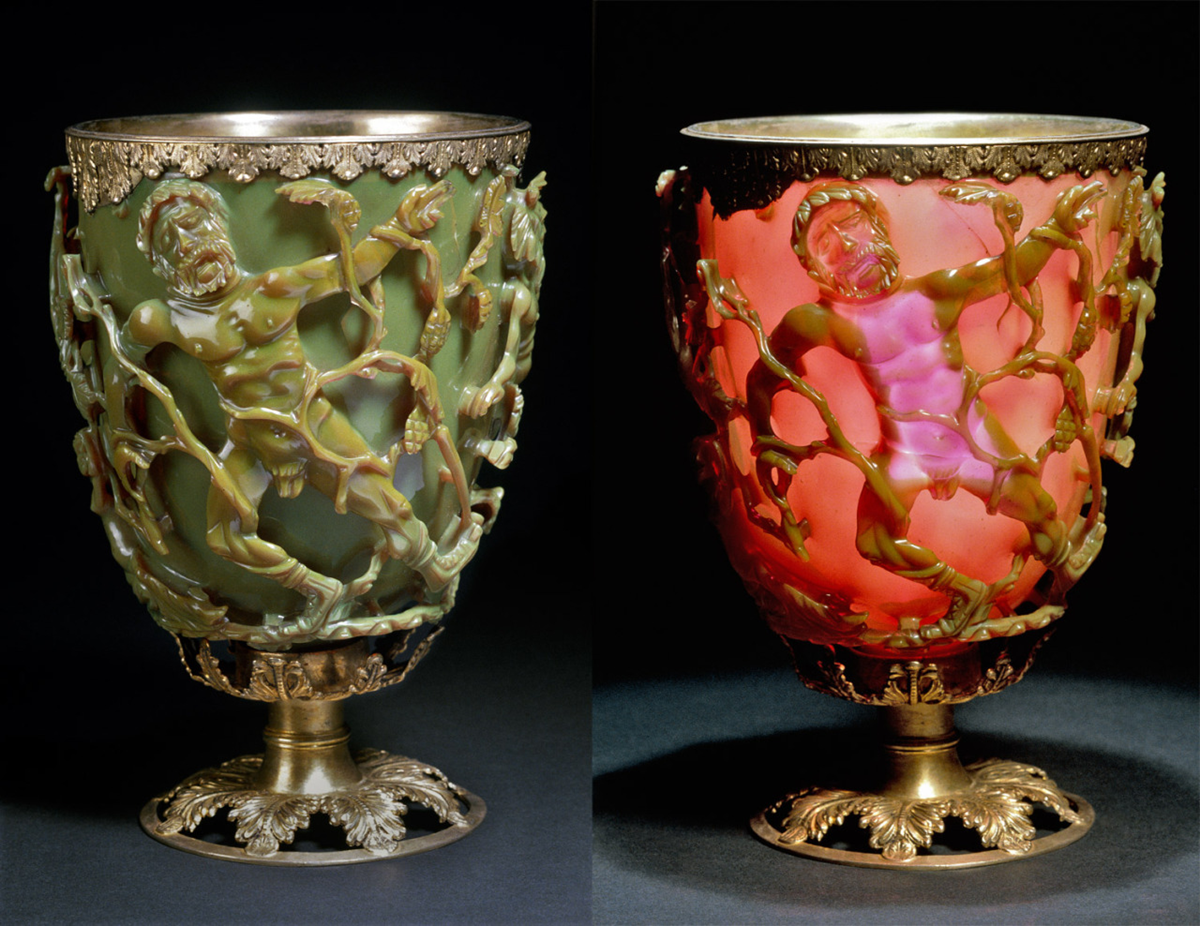
Under ordinary reflected light, the fourth-century Roman Lycurgus Cup appears green. Shine light through it, and the glass changes to a deep red. The effect comes from microscopic particles of gold and silver dispersed through the material, creating an optical response that sounds more like modern materials science than ancient glassmaking. Scientists understand why the color changes, but there is still uncertainty over how Roman craftspeople controlled particles at such a tiny scale and whether the effect was deliberately engineered or discovered through an unusually successful workshop experiment.
4. Roman Dodecahedrons
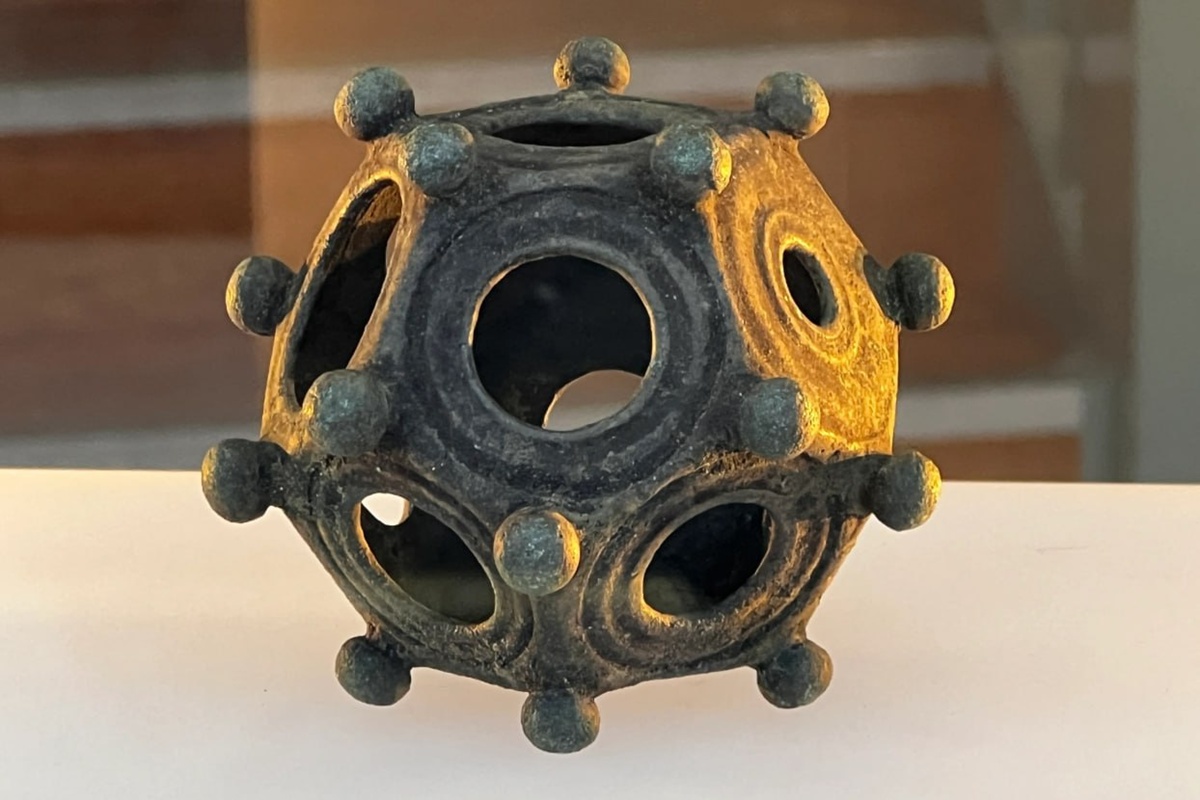
These small bronze objects have twelve pentagonal faces, circular openings of different sizes, and rounded knobs at every corner. More than a hundred have been found across the former northwestern Roman Empire, yet no surviving Roman text explains them. Proposed uses include measuring instruments, candleholders, rangefinders, knitting tools, religious objects, and devices for judging coin sizes. None of those explanations fits every example particularly well, which is why their original function remains open to argument.
5. The So-Called Baghdad Battery
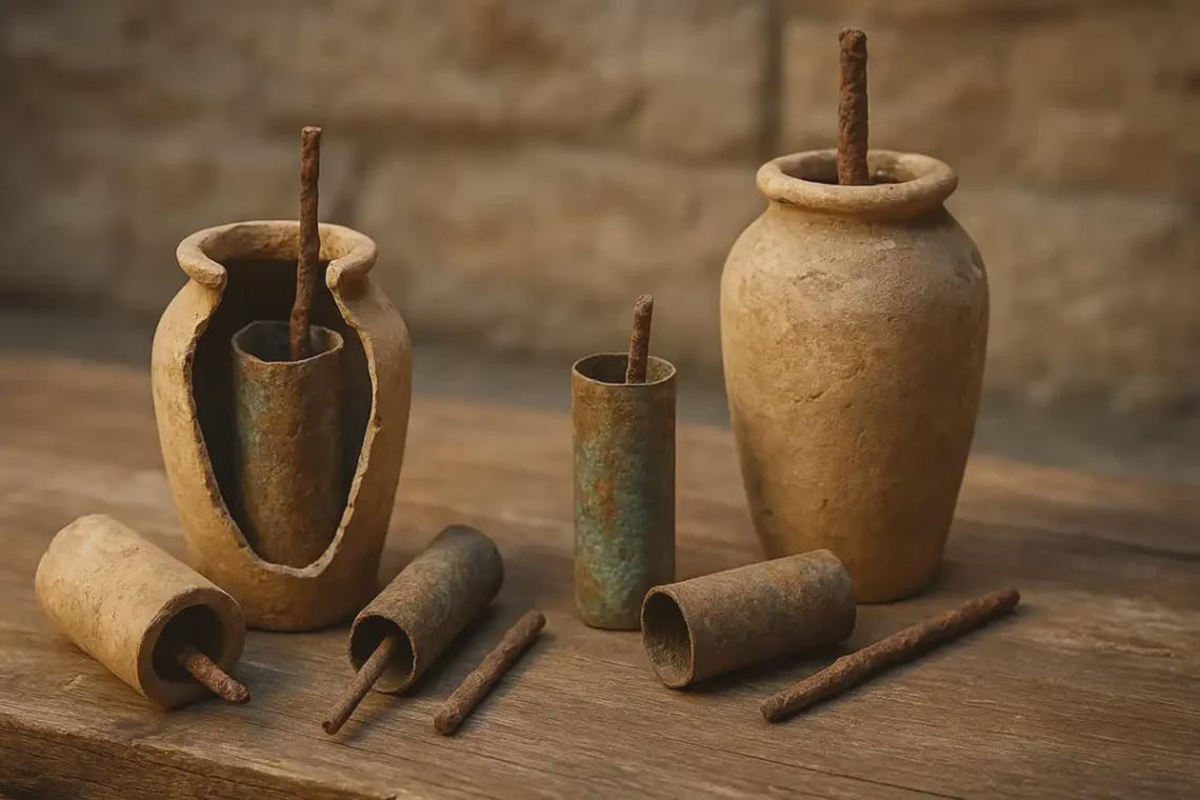
A ceramic jar, a copper cylinder, and an iron rod discovered near modern Baghdad have often been described as parts of an ancient electrical cell. When replicas are filled with an acidic liquid, they can produce a small voltage. That has led to theories involving electroplating, medicine, ritual sensations, or scientific experimentation. There is no clear evidence that the object was actually used as a battery, however, and some archaeologists think it may have simply stored scrolls or another organic material that disappeared long ago.
Trending on The Scroller


6. Zhang Heng’s Seismoscope
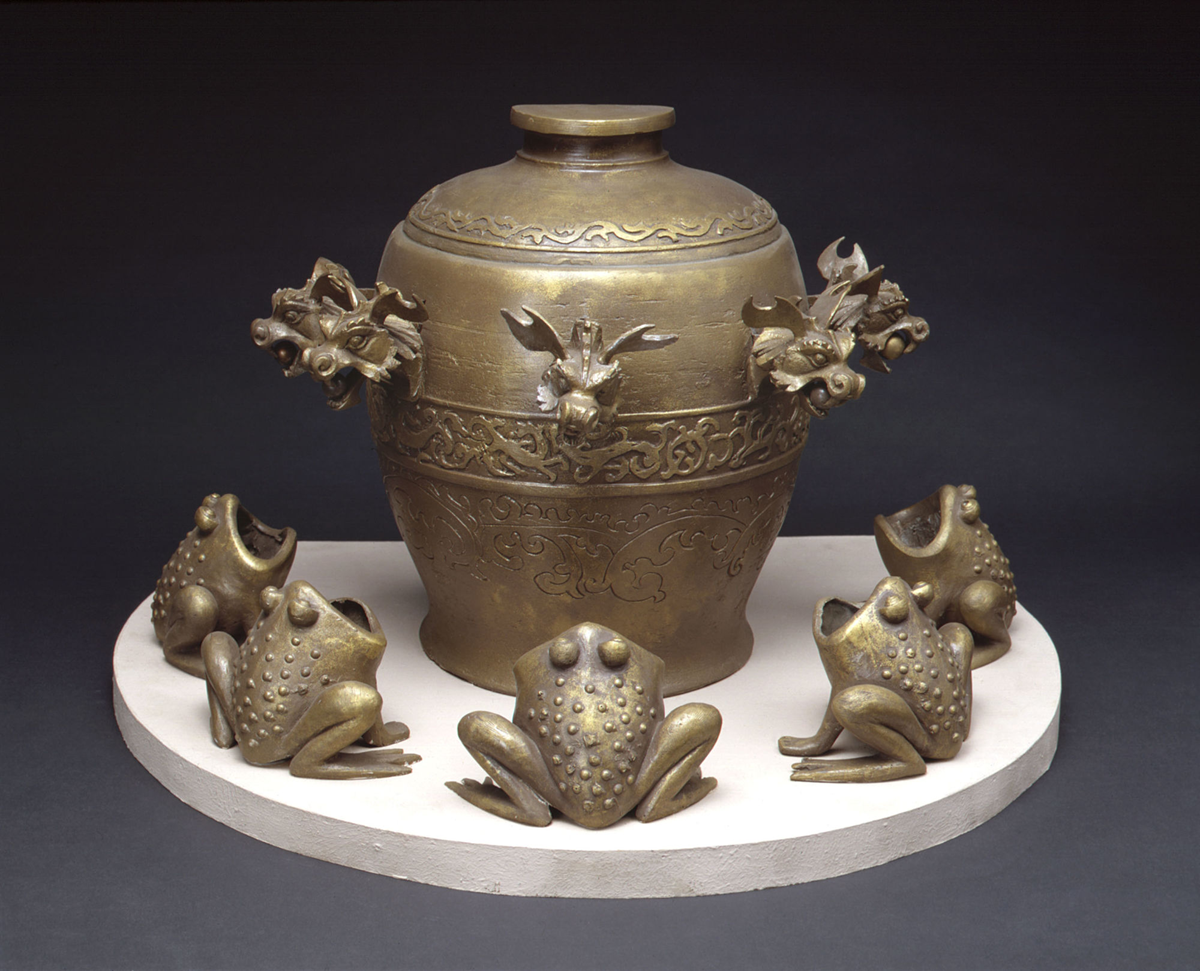
In the second century, Chinese scholar Zhang Heng reportedly created a large bronze instrument capable of detecting distant earthquakes. Historical accounts describe a vessel decorated with dragons, each holding a ball above the mouth of a bronze toad. When tremors arrived, one ball would fall and indicate the direction of the disturbance, even when people nearby had felt nothing. Several working reconstructions have been proposed, but the original internal mechanism was never clearly recorded, so no one can say with certainty how Zhang Heng’s version operated.
7. The Nimrud Lens
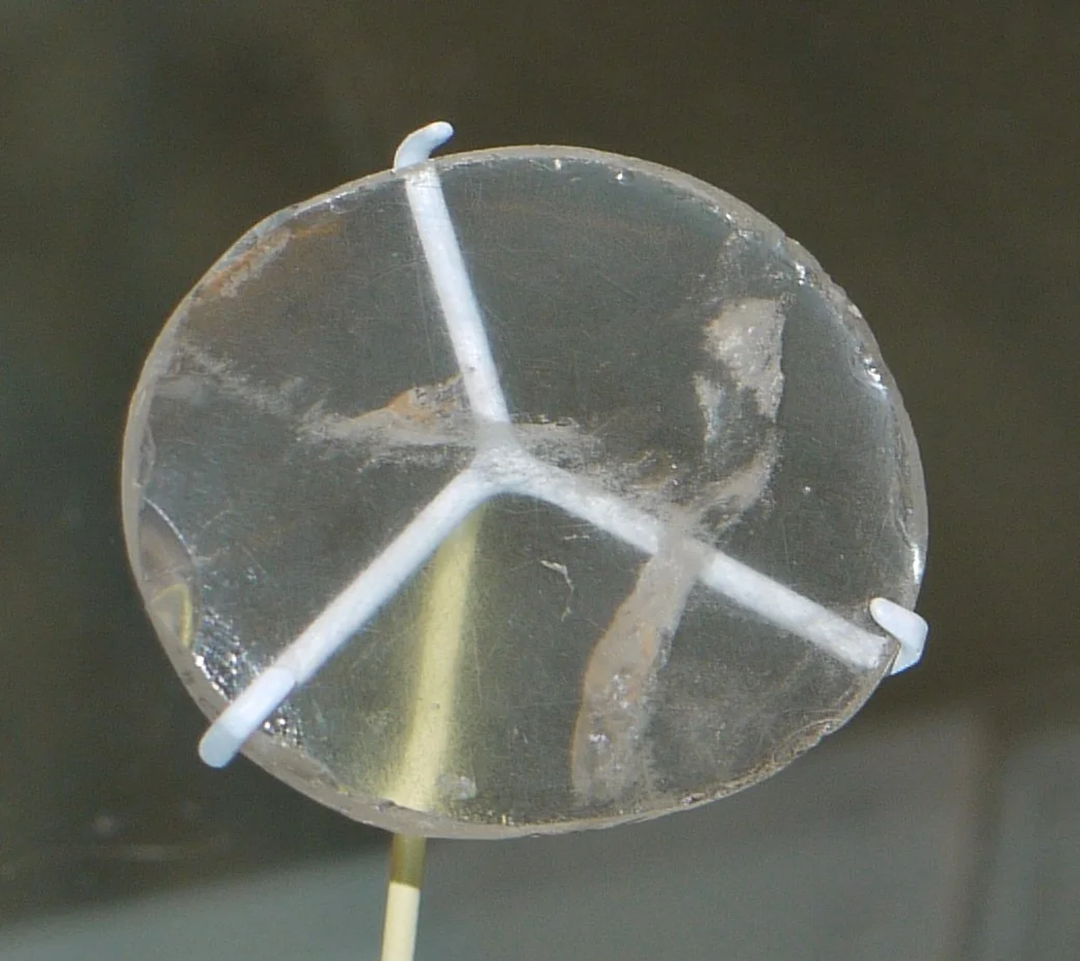
Found at the Assyrian site of Nimrud in present-day Iraq, this roughly 3,000-year-old piece of polished rock crystal can magnify objects. It may have been used as a simple lens by craftspeople working on detailed carvings, or it could have served as decorative inlay. Some have even suggested an astronomical purpose, though the optical quality is not strong enough to prove it belonged to an ancient telescope. The object clearly bends light, but whether that property was intentional remains uncertain.
8. Inca Khipus
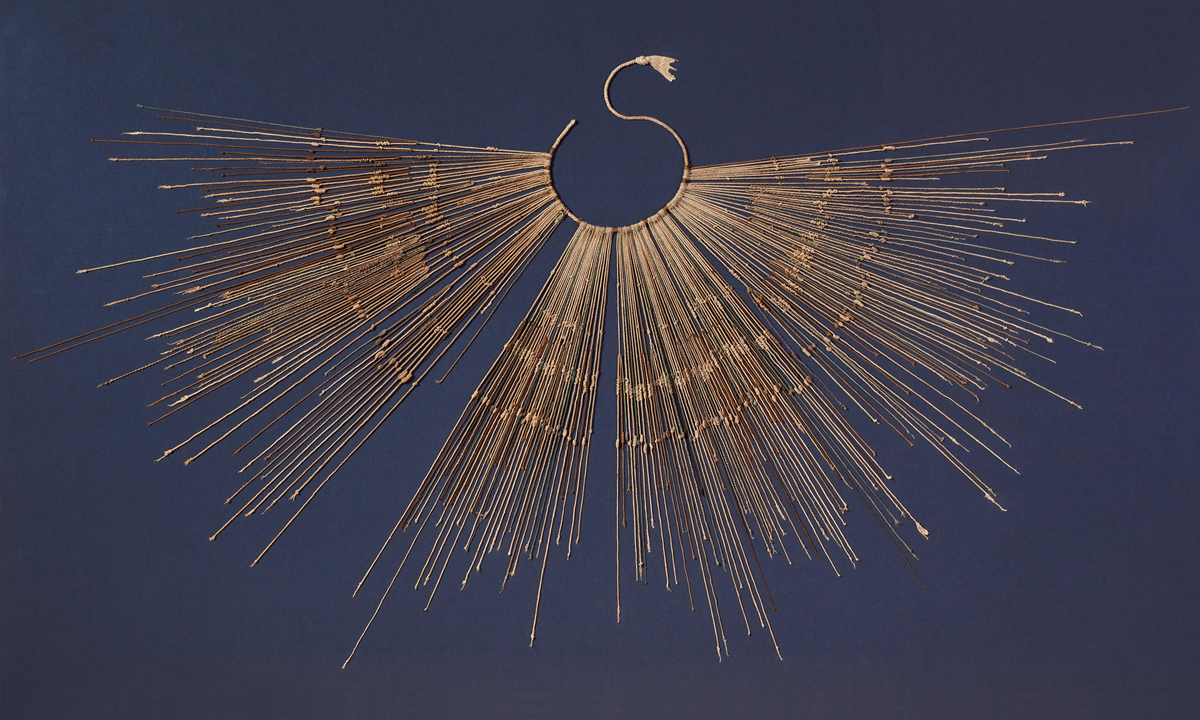
The Inca managed a vast empire using arrangements of cords, colors, knots, and carefully spaced numerical patterns. Researchers have successfully identified a decimal system in many khipus, showing how officials could record taxes, populations, supplies, and labor obligations. What remains difficult is determining whether some examples also preserve names, histories, narratives, or messages that go beyond accounting. The system may have encoded information through several features at once, including knot direction, fiber material, color, cord placement, and the way individual strands were twisted.
Sign up for our newsletter
9. The Sabu Disk
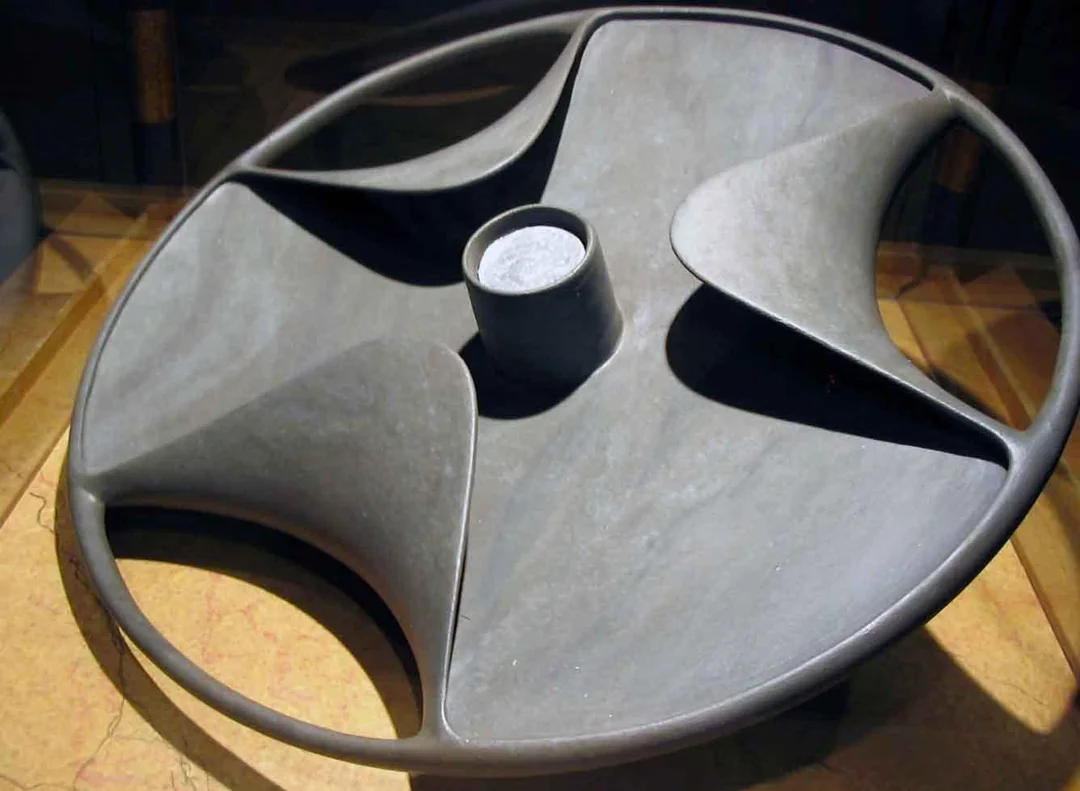
This unusual stone object was discovered in an Egyptian tomb dating to around 3000 BCE. It has a thin circular body, three curved lobes, and a central opening, all carved from a brittle stone that would have been difficult to shape without breaking. Suggestions for its purpose range from an oil lamp and ceremonial vessel to part of a mechanical device, but no theory has become widely accepted. Its strange profile looks functional, yet archaeologists have never found another component that clearly fits with it.
10. Ancient Chinese Magic Mirrors
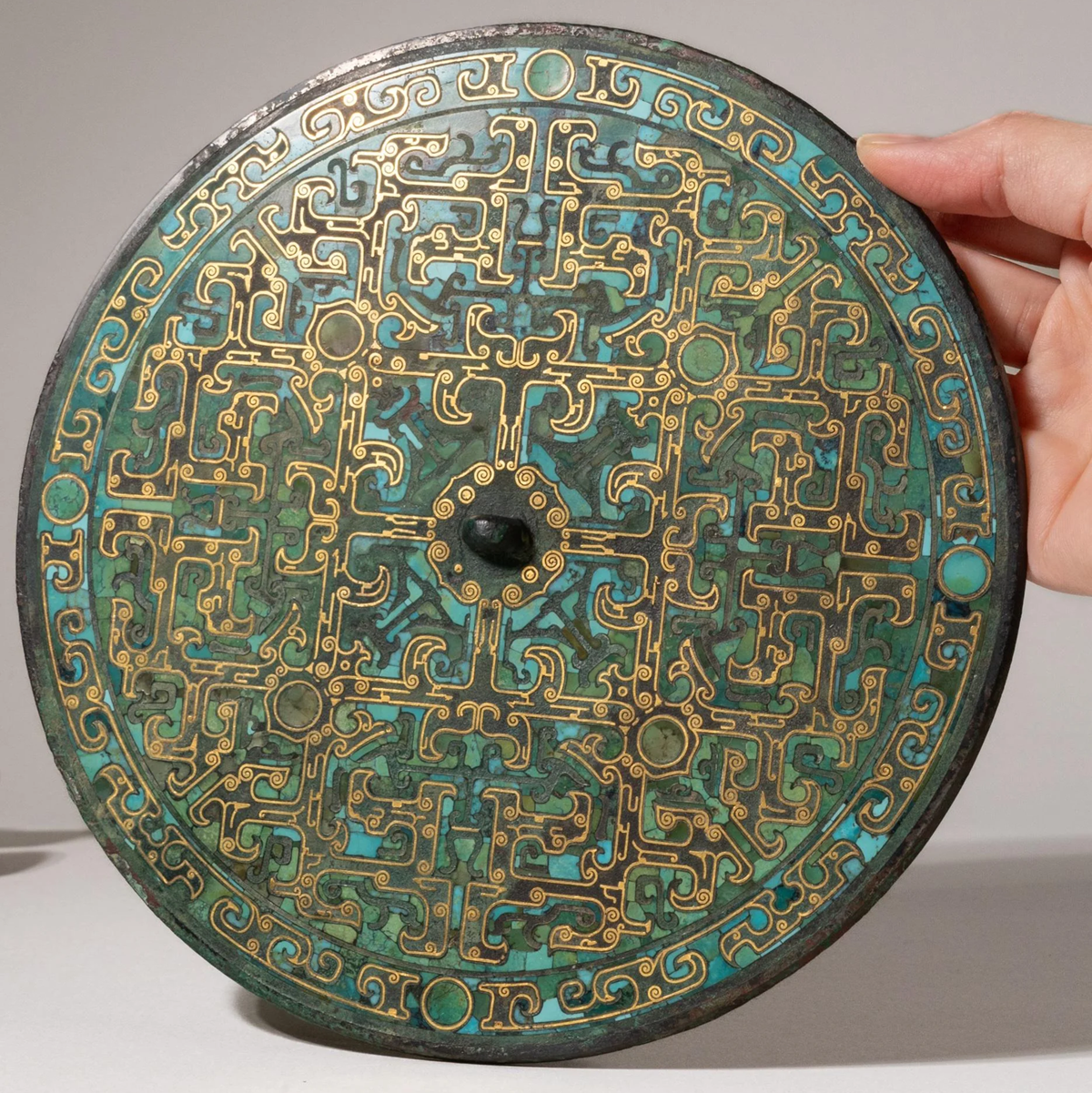
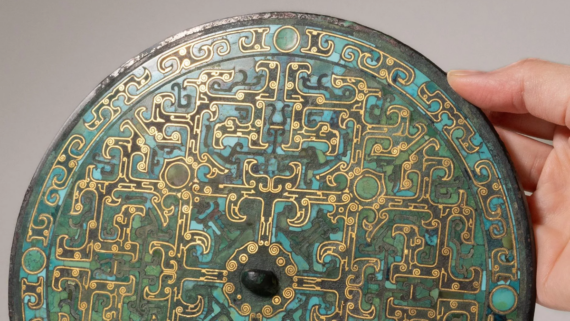
At first glance, these polished bronze mirrors behave normally. When sunlight reflects from the front onto a wall, however, an image resembling the decoration on the mirror’s back can appear in the reflected light. The effect comes from extremely subtle variations across the polished surface, probably created by stresses and thickness changes during casting, cooling, grinding, and polishing. Similar mirrors can be produced today, but researchers still debate exactly how ancient workshops achieved such consistent results and how much the makers understood about the optical effect.
11. The Iron Pillar of Delhi
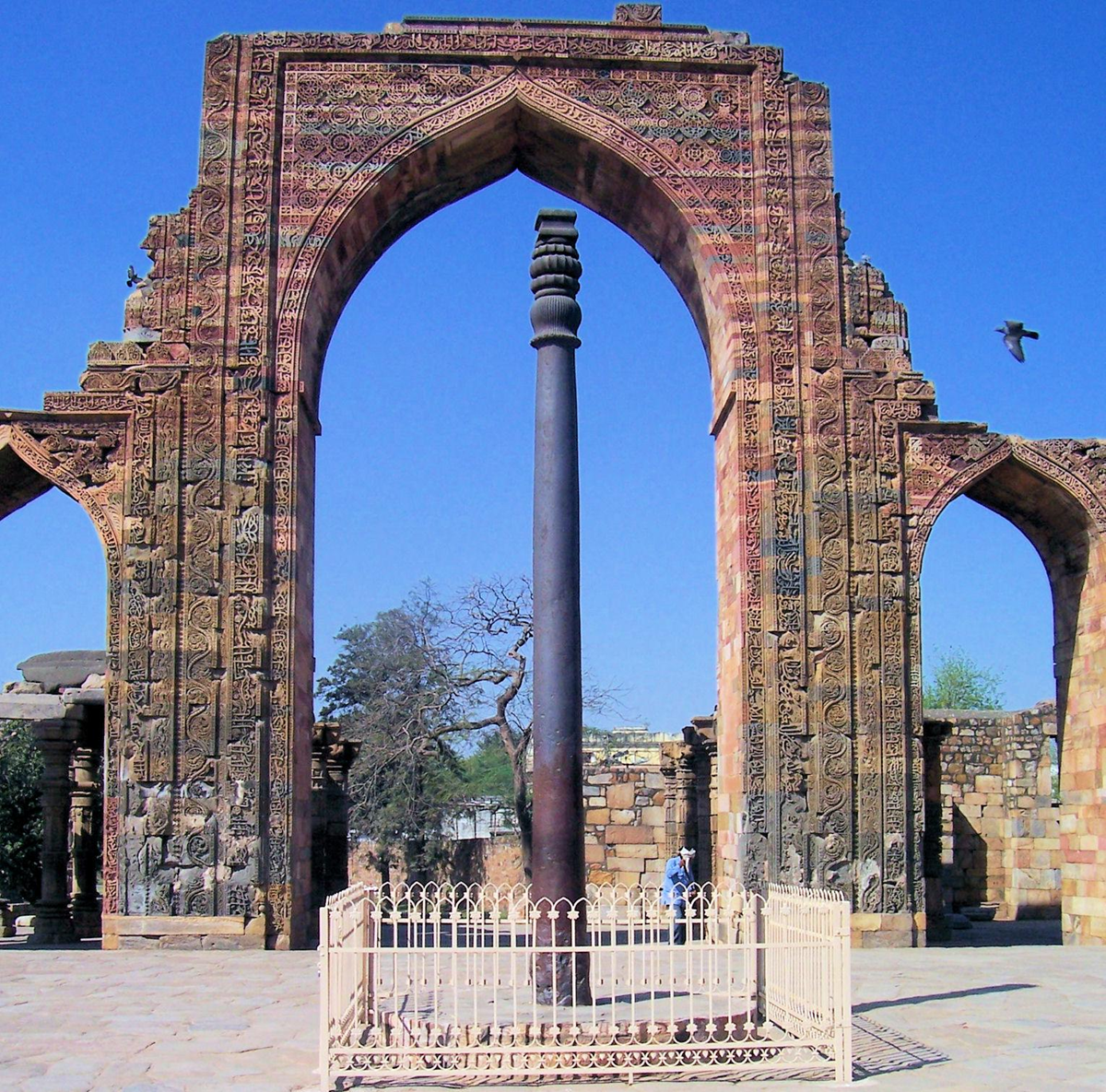
Standing more than seven meters tall, the Iron Pillar of Delhi has resisted severe corrosion for roughly 1,600 years. Its survival is connected to the purity of the iron, the presence of phosphorus, the region’s climate, and the gradual formation of a protective surface layer. Those factors are now fairly well understood, but producing and forge-welding such a large piece of iron was still an impressive technical achievement for the period. The exact sequence used by the original metalworkers was never recorded, leaving modern researchers to reconstruct it from the pillar itself.
12. Archimedes’ Claw
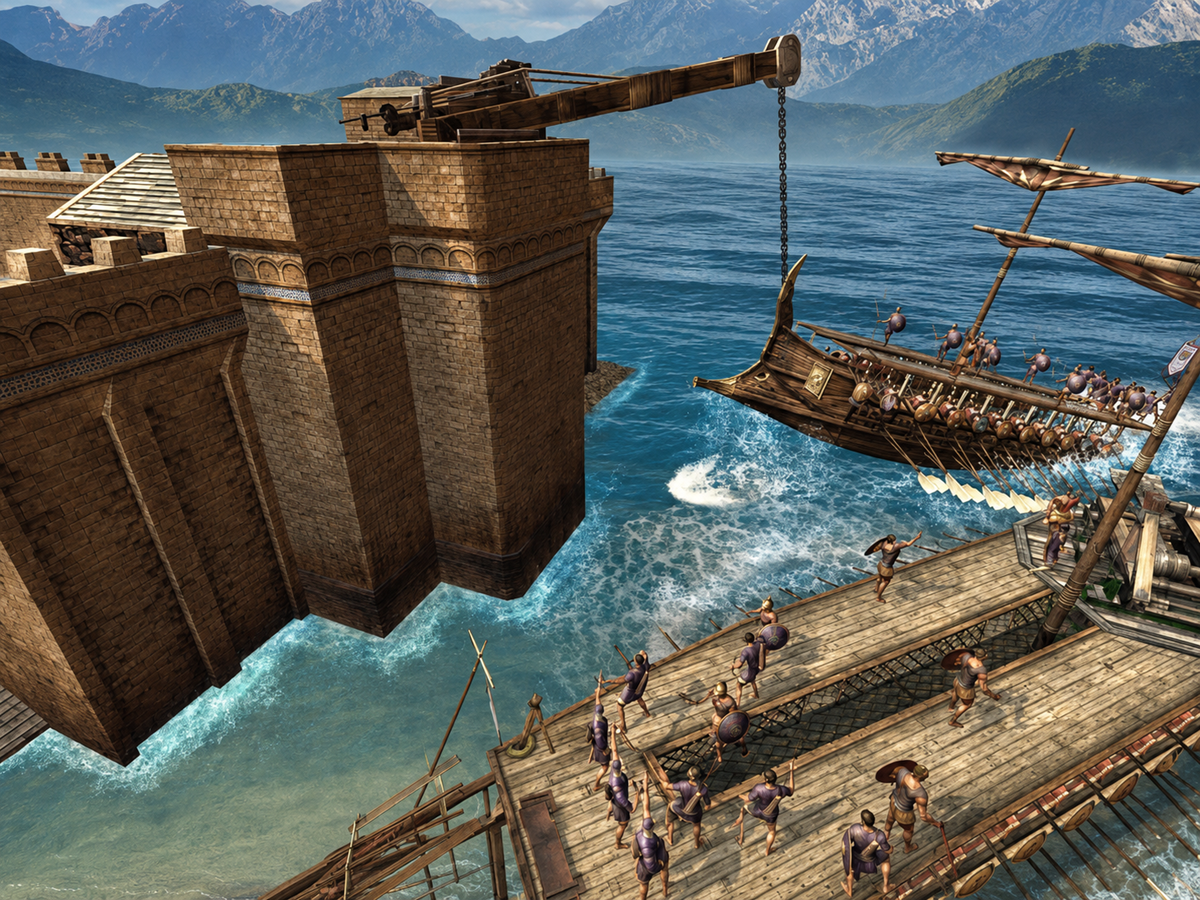
Ancient writers claimed that Archimedes designed defensive machines to protect Syracuse from Roman ships in the third century BCE. The most famous was later nicknamed the Claw of Archimedes, a crane-like device that supposedly grabbed, lifted, tilted, or destabilized attacking vessels. Engineers have created plausible working models, but surviving descriptions are brief and were written by people who did not provide useful technical plans. The weapon may have been real, exaggerated, or remembered as several different machines combined into one story.
13. Damascus Steel
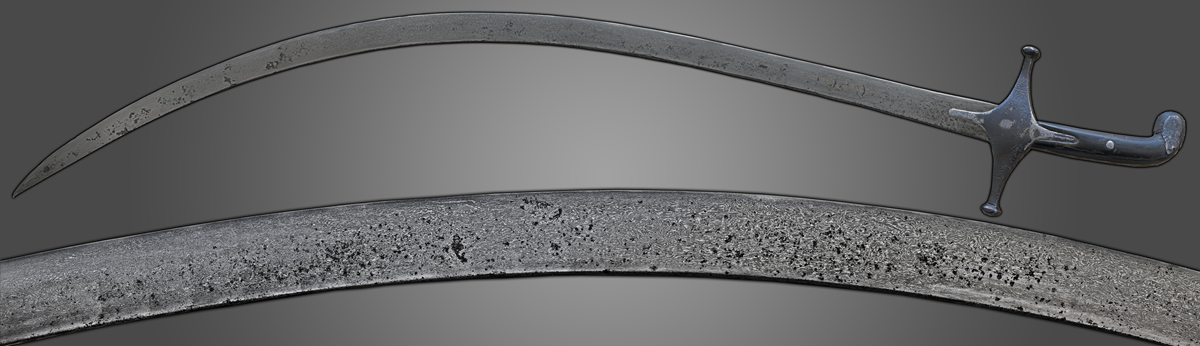
Blades associated with Damascus steel became famous for flowing surface patterns, sharp edges, and an unusual combination of hardness and flexibility. Many were made from high-carbon crucible steel imported from South and Central Asia, then carefully forged by specialists who controlled heat without destroying the internal structure. Modern metallurgists have reproduced comparable patterns and properties, but the original production traditions disappeared as ore sources, trade networks, and workshop knowledge changed. There was probably never one universal secret recipe, which makes the lost process even harder to define.
14. The Phaistos Disc
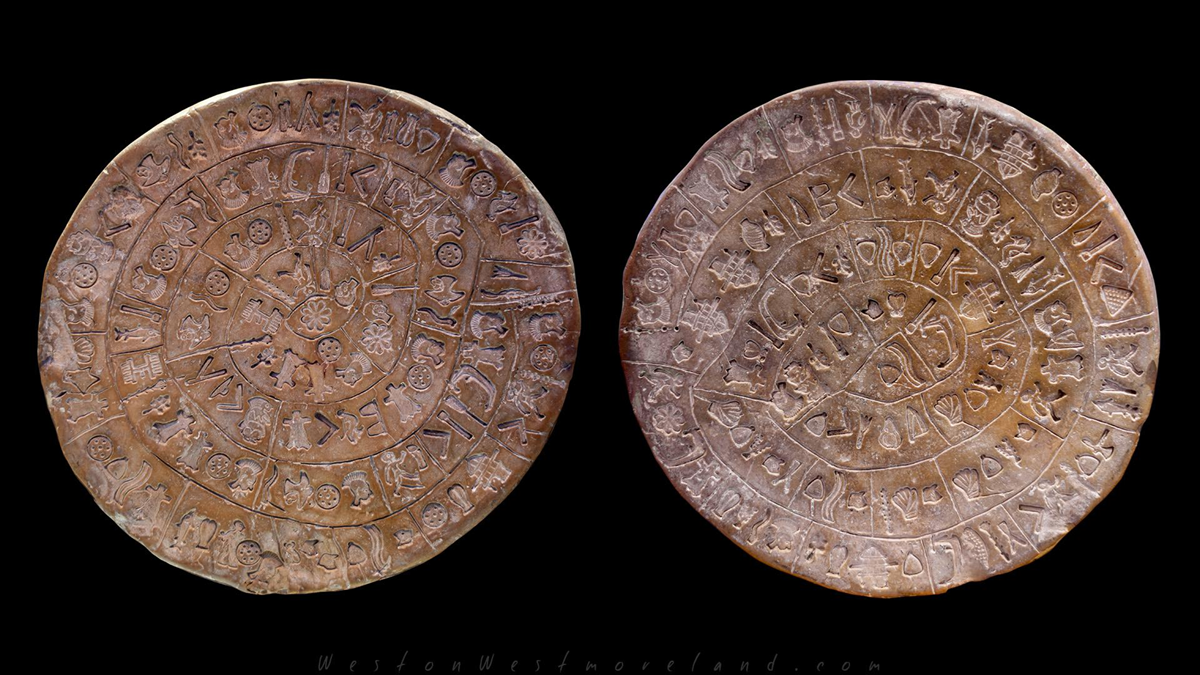
The Phaistos Disc was created by pressing repeated symbols into soft clay, making it one of the earliest known objects produced with reusable character stamps. Found on Crete and usually dated to the second millennium BCE, it contains 45 different signs arranged in a spiral. The symbols have not been securely deciphered, partly because the disc is unique and the text is too short to provide much linguistic context. Researchers cannot agree on whether it records a prayer, song, game, ritual, inventory, or something else entirely.
15. Greek Fire

Byzantine forces used Greek fire as a naval weapon that could burn across the surface of water and was reportedly projected through tubes mounted on ships. The formula was treated as a closely guarded state secret, and surviving descriptions are too vague to reveal the complete mixture. Petroleum, resin, sulfur, quicklime, and other ingredients have all been proposed, but the delivery system may have been just as important as the fuel itself. Modern demonstrations can imitate parts of the effect, yet the exact combination used by Byzantine military engineers remains unknown.
In the mood for more?
Check out 14 Strange Inventions That Were Actually Patented, or take a look at 15 Inventions That Changed Everything and Were Created by Complete Accident. If you want to see more inventions that changed history, you can check out 18 Inventions From the Last Ten Years That Solved Problems Nobody Had.