
Most origin stories for great inventions sound a little too clean. Someone had a vision, built a prototype, and convinced a room full of people. There’s a board presentation somewhere. A patent filed on purpose. But there’s another category. Bigger than it gets credit for.
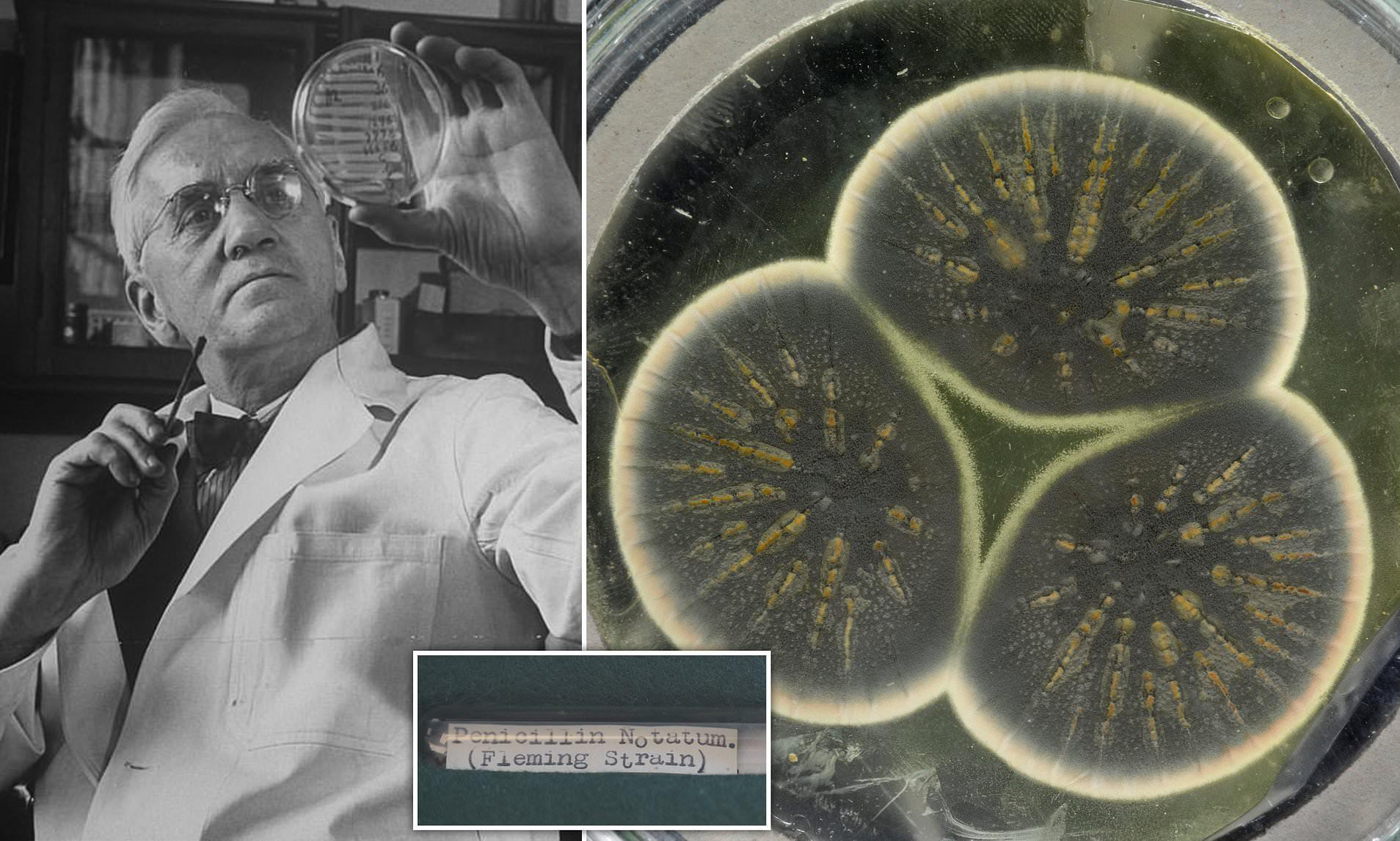
Penicillin
r/mushroomplanet
Fleming went on vacation and left a petri dish sitting out. When he came back, he noticed mold had killed the bacteria around it, and instead of tossing it, he paid attention. That mistake led to penicillin, and suddenly infections that used to kill people were no longer automatic death sentences.
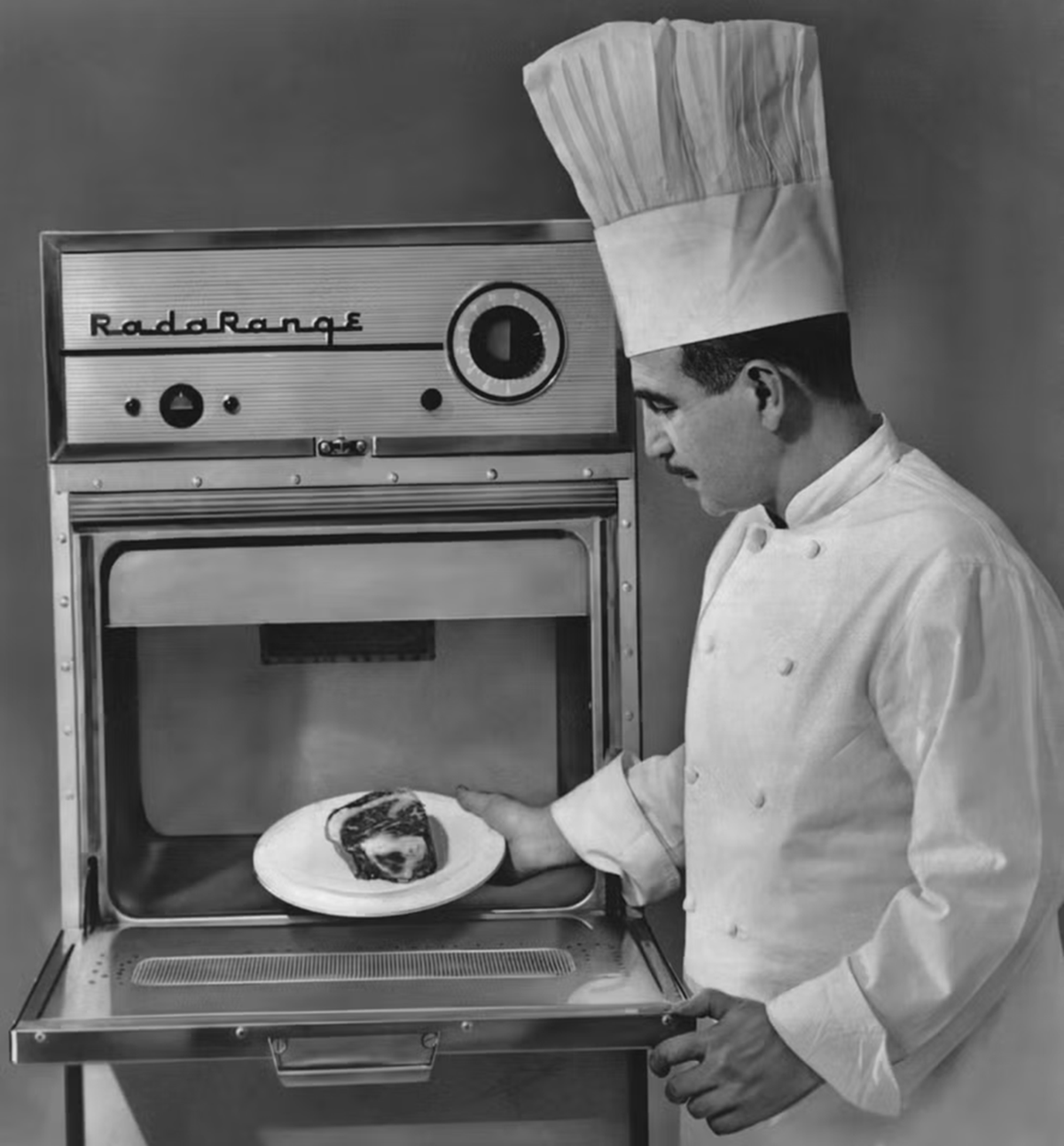
The microwave
Popularmechanics.com
Percy Spencer was working with radar equipment when he noticed the chocolate bar in his pocket had melted. Instead of ignoring it, he started testing food near the machine. That accident eventually turned into the microwave, even if the first versions were huge and wildly impractical.
Post-it Notes
Wikimedia Commons
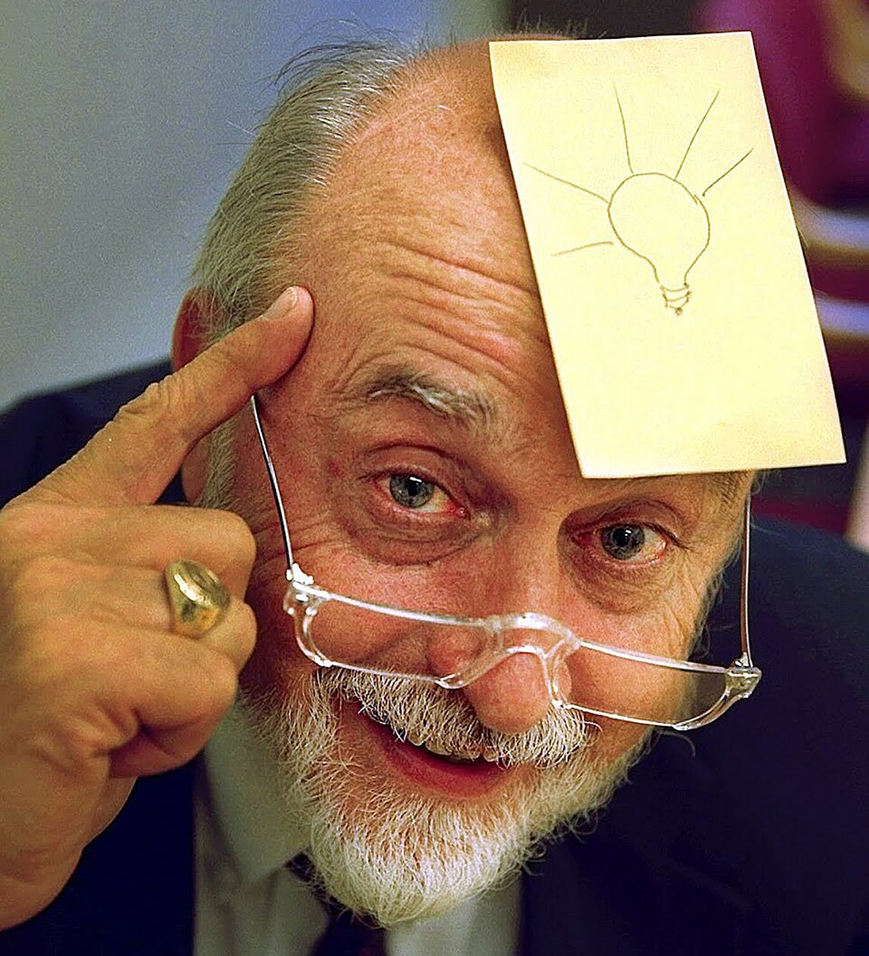
Spencer Silver spent years at 3M trying to make a strong adhesive and ended up with the opposite, a weak one. For a while, it looked like one of those inventions with no real purpose, until Art Fry used it to keep bookmarks from slipping out of his hymnal. Six years passed between the accident and the idea that made it useful.
Potato Chips
History Oasis
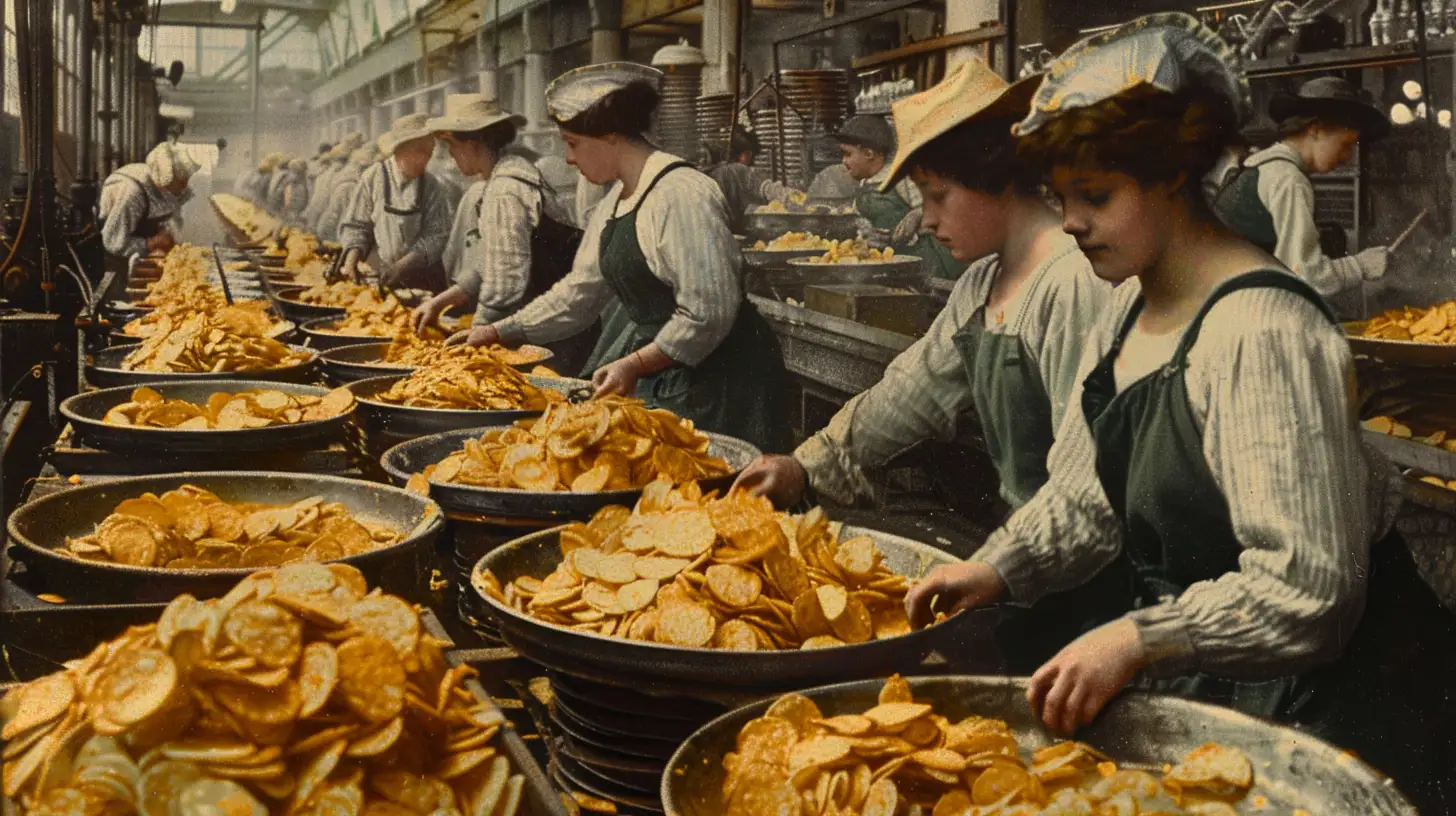
The story goes that in 1853, a chef named George Crum got fed up with a customer who kept sending his fried potatoes back for being too thick. So Crum sliced them paper-thin, fried them until they couldn’t possibly be described as soft, salted them heavily, and sent them out as a kind of dare. The customer loved them. Some historians have picked apart the details — maybe it wasn’t Crum, maybe the customer wasn’t that annoying — but the basic shape of the story has survived because it feels true in the way that matters. The best version of spite is when it accidentally works.
X-rays
r/interestingasfuck
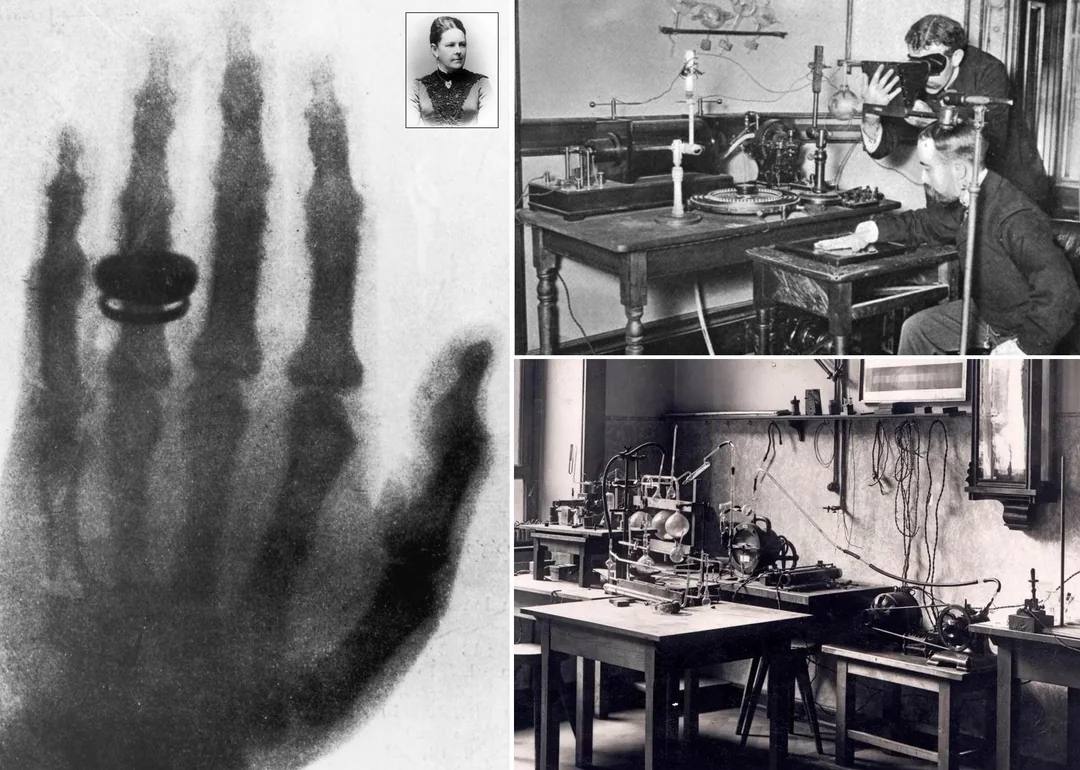
Roentgen was experimenting with cathode rays when he noticed a fluorescent screen across the room glowing for no clear reason. Instead of assuming he had messed something up, he kept digging. Within weeks, he had produced an image of his wife’s hand, and medicine suddenly had a way to see inside the body without surgery.
Trending on The Scroller

Vulcanized Rubber
La Escuela en Casa / Vía Facebook
The Pacemaker
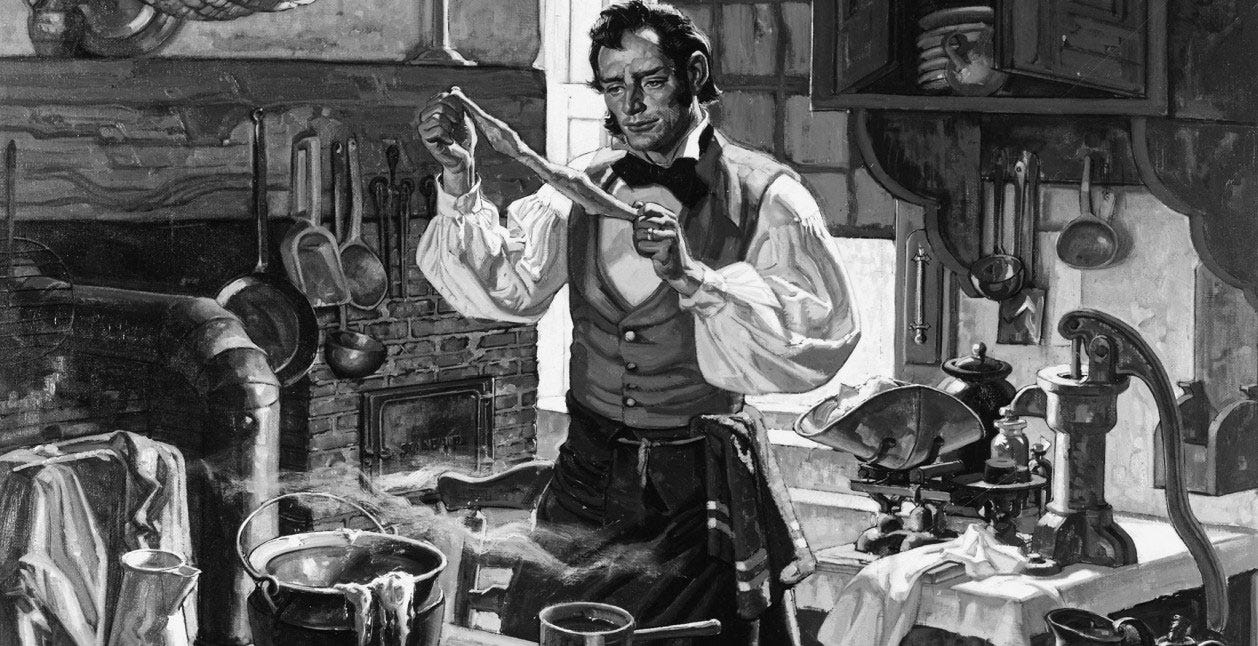
Raw rubber was unreliable, brittle in the cold and sticky in the heat. In 1839, Charles Goodyear accidentally dropped a rubber-sulfur mixture onto a hot stove and got something far more stable. That mistake helped turn rubber into a material the industrial world could actually use.
The Canadian Encyclopedia
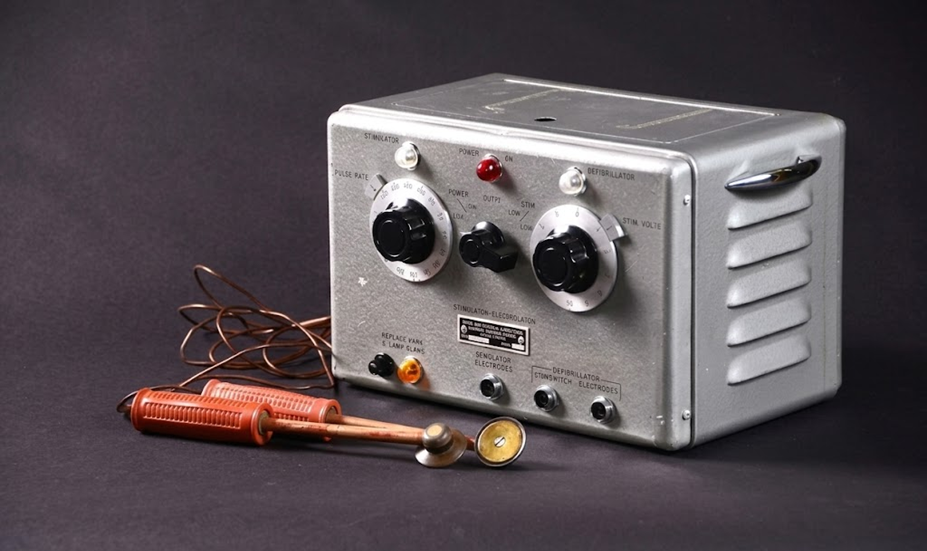
Wilson Greatbach was building a device to record heart sounds in 1956 when he reached into a box and pulled out the wrong resistor. The circuit he assembled didn’t record anything — it pulsed. Rhythmically. At a rate not entirely unlike a heartbeat. He stared at it for a while. The modern pacemaker, the device that has kept millions of hearts beating correctly, came from that moment. From a misread label on a component pulled from a box.
Super Glue
Decorexpro
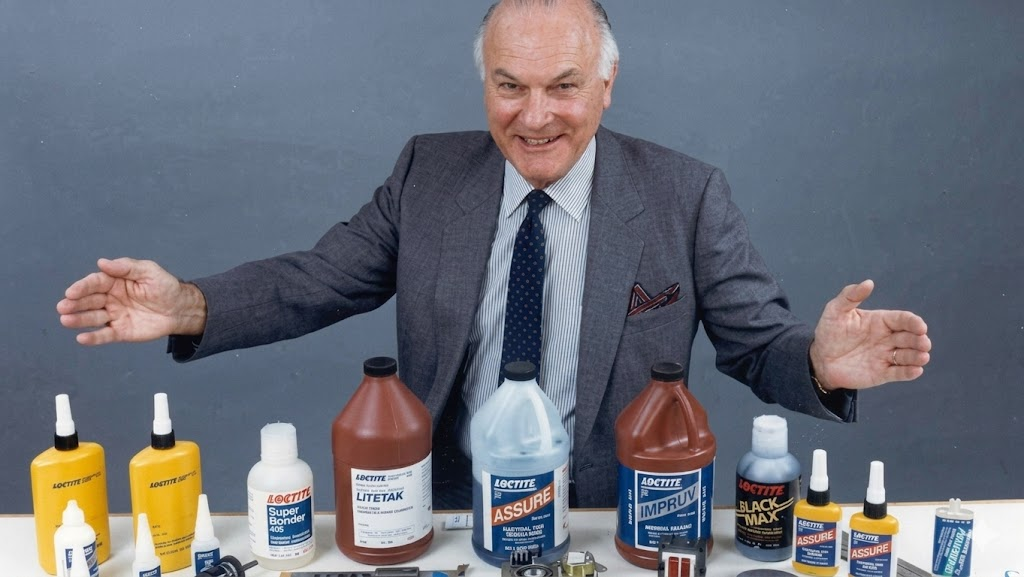
Harry Coover first encountered cyanoacrylate in 1942 while trying to develop clear materials for gun sights. It was a disaster for that purpose — it bonded to everything instantly, and with an enthusiasm that made it impossible to work with. So it went nowhere. Filed away. Years later, somebody looked at that same property and realized the bonding was the whole point. Super Glue is now one of those products that lives in a drawer in almost every home, used twice a year, impossible to find when needed, and repurchased so regularly that nobody knows how many tubes they’ve actually bought.
Sign up for our newsletter
The Popsicle
r/todayilearned
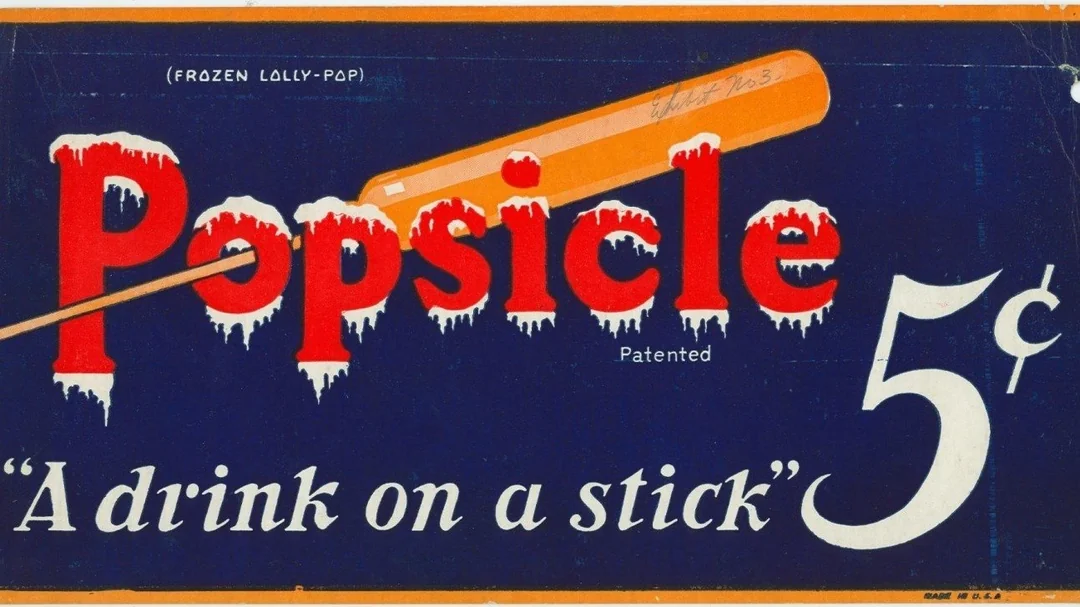
In 1905, an eleven-year-old named Frank Epperson left a cup of powdered soda and water outside overnight with a stirring stick still in it. The temperature dropped. It froze. He was eleven. He thought it was great. He didn’t patent it for another eighteen years, which is its own kind of accidental story.
Teflon
teflon.com
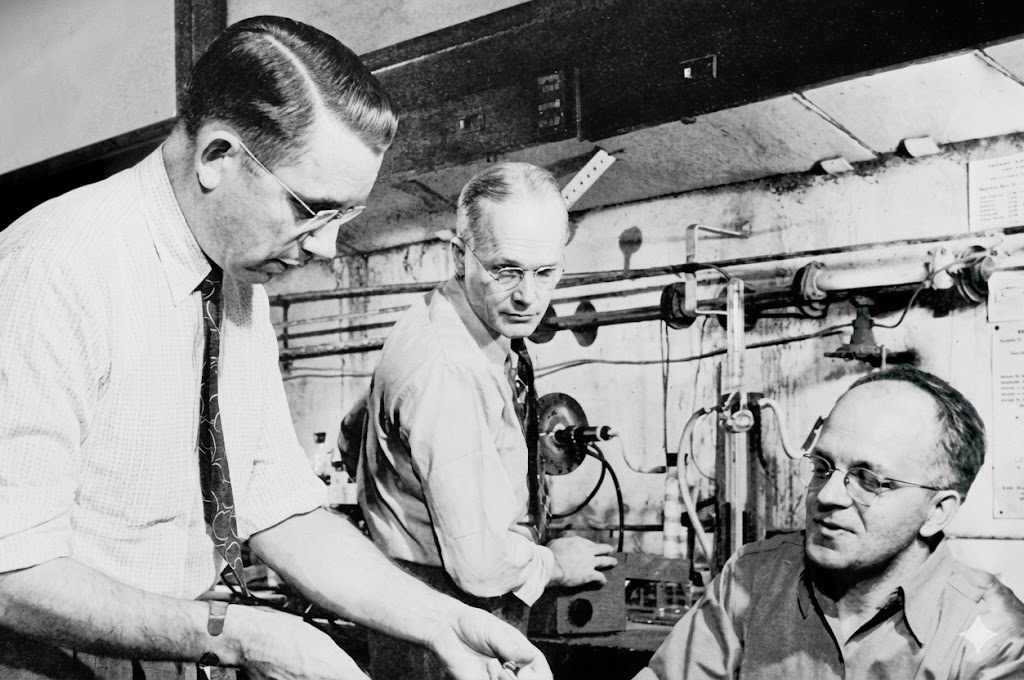
Roy Plunkett was trying to develop a new refrigerant when one of his gas canisters seemed to empty too soon. He cut it open and found a slick white substance coating the inside, a polymer formed by accident. That material became Teflon, which later showed up in everything from cookware to aerospace equipment.
Safety Glass
picclicimg.com
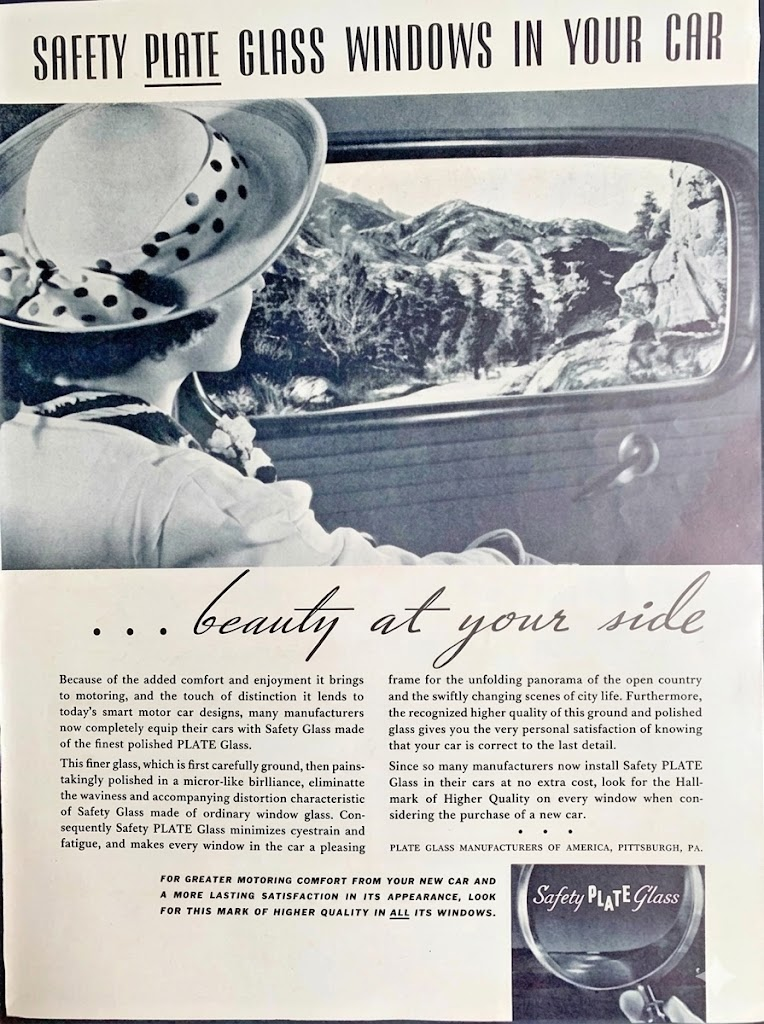
In 1903, Edouard Benedictus dropped a glass flask in his lab. It cracked, but it didn’t shatter — the pieces held together in a rough web rather than flying outward. The flask had a dried residue of cellulose nitrate inside it, a thin film, barely anything. But it had been enough. He made a note. Came back to it later. By that point, automobiles were becoming common, and the newspapers were full of stories about injuries from shattered windshields. The connection was obvious once you were looking for it.
The Slinky
r/philadelphia
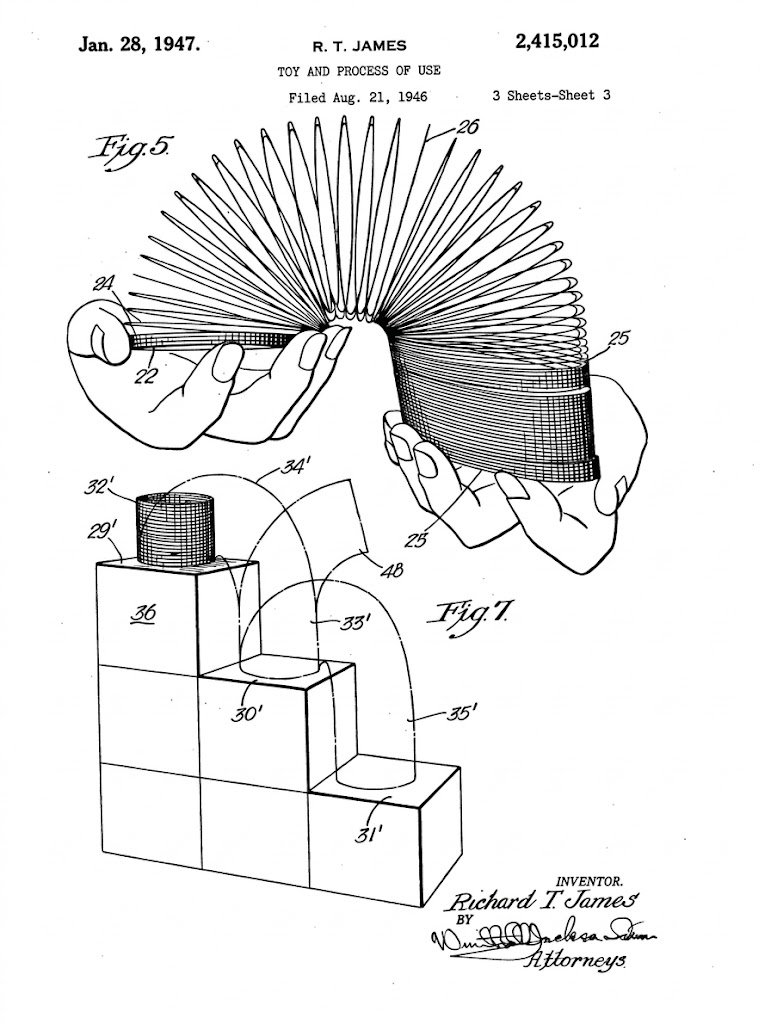
A spring fell off a shelf and kept moving. Richard James watched it for a moment, then decided that was enough of a reason to pursue something. That’s the whole story. Sometimes the whole story is short.
Corn Flakes
Wikimedia Commons
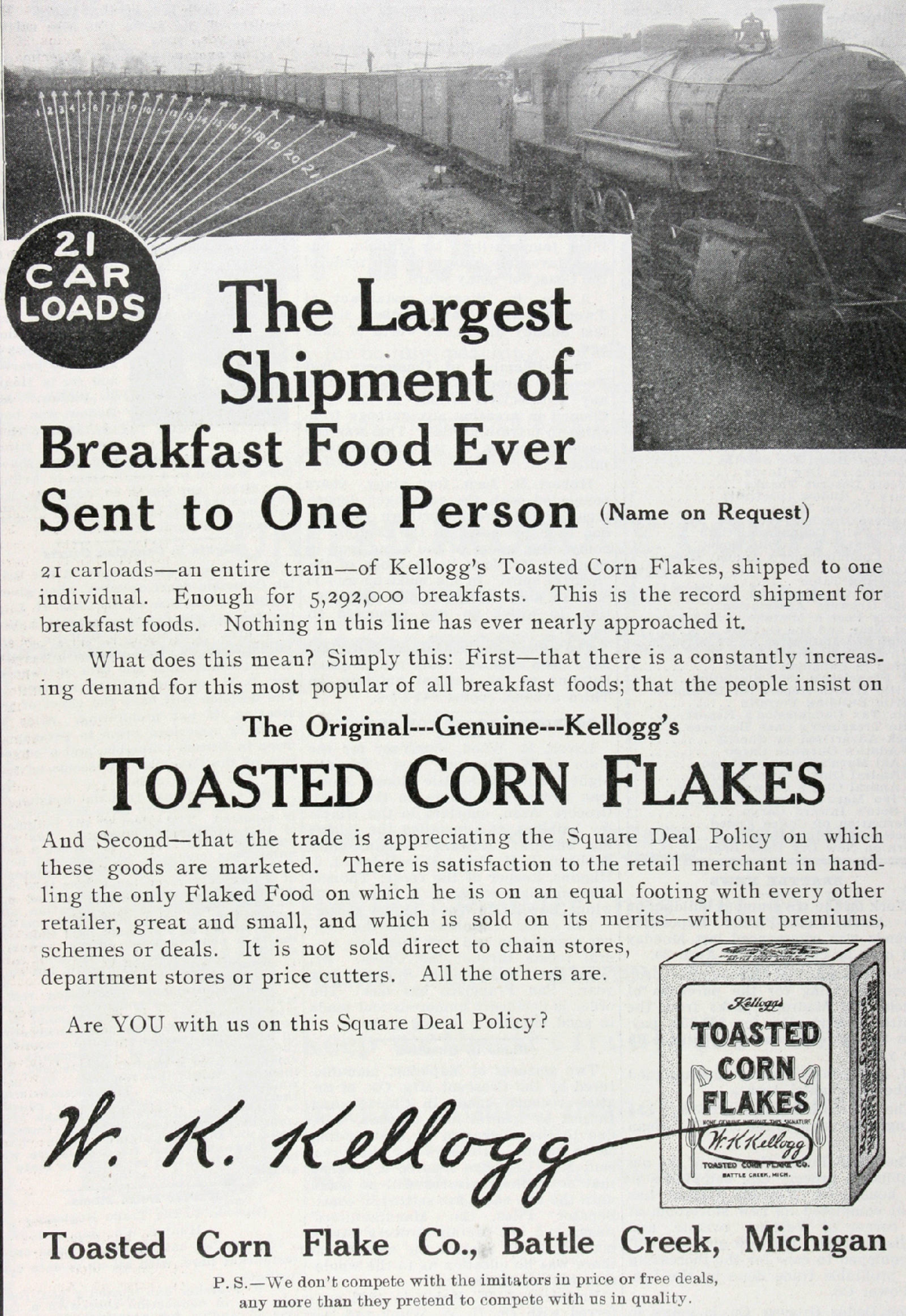
John Harvey Kellogg and his brother were preparing grain for patients when they left a batch sitting out too long. Instead of throwing it away, they rolled it anyway and got flakes. What followed was a cereal empire and a messy fight between brothers.
Saccharin
r/vintageads
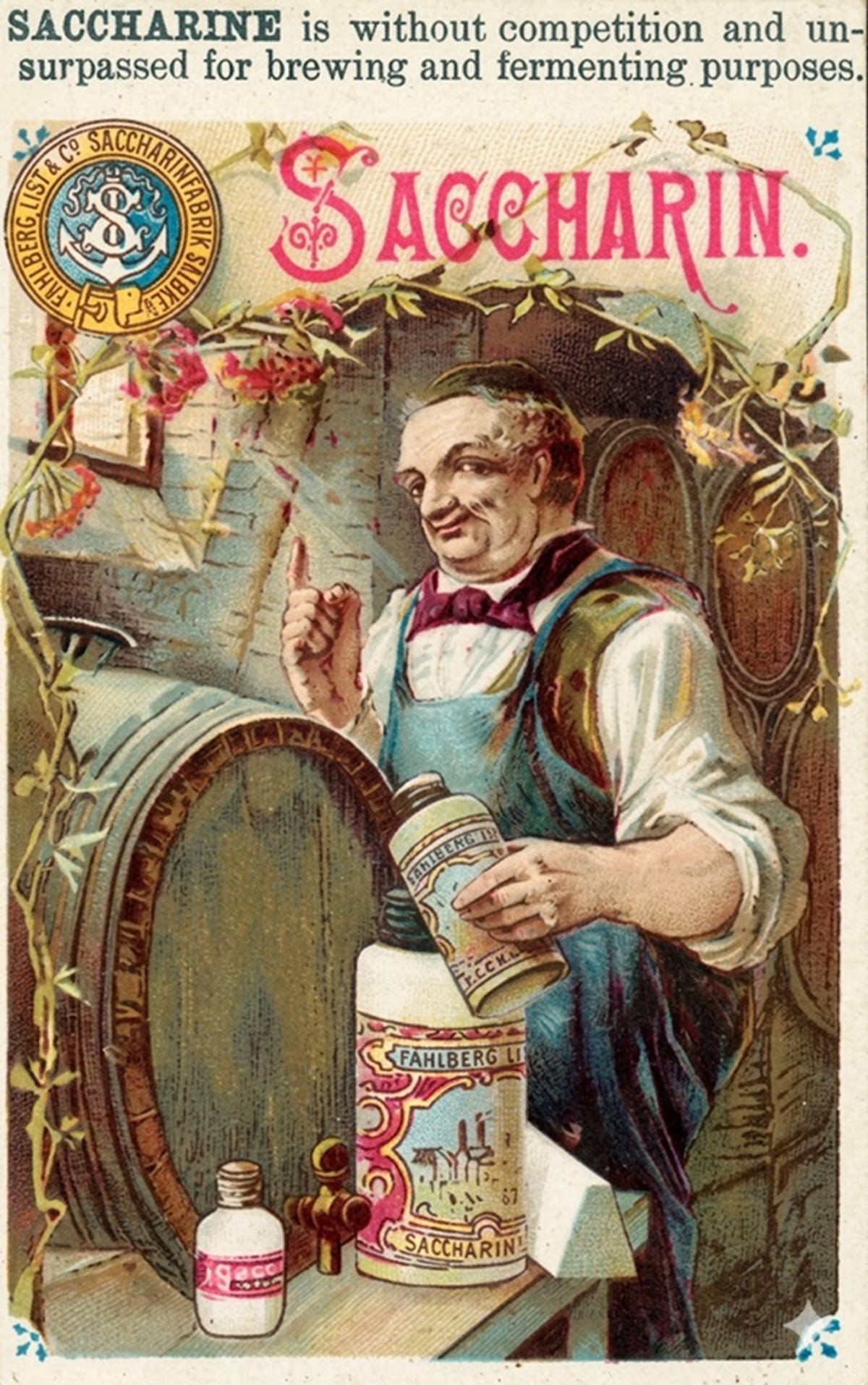
In 1879, Constantin Fahlberg noticed his food tasted strangely sweet after leaving the lab. He traced it back to a compound on his hands and identified saccharin. It is a useful discovery, even if the story makes the whole thing sound slightly unhygienic.
Play-Doh
r/vintageads
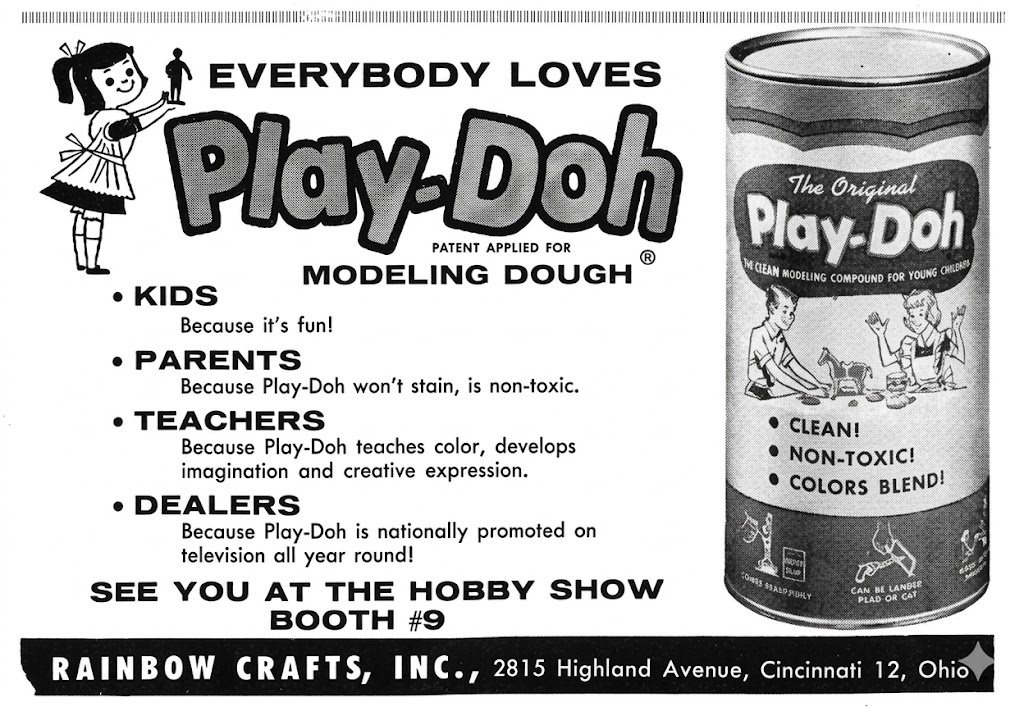
Play-Doh was invented in 1950 to clean wallpaper. Coal heating left soot on walls, and a soft, pliable compound turned out to be good at lifting it. Then coal heating became less common, and suddenly the product had no market. A nursery school teacher named Kay Zufall, the sister-in-law of the manufacturer, suggested giving it to children as a modeling material. Same substance. Completely different life. It has now been sold in something like 100 countries and comes in colors that have names like “Razzmatazz” and “Snozzberry,” neither of which has anything to do with wallpaper.
Velcro
r/interestingasfuck
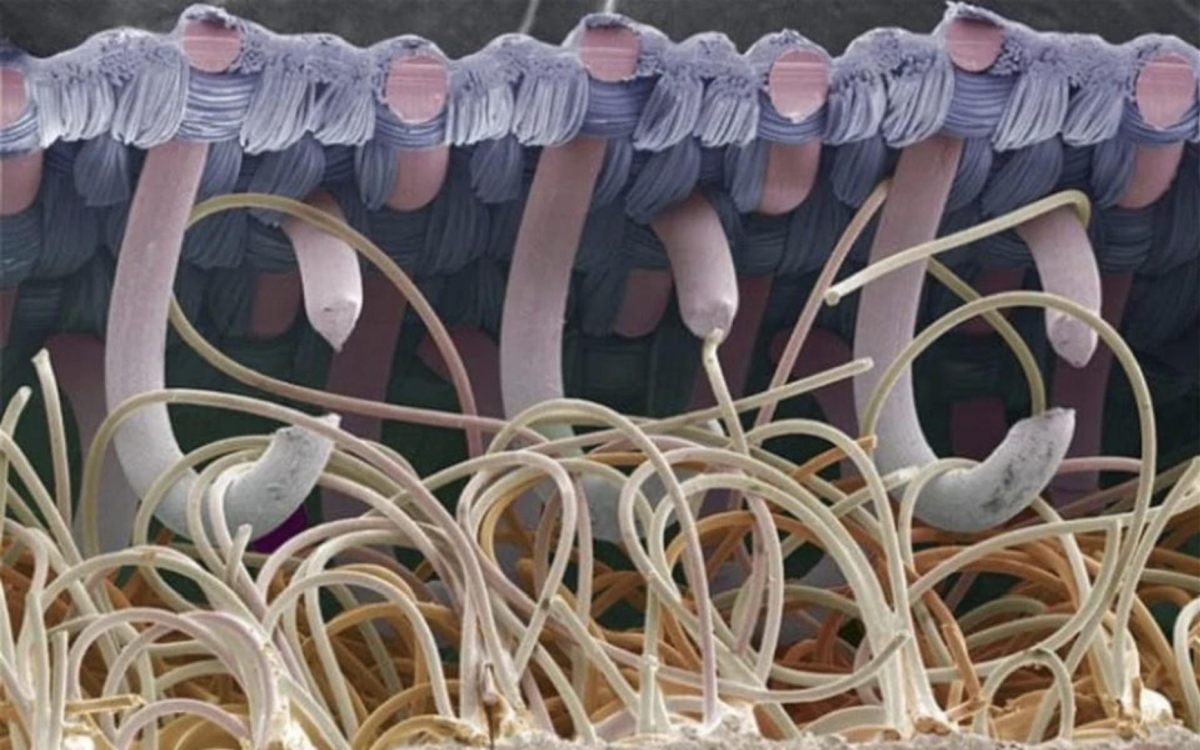
George de Mestral came back from a walk in the Alps covered in burrs, with his dog in even worse shape. Instead of brushing them off and moving on, he looked at one under a microscope and noticed the tiny hooks. That small annoyance eventually turned into Velcro.
The pattern, if there is one, is not really about luck alone. Lucky breaks happen all the time. What matters is noticing when a mistake, a detour, or a failed test might be pointing toward something else. A lot of inventions begin right there, in the moment when someone decides not to throw the bad result away.
In the mood for more?
You can check out 18 Inventions From the Last Ten Years That Solved Problems Nobody Had or 15 Inventions From the 1950s That Were Supposed to Change Everything and Didn’t. If you want to see more history, check 15 Historical Figures Who Quietly Shaped the World We Live In.