
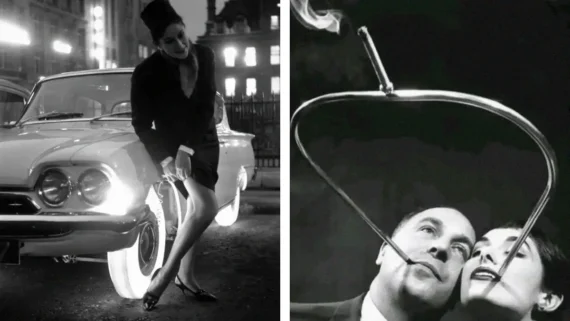
The 1950s were a decade characterized by a massive boom in consumer optimism and a collective obsession with the upcoming space age. With the rapid expansion of plastics, television, and household appliances, inventors and corporations felt completely unstoppable in their quest to engineer the future. They promised a world where technology would handle every chore, creating a society of total leisure where humans barely had to lift a finger. This cultural mindset led to a flurry of bold, ambitious inventions that were widely expected to revolutionize our daily lives before the decade came to a close.
However, many of these grand concepts ended up being entirely too impractical, dangerous, or simply ahead of their time. While these mid-century breakthroughs looked incredible on the pages of popular science magazines, they quickly fell apart when faced with the messy reality of the consumer marketplace. They stand today as charming, retro-futuristic relics that remind us of a time when everything from your kitchen table to your family car was supposed to be powered by the marvels of the atomic era. Let’s take a look at fifteen ambitious inventions from the 1950s that never quite managed to change the world.
1. The Ford Nucleon – 1958
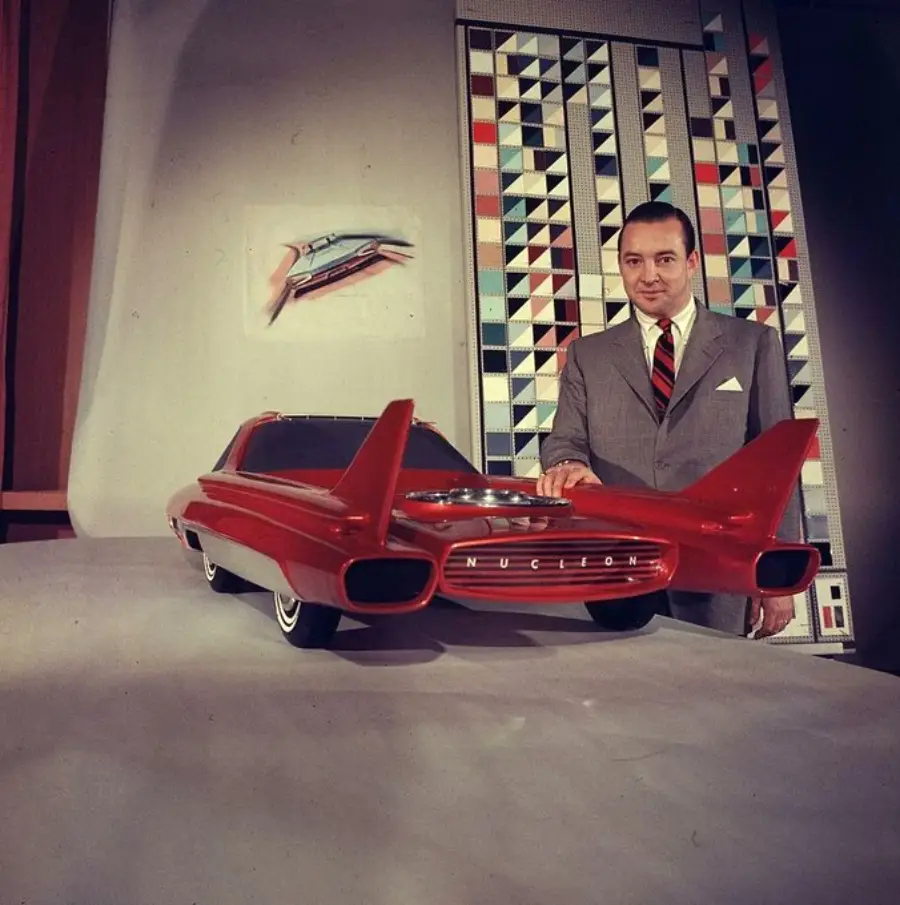
This concept car from Ford was designed with the assumption that small, replaceable nuclear reactors would eventually replace the internal combustion engine. The vehicle was engineered to travel over 5,000 miles on a single charge of uranium before needing a core swap at a specialized service station. While it looked like a spaceship on wheels, the technology to shrink a nuclear reactor safely never materialized during the decade. Concerns over radioactive accidents in traffic quickly put an end to the project before a working prototype was ever built.
2. Illuminated tires by Goodyear – 1959
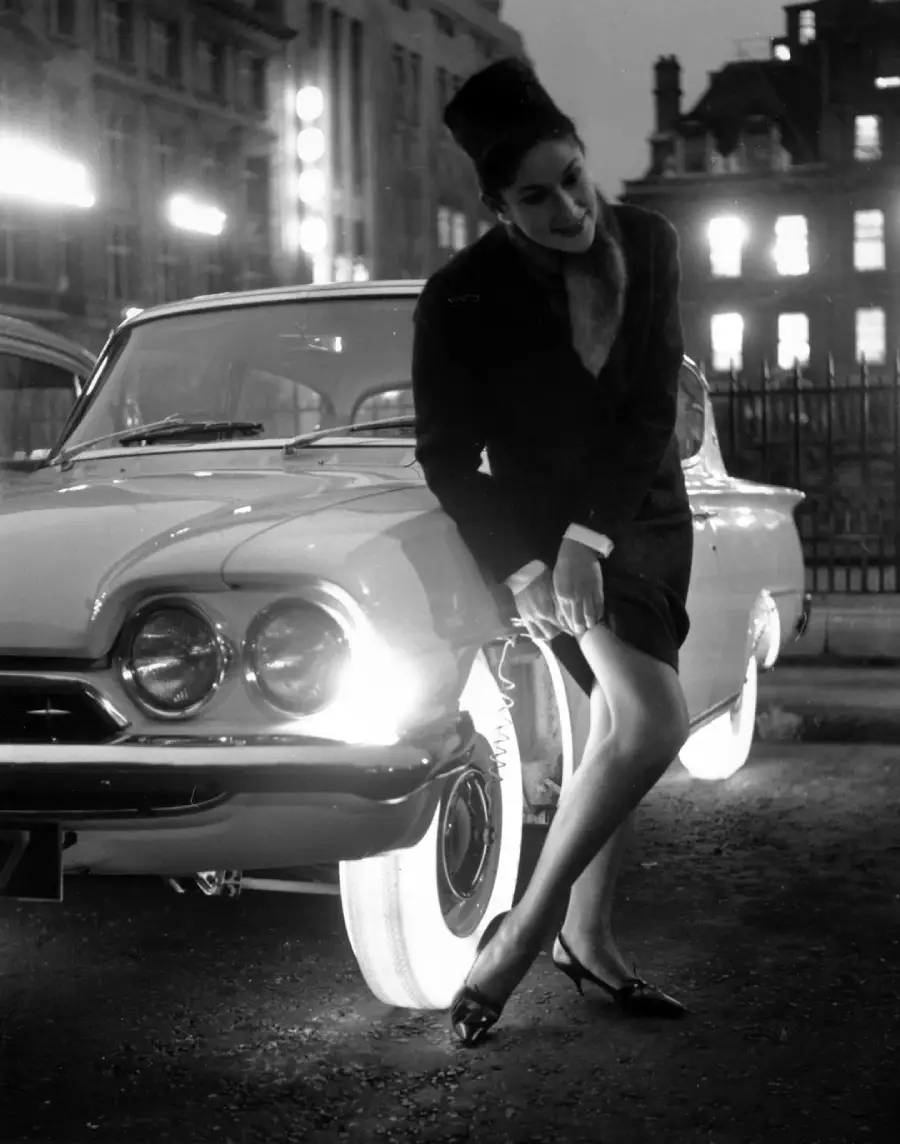
Goodyear engineers developed a synthetic rubber compound that allowed light bulbs mounted inside the wheel rim to shine through translucent tires. The goal was to improve nighttime driving safety while adding a high-fashion, neon-colored aesthetic to the classic mid-century automobile. Drivers could even change the color of their tires to match their outfits or the paint job of their cars. Unfortunately, the tires proved to be incredibly expensive to produce and would lose their glowing effect after hitting a few standard potholes.
3. The Philco Predicta television – 1958
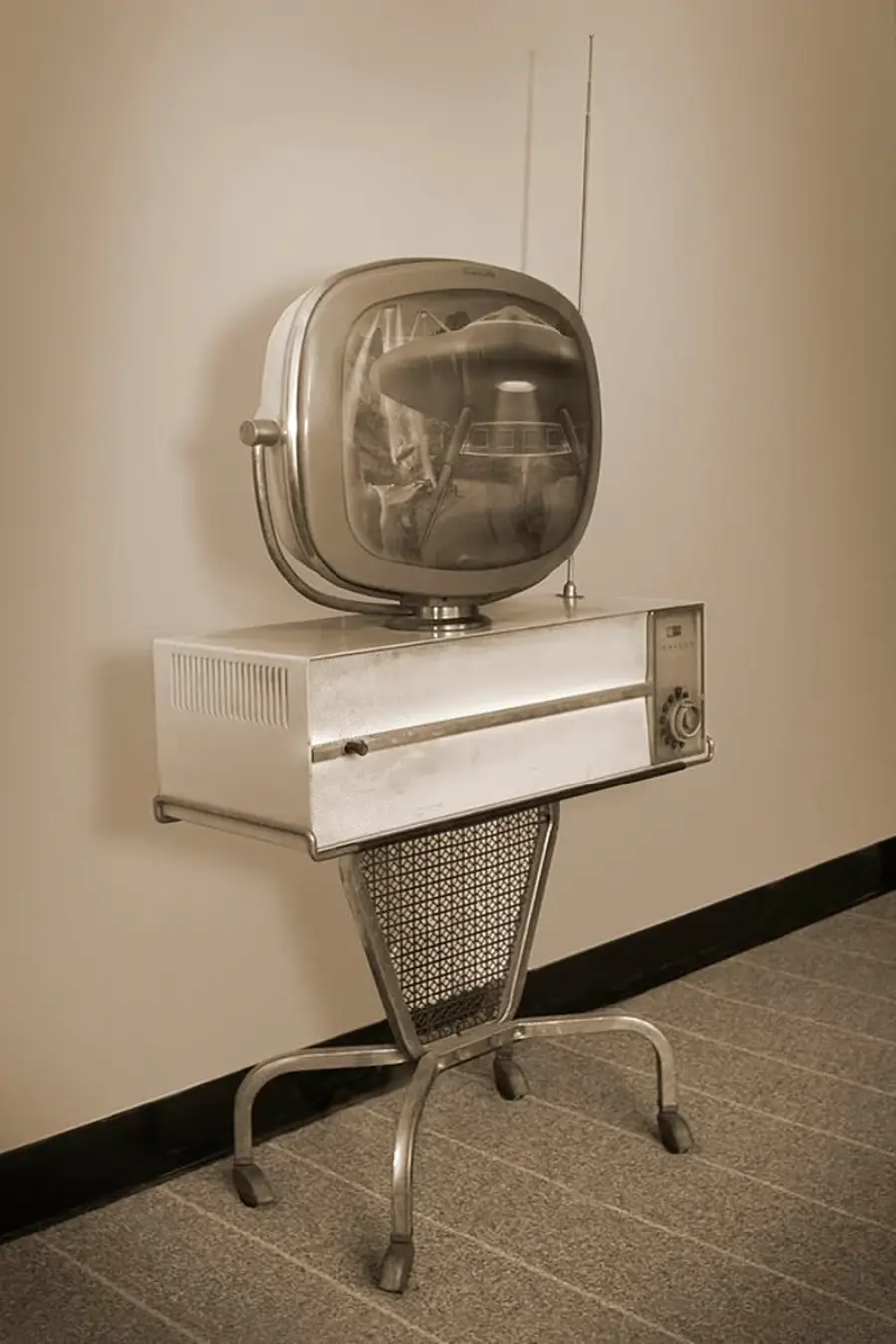
This striking television set featured a futuristic, swivel-mounted screen that was detached from the main wooden cabinet housing the inner electronics. It was marketed as the ultimate centerpiece for the modern living room, allowing viewers to turn the screen toward their chairs without moving the entire heavy unit. Despite its iconic look, the design was notoriously unreliable and prone to severe overheating inside the cramped neck casing. The high repair costs and constant component failures forced Philco into bankruptcy just a few years after its grand debut.
4. The flying platform – 1955
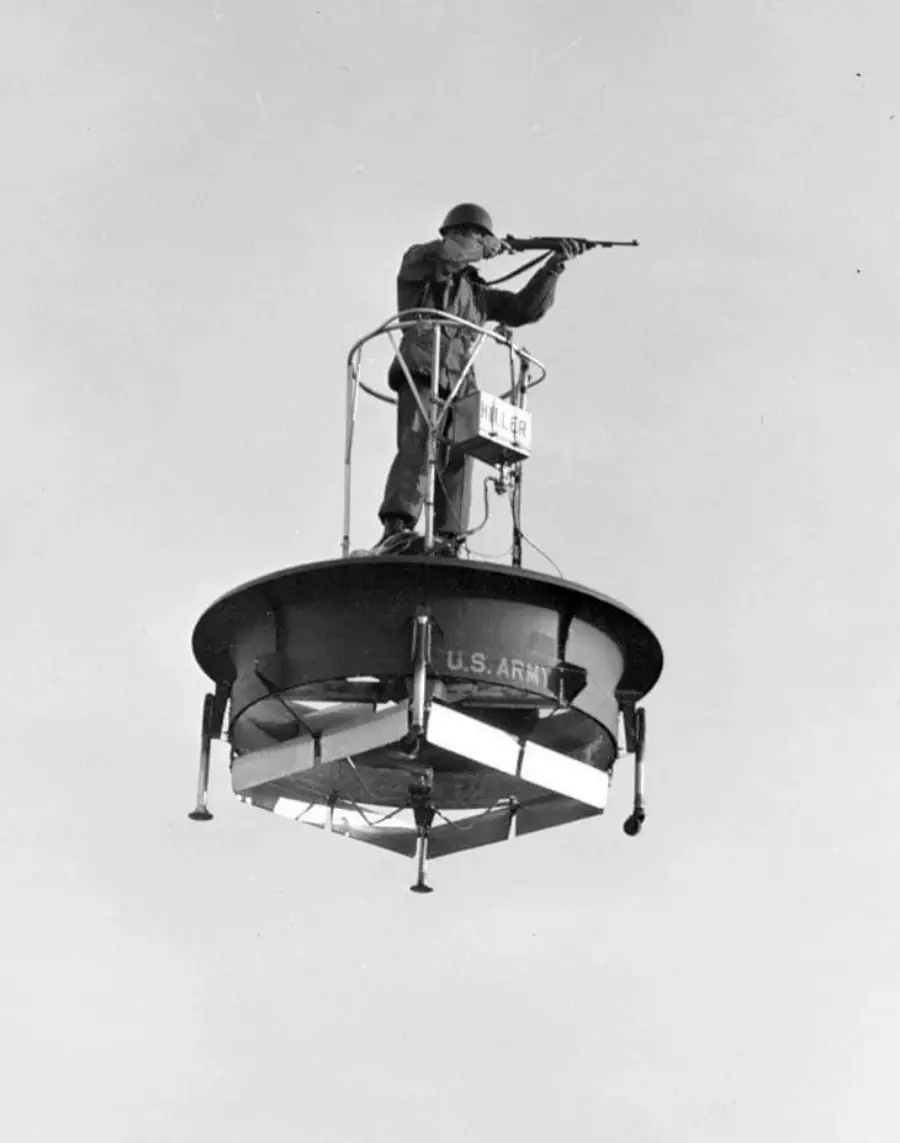
Developed for the United States military, this personal flight vehicle allowed a single soldier to stand on a small platform and fly using two ducted fans. The pilot controlled the direction of the vehicle simply by leaning their body weight in the direction they wanted to travel, similar to a modern Segway in the sky. While it successfully made several test flights, the platform proved to be incredibly difficult to navigate in high winds or turbulent conditions. The military eventually canceled the project after realizing it made the soldier a very slow and highly visible target.
5. The Hubley Tic-Toy Clock – 1954
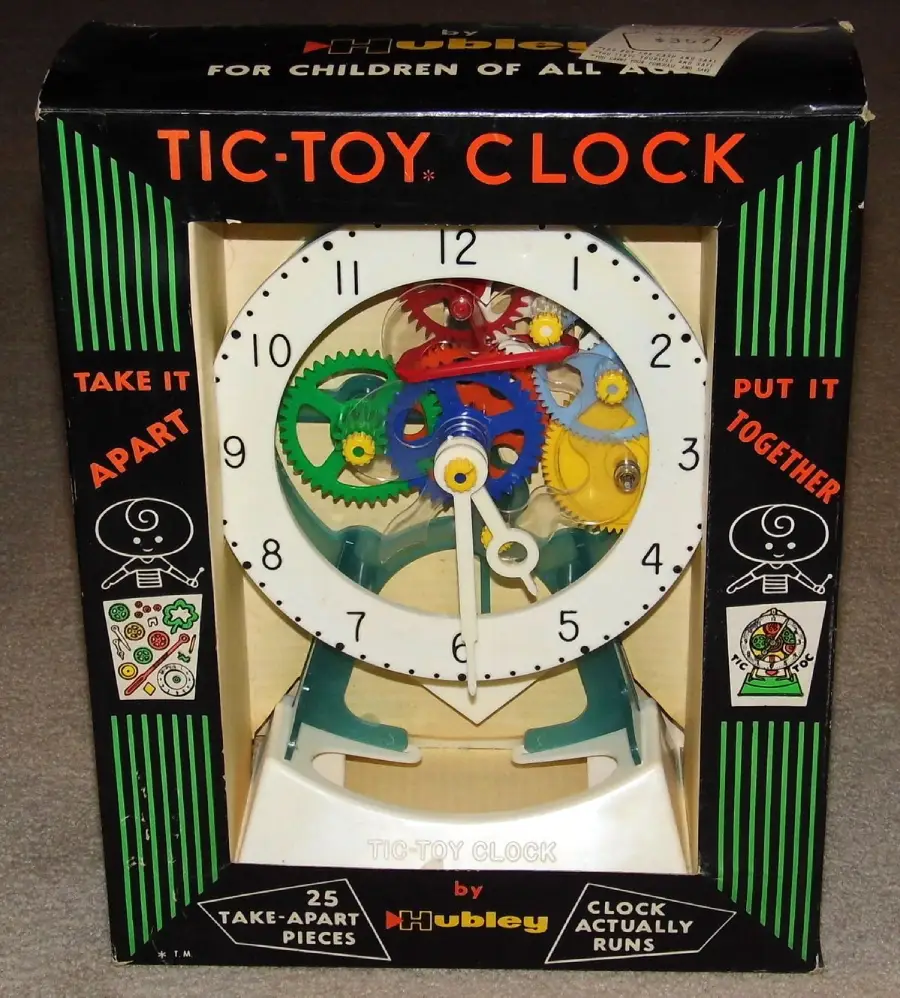
This transparent toy clock was introduced to teach children the mechanics of timekeeping by allowing them to assemble the gears themselves. It was marketed as an educational breakthrough that would inspire a whole generation of future engineers and scientists. However, the plastic gears were incredibly fragile and would frequently strip or jam after a few hours of enthusiastic play. Parents grew frustrated with having to constantly rebuild the clock, and the toy quickly vanished from store shelves.
Trending on The Scroller


6. The Smog mask with fresh air – 1953
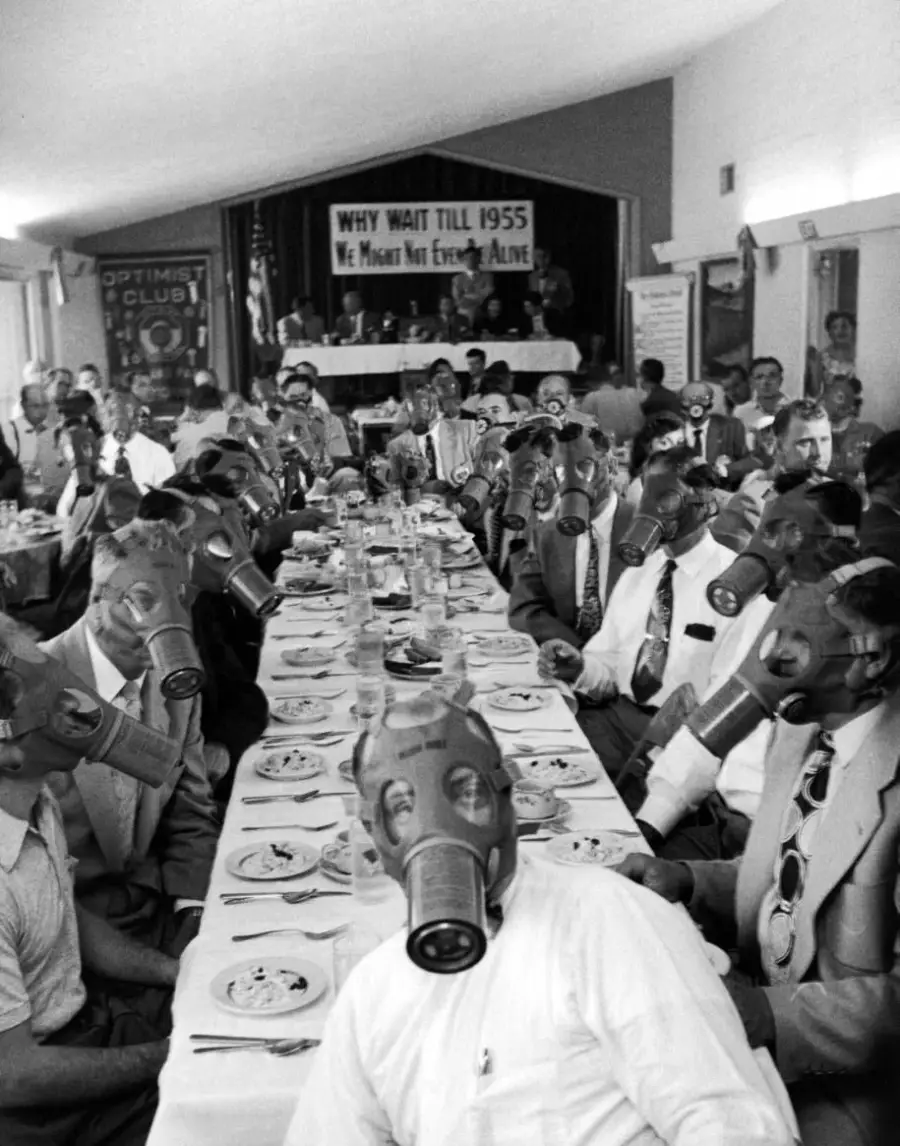
As industrial pollution began to affect major cities, inventors created a plastic face mask that used a tiny, battery-powered fan to filter incoming air. Some high-end versions even featured a small capsule of menthol or lavender scent to make the urban commute feel more pleasant for the wearer. The public largely rejected the invention because it made citizens look like science-fiction monsters while walking down the sidewalk. Most people preferred to just hold a handkerchief over their faces during heavy smog days.
7. The motorized surfboard – 1956
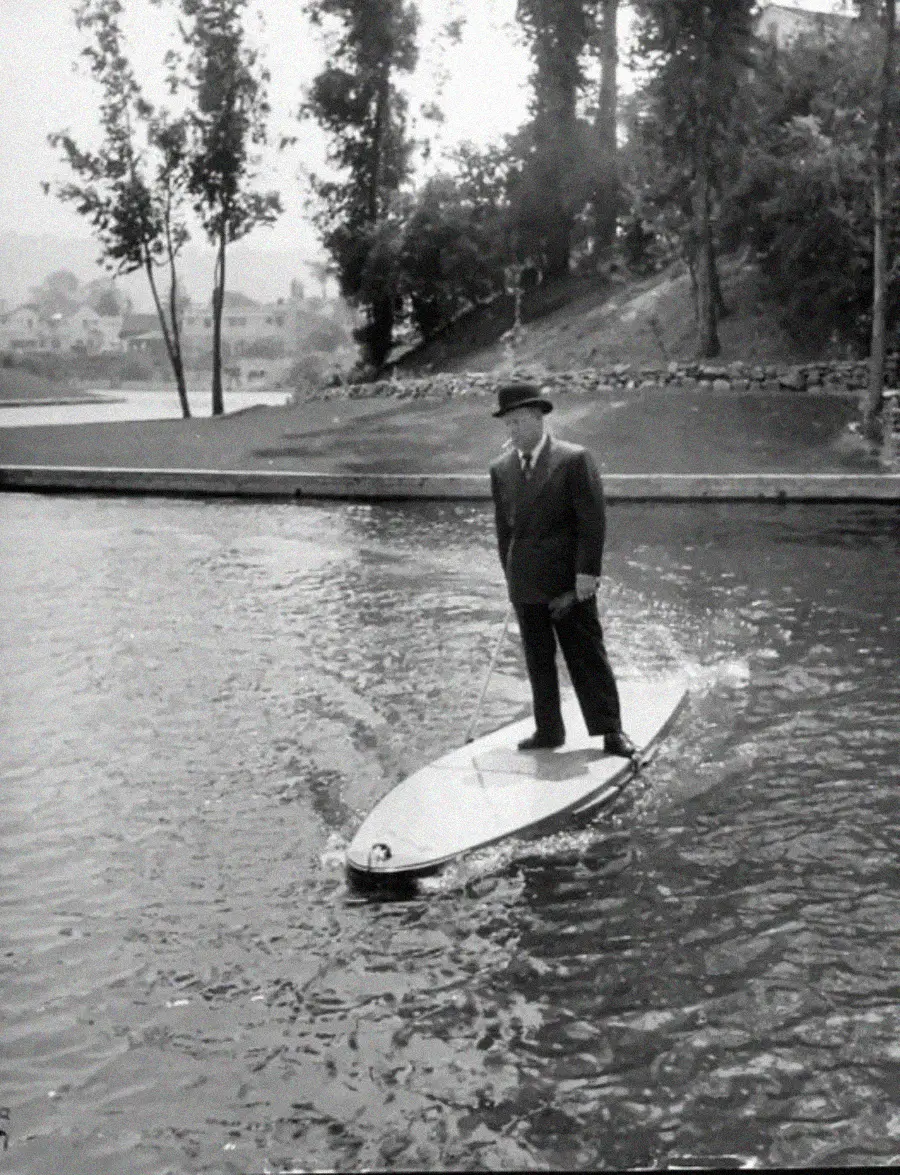
Designed by a Hollywood executive, this watercraft featured a built-in internal engine that allowed surfers to ride waves even on completely calm, flat water. It was marketed as a revolutionary sport that would bring the thrill of ocean surfing to lakes and rivers across the country. The machine was incredibly heavy and difficult to balance, often throwing the rider into the water at high speeds. The high noise level and frequent engine flooding kept it from ever gaining traction with traditional beach communities.
8. The cigarette holder for two – 1955
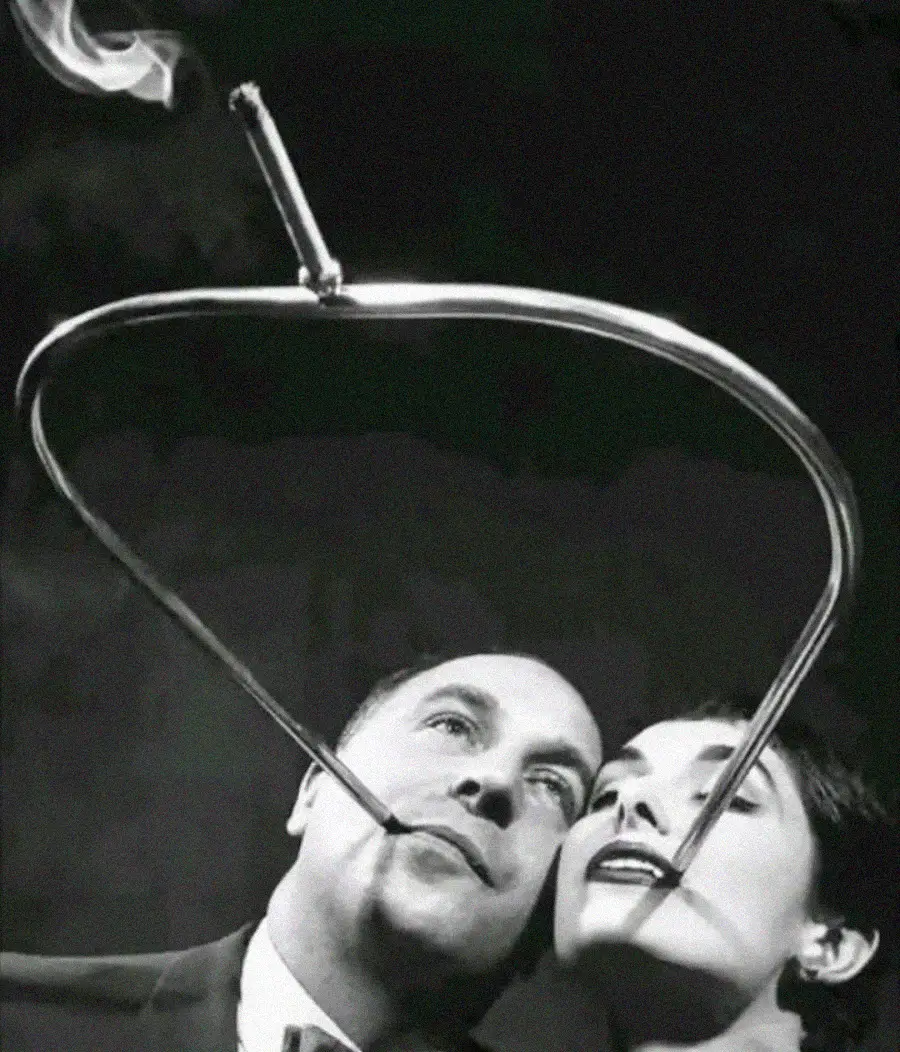
This bizarre lifestyle accessory featured a single mouthpiece that split into two separate tubes, allowing a couple to share a single cigarette simultaneously. It was promoted as the ultimate romantic gesture for modern daters looking to save money and share an intimate moment at a lounge. The invention was a total failure because it required the two users to coordinate their breathing perfectly to avoid inhaling each other’s smoke. It quickly became a novelty punchline rather than a staple of the mid-century dating scene.
Sign up for our newsletter
9. The Honeywell Kitchen Computer – 1959
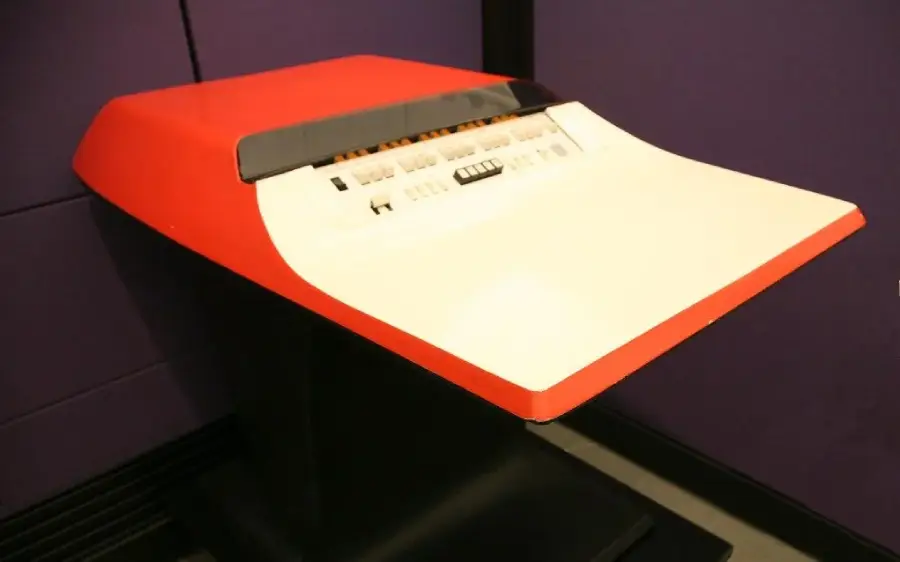
This luxury kitchen appliance was marketed to wealthy homemakers as the ultimate way to manage recipes and household budgets at the end of the decade. Costing a staggering $10,000, the massive machine required users to take a complex two-week programming course just to learn how to input data or look up a basic dinner menu. It didn’t feature a screen, meaning answers were displayed through a series of flashing code lights that had to be manually translated. Unsurprisingly, not a single unit was ever sold to an actual household, as most home cooks preferred a cheap paper recipe box over a giant metal computer.
10. The Solar Powered Convertible – 1955
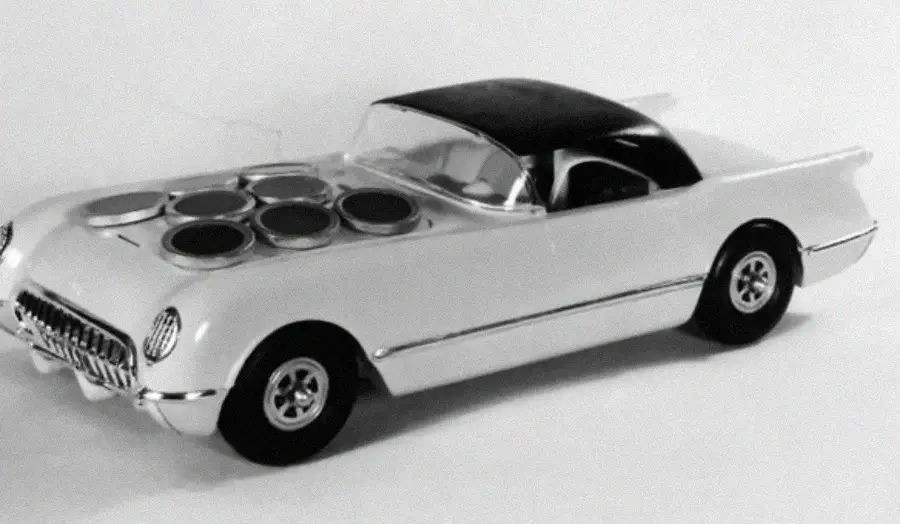
Introduced at a major industrial exposition, this experimental vehicle featured a large panel of early photovoltaic cells mounted right on the hood to showcase the future of green transit. The engineers claimed that solar energy would soon eliminate the need for gasoline stations entirely, allowing drivers to cruise indefinitely under the open sky. However, the early solar technology was incredibly inefficient and could barely generate enough juice to turn the headlights on, let alone move the heavy steel chassis. The project was quietly abandoned after a live demonstration required several engineers to physically push the car across the stage.
11. The pocket television – 1955
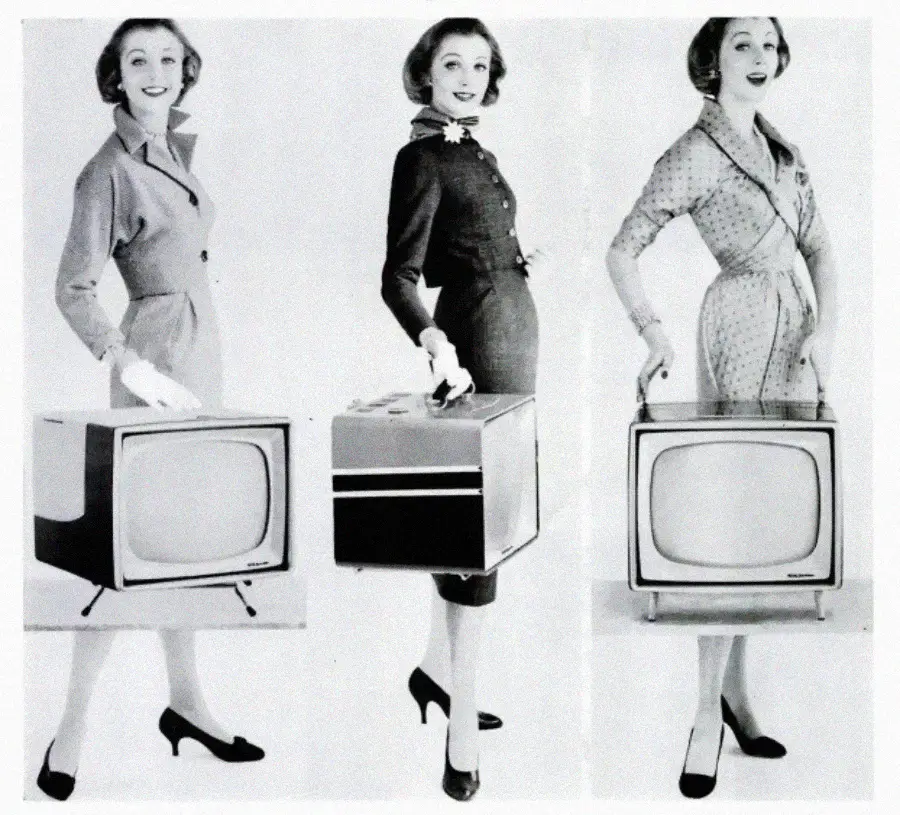
A decade before microchips became common, inventors tried to create a portable television that could fit into a standard trench coat pocket. It utilized a series of mirrors and a tiny cathode-ray tube to project a miniature black-and-white image for the viewer on the go. The battery packs required to run the unit were massive, forcing users to carry a heavy suitcase just to power the tiny screen. The terrible reception and its heavy weight made it entirely impractical for the average commuter.
12. The automatic spaghetti spinner
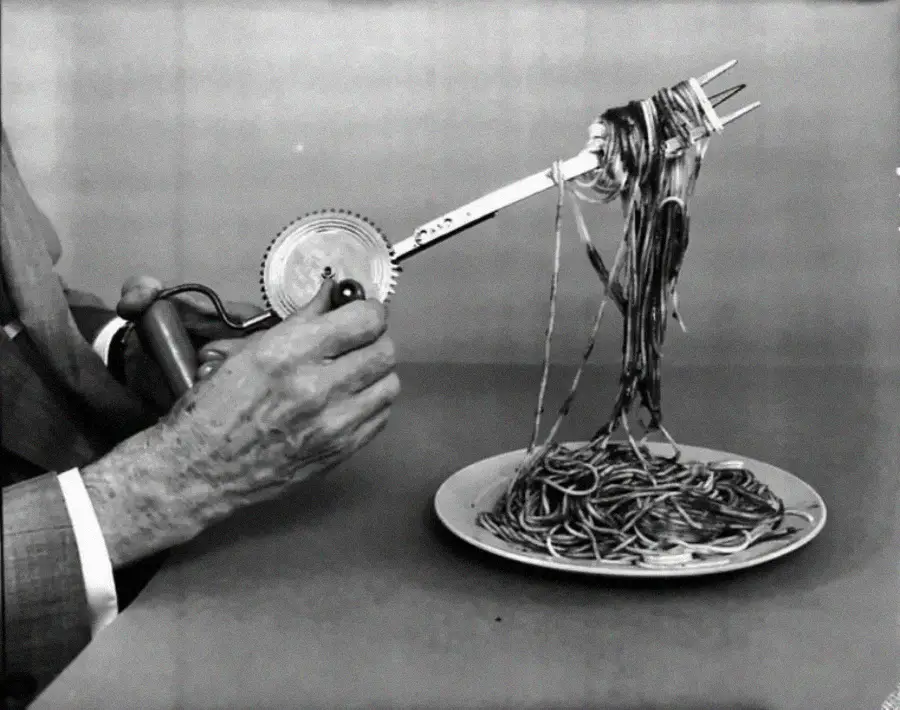
This specialized fork featured a built-in crank mechanism that allowed diners to spin their pasta around the prongs with a simple twist of a handle. It was marketed as a high-society dining tool that would prevent messy sauce splatters on expensive formal wear. The gears inside the handle would frequently rust after being washed, turning the sleek gadget into an immovable piece of metal. Most diners decided that using two hands and a standard fork was a much more reliable way to eat dinner.
13. The curved-barrel machine gun – 1953

Engineers developed a specialized gun attachment with a curved barrel that allowed soldiers to shoot around corners without exposing themselves to enemy fire. It featured a small periscope mirror attachment so the shooter could aim from behind a solid brick wall. The intense friction of the bullets traveling through a bent metal pipe caused the barrels to wear out after firing only a few dozen rounds. The bullets would also frequently shatter inside the mechanism, making it highly dangerous for the operator.
14. The rainproof stroller – 1954
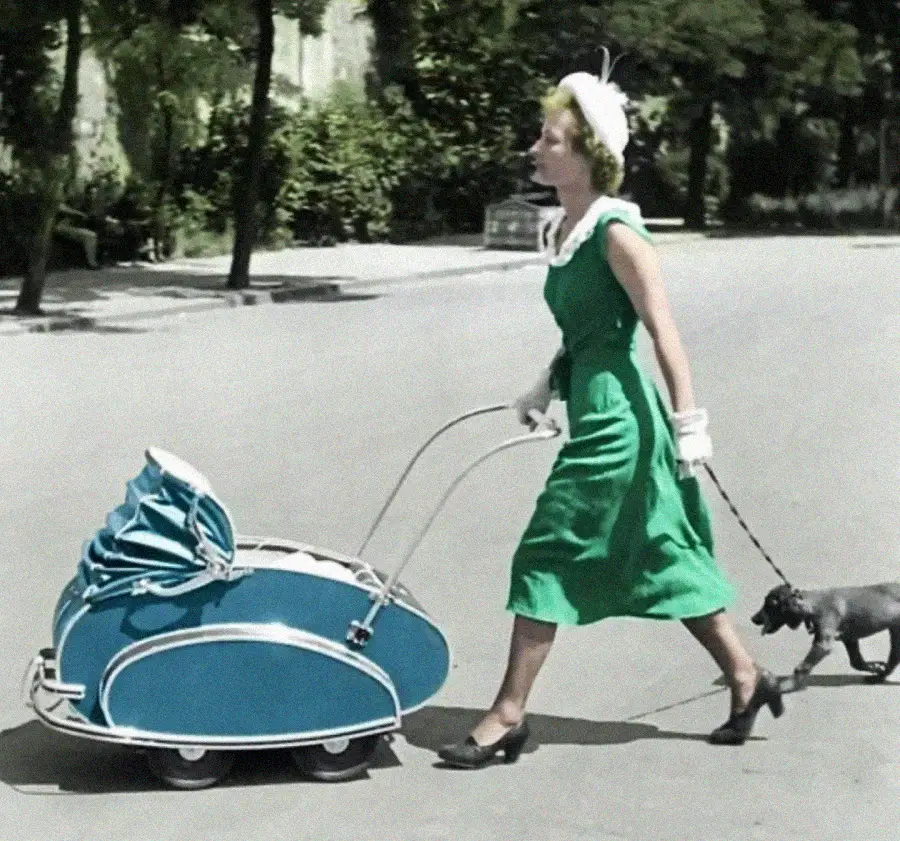
This baby stroller featured a fully enclosed, clear plastic bubble designed to keep infants completely dry during heavy rainstorms. It even included a small air filter system to ensure the child could breathe safely while sealed inside the capsule. The invention became an absolute nightmare during warmer spring days because the plastic enclosure acted like a miniature greenhouse, overheating the cabin within minutes. Parents quickly abandoned the bubble design in favor of simple, fabric umbrellas.
15. The radio hat – 1952
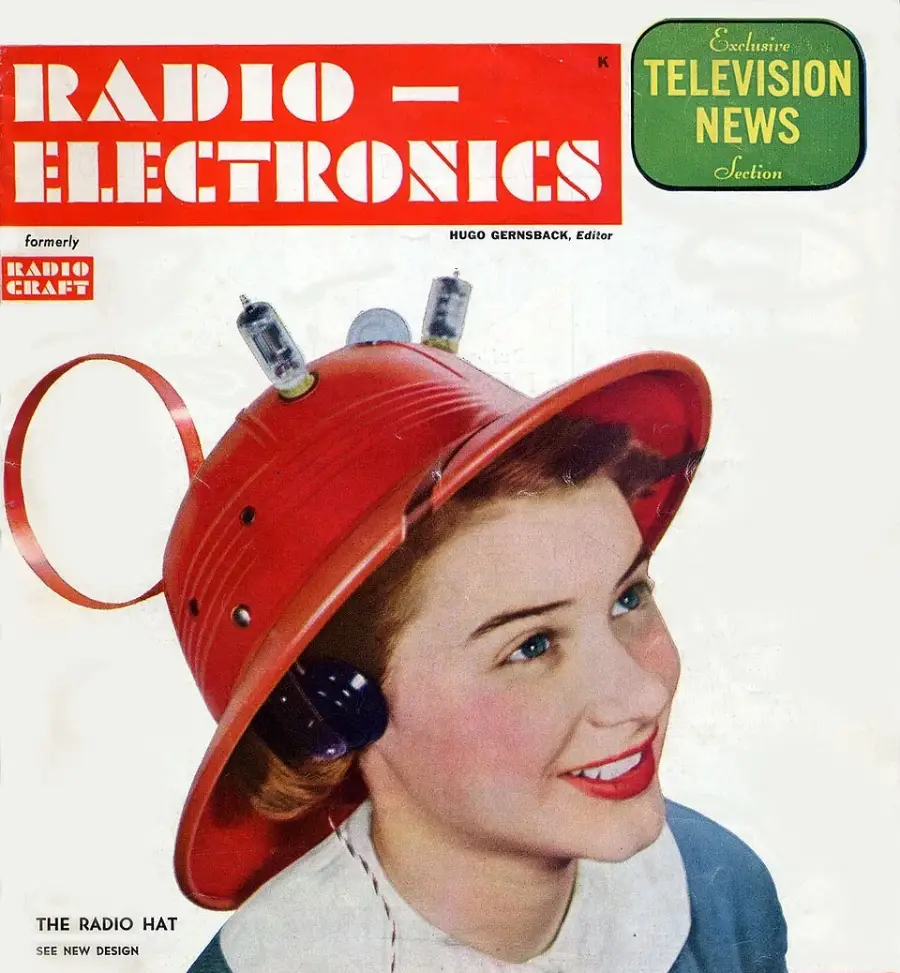
This structural marvel was a radio hat that featured a built-in AM radio receiver and a pair of headphones woven directly into the fabric of a standard straw fedora. It featured a small antenna sticking out from the top, allowing the user to listen to baseball games while walking through the park. The weight of the heavy batteries made the hat incredibly uncomfortable to wear for more than a few minutes at a time. It remains a fascinating precursor to modern wearable technology that was simply limited by the heavy components of its era.
Explore more curious inventions:
Looking back at these mid-century inventions gives us a deep appreciation for the creative spirit of the past, even when the final results were completely unusable. They serve as a wonderful reminder that progress is a messy process of trial and error where the failures are often just as interesting as the successes. If you enjoyed this journey through the forgotten technology of the 1950s, make sure to explore these 15 Overengineered Inventions That Nobody Truly Needed, or 20 Forgotten Inventions That Were Way Ahead of Their Time. You can also check out these 15 Fascinating Vintage Inventions That Never Took Off.