We often think of progress as a linear path of meticulous planning and rigorous laboratory testing, but some of the most significant discoveries in history were the result of pure, unadulterated luck. From forgotten petri dishes to wrong turns on the high seas, these moments of serendipity proved that being observant is often more important than being right. While the world was looking for one thing, a sudden “happy accident” revealed something far more valuable, shifting the trajectory of medicine, technology, and our understanding of the universe forever.
These accidental discoveries serve as a humbling reminder that humanity doesn’t always have its hand on the steering wheel of innovation. Many of the tools and substances we rely on today, things that have saved millions of lives or revolutionized our daily comforts, were initially viewed as failures or mere nuisances by their creators. By looking back at these chaotic moments of insight, we can appreciate the strange and unpredictable way that genius often reveals itself when we least expect it.
1. Penicillin – Alexander Fleming, 1928
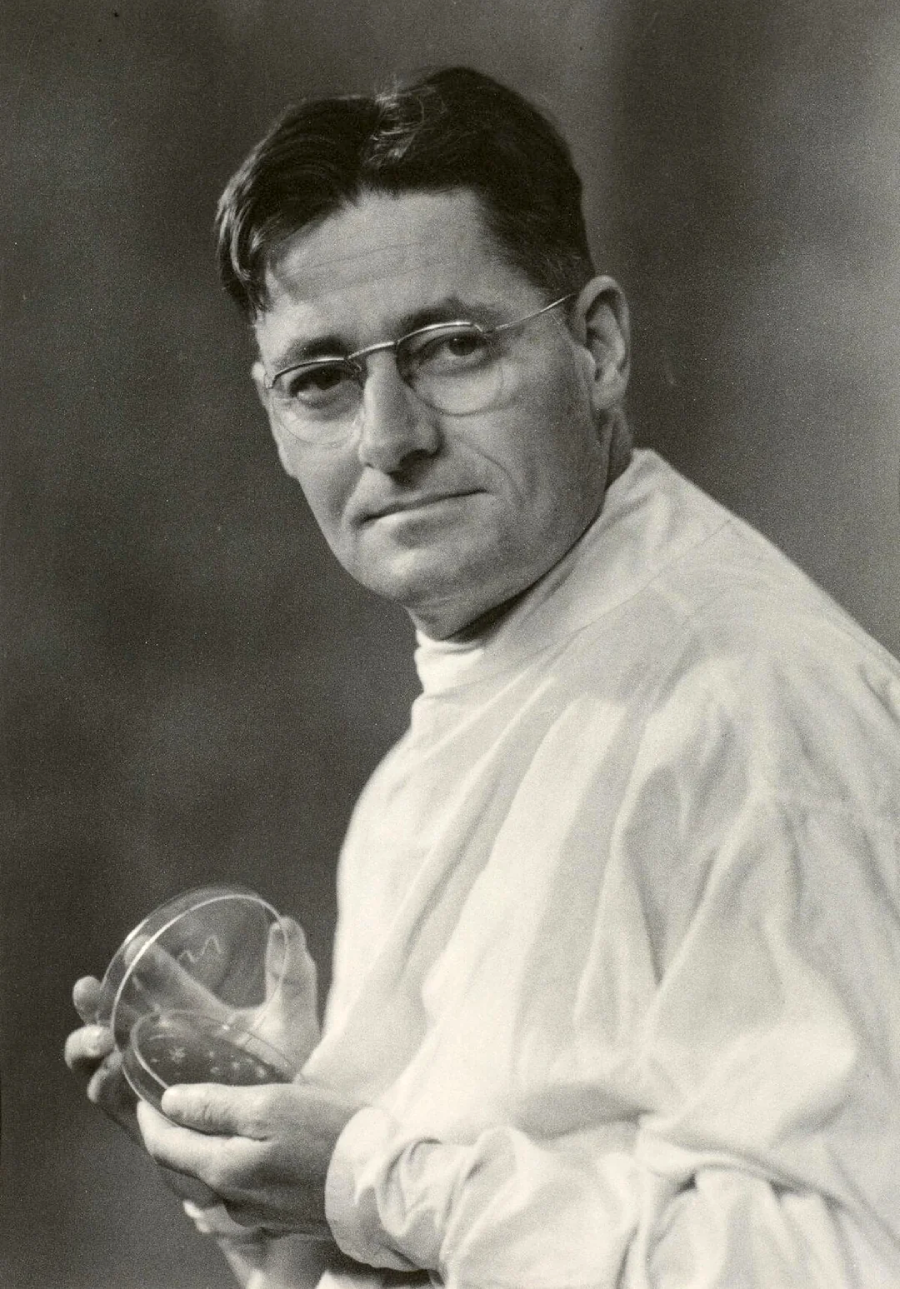
Alexander Fleming famously discovered the world’s first antibiotic because he decided to take a vacation without cleaning his lab benches. When he returned, he noticed that a common mold called Penicillium notatum had contaminated one of his staph culture plates and was actually killing the bacteria around it. Instead of just throwing the ruined sample away, he investigated why the mold was so aggressive, leading to a medicine that has saved an estimated 200 million lives. It is a staggering thought that modern medicine’s greatest shield was born from a simple lack of tidiness.
2. The microwave oven – Percy Spencer, 1945
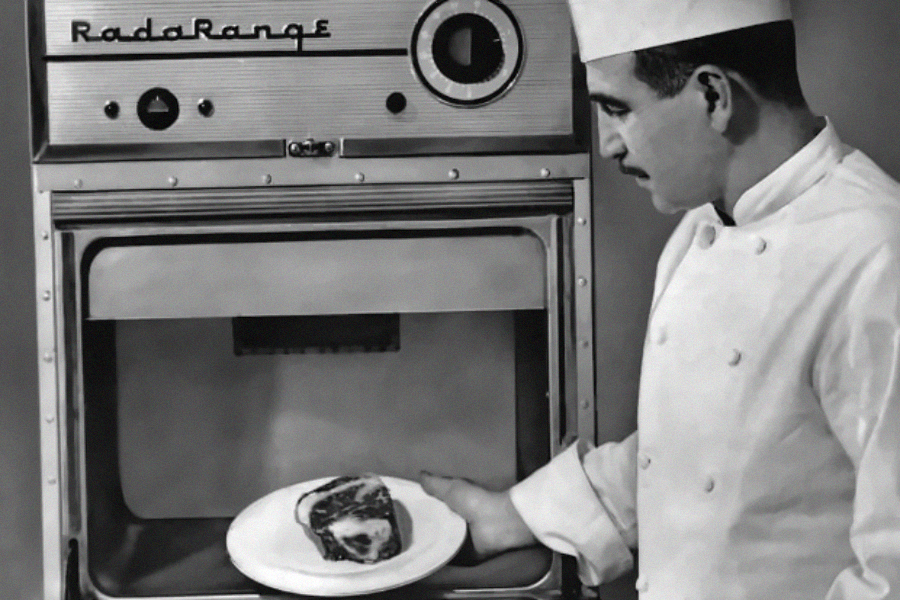
While working on radar technology for the Raytheon Corporation, engineer Percy Spencer noticed that a candy bar in his pocket had completely melted. He realized that the vacuum tubes he was testing, known as magnetrons, were emitting invisible waves that generated heat through molecular friction. To test his theory, he placed popcorn kernels near the device and watched them explode, followed quickly by an egg that famously blew up in a colleague’s face. This accidental snack-time mishap led to the invention of the “Radarange,” the bulky and expensive ancestor of the microwave in your kitchen.
3. The Dead Sea Scrolls – Bedouin Shepherd, 1947
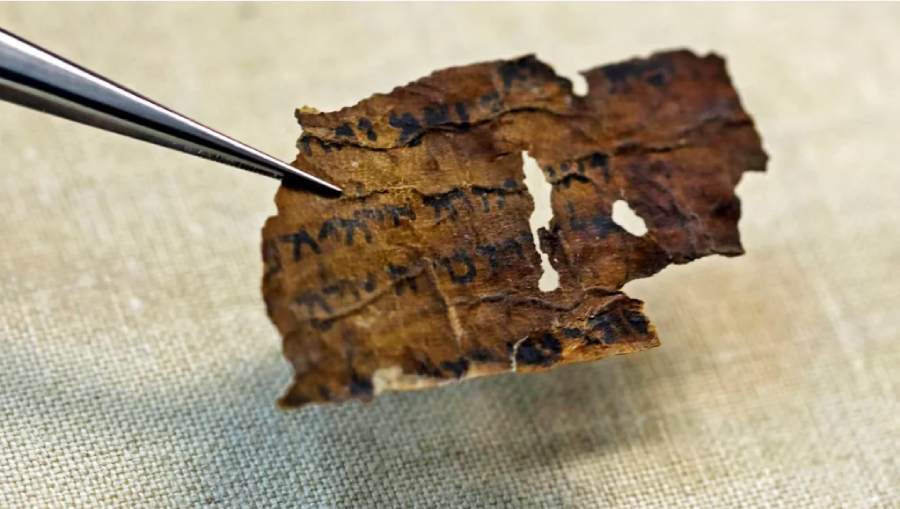
One of the greatest archaeological discoveries of all time happened because a young shepherd boy was looking for a lost goat. He threw a rock into a cave near the Dead Sea and heard the sound of breaking pottery, which led him to discover jars filled with ancient Hebrew and Aramaic manuscripts. These scrolls provided a window into religious life over 2,000 years ago and included the oldest known copies of biblical texts. It is incredible that a routine search for livestock ended up rewriting the history of Western religion and paleography.
4. Post-it Notes – Spencer Silver and Art Fry, 1968
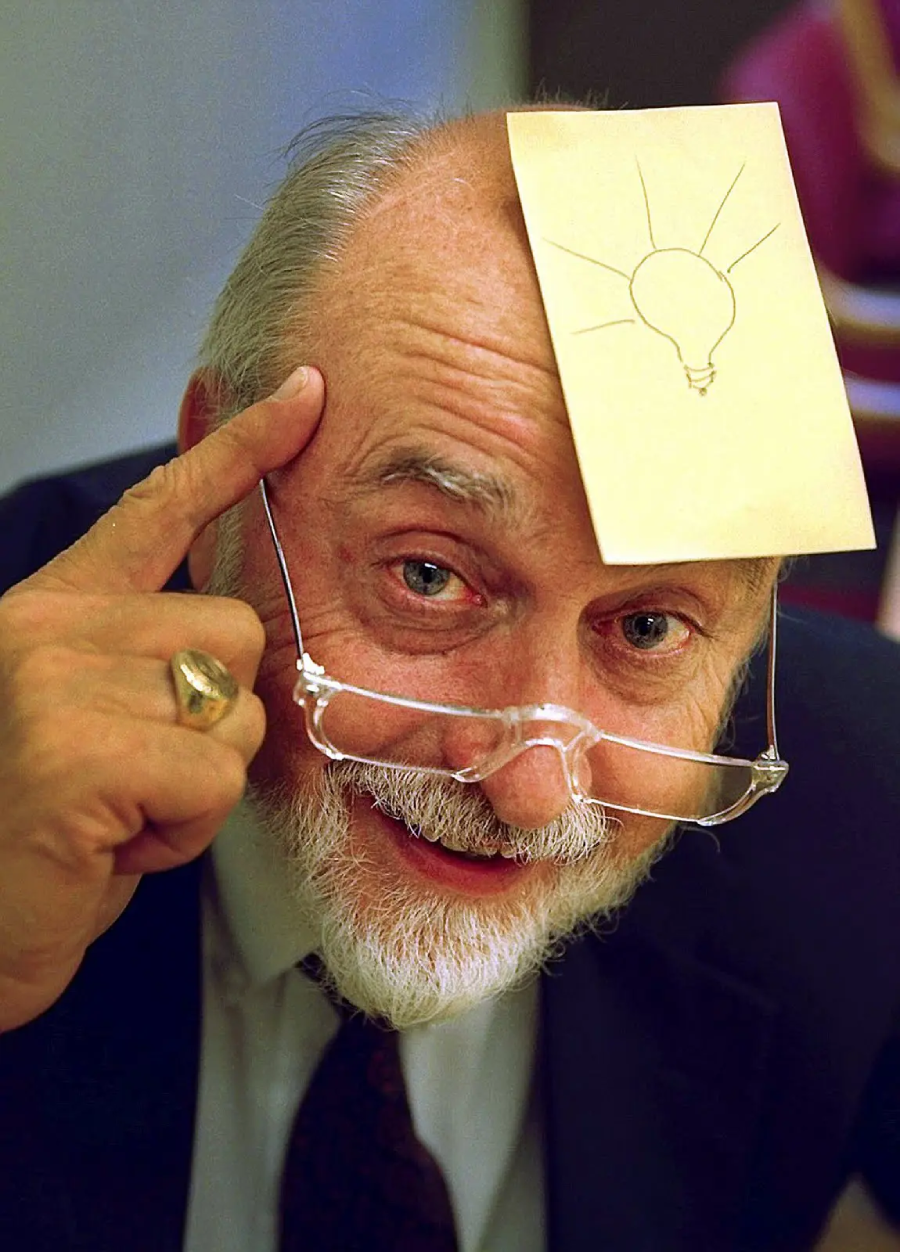
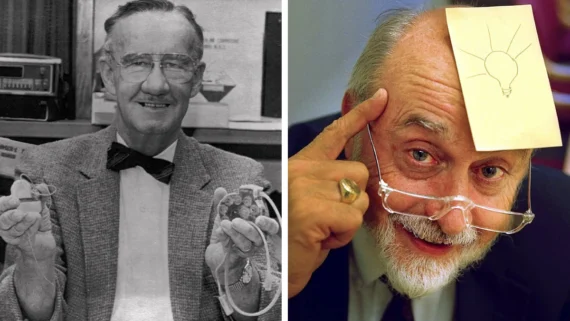
In 1968, a chemist named Spencer Silver was trying to develop a super-strong adhesive for the aerospace industry, but he accidentally created a low-tack glue that could be removed without leaving a residue. For years, the company 3M saw no use for a glue that didn’t actually stick things together permanently. It wasn’t until a colleague, Art Fry, used the adhesive to keep bookmarks in his church hymnal that the “Post-it” was finally born. Today, a product meant to be a high-strength industrial bond is instead the world’s most famous temporary reminder.
5. Vulcanized rubber – Charles Goodyear, 1839
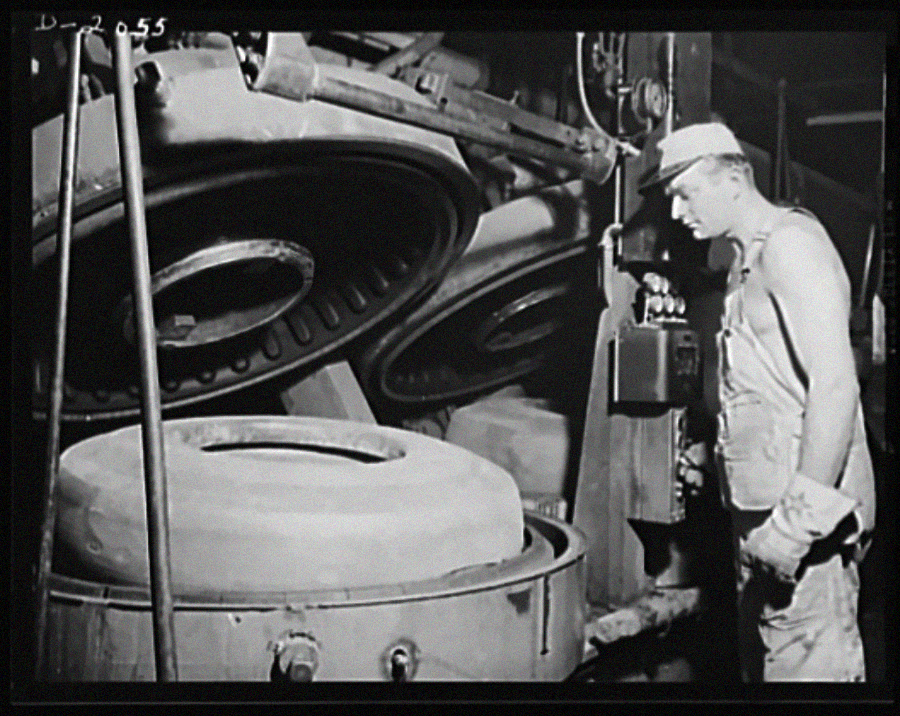
Charles Goodyear was obsessed with making natural rubber stable enough to withstand heat and cold, but he failed for years, leading him into deep debt. One day, he accidentally dropped a mixture of rubber and sulfur onto a hot stove, only to realize that the heat didn’t melt it but rather made it tough and flexible. This process, which he named vulcanization, allowed for the creation of durable tires and waterproof gear that fueled the industrial revolution. Sadly, Goodyear died penniless, never seeing the multi-billion dollar industry his stove accident eventually created.
Trending on The Scroller


6. The pacemaker – Wilson Greatbatch, 1956
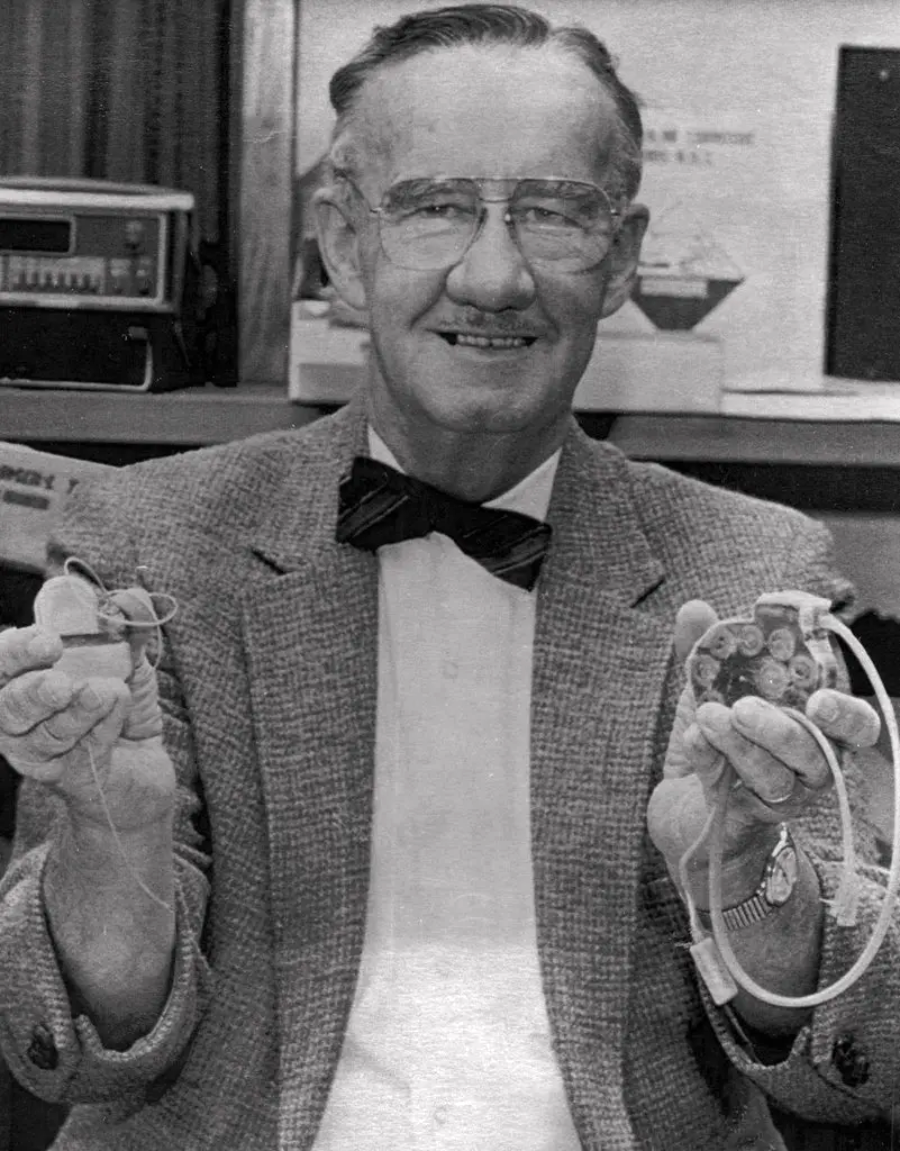
Engineer Wilson Greatbatch was trying to build a device that could record fast heart sounds, but he accidentally grabbed the wrong-sized resistor from a box. When he installed it into his circuit, it began to emit a rhythmic electrical pulse that mimicked the timing of a human heartbeat. He immediately realized that this error could be used to stimulate a failing heart, leading to the creation of the first implantable pacemaker. His mistake transitioned from a technical failure to a life-saving device that has kept millions of hearts beating for decades.
7. X-rays – Wilhelm Rontgen, 1895
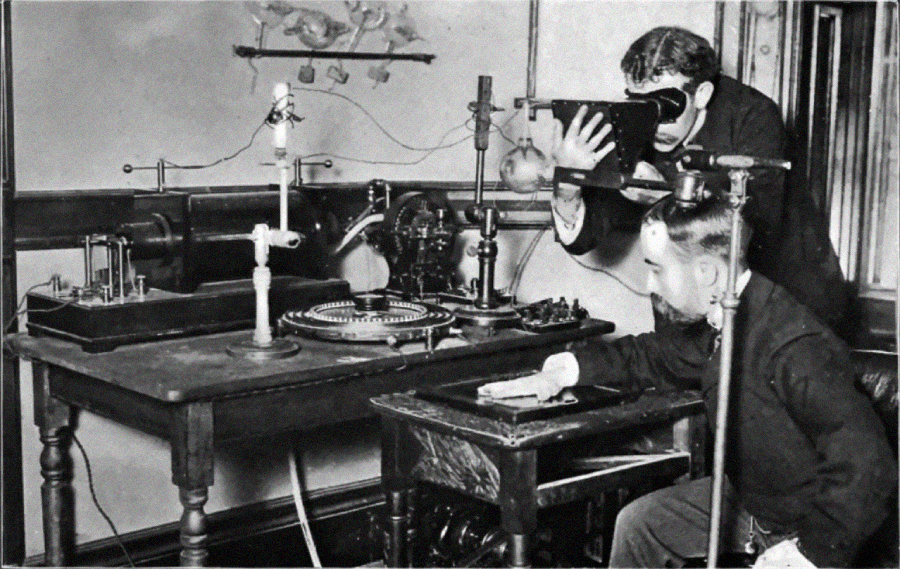
Wilhelm Rontgen was experimenting with cathode rays in a darkened room when he noticed that a screen coated in fluorescent material began to glow, even though it was shielded by heavy black paper. He realized that an invisible form of radiation was passing through solid objects and leaving an image on the other side. When he held his hand in front of the rays, he saw the flickering shadow of his own bones, a sight so shocking he spent weeks in his lab fearing he had gone mad. This accidental glow revolutionized diagnostic medicine almost overnight, winning Rontgen the first-ever Nobel Prize in Physics.
8. Teflon – Roy Plunkett, 1938
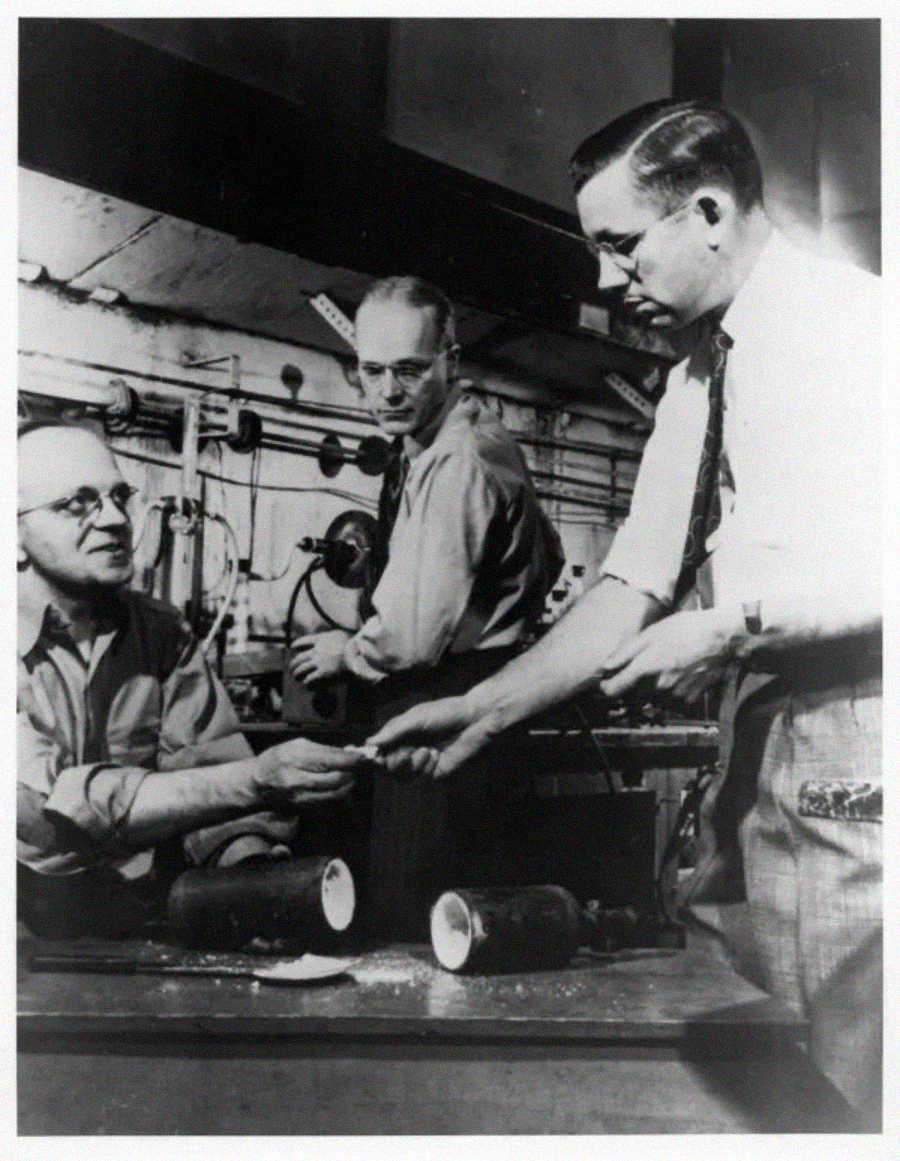
While trying to create a new refrigerant gas, chemist Roy Plunkett opened a pressurized canister and found that the gas had mysteriously vanished, leaving behind a slippery white powder. This powder, polytetrafluoroethylene, turned out to be the most slippery substance on Earth and was incredibly resistant to heat and chemicals. It was first used for the Manhattan Project before eventually making its way into non-stick frying pans in the 1950s. Plunkett’s empty canister led to a material that is now found in everything from space suits to artificial heart valves.
Sign up for our newsletter
9. The Rosetta Stone – French soldiers, 1799
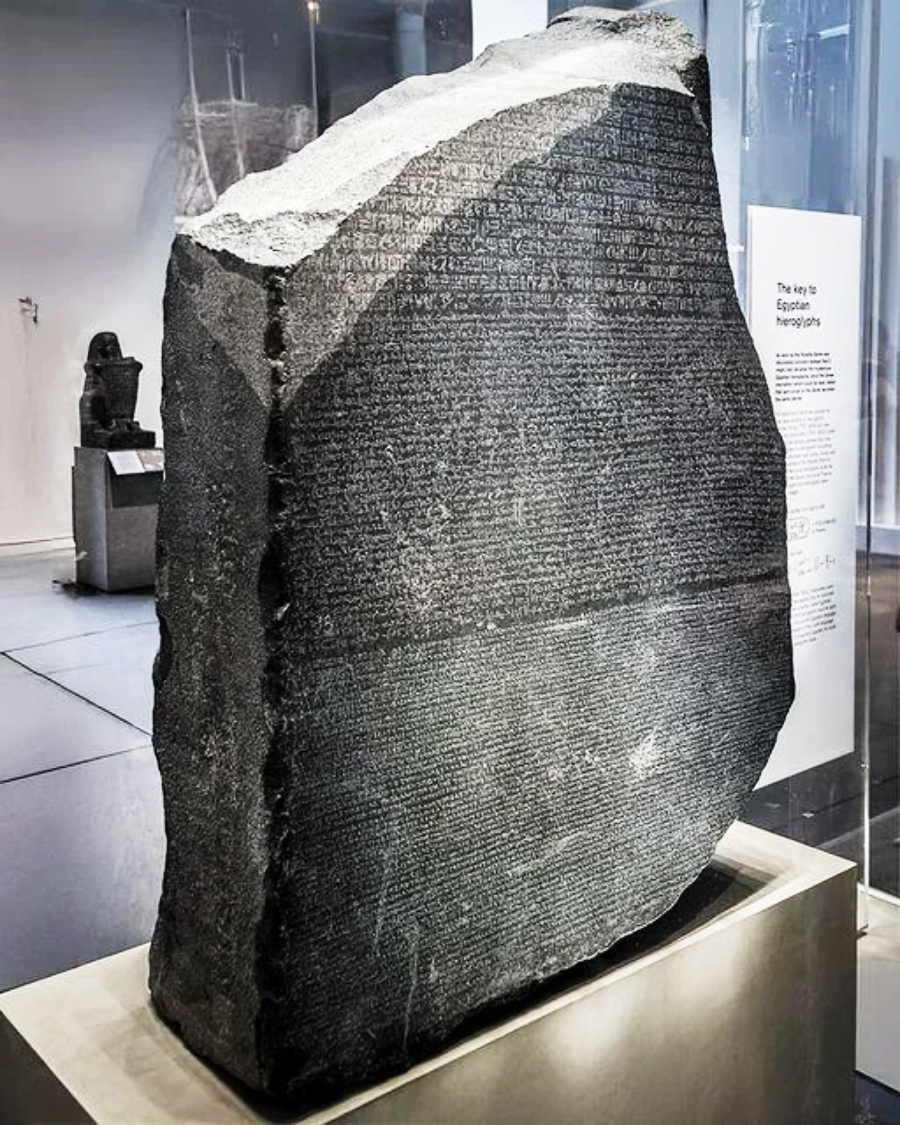
During Napoleon’s campaign in Egypt, a group of soldiers was digging a foundation for a fort when they struck a large, inscribed basalt slab. They noticed the stone featured three different languages: Ancient Greek, Demotic, and Egyptian Hieroglyphics. Because scholars already knew Greek, this random rock became the master key that allowed historians to finally decipher hieroglyphs after 1,400 years of silence. Without this accidental find in the mud of the Nile Delta, the secrets of the Pharaohs might still be a complete mystery to us today.
10. Saccharin – Constantin Fahlberg, 1879

The first artificial sweetener was discovered because a chemist forgot to wash his hands before dinner. After a long day working with coal tar derivatives, Constantin Fahlberg noticed that his bread tasted unusually sweet and eventually realized the flavor was coming from a chemical on his fingers. He rushed back to his lab and began tasting the contents of various beakers until he identified the compound that would become Saccharin. It’s a terrifyingly dangerous way to make a discovery, but it launched a massive industry for sugar-free products that remains huge to this day.
11. Plastic – Leo Baekeland, 1907
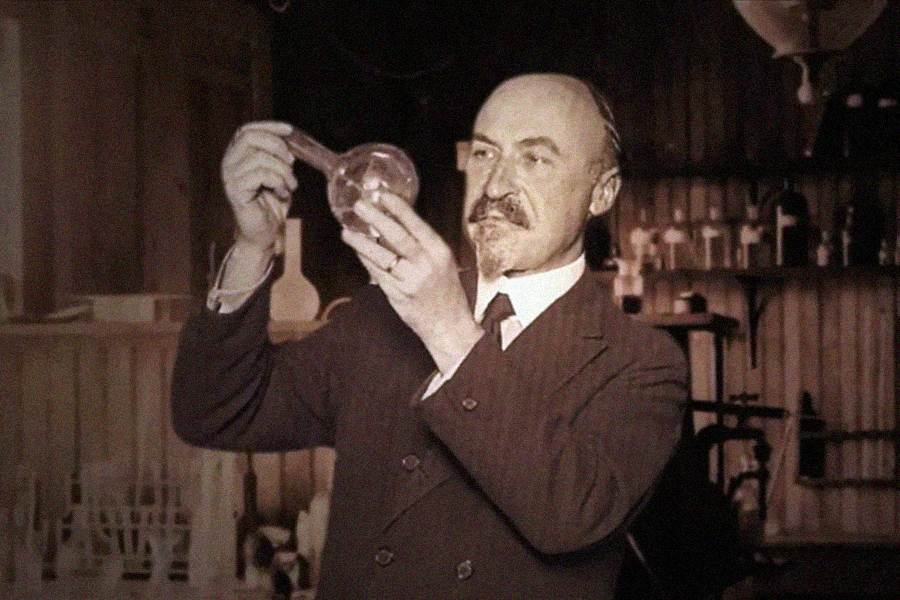
Leo Baekeland was trying to find a synthetic replacement for shellac, a natural resin made from beetles, to insulate electrical wires. By combining phenol and formaldehyde and applying heat, he created a substance that didn’t just melt, but hardened into a permanent, moldable shape. He had accidentally invented “Bakelite,” the world’s first fully synthetic plastic that didn’t soften when heated. This error in chemistry birthed the Age of Plastics, fundamentally changing how every consumer product on Earth is manufactured and packaged.
12. Velcro – George de Mestral, 1941
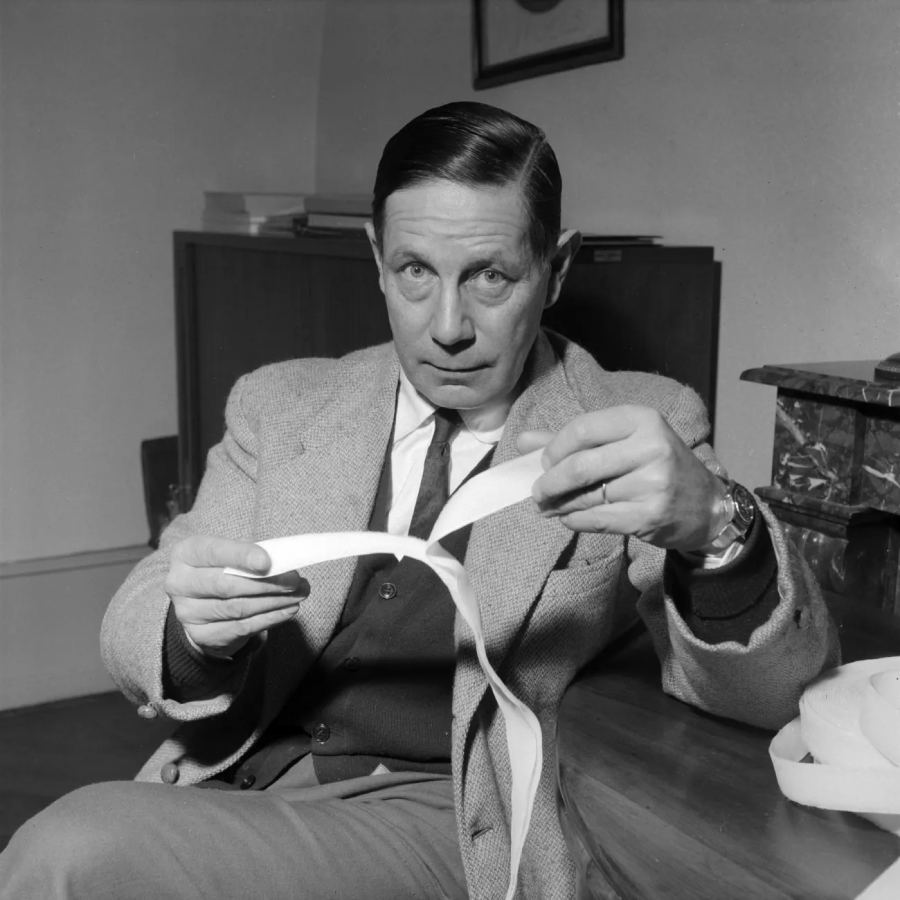
After returning from a routine walk in the woods with his dog, Swiss engineer George de Mestral noticed that both his trousers and his pet’s fur were covered in stubborn burdock seeds. Instead of simply brushing them off, he placed a seed under a microscope and discovered that they were covered in tiny, natural hooks that grabbed onto anything with a loop shape. This observation led him to spend years trying to replicate the hook-and-loop mechanism using synthetic materials like nylon. Today, a product inspired by a simple forest nuisance is an essential fastener used in everything from children’s shoes to NASA spacesuits.
13. Anesthesia / Nitrous oxide – Humphry Davy, 1799

Long before modern surgery, the chemist Humphry Davy decided to inhale nitrous oxide in a desperate attempt to soothe the agonizing pain of an erupting wisdom tooth. To his surprise, the gas didn’t just numb the ache; it made him laugh uncontrollably and left him feeling completely detached from physical discomfort. Although he published his findings and suggested that the gas could be used during operations, the medical community of the time dismissed it as a mere party trick for decades. It is terrifying to remember that before this accidental discovery was taken seriously, patients had to remain fully conscious through even the most invasive surgical procedures.
14. Viagra – Pfizer scientist, 1989
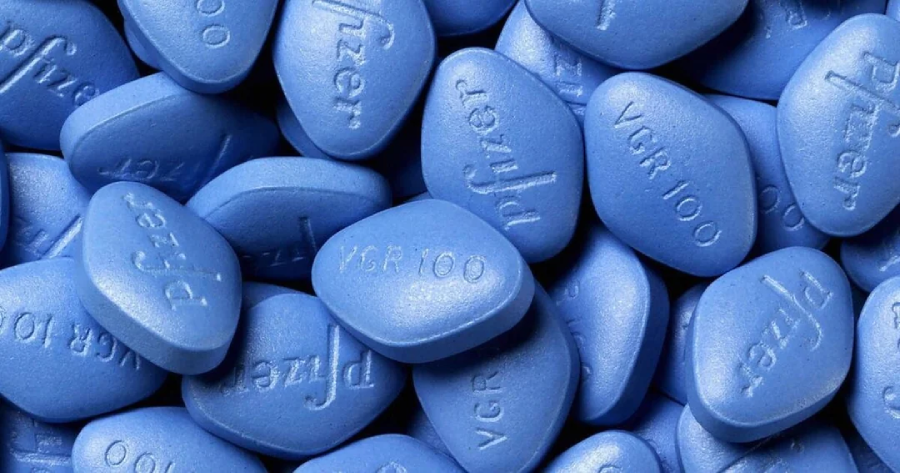
Originally, the compound sildenafil was being tested in clinical trials as a potential treatment for high blood pressure and chest pain. While the drug was largely a failure for heart issues, the male volunteers in the study reported a very specific and unexpected side effect. The pharmaceutical company realized that the side effect was far more marketable than the original intended use for the heart. It became the fastest-selling drug in history, proving that even a failure in one medical field can be a record-breaking success in another.
15. Dynamite – Alfred Nobel, 1867
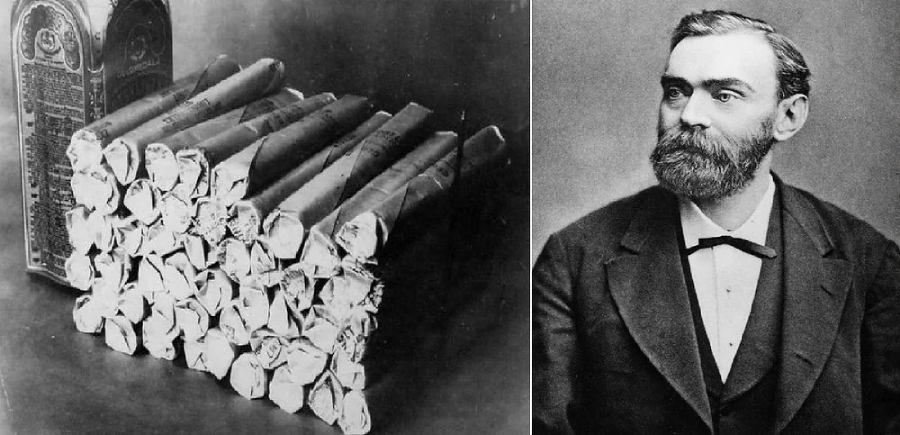
Alfred Nobel was looking for a way to make the highly unstable liquid nitroglycerin safe to transport, as it had already caused several deadly explosions, including one that killed his own brother. Legend says he accidentally discovered the solution when a container of nitroglycerin leaked into a packing material called kieselguhr (diatomaceous earth). He noticed the material absorbed the liquid and turned it into a stable paste that could be handled safely but still packed a massive punch. This discovery made modern mining and construction possible, though Nobel’s guilt over its use in warfare eventually led him to establish the Nobel Peace Prize.
In the mood for more historical facts?
These incredible discoveries remind us that the universe often reveals its secrets when we are looking the other way. Whether born from a messy lab or a lost animal, these accidents prove that curiosity and observation are the true engines of human progress. If you enjoyed this trip through history’s most productive mistakes, you won’t want to miss these 20 Forgotten Inventions That Were Way Ahead of Their Time, or 15 Fascinating Vintage Inventions That Never Took Off. You can also check out these 15 Overengineered Inventions That Nobody Truly Needed.