For decades, World War II movies have shaped the way we picture the war. From dramatic battlefield charges to heroic last stands, Hollywood has given us unforgettable scenes that feel so convincing they are often accepted as historical facts. But while many of these films are entertaining, they have also helped create some persistent myths and misconceptions about what really happened during this great war.
These 20 myths that WWII movies convinced us were true take a closer look at the gap between cinematic storytelling and historical reality. Some are exaggerated for drama, others were repeated so often they became a part of our culture, but all of them reveal how movies can shape our understanding of history in ways we rarely question. Let’s take a look at 20 myths World War II movies told us were facts.
1. Flamethrowers lasting minutes on screen

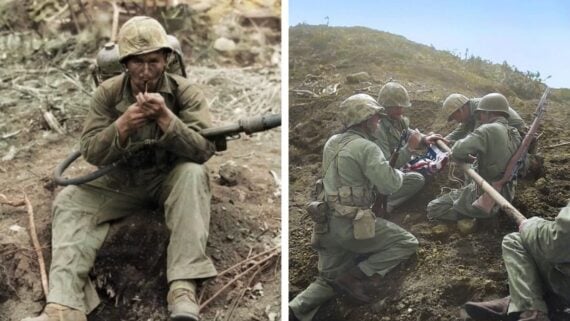
Movies tend to show flamethrowers firing nonstop for long stretches, but in reality, a full tank only gave a flamethrower around ten seconds of burn time. That usually meant about four short bursts or one continuous blast before the fuel ran dry. The fuel supply was surprisingly thin compared to how films portray it.
2. The Allied Forces always had a clear advantage

Films usually paint the Allies as dominating the war from start to finish, but the reality was far more difficult. They suffered major defeats and setbacks, including the Battle of France and the Siege of Stalingrad.
3. Tanks were invincible

Many war movies make tanks seem nearly unstoppable, but that wasn’t the case at all. Anti-tank weapons, land mines, and even mechanical breakdowns regularly disabled or destroyed tanks during combat.
4. The Allies were always united

World War 2 movies sometimes oversimplify the unity among the Allies, but there was significant tension between them, especially between the United States and the Soviet Union.
5. Japanese kamikazes were just fanatical fighters

While many pilots chose to die for their country, the use of kamikaze attacks was a last-ditch effort. Not all Japanese soldiers were eager to engage in these deadly missions.
Trending on The Scroller

6. The German military started out as unstoppable

While the German military made significant advances early in the war, it faced many logistical and strategic issues. Issues like the harsh Russian winter led to their eventual downfall.
7. The war was won by the big battles alone

Movies love to focus on one massive battle changing everything, but the outcome of the war depended on much more than that. Intelligence work, supply chains, morale, and smaller engagements all contributed heavily to the final result.
8. All German officers were loyal to their leader

Not all Germans were loyal to their leader, and some even plotted to overthrow him. The most famous example is the 1944 assassination attempt by Claus von Stauffenberg.
Sign up for our newsletter
9. Ignoring civilian suffering

Many films focus on the military aspect of the war and overlook the suffering and experiences of civilians. Civilians were victims of persecution, displacement, and many other war crimes. People’s houses were constantly overtaken by soldiers, and if they refused, they were beaten and battered.
10. Films ignore the role of women in the war

Almost all WWII movies focus on male characters and military actions, ignoring the important roles that women played in the war effort. Women played a major role on the front lines as well as back home.
11. Soldiers were always briefed on their mission

In reality, many soldiers never got a full picture of their mission, especially in secretive operations like the D-Day invasion or other intelligence missions. Many were left in the dark about the strategic importance or the broader picture of the war.
12. The U.S. entered the war only after Pearl Harbor

While the attack on Pearl Harbor in 1941 was the catalyst for U.S. involvement, the U.S. was already engaged in supporting Allied nations through programs like Lend-Lease. The U.S. had been indirectly involved in the war long before the attack, providing aid to Britain and other countries.
13. Germany’s leader was always in control

World War II movies often depict Germany’s leader as being all-powerful, when in reality, by the later stages of the war, his decision-making had become erratic. The failure at Stalingrad and other crucial battles led to internal division within Germany’s ranks, with some military leaders even ignoring his orders.
14. All of the German military was always the enemy

While the Wehrmacht was the main military force in opposing the Allies, there were also anti-Nazi factions within Germany. These include soldiers who tried to resist the regime, like the White Rose Group, which aimed to oppose Germany’s leader.
15. Germans used superweapons to turn the tide

While films often show the Germans as creating incredibly advanced “superweapons” like the V-2 rocket or the Tiger Tank, these technologies were largely ineffective in turning the tide of the war. The Allies’ strategic and material advantages overshadowed the impact of these weapons.
16. Germany had advanced medical treatments

Although Germany was engaged in medical experimentation, they were far from the leaders in medical advancement. Their so-called “medical breakthroughs” were unethical, barbaric experiments on concentration camp prisoners.
17. Allied soldiers were well-trained and experienced

Allies did have well-trained professionals, but many soldiers in the early stages of the war were young amateurs, often poorly equipped and without prior combat experience. Victories came through determination and adaptation, not superior training.
18. Prisoners of war always faced brutal torture

While many prisoners of war (POWs) did face mistreatment, not all POWs endured the same level of brutality. Conditions varied greatly depending on who captured them. Some prisoners were treated very well, especially when being held by the British and the Americans.
19. It’s easy to shoot and run
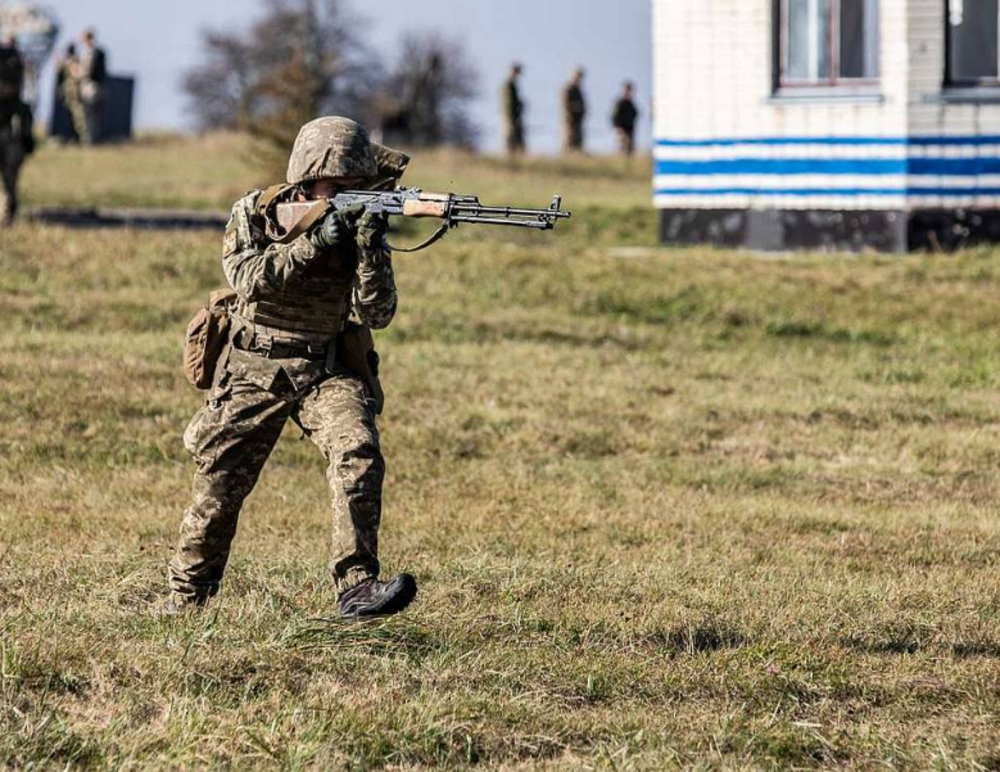
Movies often show soldiers sprinting away while accurately firing behind them, but in real combat, shooting while running makes accuracy extremely poor. Hitting a target under those conditions was far more difficult than films make it seem.
20. Bullets travel underwater

In reality, water slows bullets down incredibly fast, especially rounds fired from a distance. Because of that, hiding underwater during enemy attacks could actually improve someone’s chances of survival compared to staying exposed above the surface.
Want to see more military content?
Check out 23 Military Photos From The Sixties, or take a look at 20 Famous Soldiers and Military Leaders Who Changed History. Finally, if you want to see colorized military photos from the ’40s, check out 20 Colorized Vintage Military Photos From the 1940s.