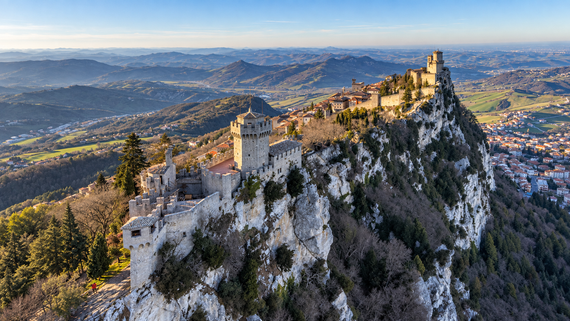
Trying to name the oldest countries on Earth gets complicated fast. Modern borders, ancient kingdoms, dynasties, occupations, and political breaks make it hard to pin every nation to a single birthday. Still, some places have unusually deep roots as organized states or distinct political communities, stretching back centuries or even millennia. These 15 countries have histories that reach far beyond the modern nation-state.
1. Egypt
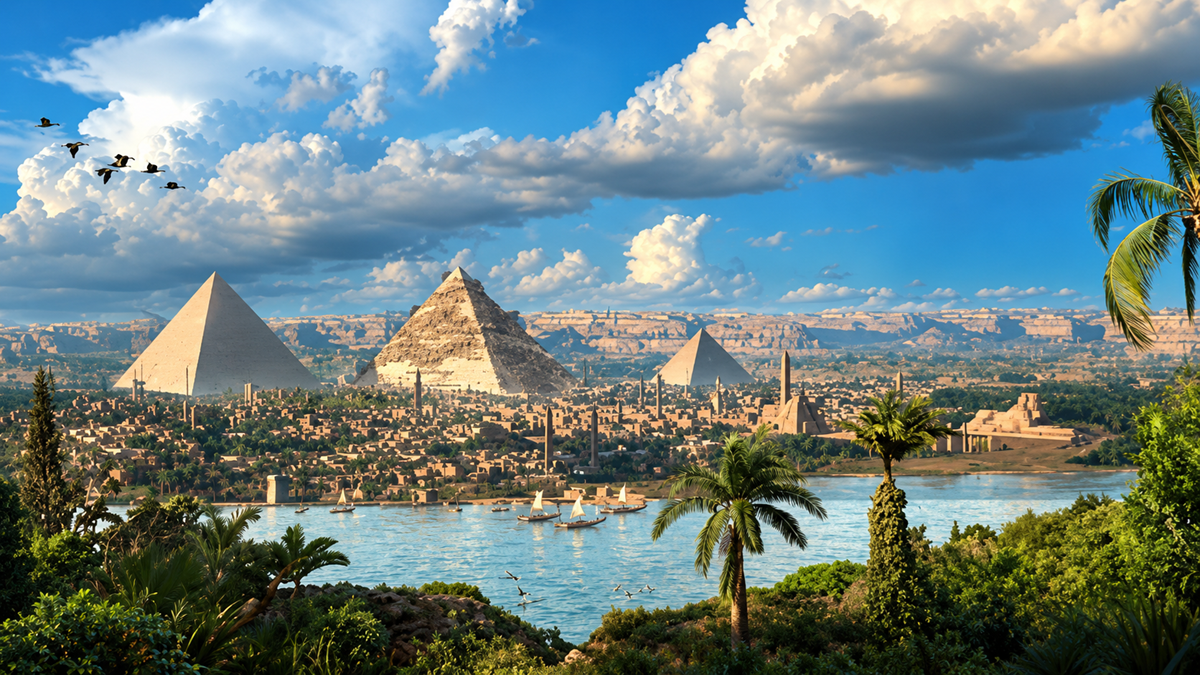
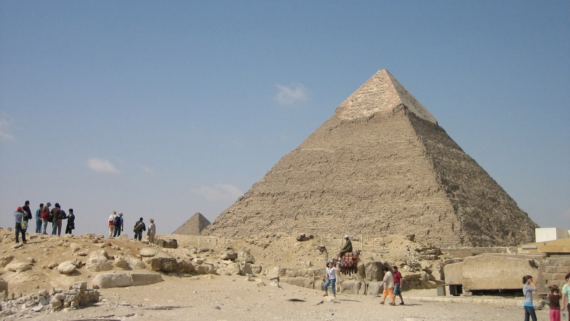
Few places make the idea of an ancient country feel as tangible as Egypt. Upper and Lower Egypt were unified under a centralized monarchy around 3100 BCE, creating one of the world’s earliest large states. The governments, languages, religions, and borders changed dramatically over the following five thousand years, but Egypt remained a recognizable geographic and cultural center along the Nile.
2. China
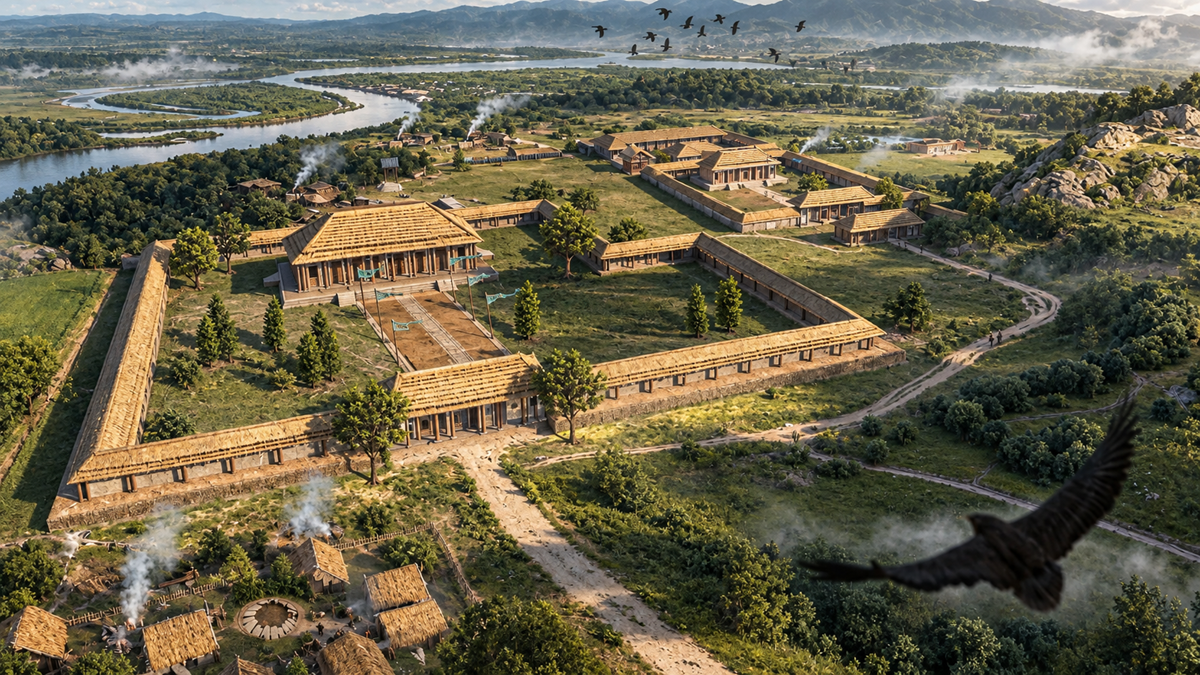
China’s political history reaches back through a long series of dynasties, with the Shang dynasty firmly documented by the second millennium BCE. A major turning point came in 221 BCE, when Qin Shi Huang unified several competing kingdoms under a single imperial government. The dynastic system disappeared in the 20th century, but the idea of China as a large, connected political civilization is far older than most countries existing today.
3. Iran
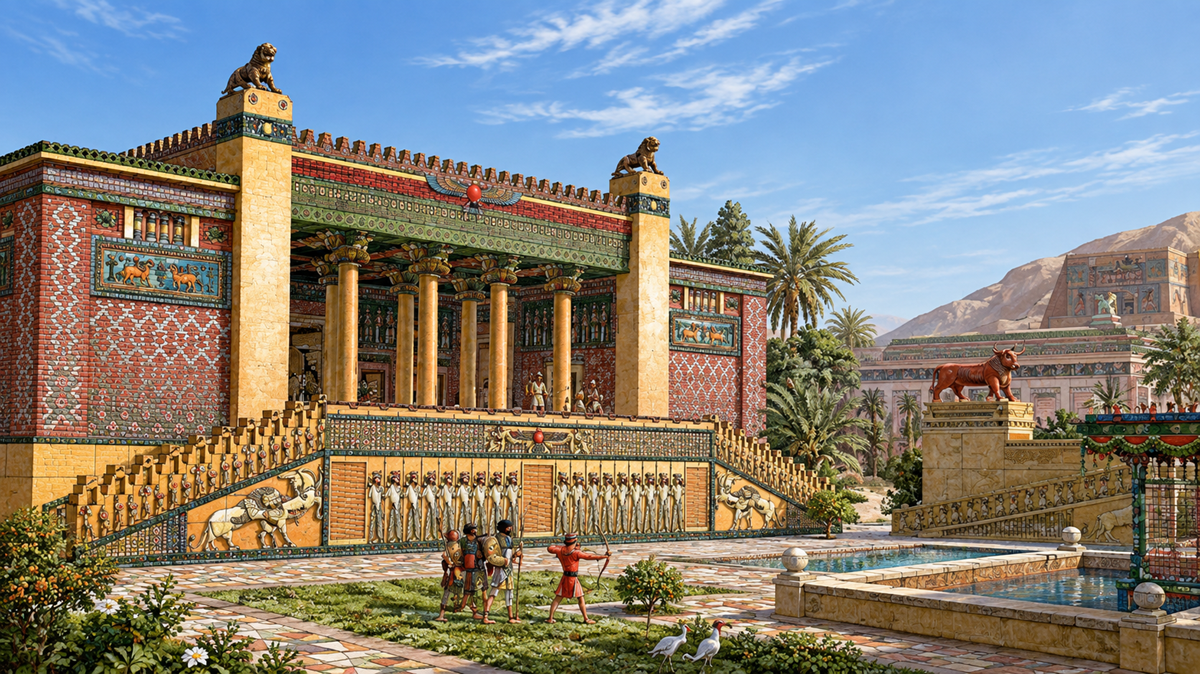
Long before it was officially called Iran in most Western diplomatic usage, the region was known internationally as Persia. The Achaemenid Empire emerged in the sixth century BCE and grew into one of the largest empires the ancient world had seen. Successive Persian states changed rulers, religions, and territory, yet Iranian cultural and political identity survived through remarkably different eras.
4. Greece
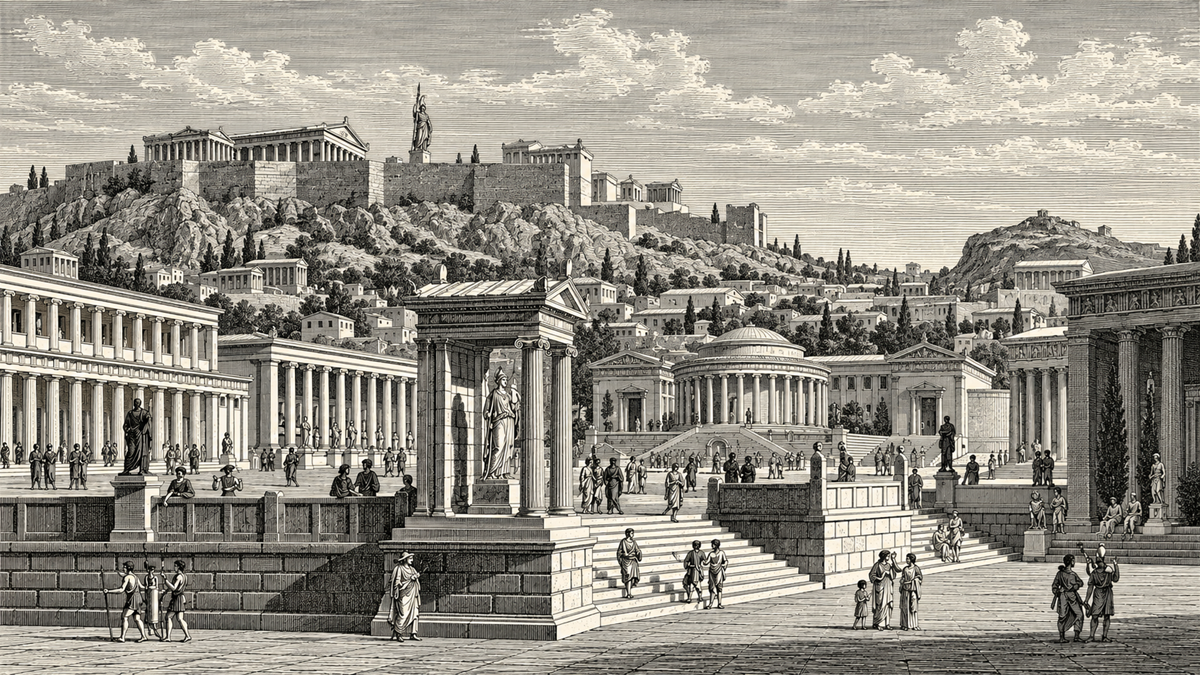
Ancient Greece was not a single unified country in the modern sense, but its roots are unusually deep. City-states such as Athens, Sparta, and Corinth shaped the Greek world centuries before the Roman Empire absorbed the region. Modern Greece gained independence in the 19th century, while its language and cultural identity connect it to a much older past.
5. Ethiopia
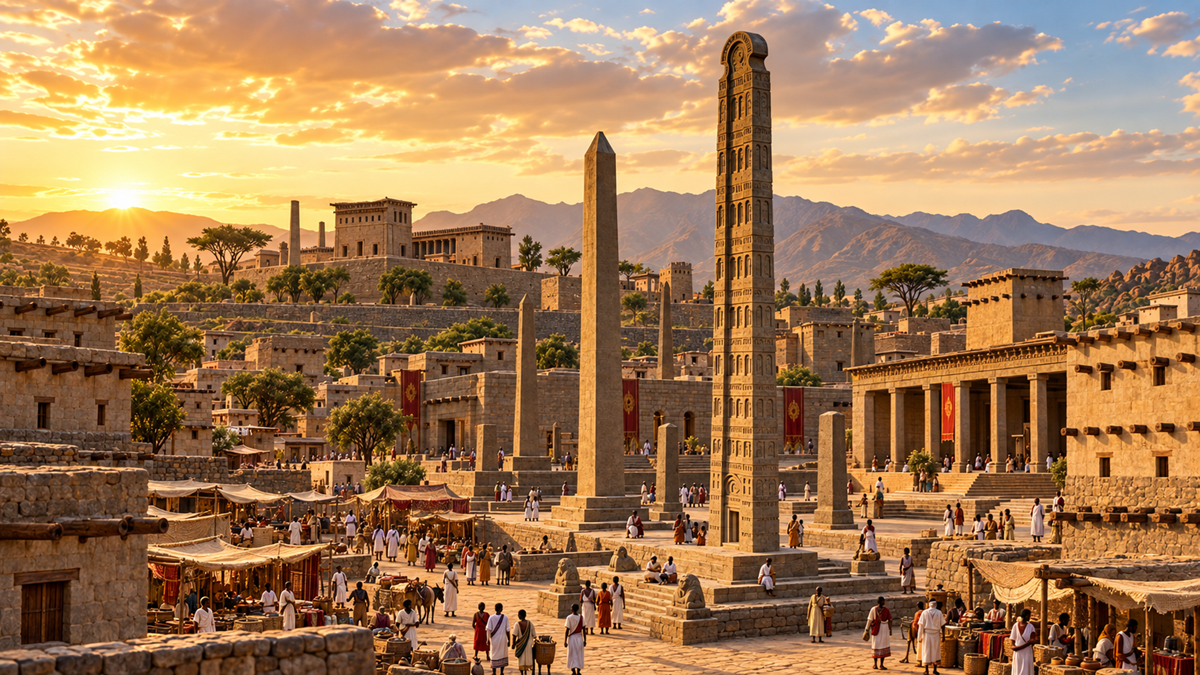
Ethiopia has one of the longest traditions of statehood in Africa. The Kingdom of Aksum became a major regional power during the first centuries CE, controlling trade routes linking Africa, Arabia, and the Mediterranean. Ethiopia’s later dynasties developed from different political structures, but the country’s long-running independence made it unusual during the European colonial era.
Trending on The Scroller
6. Japan
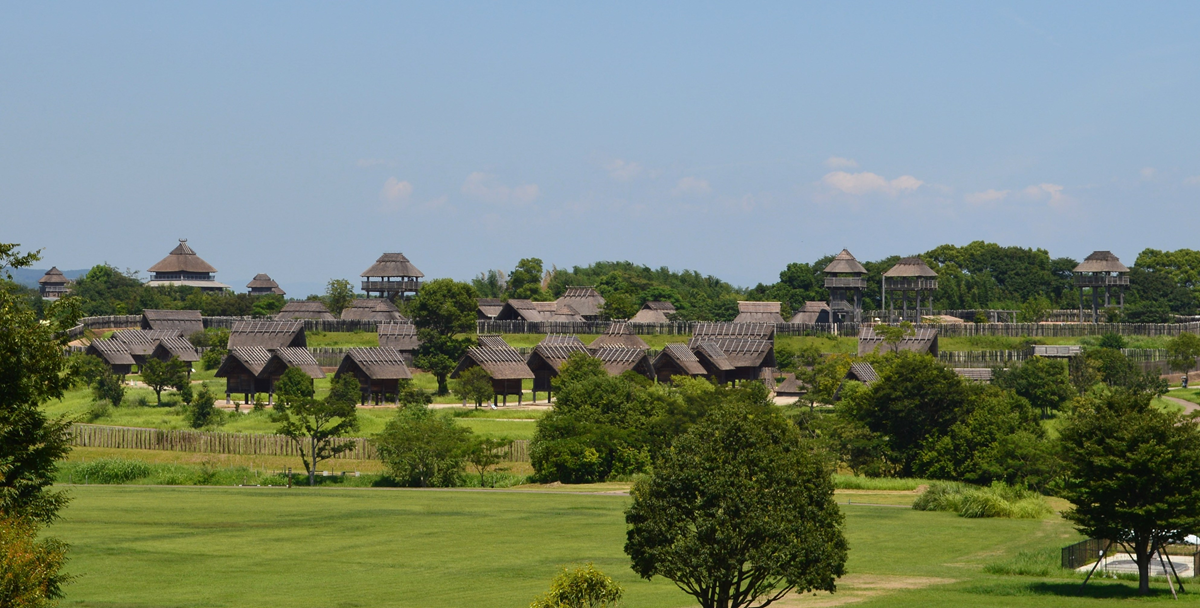
Japan traditionally dates the founding of its monarchy to 660 BCE, although historians treat that early date as legendary rather than firmly documented. Archaeological and written evidence points to increasingly centralized rule many centuries later. What is much less disputed is the extraordinary continuity of Japan’s imperial institution, which has survived while the actual balance of political power shifted around it.
7. Armenia
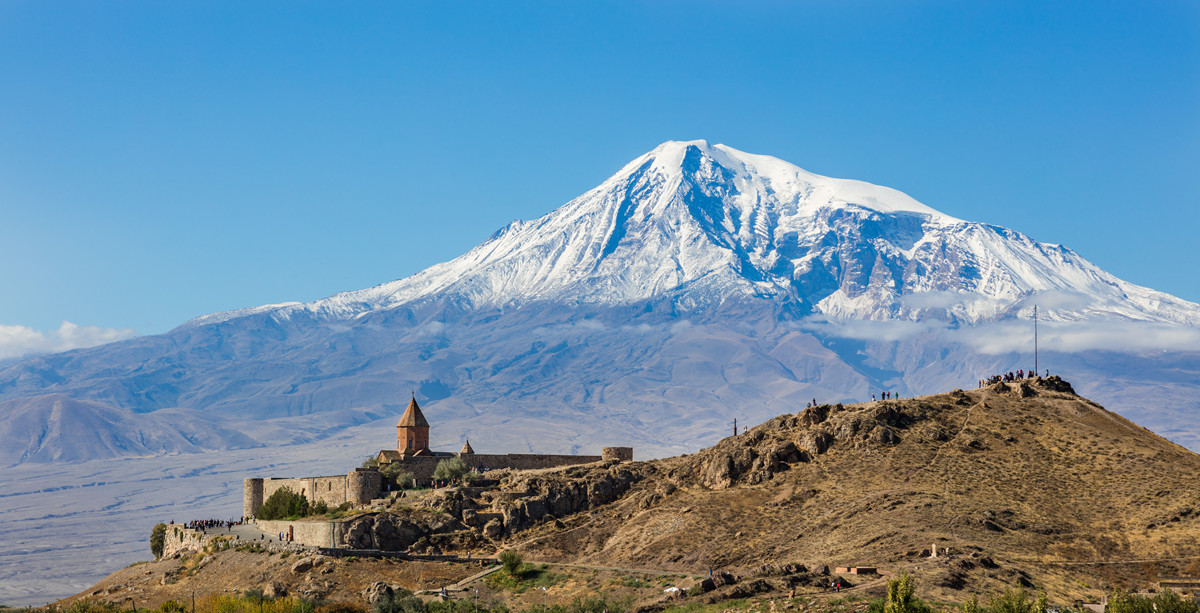
Armenia has spent much of its history surrounded by much larger powers. An Armenian kingdom was well established by the classical period, and in the early fourth century Armenia became the first state traditionally credited with officially adopting Christianity. Its political independence disappeared and returned several times, but Armenian language, religion, and identity remained unusually persistent.
8. San Marino
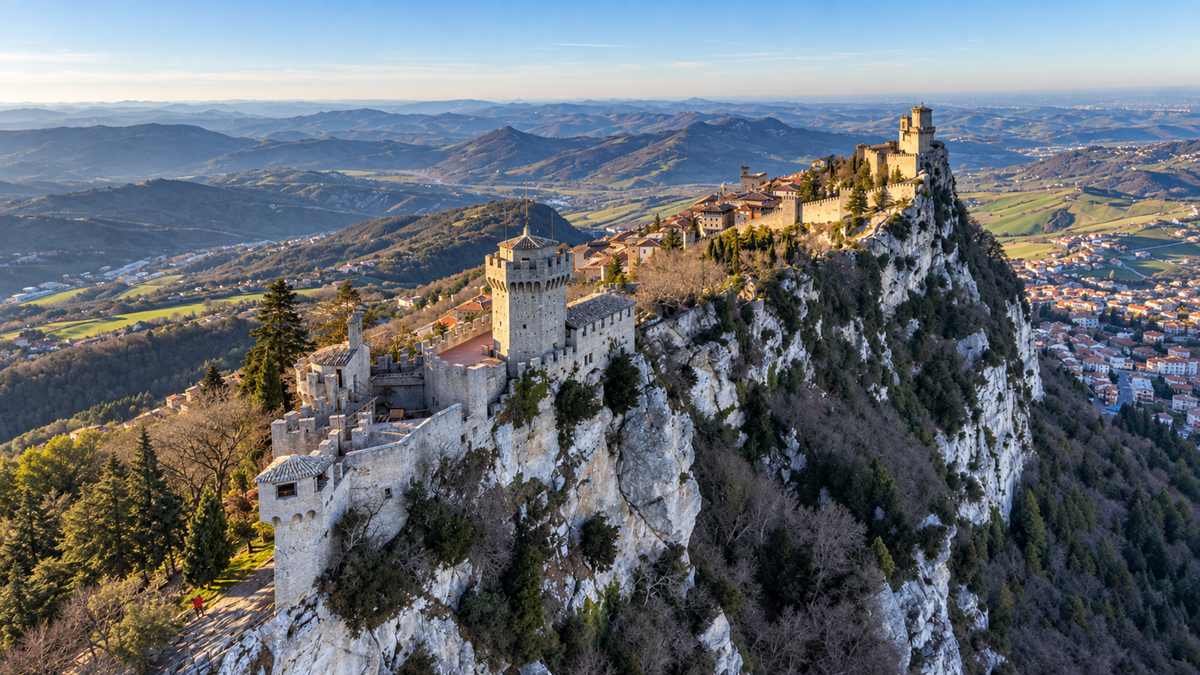
San Marino offers a very different kind of claim to old age. Tradition says it was founded in 301 CE by Marinus, a Christian stonemason who established a small community on Mount Titano. The tiny republic survived the rise and fall of neighboring states and is generally regarded as the world’s oldest surviving sovereign republic.
Sign up for our newsletter
9. Bulgaria
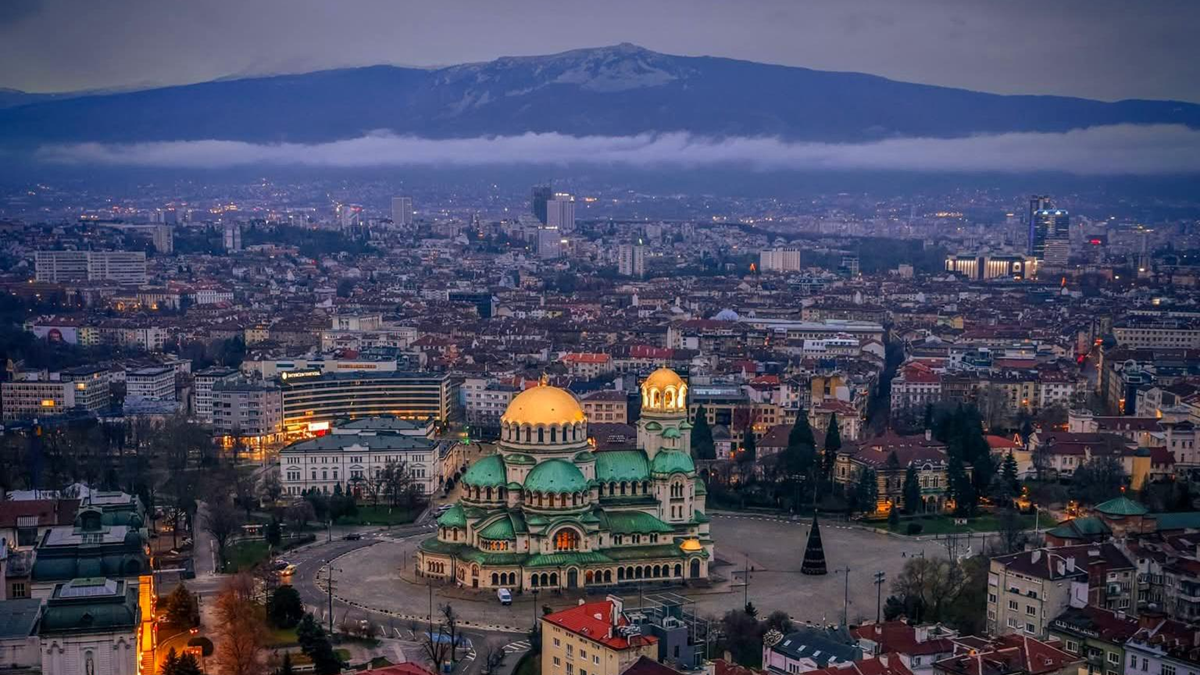
The First Bulgarian Empire was established in the Balkans in 681 CE, a date still central to Bulgaria’s historical identity. Medieval Bulgaria became a major regional power and an important center of Slavic Christian culture. Centuries of Ottoman rule interrupted Bulgarian sovereignty, but not the country’s linguistic and cultural continuity.
10. France
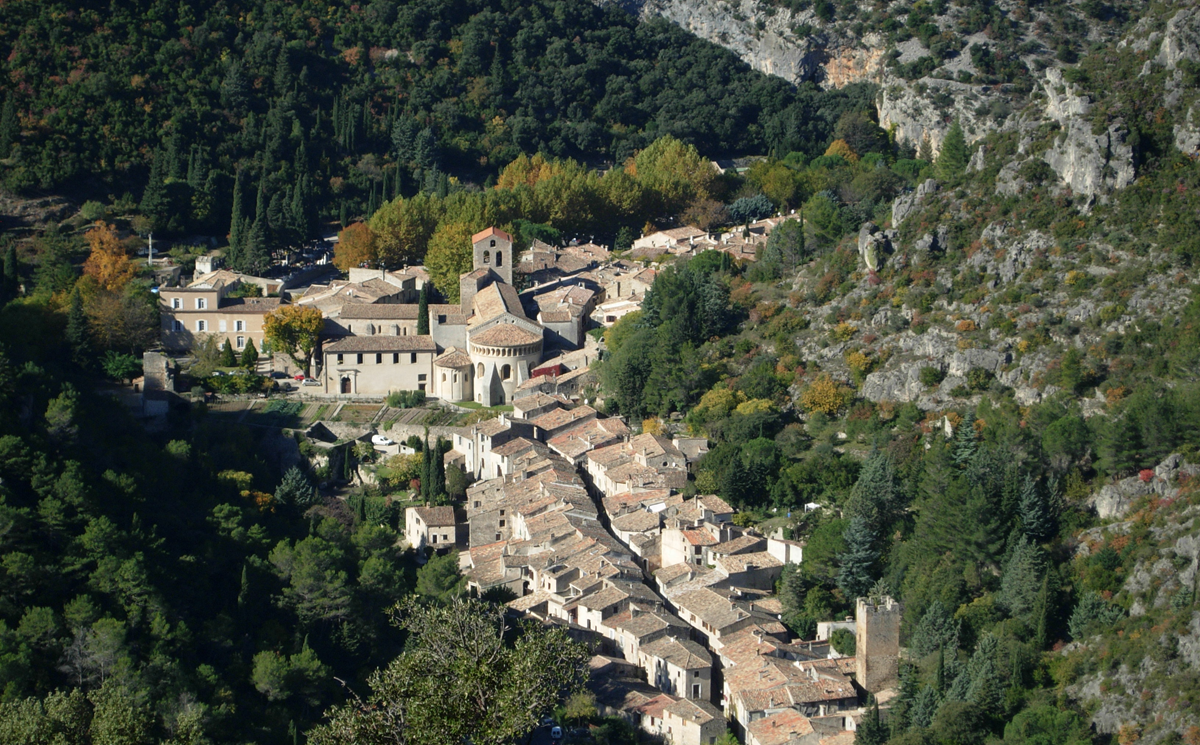
Modern France developed gradually rather than appearing on a single clear founding day. One useful milestone is 843 CE, when the Treaty of Verdun divided the Carolingian Empire and created West Francia, a kingdom that would eventually evolve into France. Over the following centuries, its kings expanded their authority over territories that had once operated with considerable independence.
11. Denmark
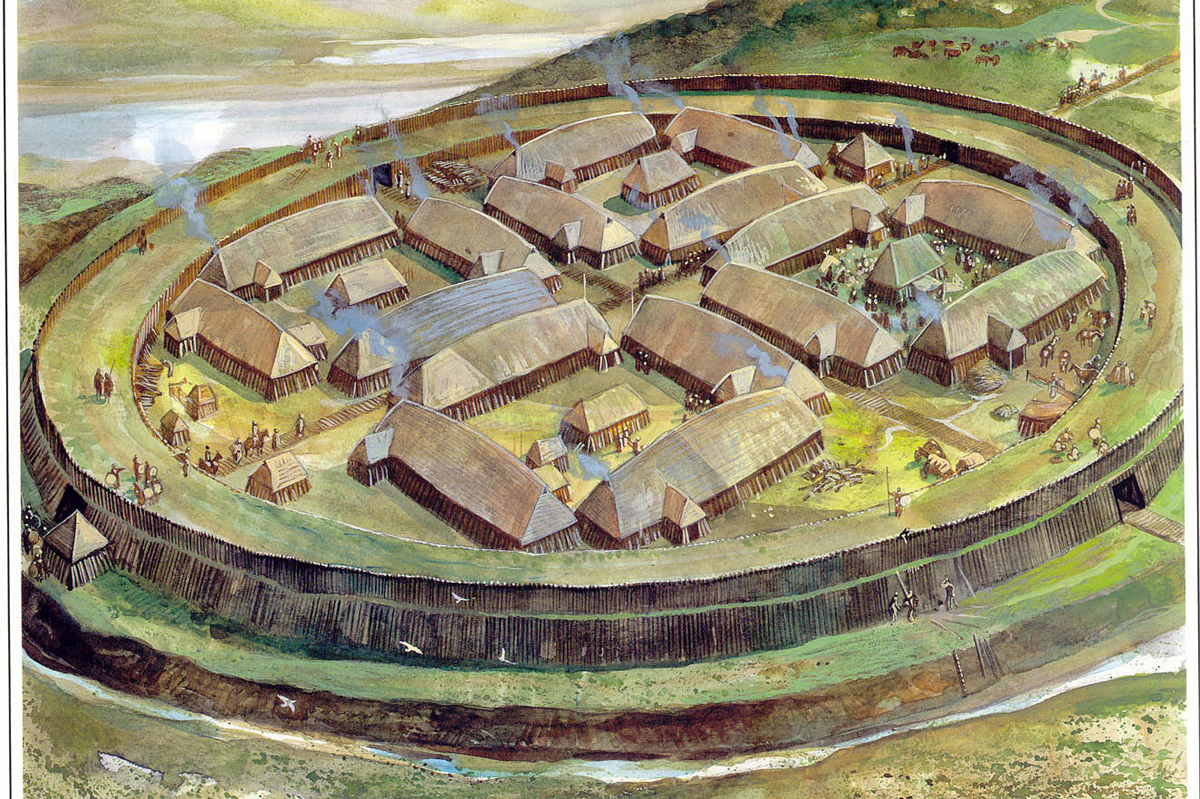
By the Viking Age, a Danish kingdom was already taking shape around territory that remains part of Denmark today. The Jelling stones, raised in the 10th century, are among the clearest physical records of Denmark’s early monarchy and conversion to Christianity. That makes the country one of Europe’s oldest continuously recognizable kingdoms.
12. Hungary
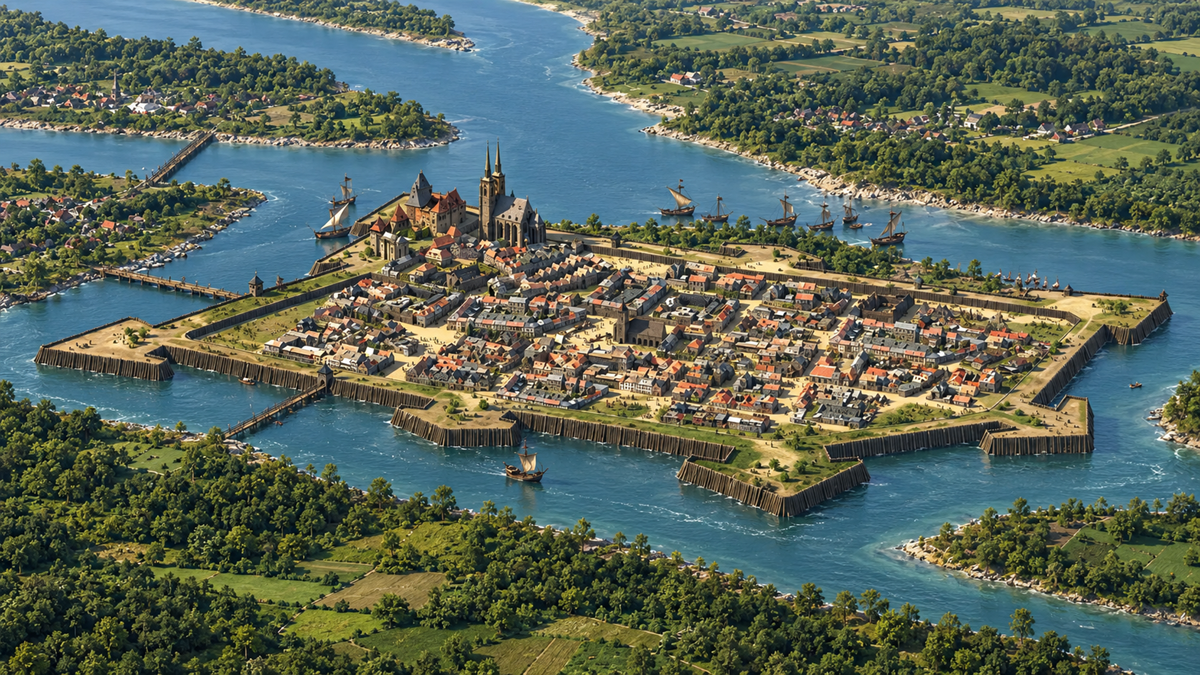
Hungary’s medieval state is usually associated with Stephen I, who became king around the year 1000. His reign helped establish a Christian kingdom tied politically and religiously to the rest of medieval Europe. Hungary later passed through occupations, dynastic unions, and the Austro-Hungarian period without losing its distinct national identity.
13. Portugal
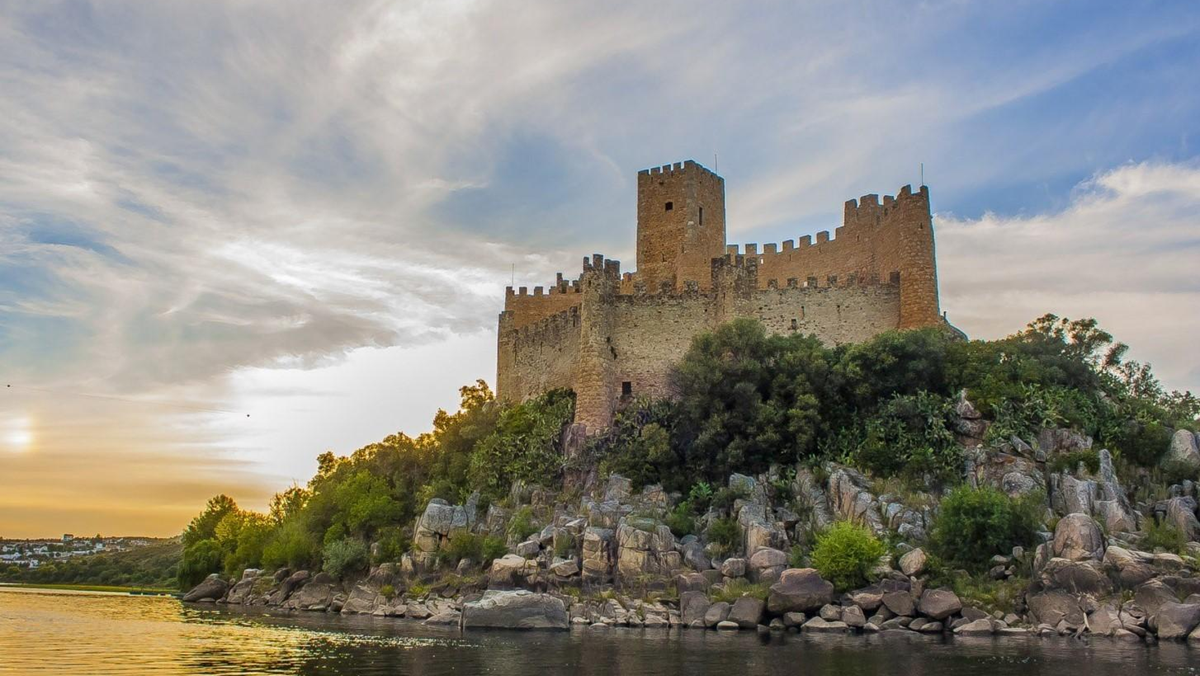
Portugal’s borders give it an unusually strong case for being one of Europe’s oldest recognizable countries. The kingdom emerged in the 12th century, and its independence was formally recognized in 1143. By the late 13th century, Portugal’s mainland borders were already close to those seen today.
14. Georgia
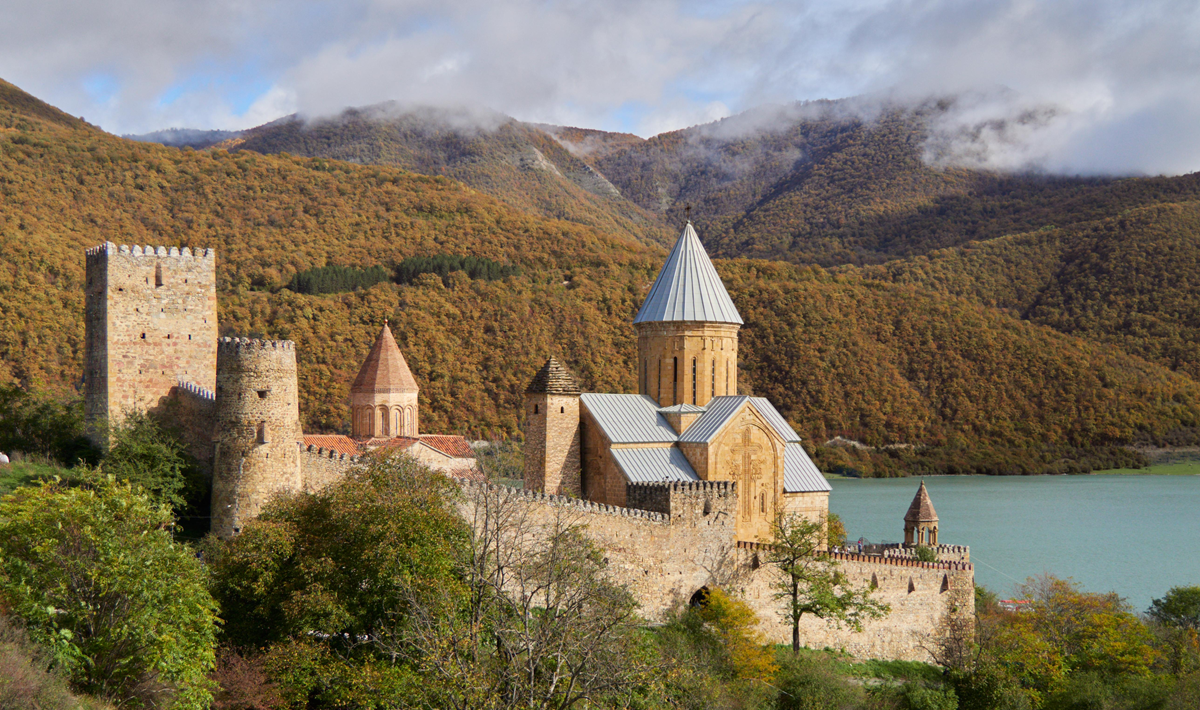
Kingdoms in the territory of modern Georgia existed in antiquity, including Colchis and Iberia, both known to Greek and Roman writers. A unified Georgian kingdom appeared around the beginning of the 11th century and reached a political and cultural high point under rulers such as David IV and Queen Tamar. Conquest and imperial rule later fragmented the country, but Georgian identity remained closely tied to its language and Orthodox Christian tradition.
15. Thailand
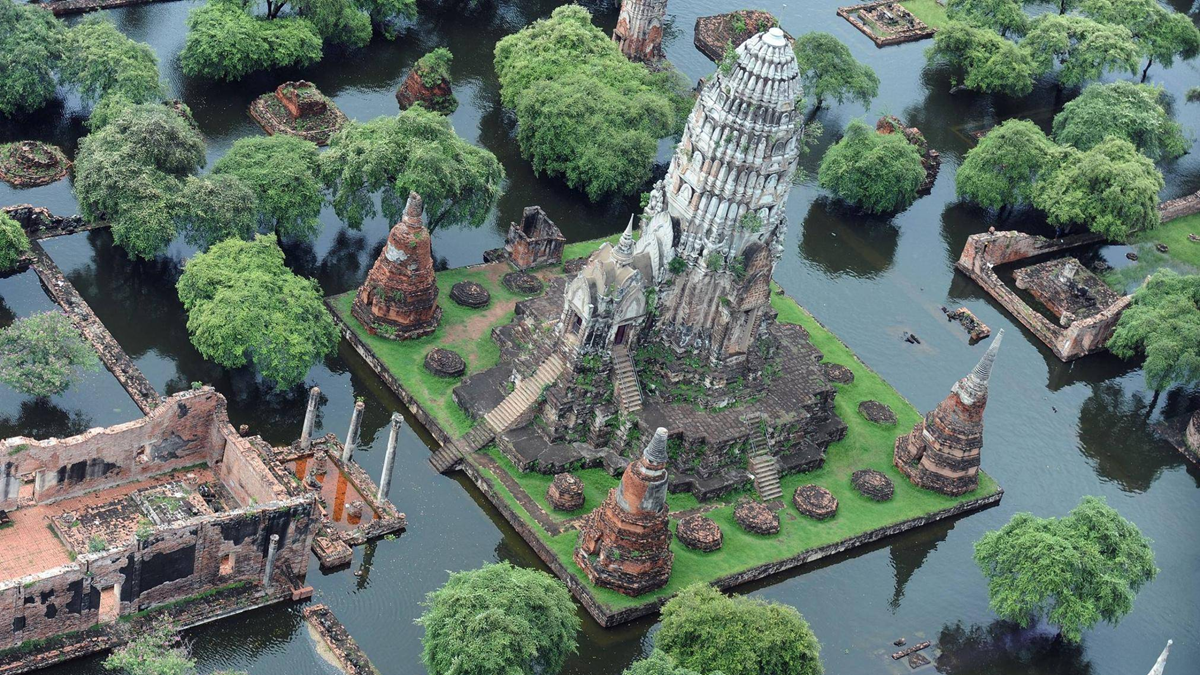
Thailand’s claim to long state continuity is often traced through the kingdoms of Sukhothai and Ayutthaya, beginning in the 13th and 14th centuries. Ayutthaya became a wealthy regional power before being destroyed in 1767, after which the political center shifted and eventually developed into the modern Thai state. Unlike most of its Southeast Asian neighbors, Thailand also avoided formal European colonization.
In the mood for more?
Check out 15 Overlooked Countries That Surprise Almost Everyone Who Visits, or take a look at 15 Border Crossings Around the World That Are Unusually Strange or Memorable. If you want to see more world history, you can check out 14 Wars Sparked by Reasons That Sound Completely Made Up.