

Every country has rules visitors are expected to follow, but some seem so unusual that they sound like internet myths. The truth is, many of these weird laws around the world have surprisingly practical origins, whether they’re protecting wildlife, preserving historic landmarks, or simply keeping public spaces enjoyable for everyone. Knowing them could save you from an awkward conversation… or an unexpected fine.
1. Feeding Pigeons Can Get You Fined in Venice, Italy

The first instinct is usually, “How could feeding a bird possibly be illegal?” In Venice, the answer has everything to do with protecting the city itself. Huge flocks of pigeons were damaging centuries-old buildings and monuments, while also creating sanitation problems in crowded public squares. That handful of breadcrumbs suddenly became much more expensive than lunch.
2. Don’t Chew Gum in Singapore

Singapore is famous for being remarkably clean, and one unusual law helped build that reputation. The country strictly regulates the sale and import of chewing gum to reduce litter and prevent gum from being stuck on sidewalks, elevators, trains, and other public property. Sometimes keeping an entire city spotless starts with one surprisingly chewy target.
3. High Heels Are Banned at Certain Ancient Sites in Greece

Some shoes can damage history. Visitors wearing high heels may be prohibited from entering certain ancient monuments because narrow heels can chip and wear away fragile archaeological surfaces over time. One tiny step might seem harmless, but imagine millions of those steps across thousands of years. Suddenly, sneakers sound like a pretty respectful choice.
4. You Can’t Take Sand Home From Sardinia, Italy

A beach souvenir doesn’t always belong in your suitcase. Sardinia has strict rules against removing sand, shells, or pebbles from many of its beaches because years of tourists collecting “just a little” began noticeably reducing these natural landscapes. Nature has a way of disappearing one handful at a time.
5. Flushing the Toilet Late at Night Isn’t Always Allowed in Switzerland

Can a midnight bathroom break actually break the rules? One popular travel rumor claims it’s illegal to flush a toilet after 10 p.m. in Switzerland. The reality is more specific: while there isn’t a nationwide law banning late-night flushing, some apartment buildings have noise regulations or lease agreements asking residents to avoid loud plumbing during quiet hours. It’s less about toilets and more about letting your neighbors sleep peacefully.
Trending on The Scroller


6. Don’t Wear Camouflage Clothing in Barbados

Packing camouflage shorts for a beach vacation might seem harmless, but Barbados reserves camouflage patterns for its military. Visitors wearing military-style clothing can have the items confiscated or even face penalties. Turns out the quickest way to stand out on a tropical island is by accidentally dressing like you’re reporting for duty.
7. You Can’t Walk Around Shirtless in Barcelona, Spain

The beach may be only a few blocks away, but that doesn’t mean the whole city is part of it. Barcelona introduced rules against walking shirtless or wearing only swimwear away from designated beach areas to help preserve a respectful atmosphere in neighborhoods, restaurants, and shopping streets. Apparently, the city would prefer you save the vacation look for the sand.
8. Handling Salmon Under Suspicious Circumstances in the United Kingdom
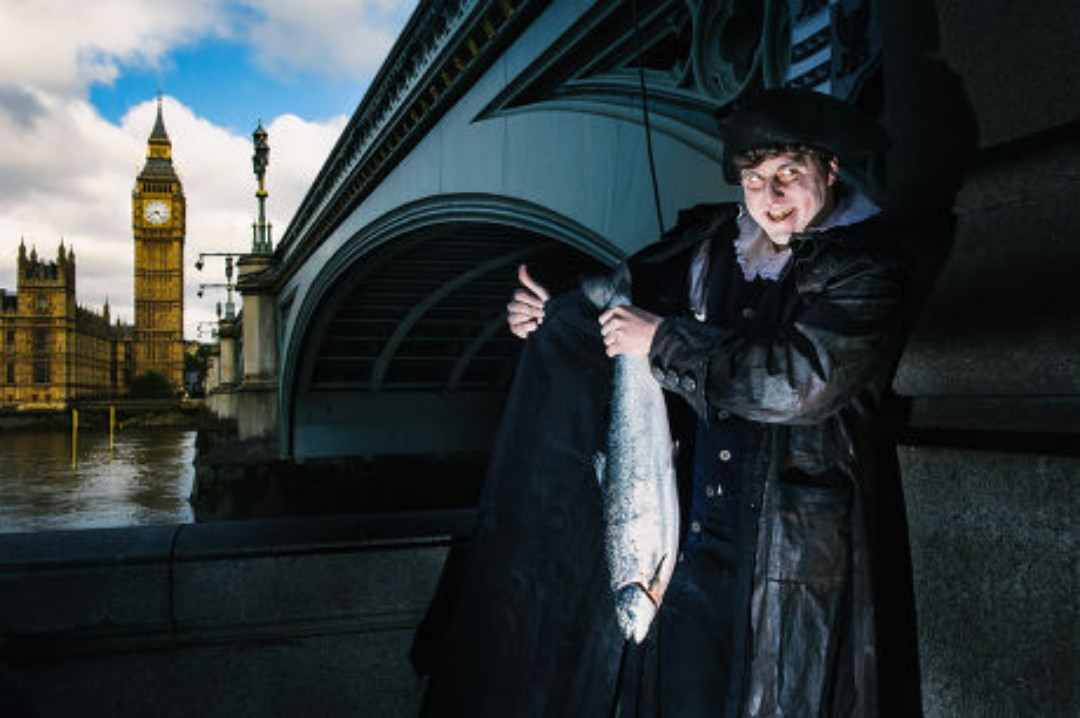
A salmon can apparently become evidence in a crime. The UK’s Salmon Act famously refers to handling salmon in “suspicious circumstances,” but the wording sounds stranger than the actual rule. It’s aimed at people who know or reasonably suspect that fish may be connected to an offense. Still, few laws make seafood sound quite this dramatic.
Sign up for our newsletter
9. Your Cold Medicine Might Not Be Welcome in Japan

That medicine sitting innocently in your suitcase could cause trouble at customs. Japan places restrictions on certain medicines and ingredients that travelers may legally buy elsewhere. That means packing for a trip sometimes requires checking more than the weather forecast. Something completely ordinary in your medicine cabinet at home may face very different rules once you land.
10. France Put School Ketchup on a Short Leash

Can a country really have rules about how children eat ketchup? France didn’t simply make ketchup illegal, despite what some viral versions suggest. School meal reforms restricted how sauces such as ketchup could be served as part of broader nutritional and culinary policies. Apparently, preserving French food culture can reach all the way down to the cafeteria tray.
11. Naked Hiking Can Get You Fined in Switzerland

Forget the famous toilet-flushing rumor. Switzerland has a much better story. Naked hiking has actually generated legal disputes and fines, making the hiking trail a far more interesting source of Swiss legal oddities than late-night plumbing. The mountains may offer plenty of freedom, but apparently that freedom still comes with a dress code.
12. Queensland Is Extremely Serious About Rabbits
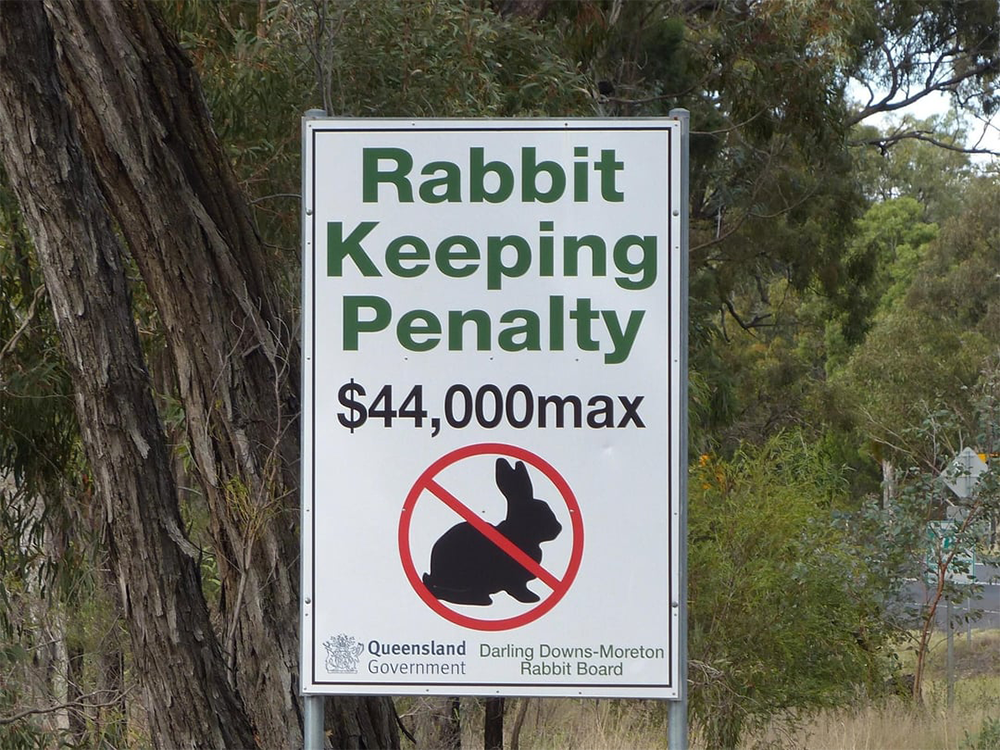
Most travelers see a rabbit and think “cute.” Queensland sees an ecological threat. Australia has spent generations dealing with the enormous environmental damage caused by invasive rabbits, so Queensland maintains extremely strict controls on keeping them. Once you know the history, the unusual pet rule stops sounding quite so ridiculous. One fluffy rabbit can become a much bigger problem.
13. Canadian Law Can Influence What’s on the Radio

Ever wondered why a Canadian radio station might sound particularly Canadian? Canadian content rules, often called CanCon, influence portions of radio programming rather than leaving every playlist entirely unrestricted. The details are more nuanced than the viral claim that every station must play one fixed percentage, but the basic idea is fascinating: cultural policy can reach right through the speakers.
14. New Zealand Can Reject a Baby Name
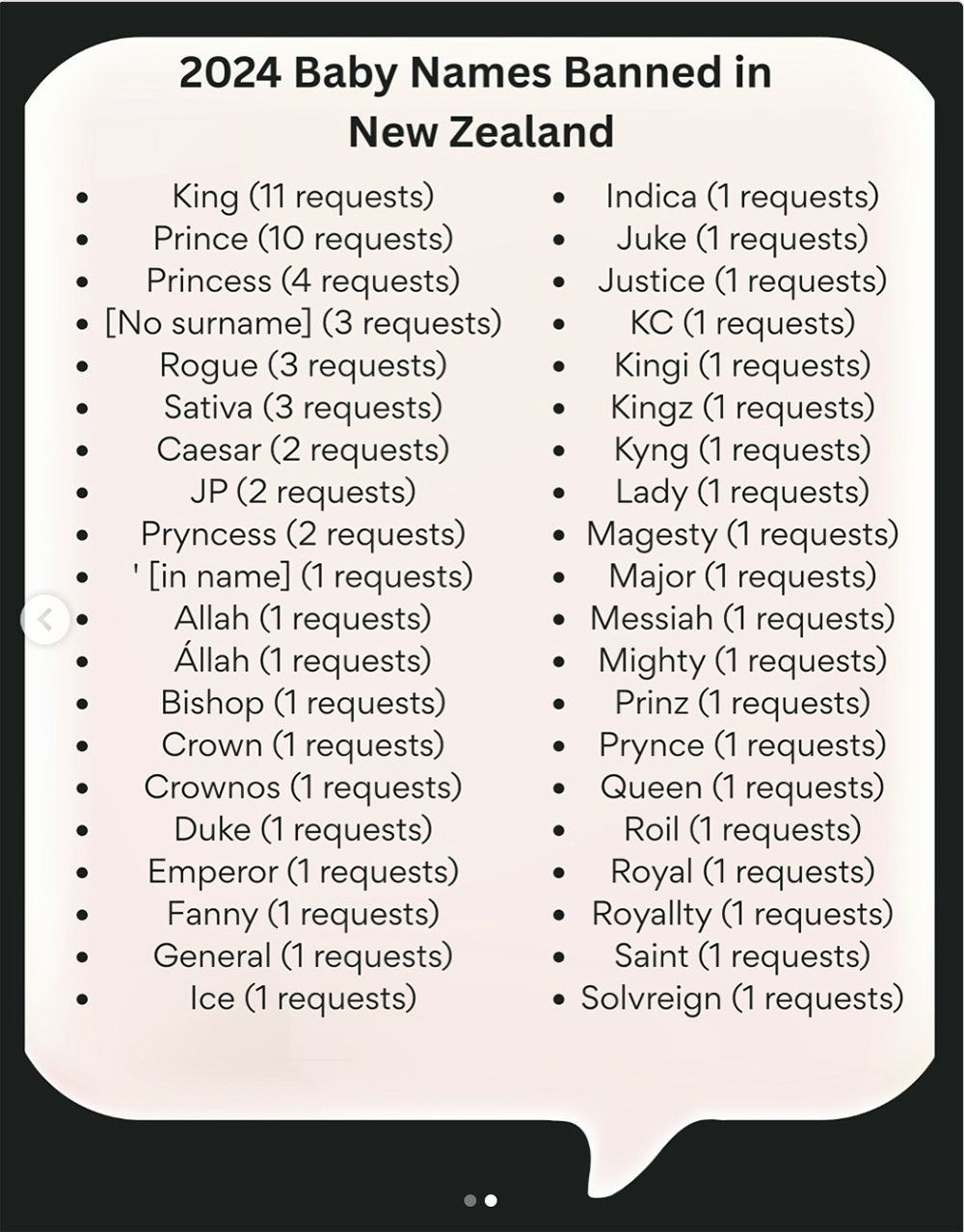
Parents get plenty of creative freedom when naming a baby, but not unlimited freedom. New Zealand authorities can reject names that violate naming requirements, including certain names resembling official titles. Suddenly, filling out a birth certificate isn’t purely a creative exercise. Sometimes the government gets a say in whether your brilliant idea actually becomes someone’s legal name.
15. Privacy Rules Can Surprise Visitors in the UAE
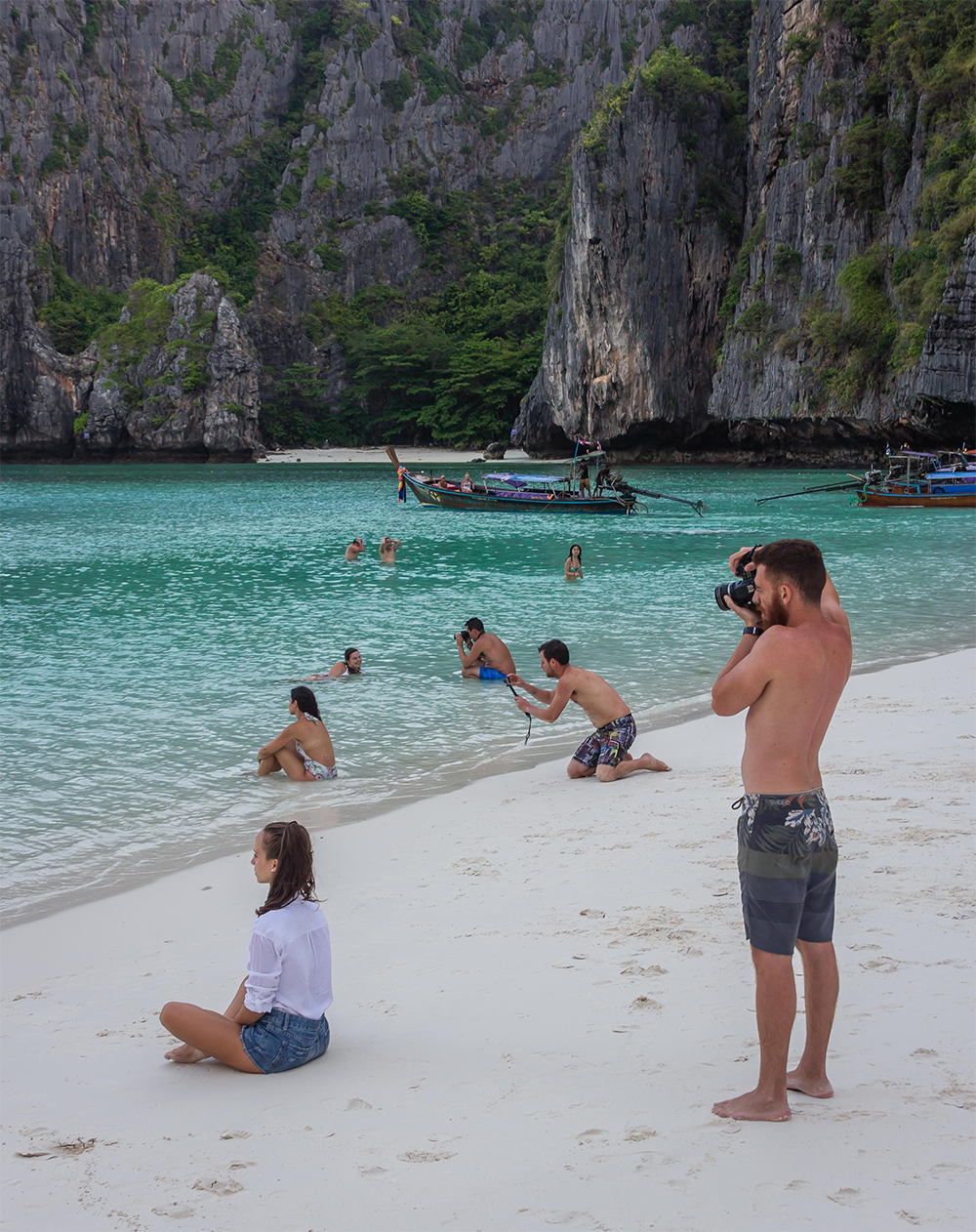
Taking a photo and posting it online can feel completely routine until local privacy laws enter the picture. In the United Arab Emirates, photography, privacy, and online conduct rules can be stricter than many visitors expect. Photography itself isn’t simply illegal, but familiar social media behavior can cross legal boundaries surprisingly quickly when other people’s privacy is involved.
16. Some Spanish Beaches Have Surprisingly Specific Rules
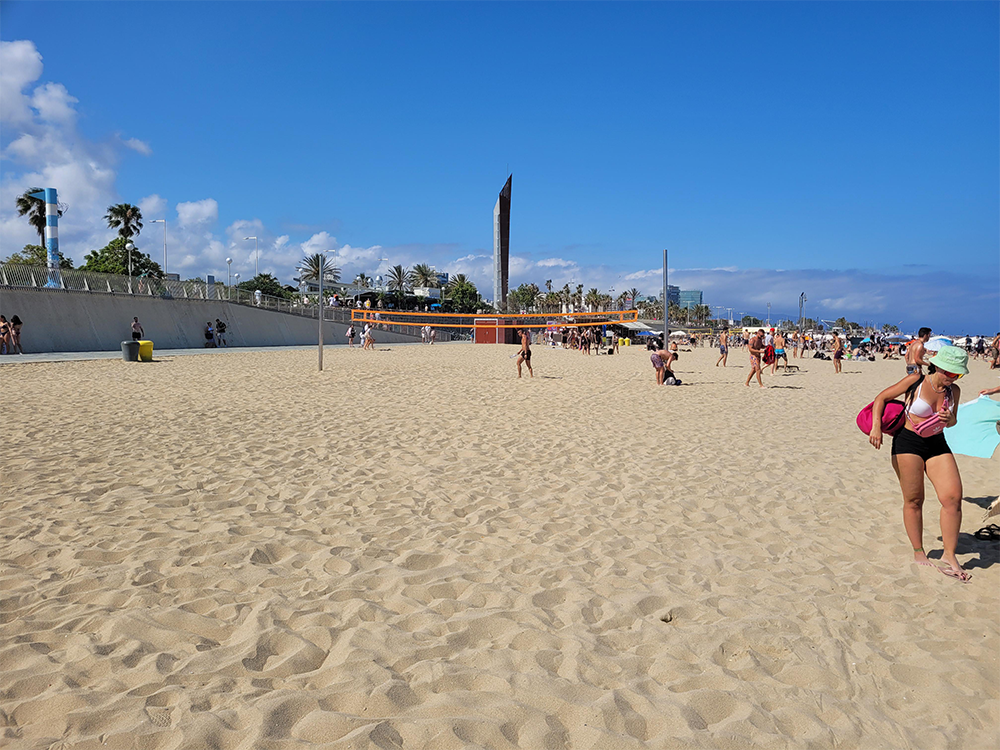
How complicated could a day at the beach possibly get? More complicated than you’d think. Some Spanish municipalities have adopted highly specific local beach ordinances regulating what visitors can do on the sand. The important distinction is that these aren’t blanket Spanish laws. Sometimes the weirdest rule belongs to one particular resort town rather than the entire country.
17. Iceland’s Naming Rules Have a Linguistic Side
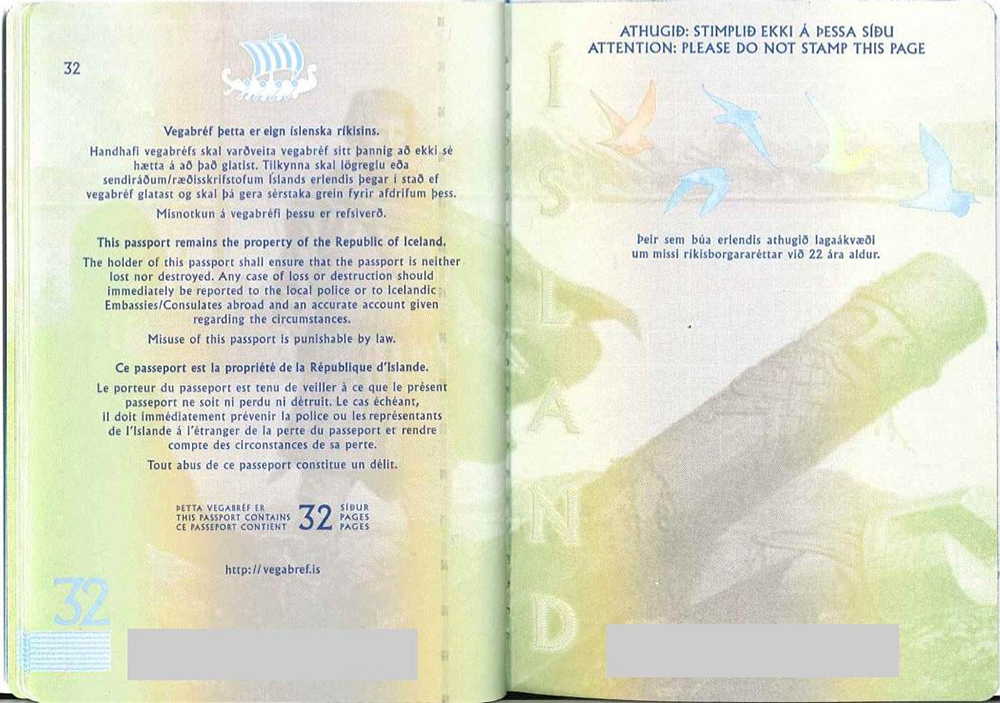
In Iceland, choosing a name has historically involved more than deciding whether it sounds nice. The country’s formal naming system has interacted with Icelandic linguistic conventions, giving its rules a very different rationale from other countries with naming restrictions. Here, the fascinating part isn’t simply government approval. It’s the effort to make personal names work within the structure of the Icelandic language.
The strangest weird laws around the world often stop sounding strange once you understand what they’re protecting. Ancient monuments, fragile ecosystems, public safety, cultural traditions, and even peaceful neighborhoods all shaped rules that can surprise first-time visitors. Sometimes the real story isn’t the law itself. It’s the problem lawmakers were trying to solve.
Keep Exploring The Scroller
From surprising customs to forgotten history and fascinating travel facts, the world’s most interesting stories usually begin with a simple question: “Why would anyone make that rule?” Keep exploring The Scroller for more curious discoveries that reveal there’s almost always a surprisingly logical explanation hiding behind the unexpected:
12 Strange 1800s Laws That Were Actually Enforced