The 1800s had plenty of laws that sound like punchlines now, but many of them were treated very seriously at the time. Some were about public order, some were about morality, and some were just painfully specific attempts to control daily life. What makes them stranger is that these were not just forgotten rules sitting quietly in old books. People were fined, arrested, examined, jailed, or publicly targeted because of them.
1. The Law That Punished People for Sleeping Rough
VIA STREETCHILDREN.ORG
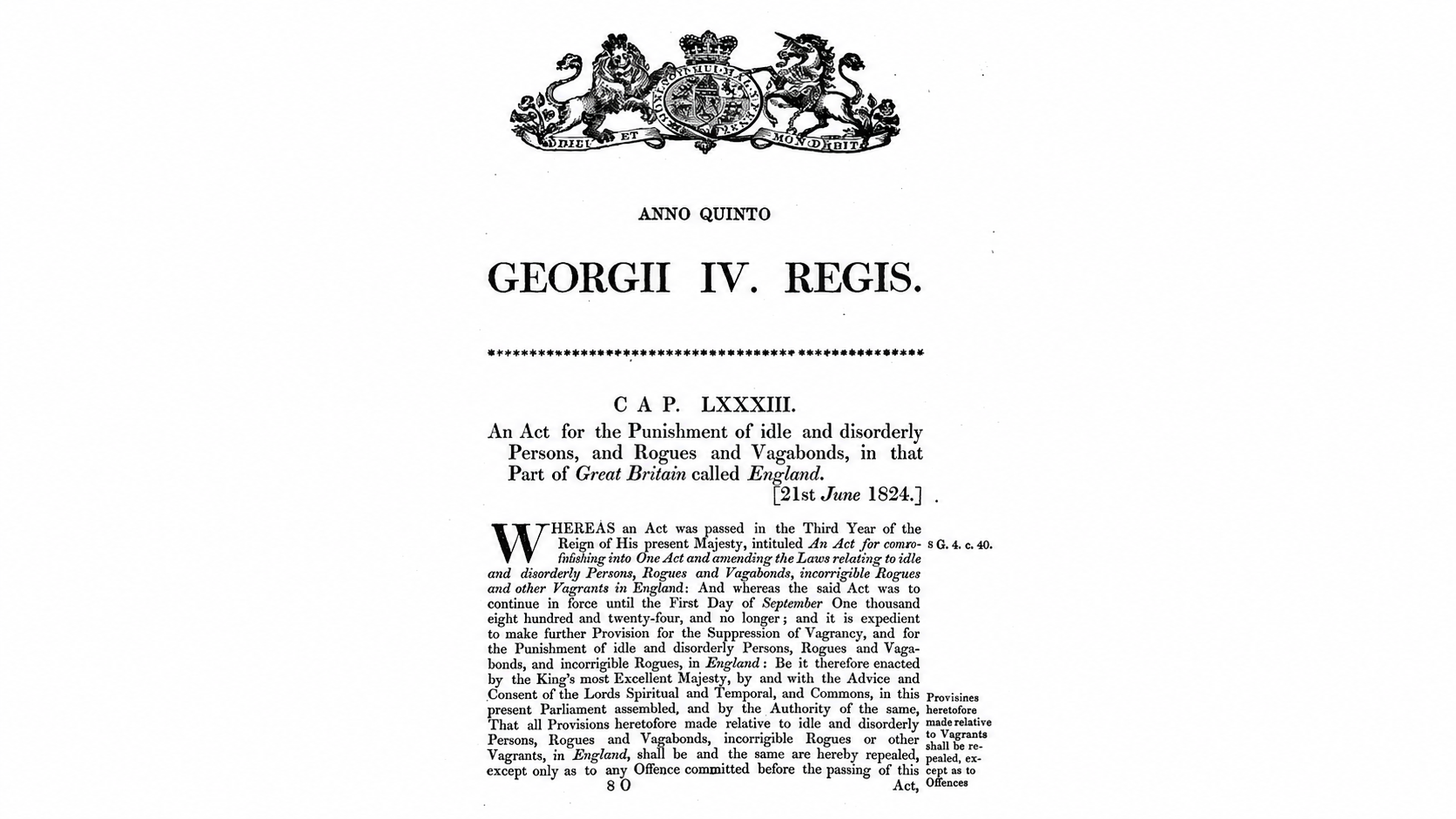
Britain’s Vagrancy Act of 1824 was not a quirky rule about manners; it made poverty itself something police could act on. The law targeted “idle and disorderly persons,” including people begging or sleeping outside, and it came out of a postwar Britain anxious about visible homelessness and urban disorder. In practice, that meant someone without a bed could be treated as a public nuisance rather than a person in need of help. The strangest part is not just that the law was enforced in the 1800s, but that parts of it survived far beyond the world that created it.
2. London’s Ban on Annoying Kite Flying
PICS / VIA REDDIT.COM
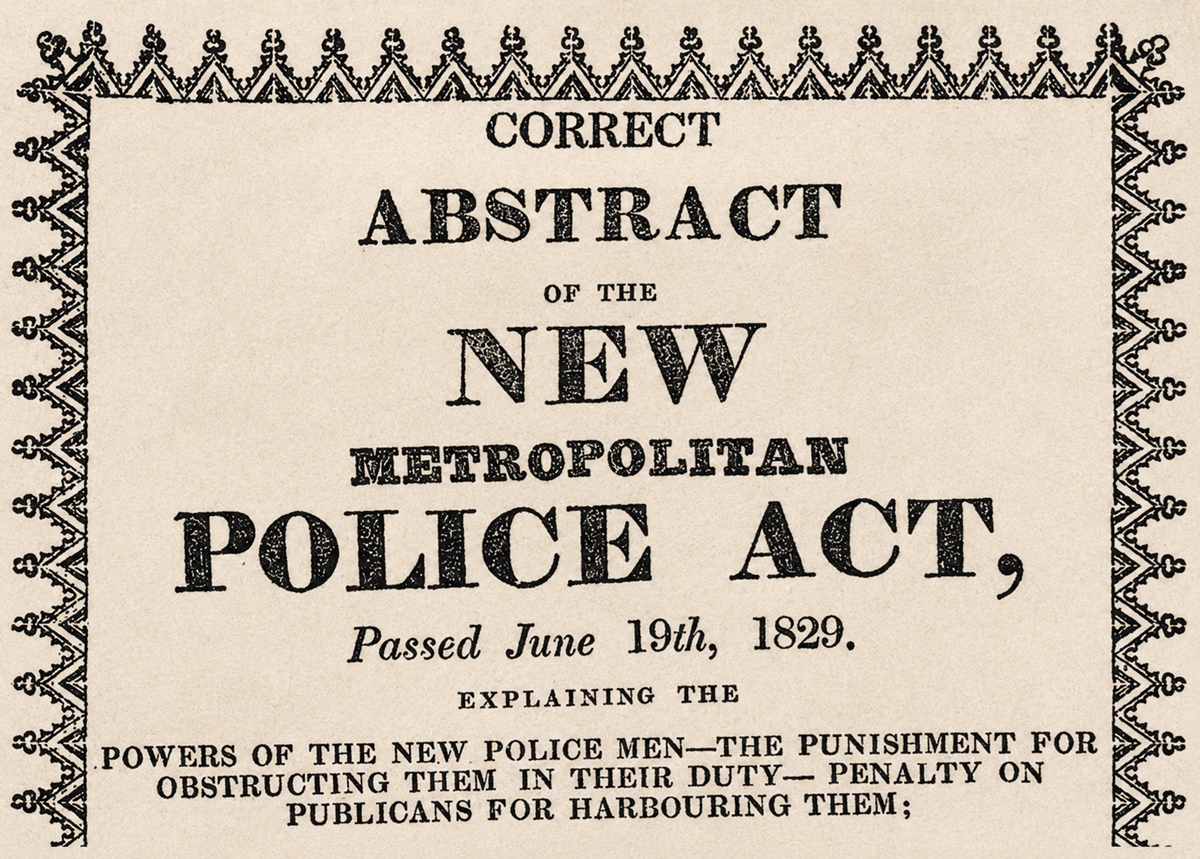
Victorian London was crowded, noisy, and full of small public irritations, so lawmakers tried to regulate almost everything happening in the street. The Metropolitan Police Act of 1839 made it an offense to fly a kite or play a game in a public place if it annoyed residents or passengers. It sounds oddly petty now, but in a city of horses, carts, narrow roads, and busy foot traffic, a kite string across the wrong path was not seen as harmless fun. The law gave police a way to move people along before “play” turned into obstruction.
3. The Carpet-Beating Rule

PICS / VIA REDDIT.COM
The same 1839 London law also took aim at dirty carpets. Beating or shaking carpets, rugs, and mats in public streets was restricted, with a narrow exception for doormats before 8 a.m. It is easy to laugh at that level of detail, but Victorian streets were already dusty, smoky, and packed with waste. Nobody wanted their morning walk turned into someone else’s cleaning cloud.
4. The Acts That Forced Medical Exams on Women
VIA ABEBOOKS
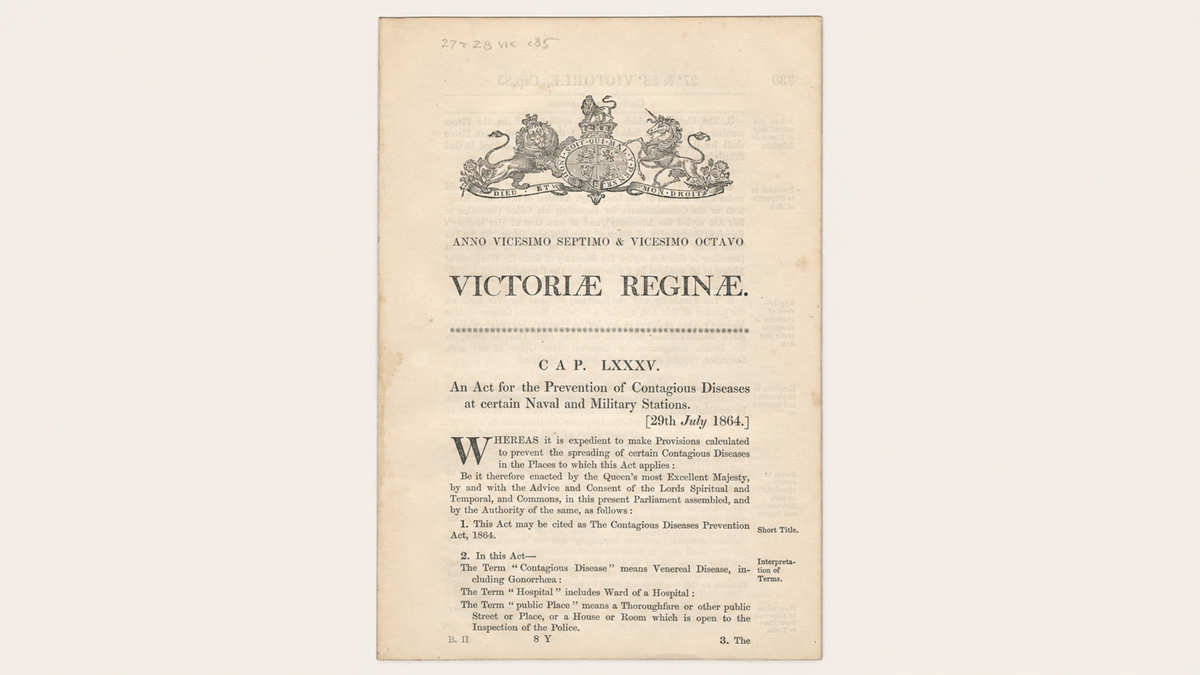
The Contagious Diseases Acts of the 1860s were among the harshest examples of Victorian morality turning into law enforcement. In certain military and naval towns, police could detain women suspected of prostitution and force them to undergo medical examinations for venereal disease. If a woman was found to be infected, she could be confined in a lock hospital, while men were not subjected to the same system. The laws were defended as public health measures, but they were enforced through suspicion, class judgment, and a very clear double standard.
5. The Postal Law That Policed “Obscene” Mail
VIA RECORDSOFRIGHTS.ORG
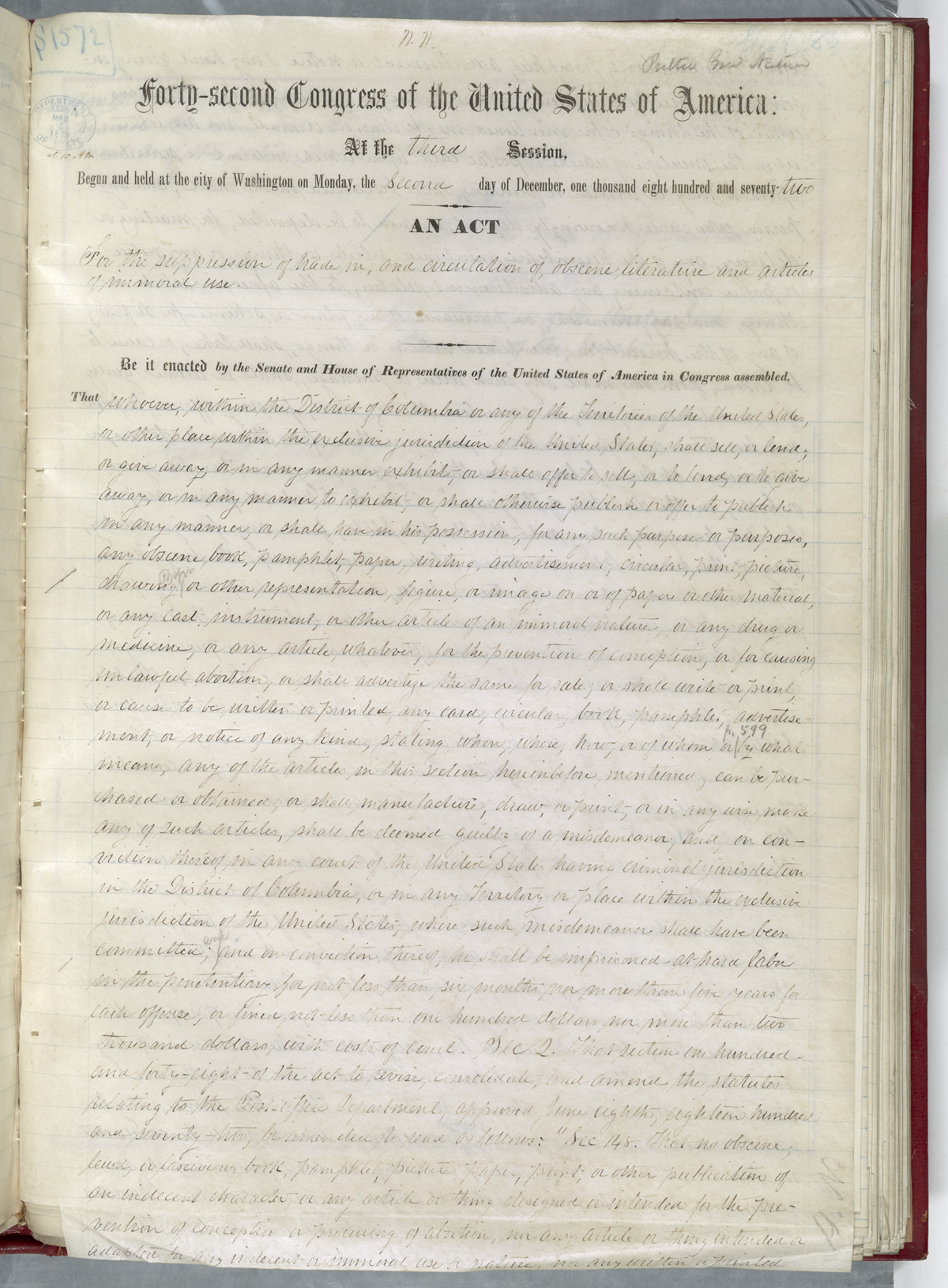
The Comstock Act of 1873 turned the mail into a battlefield over morality. Named after anti-vice crusader Anthony Comstock, the federal law targeted the mailing of obscene materials, contraception information, and items linked to abortion. Comstock was not a distant symbol either; he actively pushed enforcement and helped build a culture of raids, seizures, and prosecutions. A private letter, a pamphlet, or a book could suddenly become a legal problem if authorities decided it crossed the line.
Trending on The Scroller


6. San Francisco’s Queue-Cutting Law
ACADEMIA / VIA CALIFORNIA DIGITAL NEWSPAPER COLLECTION
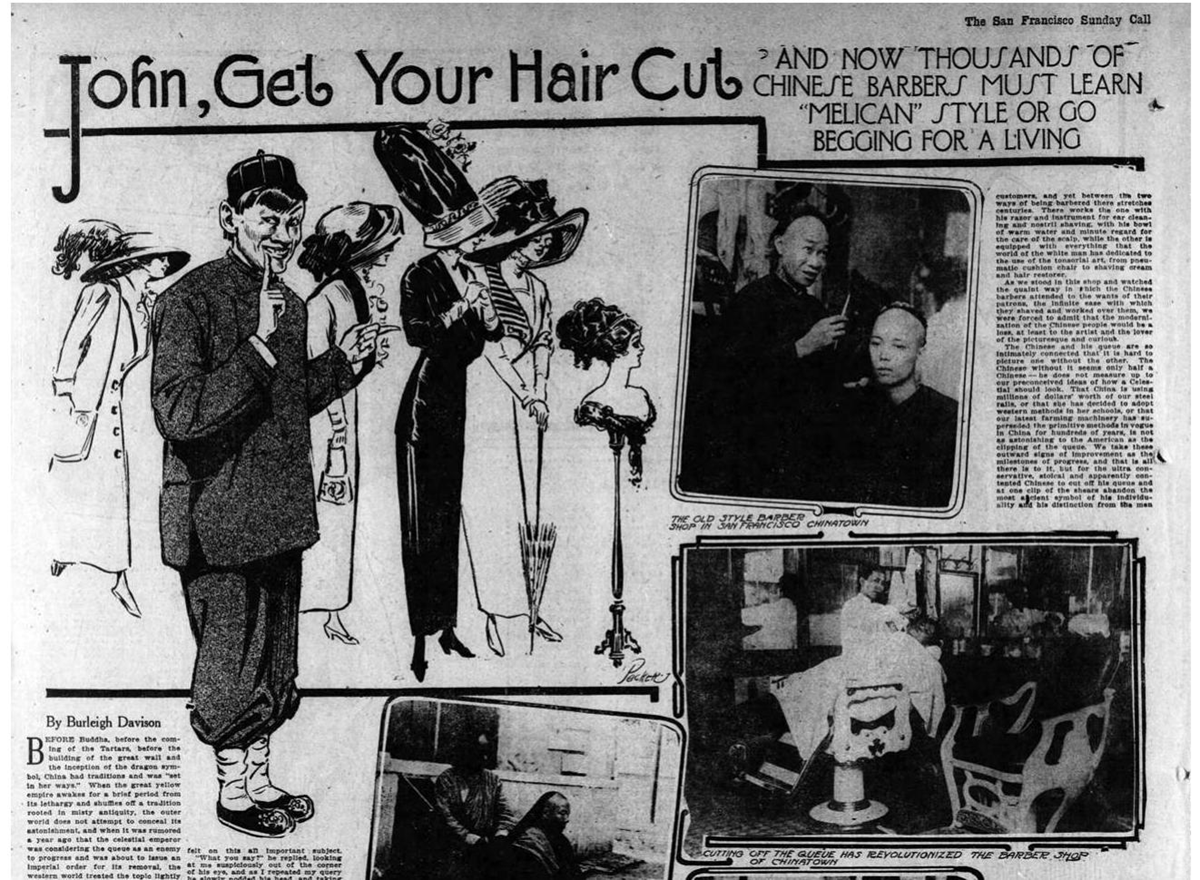
In 1870s San Francisco, anti-Chinese politics produced one of the most pointedly humiliating laws of the century. The so-called queue or pigtail law required male prisoners to have their hair cut close to the scalp, a rule that hit Chinese immigrants especially hard because the queue carried cultural and political meaning under the Qing dynasty. Sheriff Matthew Nunan was responsible for enforcing the rule after California adopted it in 1876. It was later struck down, but not before it showed how a “jail regulation” could be used as a weapon against a specific community.
7. The “Ugly Laws” That Pushed Disabled People Out of Sight
UTTERLY INTERESTING / VIA REDDIT.COM
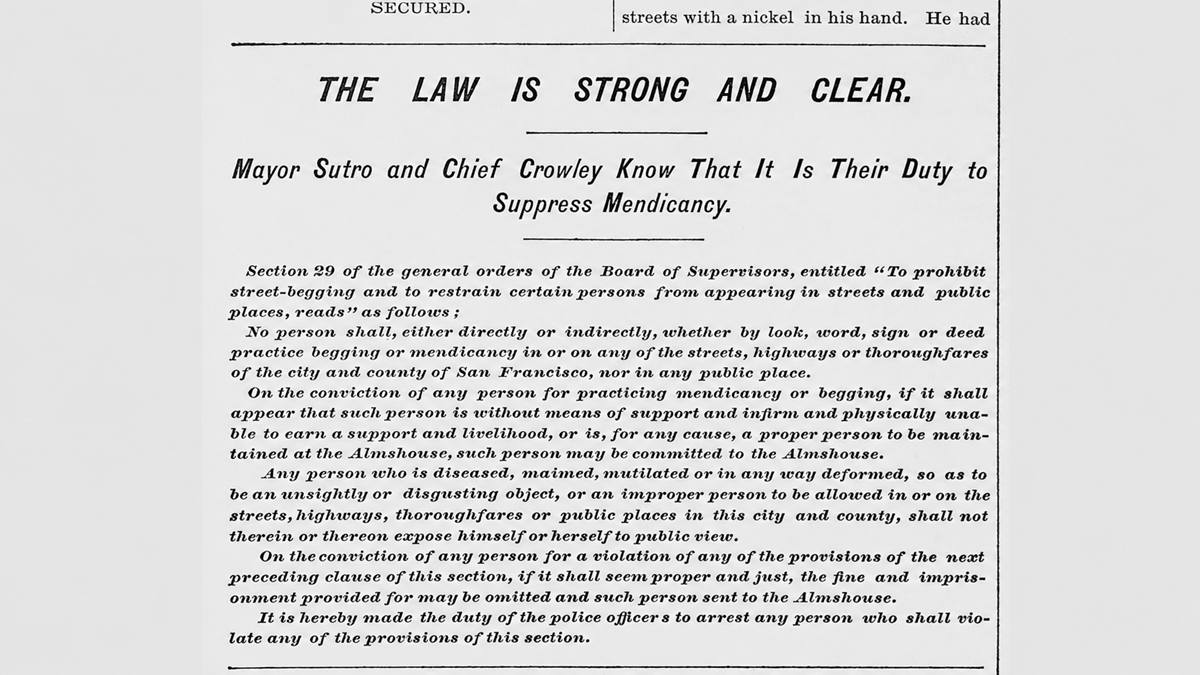
San Francisco passed one of the first American “ugly laws” in 1867, aimed at people whose bodies were considered visibly disabled, disfigured, or otherwise “unsightly.” These laws treated appearance as a public order issue, especially when disability, poverty, and street life overlapped. The first recorded arrest connected to such a law was Martin Oates, a former Union soldier, in San Francisco in July 1867. It is a brutal reminder that some “strange” laws were not silly at all; they were cruel in very practical ways.
8. Laws Against Wearing the “Wrong” Clothes
JULES GILL-PETERSON / VIA SUBSTACK
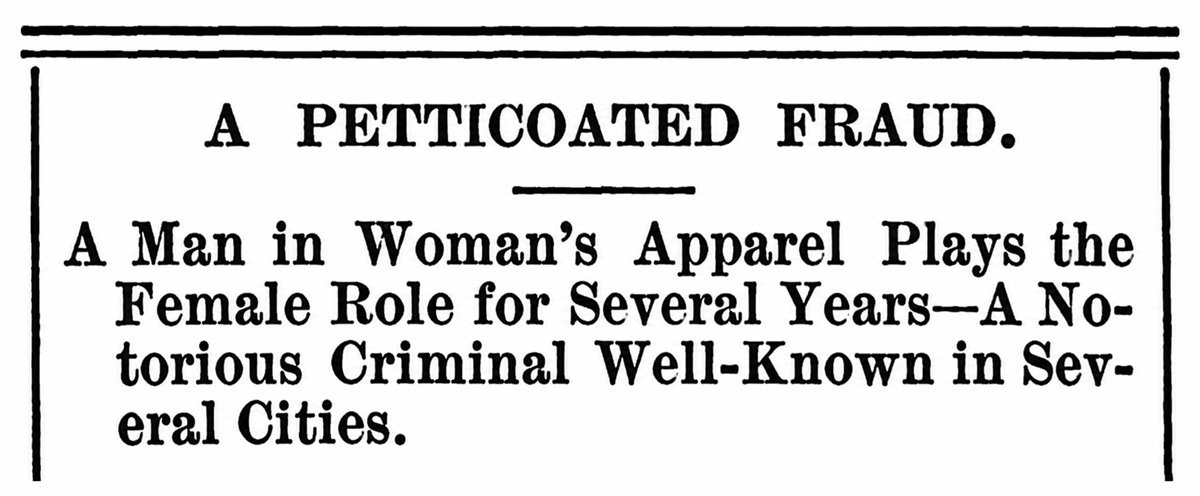
In the 19th century, several American cities used laws against cross-dressing to police gender presentation in public. San Francisco became especially associated with this kind of enforcement, with arrests and newspaper coverage turning clothing into a courtroom issue. The laws were often framed as public decency rules, but they gave police broad power over anyone who did not fit expected categories. A dress, suit, hat, or pair of trousers could become evidence.
Sign up for our newsletter
9. New York’s Anti-Mask Law
VIA NYHISTORY.ORG
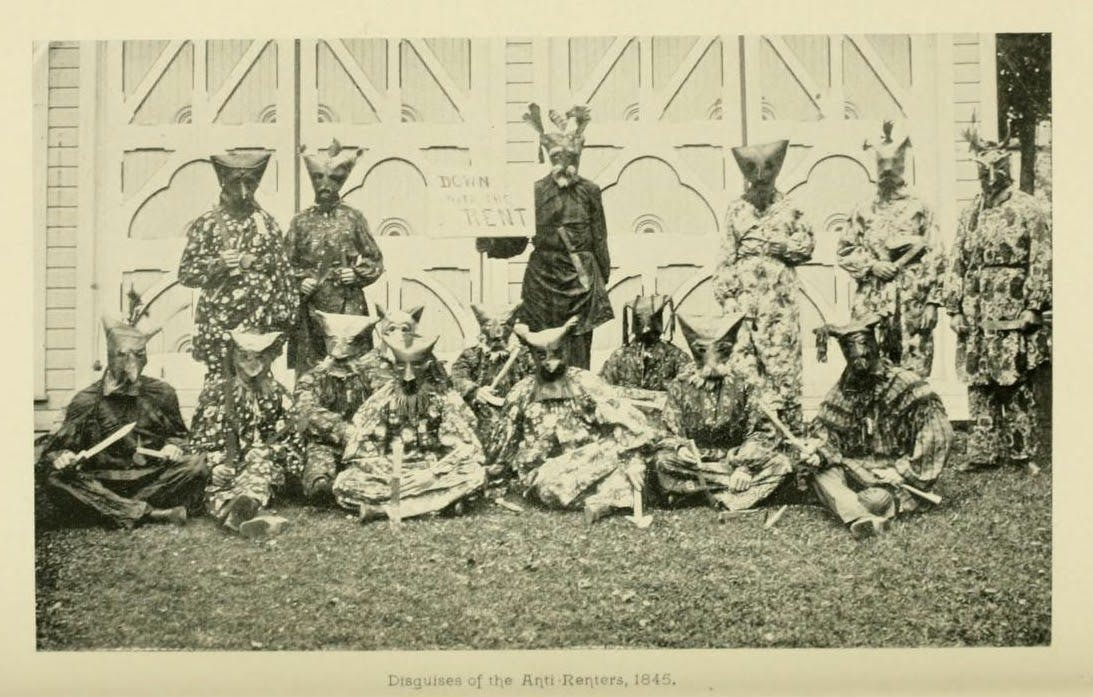
New York’s 1845 anti-mask law did not begin as a Halloween rule. It was passed during the Anti-Rent War, when tenant farmers in the Hudson Valley sometimes disguised themselves as “Calico Indians” while resisting landlords and law officers. Governor Silas Wright backed the measure to crack down on people committing crimes while disguised. Enforcement reached into homes too, with searches for costumes and disguises becoming part of the conflict.
10. Maine’s Early Prohibition Experiment
VIA LIBRARY OF CONGRESS
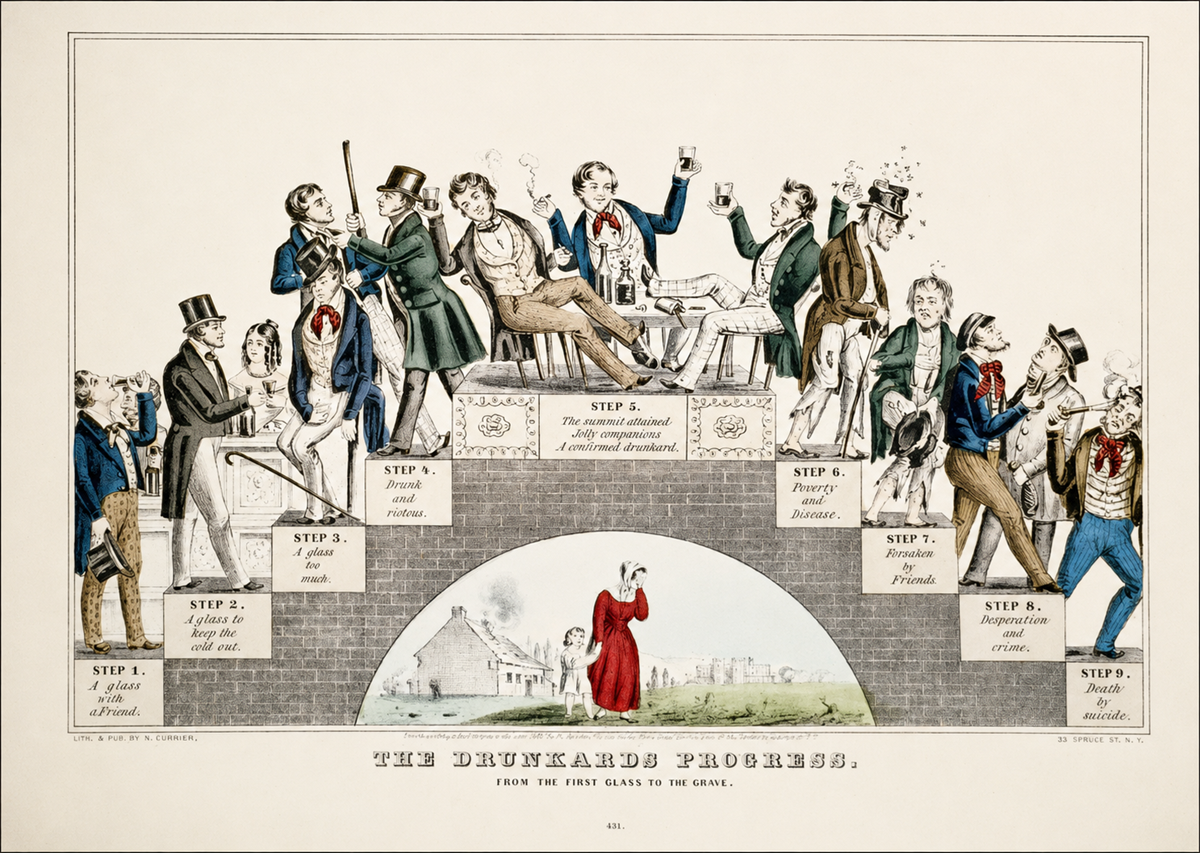
Long before national Prohibition, Maine tried to dry itself out. The Maine Law of 1851 banned the manufacture and sale of liquor except for limited purposes such as medicine and industry. It was enforced, though not always successfully, and tavern owners often treated fines as part of doing business. Still, the law mattered because it showed temperance reformers that alcohol control could move from sermons and pledges into police stations and courts.
11. Kansas Making Saloons a Legal Target
VIA KENNETH SPENCER RESEARCH LIBRARY
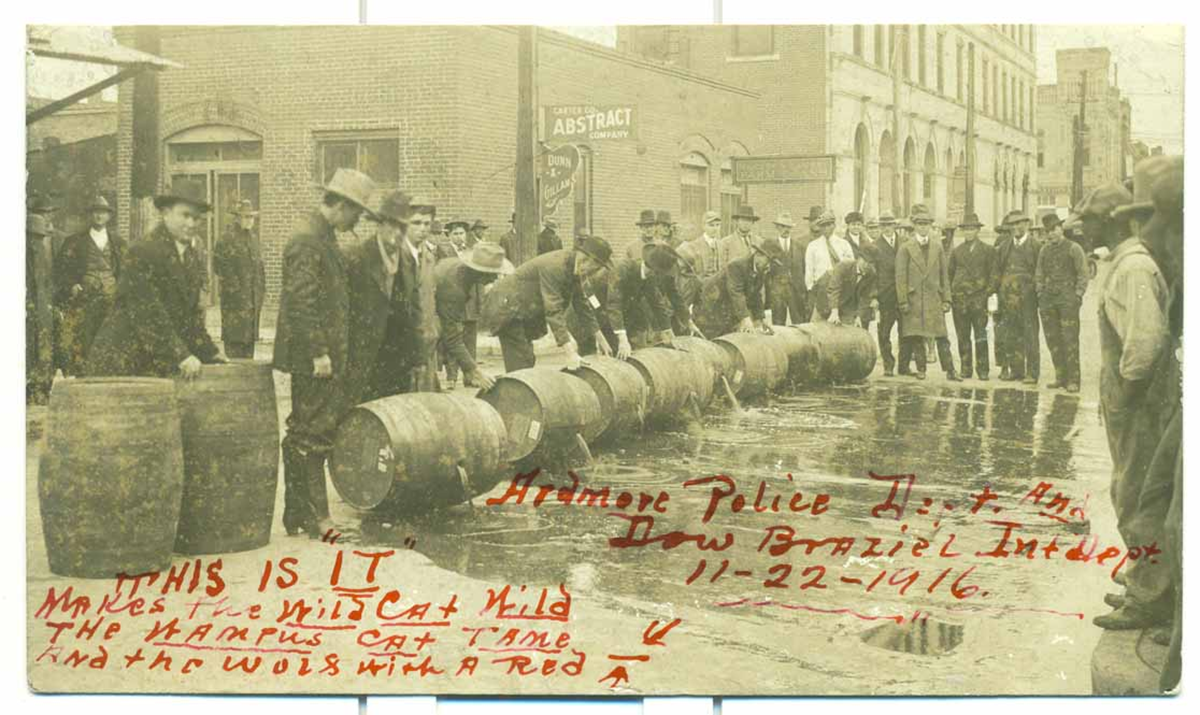
Kansas went even further in 1881, when its statewide prohibition law took effect after voters approved a constitutional amendment. The idea was simple on paper: no manufacture or sale of intoxicating liquor, but the reality was messier. Saloons, local resistance, uneven policing, and political pressure made enforcement a constant fight. For anyone used to thinking of Prohibition as a 1920s story, Kansas is a reminder that the 1800s had already been rehearsing it.
12. Sunday Laws That Could Stop the Fun
VIA LITTLEBOOKOPEN.ORG
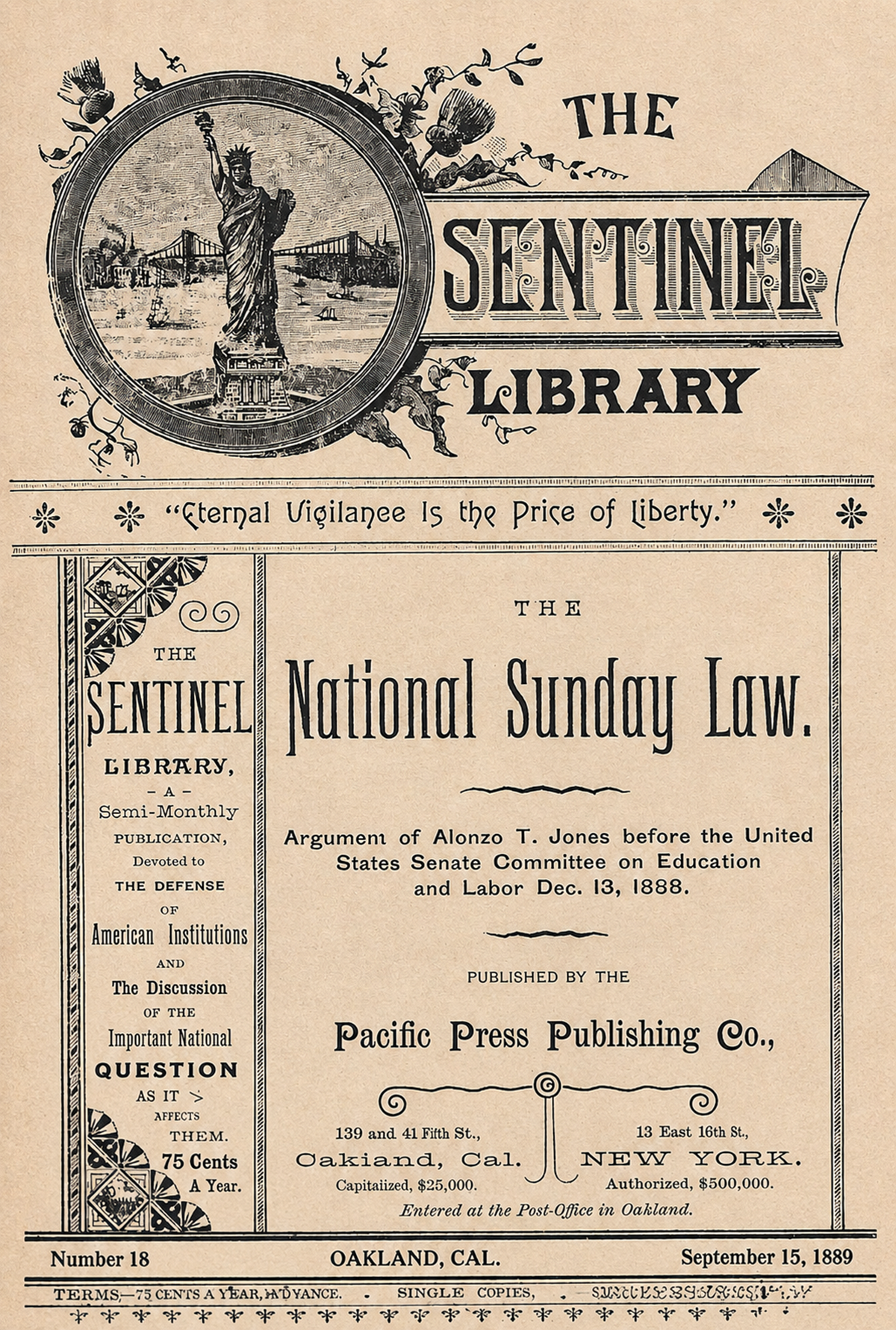
Blue laws were not invented in the 1800s, but they remained very real in many American communities during the century. These Sunday rules could restrict work, shopping, alcohol sales, theater, and even sports. As baseball grew in popularity in the late 19th century, teams sometimes ran into law enforcement when they tried to play on Sundays. A weekend pastime could become a legal violation simply because it happened on the wrong day.
In the mood for more?
Check out 15 Foods That Were Considered Medicine in the 1800s Before Anyone Thought to Eat Them for Pleasure, or take a look at 20 Bizarre “Spirit Photos” That Terrified People in the 1800s. If you want to see more weird corners of legal history, you can check out 10 Strange Old Tax Laws in the U.S. That Once Existed, or 20 Outdated Laws That Are Still Technically on the Books.