The 1900s were full of accidents, disasters, discoveries, and pop culture moments that already feel strange on their own. Every so often, though, the details lined up in ways that made people stop and look twice. Some of these coincidences were harmless and funny, while others arrived in the middle of events that were anything but light. None of them prove that history has a hidden script, but they do make the century feel a little less tidy than it looks in textbooks.
1. Mark Twain Arrived and Left With Halley’s Comet
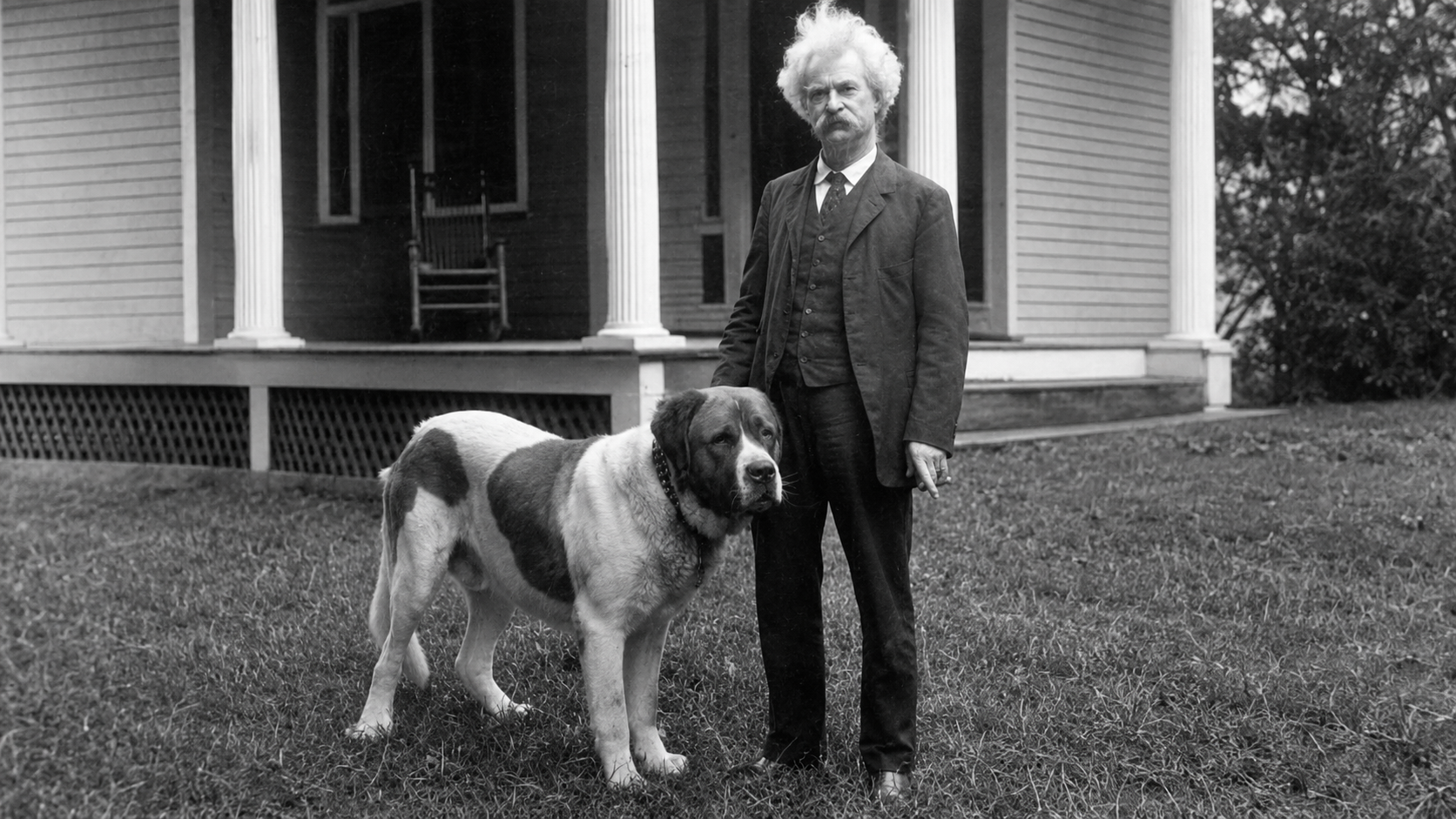
Mark Twain was born in 1835, the same year Halley’s Comet passed Earth, and he later joked that he expected to “go out with it” when it returned. That sounded like a very Twain kind of line, witty, theatrical, and slightly morbid. Then in 1910, one day after the comet made its closest approach, Twain died in Connecticut, giving one of literature’s best-known lives an ending that felt almost too perfectly staged.
2. The Titanic Had an Uncomfortable Fictional Preview
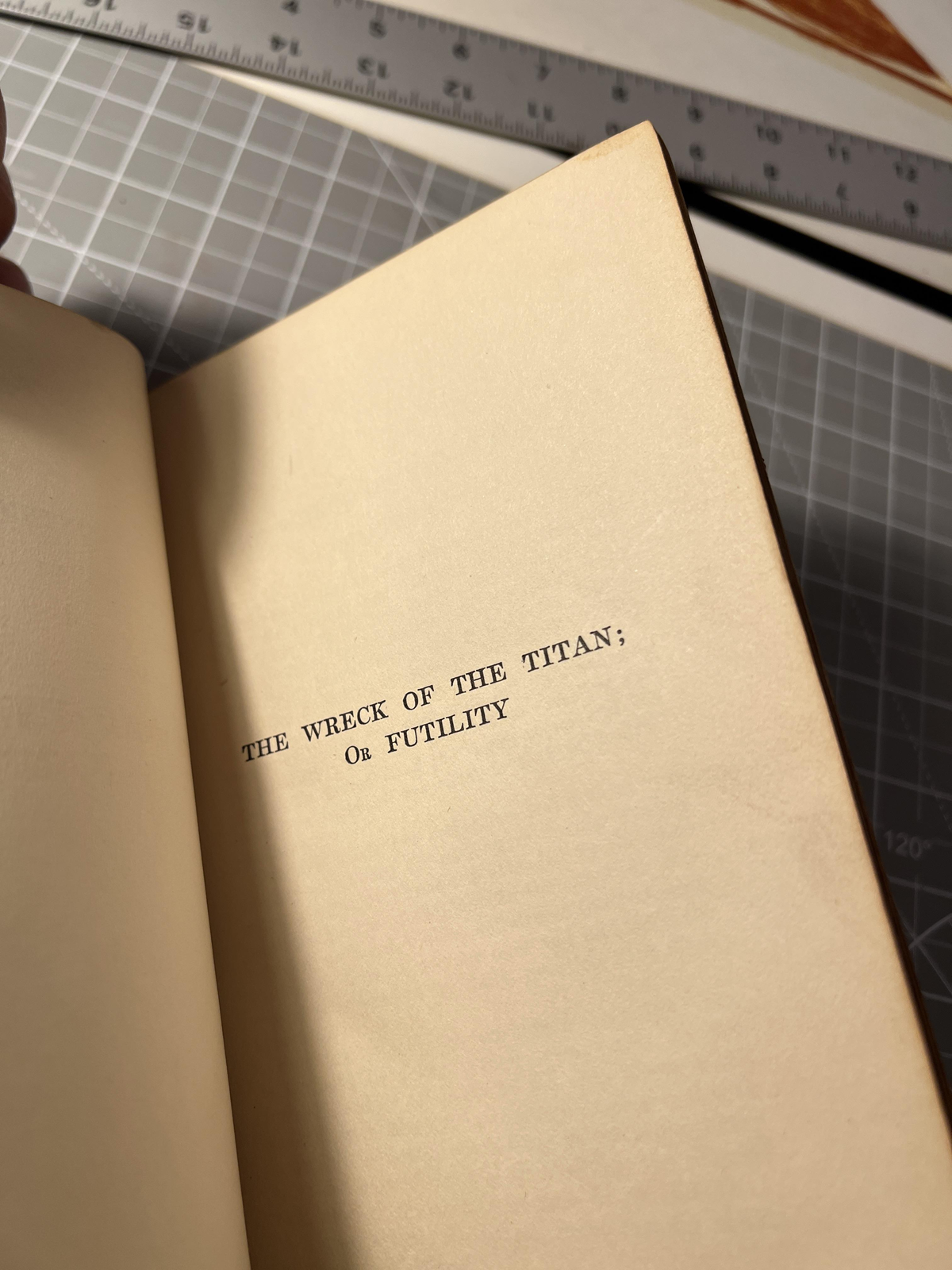
In 1898, Morgan Robertson published a novella called Futility, about a huge ocean liner named the Titan that hits an iceberg in the North Atlantic. Fourteen years later, the Titanic sank after striking an iceberg on its maiden voyage. The similarities were not exact, but the name, size, route, and disaster were close enough that the story became one of the century’s favorite “wait, what?” coincidences.
3. Violet Jessop Survived Three Sister-Ship Disasters
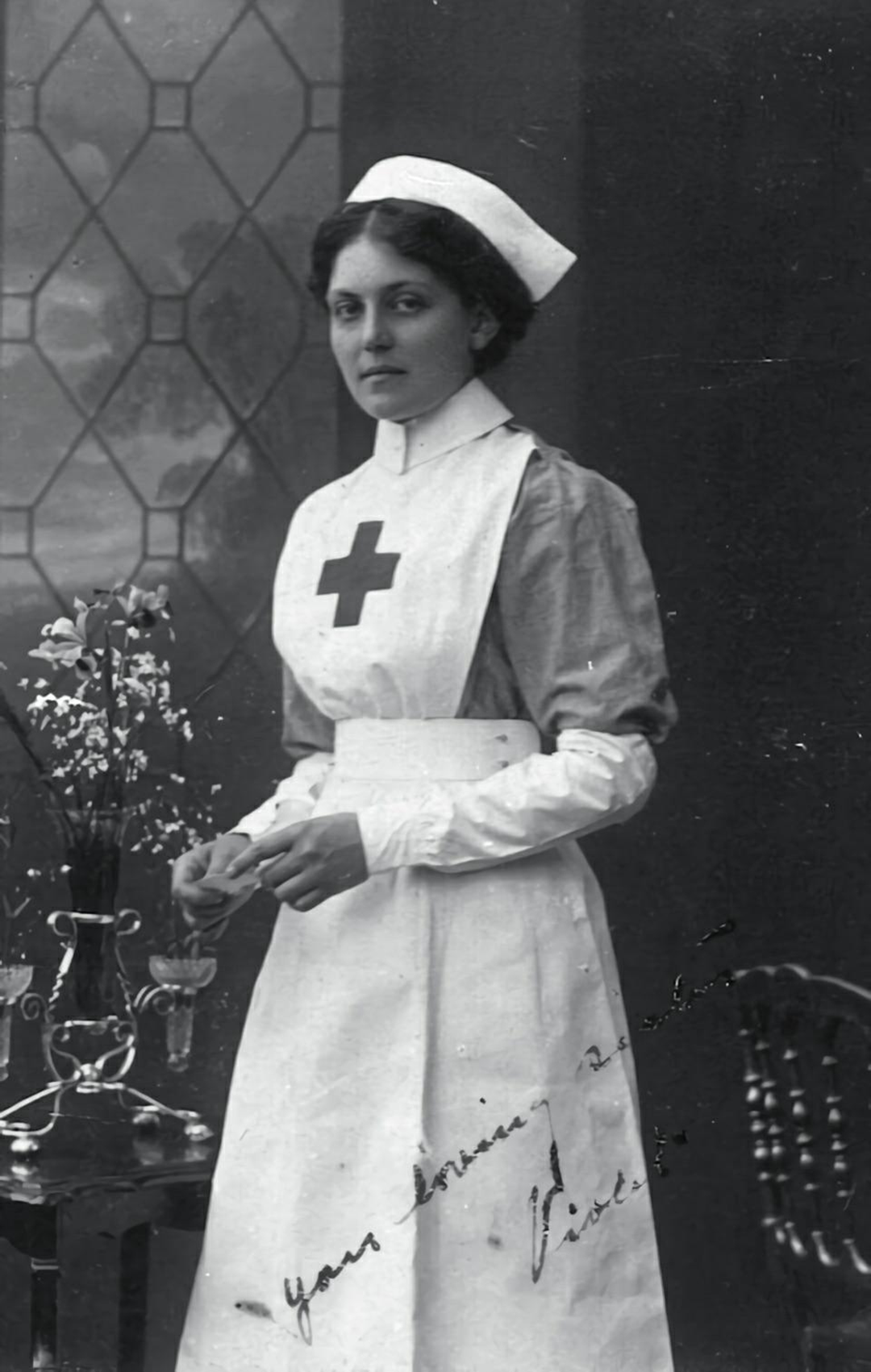
Violet Jessop worked as a stewardess and nurse aboard the Olympic-class ocean liners, and somehow found herself connected to all three major incidents involving them. She was on RMS Olympic when it collided with HMS Hawke in 1911, survived the Titanic sinking in 1912, and was aboard Britannic when it sank in 1916. Most people would consider one maritime disaster enough for several lifetimes.
4. A Father and Son Were Linked to Hoover Dam’s First and Last Deaths
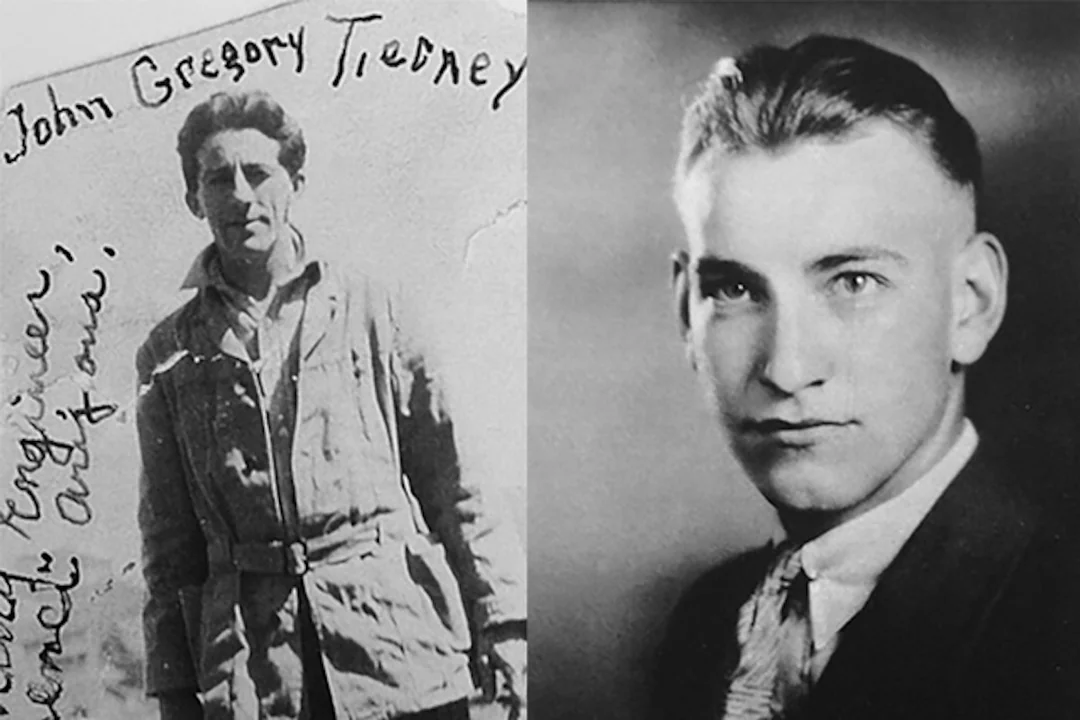
Hoover Dam’s construction came with dangerous conditions, and the deaths attached to it became part of its grim history. J. G. Tierney is often listed as the first worker to die on the project, in 1922 during survey work, while his son Patrick Tierney died in 1935, near the end of construction. The dates made it even stranger: both deaths happened on December 20.
5. The First and Last British Soldiers Killed in World War I Are Buried Near Each Other

John Parr, often listed as the first British soldier killed in World War I, died in August 1914. George Edwin Ellison, among the last British soldiers killed before the armistice, died on November 11, 1918. Their graves ended up facing each other in the same cemetery near Mons, Belgium, a quiet and oddly circular detail in a war remembered for its chaos.
Trending on The Scroller

6. The Kennedy-Lincoln Parallels Became a National Obsession
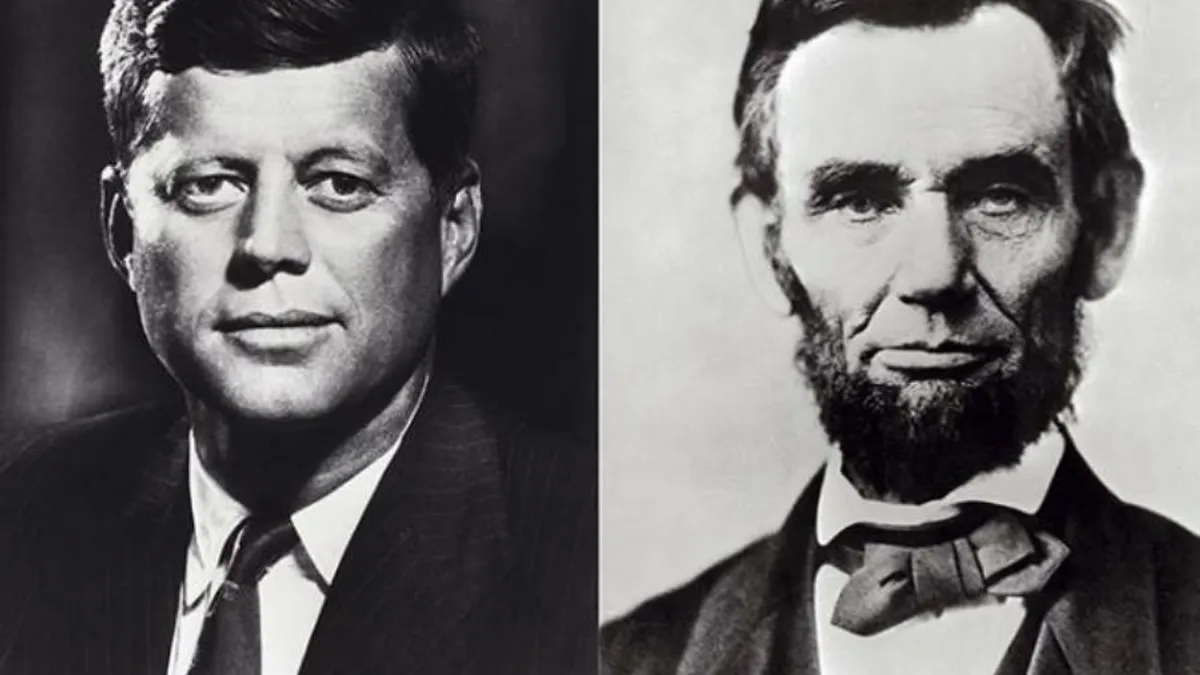
Some of the famous Lincoln-Kennedy coincidences are exaggerated, but a few real details are still striking enough. Abraham Lincoln was elected president in 1860, John F. Kennedy in 1960; both were assassinated on a Friday, and both were succeeded by men named Johnson. The pattern became a popular piece of 20th-century folklore because it sat right on the border between coincidence and something people wanted to decode.
7. The Man Who Survived Both Atomic Bombs
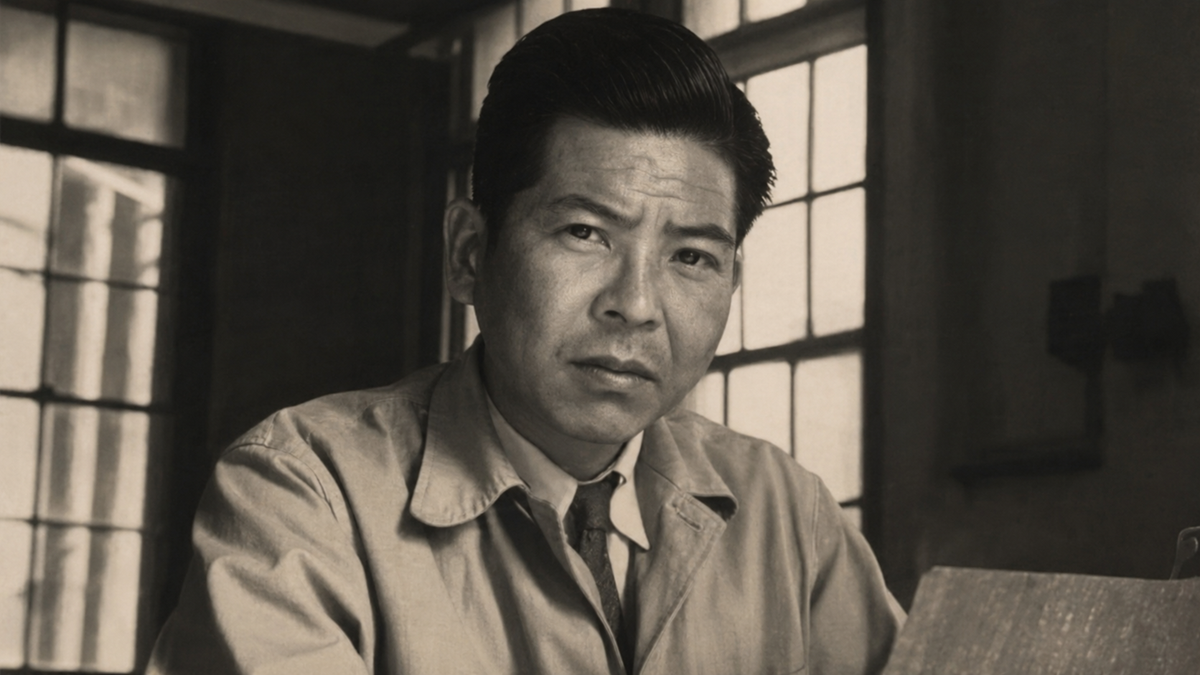
Tsutomu Yamaguchi was in Hiroshima on August 6, 1945, when the first atomic bomb was dropped. Injured but alive, he returned home to Nagasaki, where he was present three days later when the second bomb fell. He survived both attacks, later becoming the only person officially recognized by the Japanese government as a survivor of both Hiroshima and Nagasaki.
8. Anthony Hopkins Found the Exact Book He Needed in a Train Station
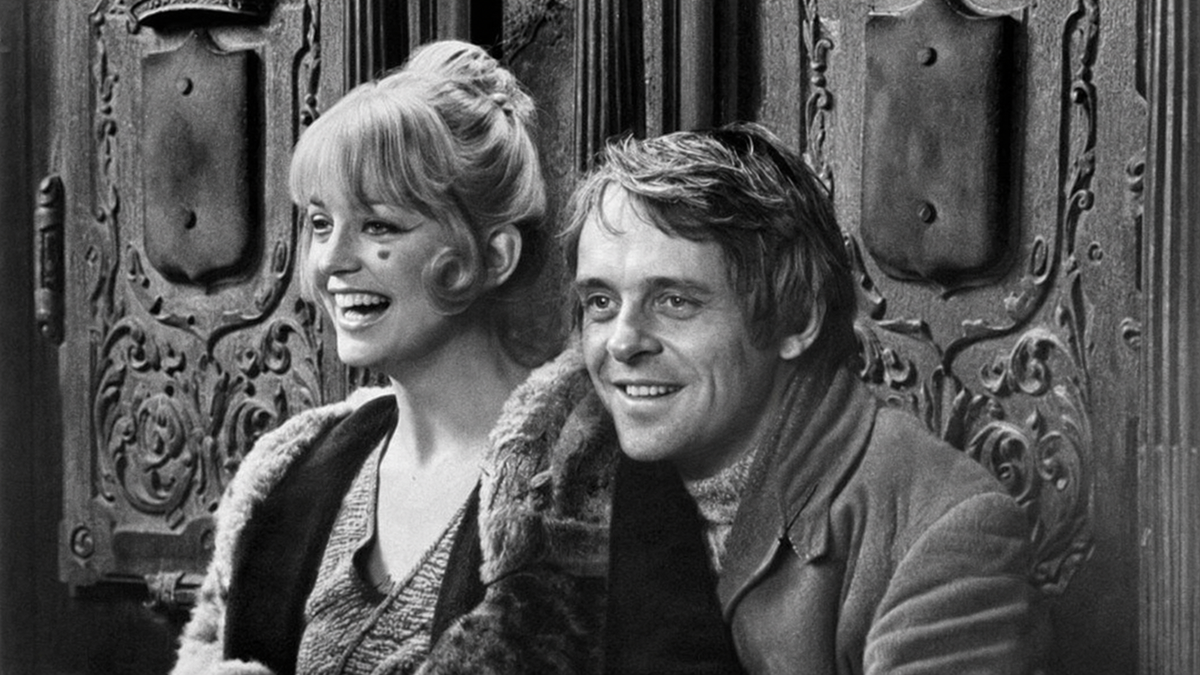
When Anthony Hopkins was preparing for the film The Girl from Petrovka in the 1970s, he reportedly tried and failed to find a copy of the novel it was based on. Then he found one abandoned on a bench in a London Underground station. The story gets better: the copy was said to be the author’s own annotated manuscript, lost by George Feifer himself.
Sign up for our newsletter
9. The Simpsons and the Trump Escalator Moment
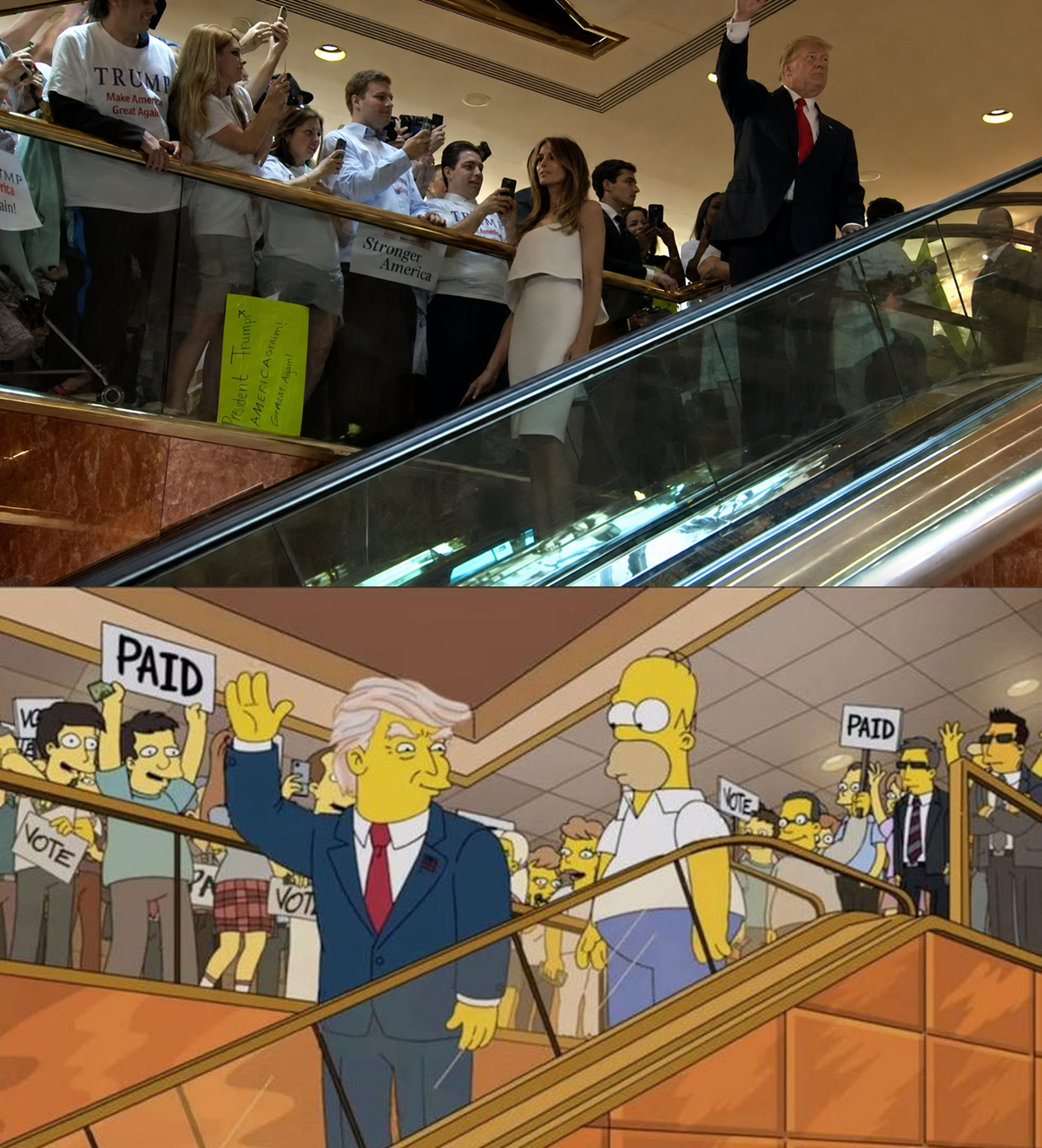
In a 2000 episode of The Simpsons, the show imagined Donald Trump as a future president, long before his real campaign reached the White House. Years later, after Trump launched his 2016 campaign from Trump Tower, viewers noticed how strangely familiar the image of him descending an escalator felt. The show did not predict every detail, of course, but the overlap became one of its most talked-about accidental echoes.
10. Bruce Lee and Brandon Lee Both Died Before Their Biggest Films Came Out
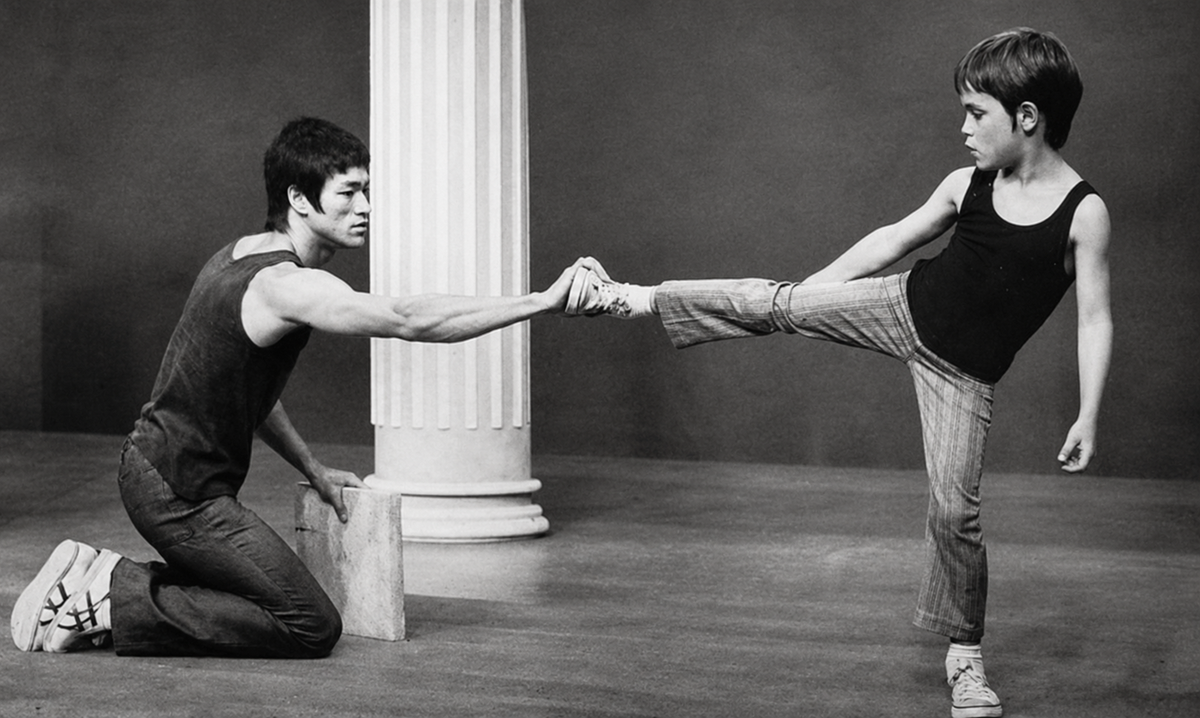
Bruce Lee died in Hong Kong in 1973, only weeks before Enter the Dragon turned him into a global film phenomenon. Twenty years later, his son Brandon Lee died after a prop gun accident on the set of The Crow, which was released after he died in 1994. The circumstances were very different, but the father-son pattern, two actors dying young just before the films that would define them reached audiences, is a real and unsettling coincidence.
11. The Archduke’s Assassination Car Carried a Strange Number Plate
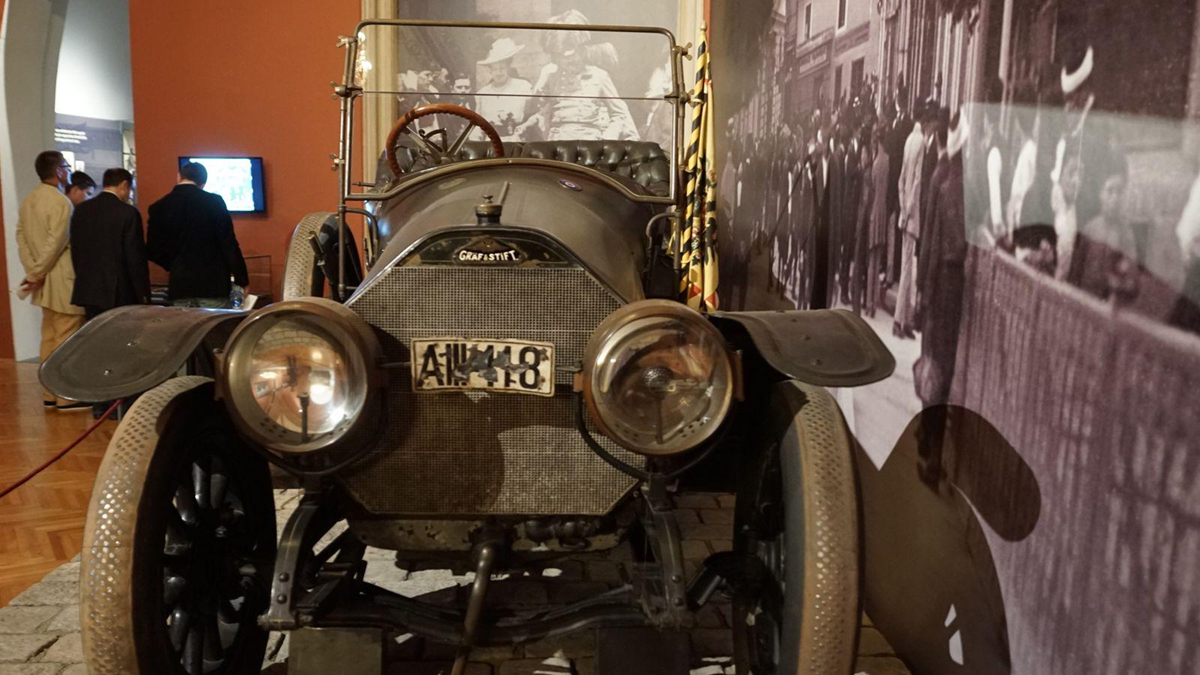
The car carrying Archduke Franz Ferdinand in 1914 had a license plate that has often been read as “A III 118.” After World War I ended on November 11, 1918, people noticed the eerie resemblance to “Armistice 11/11/18.” It may be a case of people finding meaning after the fact, but once seen, it became hard for history buffs to forget.
12. A Novel Named a Shipwreck Victim Richard Parker Before a Real One Appeared
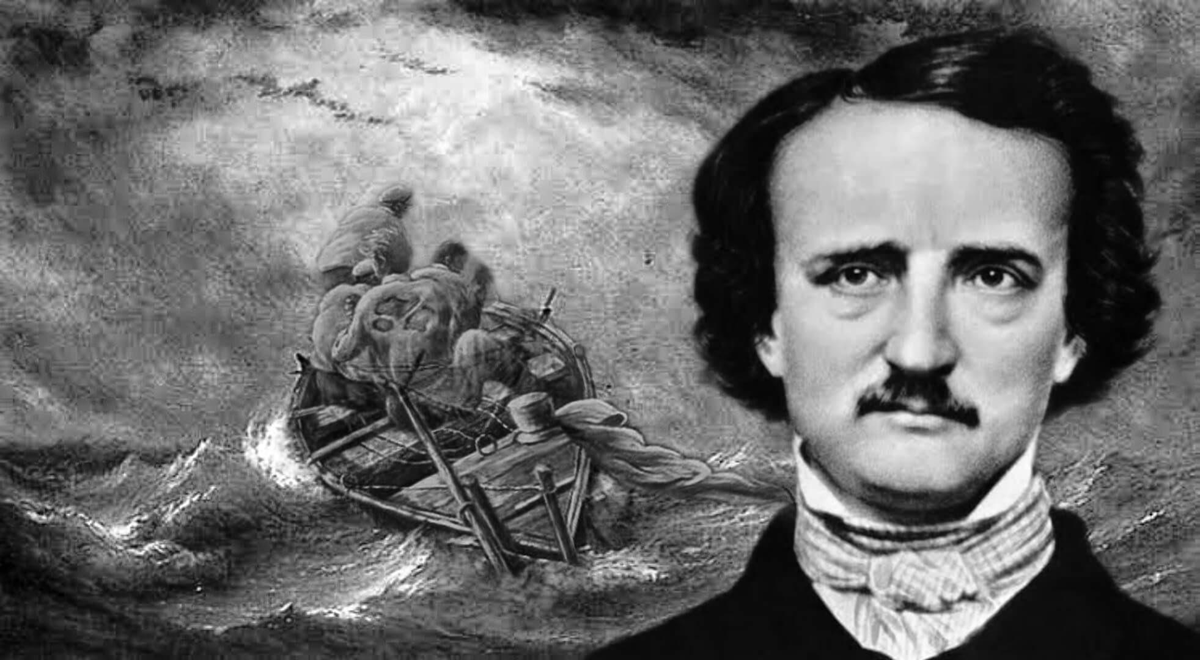
Edgar Allan Poe’s The Narrative of Arthur Gordon Pym of Nantucket includes a grim shipwreck story involving a character named Richard Parker. Decades later, in 1884, a real sailor named Richard Parker was killed and eaten by starving shipmates after the yacht Mignonette sank. The real case happened before the 1900s, but it became a major legal and cultural reference well into the 20th century, partly because the literary echo was so unsettling.
13. The First Moon Landing Happened Right After a Science-Fiction Year
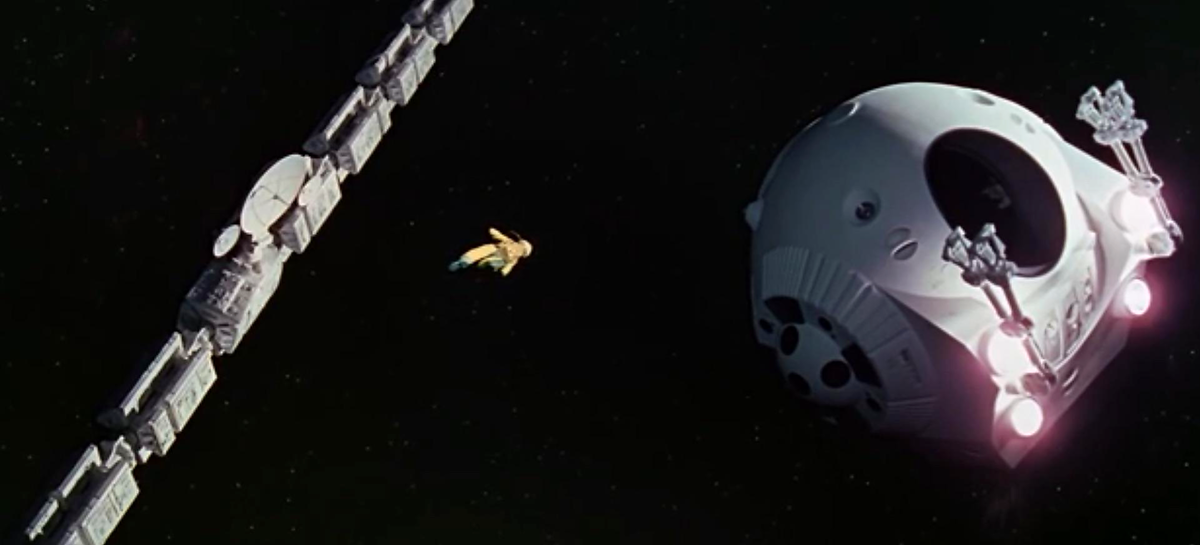
Stanley Kubrick’s 2001: A Space Odyssey reached theaters in 1968, presenting space travel as strange, elegant, and unnervingly near. The very next year, Apollo 11 put Neil Armstrong and Buzz Aldrin on the Moon. The film was not predicting the landing, but the timing made the late 1960s feel like science fiction and real history had briefly stepped into the same room.
14. C. S. Lewis and Aldous Huxley Died the Same Day as JFK
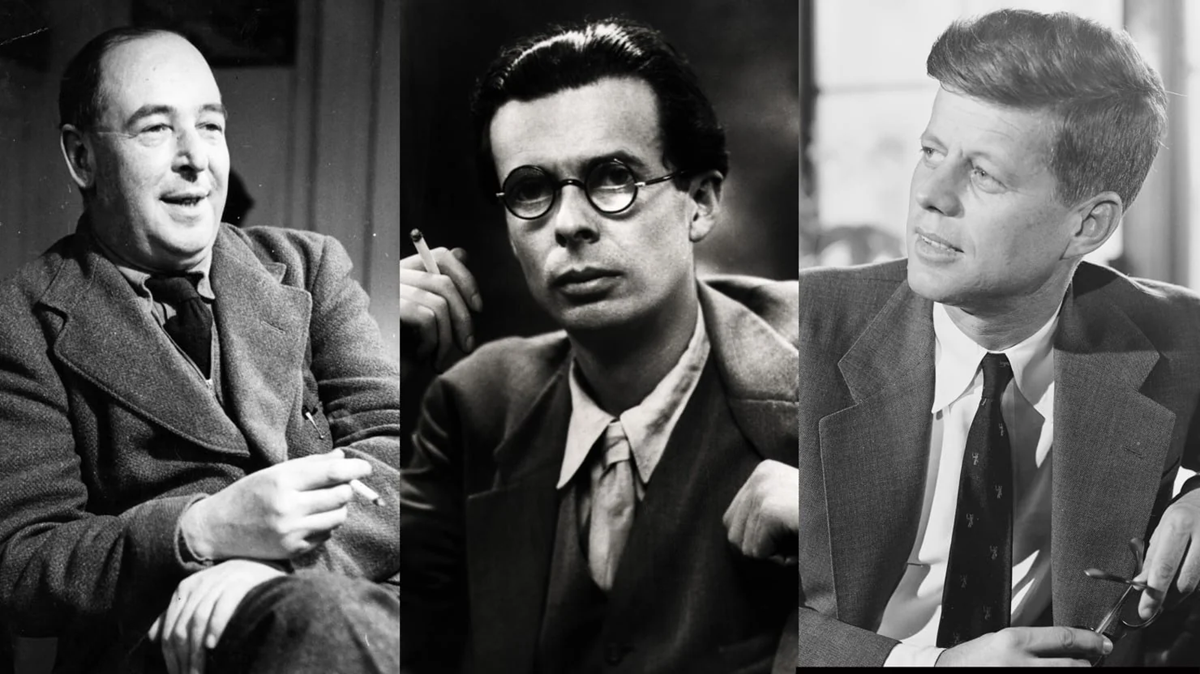
November 22, 1963, is remembered mostly for the assassination of John F. Kennedy in Dallas. But that same day, two major writers also died: C. S. Lewis, author of The Chronicles of Narnia, and Aldous Huxley, author of Brave New World. Their deaths were almost completely overshadowed by the Kennedy news, which makes the date feel strangely crowded in hindsight.
15. Two Presidents Died on the Fourth of July, Then Another Followed Years Later
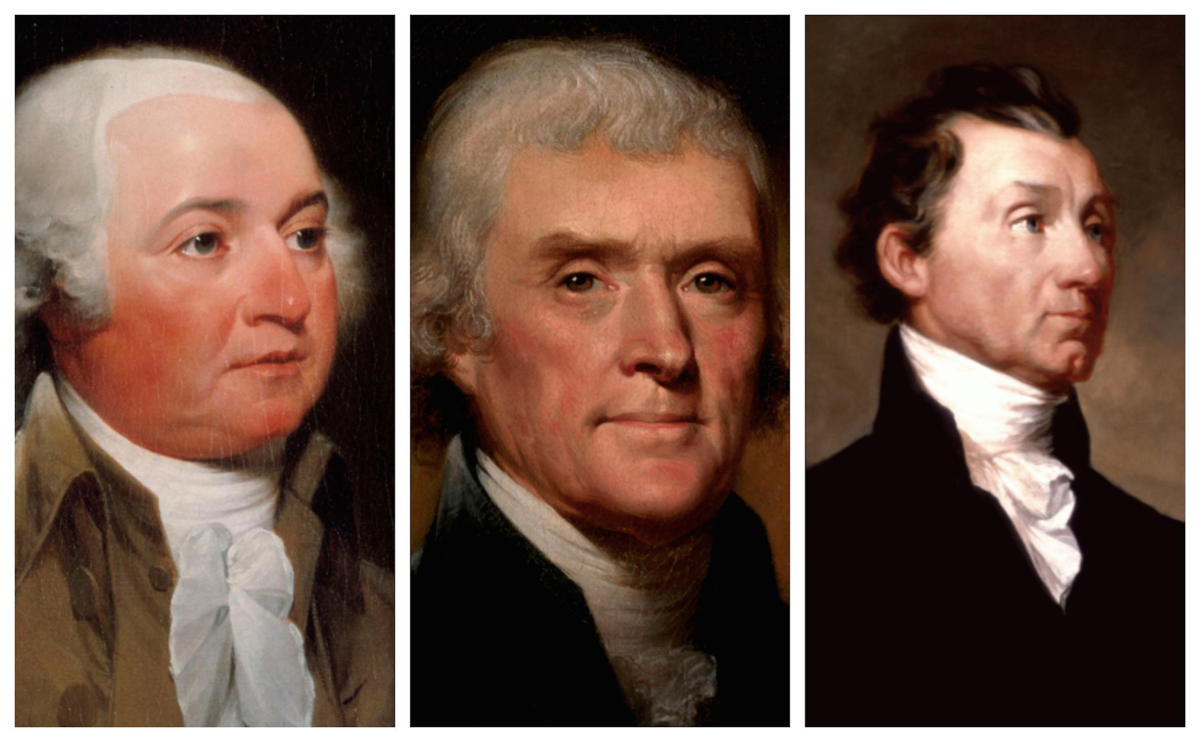
John Adams and Thomas Jefferson both died on July 4, 1826, exactly 50 years after the Declaration of Independence. That was already strange enough. Then James Monroe, another founding-era president, died on July 4, 1831, and the coincidence remained a favorite American historical oddity throughout the 1900s.
16. The “Curse of James Dean’s Car” Started With One Real Crash
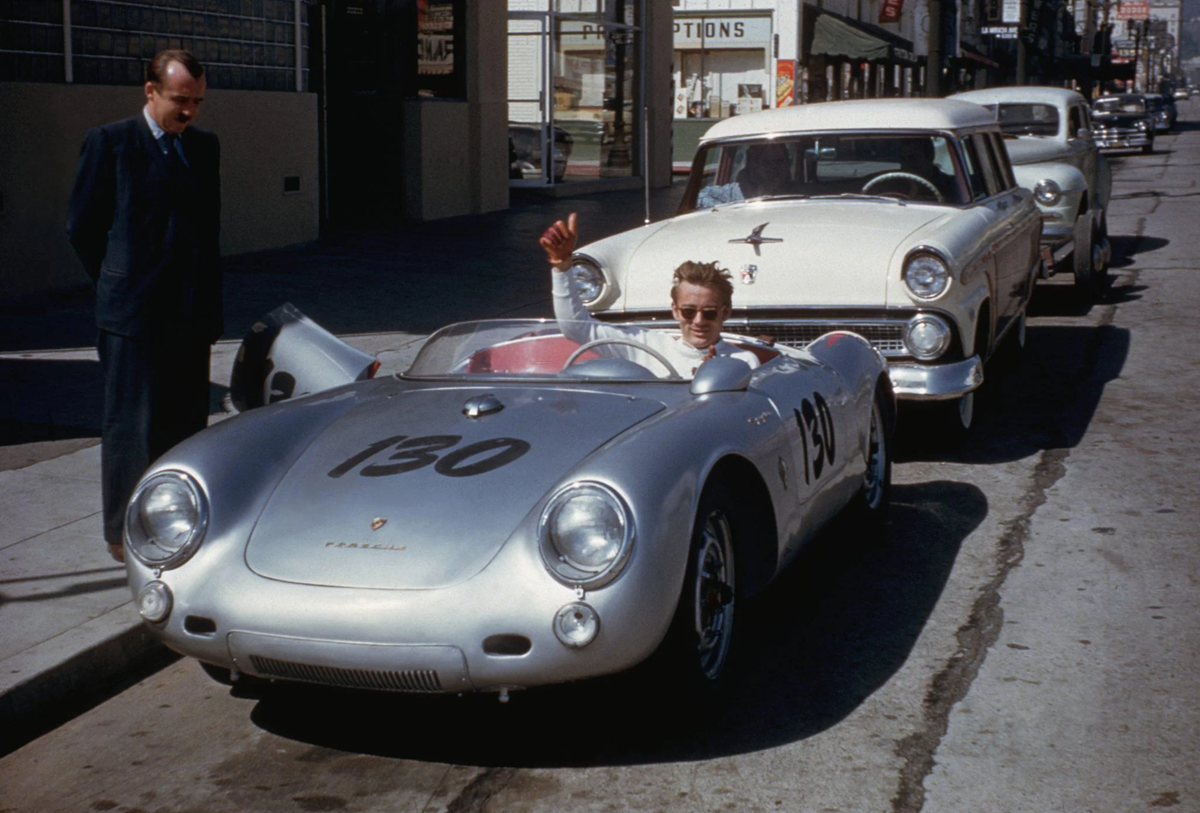
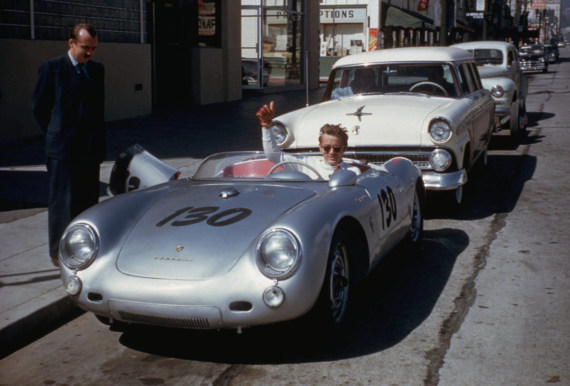
James Dean died in 1955 while driving his Porsche 550 Spyder, a car later nicknamed “Little Bastard.” After the crash, stories spread that parts of the car were involved in other accidents and mishaps. Some of the claims are hard to pin down, but the coincidence of the car’s brief life, Dean’s rising fame, and the strange afterlife of its wreckage made it one of Hollywood’s most persistent eerie stories.
17. The First Cannes Film Festival Was Scheduled for the Day World War II Began
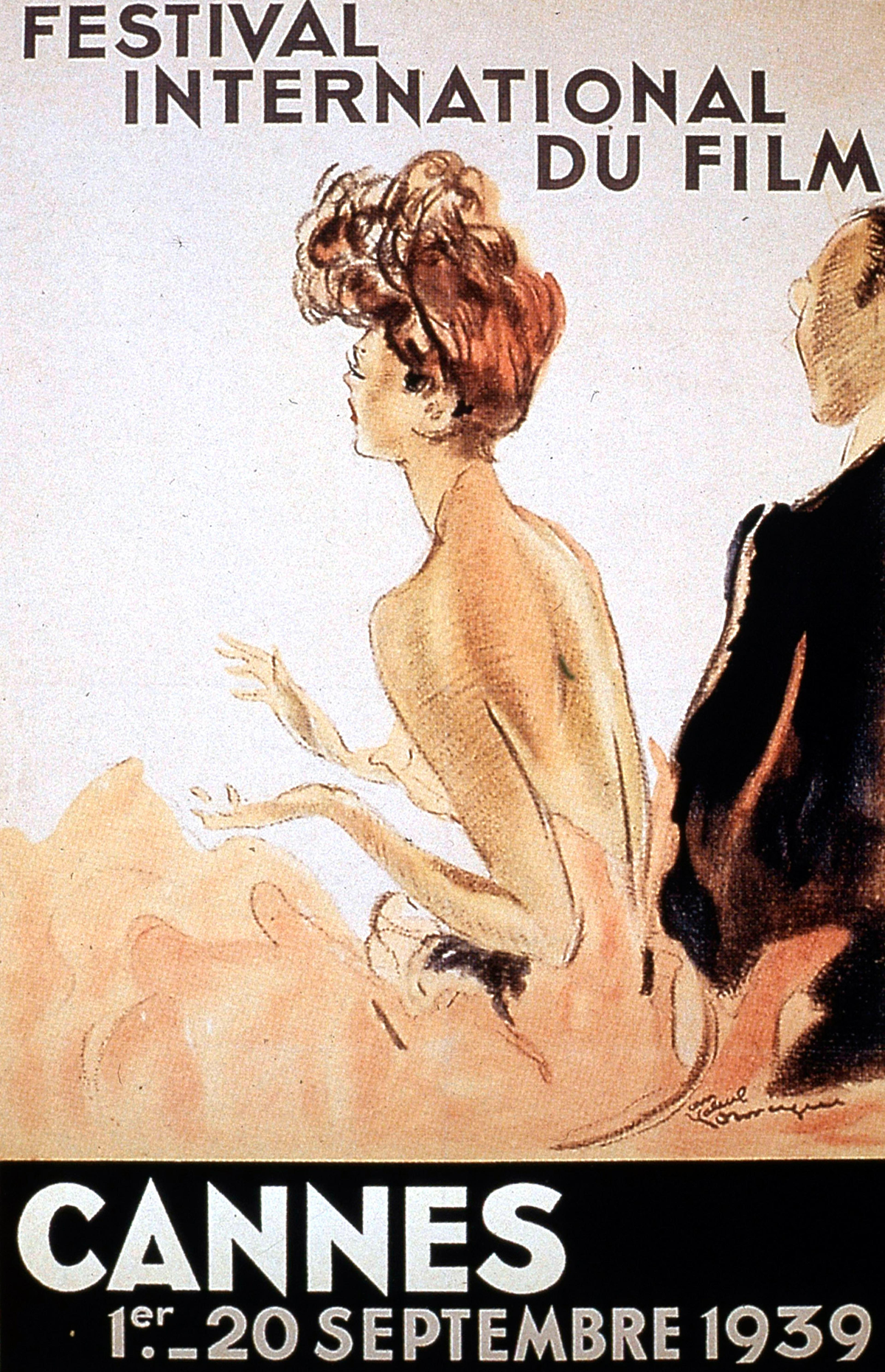
The first Cannes Film Festival was supposed to open on September 1, 1939, as a glamorous alternative to the Venice Film Festival, which had become increasingly shaped by fascist politics. That same day, Germany invaded Poland, and the festival was canceled almost immediately. Cannes would not properly begin until after the war, giving one of cinema’s biggest institutions a strangely dramatic false start.
18. A Man Named Hugh Williams Kept Surviving Shipwrecks
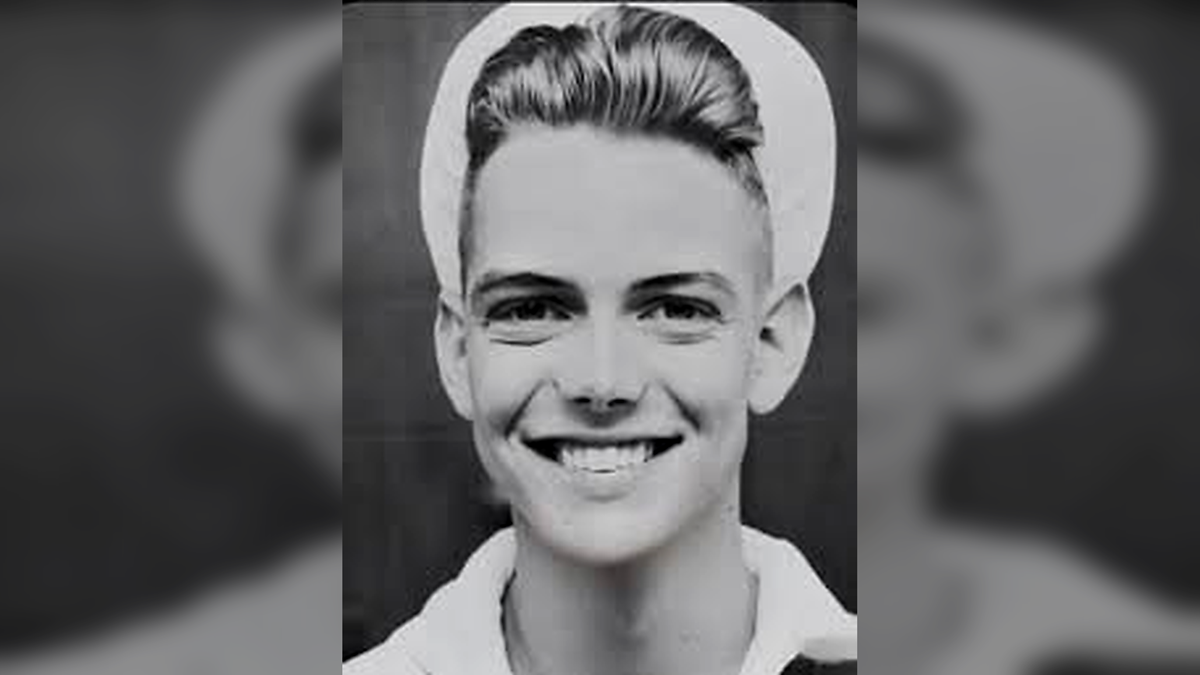
Welsh folklore and newspaper lore have long repeated stories of shipwreck survivors named Hugh Williams, including incidents separated by many decades. The most famous versions involve different wrecks where the lone survivor supposedly had the same name. The details vary depending on the telling, which makes the story slippery, but the repeated name became one of those old coincidences people kept passing around because it was just odd enough to stick.
In the mood for more?
Check out 12 Strange Historical Coincidences That Sound Almost Made Up, or take a look at 14 Unsettling Coincidences in History That Have Never Been Fully Explained. If you want to see more weird history, you can check out 15 Wars That Started Over the Most Absurd Reasons in History.