When we think of the great conflicts that have shaped our world, we usually imagine noble causes, territorial disputes, or grand ideological struggles. However, the history of human combat is also filled with wars that were triggered by events so incredibly trivial they sound like the plot of a dark comedy. From stolen wooden buckets to poorly cooked pastries, these flashpoints prove that when tensions are high and egos are fragile, even the smallest spark can set an entire region ablaze.
It is a sobering thought to realize that thousands of lives have been lost over incidents that could have been resolved with a simple apology or a bit of common sense. These wars serve as a bizarre testament to human pride and the unpredictable nature of international relations throughout the centuries. By examining these absurd origins, we get a fascinating, if somewhat baffling, look at how the course of history can be altered by a stray animal or a misplaced piece of furniture. Let’s dive into the most ridiculous reasons nations have ever decided to take up arms.
1. The War of the Oaken Bucket – 1325
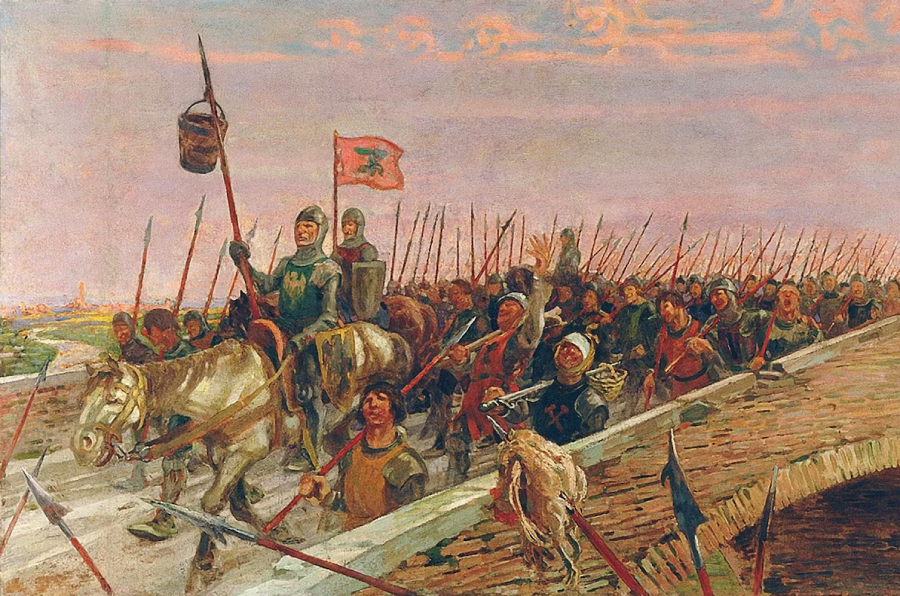
This conflict between the Italian city-states of Modena and Bologna started when a group of soldiers from Modena snuck into Bologna and stole a wooden bucket from a city well. The Bolognese were so insulted by this theft that they declared war to reclaim the object, leading to a massive battle involving thousands of soldiers. Despite the heavy fighting and significant casualties, Modena won the battle and kept the bucket as a trophy of their victory. To this day, the original bucket is still on display in the basement of a bell tower in Modena as a reminder of the strange conflict.
2. The War of the Stray Dog – 1925
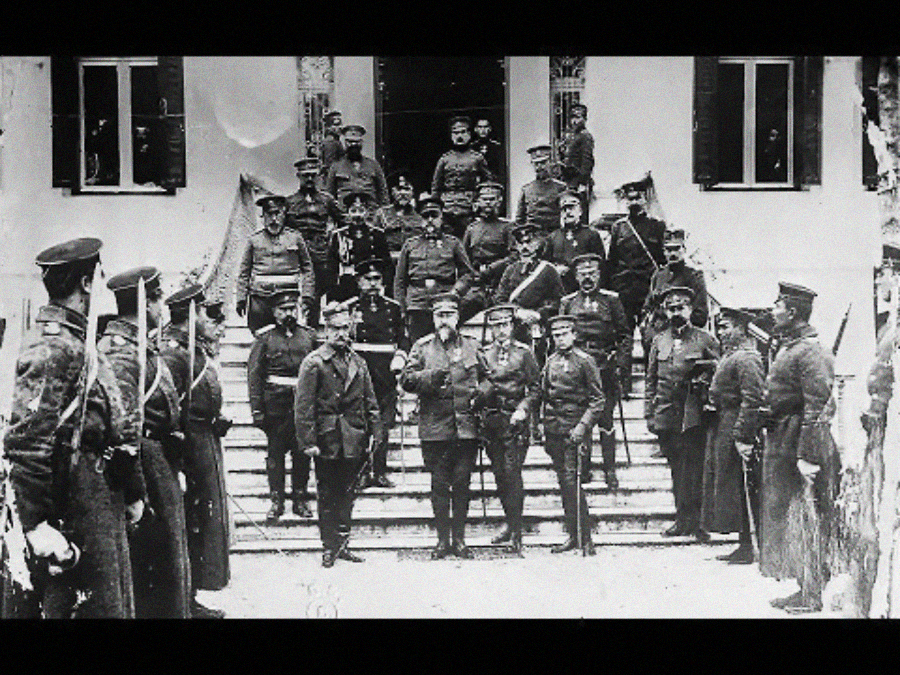
In a moment of peak international tension between Greece and Bulgaria, a simple border incident escalated into a full-scale military invasion. Legend has it that a Greek soldier’s dog ran across the border, and when the soldier chased after it, he was shot by Bulgarian sentries. Greece responded by invading Bulgaria, and the conflict only ended after the League of Nations intervened to settle the dispute. It remains one of the few times in history that a pet’s lack of discipline nearly triggered a much larger regional disaster.
3. The Pastry War – 1838
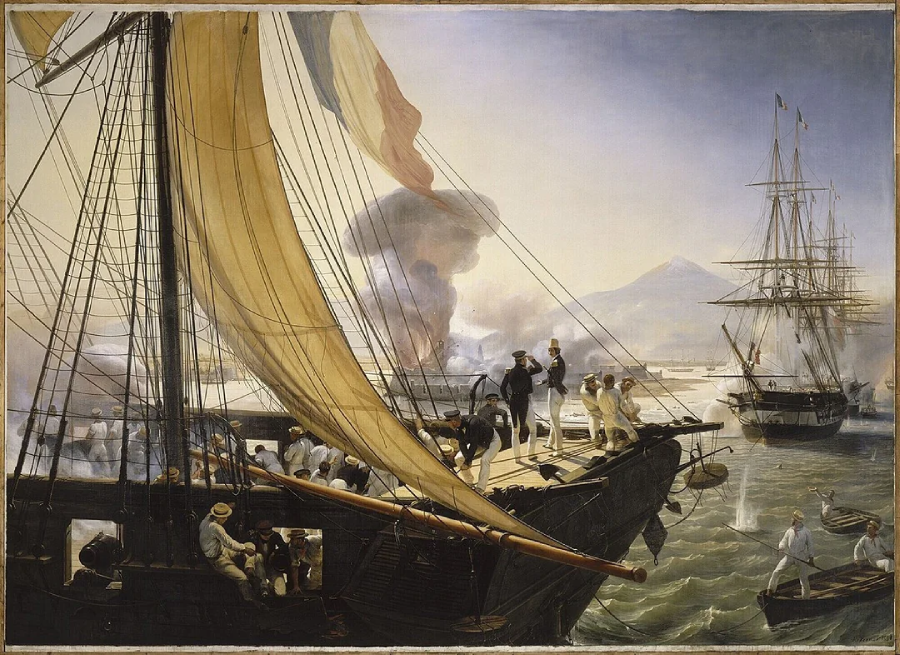
The name of this war is not a metaphor; it actually began because a French pastry chef living in Mexico City claimed his shop had been looted by Mexican officers. When the Mexican government ignored his demands for compensation, the chef appealed to the French King, who used the incident as an excuse to demand a massive payment and blockade Mexican ports. France eventually sent a fleet and invaded Veracruz to defend the honor of the baker and his ruined cakes. The war finally ended when Mexico agreed to pay the damages, making it a very expensive lesson in the importance of protecting small businesses.
4. The War of Jenkins’ Ear – 1739
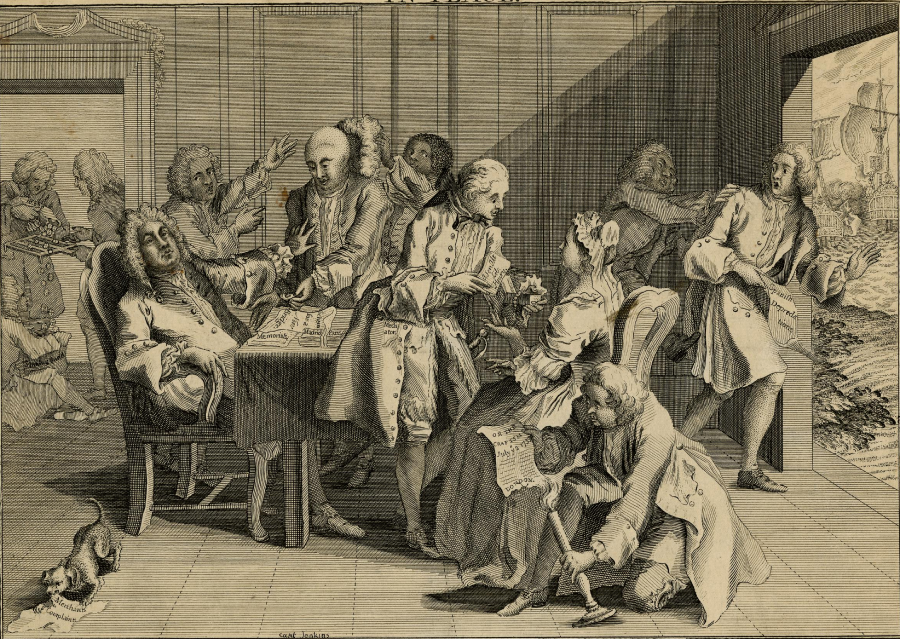
This colonial struggle between Britain and Spain was named after Robert Jenkins, a British merchant captain whose ear was cut off by Spanish coastguards. Years after the incident, Jenkins appeared before the British Parliament and dramatically presented his severed, pickled ear as proof of Spanish cruelty. The public outrage was so intense that it pushed Britain into a war that eventually merged into the larger War of the Austrian Succession. It is a striking example of how a single piece of cartilage can be used as a powerful tool for political propaganda and mobilization.
5. The Pig War – 1859
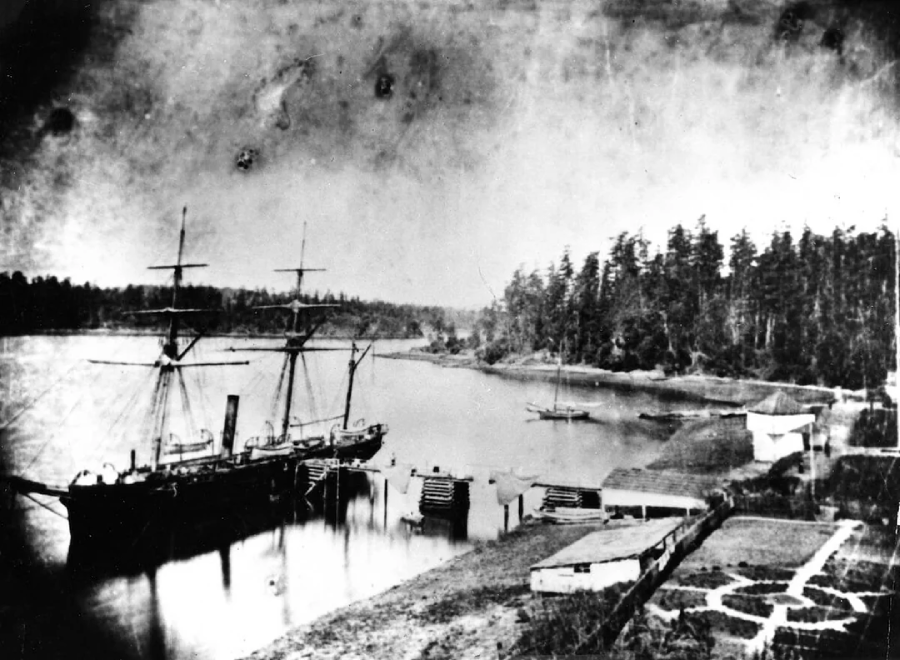
The boundary between the United States and British North America was once nearly redefined because of a black pig belonging to a British settler. The pig wandered onto the land of an American farmer on San Juan Island and ate some of his potatoes, leading the farmer to shoot the animal in frustration. Tensions escalated as both sides called in military reinforcements, resulting in a tense standoff that lasted for several months without a single human casualty. Ultimately, the “war” was settled through arbitration, and the only victim of the entire international incident was the hungry pig.
Trending on The Scroller

6. The Football War – 1969
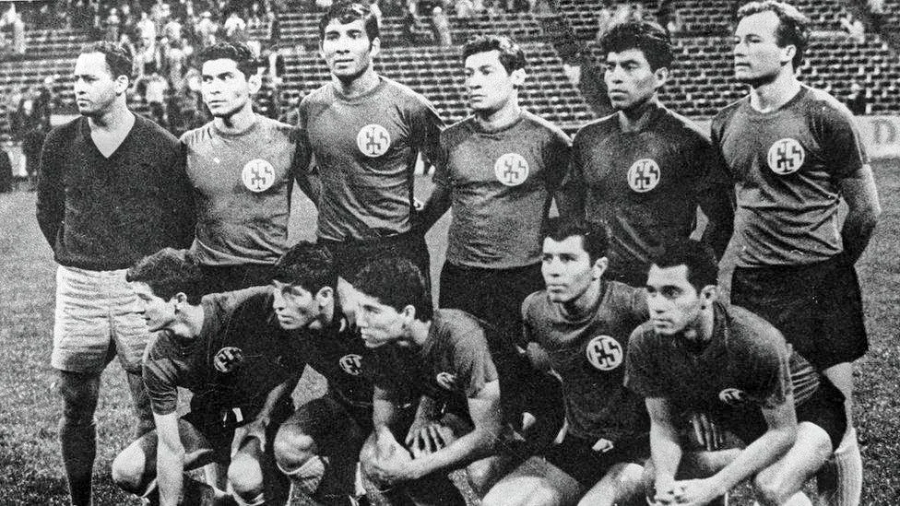
While the underlying tensions involved land reform and immigration, the literal spark for this war between El Salvador and Honduras was a series of intense World Cup qualifying matches. Following riots at the games and the mistreatment of fans, El Salvador launched a military attack against its neighbor just weeks after the final whistle. The conflict lasted only about 100 hours but resulted in thousands of deaths and the displacement of many more. It serves as a tragic reminder of how nationalistic fervor surrounding sports can be manipulated into actual bloodshed.
7. The Kettle War – 1784
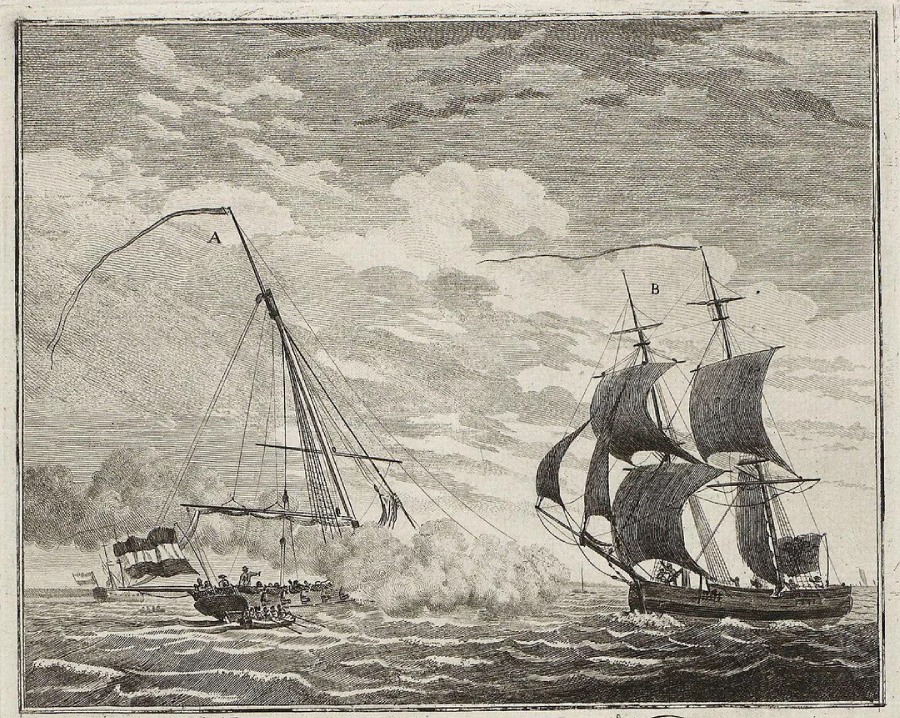
This naval confrontation between the Holy Roman Empire and the Republic of the Seven United Netherlands featured only a single shot being fired. The shot hit a soup kettle on the deck of a Dutch ship, which so intimidated the Imperial crew that they promptly surrendered their vessel. Despite the declaration of war and the movement of fleets, no one was killed, and the entire conflict became a historical punchline. The heavy political posturing of the era was effectively ended by the destruction of a piece of kitchenware.
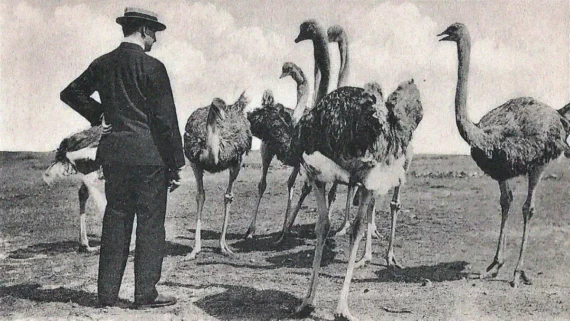
8. The Great Emu War – 1932
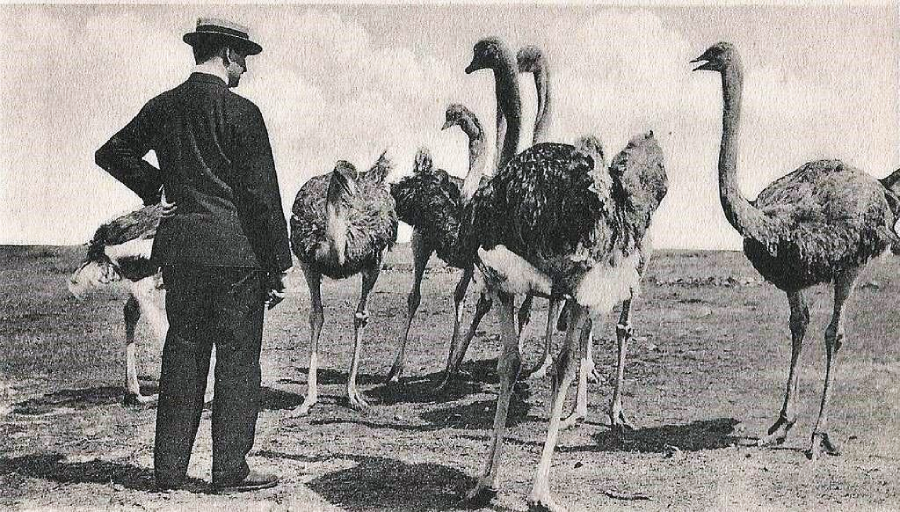
In 1932, the Australian government officially declared war on a population of over 20,000 emus that were destroying wheat crops in Western Australia. The military deployed soldiers armed with Lewis machine guns, expecting a quick and decisive victory over the flightless birds. However, the emus proved to be surprisingly tactical, splitting into small groups and running in zig-zags to avoid fire at speeds of up to 30 miles per hour. Despite firing thousands of rounds of ammunition, the soldiers were unable to make a significant dent in the emu population. Humiliated by the birds’ resilience, the military officially withdrew its troops, leaving the emus as the undisputed victors of the conflict.
Sign up for our newsletter
9. The War of the Golden Stool – 1900
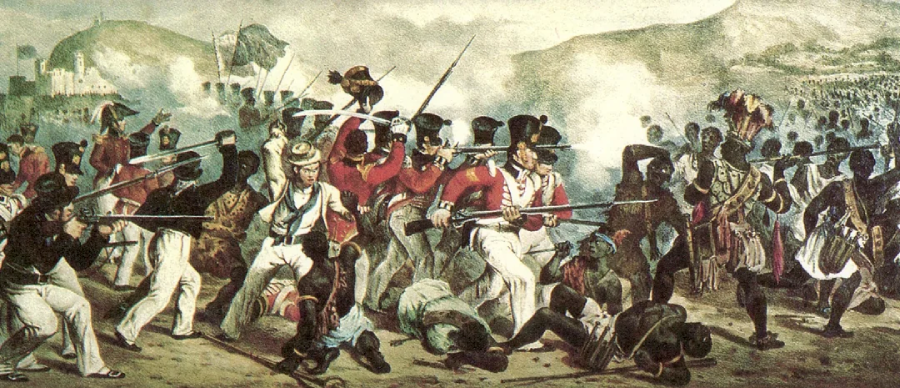
The final war between the British Empire and the Ashanti Empire in modern-day Ghana was caused by a British governor’s demand to sit on a sacred wooden stool. The Golden Stool was believed to house the spirit of the Ashanti nation and was never meant to be sat upon by anyone, including their own king. The governor’s cultural ignorance and arrogance deeply insulted the Ashanti people, who rose up in a massive rebellion to protect their sacred relic. The conflict resulted in heavy losses and demonstrated the high cost of a total lack of cultural sensitivity.
10. The Honey War – 1839
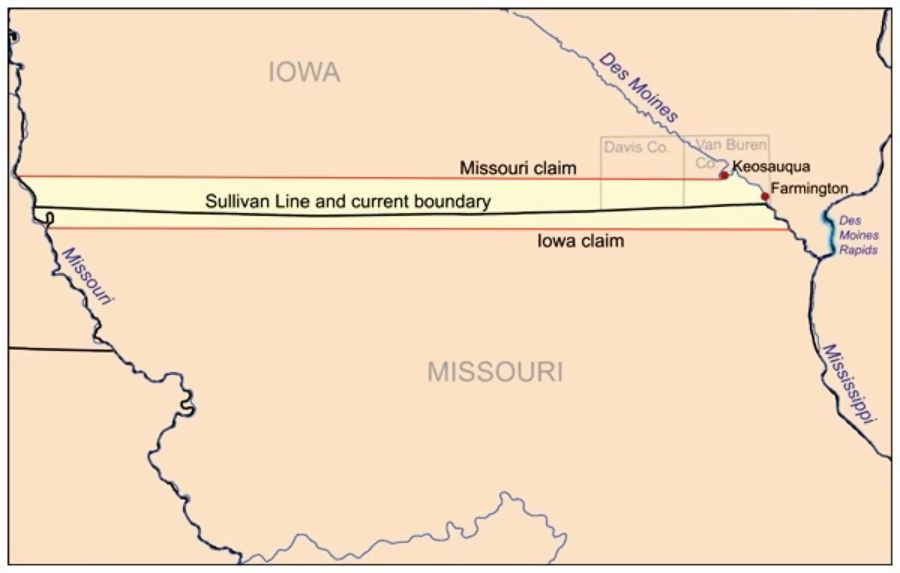
A border dispute between the territories of Iowa and Missouri was nicknamed the “Honey War” because of a skirmish over a few honeybee trees. When Missouri tax collectors tried to claim taxes from settlers in the disputed area, they were chased away, and three prized honey trees were cut down in the chaos. Both sides mobilized their militias, but the armies were mostly composed of farmers armed with pitchforks and bottles of whiskey. Thankfully, a formal court ruling settled the border before any actual battles took place, saving the bees and the people from further grief.
11. The War of the Three Henrys – 1587
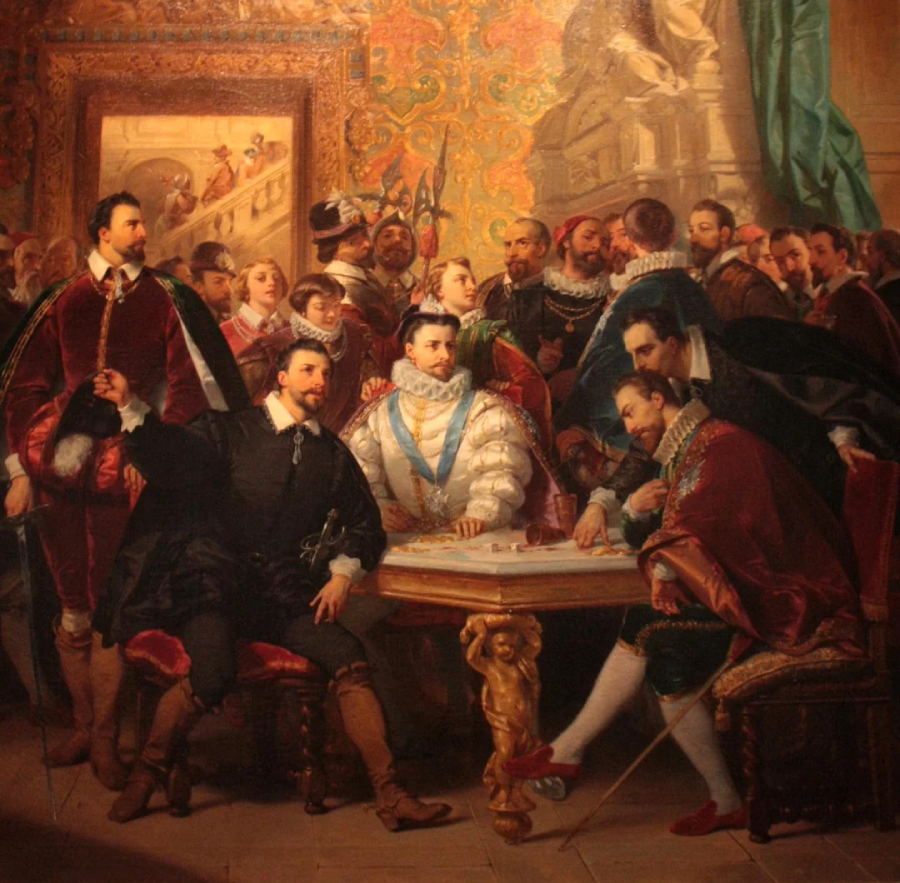
This French civil war sounds like a confusing family reunion because it was fought between three different men all named Henry. Henry III of France, Henry of Navarre, and Henry of Guise all vied for power and influence in a messy, multi-sided conflict. The similarity of their names made contemporary accounts of the war incredibly confusing to follow for anyone not directly involved. It was a brutal struggle for the throne that eventually ended with only one Henry left standing to become the King of France.
12. The Flagstaff War – 1845
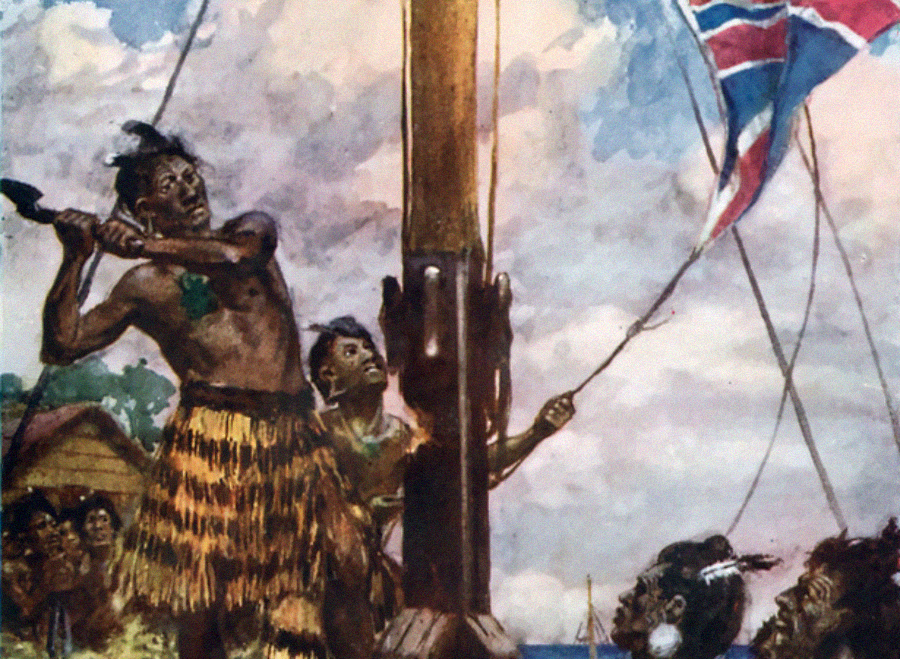
In New Zealand, a Maori chief named Hone Heke grew so frustrated with British colonial rule that he repeatedly chopped down the British flagstaff in the town of Kororareka. Every time the British put the pole back up, Heke would return under the cover of night to chop it down again, viewing it as a symbol of lost sovereignty. This cycle of wooden destruction eventually escalated into a series of armed battles between Maori forces and the British military. It is a fascinating case where a simple wooden pole became the primary battleground for a nation’s identity.
13. The Aroostook War – 1838
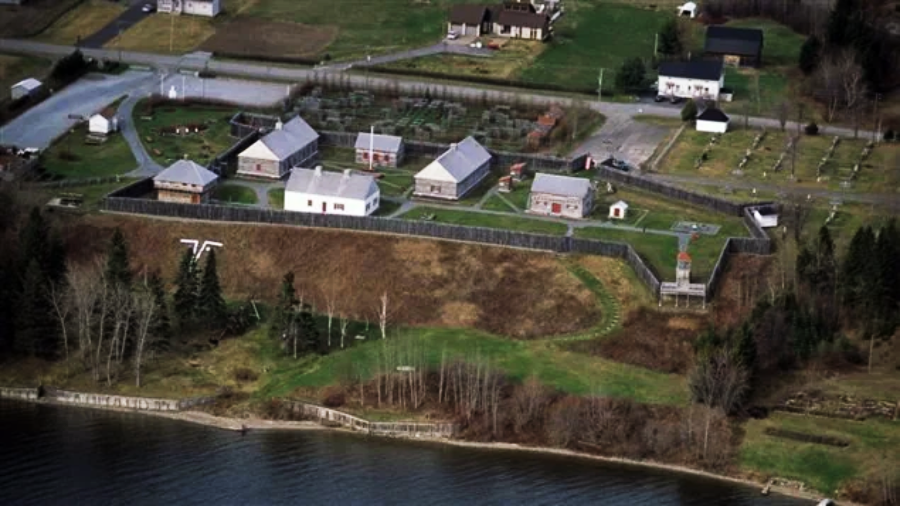
Often called the Pork and Beans War, this was a bloodless international dispute between the U.S. and Britain over the border between Maine and New Brunswick. The conflict was sparked by rival lumberjacks cutting trees in the disputed territory, leading to the mobilization of thousands of troops. While the soldiers sat in the woods eating their rations (hence the nickname), diplomats eventually settled the line with a pen rather than a sword. The only casualties were a few people injured by accidents and a few farm animals caught in the crossfire.
14. The 335 Years’ War – 1651 to 1986
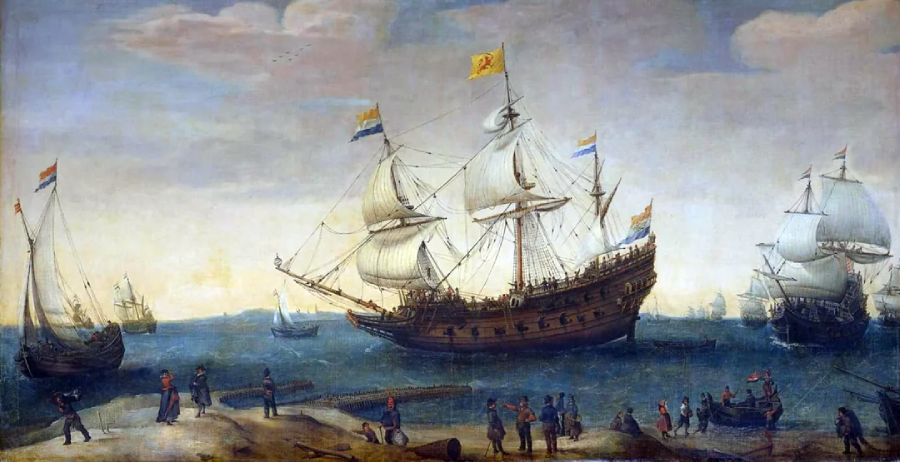
This is technically the longest war in history, fought between the Netherlands and the Isles of Scilly, yet not a single shot was ever fired. The war began during the English Civil War when the Dutch declared war on the tiny islands, but they simply forgot to sign a peace treaty when the larger conflict ended. For over three centuries, the two remained technically at war until a historian pointed out the oversight in the 1980s. A Dutch ambassador finally traveled to the islands to sign a peace treaty, officially ending three hundred years of hostilities that no one remembered having.
15. The Beaver Wars – 17th Century
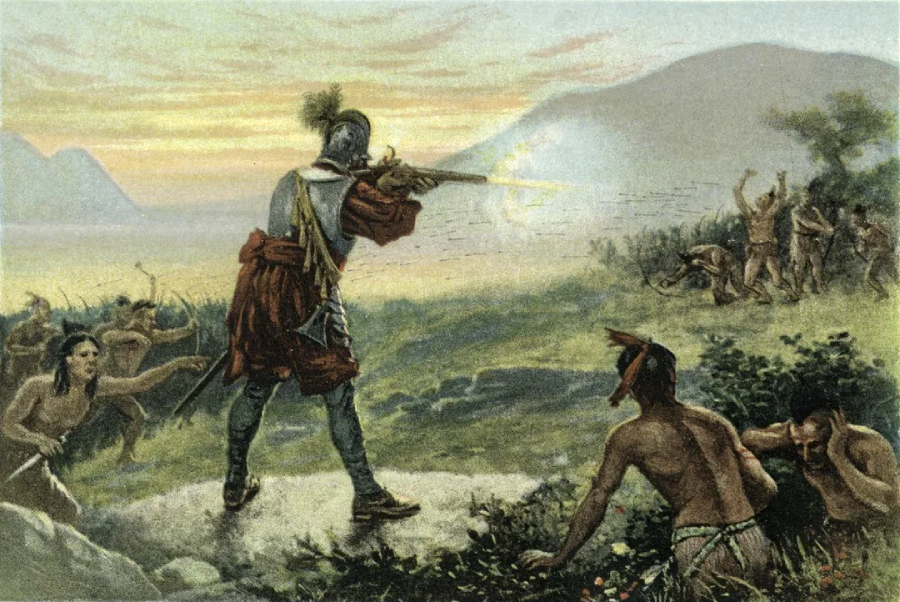
While it sounds like a cartoon, these were a series of brutal and bloody conflicts in North America fought primarily over the control of the fur trade. The Iroquois Confederacy sought to expand its territory to keep up with the European demand for beaver pelts, which were used to make fashionable hats in London and Paris. The intense pressure of the global fashion market led to the displacement of entire tribes and permanent changes to the geography of the continent. It is one of history’s most tragic examples of how a trend in high-society clothing can lead to widespread devastation.
Want to know more interesting historical facts?
The sheer absurdity of these wars serves as a stark reminder that history is often driven by human emotion and misunderstanding rather than logic. It’s a humbling thought that something as small as a wooden bucket or a stray pig could change the destiny of thousands. If you enjoyed this dive into the weirder side of history, be sure to explore these 20 Historical Figures Betrayed by Their Closest Allies, or 15 Shocking and Unexpected Deaths That Changed History. You may also enjoy these 18 Historical Facts That Sound Fake Until You Check Them.