
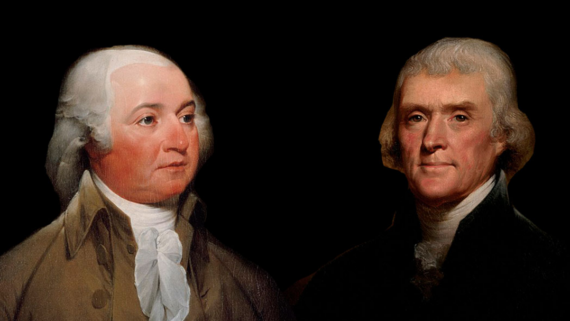
History is full of unlikely meetings, repeated dates, and small details that seem written for a novel rather than real life. Some coincidences become less mysterious once the surrounding context is explained, but that does not make them any less strange. Others involve people whose lives crossed years before anyone understood the significance. These 12 stories are documented examples of history arranging itself in unusually neat patterns.
1. John Adams and Thomas Jefferson Died on the Same Fourth of July
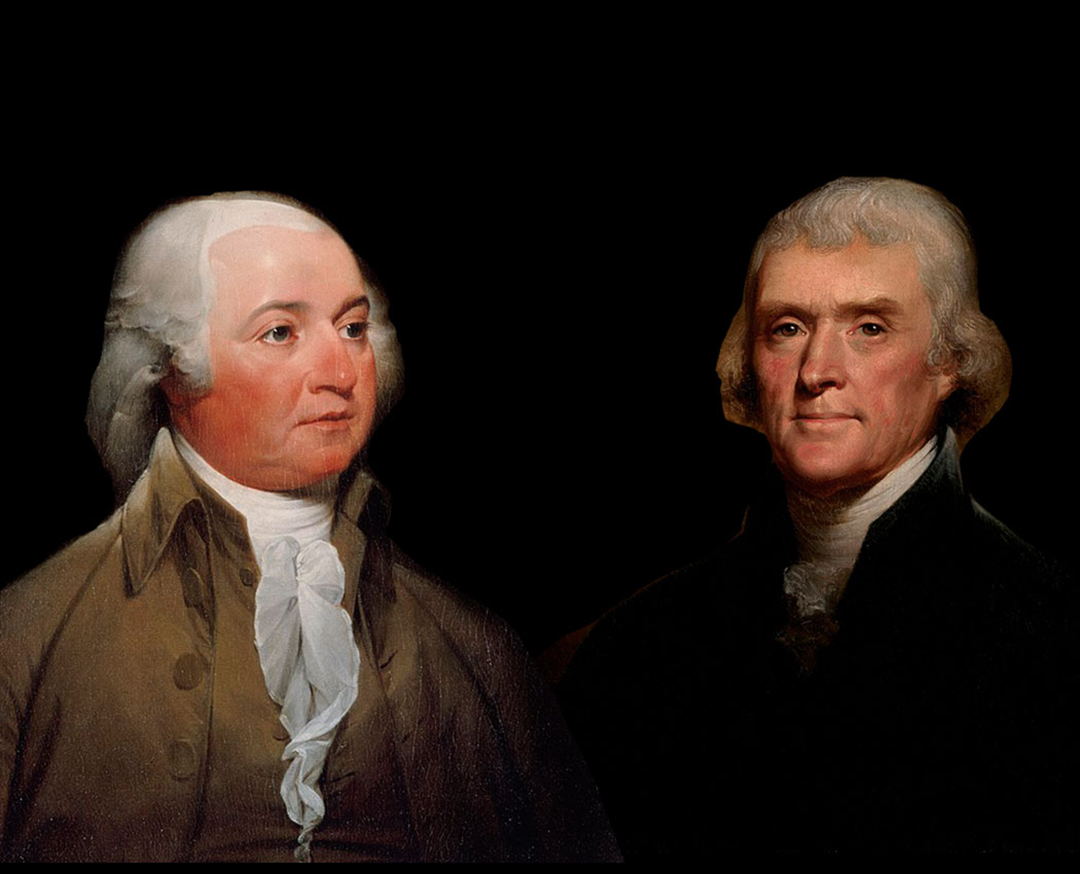
John Adams and Thomas Jefferson had been allies during the American Revolution, political rivals in the early republic, and eventually close friends again through years of correspondence. Both men died on July 4, 1826, within hours of each other. The date happened to be the 50th anniversary of the Declaration of Independence, the document Jefferson drafted, and Adams helped champion. Five years later, President James Monroe also died on July 4, making him the third U.S. president to die on Independence Day.
2. Mark Twain Arrived and Left With Halley’s Comet

Mark Twain was born in November 1835, during the year Halley’s Comet appeared in the sky. When the comet was due to return in 1910, the writer remarked that he expected to “go out with it” and would be disappointed if he did not. Twain died on April 21, 1910, one day after the comet reached perihelion, its closest point to the Sun. He did not die on the exact night of its most visible appearance, as the story is sometimes told, but the timing was still remarkably close.
3. Abraham Lincoln and Charles Darwin Shared a Birthday
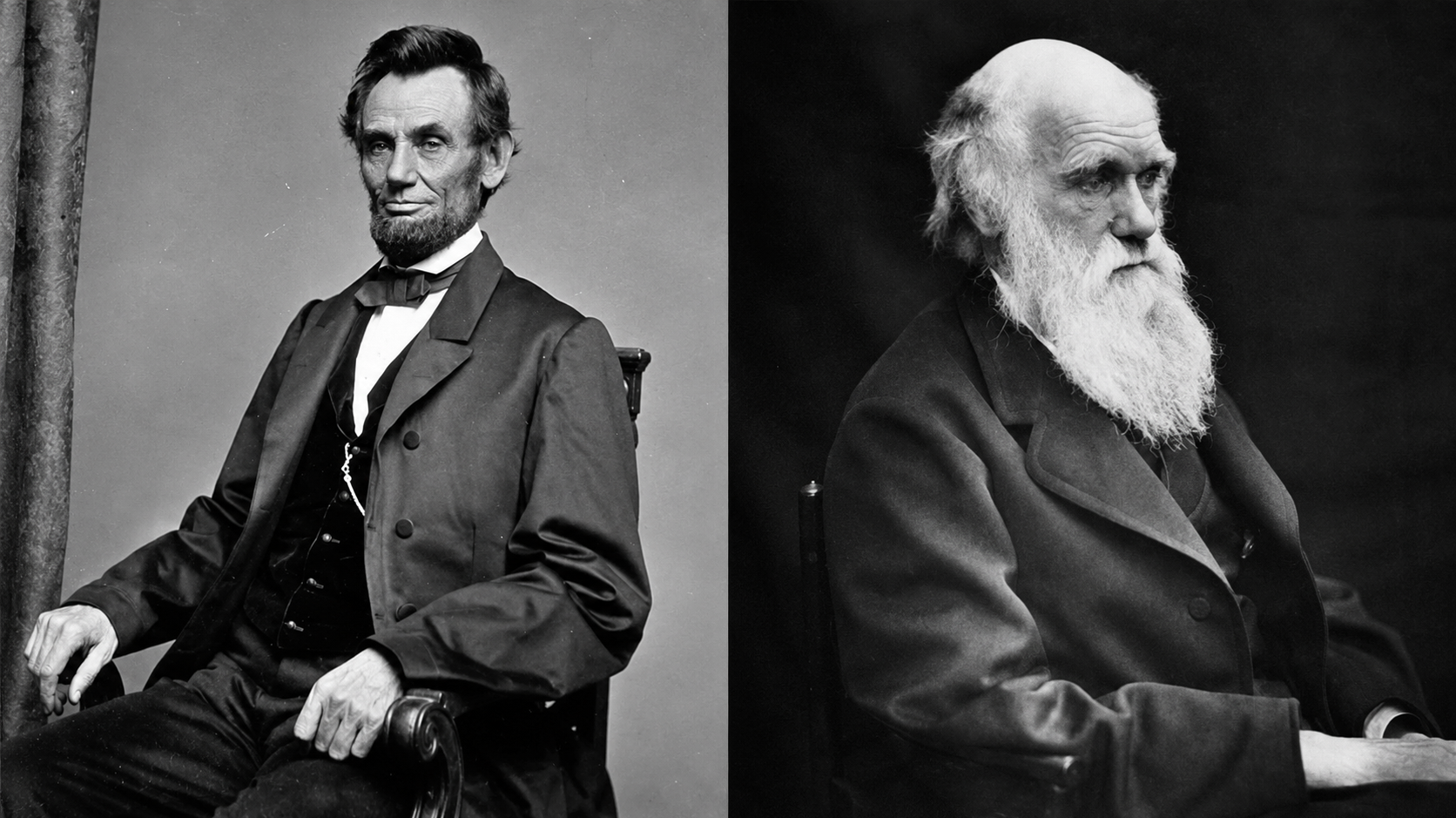
Two men who would reshape very different parts of the 19th century were born on the same day: February 12, 1809. Abraham Lincoln was born in a log cabin in Kentucky, while Charles Darwin was born into a wealthy family in Shrewsbury, England. One became the U.S. president most closely associated with ending slavery, and the other transformed biology with his work on evolution. Their lives never crossed, but their names now appear together in countless discussions about the people who defined their century.
4. John Wilkes Booth’s Brother Saved Lincoln’s Son
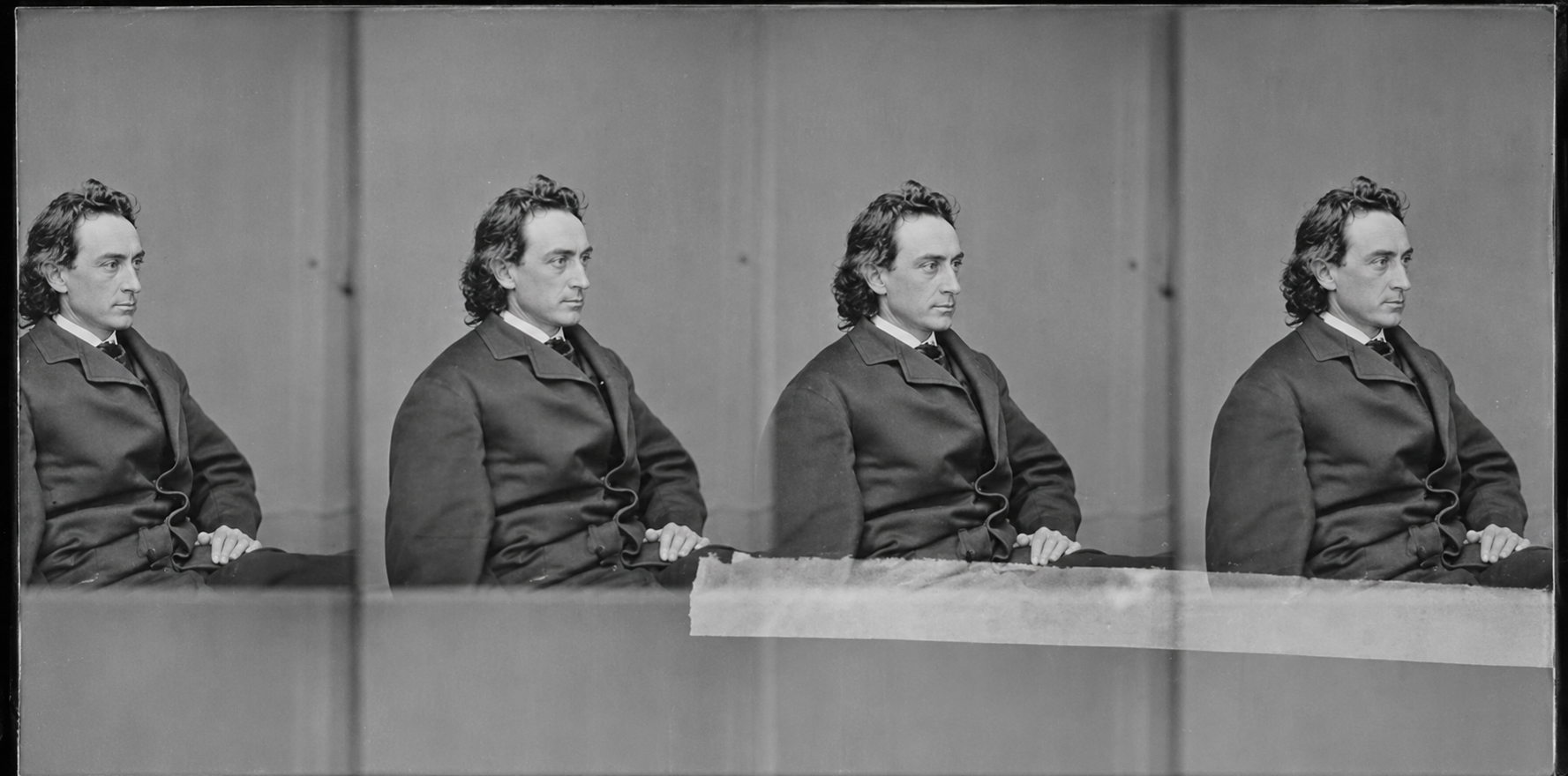
Before John Wilkes Booth assassinated Abraham Lincoln, Booth’s older brother Edwin had an unexpected encounter with Lincoln’s eldest son, Robert. At a crowded train platform in Jersey City, Robert Todd Lincoln lost his footing and fell into the narrow space between the platform and a moving train. Edwin Booth grabbed him by the collar and pulled him to safety. Robert recognized the famous actor immediately, but Booth apparently learned the identity of the young man he had saved only later, when a Union officer sent him a letter of thanks.
5. Robert Todd Lincoln Was Connected to Three Presidential Assassinations
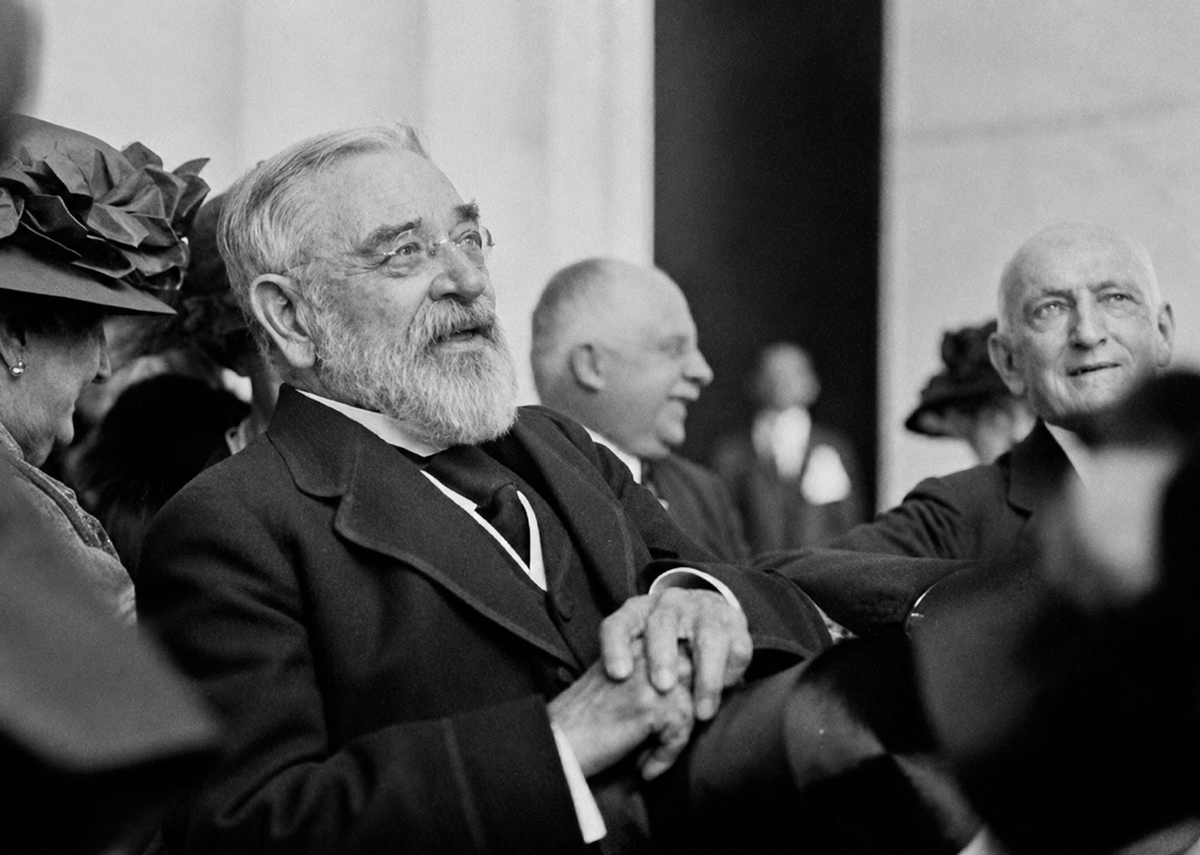
Robert Todd Lincoln was at his father’s bedside when Abraham Lincoln died in April 1865. Sixteen years later, while serving as Secretary of War, he was present at the Washington train station where President James Garfield was shot. Then, in 1901, he arrived in Buffalo shortly after President William McKinley was attacked at the Pan-American Exposition and visited the wounded president before his death. Robert reportedly became reluctant to accept presidential invitations after noticing the disturbing pattern.
Trending on The Scroller


6. A Novel Described a Titanic-Like Disaster 14 Years Early
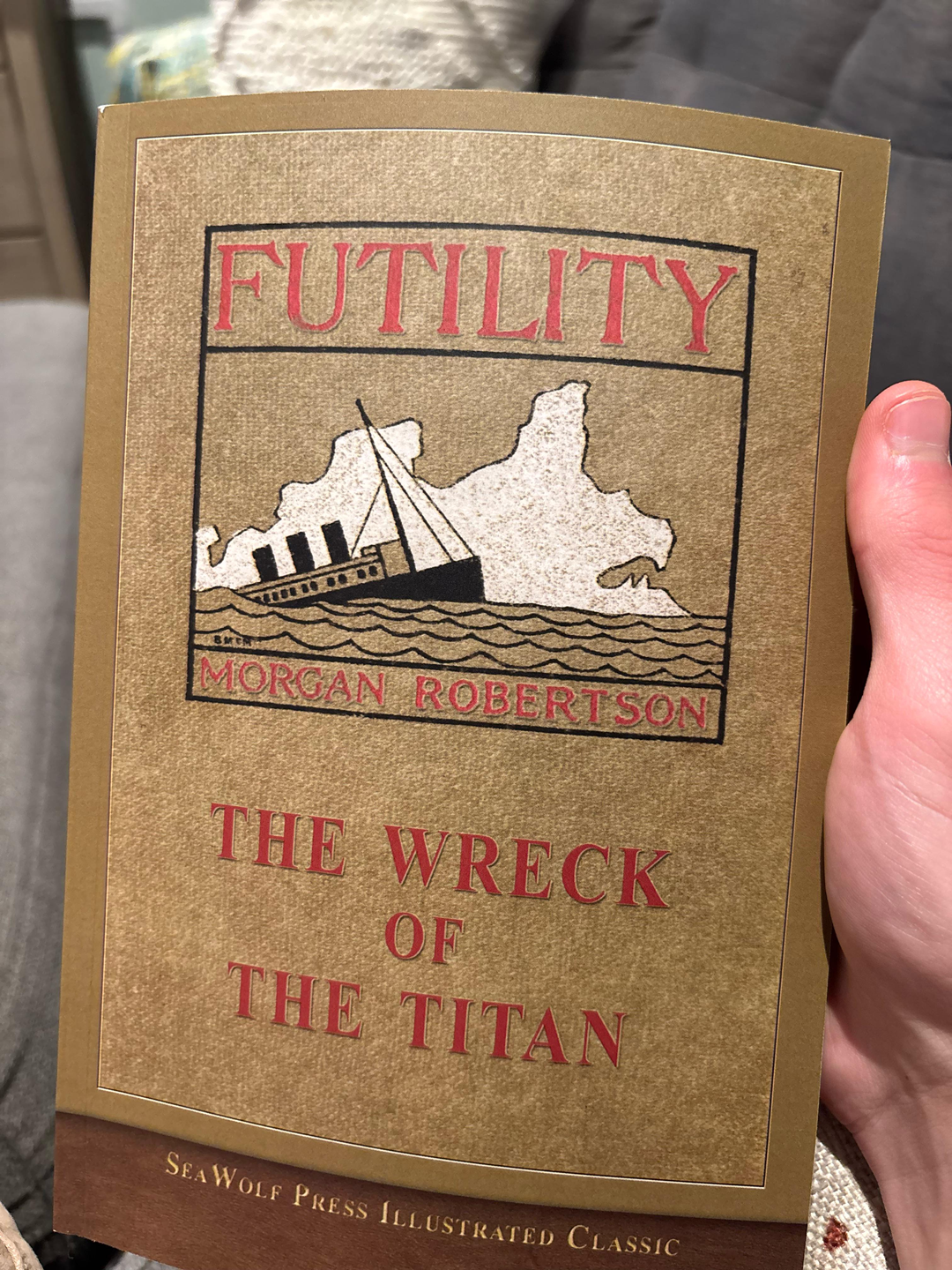
In 1898, writer Morgan Robertson published a novella called Futility about a huge passenger liner named Titan. The fictional ship was considered nearly unsinkable, carried too few lifeboats, and struck an iceberg in the North Atlantic during an April voyage. Fourteen years later, the Titanic sank under broadly similar circumstances. Some numerical comparisons became exaggerated after Robertson’s book was revised and republished, but the original parallels are real enough without embellishment.
7. Two Different Dennis the Menace Comics Appeared on the Same Day
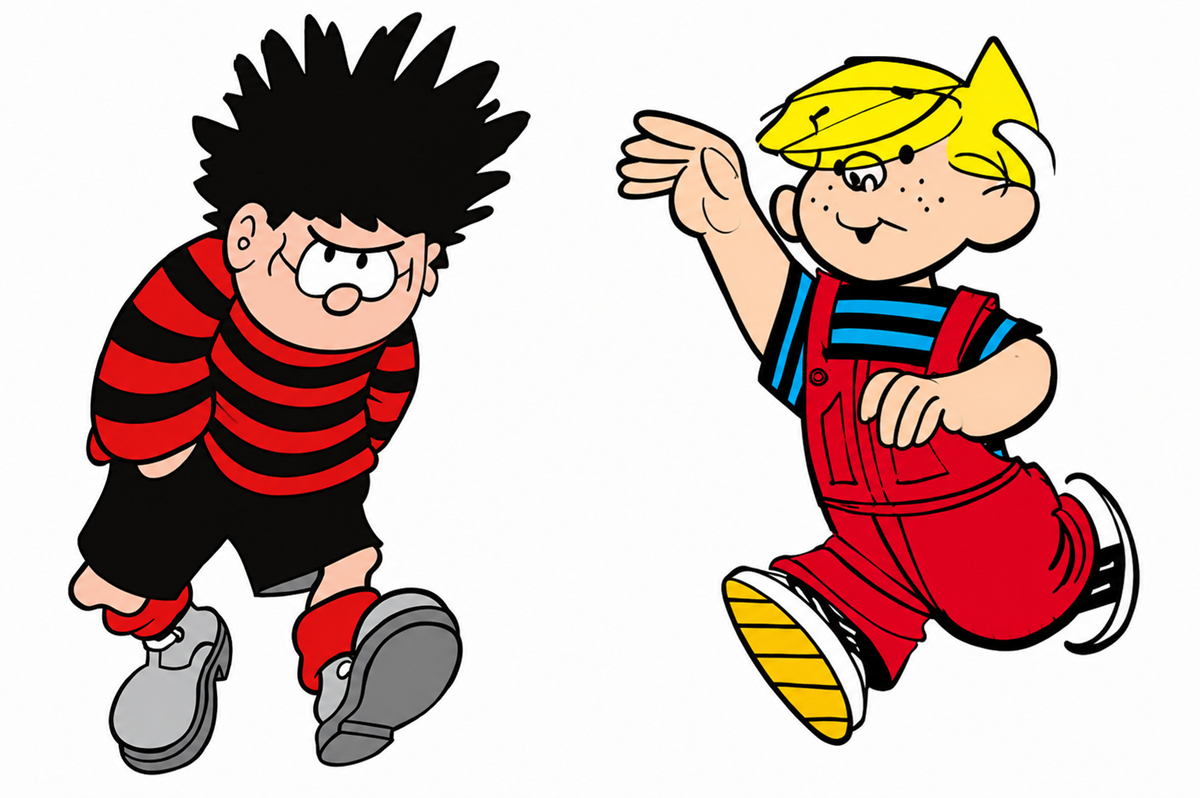
On March 12, 1951, American newspapers introduced Hank Ketcham’s Dennis the Menace, a mischievous blond child inspired by Ketcham’s son. That same day in Britain, an unrelated troublemaking boy called Dennis the Menace appeared in The Beano. The creators were working independently on opposite sides of the Atlantic and had designed very different characters. Neither team knew that the other Dennis existed until both had already reached readers.
8. Apollo 13 Had an Uncomfortable Number of Thirteens

Apollo 13 launched on April 11, 1970, at 2:13 p.m. Eastern time, or 13:13 when written using a 24-hour clock in the launch site’s local standard time. Two days later, on April 13, an oxygen tank exploded and forced NASA to abandon the planned Moon landing. The repeated number had no connection to the mechanical failure, but it gave an already tense mission an oddly superstitious detail. All three astronauts returned safely to Earth on April 17.
Sign up for our newsletter
9. A Father and Son Died at Hoover Dam on the Same Date
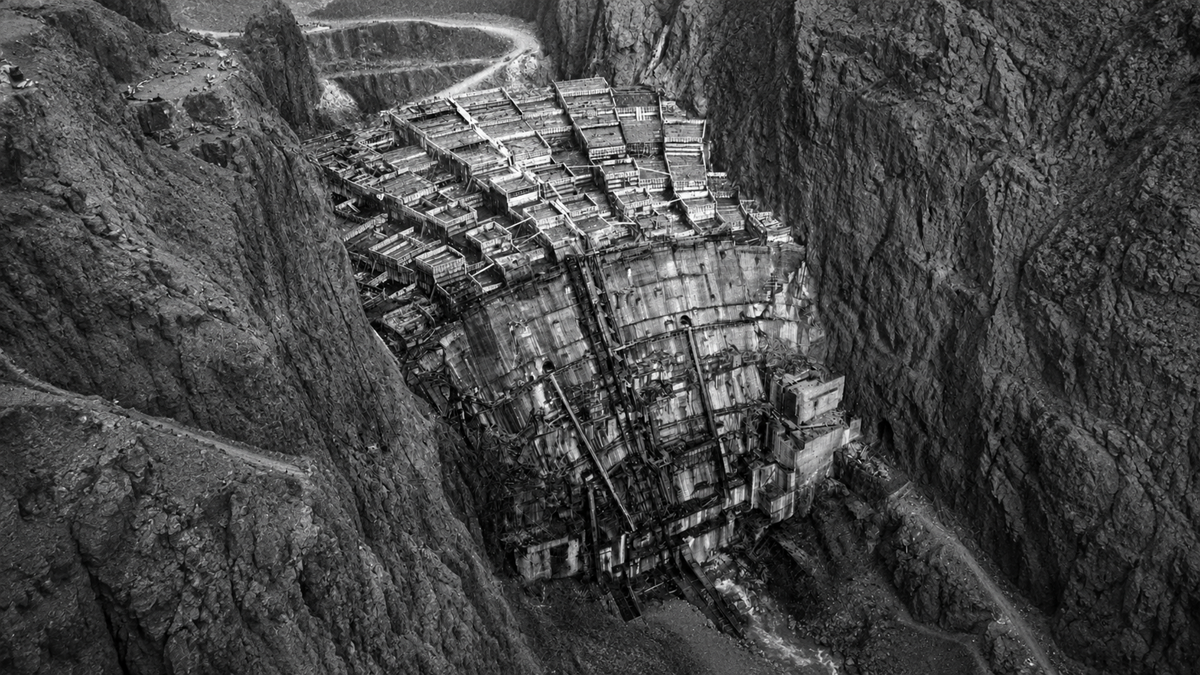
On December 20, 1922, surveyor J. G. Tierney drowned in the Colorado River while working on preliminary investigations for what would become Hoover Dam. His son, Patrick Tierney, later joined the construction workforce. On December 20, 1935, Patrick fell from one of the dam’s intake towers and died. Newspaper reports immediately noted that father and son had been killed in connection with the same project exactly 13 years apart.
10. The First and Last British Soldiers Killed on the Western Front Share a Cemetery
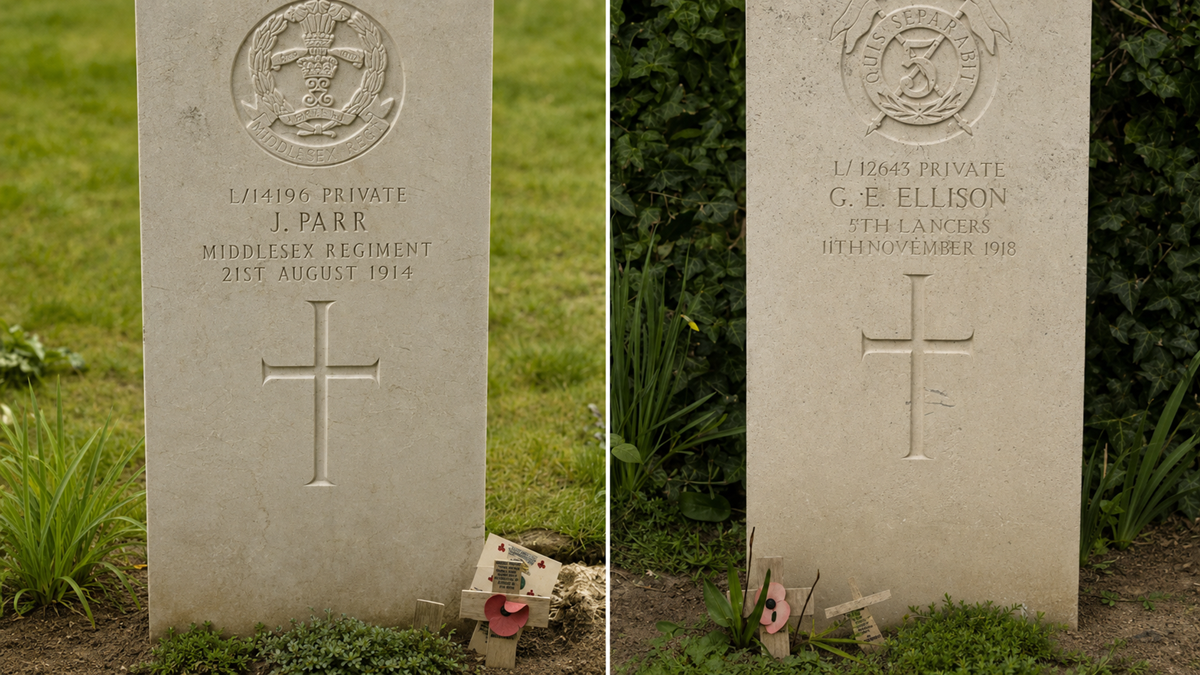
Private John Parr is generally recognized as the first British soldier killed on the Western Front during World War I. Private George Ellison was among the last, dying on November 11, 1918, shortly before the armistice took effect. Both men are buried at St. Symphorien Military Cemetery near Mons, Belgium. Their graves face each other across a small stretch of grass, creating a quiet and unplanned symmetry between the beginning and end of the conflict.
11. Stephen Hawking’s Life Was Framed by Two Famous Scientific Dates

Stephen Hawking was born on January 8, 1942, exactly 300 years after the death of Galileo Galilei. He died on March 14, 2018, which was Albert Einstein’s birthday. March 14 is also celebrated by mathematics enthusiasts as Pi Day because the date is written 3/14 in the United States. None of those connections affected Hawking’s work, but they form a strangely appropriate set of dates for one of the best-known physicists of the modern era. His remains now rest between the graves of Isaac Newton and Charles Darwin, in a section of Westminster Abbey known as “Scientists’ Corner.”
12. One Man Experienced Both Atomic Bombings
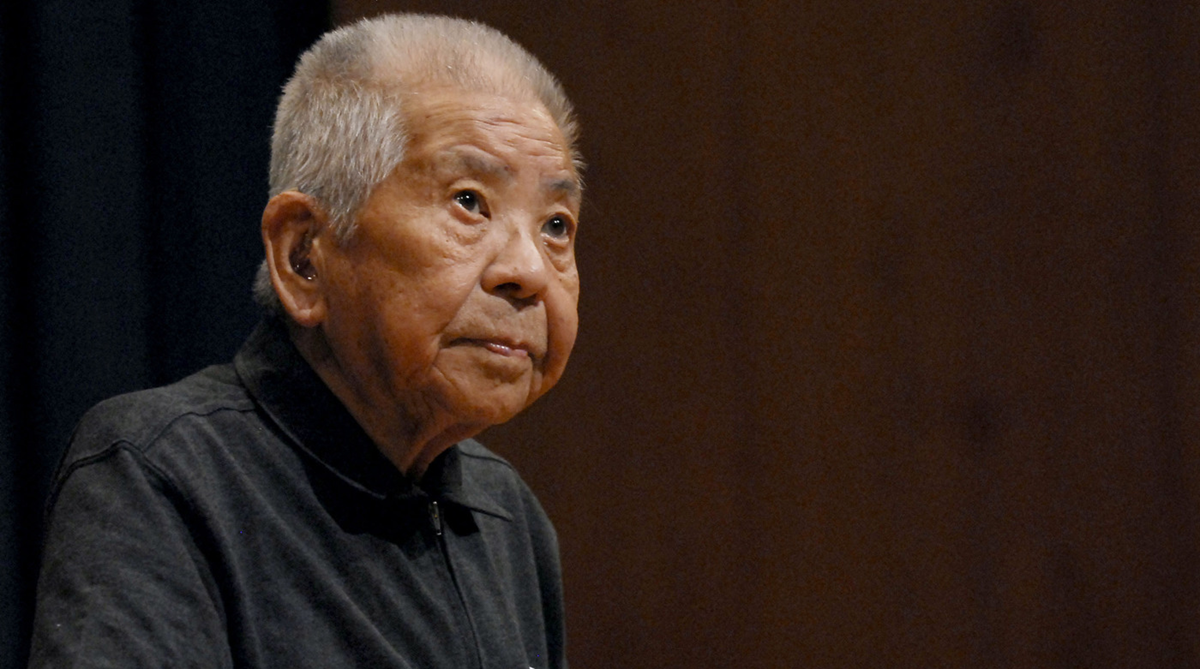
Tsutomu Yamaguchi was on a business trip in Hiroshima when the first atomic bomb exploded on August 6, 1945. Injured but alive, he returned home to Nagasaki and reported for work three days later. He was describing the Hiroshima attack to his supervisor when the second bomb exploded over Nagasaki. Yamaguchi survived again and lived until 2010, eventually becoming the only person officially recognized by the Japanese government as having survived both bombings.
In the mood for more?
Check out 10 Crazy Coincidences That Make Life Feel Like The Matrix, or take a look at 20 Real Facts That Sound Like They Were Made Up in a Bar. If you want to see more unusual history, you can check out 10 Translation Mistakes That Quietly Bent the Course of History