
Some ancient societies left behind palaces, tools, carvings, roads, temples, and entire abandoned cities, but not a clear explanation for why they faded away. In some cases, people moved slowly over generations. In others, a once-busy place seems to have emptied with almost unsettling speed. Archaeologists can point to droughts, war, trade collapse, disease, or political breakdown, but the full story is often still missing. These vanished civilizations remind us that history is not always a neat timeline; sometimes it is a ruin with more questions than answers.
1. The Indus Valley Civilization
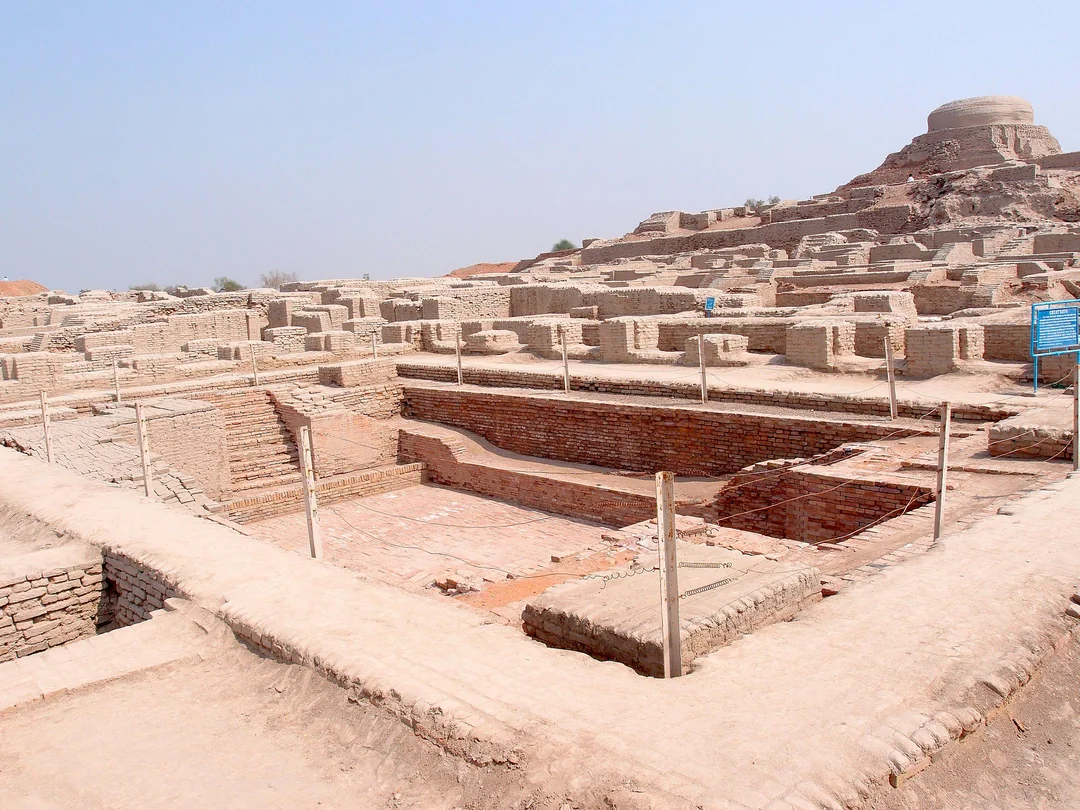
The Indus Valley Civilization was one of the great urban cultures of the ancient world, with carefully planned cities like Mohenjo-daro and Harappa, brick houses, drainage systems, trade networks, and a writing system that still has not been fully decoded. For centuries, it thrived across parts of what are now Pakistan and northwest India. Then, sometime after 1900 BC, the big cities began to decline. There are theories about shifting rivers, weaker monsoons, trade disruption, and gradual migration, but no single explanation has settled the matter. The strangest part is that such an organized civilization left behind so much infrastructure, yet no readable farewell.
2. The Minoans
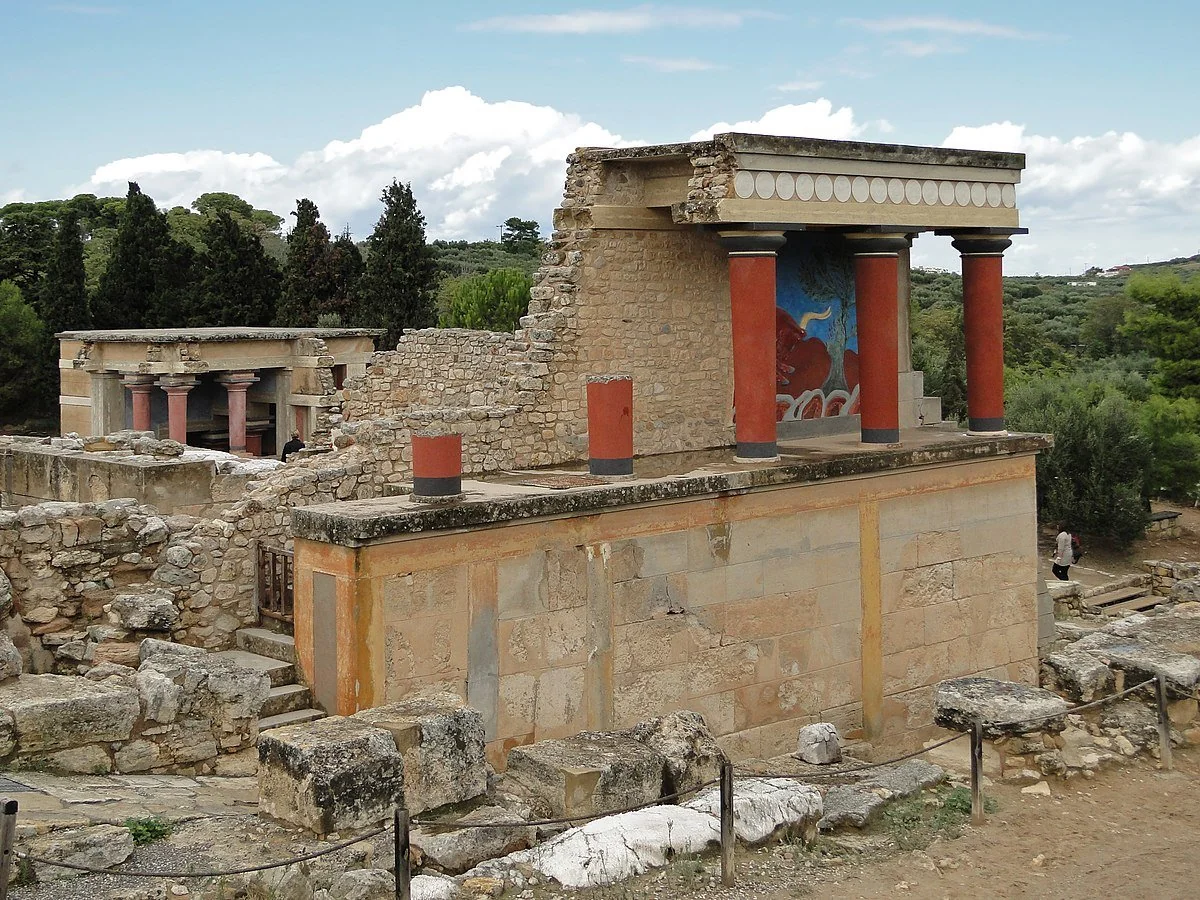
On Crete, the Minoans built colorful palaces, traded across the Mediterranean, and left behind frescoes full of dolphins, dancers, bulls, and ritual scenes. Their palace at Knossos suggests a society with wealth, administration, and a taste for spectacle. Then their world began to unravel, possibly after the eruption of Thera, earthquakes, fires, Mycenaean pressure, or some mix of all of it. The evidence points in several directions at once. What remains is a culture that feels vivid in art but strangely quiet when it comes to explaining its own collapse.
3. The Ancestral Puebloans
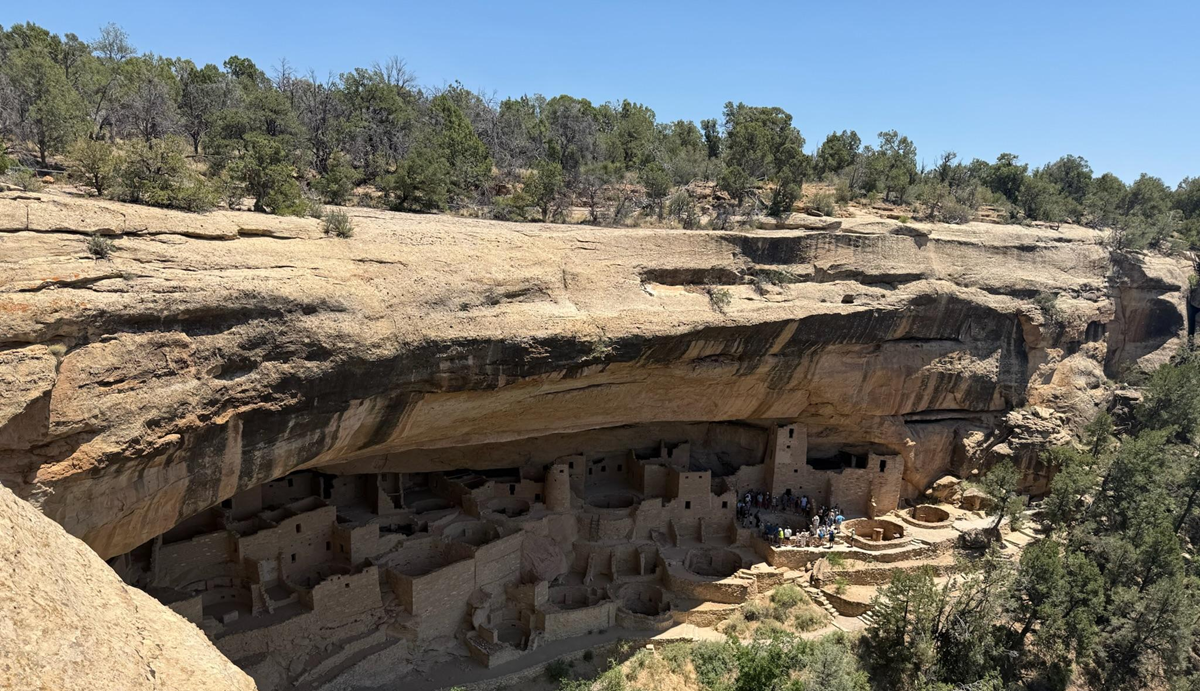
The cliff dwellings of Mesa Verde and the great houses of Chaco Canyon still look like places someone meant to keep using. The Ancestral Puebloans built complex communities in the American Southwest, with roads, ceremonial spaces, and multi-story structures that took huge planning. By the late 1200s, many of these major settlements were abandoned. Drought is a leading theory, along with social stress, conflict, and changing religious or political systems. Their descendants did not vanish, but the empty cities they left behind still raise the question of why whole communities decided it was time to go.
4. The Maya Cities of the Southern Lowlands
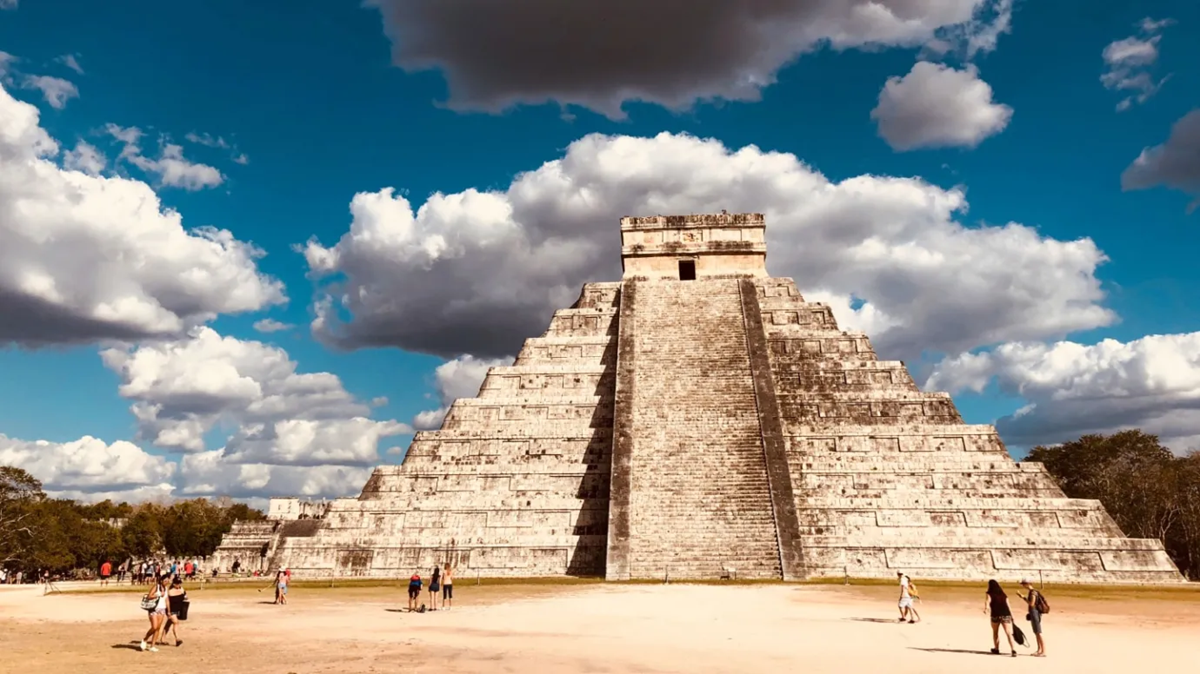
The Maya did not disappear, but many of their great Classic Period cities did. Places like Tikal, Copán, and Calakmul had temples, royal courts, carved monuments, and dense populations. Then, between the 8th and 10th centuries, several major centers went into decline. Drought, warfare, exhausted farmland, political rivalry, and loss of trust in rulers may all have played a part. It was not one clean collapse, more like a regional unraveling, which is probably why the mystery has lasted so long.
5. The Nazca
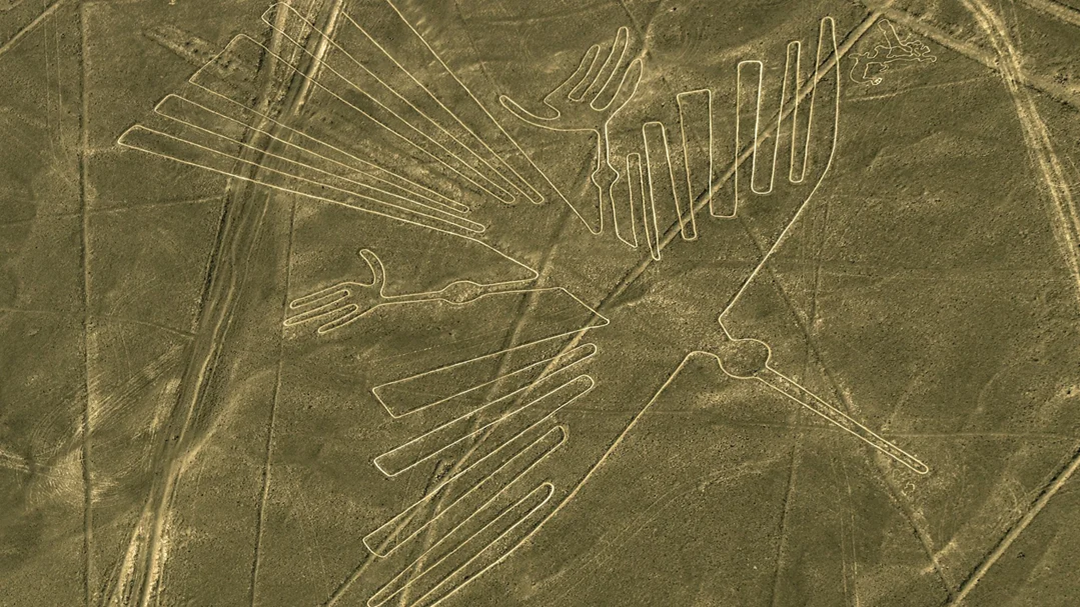
The Nazca are best known for the huge desert drawings in southern Peru, where animals, shapes, and long lines stretch across the landscape. Their society also produced fine ceramics, irrigation systems, and settlements in a harsh environment that required careful water management. Around the middle of the first millennium AD, the culture faded, and later groups took its place. Some researchers point to extreme floods, drought, and environmental damage caused by cutting down huarango trees. Still, the Nazca left behind a landscape that feels like a message without a translation.
Trending on The Scroller


6. The Hattians
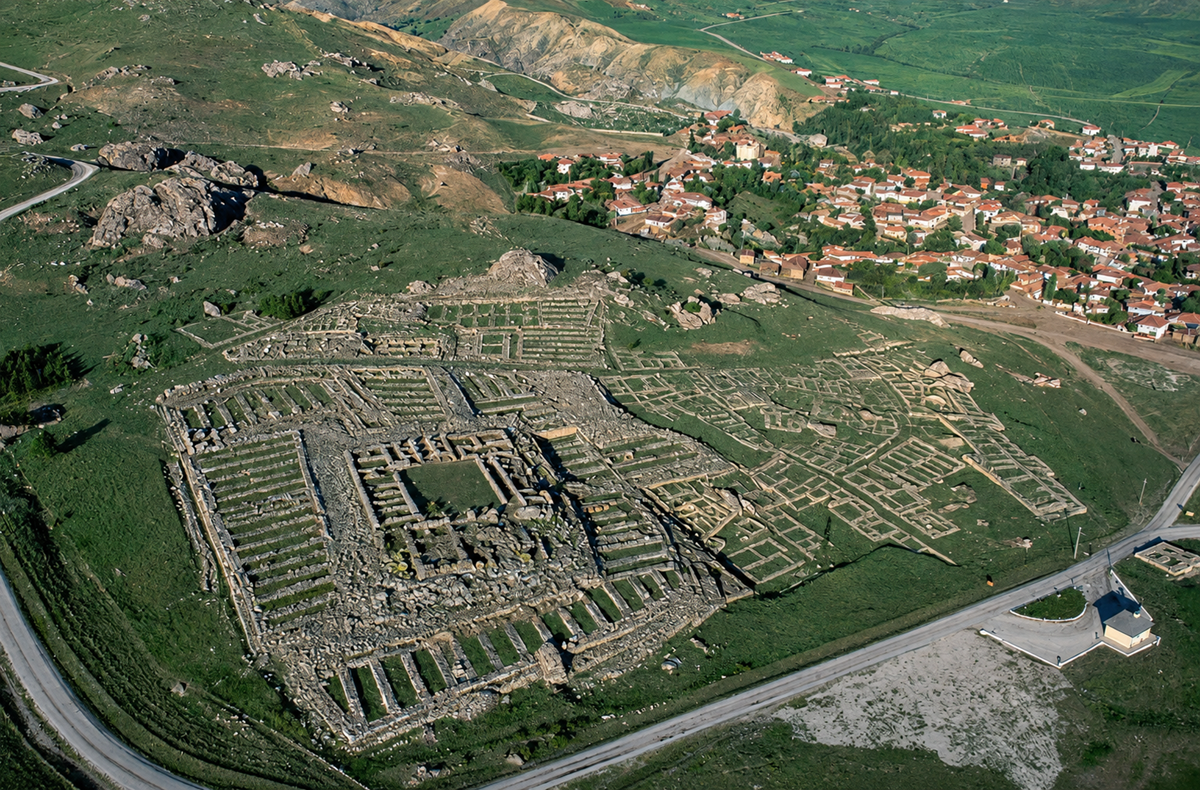
Before the Hittites became powerful in Anatolia, the Hattians lived in the region and shaped some of its early religious and cultural traditions. They did not leave behind the same kind of clear political record that later empires did, which makes them harder to follow. Over time, they seem to have been absorbed into the rising Hittite world. That may sound simple, but absorption can be harder to trace than destruction. A people can disappear from the map without leaving a dramatic final chapter.
7. The Norte Chico Civilization
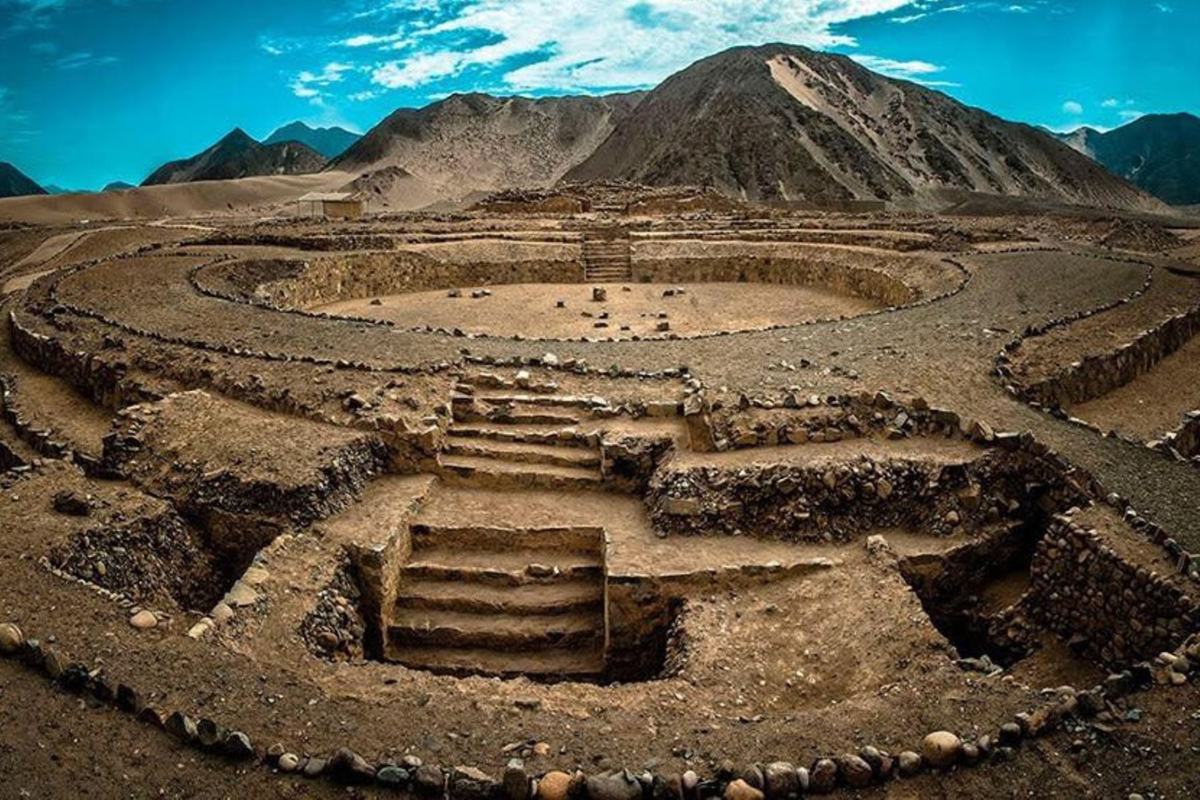
In coastal Peru, the Norte Chico civilization built large platform mounds, sunken plazas, and settlements long before many better-known American civilizations appeared. Sites like Caral suggest an organized society with monumental architecture but little sign of warfare in its early phases. Then, after many centuries, its centers lost importance. Climate shifts, changing river patterns, and the movement of people toward other regions may have contributed. The puzzle is not just why it declined, but how such an early complex society developed so quietly in the first place.
8. The Cucuteni-Trypillia Culture
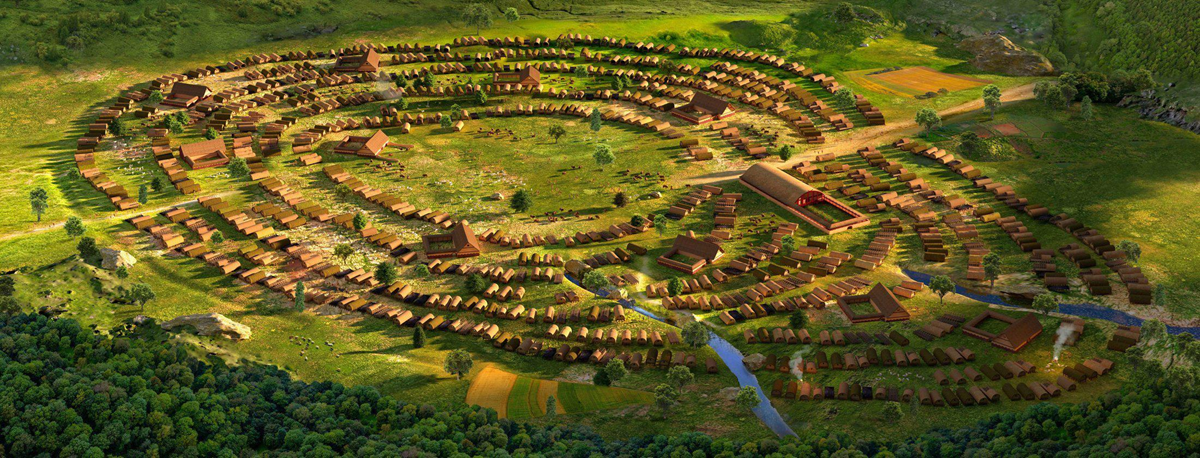
The Cucuteni-Trypillia culture spread across parts of modern Ukraine, Moldova, and Romania, creating some of the largest settlements in Neolithic Europe. Their communities could be enormous for the time, with houses arranged in planned layouts and decorated pottery that still looks striking today. One odd habit stands out: many settlements appear to have been intentionally burned. Whether this was ritual, renewal, conflict, or something else is still debated. By around 3000 BC, the culture had faded, leaving archaeologists with burnt houses, beautiful ceramics, and no simple ending.
Sign up for our newsletter
9. The Olmecs
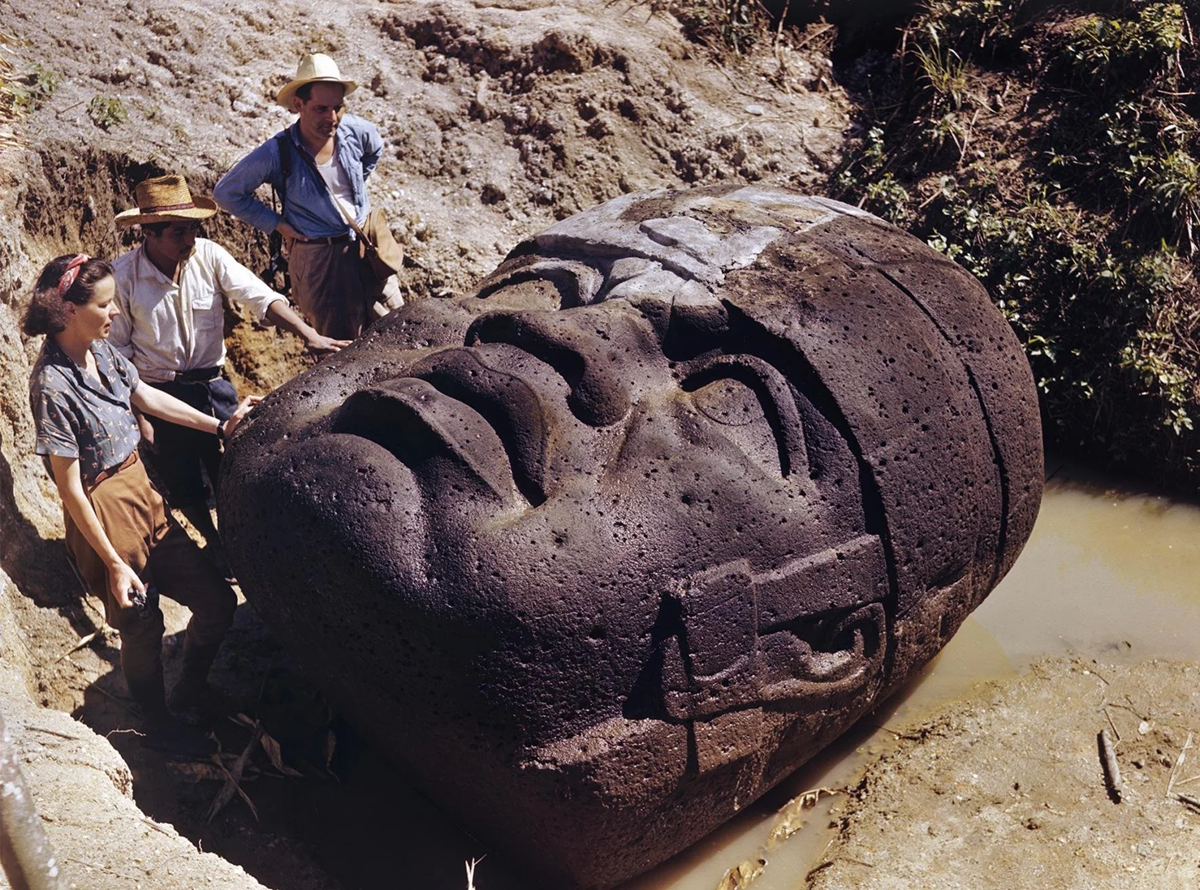
The Olmecs carved colossal stone heads, developed major ceremonial centers, and influenced later cultures across Mesoamerica. Their heartland along the Gulf Coast of Mexico produced sites like San Lorenzo and La Venta, both of which show impressive organization and artistic skill. But the major Olmec centers declined long before the rise of the Classic Maya or Aztec worlds. Environmental changes, river shifts, internal conflict, or trade disruptions have all been suggested. The Olmecs are often treated as a beginning, but their own ending is still cloudy.
10. The Akkadian Empire
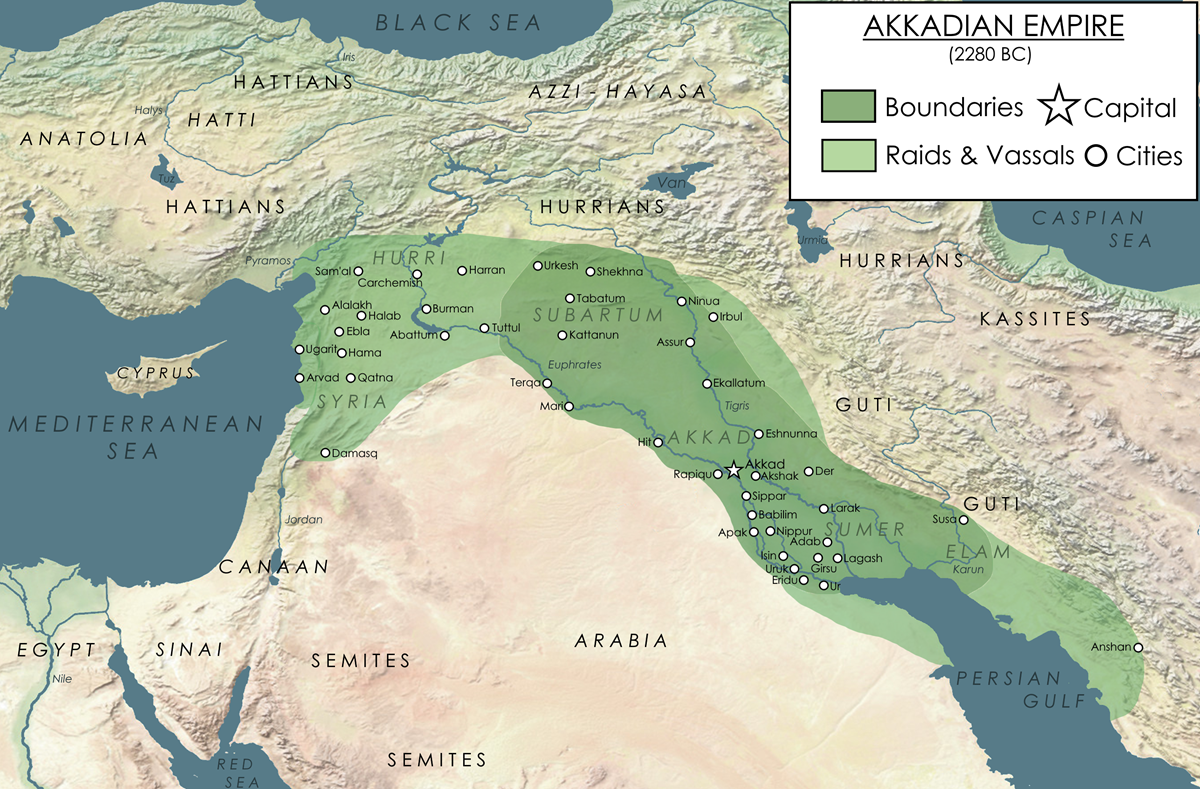
The Akkadian Empire under Sargon and his successors was one of the earliest empires in recorded history. It pulled together cities across Mesopotamia and projected power over a huge area for its time. Then it weakened sharply around the late 3rd millennium BC. Later texts blamed invaders, angry gods, or chaos, while modern theories include drought, political overreach, rebellion, and economic strain. The empire did not vanish in total silence, but the exact mix of forces that brought it down is still difficult to pin down.
11. The Mississippian Culture at Cahokia
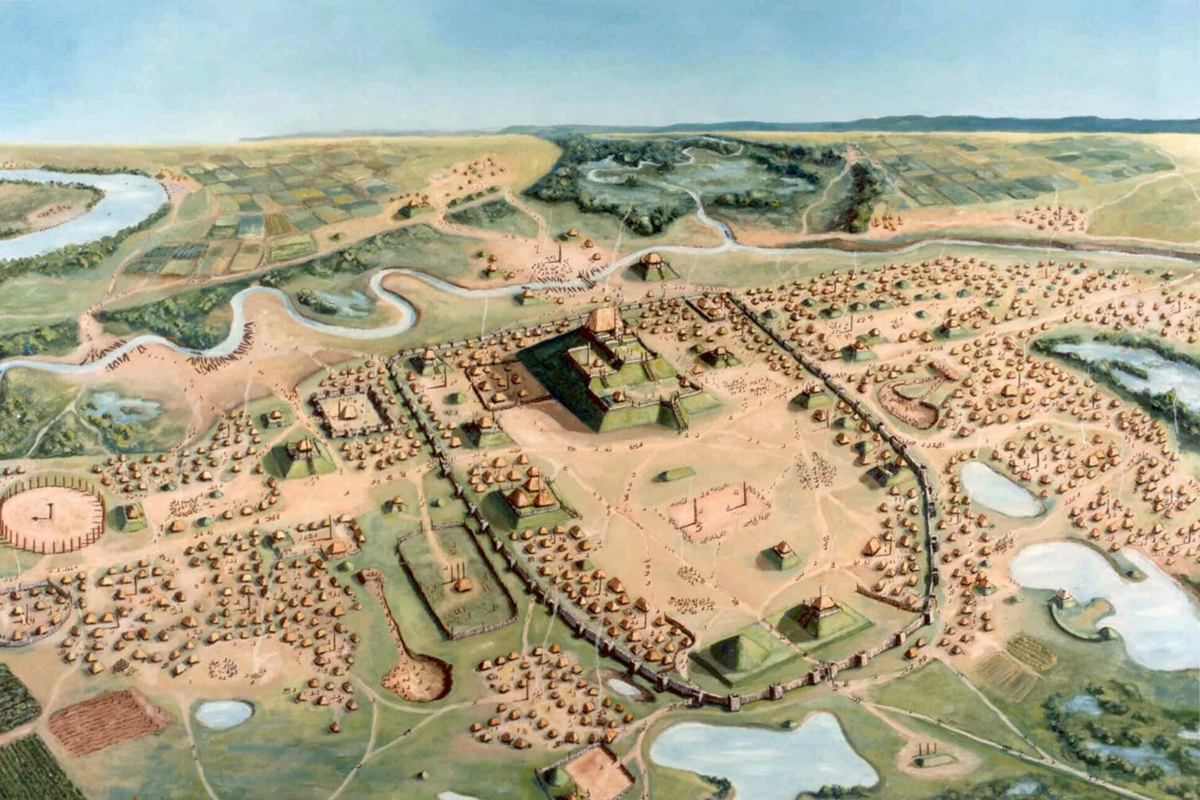
Cahokia, near modern St. Louis, was once one of the largest urban centers north of Mexico. Its huge earthen mounds, plazas, neighborhoods, and trade connections suggest a powerful and organized society. By the 1300s, the city had lost much of its population. Flooding, drought, resource pressure, political instability, and social conflict have all been proposed. What makes Cahokia so fascinating is the scale of what was built and the quietness of what followed.
12. The Sea Peoples
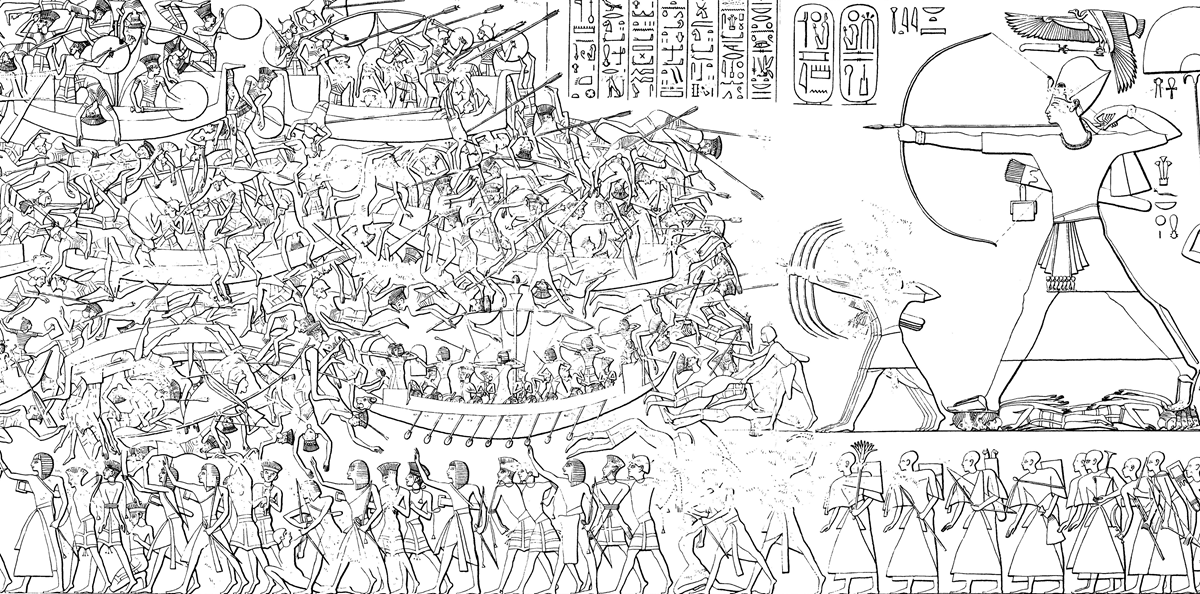
The Sea Peoples are not a single civilization in the usual sense, but they remain one of the ancient world’s most puzzling groups. Egyptian records describe them as raiders or migrants who appeared during the Late Bronze Age collapse, a period when kingdoms across the eastern Mediterranean were falling apart. Their names show up in inscriptions, but their origins are still debated. Were they displaced communities, organized attackers, starving migrants, or a mix of several groups? They seem to enter history in the middle of a crisis and then dissolve back into it.
13. The Rapa Nui Society
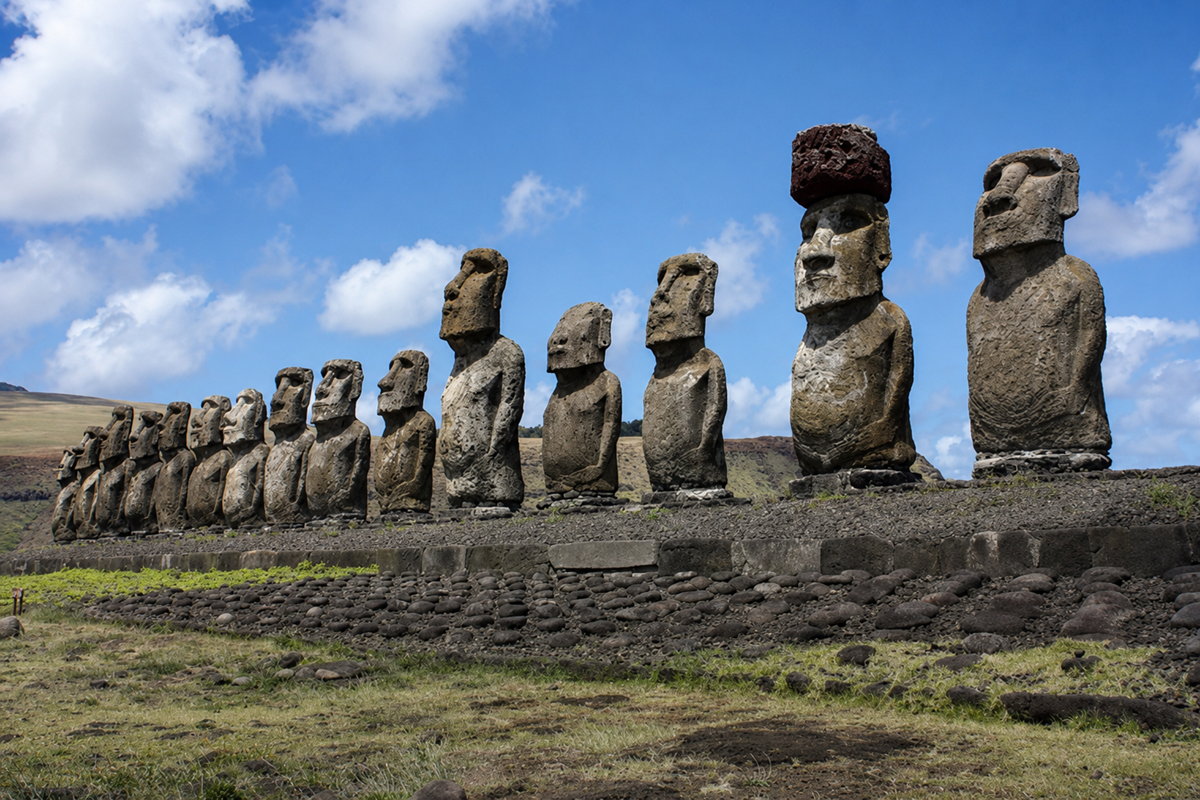
Rapa Nui, also known as Easter Island, is famous for its moai statues, but the society that built them is often surrounded by oversimplified stories. The islanders created a remarkable culture in extreme isolation, carving and moving massive figures across a small and remote landscape. Later, the society changed drastically under pressure from environmental stress, internal competition, European contact, slave raids, and disease. It was not a clean disappearance, and the people of Rapa Nui still exist. But the transformation from a statue-building society to the devastated island recorded by outsiders remains one of the most debated stories in the Pacific.
14. The Mycenaeans
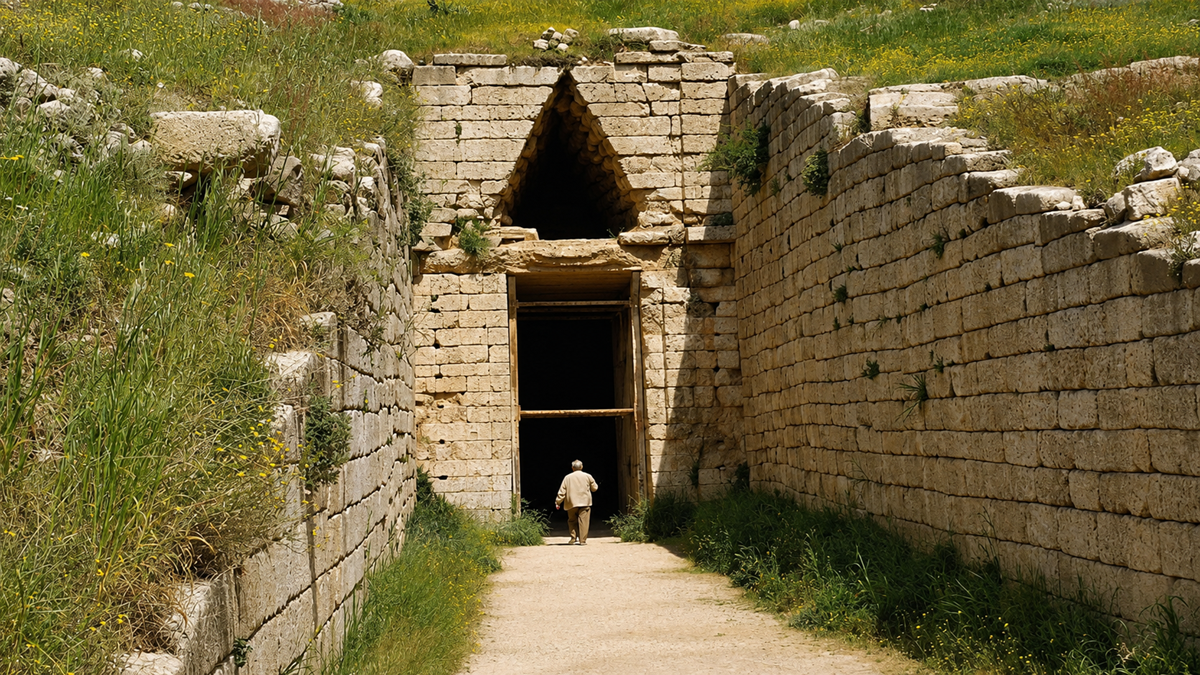
The Mycenaeans built fortified palaces, used Linear B writing, and dominated parts of mainland Greece before the classical Greek world existed. Their centers at Mycenae, Pylos, and Tiryns were tied to trade, warfare, administration, and palace economies. Around 1200 BC, many of these palaces were destroyed or abandoned. Theories include invasion, earthquakes, internal rebellion, drought, trade collapse, and the wider breakdown of the Bronze Age world. The result was not the end of Greek-speaking people, but it was the end of a palace system that had once seemed deeply rooted.
In the mood for more?
Check out 25 Photos of Ancient Ruins and Lost Artifacts Throughout History, or take a look at 20 “Impossible” Structures Found Deep in the Ocean That Science Can’t Explain. If you want to see more ancient history, you can check out 29 Historic Artifacts That Bring the Past to Life.