Famous traditions are everywhere. We follow them during holidays, birthdays, weddings, sporting events, and countless everyday moments without giving much thought to where they came from. But what if some of the world’s most recognizable traditions weren’t carefully planned at all? What if they existed simply because someone improvised, solved an unexpected problem, or accidentally stumbled into an idea that people refused to let go of?
The history of traditions is often far messier than it first appears. Behind many familiar customs are publicity stunts, practical workarounds, surprising coincidences, and happy accidents that gradually became rituals repeated year after year. How does one unexpected moment turn into something millions of people eventually accept as timeless? These stories prove that sometimes the traditions we cherish most began with nobody intending to create them at all.
1. NORAD Tracking Santa
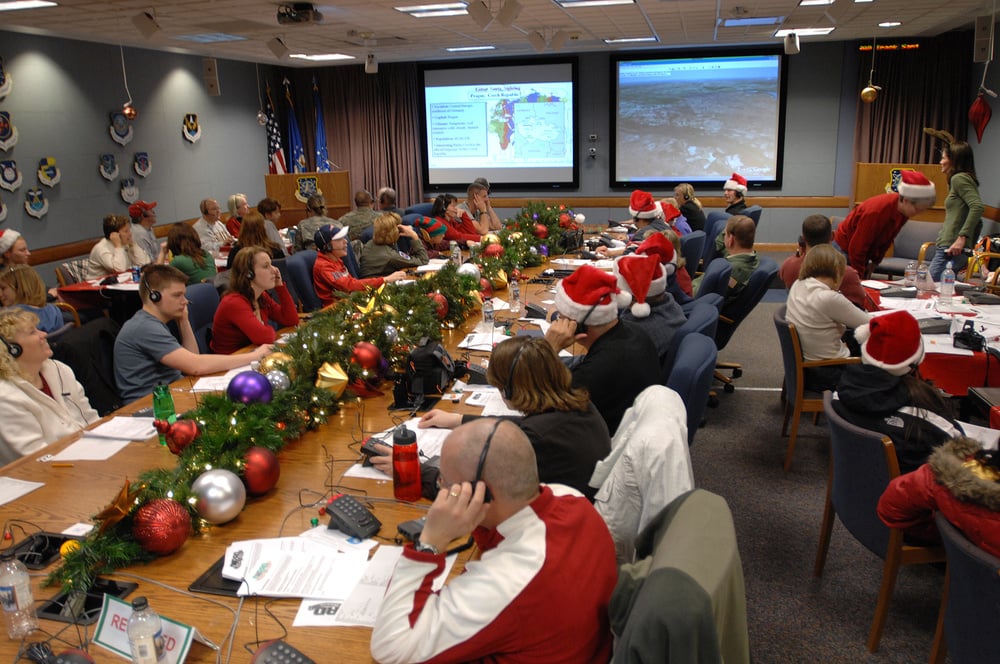
The story behind one of Christmas’ most beloved traditions began with nothing more than a typo. In 1955, a Sears advertisement invited children to call Santa Claus directly, but the printed phone number accidentally connected them to the Continental Air Defense Command, later known as NORAD. Rather than hanging up, military personnel played along by giving children updates on Santa’s location, and the unexpected gesture quickly became an annual event. Could anyone have predicted that a printing mistake would one day inspire a Christmas tradition followed by millions of families around the world? The wrong phone number didn’t just create a funny story: it gave birth to one of the holiday season’s most enduring traditions.
2. The Times Square Ball Drop
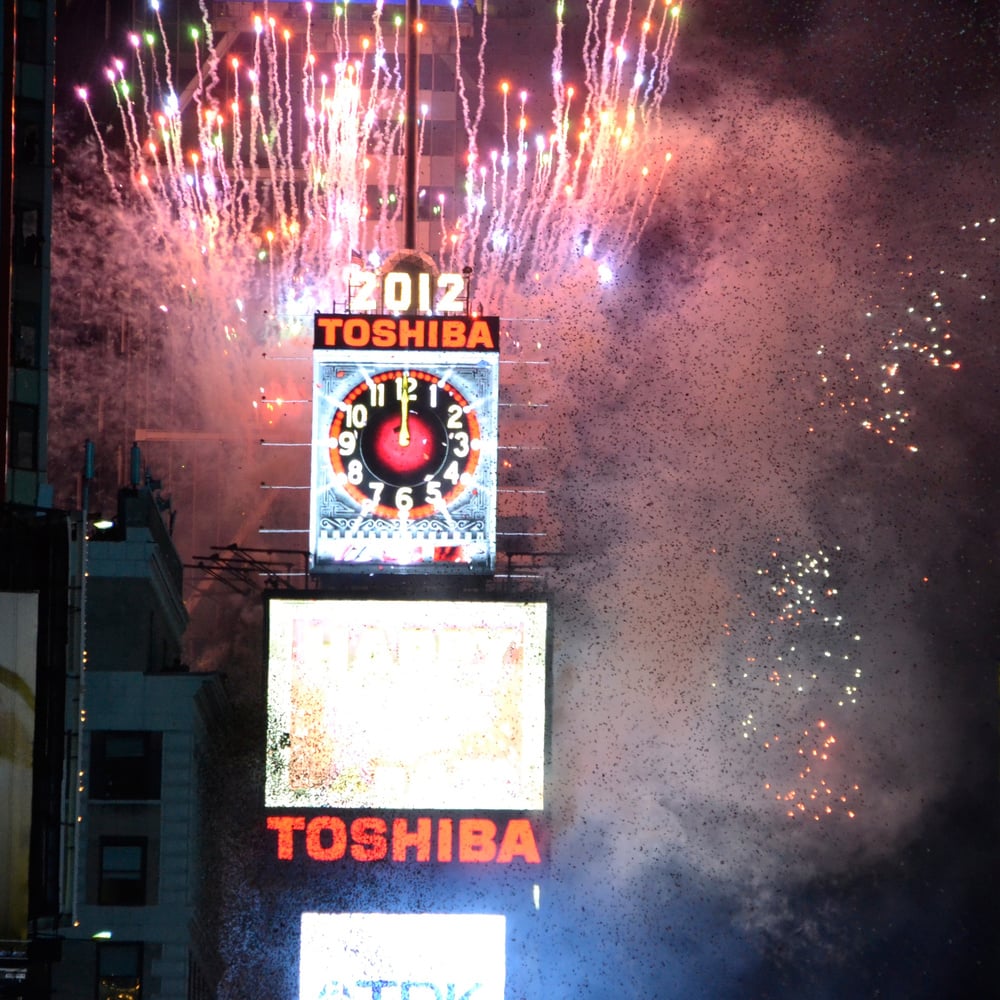
One of New Year’s Eve’s most iconic traditions wasn’t created because someone thought a giant glowing ball would be exciting. It was introduced in 1907 after New York City banned the fireworks that had previously marked the celebration. Looking for another dramatic way to welcome the new year, organizers borrowed the idea of dropping a time ball from maritime navigation and transformed it into a public spectacle. What began as a practical replacement soon became the moment everyone waits for as the final seconds of the year disappear. Sometimes a restriction doesn’t kill a celebration. It accidentally creates a brand-new tradition instead.
3. Giant Thanksgiving Parade Balloons
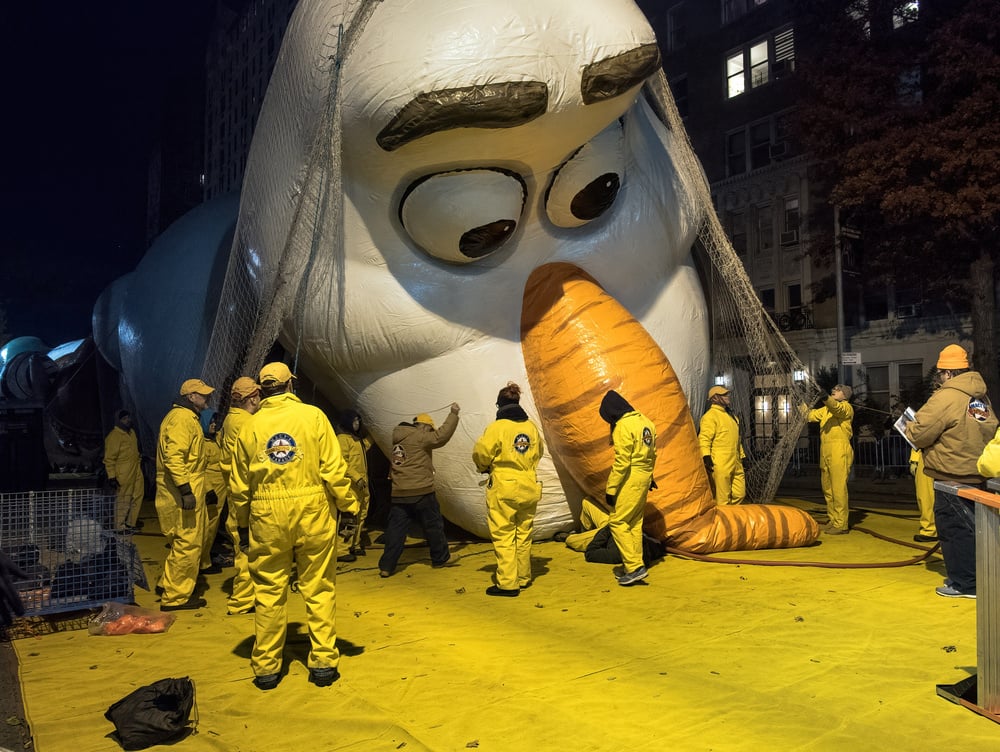
The enormous character balloons floating above New York weren’t part of Macy’s original vision. Early Thanksgiving parades featured live animals borrowed from the Central Park Zoo, but caring for them during crowded city events proved increasingly difficult. Oversized helium balloons were introduced as a practical substitute, yet they quickly became the attraction everyone came to see. Can you imagine the parade today without Snoopy or Pikachu drifting above the streets? A logistical solution eventually overshadowed the very feature it was designed to replace, becoming one of America’s most recognizable holiday traditions.
4. Swanson’s TV Dinner
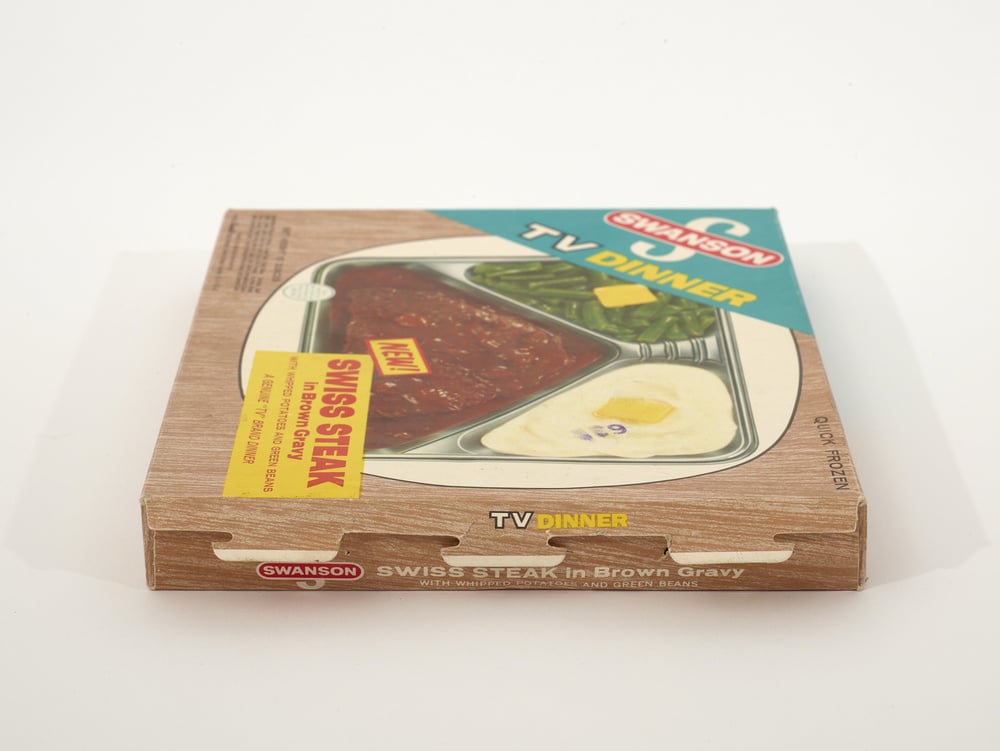
Some of the biggest traditions don’t begin during celebrations at all. After Thanksgiving in 1953, Swanson found itself with an enormous surplus of unsold turkey and needed a creative solution before it went to waste. The company packaged complete frozen meals into compartmentalized aluminum trays, creating what became the famous TV dinner. Did anyone expect an inventory problem to reshape how millions of families ate dinner for decades? A business headache turned into a cultural habit, and for countless households, eating dinner in front of the television became one of the defining traditions of modern convenience.
5. The Ceremonial First Pitch
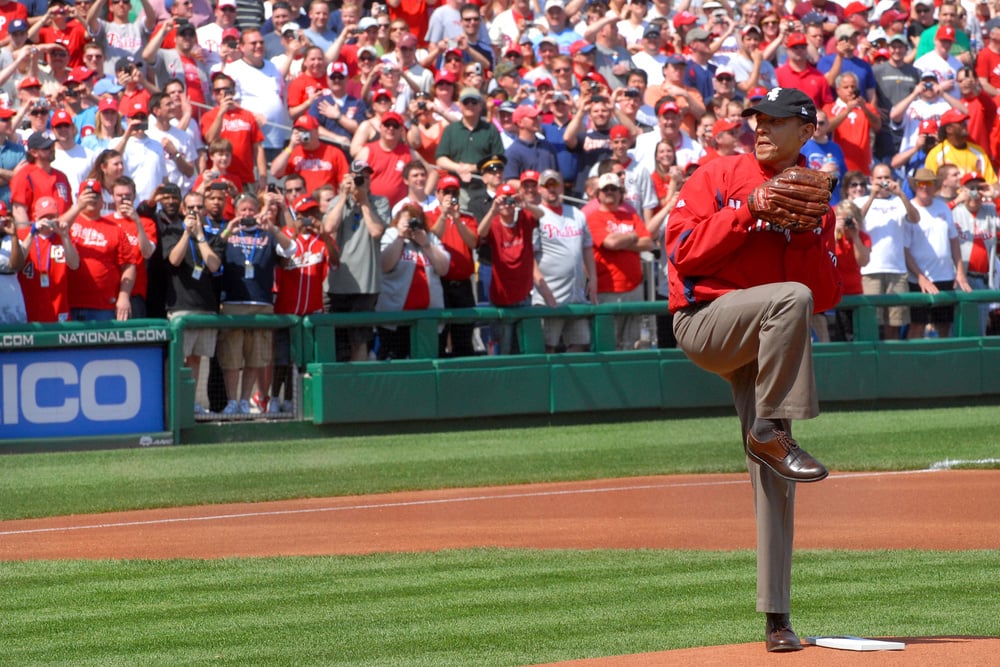
Before every baseball game, fans expect to see a special guest throw the ceremonial first pitch, but this familiar tradition didn’t begin as an official ritual. Early appearances by presidents, politicians, and celebrities were intended as promotional moments that generated excitement and publicity around important games. Over time, those isolated appearances became expected parts of the pregame ceremony, no matter who was on the mound. How does a marketing opportunity become something that feels incomplete if it’s missing? Sometimes all it takes is repeating the same idea often enough for it to become one of the sport’s lasting traditions.
Trending on The Scroller

6. The Olympic Torch Relay
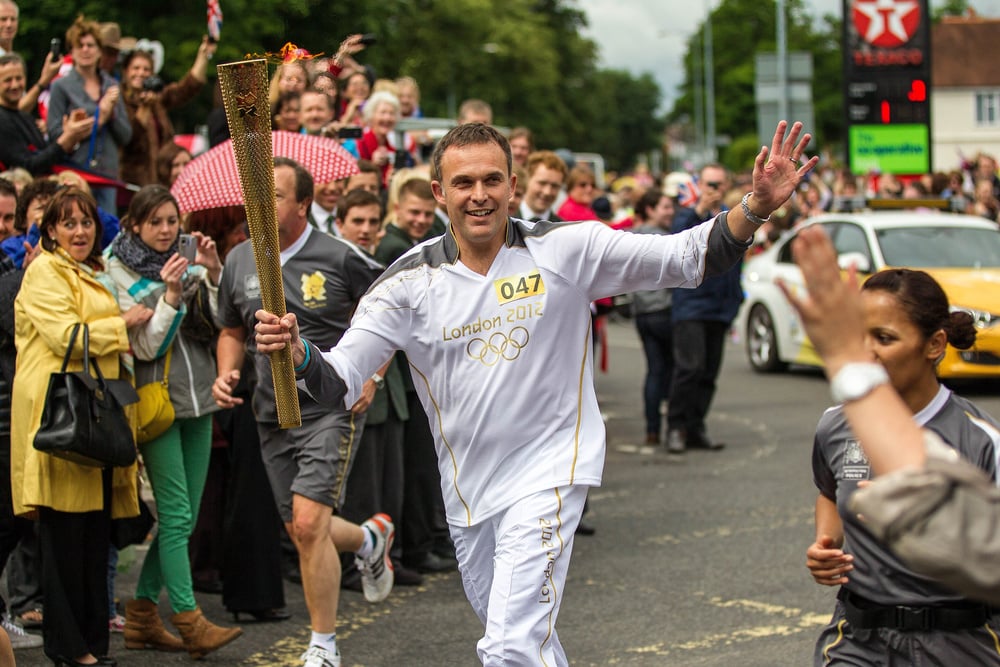
Watching runners carry the Olympic flame across countries feels like one of humanity’s oldest traditions, but the relay is surprisingly modern. The ceremony was introduced for the 1936 Berlin Olympics, drawing inspiration from ancient Greece while creating an entirely new ritual for the modern Games. Within just a few years, people began treating it as though it had always existed. How quickly can something newly invented start feeling ancient? This tradition proves that repetition can blur the line between history and habit faster than most people realize.
7. The Presidential Turkey Pardon
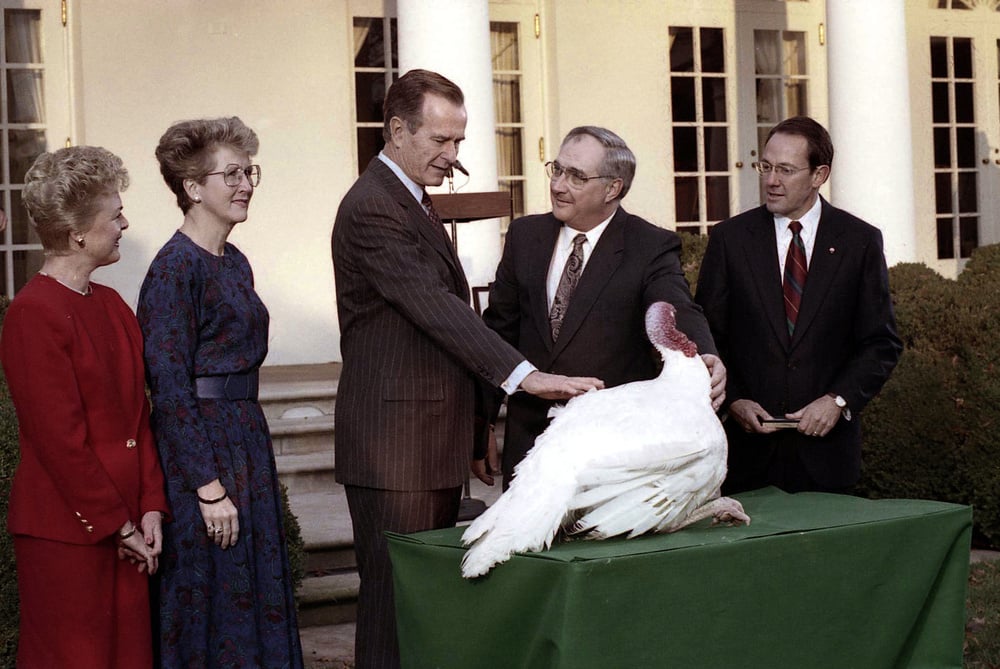
Every Thanksgiving, Americans watch the president “pardon” a turkey before the holiday feast, but this lighthearted tradition didn’t appear overnight. It evolved gradually through decades of ceremonial turkey presentations, jokes from presidents, media attention, and public goodwill before becoming the formal White House event people recognize today. Could a series of photo opportunities eventually become an expected annual ceremony? That’s exactly what happened, showing how traditions sometimes emerge one small step at a time instead of through a single defining moment.
8. The Macy’s Parade Route Ritual
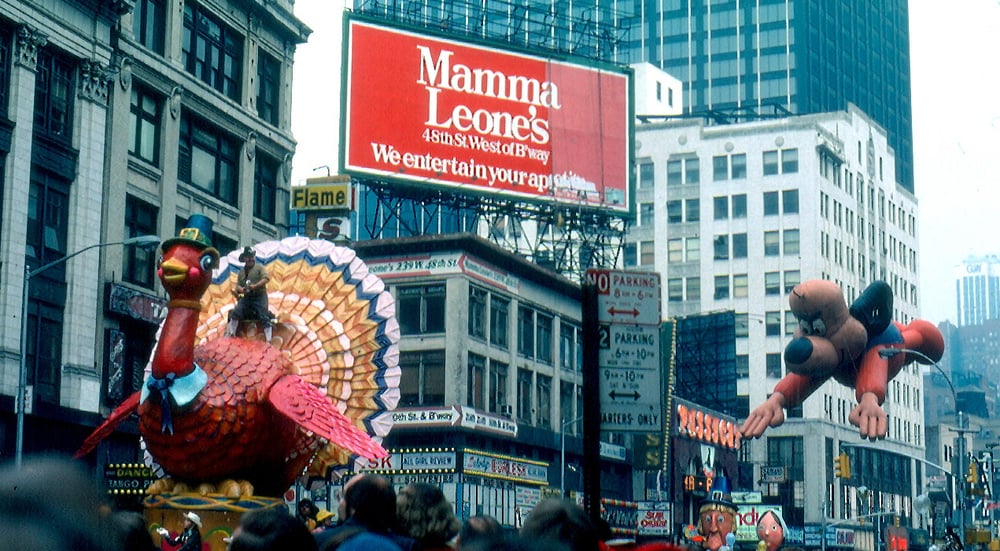
Most people assume the Macy’s Thanksgiving Day Parade follows the same route simply because that’s how it’s always been done. In reality, many of the parade’s familiar patterns developed from practical decisions involving crowd control, television broadcasting, and event logistics. As those choices were repeated year after year, they gradually became expectations rather than conveniences. When does an operational decision stop being practical and start becoming tradition? Sometimes people remember the ritual long after they’ve forgotten why it existed in the first place.
Sign up for our newsletter
9. Champagne Bottle Smashing at Ship Launches
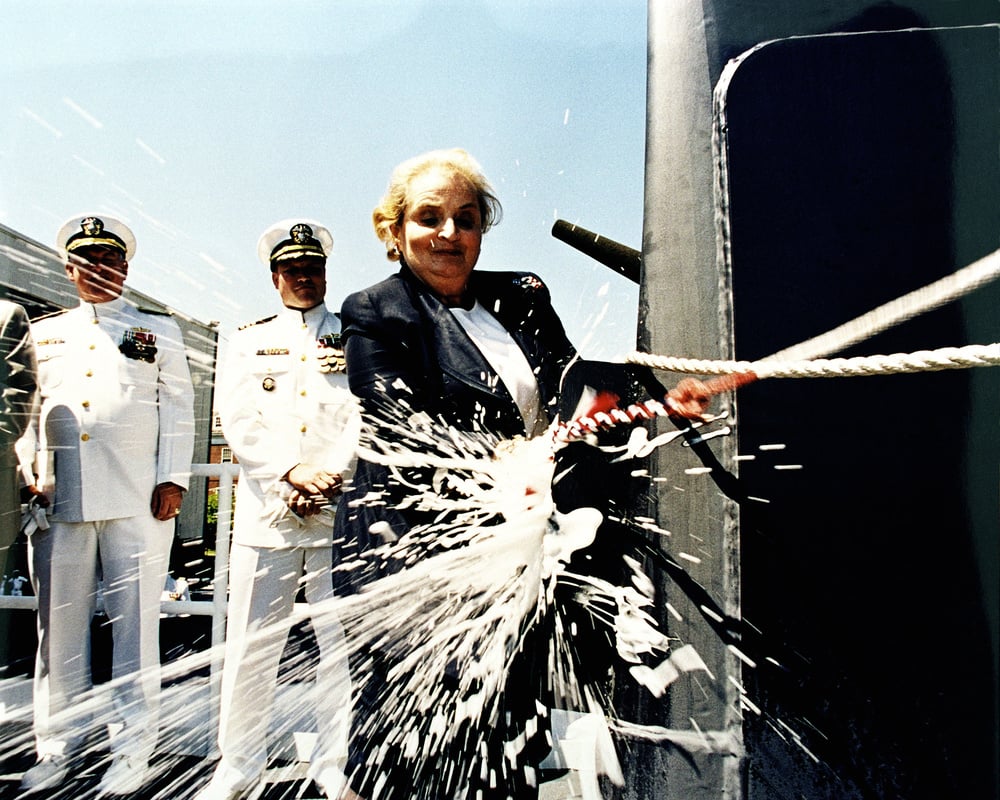
Breaking a bottle of champagne against a ship’s hull feels like an ancient maritime custom, yet the ceremony evolved through centuries of changing practices. Different cultures once used water, wine, holy water, or other symbolic liquids before champagne eventually became the preferred choice. Over time, what had been one practical variation among many transformed into the version people considered the “correct” way to launch a vessel. Why does one version of a ceremony survive while countless others disappear? Traditions often become permanent simply because one option catches on more than the rest.
10. Wedding Cake Top-Tier Saving
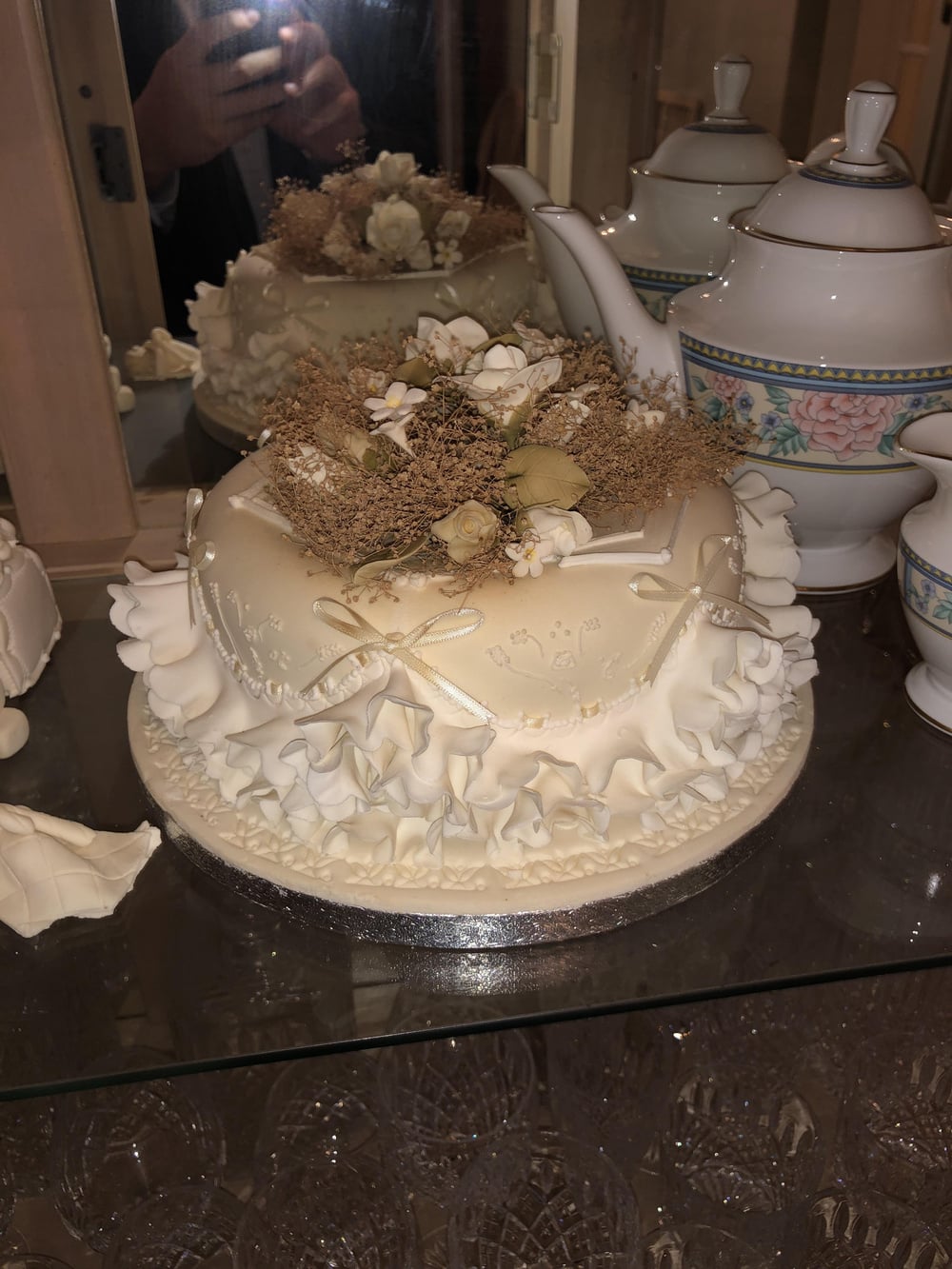
Saving the top tier of a wedding cake is now a familiar custom for many couples, but it wasn’t originally created with first anniversaries in mind. As wedding cakes became larger and preservation methods improved, families began keeping part of the cake for later celebrations, particularly a child’s christening. Eventually, changing family habits shifted the occasion to the couple’s first anniversary instead. Isn’t it fascinating how leftovers can become symbols? A practical decision about preserving cake slowly evolved into one of today’s sweetest wedding traditions.
11. Bridal Bouquet Toss
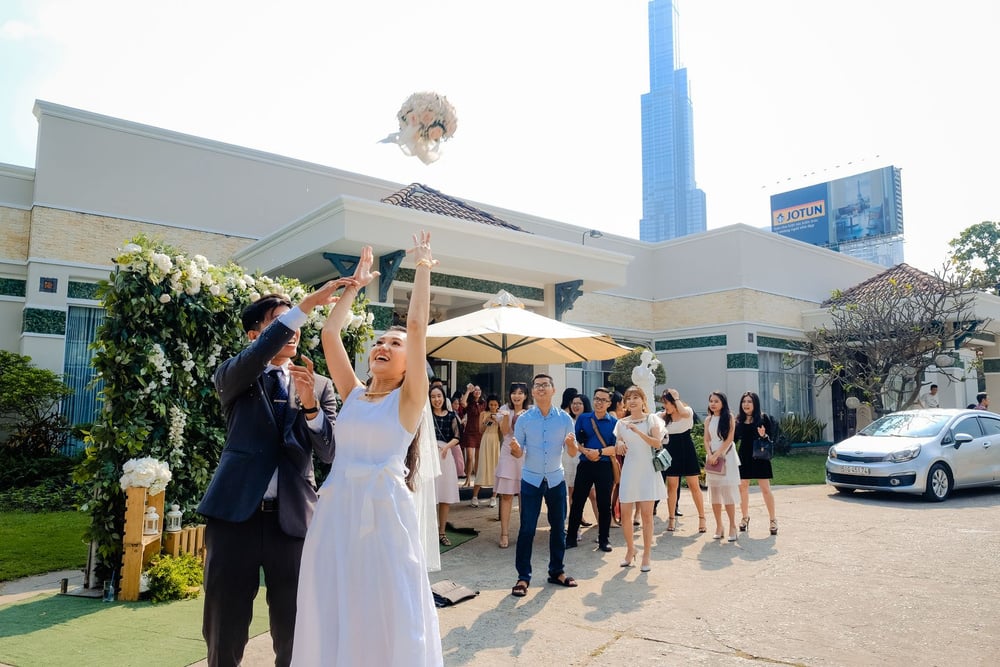
Catching the bridal bouquet has become one of the most anticipated moments at many weddings, but this custom didn’t appear all at once. Instead, it slowly evolved from older European wedding practices that changed over generations before becoming the playful ritual we recognize today. Could something become tradition without a single person ever deciding to invent it? The bouquet toss reminds us that some customs aren’t born from one dramatic event but from countless small changes that gradually reshape familiar celebrations.
12. Birthday Candles
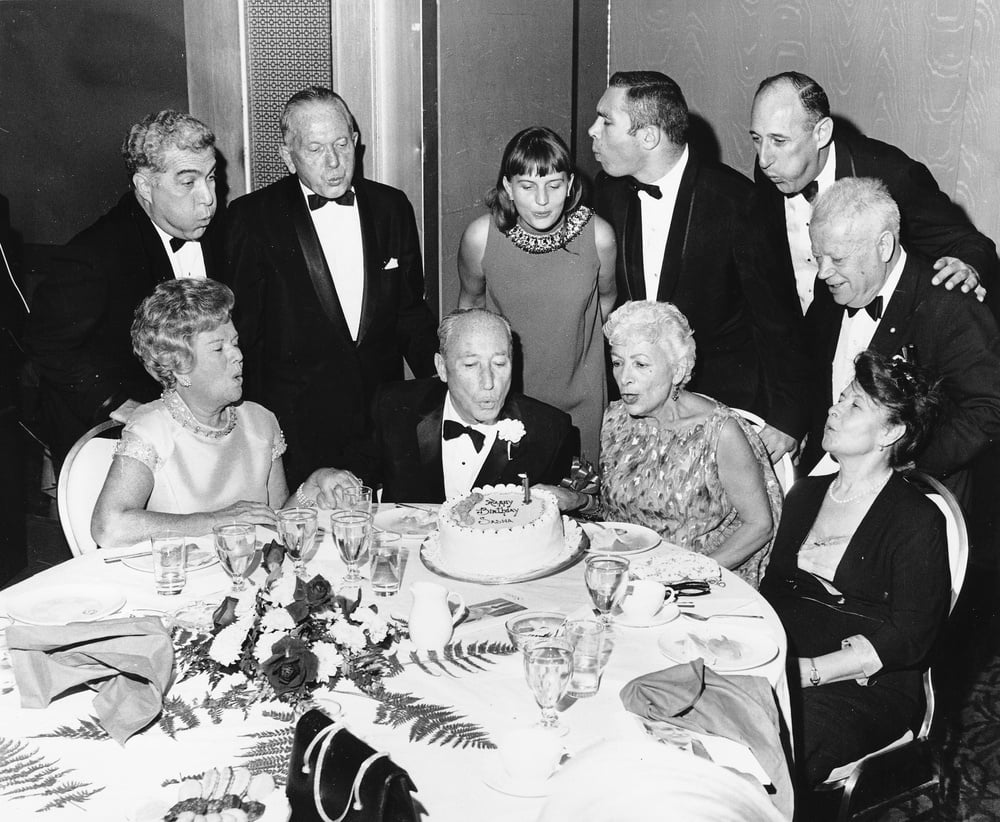
Blowing out birthday candles feels so universal that it’s easy to assume people have always celebrated this way. In reality, the practice developed through layers of European customs that gradually blended together over centuries rather than emerging from one defining moment. Why do so many people believe they know the exact origin when the real story is far more complicated? Sometimes the tradition itself survives perfectly, even after its beginnings become wonderfully messy and difficult to trace. Traditions don’t always have neat origin stories, and that’s part of what makes them so fascinating.
13. April Fools’ Day
Few celebrations have inspired as many confident explanations as April Fools’ Day, yet historians still can’t agree on where it truly began. Countless theories connect it to calendar reforms, medieval festivals, or older spring celebrations, but none can be proven as the definitive origin. Isn’t it ironic that one of the world’s biggest traditions about pranks has managed to fool historians for centuries? In this case, the mystery is actually more interesting than any simple answer, which is why its origin remains one of history’s most debated questions.
14. Groundhog Day
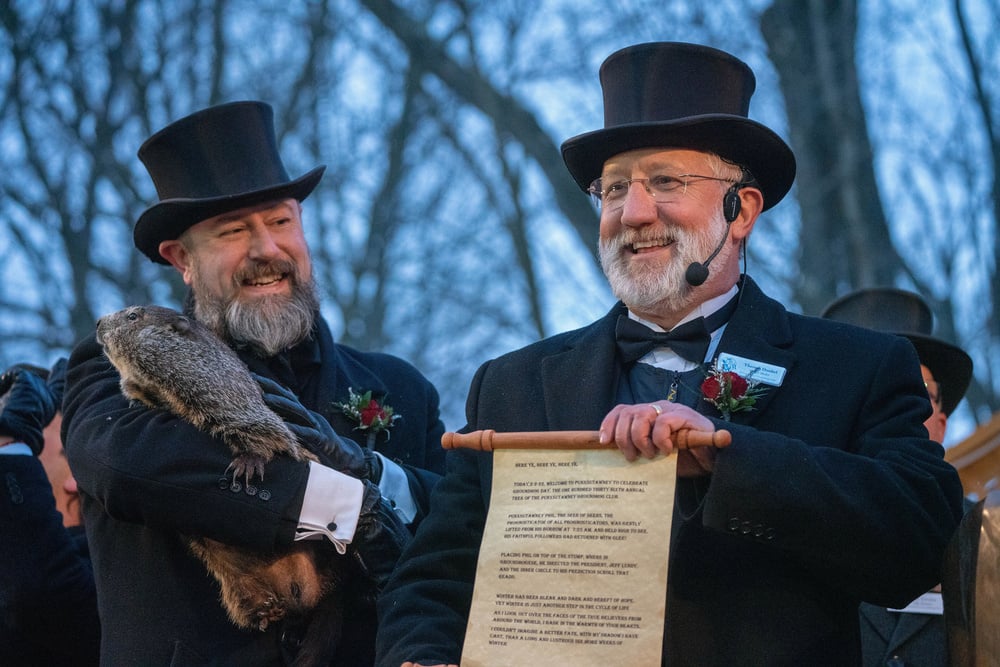
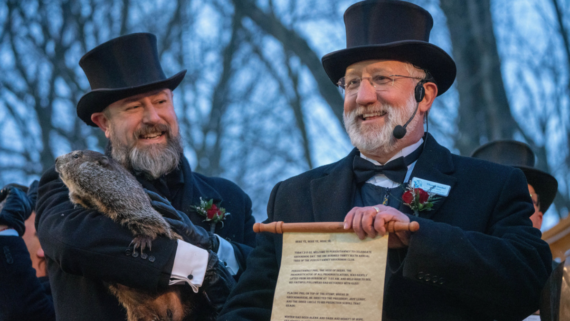
Groundhog Day may seem like an accidental tradition, but its roots stretch back through centuries of weather prediction customs tied to Candlemas and European folklore. The famous groundhog simply became the latest character in a much older story about trying to predict when winter would finally end. How does an old belief keep reinventing itself for new generations? Rather than beginning with one unexpected event, this tradition slowly transformed over time, proving that not every familiar ritual has a single dramatic starting point.
15. Wedding Favors

Sending guests home with small gifts is such a familiar wedding custom that it feels timeless, but its history is anything but straightforward. Wedding favors evolved through centuries of gift-giving traditions, social customs, and changing expectations, making it nearly impossible to point to one exact moment when the practice officially began. Why do some gestures become expected while others quietly disappear? Like many longstanding traditions, wedding favors grew naturally over time instead of emerging from one unforgettable accident.
16. The NHL’s Playoff Beard Started With One Team

One of hockey’s most recognizable traditions didn’t begin as an official NHL custom or a carefully planned marketing campaign. During the 1980 Stanley Cup Playoffs, players on the New York Islanders stopped shaving as the postseason progressed, partly because they were too focused on the games and partly as a way of building team unity. Their championship run gave the scruffy look an almost mythical status, and other teams gradually adopted the habit in hopes of capturing the same magic. Could something as simple as skipping a shave really become a symbol of determination and good luck? Today, the playoff beard is one of hockey’s most enduring traditions, proving that sometimes the smallest team rituals end up becoming league-wide customs.
The oldest-looking traditions aren’t always the oldest ones. Many began with simple mistakes, practical solutions, publicity events, or gradual changes that people repeated until they became inseparable from the celebrations themselves. As these stories show, traditions have a remarkable way of making accidental beginnings feel timeless, proving that repetition can be just as powerful as careful planning when it comes to shaping history.
Keep Exploring The Scroller
History is filled with customs that are far stranger than they first appear. Keep exploring The Scroller for more surprising stories about traditions, forgotten origins, and the unexpected moments that quietly became part of everyday life:
16 Birthday Party Traditions That Defined The 80s And 90s
20 Common Family Traditions From The ’50s That Feel Totally Foreign Today
20 Family Traditions From The ’70s That Have Stood The Test Of Time