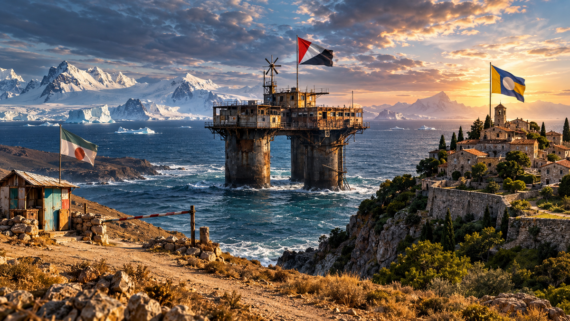
Micronations prove that declaring a new country is much easier than convincing the rest of the world that it exists. Over the years, farmers, artists, activists, libertarians, and entire communities have raised flags and announced states of their own, sometimes over genuine disputes and sometimes with a wink. These self-declared political entities lack international recognition and usually remain legally part of recognized countries or territories. Some disappeared almost immediately, while others have kept the idea alive for decades.
1. Principality of Sealand
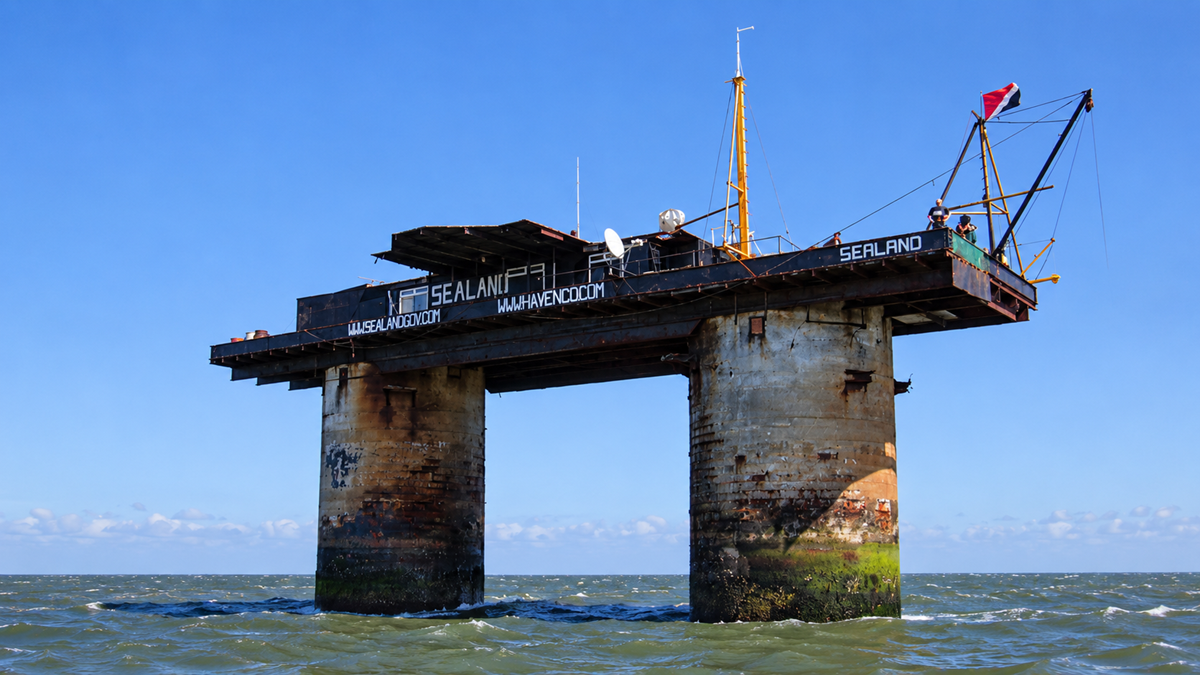
Few micronations have a setting as convincing as Sealand. In 1967, former British Army major and pirate-radio operator Roy Bates occupied Roughs Tower, a World War II sea fort off England, and declared it the independent Principality of Sealand. The Bates family went on to create a constitution, currency, stamps, passports, and a hereditary monarchy, and even recovered the platform after an attempted takeover in 1978. Sealand describes itself as a sovereign state rather than a micronation, but no recognized country formally treats it as one.
2. Republic of Molossia
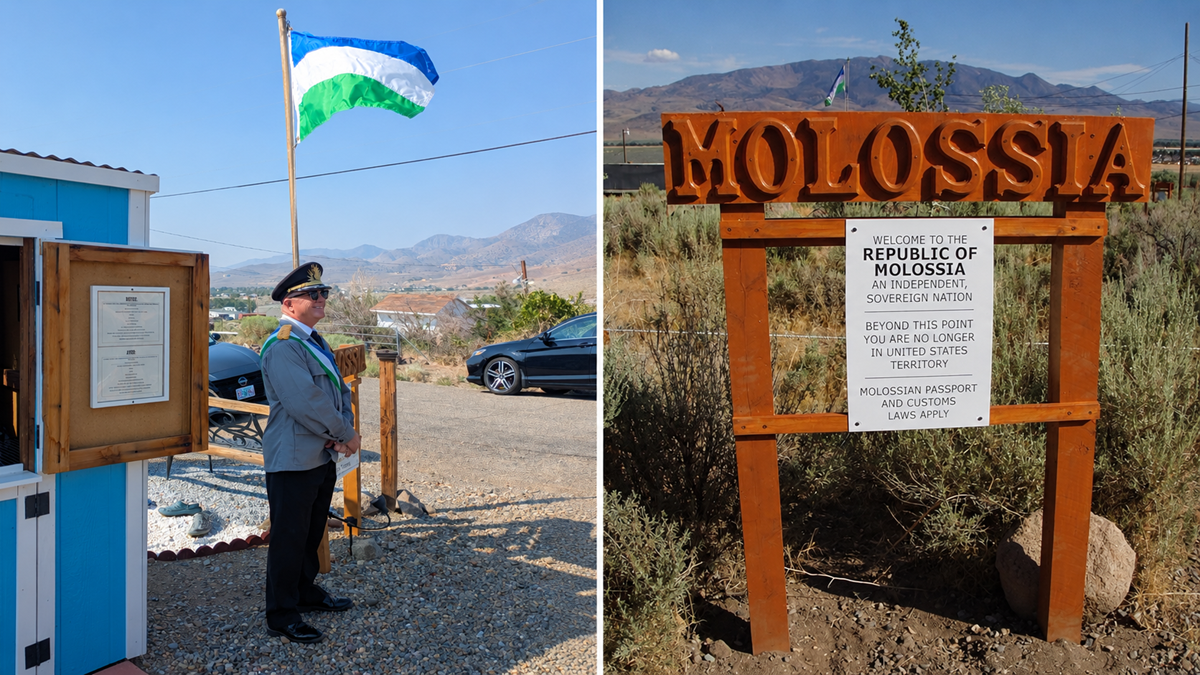
What began as a childhood project eventually acquired actual territory in the Nevada desert. Kevin Baugh traces Molossia’s origins to the Grand Republic of Vuldstein, created in 1977, although the current Republic of Molossia was formally established in 1999 after several name and government changes. Its tiny Nevada property operates with the trappings of a state and has become one of the better-known modern micronations, while remaining legally part of the United States.
3. Principality of Hutt River
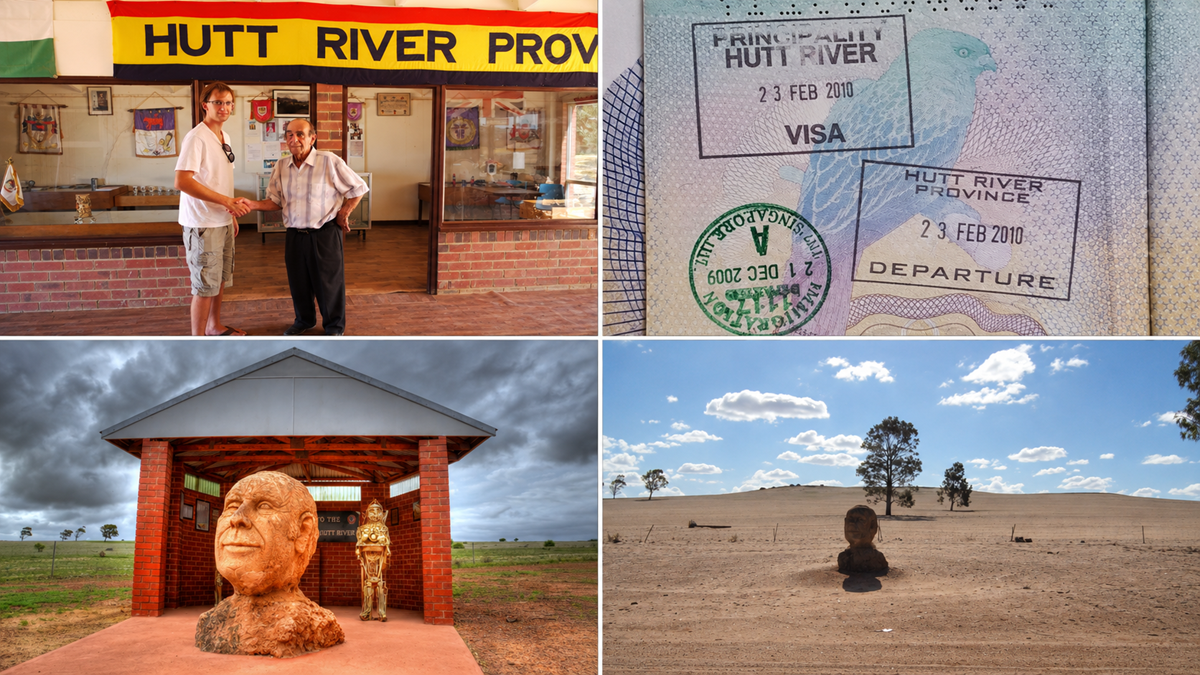
Australian farmer Leonard Casley proclaimed his property independent in 1970 during a dispute with the Western Australian government over wheat-production quotas. Hutt River developed its own passports, stamps, currency, royal family, and tourist attractions, despite never being legally recognized by Australia. The experiment lasted an extraordinary 50 years before Casley’s son announced in 2020 that the principality would dissolve and the property would return to ordinary Australian status amid tax debts and falling tourism income.
4. Free Republic of Liberland
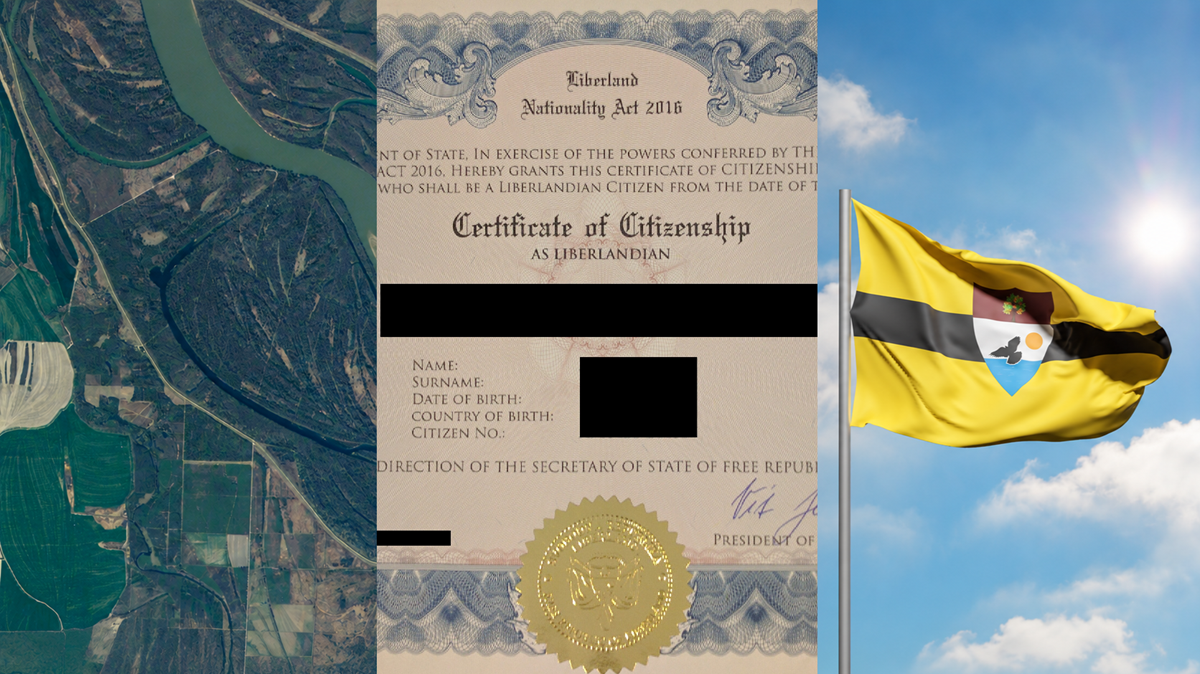
A disputed patch of land along the Danube became the proposed home of Liberland in April 2015. Czech libertarian politician Vít Jedlička declared the roughly seven-square-kilometer territory between Croatia and Serbia an independent republic built around minimal government and the motto “Live and let live.” Applications for citizenship quickly poured in, but neither neighboring country accepted Jedlička’s interpretation of the border situation, and Liberland received no international recognition as a sovereign state.
5. Grand Duchy of Westarctica
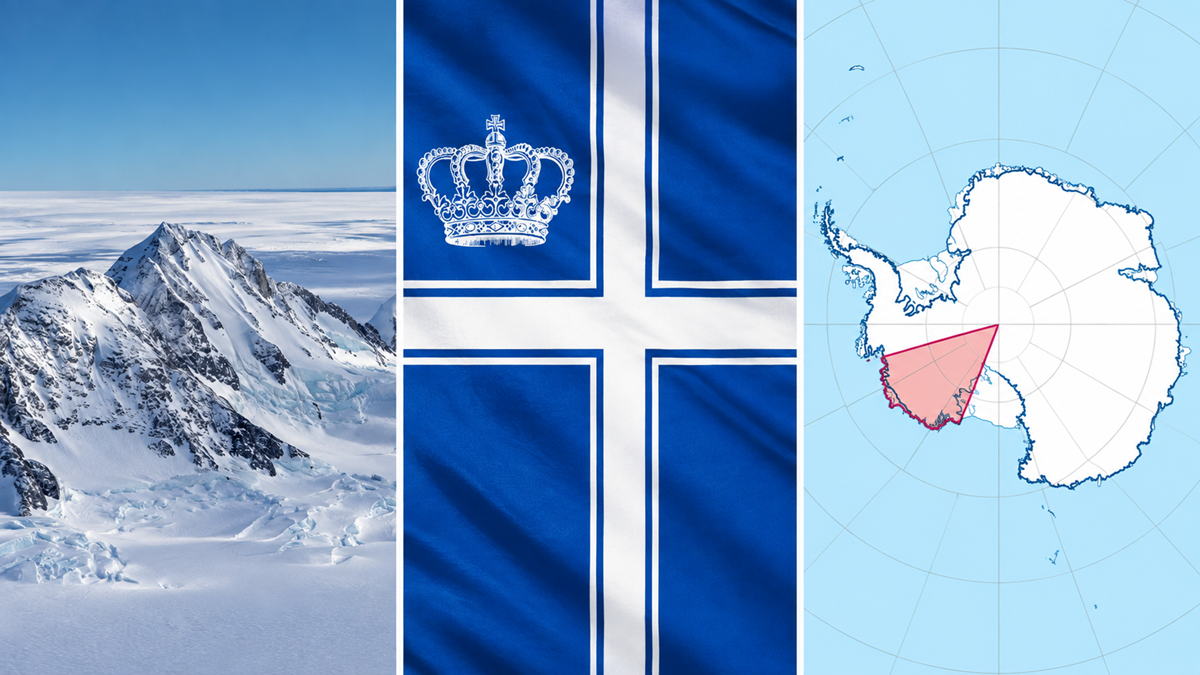
Westarctica began with an unusually ambitious territorial claim: a huge portion of Antarctica. Travis McHenry noticed that Marie Byrd Land was not subject to the kind of formal national claim seen elsewhere on the continent and sent notices about his proposed territory to Antarctic Treaty states in 2001. The project later became the Grand Duchy of Westarctica, complete with a monarchy and government, although its members never colonized the Antarctic territory they claimed.
Trending on The Scroller
6. Ladonia
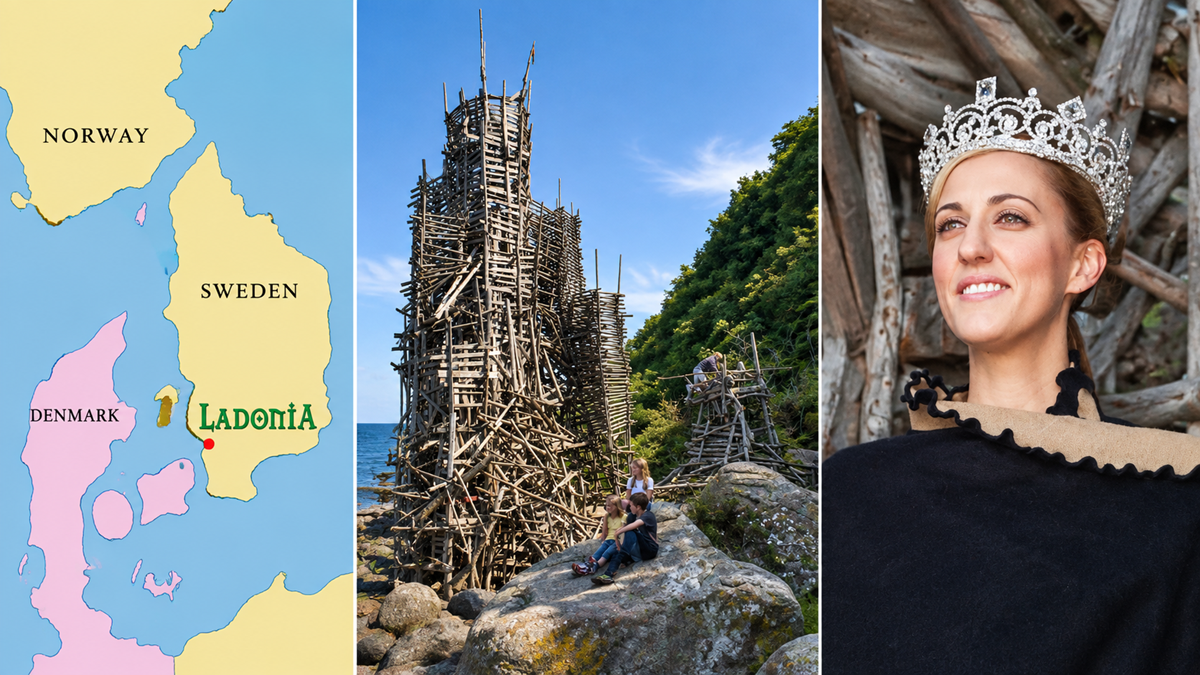
Artist Lars Vilks spent years fighting Swedish authorities over Nimis and Arx, two unauthorized artworks built in the Kullaberg Nature Reserve. In 1996, he turned the legal dispute into something much stranger by proclaiming the area an independent country called Ladonia. The micronation developed a government, constitution, monarchy, elections, and thousands of registered citizens abroad, while the land itself remained part of Sweden.
7. Republic of Užupis
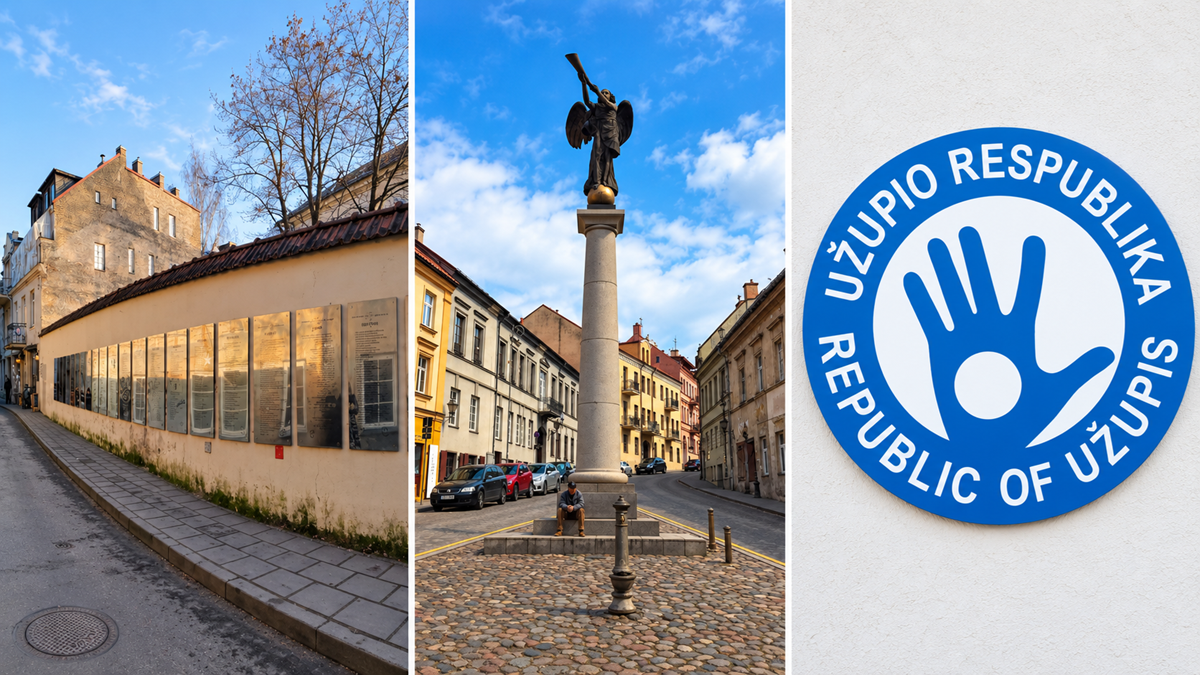
Cross a bridge over the Vilnelė River in Vilnius and the neighborhood on the other side has its own republic. Artists and residents symbolically declared Užupis independent on April 1, 1997, an appropriately chosen date for a project that combines serious community identity with deliberate absurdity. The 0.6-square-kilometer “republic” has a flag, anthem, government, and constitution whose articles include the right to be happy and the right to understand nothing.
8. Principality of Seborga
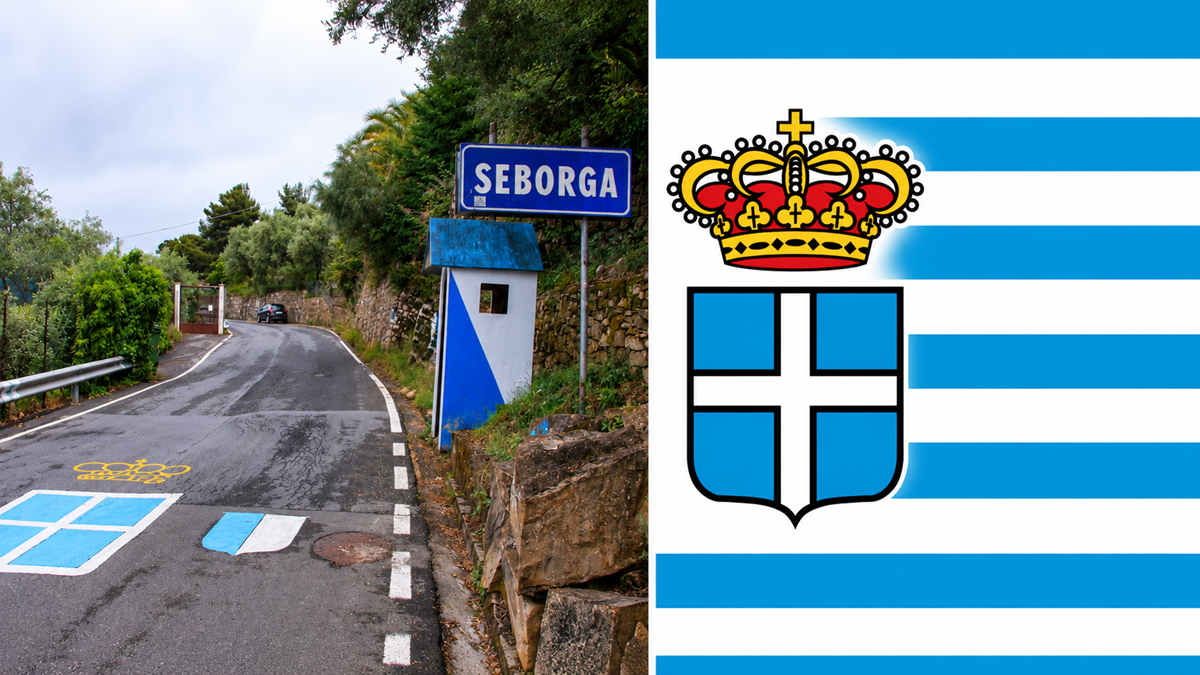
Seborga is a real medieval village in Liguria, Italy, but some residents maintain that it should also be a principality. The modern independence movement took shape in the 1960s under Giorgio Carbone, who argued that historical paperwork surrounding Seborga’s transfer to the House of Savoy left a loophole in its later incorporation into Italy. The town’s micronational side developed its own prince, statutes, symbols, and luigino currency, although the Italian state does not recognize the independence claim.
Sign up for our newsletter
9. Republic of Kugelmugel
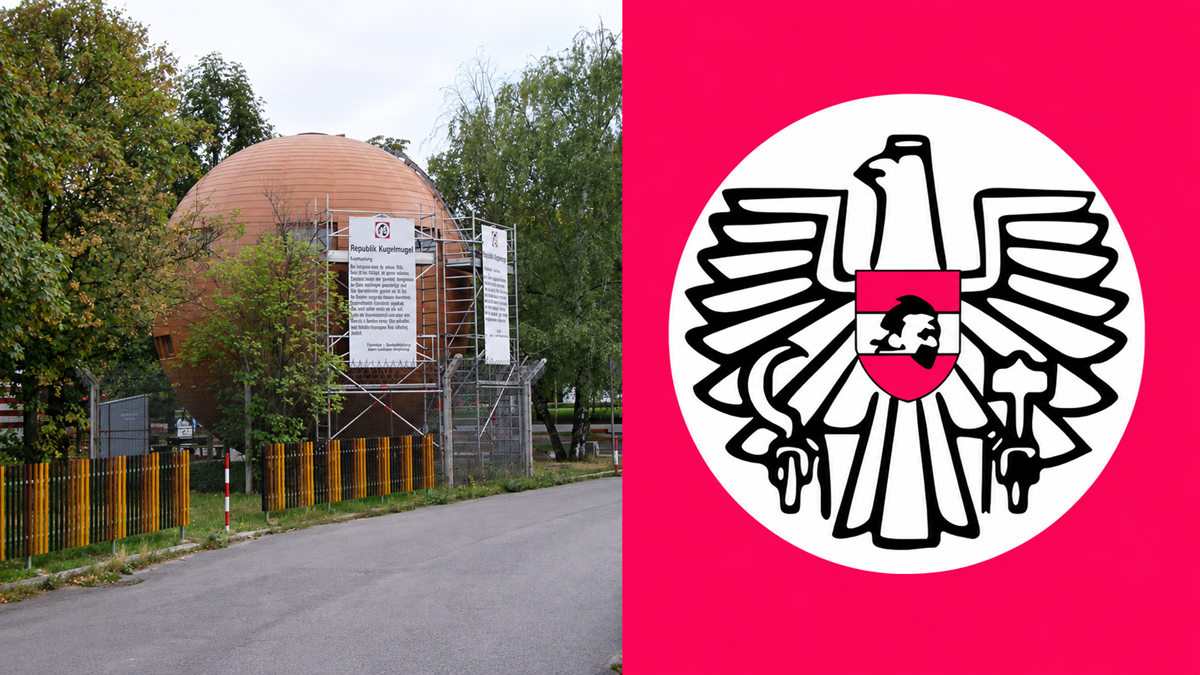
Kugelmugel’s territory is essentially a spherical wooden house. Austrian artist Edwin Lipburger built the structure in Lower Austria in 1971 and became locked in a long fight with authorities over construction rules, eventually declaring his own republic around it. The sphere was later moved to Vienna’s Prater, where the tiny “state” still maintains the performance with a border, citizenship documents, and its own president, all explicitly framed today as part of an artwork.
10. Conch Republic
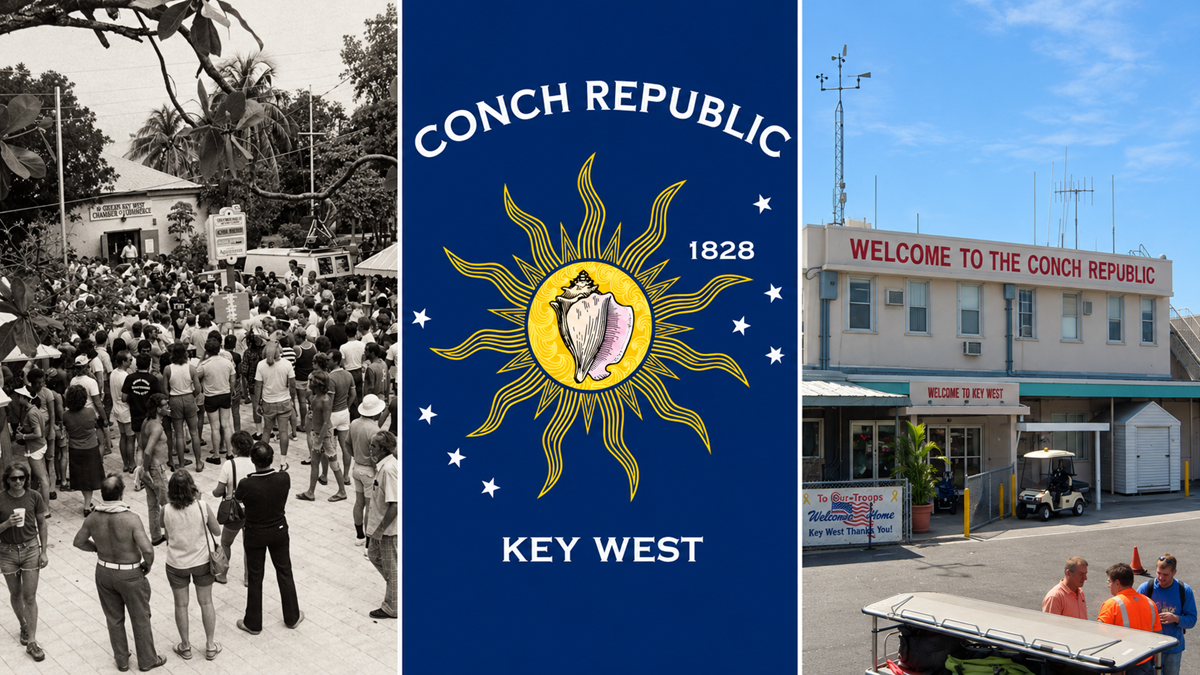
The Florida Keys briefly “seceded” from the United States on April 23, 1982, after a U.S. Border Patrol roadblock created traffic and tourism problems. Key West Mayor Dennis Wardlow announced the Conch Republic, declared war on the United States, symbolically surrendered soon afterward, and helped turn the stunt into a lasting piece of local identity. Independence celebrations continue decades later, though the Keys have of course remained part of Florida throughout.
11. Kingdom of Elleore
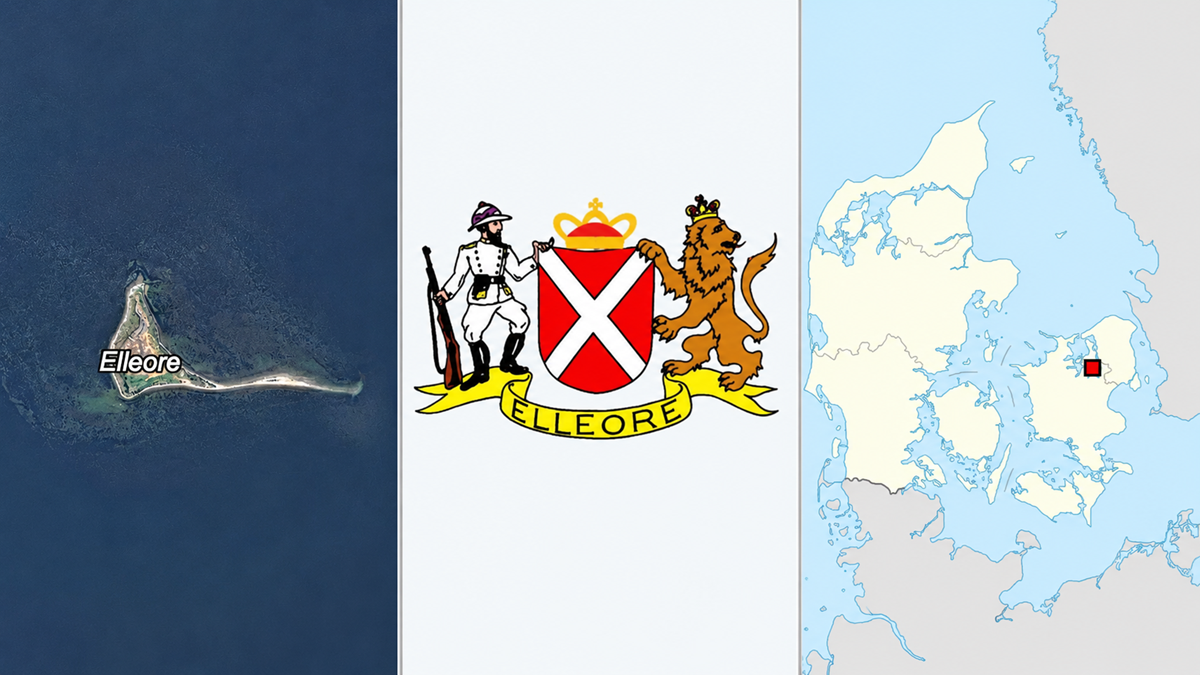
Not every self-declared kingdom starts with a fight. In August 1944, a group of Danish schoolteachers purchased the small island of Elleore in Roskilde Fjord and proclaimed it a kingdom. Elleore developed a monarchy and parliamentary system of its own, creating a long-running alternate national identity on an island that legally remains Danish territory.
12. Republic of Whangamōmona
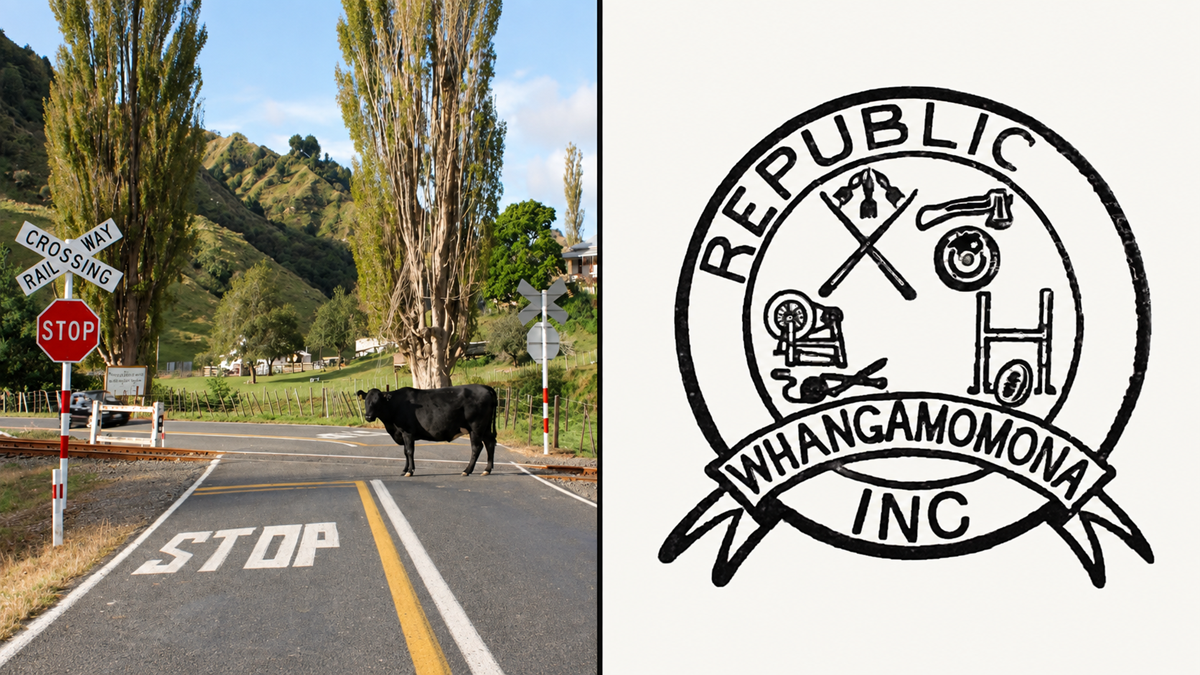
Residents of the small New Zealand settlement of Whangamōmona declared themselves a republic in 1989 after becoming frustrated with changes to local administrative boundaries. The republic has since developed into a local tradition, complete with passports, Republic Day celebrations, and presidential elections. Its political seriousness can probably be judged from the fact that former presidents have included a goat, a sheep, and a dog.
13. Empire of Atlantium
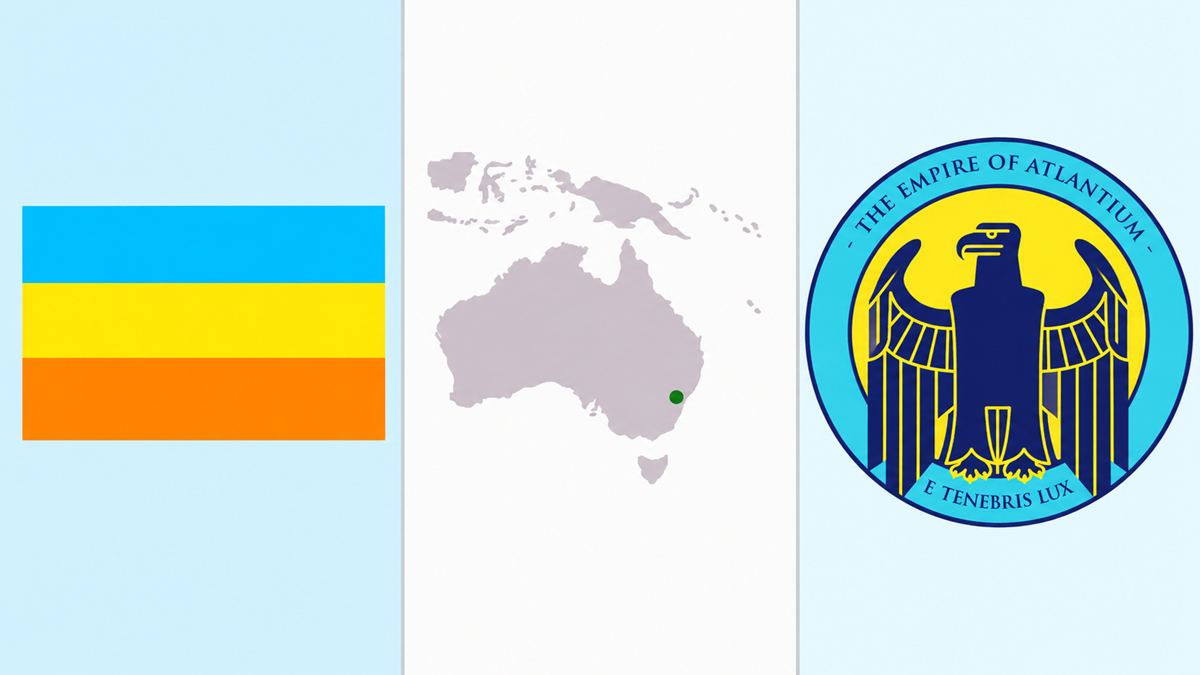
George Cruickshank began Atlantium as a child in Australia and eventually developed it into a much more elaborate micronational project. It has a constitution, flag, currency, judicial structure, and citizens in several countries, although Cruickshank has described the whole thing as something close to sustained performance art with a serious political message underneath. Australian constitutional experts are less ambiguous about its legal status: self-declared micronations remain subject to Australian law.
14. Republic of Rose Island
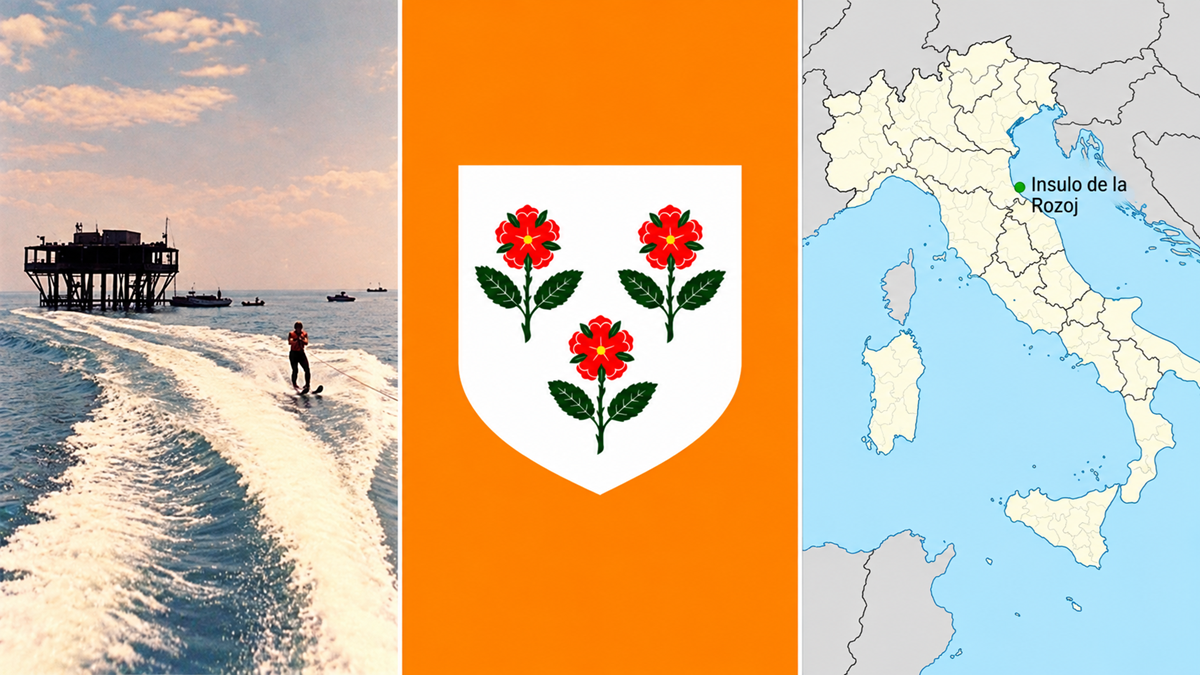
Engineer Giorgio Rosa did not claim a village or a farm. He built his territory from scratch on a platform in the Adriatic Sea off Rimini. In May 1968, the structure was declared the independent Republic of Rose Island, with Esperanto as its official language and plans for its own government, stamps, and currency. Italian authorities occupied the platform only weeks later, and it was ultimately destroyed in 1969, giving Rose Island one of the shortest lifespans on this list.
15. Aerican Empire
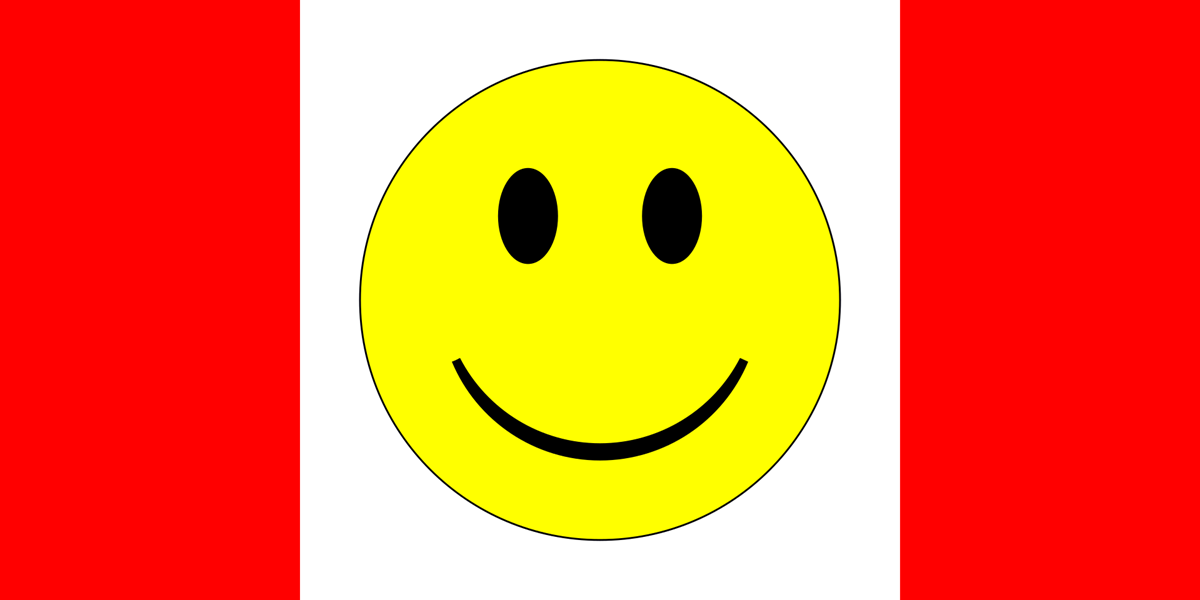
The Aerican Empire started in Montreal in 1987 when five-year-old Eric Lis decided to invent a city called Aerica. Instead of fading away with childhood, it expanded into an elaborate micronational community with ceremonies, government institutions, colonies, stamps, currency, diplomatic contacts with other micronations, and a deliberately absurd sense of humor. Aerica itself openly traces the project’s evolution from a childhood creation into a long-running micronation that still exists decades later.
In the mood for more?
Check out 20 Little-Known Facts About Countries That Will Surprise Even Trivia Fans, or take a look at 15 Travel Destinations That Used to Be Completely Off-Limits to Tourists. If you want to see more unusual places and borders, you can check out 15 Border Crossings Around the World That Are Unusually Strange or Memorable.