There are destinations people save on a map, and then there are destinations that, for years, were barely part of the conversation at all. Not because they were obscure in a fun, insider way, but because getting in was restricted, discouraged, or simply not possible. Some were sealed off by ideology, some by war, some by state policy, and a few by conditions that made tourism feel beside the point. What makes them interesting now is not just that they opened, but that many of them still carry that slightly unreal feeling of having once been out of reach.
Albania
HIKING / REDDIT
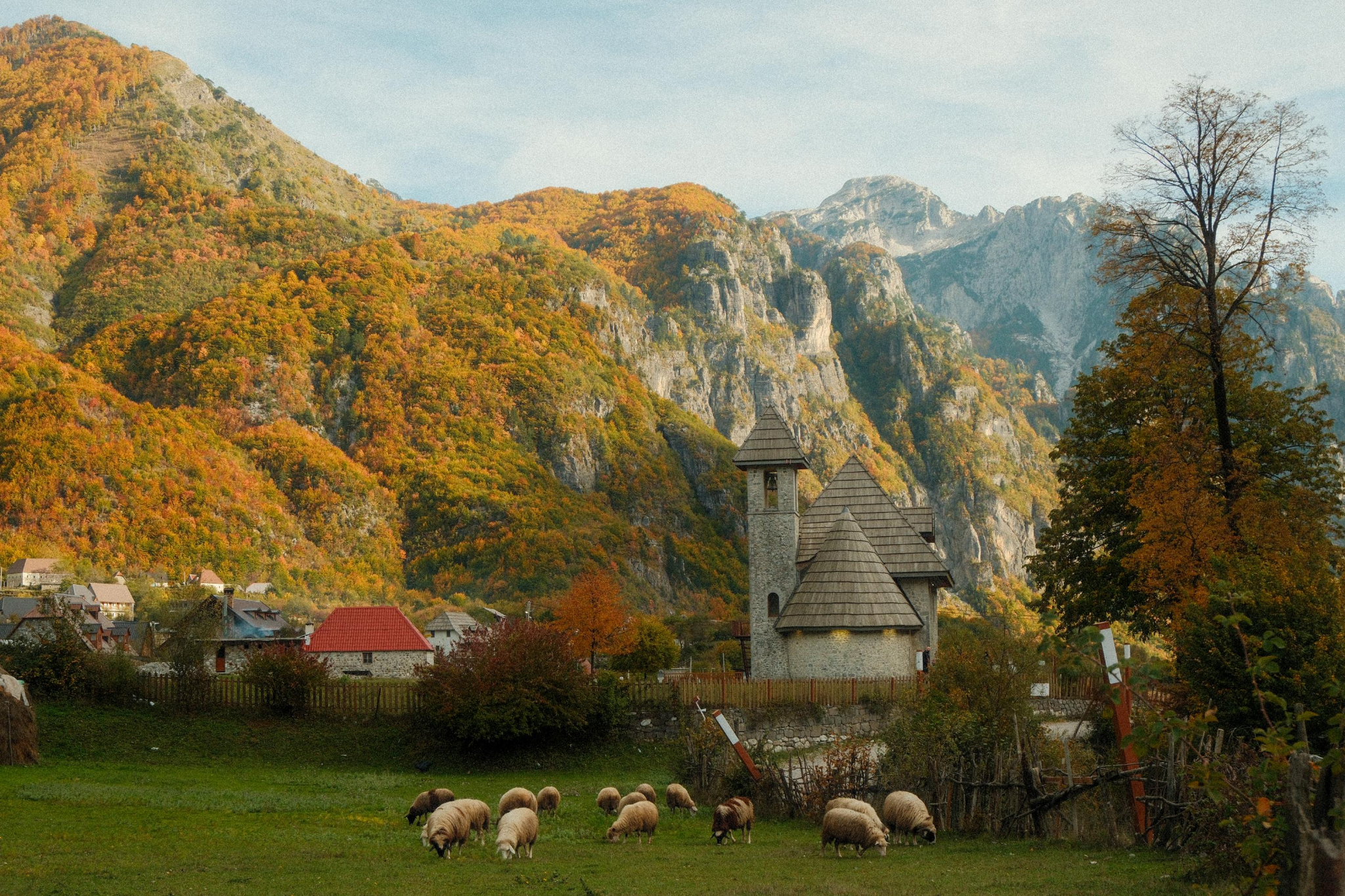
For years, Albania felt less like a Mediterranean destination than a sealed-off corner of Europe. Under Enver Hoxha, the country was intensely isolated, suspicious of outsiders, and covered with bunkers that still remain scattered across the landscape, especially near parts of the coast that once felt more defensive than touristic. That older atmosphere is part of what makes Albania interesting now. The Albanian Riviera draws travelers for the obvious reasons, clear water, lower prices than neighboring hotspots, long stretches that still feel less managed, but the country’s appeal goes beyond the beach. Tirana has become a far more engaging capital than many first-time visitors expect, and across Albania there is still a roughness to the experience that keeps it from feeling overly packaged. The bunkers, the mountain roads, the coastline, all of it gives the place a sense of having opened recently, even if that opening is no longer new.
Saudi Arabia
NATURE / REDDIT
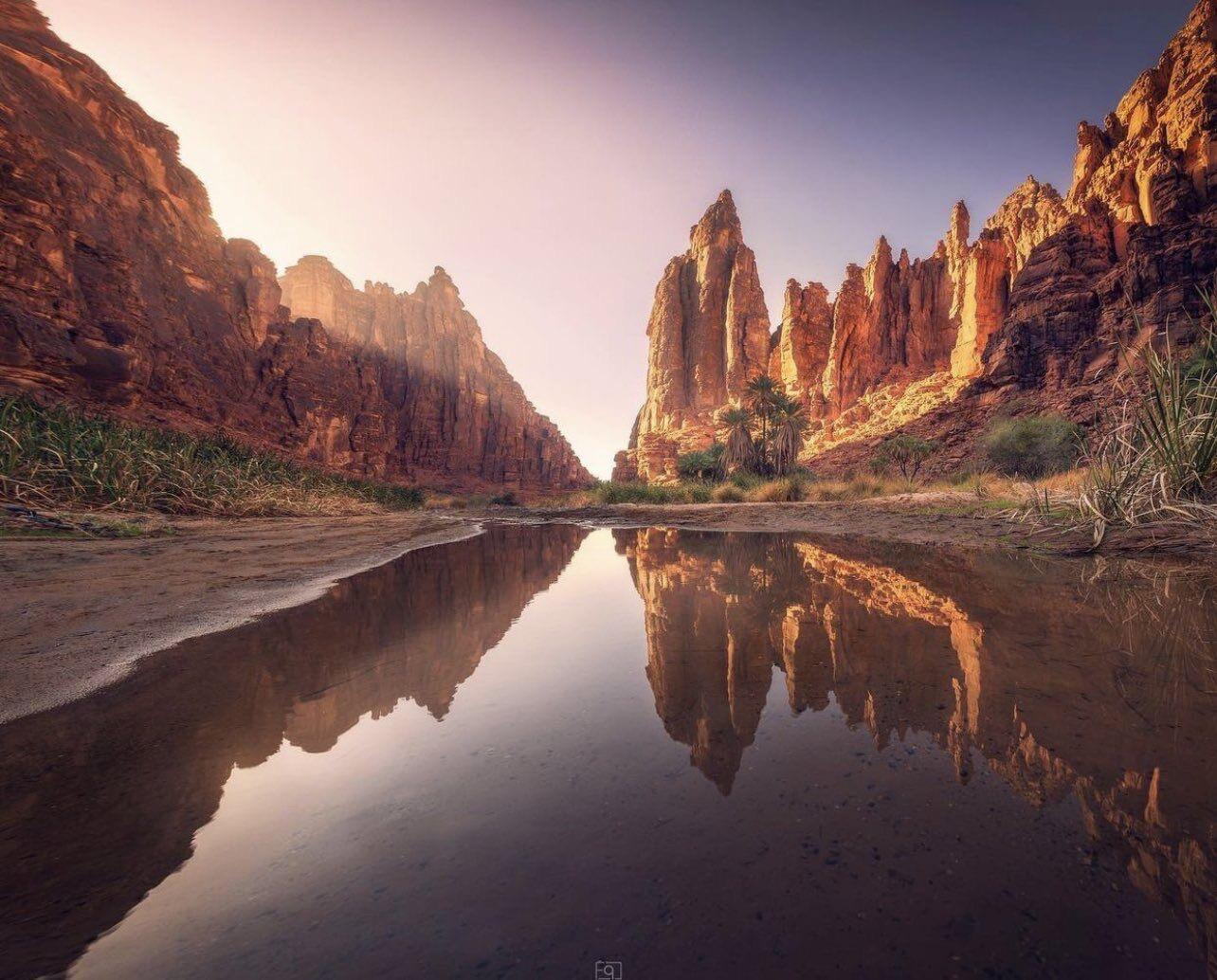
It is still strange, honestly, to think of Saudi Arabia as a mainstream leisure destination in the making. For years, most non-Muslim travelers saw it as a place associated with business trips, work visas, or news coverage, not casual tourism. Then tourist visas arrived in 2019 and the whole frame changed. Suddenly AlUla was being photographed from every angle, Jeddah’s old district was entering travel itineraries, and desert landscapes that had barely figured into global tourism marketing were getting a full rollout. The interesting part is that the place still feels mid-transition. You can sense the machinery of tourism being built while people are already moving through it.
Colombia
TRAVEL / REDDIT
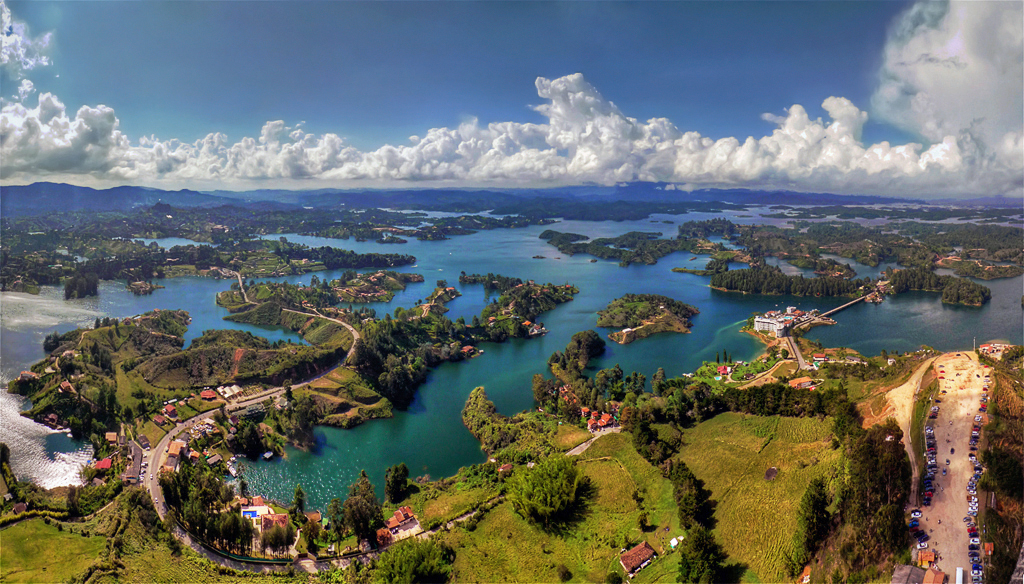
Colombia used to live inside other people’s fear, reduced to old headlines and lazy warnings. That is probably why its transformation hit so hard once travelers started going in bigger numbers and realizing how incomplete that picture had become. Cartagena pulled people first because the sell was easy, color, heat, Caribbean light, then Medellín became the city everyone wanted to argue about, then the rest of the country opened up behind them. Coffee country, Bogotá, the Pacific, smaller colonial towns, stretches of coast that still do not get the same attention, it all added up to a place that moved from no-go shorthand to one of the most varied trips in Latin America. The older reputation has not vanished completely, but it no longer controls the entire story.
Rwanda
GORILLA MEMORIES
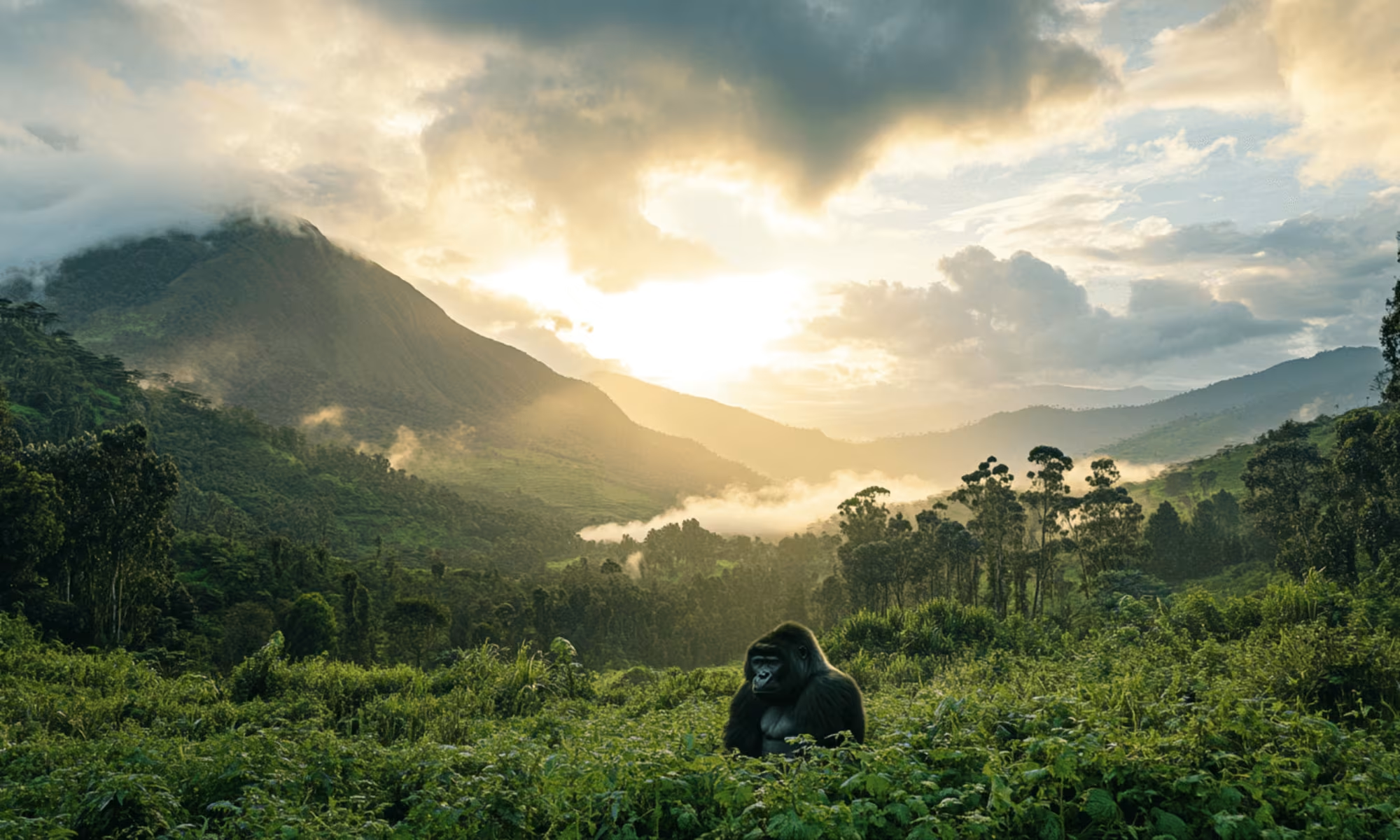
Rwanda is one of those places where the shift is impossible to talk about casually. After the 1994 genocide, tourism was not the point, survival and reconstruction were. Over time, though, the country built something unusually focused and deliberate, and now many visitors arrive for gorilla trekking and end up struck just as much by Kigali, by how orderly it feels, how clean it is, how self-contained and calm the capital seems compared with what outsiders assume. It is not a destination that invites glib language. What stays with people is usually the sense of care, of discipline, of a country that reopened on its own terms.
Cambodia
DESIGNERJOURNEYS / REDDIT
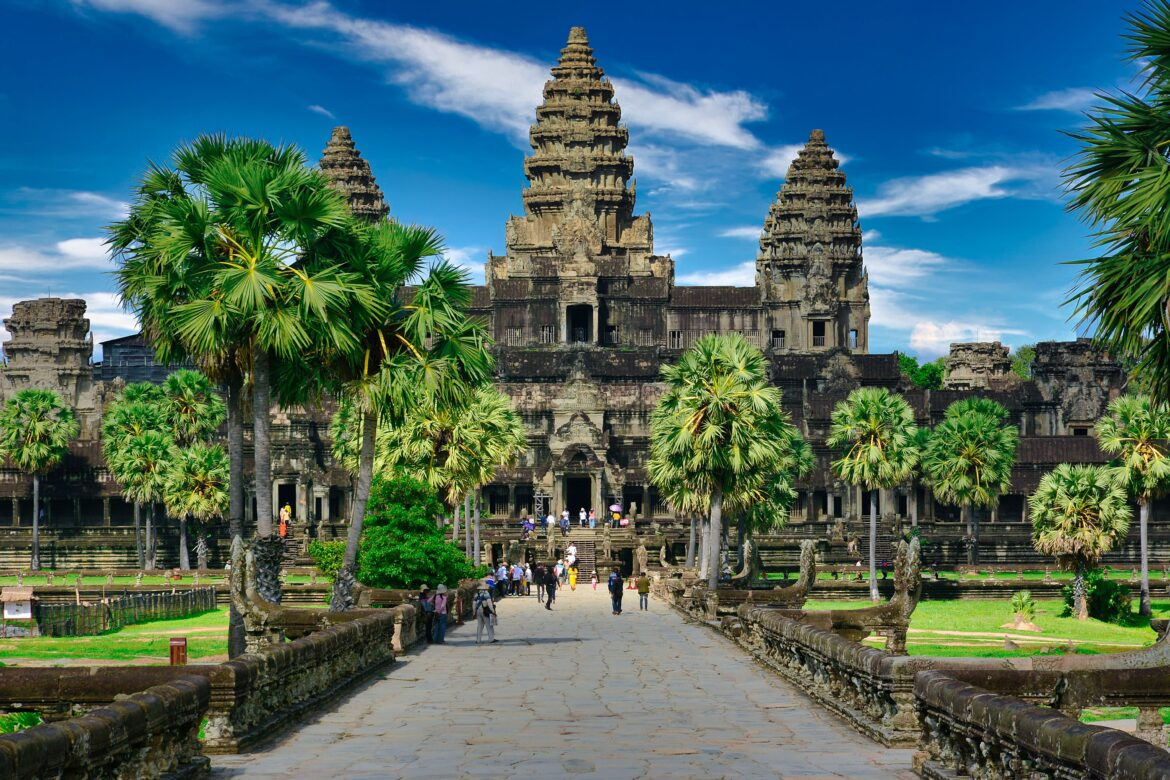
There was a period when Cambodia was defined almost entirely by violence, first war, then the Khmer Rouge, then the long wreckage that followed. So its current role on the Southeast Asia trail can make people forget how inaccessible it once was. Angkor Wat did a lot to pull global attention back, obviously, but the fuller story is that tourism in Cambodia stopped being just about one monument. Siem Reap became a real base instead of a staging area, Phnom Penh drew travelers willing to spend time with the country’s harder history as well as its present, and the coastline started showing up more often in the margins of travel planning. It still has that unevenness that reminds you mass tourism arrived later here than in neighboring countries.
Trending on The Scroller

Georgia
THOUGHCO
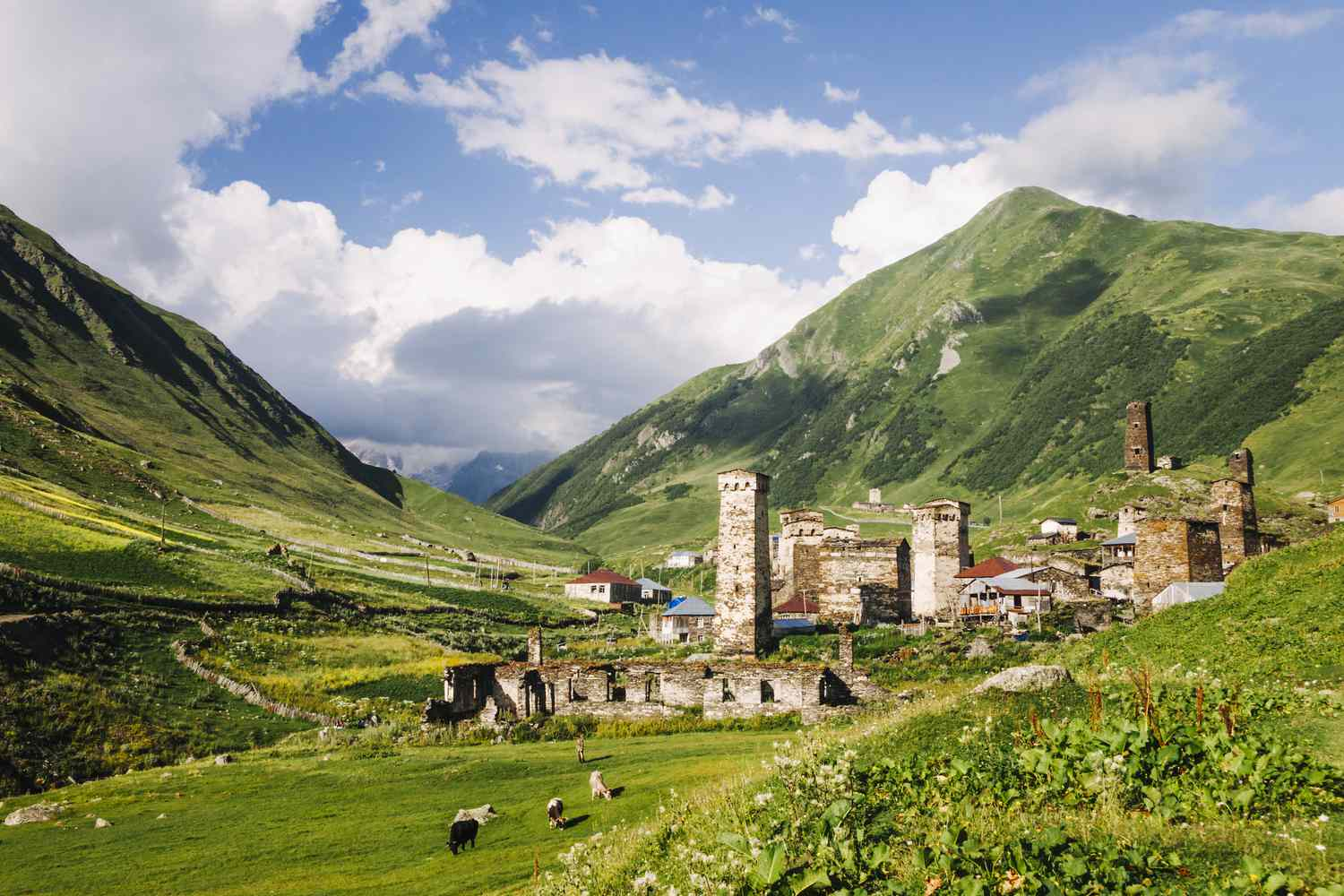
Georgia has the kind of rise that makes frequent travelers sound a little smug because they all think they got there early, even when they did not. After the Soviet collapse, and during the instability that followed, it was not somewhere casual tourists were flocking to. Now Tbilisi is the city people recommend with that slightly evangelical energy people use when they think a place still has some edge left to it. Part of the draw is the obvious stuff, wine, food, mountain scenery, but part of it is harder to pin down. The country still feels a little rough around the seams in a good way. It has not been sanded down into an easy, frictionless product.
Mozambique
TRUEGEOGRAPHY / REDDIT
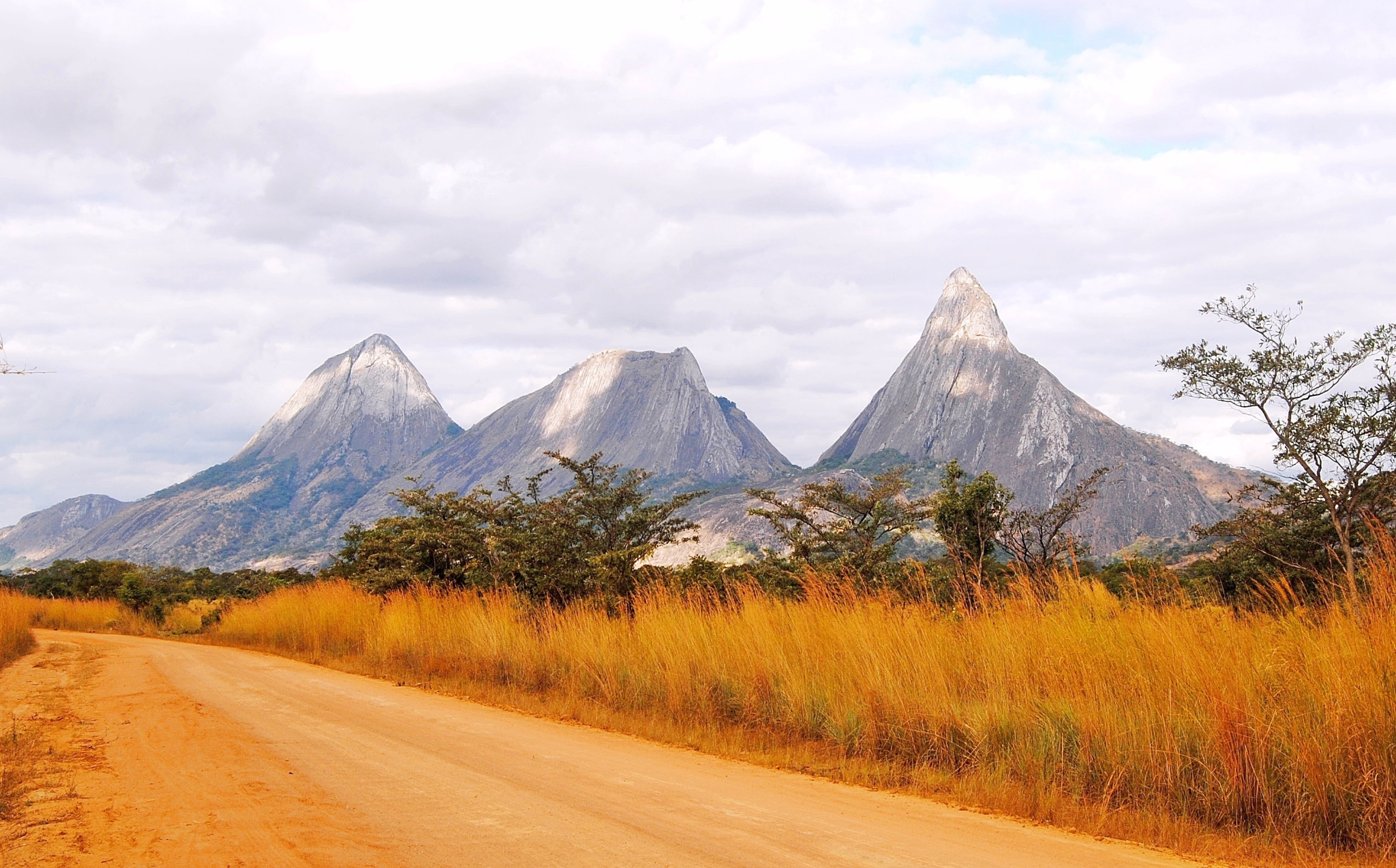
Civil war kept Mozambique largely out of the tourist imagination for years, and even after peace, it never reopened with the speed or gloss of some better-known beach destinations. Which, again, is part of the appeal. The coast can feel loose, spread out, and oddly underclaimed given how good parts of it are. The Bazaruto Archipelago gets the postcard treatment, and fair enough, but the country’s charm also lives in the longer stretches between highlights, the seafood, the Portuguese traces, the drives that take longer than they probably should, the feeling that tourism here did not arrive with a perfectly finished script.
Bhutan
ASKTHEWORLD / REDDIT
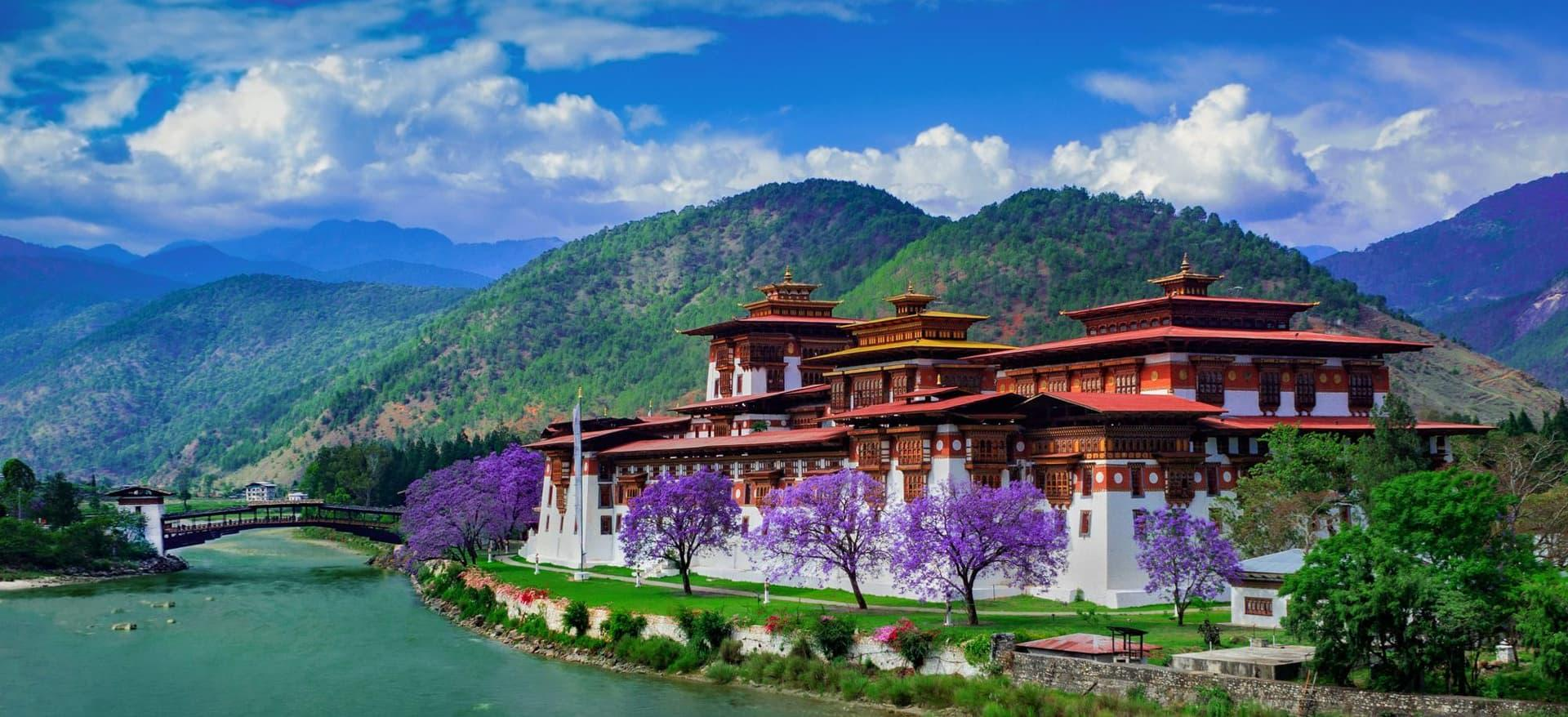
Bhutan was not exactly hidden, people knew it was there, knew the monastery photos, knew the broad outline, but it stayed tightly controlled for decades and never leaned into tourism as a volume business. That alone made it feel different from the rest of the region. Even now, with more visibility than before, it does not read like a destination built to flatten itself for everyone. You go because that controlled distance is part of the story, not a barrier to it.
Sign up for our newsletter
Myanmar
TRAVEL / REDDIT
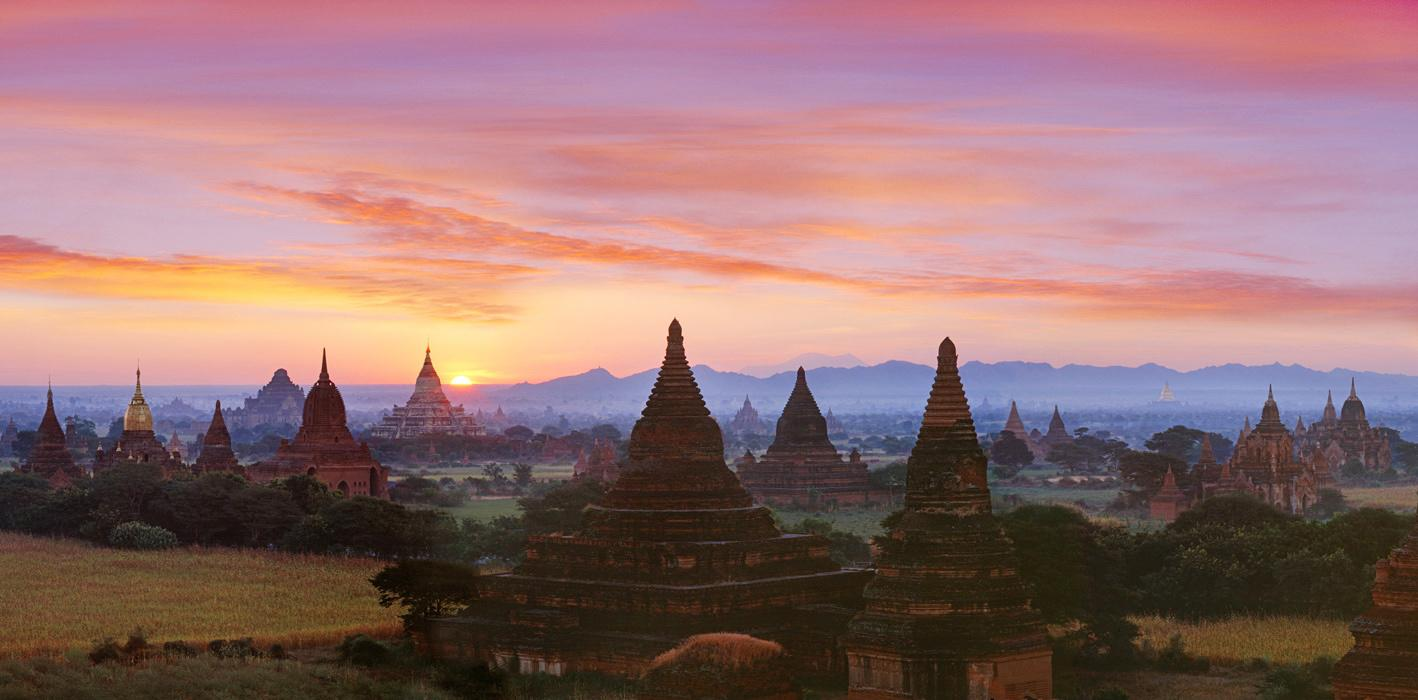
For a while, Myanmar felt like one of the clearest examples of a country reentering the map after a long period of military rule and isolation. Travelers who went during that opening often described the experience with a certain hesitancy, not because the country lacked beauty, it plainly did, but because everything still felt politically unfinished. Bagan at sunrise, Yangon’s old architecture, Inle Lake, all of it entered the travel conversation quickly, maybe too quickly, because the later reversal showed how unstable that openness really was. It remains one of the sharpest reminders that “open to tourists” can be a temporary condition, not a settled fact.
Angola
TRAVEL / REDDIT
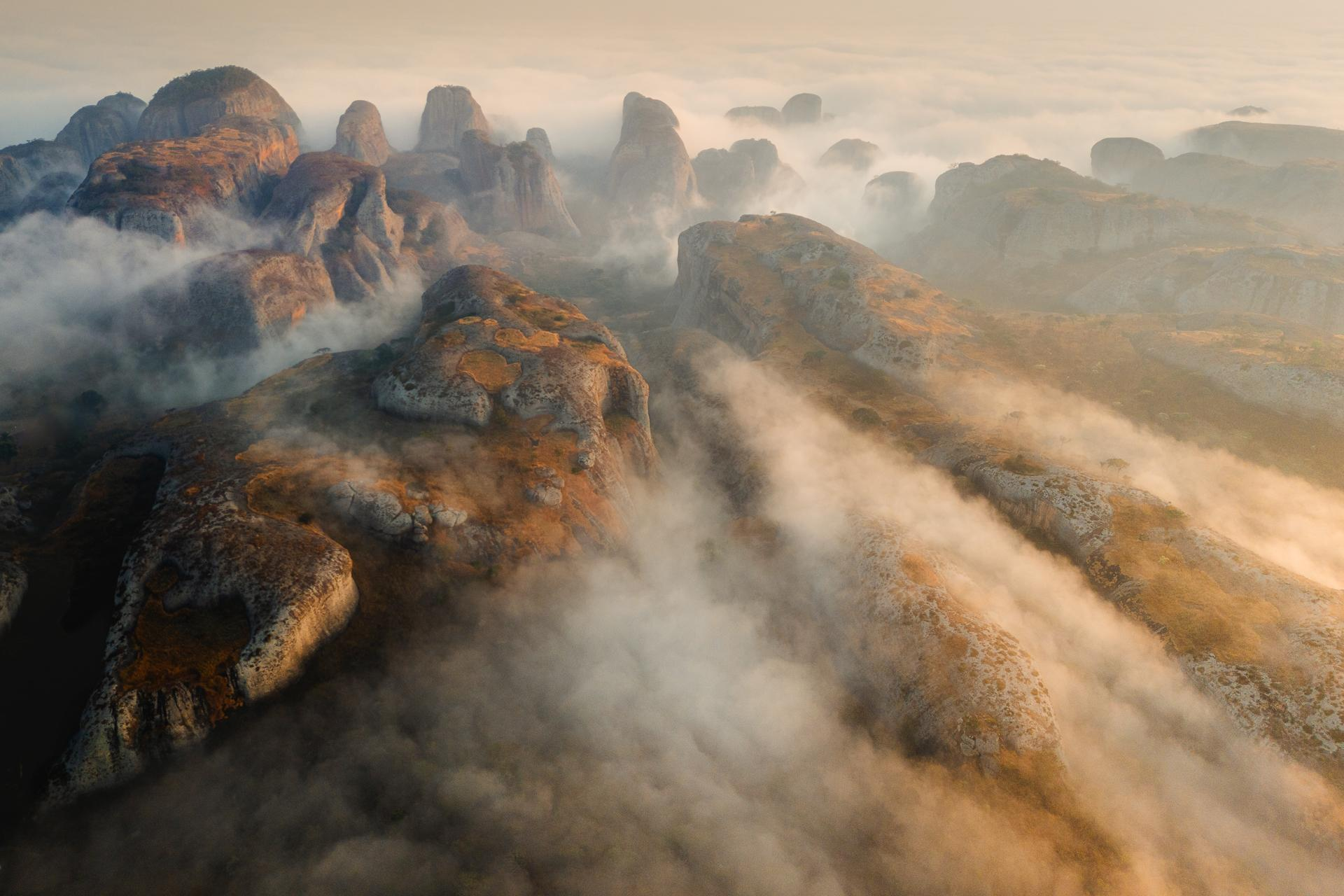
Angola still does not have the easy sell of a place that has already been fully packaged for international visitors, and maybe that has protected some of its intrigue. After a brutal civil war that ended in 2002, it remained difficult, expensive, and awkward to navigate, which kept tourism limited even when the fighting was over. But the people who make the effort tend to come back talking less about a checklist and more about atmosphere, Luanda’s intensity, the strange emptiness of some landscapes, the cliffs at Tundavala, the desert and coast sitting closer together than outsiders expect. It is one of those destinations where even recent visitors talk about it as if it still has not quite entered the mainstream travel language.
Chernobyl Exclusion Zone, Ukraine
EURONEWS
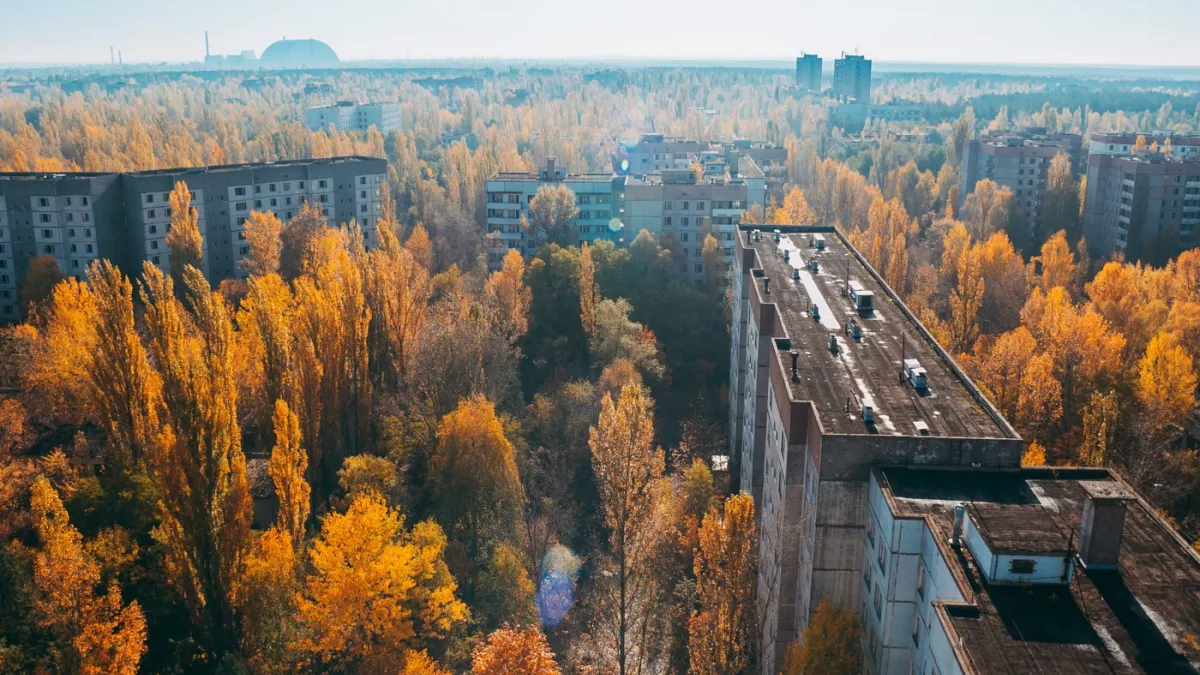
This was a different kind of off-limits. After the 1986 nuclear disaster, the area was closed for reasons no one needed explained, and for years it existed more as a symbol than a destination. Then guided visits began and the exclusion zone became one of Europe’s strangest tourist experiences, quiet, unsettling, less sensational in person than in the imagination. What people remembered was often not the reactor itself but Pripyat, the stillness, the abandoned interiors, the feeling of moving through a place where time did not exactly stop but got stuck. Access changed again after Russia’s full-scale invasion of Ukraine, which makes the zone feel, once more, like a place the outside world cannot approach in the same way.
Socotra, Yemen
SPACE / REDDIT
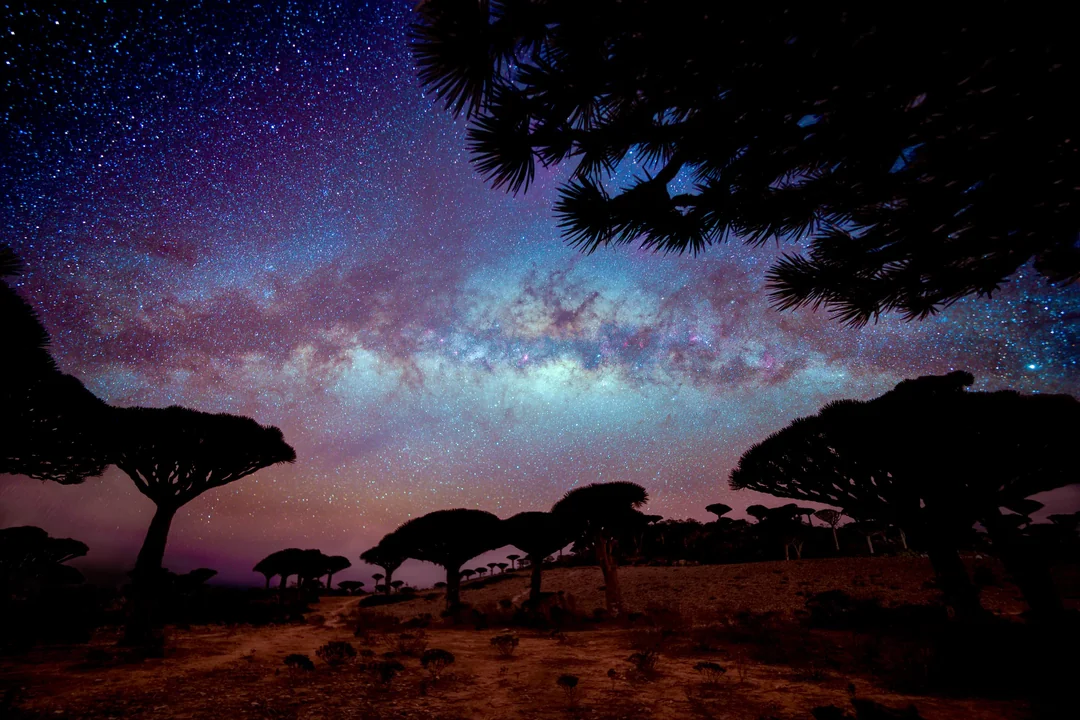
Socotra sounds made up the first time a lot of people hear about it, and the photos do not help because they look too clean, too improbable, as if someone overdid the editing. But the island’s dragon blood trees and blunt, strange topography are real, and for years the broader instability in Yemen kept it well outside the realm of realistic travel for most people. Even now, it is not a casual add-on. Getting there still feels like committing to something more complicated than a normal island trip, which is a big reason it has held onto that remote, almost whispered reputation.
Cuba
GEOGRAPHY / REDDIT
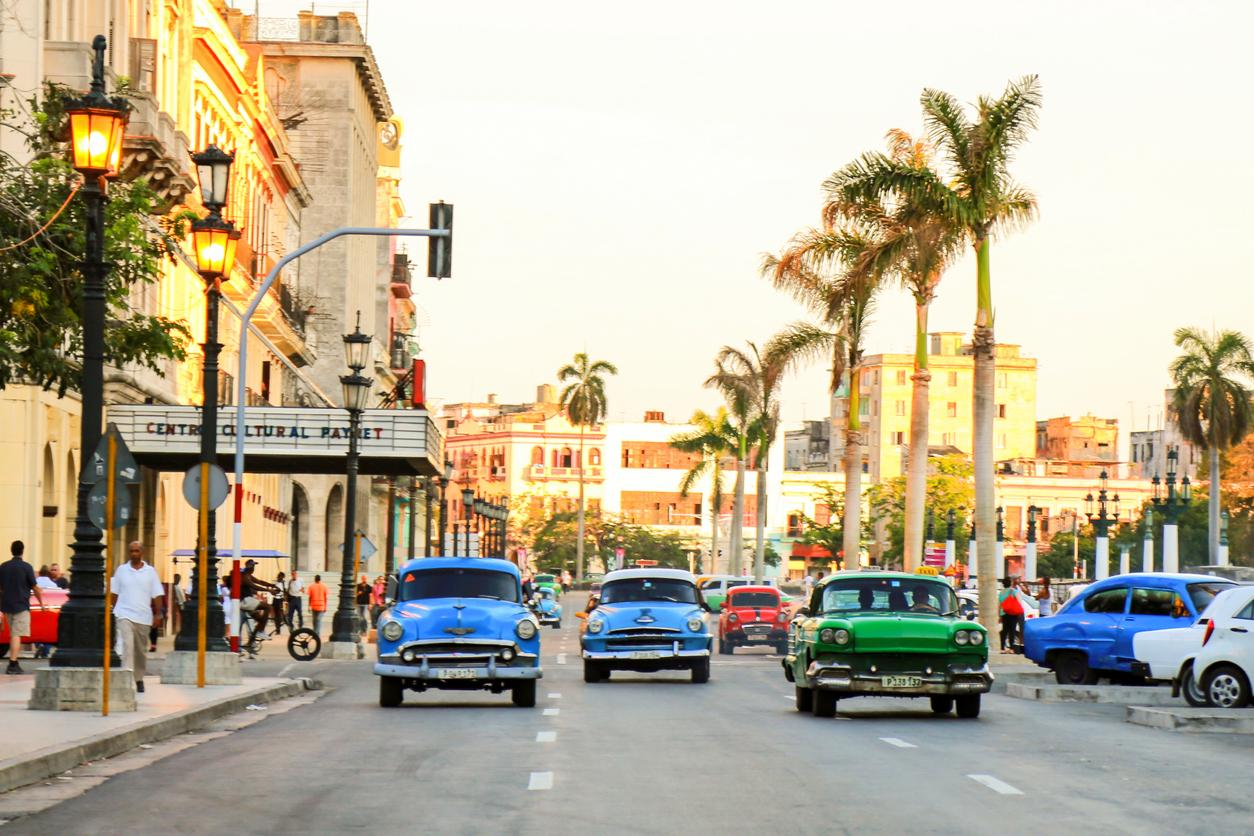
Cuba was never universally sealed off in the same way some closed states were, but depending on who you were and where you were coming from, it could feel politically distant for decades. For many Americans especially, it sat in that category of places discussed endlessly and visited by relatively few. That gap gave it an almost overdeveloped image before people even landed, old cars, crumbling facades, music drifting out of doorways, and when travel restrictions eased, a lot of visitors arrived carrying that whole visual package with them. The reality, as usual, was messier and more interesting. Havana could be beautiful and exhausting in the same afternoon, and the rest of the island often caught people off guard because it felt less frozen in time than they had been led to expect.
Greenland
STARS / REDDIT
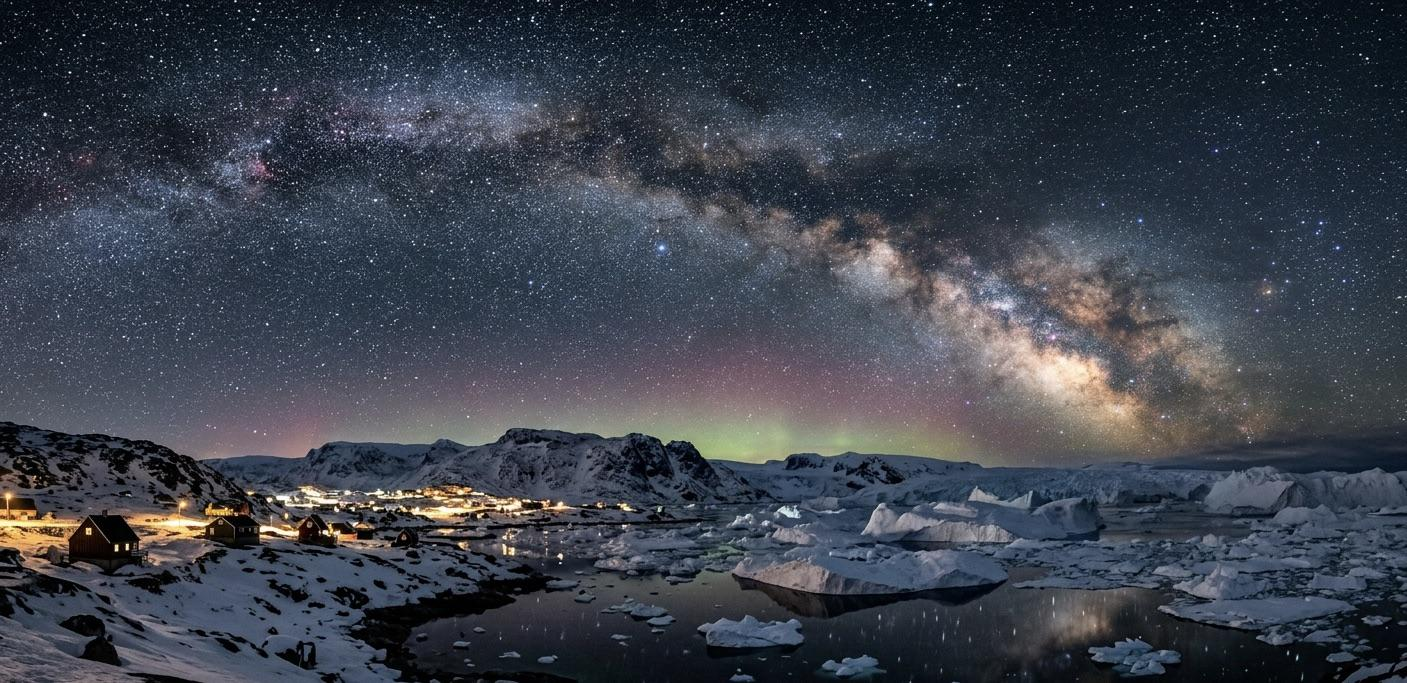
Greenland was not forbidden so much as functionally out of reach for a huge number of travelers. Harsh conditions, sparse infrastructure, and sheer distance kept it closer to expedition fantasy than ordinary vacation planning for years. That has changed enough that more people now treat it as an actual option, especially with rising interest in Arctic travel, but it still feels demanding in a way many destinations do not. Towns sit against huge landscapes that dwarf them, weather keeps its own schedule, and even the most organized trip can feel a little provisional. That is not a drawback unless you need total predictability.
Svalbard
EARTH TREKKERS
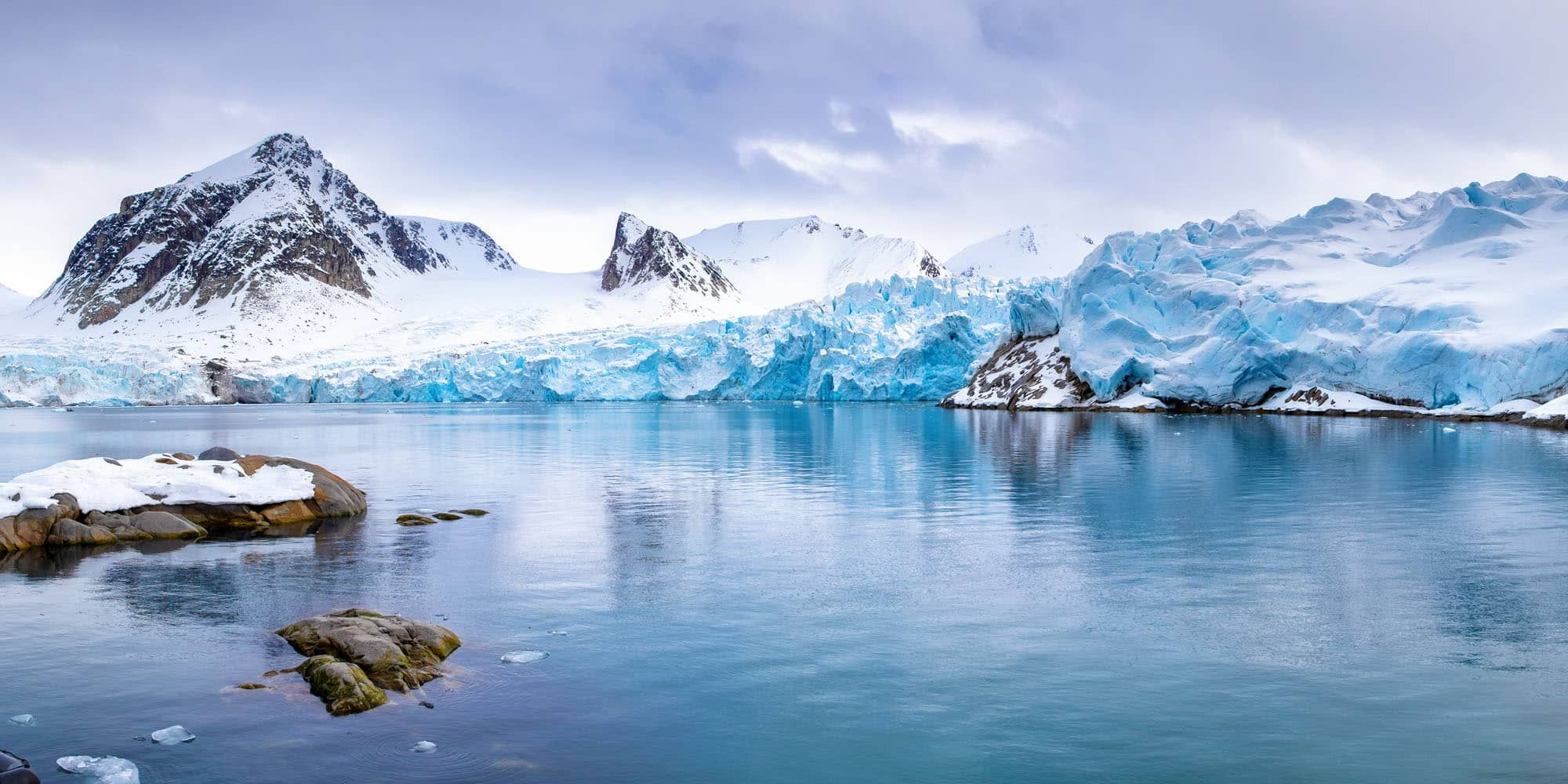
There are places that market remoteness, and then there is Svalbard, where the remoteness does not need help. For a long time it was more closely associated with mining, research stations, and Arctic logistics than tourism. Now travelers go for glaciers, wildlife, polar night, the chance to stand in a place that still feels genuinely peripheral to ordinary life. Yet even with more hotels, tours, and camera-friendly itineraries than before, it has not lost that outpost quality. When people come back from Svalbard, they do not usually talk about it like a relaxing getaway. They talk about light, silence, exposure, the cold hitting differently than they expected.
North Korea
PICS / REDDIT
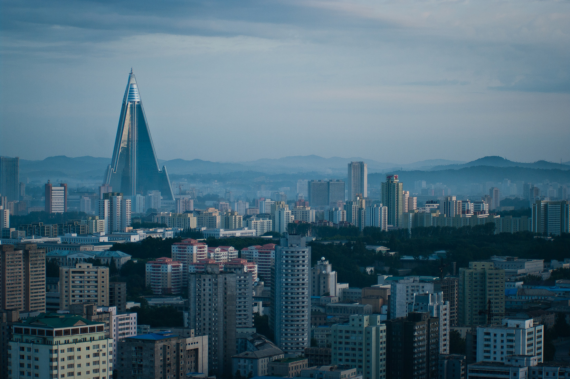
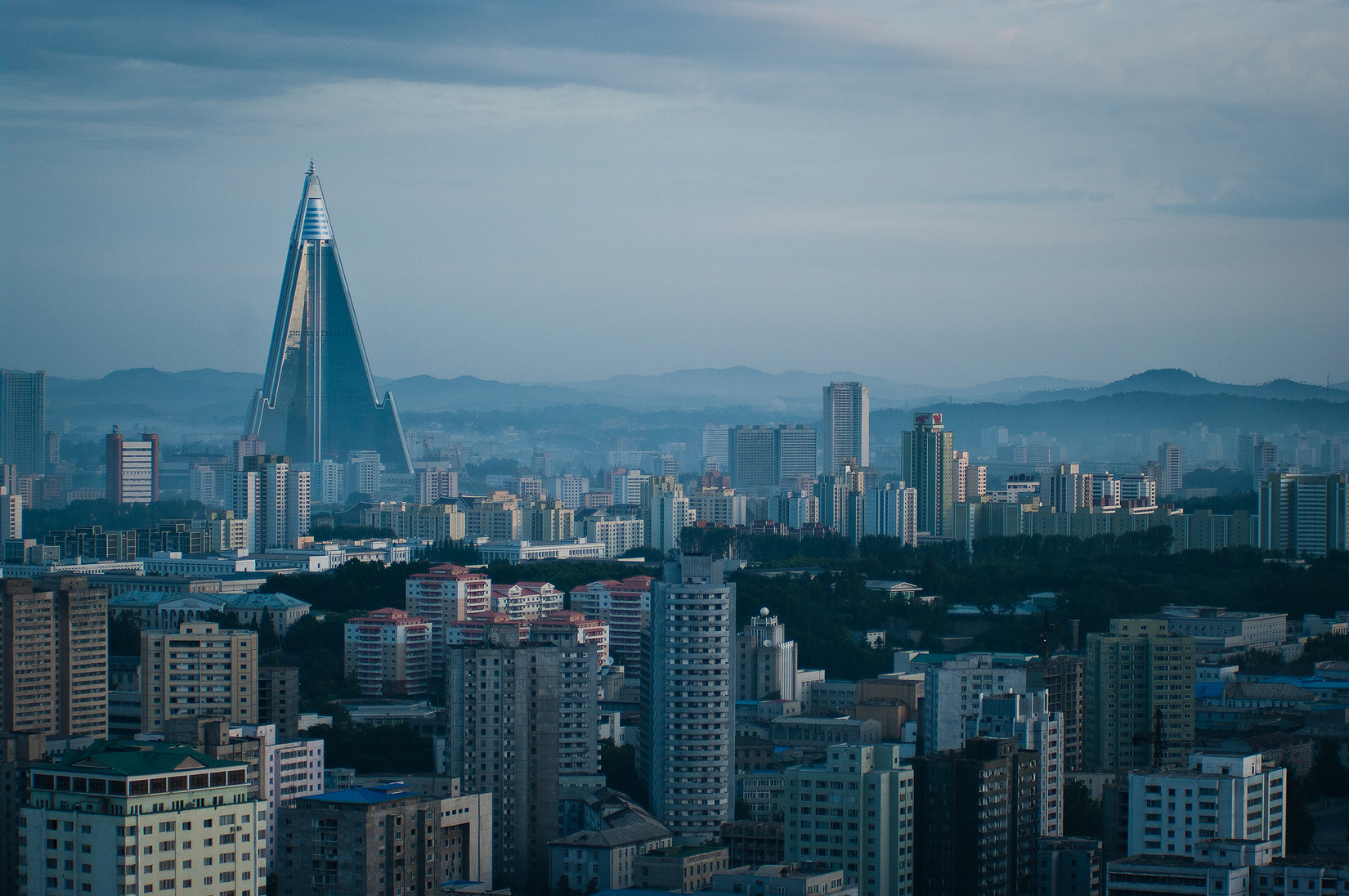
Few places fit this list more literally. North Korea has been closed off to ordinary tourism for decades, with entry tightly controlled and travel heavily restricted even for the small number of foreigners allowed in. That is what made it so unusual in the first place, not just hard to visit, but structured in a way that barely resembled normal travel at all. Even during the limited periods when foreign visitors could enter on guided itineraries, the experience was defined by control, surveillance, and the sense that you were only seeing what the state wanted seen..
Vietnam
PICS / REDDIT
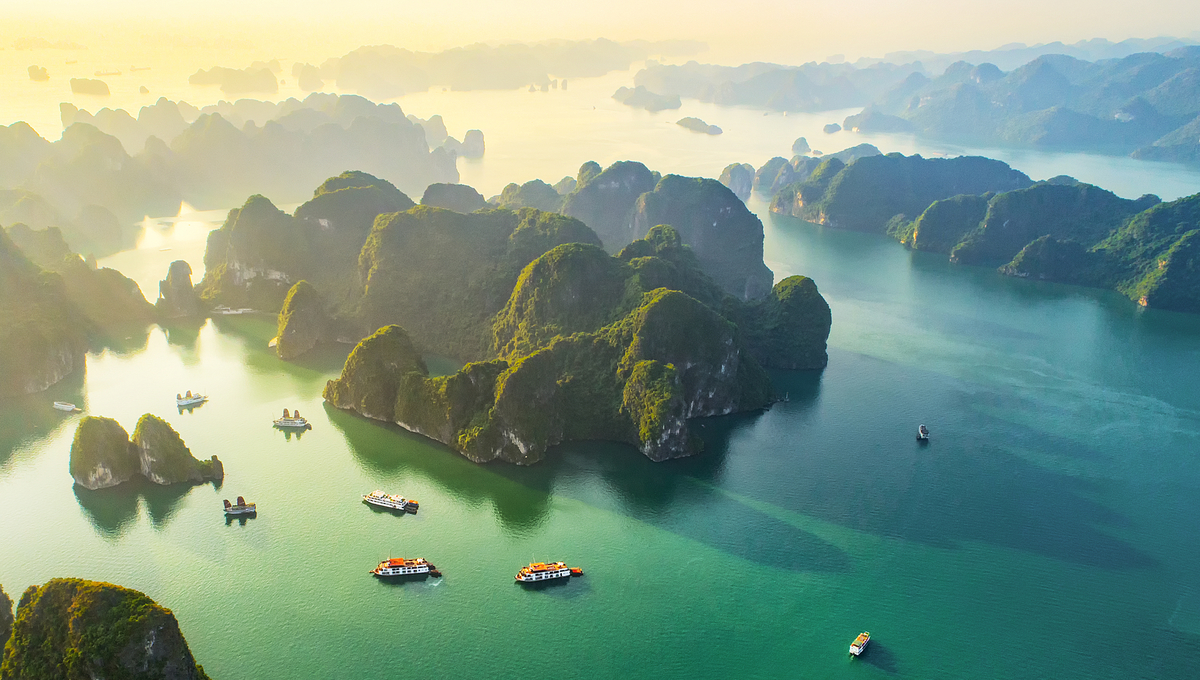
Vietnam’s reopening was gradual enough that people sometimes compress it in retrospect, but for years war, political isolation, and economic restrictions kept it far from the version travelers know now. At this point the country is so firmly embedded in regional travel that younger travelers may not even register that it was once difficult terrain in diplomatic and tourism terms. What stands out today is how many completely different trips Vietnam can offer. Some people chase food in Hanoi and Ho Chi Minh City, some drift toward Hội An and the central coast, some head north for mountain landscapes and rice terraces, some barely leave the south. It feels less like a single destination than several distinct ones connected by a long, narrow frame.
Libya
NATURE / REDDIT
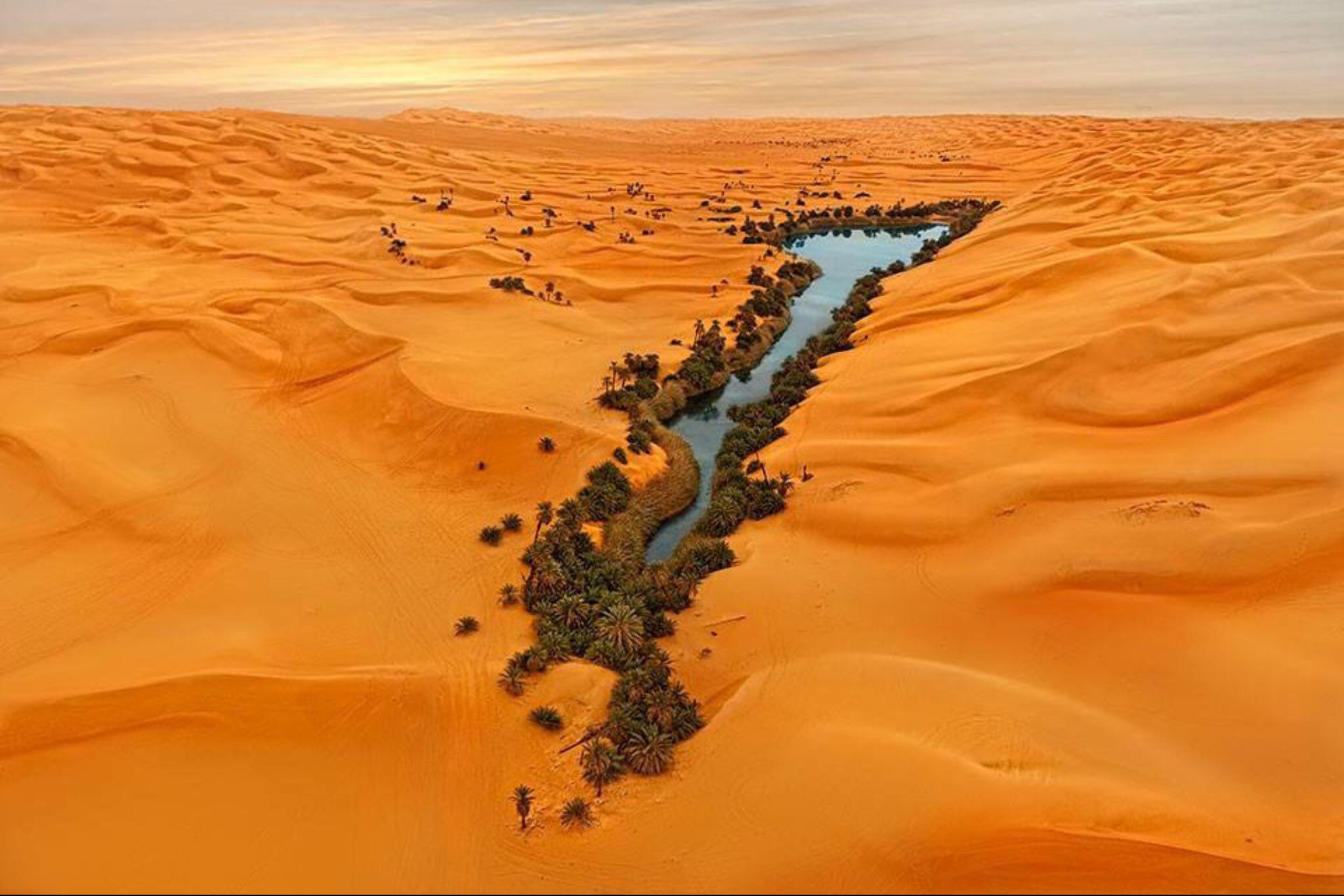
Libya has the kind of coastline and archaeological wealth that should have made it a major Mediterranean destination long ago, but decades of political isolation, strict visa rules, and later conflict kept it far outside ordinary travel. That is why places like Leptis Magna feel so striking in this context, not because they were unknown, but because they were effectively out of reach for most travelers for so long. Even now, Libya is better understood as a place that spent years closed off from tourism than as a conventional stop on anyone’s itinerary.
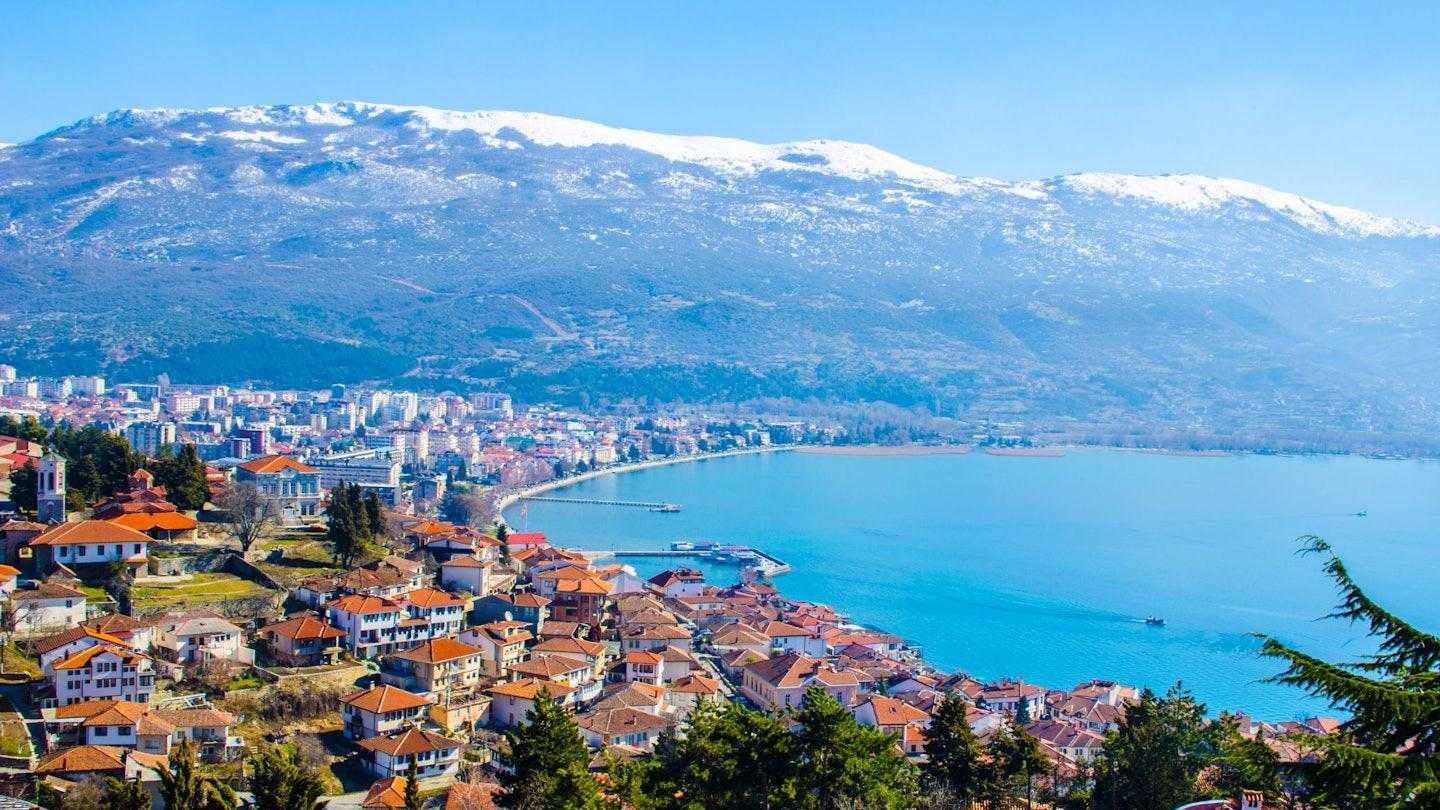
North Macedonia’s Prespa region
ASKTHEWORLD / REDDIT
This is one of the shorter examples because the point is simple. There were corners of the Balkans that, during the Yugoslav breakup and the years around it, sat well outside mainstream tourism even when they were not formally sealed. Places near old border tensions or regional instability tend to disappear from the tourist mind fast, then return slowly. Prespa now gets attention for its lakeside quiet and layered history, but for a while it was the kind of place hardly anyone outside the region was seriously considering.
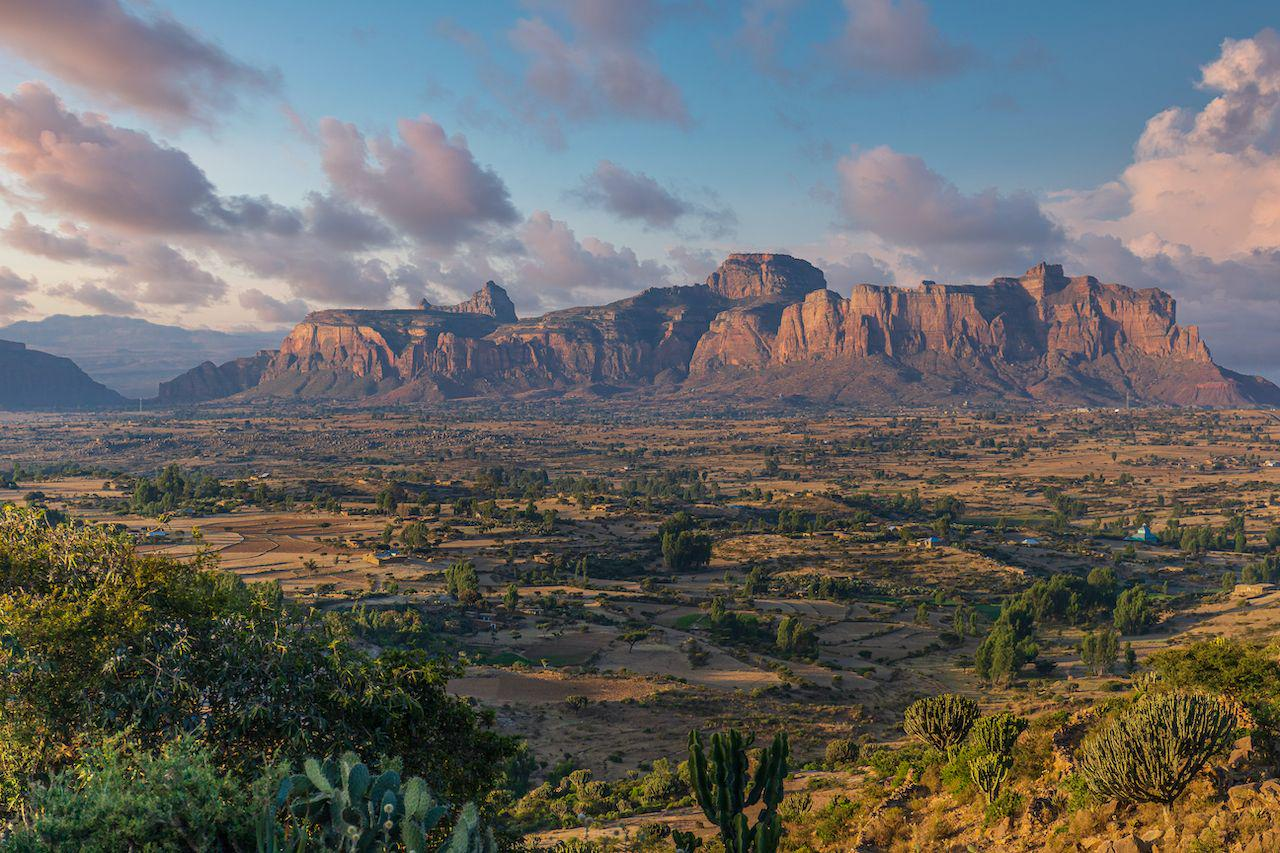
Ethiopia
HOWISLIVINGTHERE /REDDIT
Ethiopia had long drawn travelers, but access to parts of it has repeatedly shifted with conflict, politics, and security conditions. That stop-start quality matters because it changes how the country is perceived abroad, one year it is a major cultural destination, the next it drops off people’s planning almost overnight. Lalibela, Gondar, Aksum, these places have enormous pull when routes are viable. The problem is that openness has never been a fixed state, and that uncertainty shapes travel there as much as the monuments do.
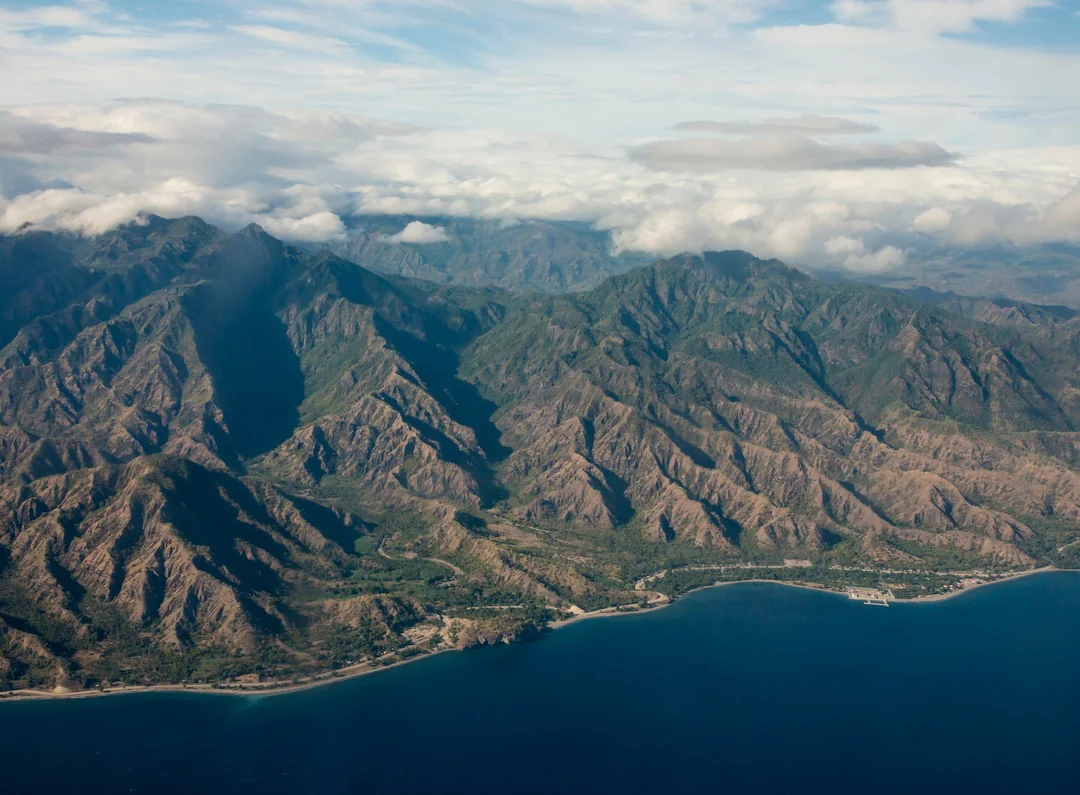
Timor-Leste
AUS / REDDIT
This is not the first place that comes up in travel conversations, which is exactly why it belongs here. After years of occupation and conflict, independence in 2002 did not instantly turn Timor-Leste into a tourism story. It stayed quiet, lightly visited, and a little outside the normal Southeast Asia flow. What it offers now is not scale or polish but rarity, coral reefs, mountain drives, Portuguese and local influences mixing in ways that do not resemble anywhere else nearby, and the simple fact that very few people you know have probably been.
A place does not stop carrying its past just because flights are easier or visas change. In a lot of these destinations, you still feel the older barrier in the way the infrastructure works, in what locals remember, or in how recent the idea of tourism really is. Some are open in a stable way, some only partially, and some never became fully easy at all. That tension is part of what makes them worth paying attention to.
In the mood for more?
Check out 20 Incredible Places to Travel at Least Once in Your Lifetime, or 15 Places on Earth That NASA Uses to Train Astronauts Because They Look Like Other Planets. If you are searching for travel destinations you can also check out 20 Incredible Places to Travel at Least Once in Your Lifetime.