
Some traditions look strange from the outside, especially when they involve flying food, burning barrels, public noise, or ritualized chaos. But for the people who keep them alive, these customs are not random spectacles. They are tied to pride, memory, luck, religion, community, or simply the joy of doing something your town has done for generations.
Around the world, plenty of celebrations make visitors blink twice, then realize everyone else is completely committed.
1. Cheese Rolling in Gloucestershire, England
VIDEOS / REDDIT
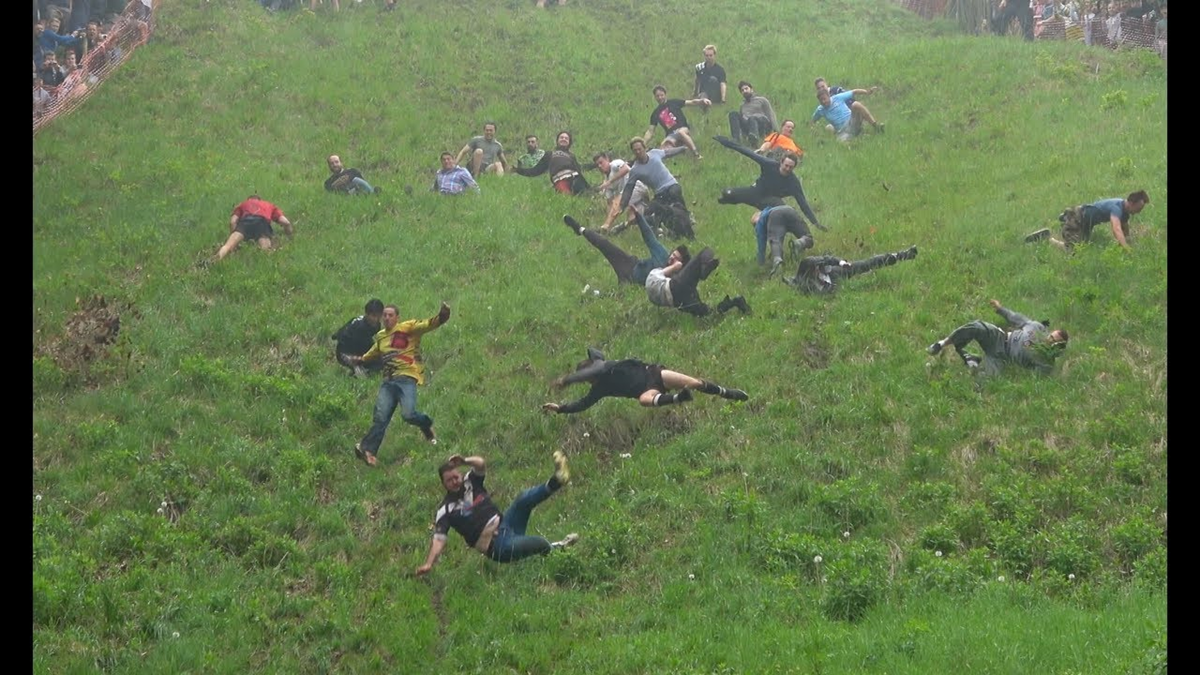
Every spring, a round of Double Gloucester cheese is sent hurtling down Cooper’s Hill, and a crowd of people throws themselves after it with very little concern for gravity. The hill is so steep that almost nobody actually runs down it in the normal sense; they tumble, slide, bounce, and somehow hope to reach the bottom in one piece. To outsiders, it can look like an emergency disguised as a village event, but locals treat it as a proud, slightly bruising tradition. Winning the cheese is nice, but the real point is being able to say you survived Cooper’s Hill.
2. La Tomatina in Buñol, Spain
HELPMEFINDTHIS / REDDIT
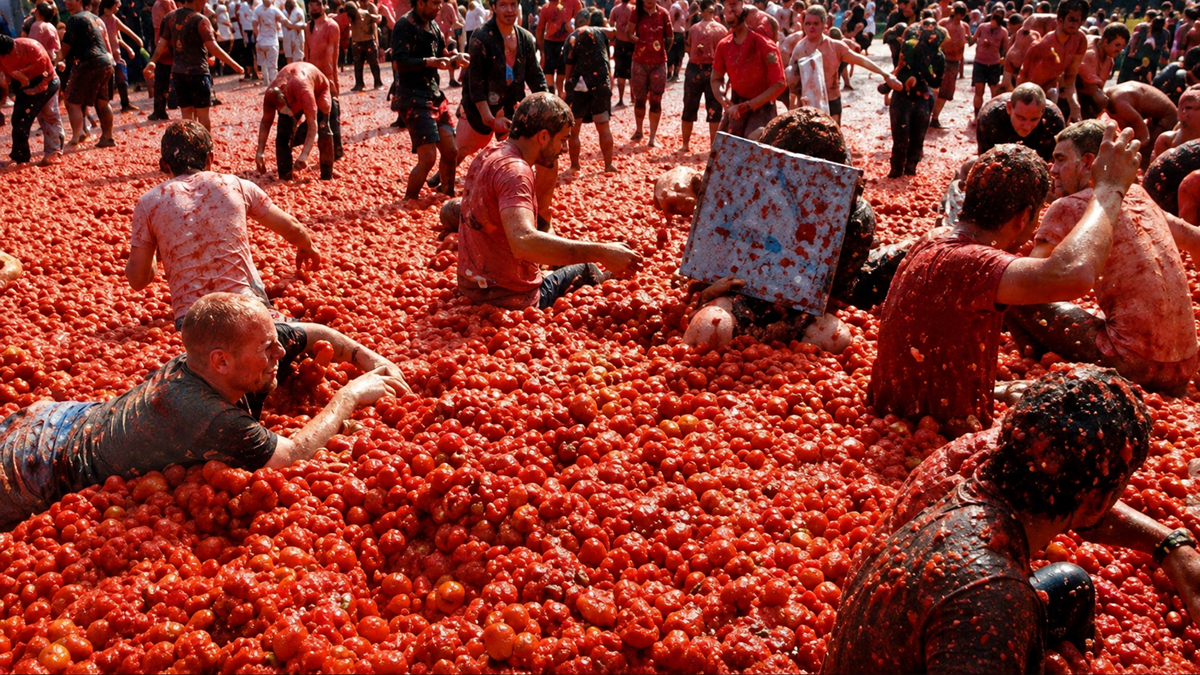
For one day in August, the town of Buñol turns into a tomato-covered battlefield. Thousands of people pack into the streets and throw overripe tomatoes at each other until the walls, clothes, hair, and pavement all become part of the same red mess. It sounds like pure chaos, and in many ways it is, but the event has rules, timing, and a local rhythm that keeps it from becoming just a food fight with tourists. The town takes it seriously enough to manage the crowd, prepare the streets, and turn a bizarre tradition into its most famous calling card.
3. The Monkey Buffet Festival in Lopburi, Thailand
OVERSIMPLIFIED / REDDIT
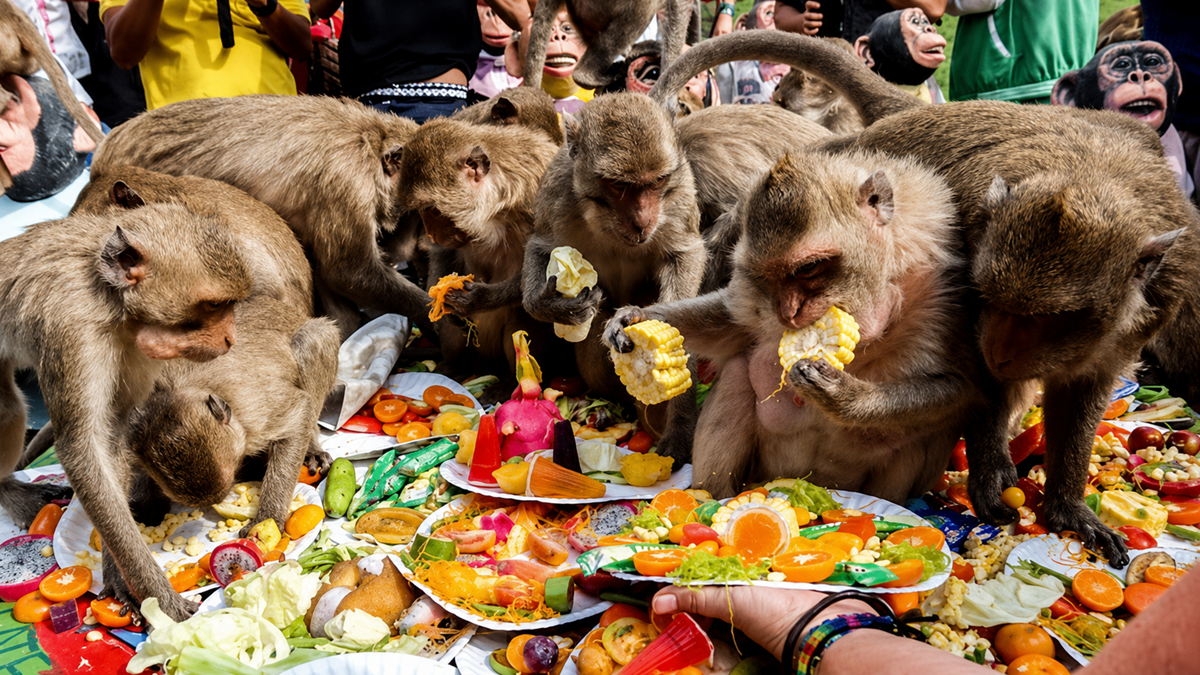
In Lopburi, monkeys are not treated like background animals. During the Monkey Buffet Festival, long tables are loaded with fruit, vegetables, sweets, and drinks for the macaques that live around the city’s temples and streets. The scene can get messy very quickly, with monkeys climbing over decorations, stealing snacks, and behaving exactly like guests who never learned table manners. Still, the festival is rooted in ideas of good fortune and local identity, and the monkeys are treated as part of the town’s personality rather than a problem to be hidden away.
4. Burning Barrels in Ottery St Mary, England
GEOGRAPHY / REDDIT
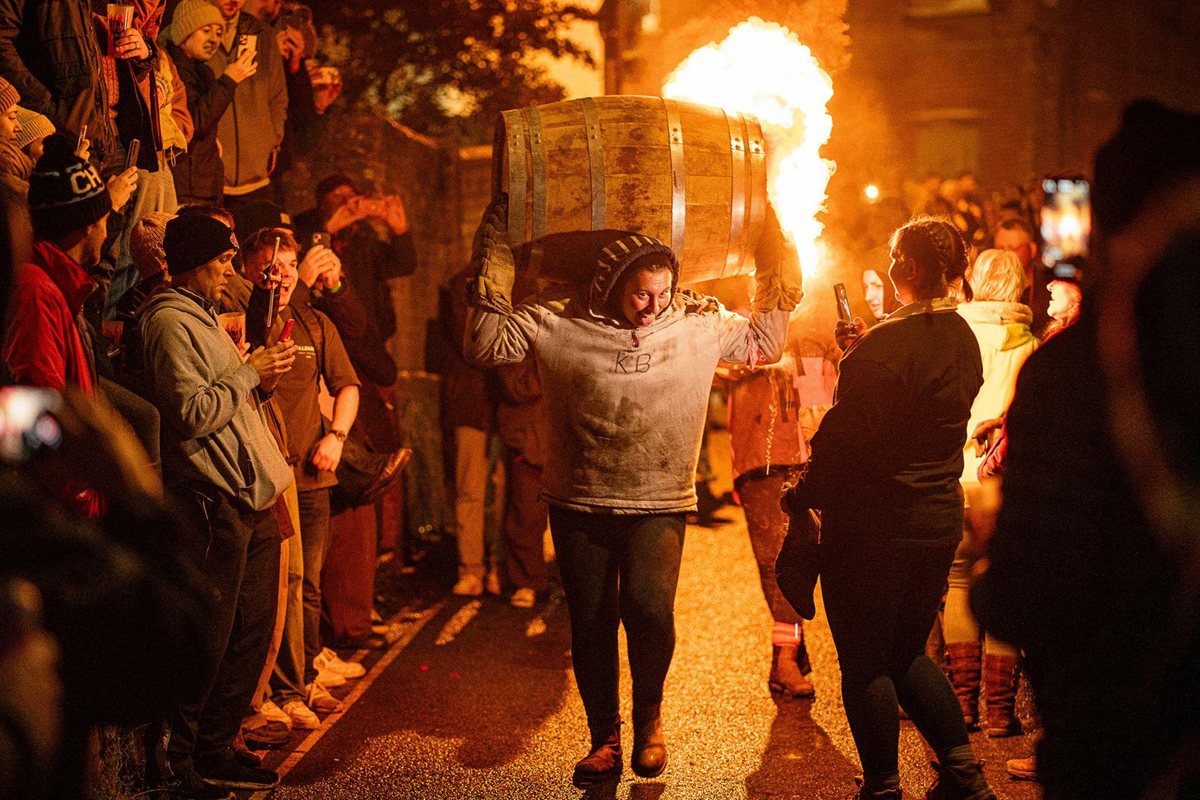
Most towns celebrate with fireworks. Ottery St Mary adds flaming tar barrels carried through crowded streets. The tradition happens around Bonfire Night, and selected locals hoist burning barrels onto their shoulders while people gather close enough to feel the heat. It is not a casual stunt anyone can just join, and that is part of why the town protects it so fiercely. Families pass down the honor, the technique, and the confidence needed to make something dangerous look almost routine.
5. The Wife Carrying Championship in Finland
HFY / REDDIT
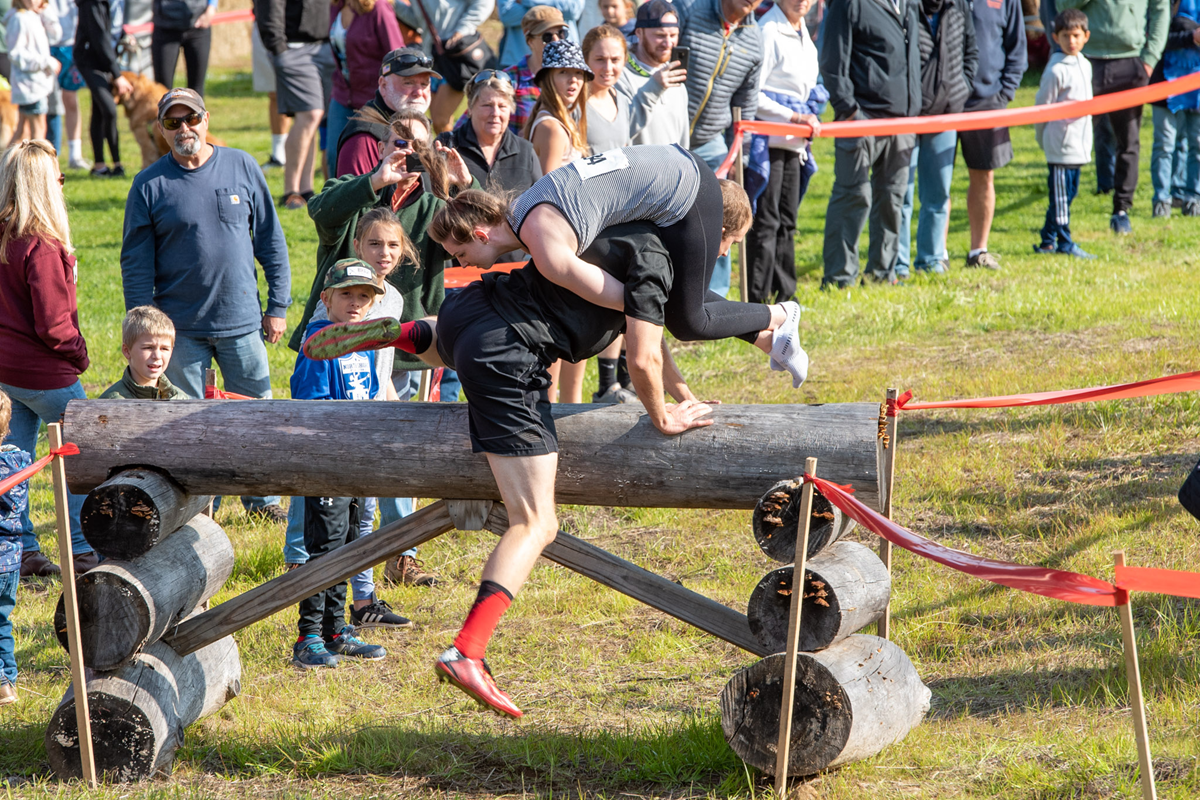
In Sonkajärvi, Finland, couples compete in a race where one partner carries the other through an obstacle course. The most recognizable technique involves the carried partner hanging upside down on the carrier’s back, which looks deeply uncomfortable until you realize it is also very effective. The contest has become international, but locals still give it the feel of a proper sport rather than a novelty act. There are rules, training strategies, and winners who absolutely know they have achieved something.
Trending on The Scroller


6. Baby Jumping in Castrillo de Murcia, Spain
SPAIN / REDDIT
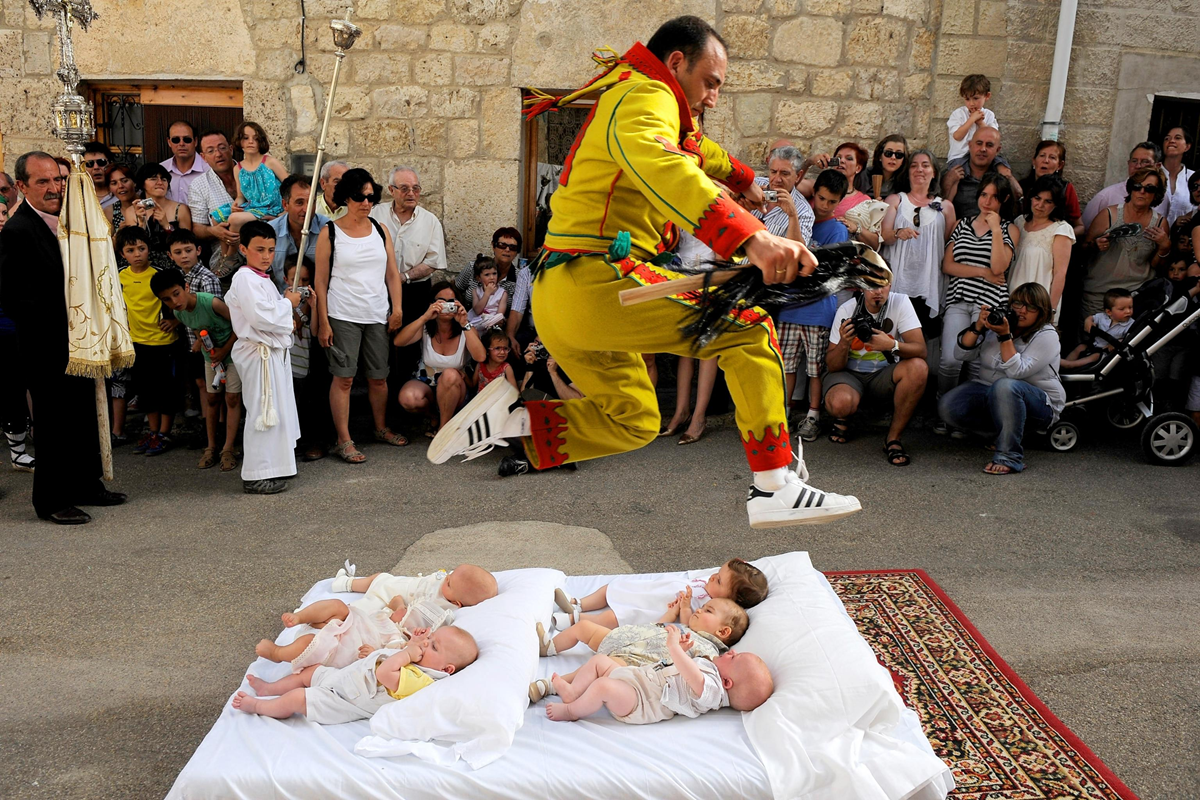
During El Colacho, men dressed as devil-like figures leap over babies placed on mattresses in the street. It is one of those traditions that sounds impossible until you see how carefully the community stages it. The ritual is connected to protection, purification, and the Catholic feast of Corpus Christi, though its visual language is much older and stranger than a typical church procession. For families who take part, the point is not danger for danger’s sake. It is a symbolic act meant to guard the children from evil and misfortune.
7. Thaipusam Piercings in Malaysia and Beyond
DAMNTHATSINTERESTING / REDDIT
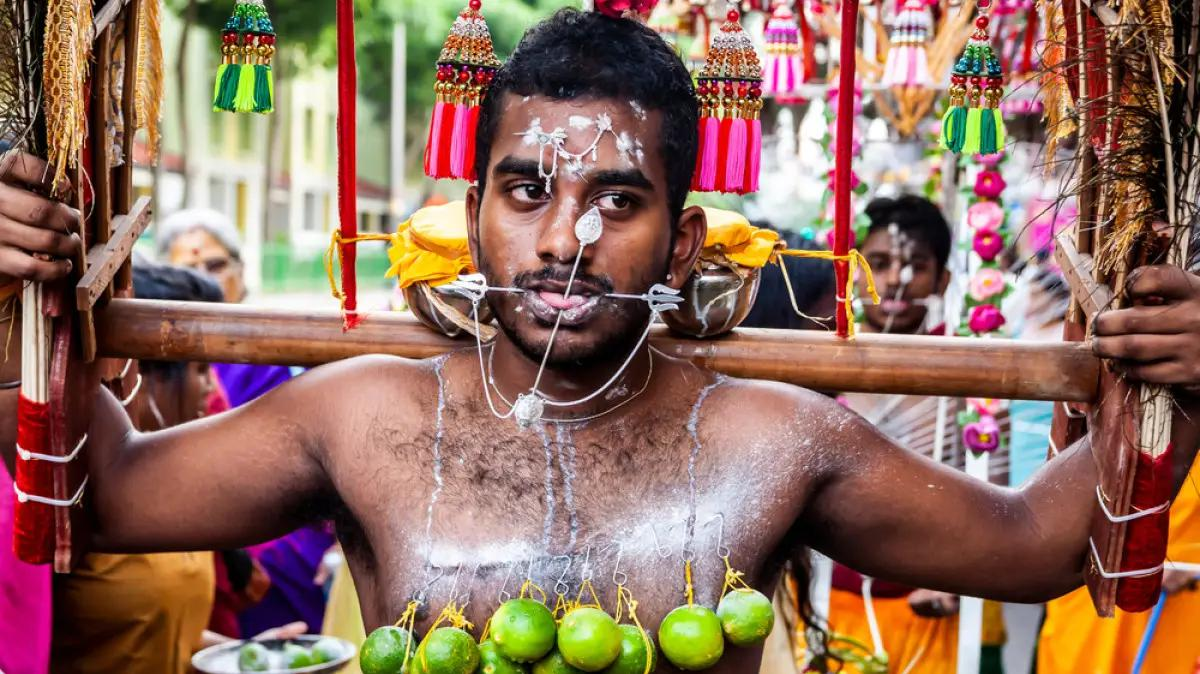
Thaipusam can be overwhelming to watch, especially for visitors who are not prepared for the physical intensity of the devotion. Some participants pierce their skin, tongues, or cheeks, while others carry heavy decorated structures called kavadi as acts of faith, penance, or gratitude. In places like Batu Caves near Kuala Lumpur, the crowds, music, color, and movement create an atmosphere that feels both public and deeply personal. What may look extreme from the outside is, for devotees, a serious spiritual offering.
8. Setsubun Bean Throwing in Japan
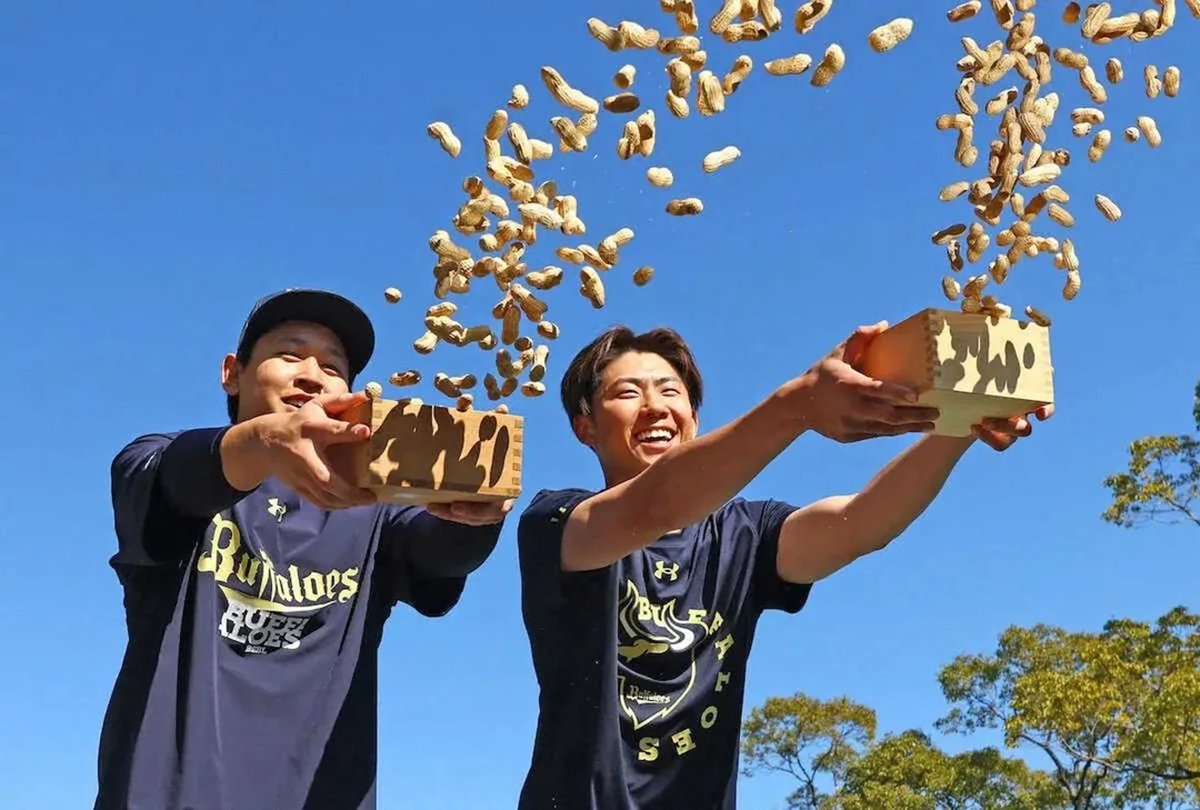
NPB / REDDIT
At Setsubun, people throw roasted soybeans to drive away bad luck and welcome good fortune. The phrase often shouted during the ritual roughly means “demons out, fortune in,” which gives the whole thing the energy of a household exorcism with snacks. Families may toss beans at someone wearing a demon mask, while temples and shrines hold larger public events. It is simple, a little funny, and still meaningful enough that plenty of people keep doing it year after year.
Sign up for our newsletter
9. The Night of the Radishes in Oaxaca, Mexico
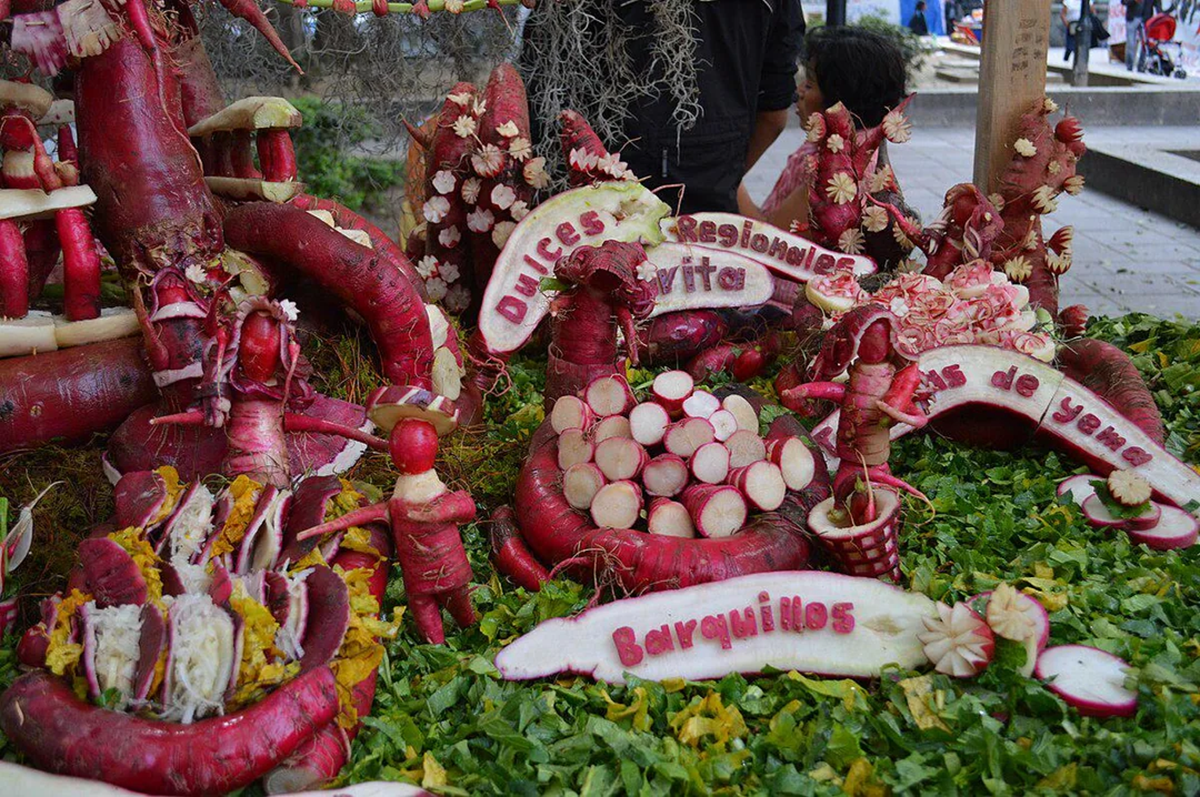
WIKIPEDIA / REDDIT
Oaxaca’s Noche de Rábanos turns radishes into temporary works of art. Artists carve oversized radishes into scenes of markets, saints, dancers, animals, buildings, and anything else that can survive long enough before wilting. The tradition began in the city’s Christmas market culture, and today it draws crowds who come specifically to see vegetables treated with the seriousness of sculpture. It is charming, oddly competitive, and very time-sensitive. A radish masterpiece does not wait around.
10. The Cooper’s Hill Shin-Kicking Tradition in England
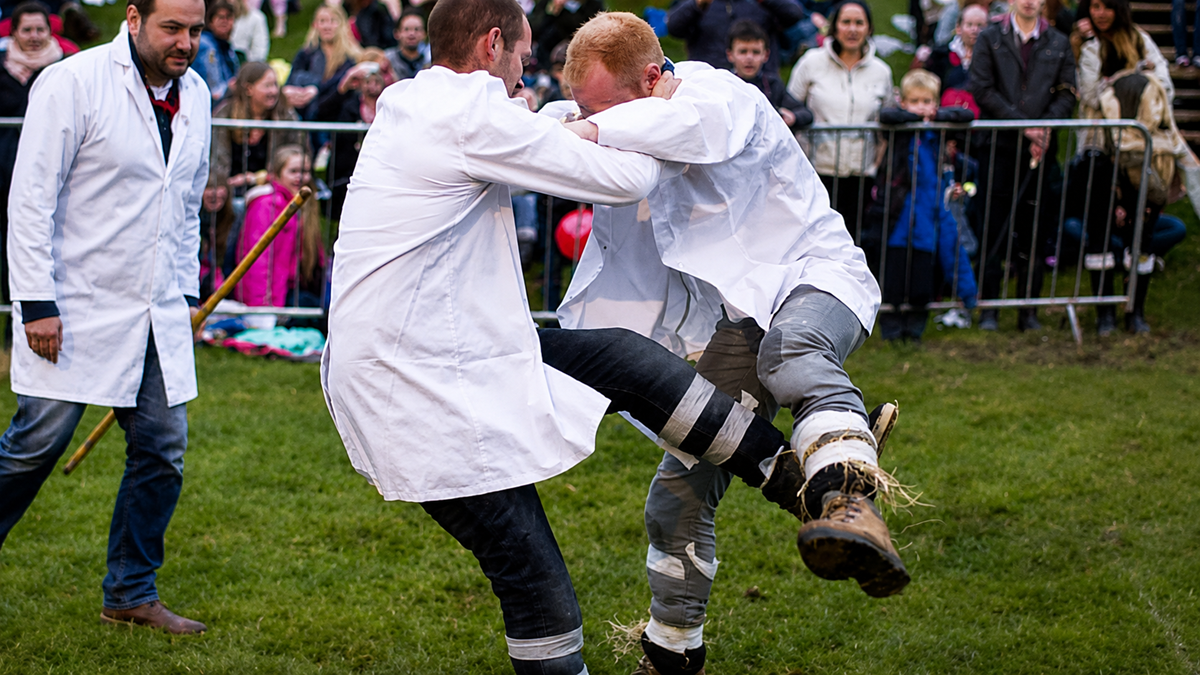
HISTORY COLLECTION
Shin-kicking is exactly what it sounds like, and somehow also more organized than it sounds. Competitors grab each other by the shoulders and try to kick the other person’s shins until one goes down. It has ties to old Cotswold games and rural contests where toughness mattered almost as much as skill. These days, it is done with rules and protective padding, but the basic spirit remains very clear. Some traditions preserve music or costumes; this one preserves the art of taking a painful joke extremely seriously.
11. Krampus Runs in Alpine Europe
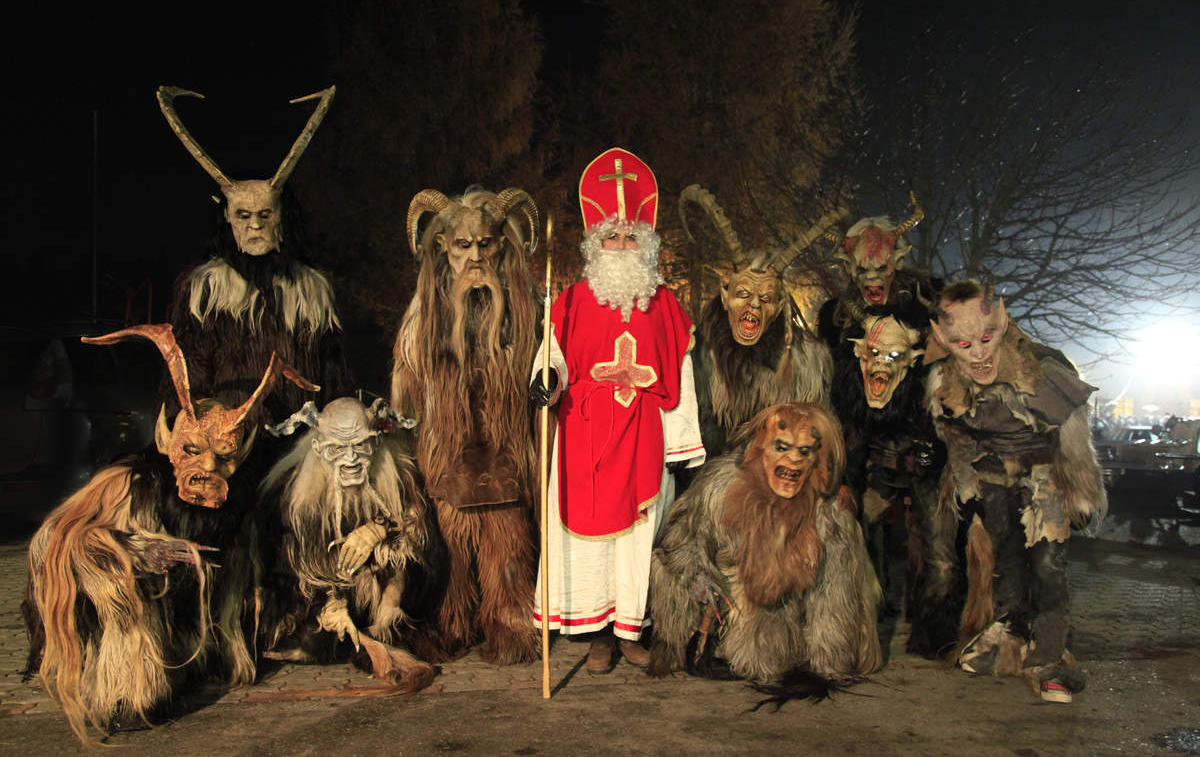
DAMNTHATSINTERESTING / REDDIT
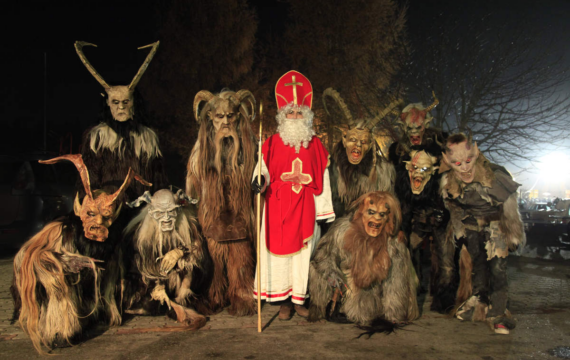
In parts of Austria, Germany, Slovenia, and neighboring regions, the Christmas season not only brings gentle lights and sweet songs. It also brings Krampus, the horned figure who appears in frightening masks, shaggy costumes, bells, chains, and noisy street processions. Krampus runs can feel more like a winter nightmare than a holiday parade, but they are tied to older seasonal customs and the darker side of St. Nicholas traditions. Locals often put real craft into the costumes, and the result is both theatrical and unnerving.
12. Finger Pulling in Bavaria and Austria
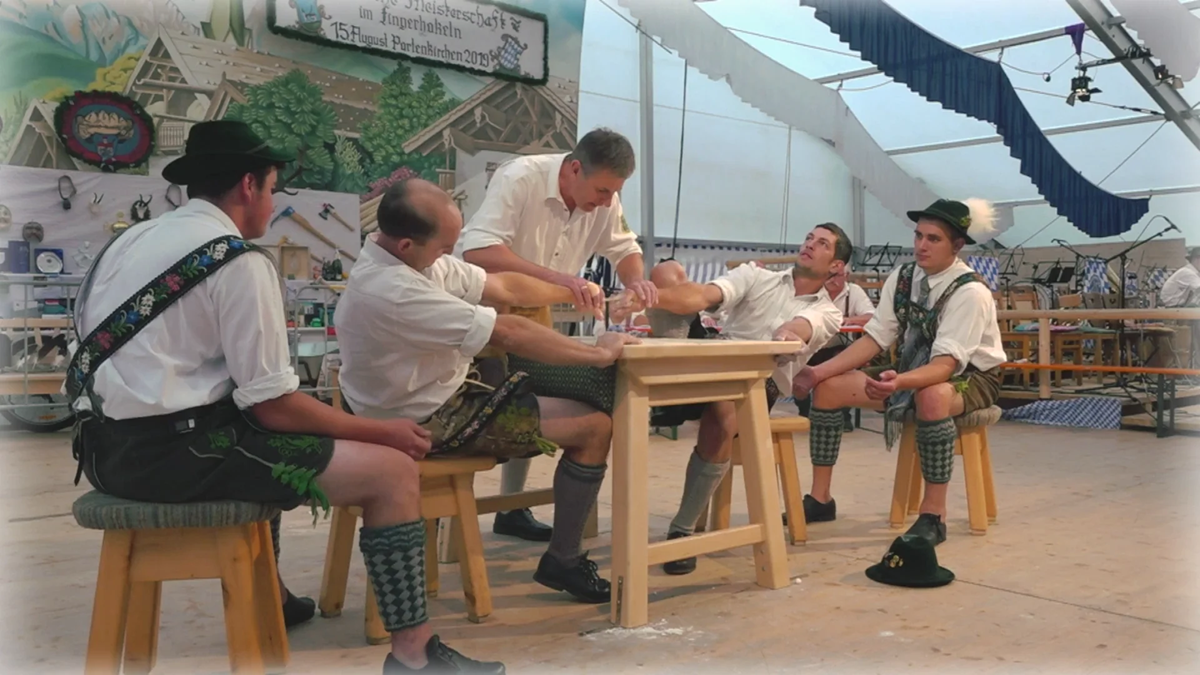
THEOCHO / REDDIT
Fingerhakeln, or finger wrestling, looks small until you notice how much strain is involved. Two opponents sit across a table, hook fingers through a leather loop, and try to pull the other across the line. It is a traditional Alpine strength contest, and the people who compete do not treat it like a pub gag. Strong fingers, pain tolerance, and technique all matter. It may be one of the few sports where a single finger can ruin your afternoon.
13. Hadaka Matsuri in Japan
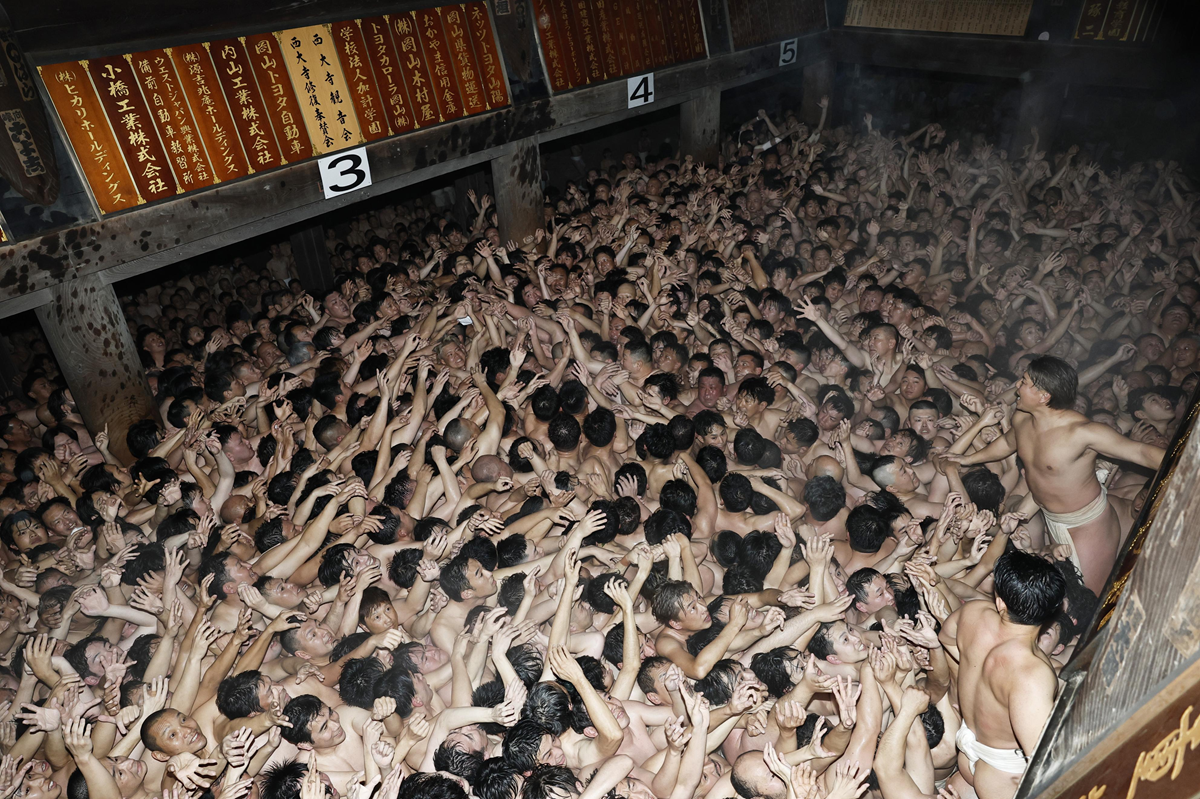
ACCIDENTALRENAISSANCE / REDDIT
Hadaka Matsuri, often called a “naked festival” in English, usually involves men wearing minimal traditional clothing rather than being fully naked. The most famous versions feature huge crowds pressing together in cold weather, chasing sacred objects, or taking part in purification rituals. The energy can look wild, especially in the crush of bodies and water, but the religious meaning is central. Participants are not just there for spectacle. They are taking part in a ritual tied to luck, cleansing, endurance, and community.
14. The Flour War on Clean Monday in Galaxidi, Greece
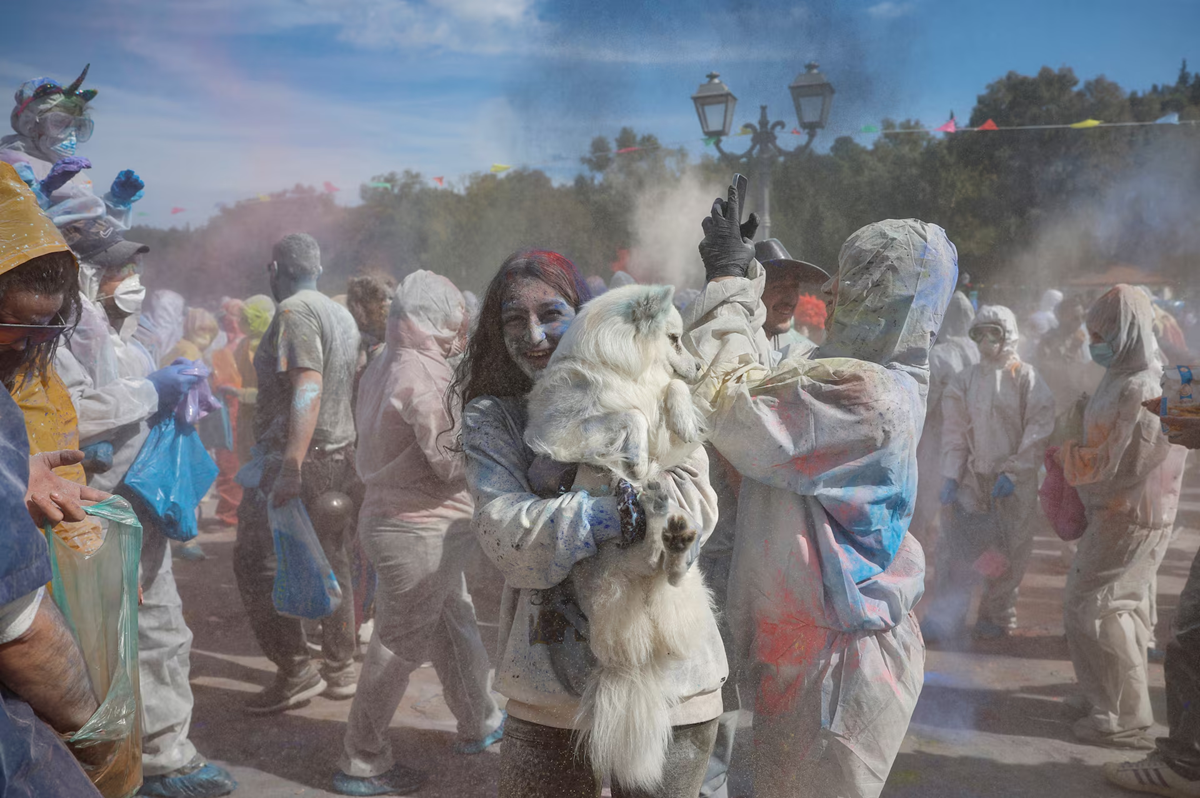
REUTERS
In Galaxidi, Clean Monday is not especially clean. The Greek town marks the beginning of Lent with a flour war, covering streets, faces, clothes, and buildings in clouds of colored flour. People wear goggles and old clothes because there is no graceful way to stay untouched once the throwing starts. The tradition gives the day a strange mix of carnival mischief and seasonal ritual. By the end, the whole town looks like it was dusted by a very festive storm.
15. The Day of the Geese in Lekeitio, Spain
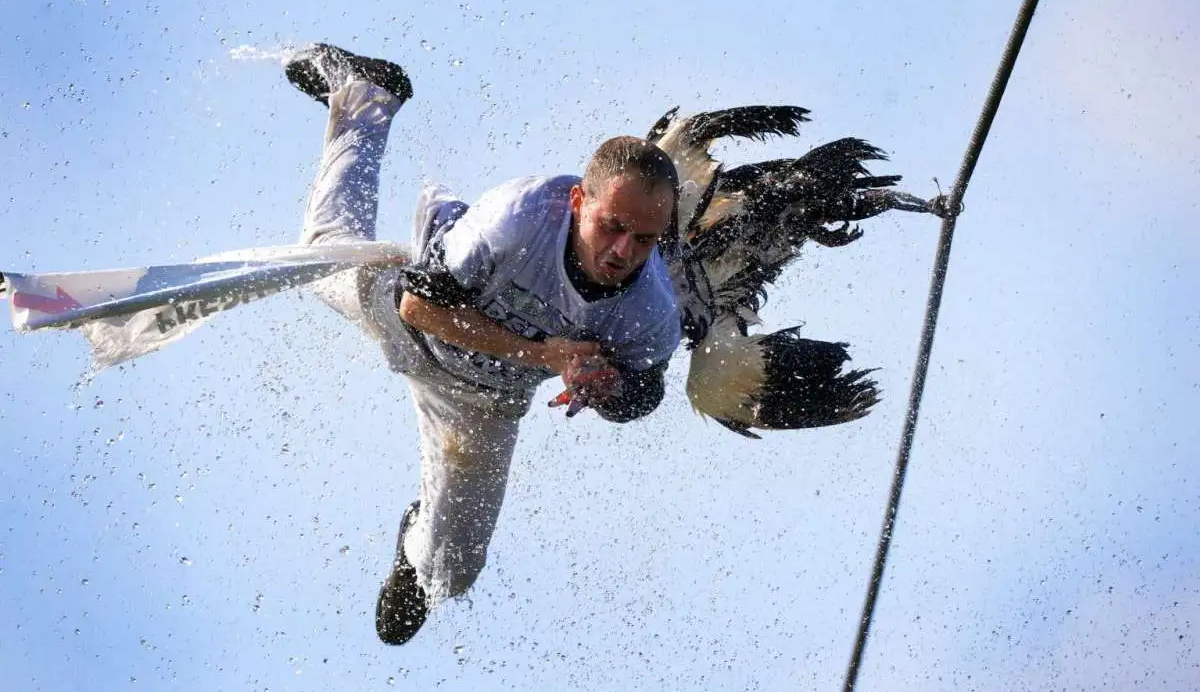
ABOUT BASQUE COUNTRY
In the Basque town of Lekeitio, Antzar Eguna, or Day of the Geese, has long been one of the area’s most unusual local celebrations. Participants ride boats under a hanging goose and try to hold on as they are pulled up and dropped over the water, testing grip, nerve, and endurance. In the past, the tradition involved live geese, but modern versions use dead geese or replicas, depending on the event and regulations. Even with changes, the ritual remains a serious part of local festival culture, strange to visitors but familiar to the people who grew up around it.
In the mood for more?
Check out 17 Unusual Festivals From Around The World, or take a look at 18 Strange Food Traditions from Around the World That Will Make You Question Your Lunch. If you want to see more traditions with surprising backstories, you can check out 15 Traditions You Didn’t Know Had Secret Meanings.