

Myths about hypnosis have been fed by movies for decades, turning a real psychological phenomenon into something closer to a supernatural remote control. On screen, hypnotists steal minds, unlock flawless memories, trigger instant obedience, and leave people helpless with carefully chosen words. Actual hypnosis is far less cinematic and much more interesting: it involves focused attention, expectation, suggestion, and responses that vary from person to person. Here are 20 familiar movie myths that blur the line between what hypnosis can actually do and what Hollywood simply needed it to do.
1. A Hypnotist Can Take Complete Control of Your Mind

Movies often treat hypnosis like handing someone the keys to your brain. A hypnotist gives an order, resistance disappears, and the subject becomes a passenger inside their own body. Real hypnosis does not work that way. People remain participants in the experience, and hypnotic suggestion is not the same thing as removing a person’s judgment, values, or ability to resist.
2. You Have to Be Asleep to Be Hypnotized

The word hypnosis comes with plenty of sleepy imagery, but being hypnotized is not the same as being asleep. A person can remain awake, hear what is happening, respond to instructions, and remember the experience afterward. The quiet voice and closed eyes seen in movies can help create the mood, but hypnosis is better understood as focused attention than unconsciousness.
3. A Swinging Pocket Watch Is How Hypnosis Works

Few movie props announce hypnosis faster than a pocket watch moving slowly from side to side. The watch, however, has no special hypnotic power. Fixing attention on an object can be used as part of an induction, but so can focusing on breathing, imagery, sensations, or a voice. Hollywood kept the watch because it communicates the idea instantly, not because hypnosis requires one.
4. Only Weak-Minded People Can Be Hypnotized

Being hypnotizable is not a test of intelligence, willpower, or mental strength. People differ in how strongly they respond to hypnotic suggestions, and responsiveness can involve attention, imagination, expectation, and the ability to become absorbed in an experience. Someone responding vividly to hypnosis has not surrendered a weaker mind. Their brain is simply responding to the situation in a particular way.
5. Hypnosis Makes You Tell the Truth

A hypnotized person does not become a human lie detector. People can still withhold information, make mistakes, accept suggestions, or say things that are inaccurate. That matters because confidence can sound convincing even when a memory or statement is wrong. The dramatic interrogation scene where hypnosis extracts an unquestionable truth belongs comfortably in fiction, not in a reliable fact-finding method.
Trending on The Scroller


6. Hypnosis Can Make You Remember Everything Perfectly

Memory isn’t a video archive waiting for the right hypnotist to press rewind. Hypnosis may make someone feel more confident about a recollection, but that doesn’t guarantee the memory is accurate. Details can be distorted, reconstructed, or influenced by suggestion. So when a movie character suddenly recalls a flawless childhood scene under hypnosis, complete with tiny details from decades ago, skepticism is warranted.
7. You Won’t Remember Anything That Happened While You Were Hypnotized

Movies love the dramatic awakening: “What happened?” In reality, automatically forgetting an entire hypnotic session isn’t part of hypnosis. People often remember what occurred while they were hypnotized. Memory can vary, and suggestions involving forgetting can sometimes influence recall, but hypnosis doesn’t normally erase the experience the moment someone opens their eyes.
8. A Hypnotist Can Unlock a Perfect Recording of Your Childhood

That forgotten birthday party from age four isn’t necessarily sitting somewhere in the brain in pristine 4K resolution. Memory is reconstructive, which means recollections can change over time and may contain gaps or errors. Hypnosis cannot reliably open a hidden vault containing perfectly preserved childhood experiences. Have you ever remembered an event one way, only for a relative to insist it happened completely differently?
Sign up for our newsletter
9. Hypnosis Can Reveal Memories That Must Be True

A vivid memory can feel incredibly convincing without being completely accurate. That’s especially important with hypnosis because suggestion can affect what someone reports remembering. A person might sincerely believe a recalled event happened exactly as described, yet sincerity and accuracy aren’t the same thing. This is why hypnotically recovered memories shouldn’t automatically be treated as unquestionable evidence.
10. Everyone Responds to Hypnosis the Same Way

One person may respond strongly to a suggestion while another experiences very little. Hypnotic responsiveness varies between individuals, so there isn´t one universal reaction that every brain obediently follows. Some people can become deeply absorbed in suggested experiences, while others remain much less responsive. The identical glassy-eyed trance seen across an entire movie cast belongs much more comfortably on the screen than in real life.
11. If You Resist Hypnosis, It Can’t Affect You at All

People are not passive during hypnosis, but that doesn’t mean simply deciding to resist explains every possible response. Expectations, attention, and willingness to engage can all shape the experience, and a person can choose not to follow a suggestion. What hypnosis cannot do is overpower a person’s judgment or turn resistance into a meaningless obstacle.
12. A Hypnotist Can Get Stuck and Leave You Hypnotized Forever

Movies sometimes treat hypnosis as a trap with no exit, as if a hypnotist can walk away and leave someone frozen in a trance. Hypnosis is not a permanent state that needs a magical release command. People can reorient themselves, and a session normally ends through ordinary guidance, attention shifting, or simply deciding to stop.
13. One Secret Word Can Instantly Turn Anyone Into a Hypnotized Zombie

A single trigger word makes for a tidy plot device, but it does not create instant, universal control. Posthypnotic suggestions can be studied in particular contexts, yet they do not work like a hidden remote switch that overrides every value, intention, or situation. Fiction loves the shortcut because it makes the next scene easy to write.
14. Hypnosis Gives the Hypnotist Access to Your Deepest Secrets

Hypnosis is not a truth serum or an unlocked diary. A hypnotized person does not suddenly lose control over every private thought or become compelled to answer questions honestly. People can resist suggestions, remain silent, give inaccurate information, or even lie. The idea of extracting passwords or confessions is convenient storytelling, not a reliable feature of hypnosis.
15. Hypnosis Is Basically Mind Control

Suggestion can influence what someone notices, imagines, or experiences, but that is not the same as mind control. The dramatic version erases choice and turns a person into an instrument of someone else’s will. Actual hypnosis depends on participation, context, and responsiveness, with people retaining their values and capacity to refuse.
16. Stage Hypnosis Shows Exactly What Clinical Hypnosis Looks Like

A stage show is entertainment first, not a controlled demonstration of how every person responds to hypnosis. Performers can select highly responsive volunteers, use audience expectations, and build situations designed to produce dramatic reactions. So the person enthusiastically behaving like a chicken onstage shouldn’t become the measuring stick for what hypnosis looks like everywhere else.
17. People Under Hypnosis Are Just Pretending

If people can hear the hypnotist and remain aware of what’s happening, couldn’t they simply be playing along? It’s an understandable suspicion, especially after watching exaggerated performances. But hypnosis isn’t adequately explained as people merely pretending. Suggested experiences can feel subjectively real to participants, even though responsiveness and intensity vary considerably.
18. Hypnosis Works Like a Drug

Hypnosis can be used alongside clinical care in certain settings, but it isn’t a pill in psychological disguise. It doesn’t introduce a chemical substance into the body, and its effects shouldn’t be treated as interchangeable with medication. When hypnosis is used therapeutically, it functions as a psychological technique rather than a pharmaceutical treatment, and the distinction matters.
19. Hypnosis Can Cure Almost Anything

Hypnosis may be used as a supportive technique in some clinical settings, but it is not a universal cure. It should not replace appropriate medical or mental-health care, and broad claims that it can fix almost anything oversell both the evidence and the method. The real applications are more limited than the movie version, but still worth studying carefully.
20. Scientists Already Know Exactly How Hypnosis Works
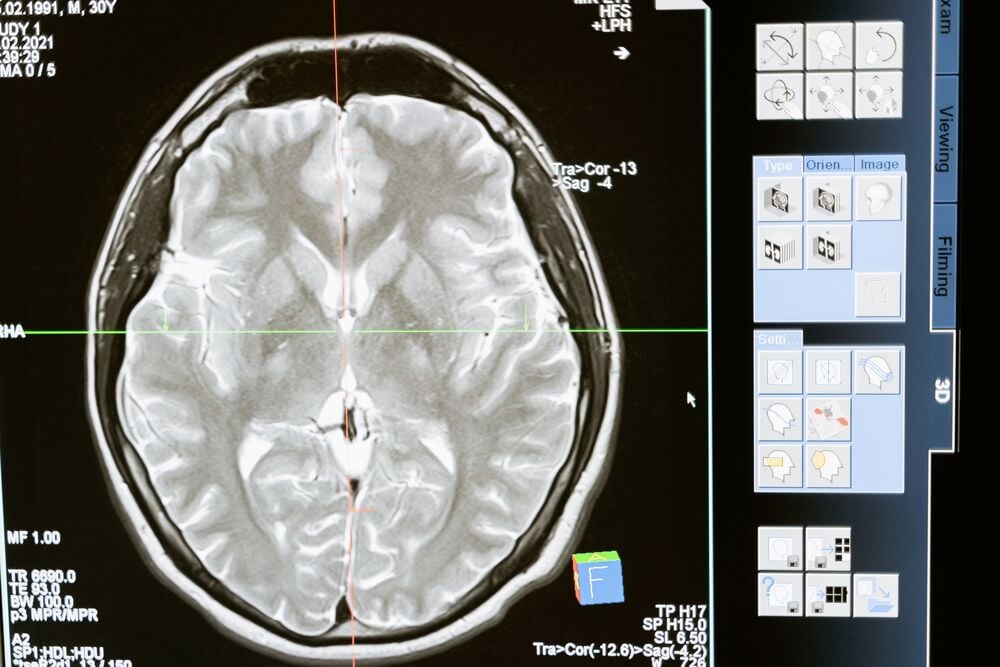
Modern brain imaging has given researchers fascinating ways to examine hypnotic experiences, but colorful scans are not a final instruction manual for the hypnotized brain. Researchers can investigate changes associated with attention, perception, and suggestion while questions about the underlying mechanisms remain. Science has moved far beyond the swinging-watch stereotype, but the story isn’t finished.
Many hypnosis myths survive because the fictional version is simply more dramatic than the real one. Strip away the mind control, magical sleep, perfect memories, and irresistible commands, however, and hypnosis remains interesting for a better reason: it offers researchers another window into how attention, expectation, suggestion, and perception interact.
Keep Exploring The Scroller
Think the mind is strange? Keep scrolling. More myths, misunderstood science, and surprisingly stubborn beliefs are waiting to have their stories untangled:
15 Negotiation Tricks That Work So Well They Feel Almost Unfair