

Tiny mistakes can disappear inside enormous systems. A mismatched unit, a number typed into the wrong field, a measurement barely larger than a millimeter, or a software assumption nobody expected to matter can seem almost absurdly insignificant.
Then the chain reaction begins. Spacecraft vanish, financial systems hemorrhage money, power grids go dark, and engineering weaknesses become catastrophes. These 18 cases show just how much can depend on getting one very small detail right.
1. Mars Climate Orbiter: Pounds Met Kilograms
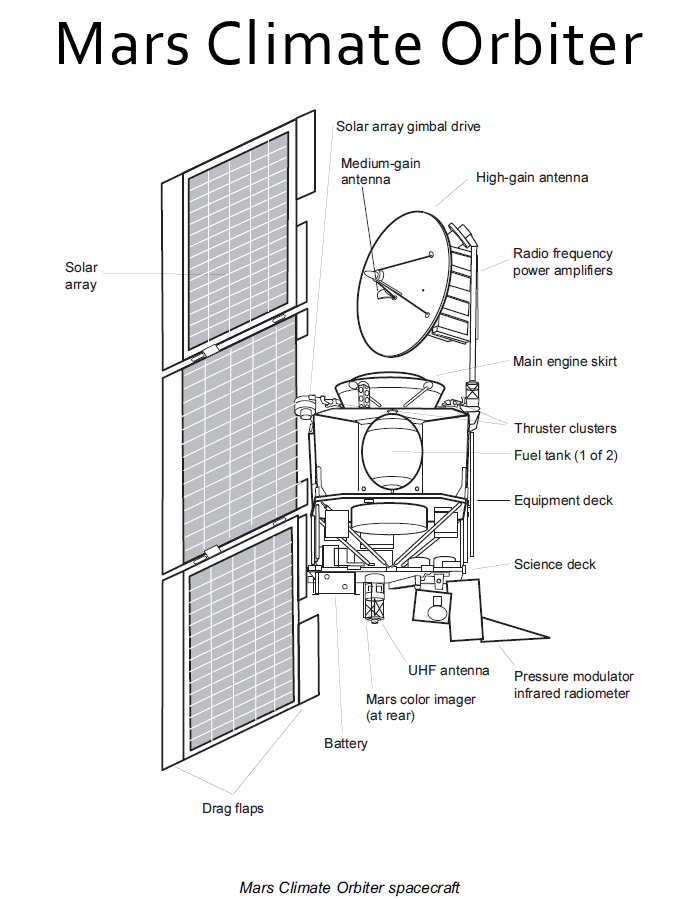
Imagine sending a spacecraft all the way to Mars only for two parts of the navigation process to disagree about how to measure force. In 1999, one part of the system used English units while another expected metric units, causing errors in the spacecraft’s calculated trajectory. The Mars Climate Orbiter ultimately passed far too close to the planet and was lost. A unit conversion had become an interplanetary problem.
2. Hubble: A 1.3-Millimeter Test-Setup Error Blurred a Space Telescope

When Hubble began sending images back to Earth, scientists discovered that its primary mirror had been polished to the wrong shape. The problem traced back to the equipment used to test the mirror: a 1.3-millimeter spacing error in the null corrector. That tiny discrepancy helped produce dramatically blurred images until astronauts installed corrective optics. How can 1.3 millimeters matter in something designed to observe the universe? Quite a lot, apparently.
3. Mariner 1: A Missing Overbar Helped Doom a Venus Mission
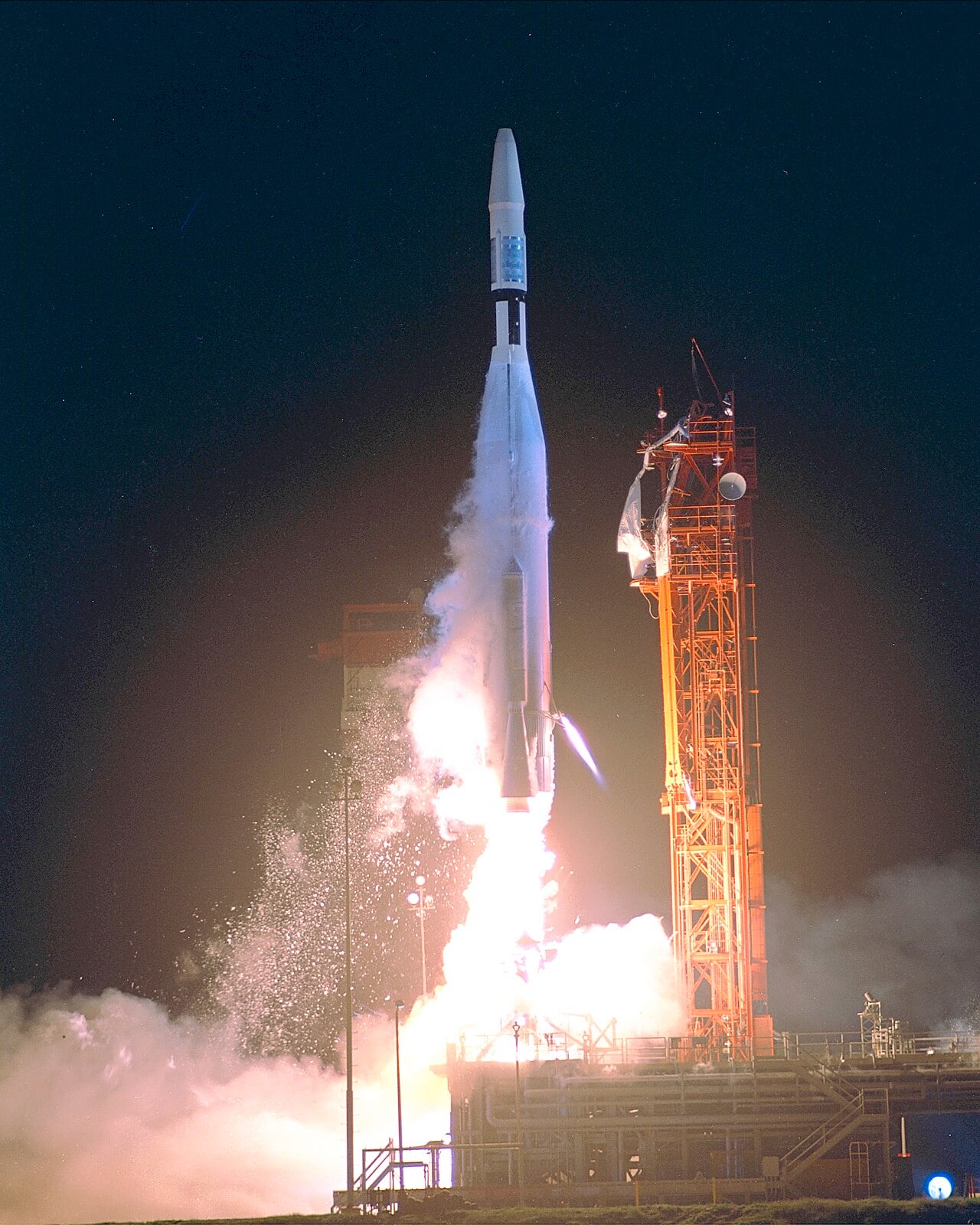
The famous version of this story usually blames a missing hyphen. The real mistake was stranger. NASA describes an omitted overbar in a guidance equation which, together with a problem involving the guidance antenna, caused the program to respond incorrectly. Mariner 1 was destroyed shortly after launch in 1962. One tiny piece of mathematical notation was not solely responsible, but it became part of a chain that ended a mission to Venus before it could really begin.
4. Ariane 5 Flight 501: Software Reuse Met an Unexpected Number
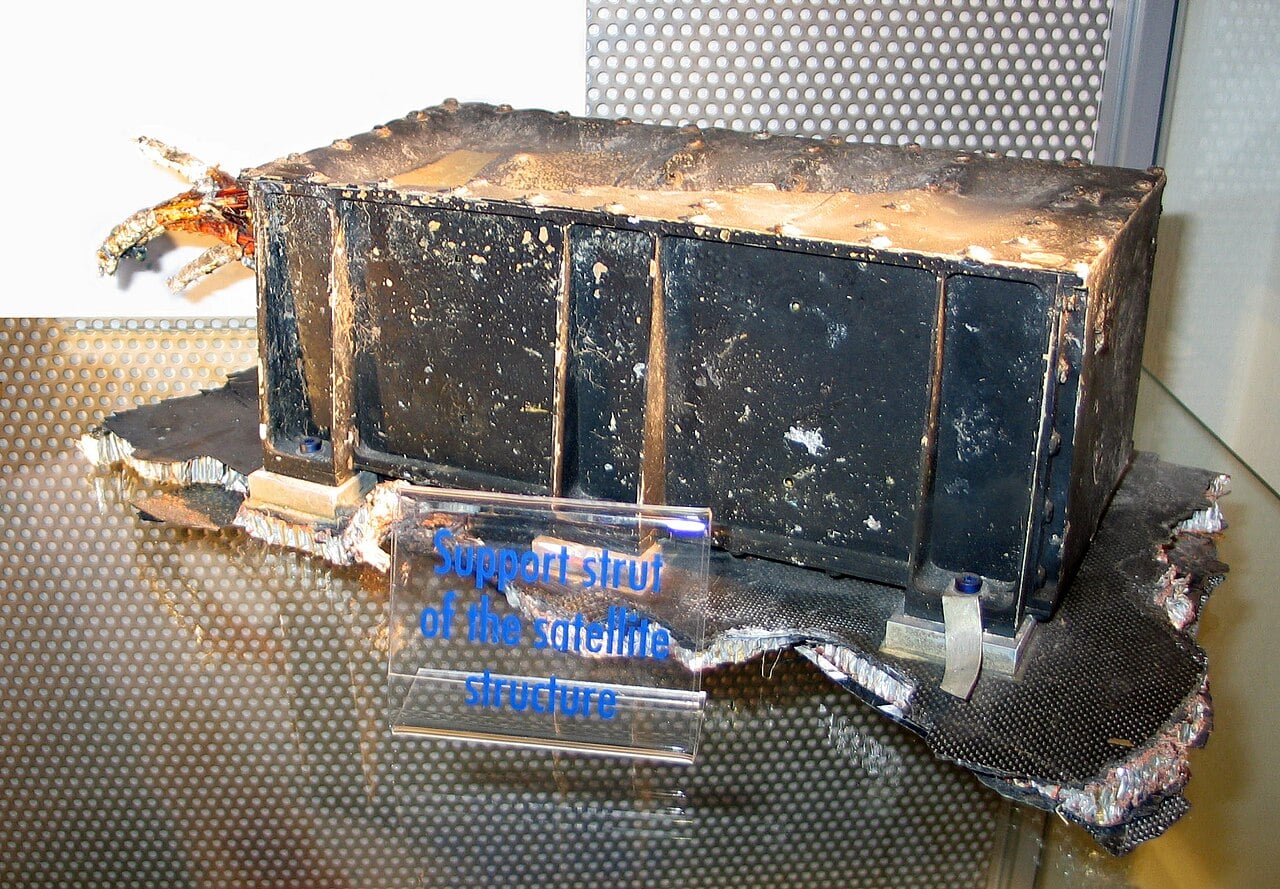
Reusing proven software sounds sensible until the new machine behaves differently from the old one. On Ariane 5’s maiden flight, inertial-reference software inherited from Ariane 4 encountered data outside the range its designers had anticipated. The resulting failure caused the rocket to lose guidance and be destroyed shortly after launch. Sometimes the dangerous assumption isn’t that software won’t work. It’s assuming that because it worked before, it will work the same somewhere else.
5. Knight Capital: One Bad Software Deployment Burned Through Hundreds of Millions
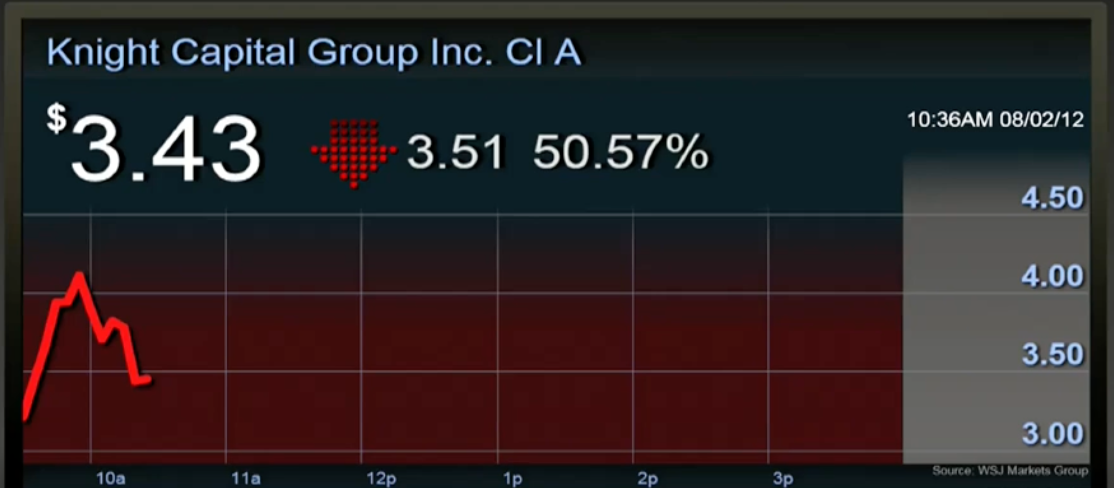
Forty-five minutes. That was roughly how long it took for a faulty software deployment to become an extraordinary financial disaster in 2012. New code was incorrectly deployed at Knight Capital, activating a defective legacy function that began sending millions of erroneous orders into the market. By the time the chaos stopped, the SEC said the firm had suffered losses exceeding $460 million. Few software updates have ever come with a more expensive afternoon.
Trending on The Scroller


6. Mizuho: One Share at ¥610,000 Became 610,000 Shares at ¥1
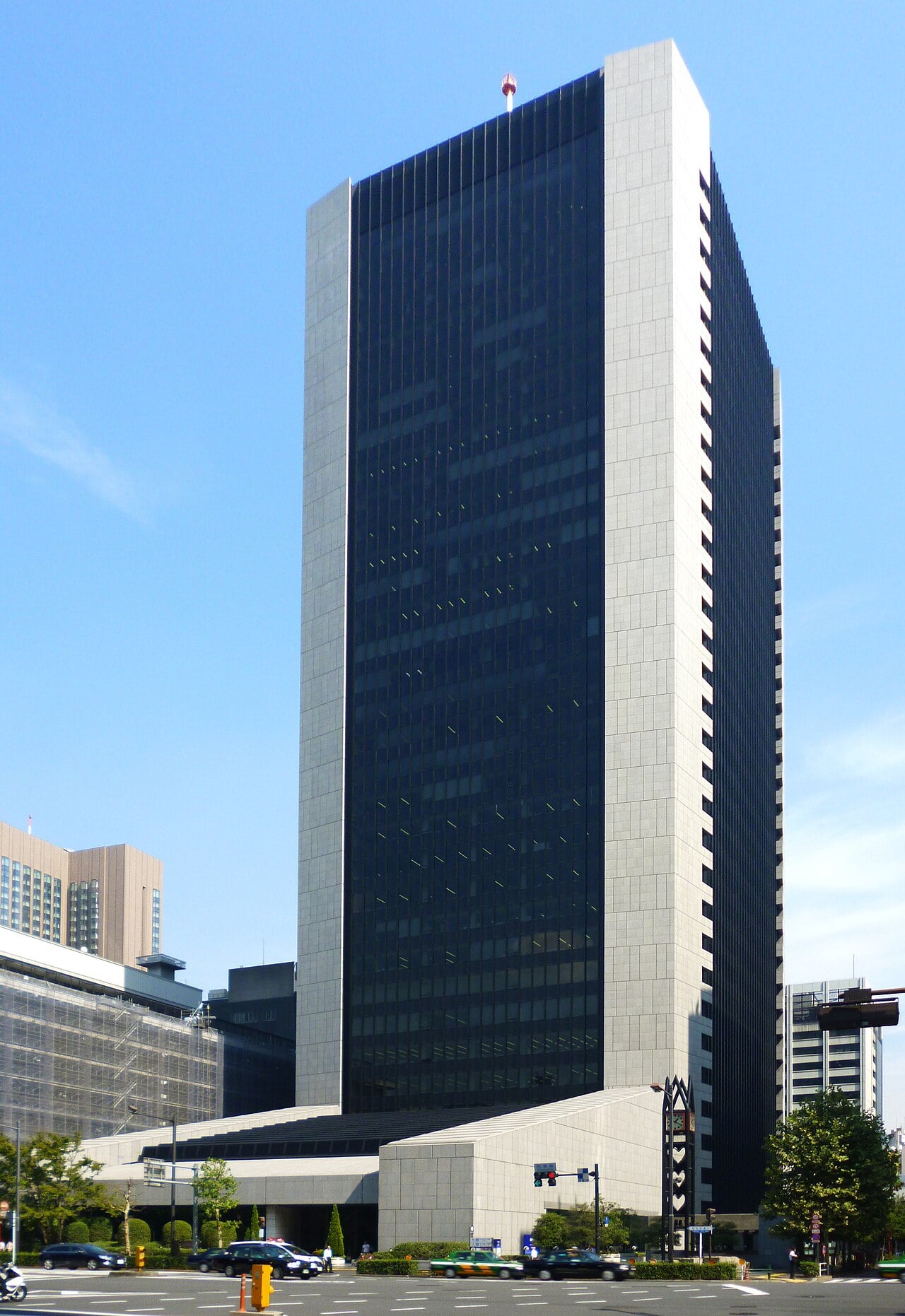
The intended order was for one share at ¥610,000. What was entered instead? 610,000 shares at ¥1 each. That reversed price-and-quantity order involving J-Com went through the Tokyo Stock Exchange in 2005, and problems canceling it magnified the damage. Mizuho ultimately faced losses measured in tens of billions of yen. It’s difficult to imagine a more brutal demonstration of why two input boxes should never be confused.
7. Patriot Battery at Dhahran: A Tiny Timing Error Accumulated
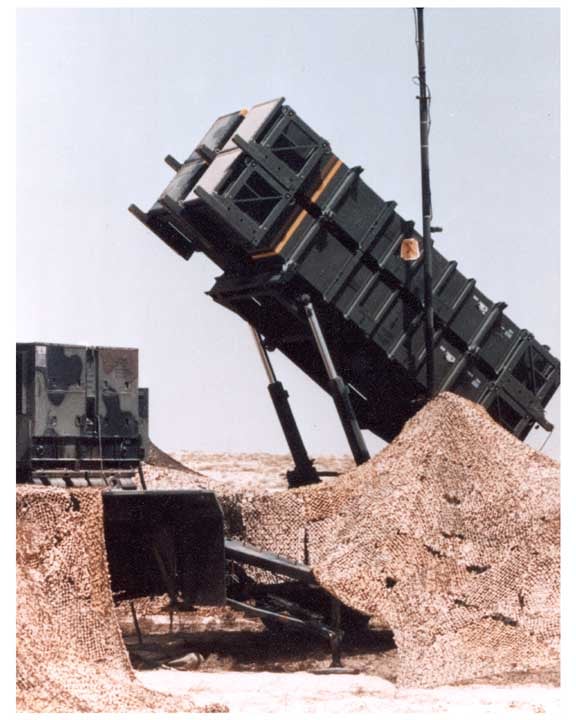
Some errors become dangerous not because they’re large, but because they keep growing. During the Gulf War in 1991, a precision problem in the Patriot system’s time calculation accumulated as the system operated for an extended period. It contributed to the system’s failure to track an incoming Scud missile at Dhahran, which struck a barracks and killed 28 U.S. soldiers. Here, a seemingly tiny computational discrepancy became a devastating reminder that small errors do not always stay small.
8. Therac-25: Software Flaws Turned Radiation Treatment Into Overdose
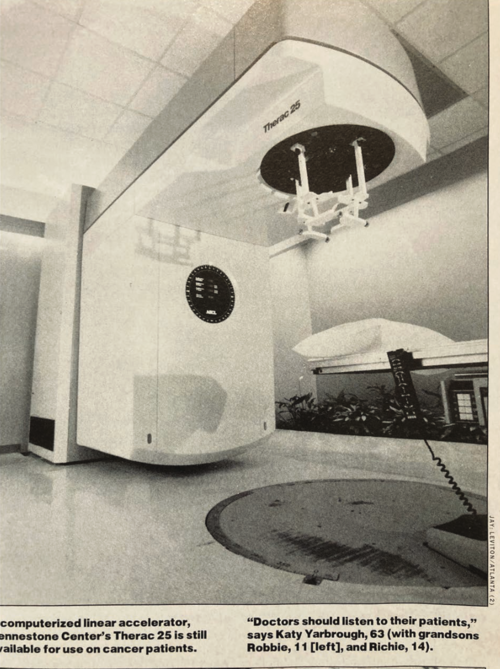
The Therac-25 was built to treat cancer patients with radiation, yet multiple incidents resulted in massive radiation overdoses. Investigations and later research pointed not to one convenient typo, but to software problems combined with dangerously weak engineering and safety practices. That’s what makes this case particularly disturbing: when software controls something powerful enough to save a life, seemingly small flaws can carry consequences far beyond the screen.
Sign up for our newsletter
9. Hyatt Regency Walkways: A Connection Detail Doubled the Load
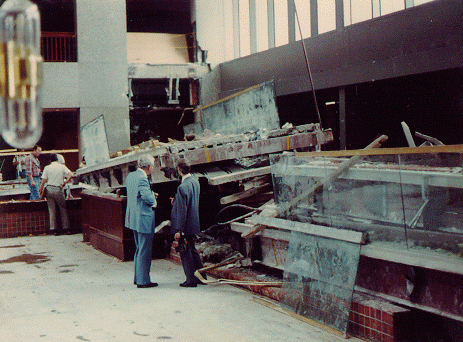
A seemingly modest change to a structural connection became part of one of the most infamous engineering disasters in U.S. history. At the Kansas City Hyatt, the hanger-rod configuration actually constructed differed from the original concept, dramatically increasing the load placed on a critical connection. NIST later identified insufficient load capacity at the box beam-hanger rod connections. The walkways collapsed, turning a detail buried inside the structure into a catastrophic failure.
10. Gimli Glider: Pounds and Kilograms Left a Boeing 767 Short of Fuel
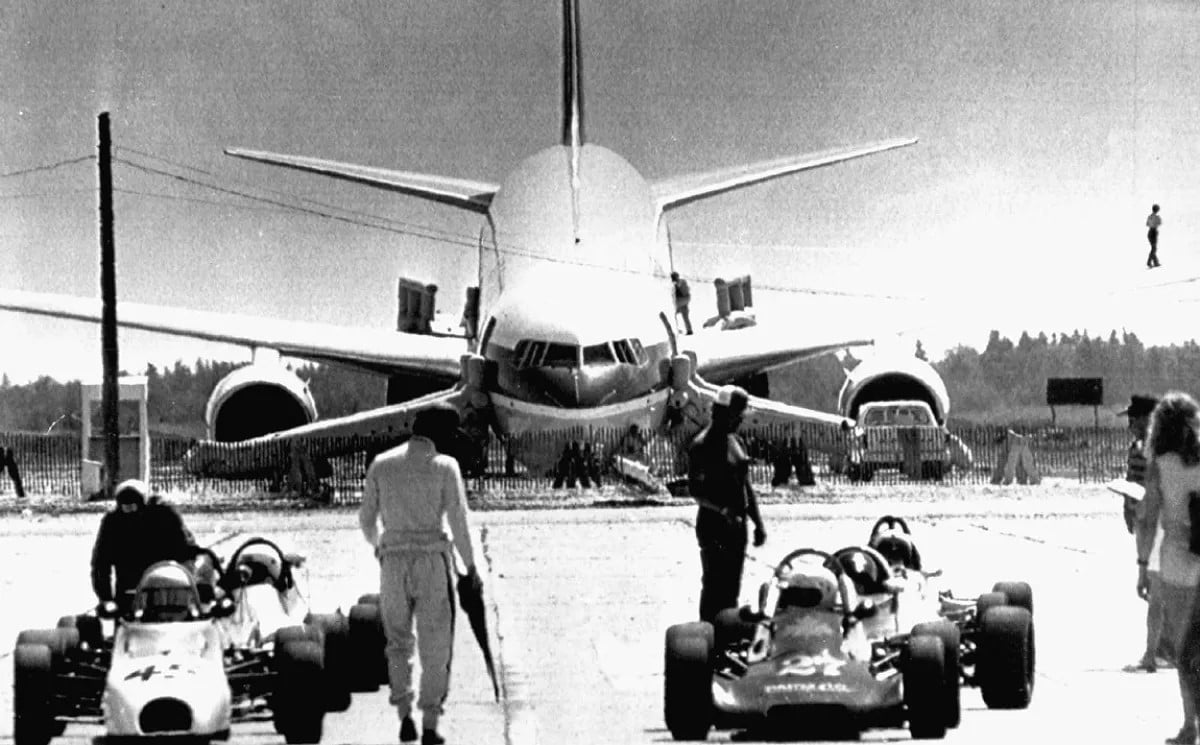
Tiny mistakes become particularly frightening at cruising altitude. During Canada´s transition to the metric system, a chain involving equipment, training, company procedures, and human errors led Air Canada Flight 143 to be fueled using the wrong unit conversion. The Boeing 767 ran out of fuel in flight. Remarkably, the crew managed to glide the aircraft to a safe landing at Gimli, turning what could have been a disaster into one of aviation´s most extraordinary emergency landings.
11. Pentium FDIV: Five Missing Table Entries Cost Intel About $475 Million
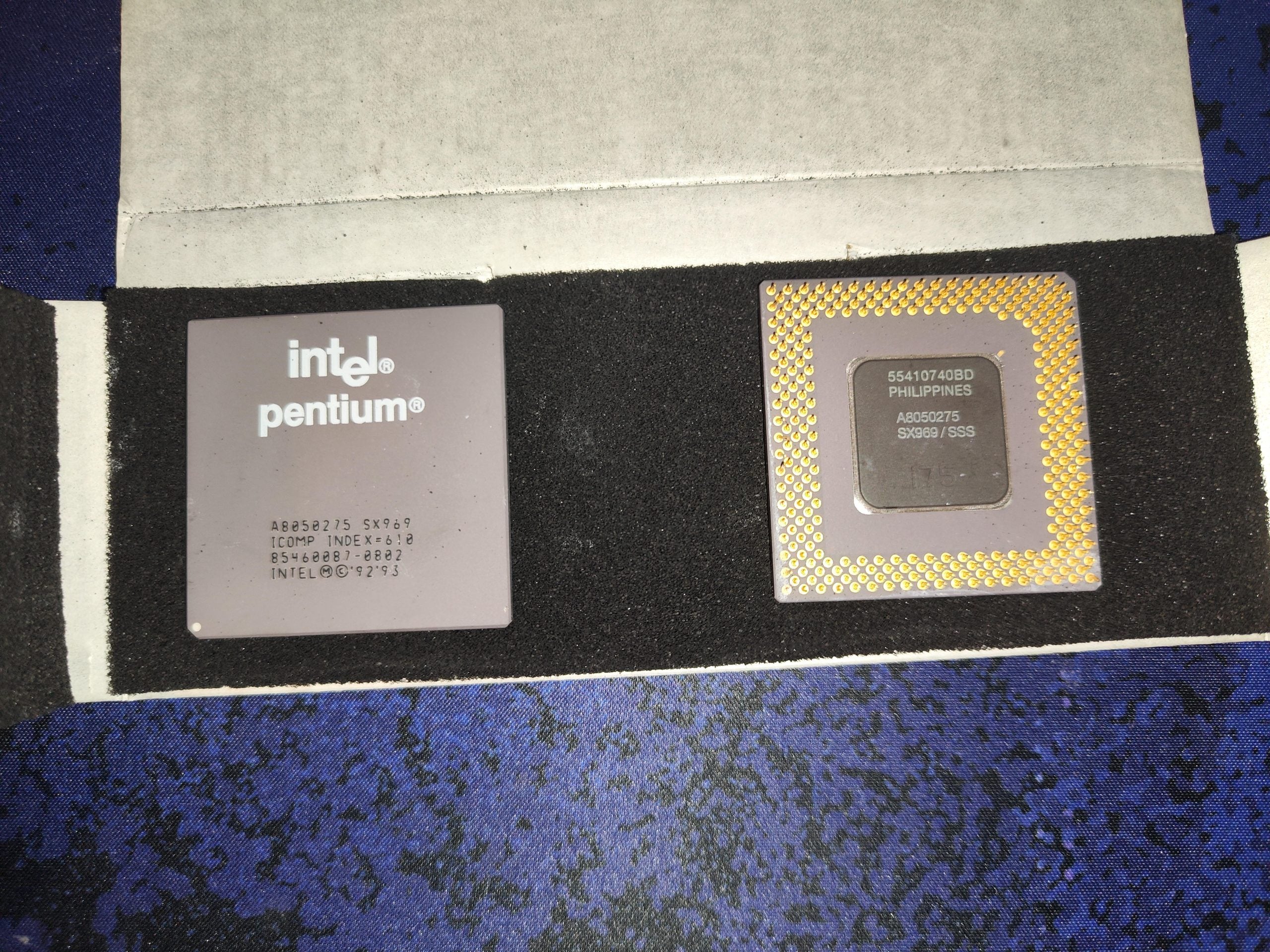
Five missing entries in a processor’s lookup table sound microscopic, especially inside something as complex as a computer chip. Yet those missing values produced a rare division flaw in early Pentium processors. Once the problem became widely known, a technical defect transformed into a major public-relations crisis, and Intel ultimately recorded a charge of roughly $475 million associated with replacing affected chips. Five missing entries, nine figures of consequences.
12. Northeast Blackout: A Stalled Alarm Processor Hid a Growing Grid Crisis

During the 2003 Northeast blackout, trouble was spreading through the electrical grid while a crucial source of information wasn’t doing its job. FirstEnergy’s alarm processor stalled, depriving operators of important situational awareness as transmission problems escalated. The software failure was only one part of a much larger chain, but it illustrates a chilling systems problem: what happens when the warning system fails precisely when the warnings matter most?
13. USS Yorktown: A Zero Entered Into a Database Crashed a Smart-Ship System
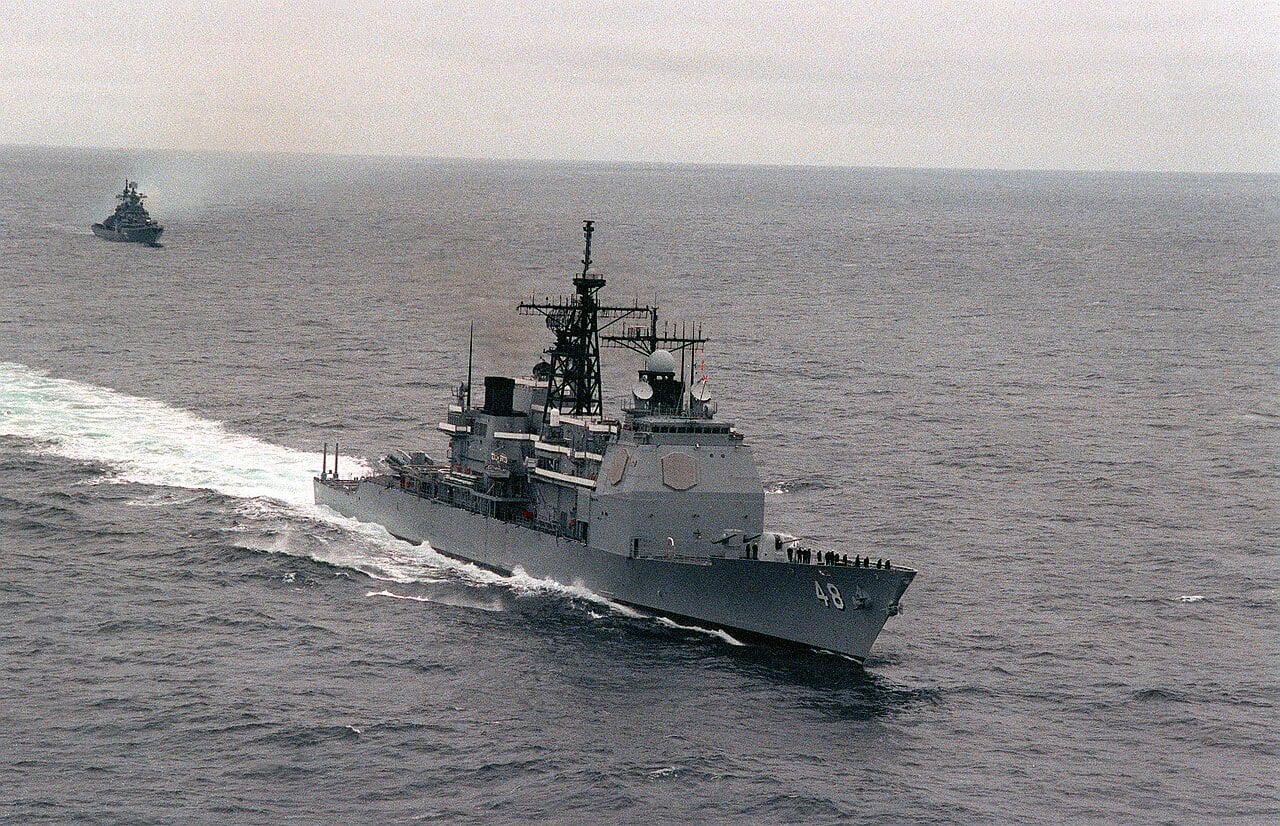
Zero may be the smallest number in the database, but computers can have very strong feelings about dividing by it. During Smart Ship testing aboard the USS Yorktown in 1997, a zero value entered into a database was associated with a divide-by-zero failure that brought networked systems down and disrupted propulsion. Contemporary accounts differ on some operational details, but the central lesson survives intact: sophisticated systems can still stumble over astonishingly simple inputs.
14. AT&T’s 1990 Long-Distance Outage: A Software Update Cascaded
A software change inside AT&T’s switching network helped set off a cascading failure in 1990 that disrupted long-distance telephone service. The striking part wasn’t simply that software could fail, but how rapidly trouble could propagate through an interconnected communications network. Once systems depend on one another, a problem doesn’t necessarily remain where it started. It can travel.
15. Excel and Reinhart-Rogoff: A Spreadsheet Range Left Countries Out
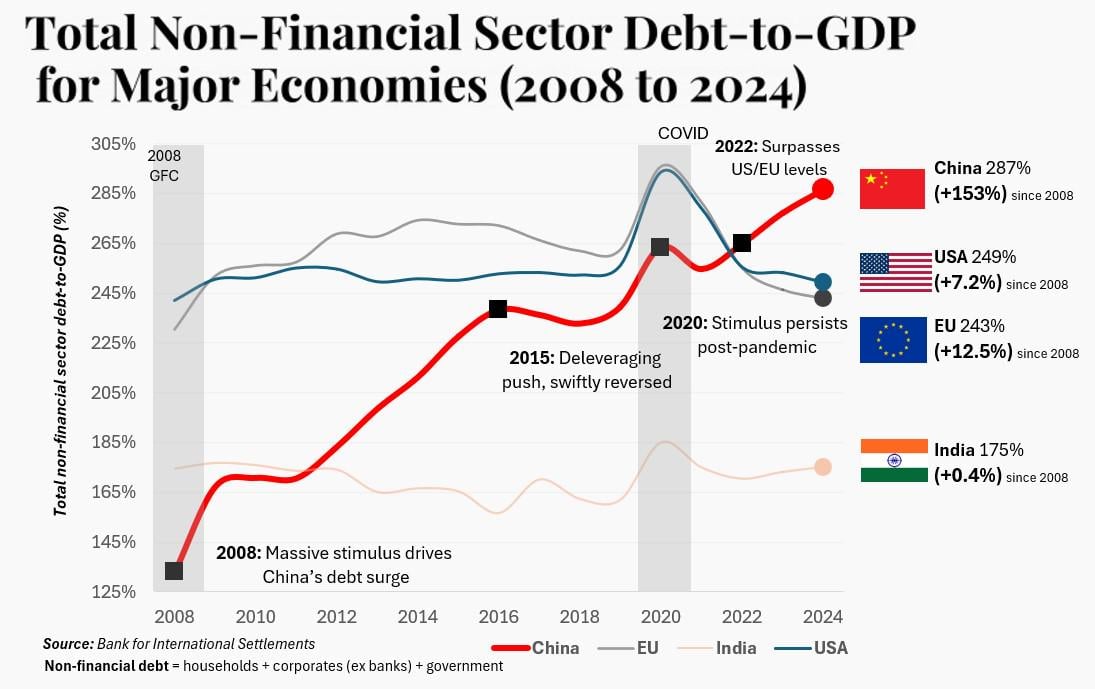
This time the consequential mistake was hiding inside a spreadsheet. A range error in the analysis behind an influential paper on government debt and economic growth excluded several countries from one calculation. Later reanalysis identified other methodological issues as well, so the Excel mistake cannot be credited with single-handedly changing economic policy. Still, it became an unusually vivid example of how something as mundane as selecting the wrong spreadsheet range can escape the spreadsheet itself and enter a much larger debate.
16. The Vasa: Open Gunports Turned Instability Into a Rapid Sinking
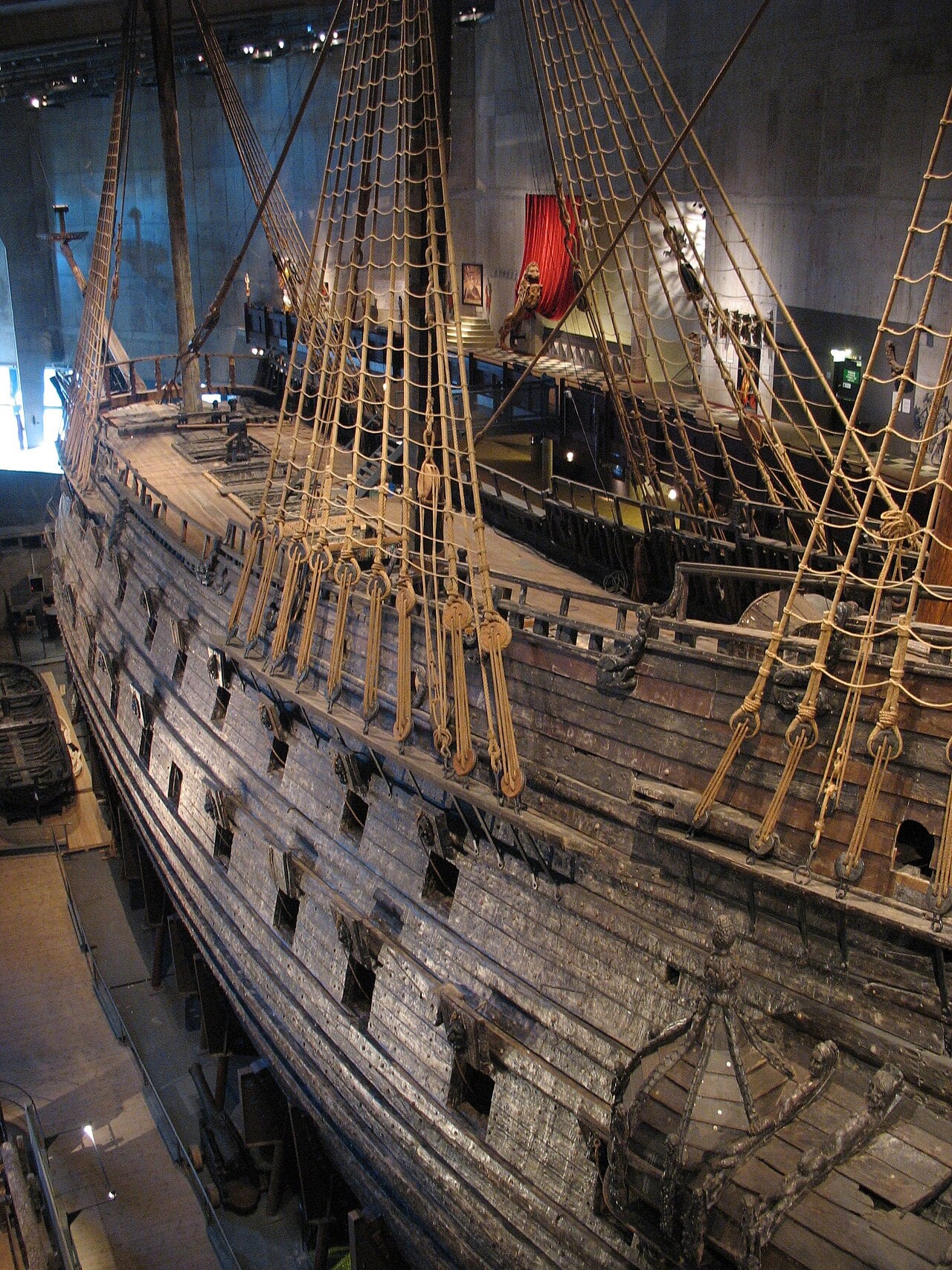
The Vasa was already dangerously top-heavy when it began its maiden voyage in 1628. Then the ship heeled, water rushed through its open lower gunports, and an existing stability problem became a rapid sinking. The open ports didn’t create the underlying design weakness, but they helped turn it into catastrophe. Sometimes the final small detail isn’t the cause of the disaster. It’s the door, quite literally in this case, through which the larger problem arrives.
17. The Tacoma Narrows Bridge: A Design Assumption Met Aerodynamic Reality

The dramatic collapse of the Tacoma Narrows Bridge in 1940 is often reduced to a simple engineering blunder, but the reality is more interesting. Its flexible design met aerodynamic forces that engineers did not yet adequately understand, allowing wind-driven oscillations to grow catastrophically. There was no single loose bolt or forgotten component to blame. Instead, the crucial mistake was an engineering assumption that reality spectacularly refused to obey.
18. Three Mile Island: A Misleading Indicator Helped Operators Misread the Emergency
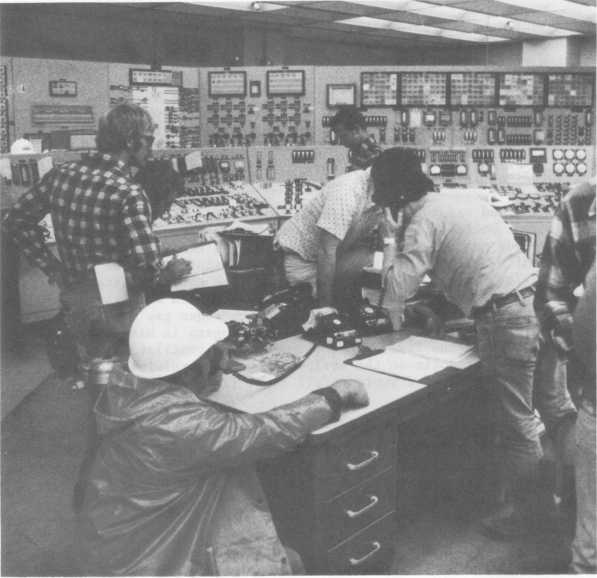
During the Three Mile Island accident in 1979, operators were trying to understand a complicated emergency through a control room that didn’t always tell them what they actually needed to know. Instrumentation and interface design contributed to confusion about the condition of the plant as equipment failures and human decisions compounded the crisis. A misleading indicator was not the sole cause, but that’s precisely what makes the case so important: even a small interface detail can become dangerous when people depend on it to understand a rapidly changing system.
A strange pattern runs through all 18 stories: the original error is often almost laughably small compared with what follows. But the real lesson isn’t that one typo can magically destroy a spacecraft or collapse an entire system. It’s that complex systems are built from thousands of tiny assumptions, measurements, inputs, and decisions. Most remain invisible right up until one of them turns out to matter enormously.
Keep Exploring The Scroller
One millimeter, one zero, one wrong unit. Keep exploring The Scroller for more stories where history turned on details almost too small to notice:
19 Construction Mistakes That Make Zero Sense to Anyone
17 Significant Mistakes That Were Committed Throughout History
16 Things That Were Perfectly Legal Until One Disaster Changed the Rules