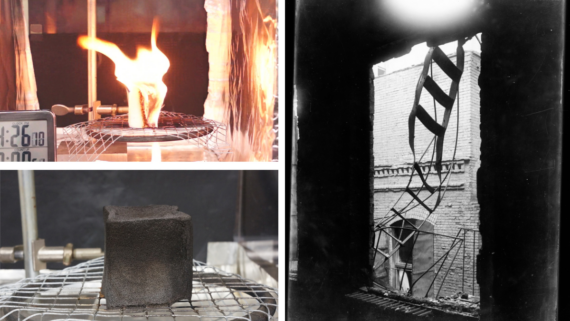
Disasters that changed laws rarely created safety rules from nothing. More often, catastrophe exposed weakness that had been tolerated, overlooked, poorly enforced, or simply never tested under the worst possible conditions. A ship could satisfy existing requirements and still carry too few lifeboats. A factory could operate while workers faced inadequate escape routes. A nightclub could meet older standards and still become dangerously vulnerable to fire.
Many of the rules that now feel obvious were not created in anticipation of catastrophe. They arrived afterward, when fires, shipwrecks, structural failures, and other disasters revealed exactly where older systems had failed. These 16 cases show how tragedy repeatedly turned overlooked risks into enforceable safety standards.
1. Ships Carrying Too Few Lifeboats
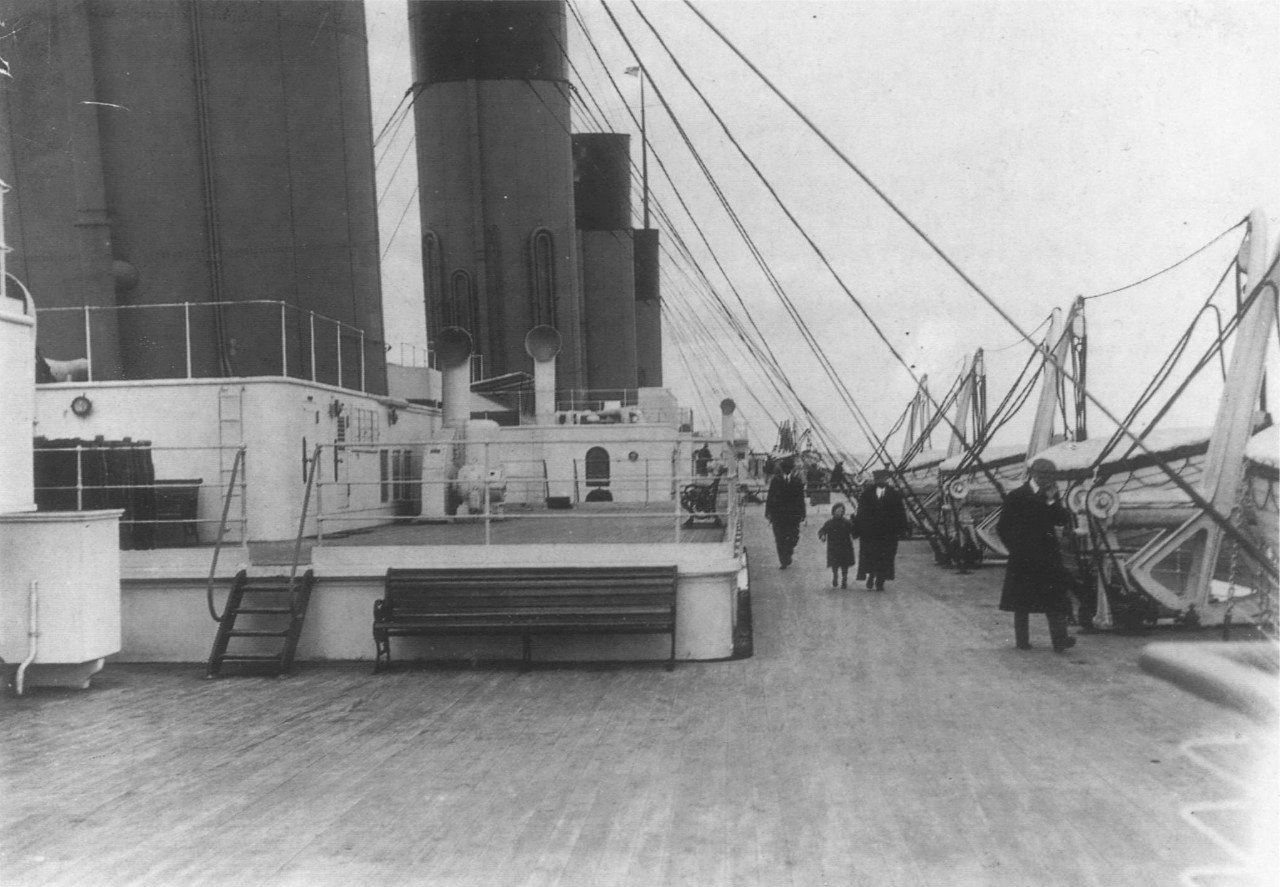
Before the Titanic disaster, lifeboat requirements could be based on a ship’s tonnage rather than the number of people aboard. That gap became impossible to ignore after the liner sank in 1912 with lifeboat capacity for only a fraction of its passengers and crew. The first International Convention for the Safety of Life at Sea followed in 1914, establishing stronger requirements intended to provide lifesaving capacity for everyone aboard.
2. Factory Doors That Opened Inward
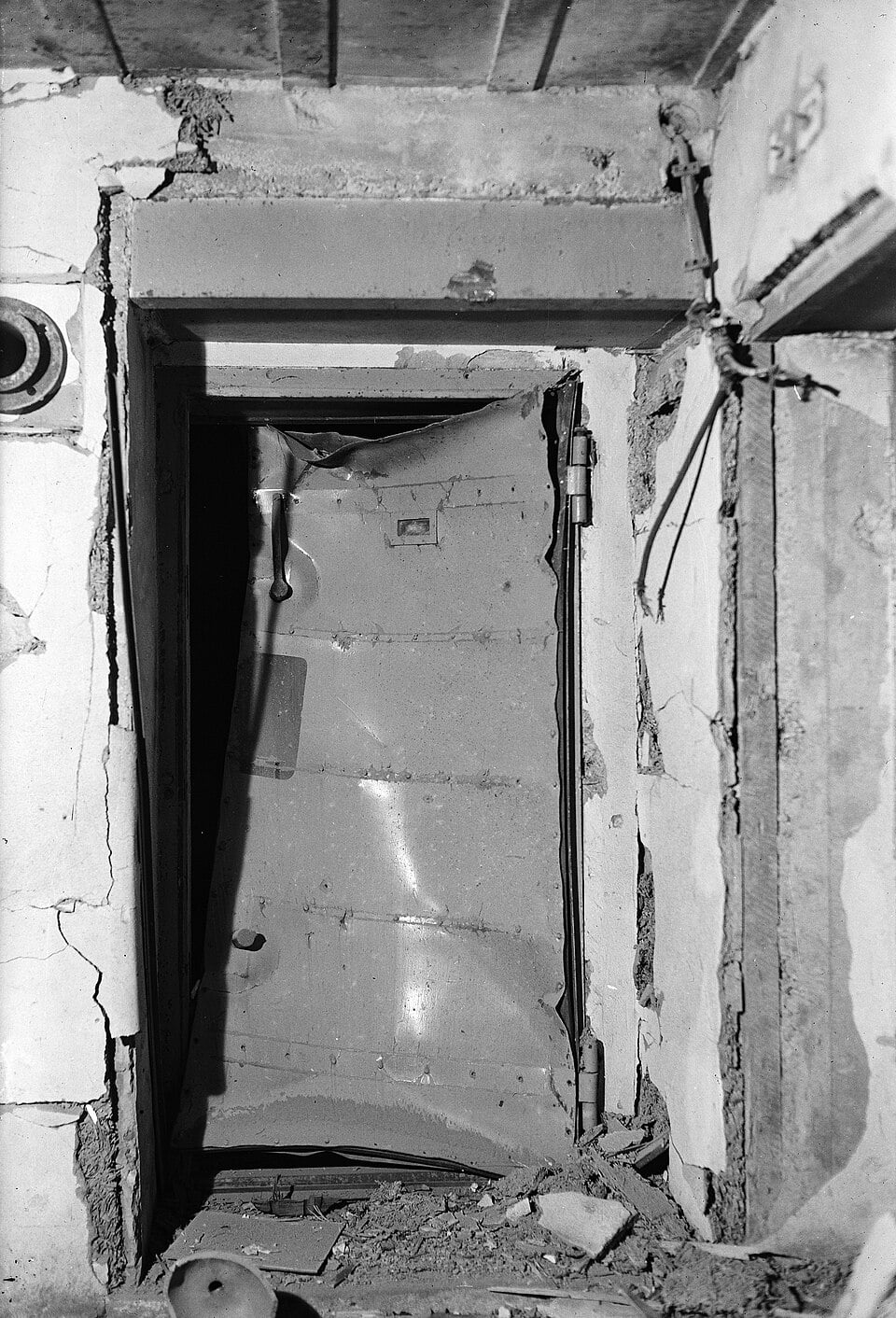
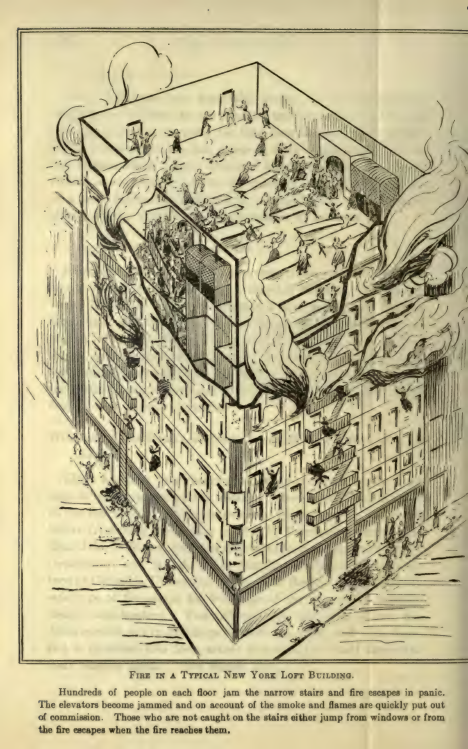
A crowded room becomes far more dangerous when everyone tries to leave through a door that must swing toward them. Deadly factory fires helped expose that problem, particularly when panic pressed workers against exits they could no longer open. Building and fire codes increasingly required outward-swinging doors in spaces with larger occupancies, turning the direction of a hinge into a serious safety consideration.
3. Public Buildings With Locked Exit Doors
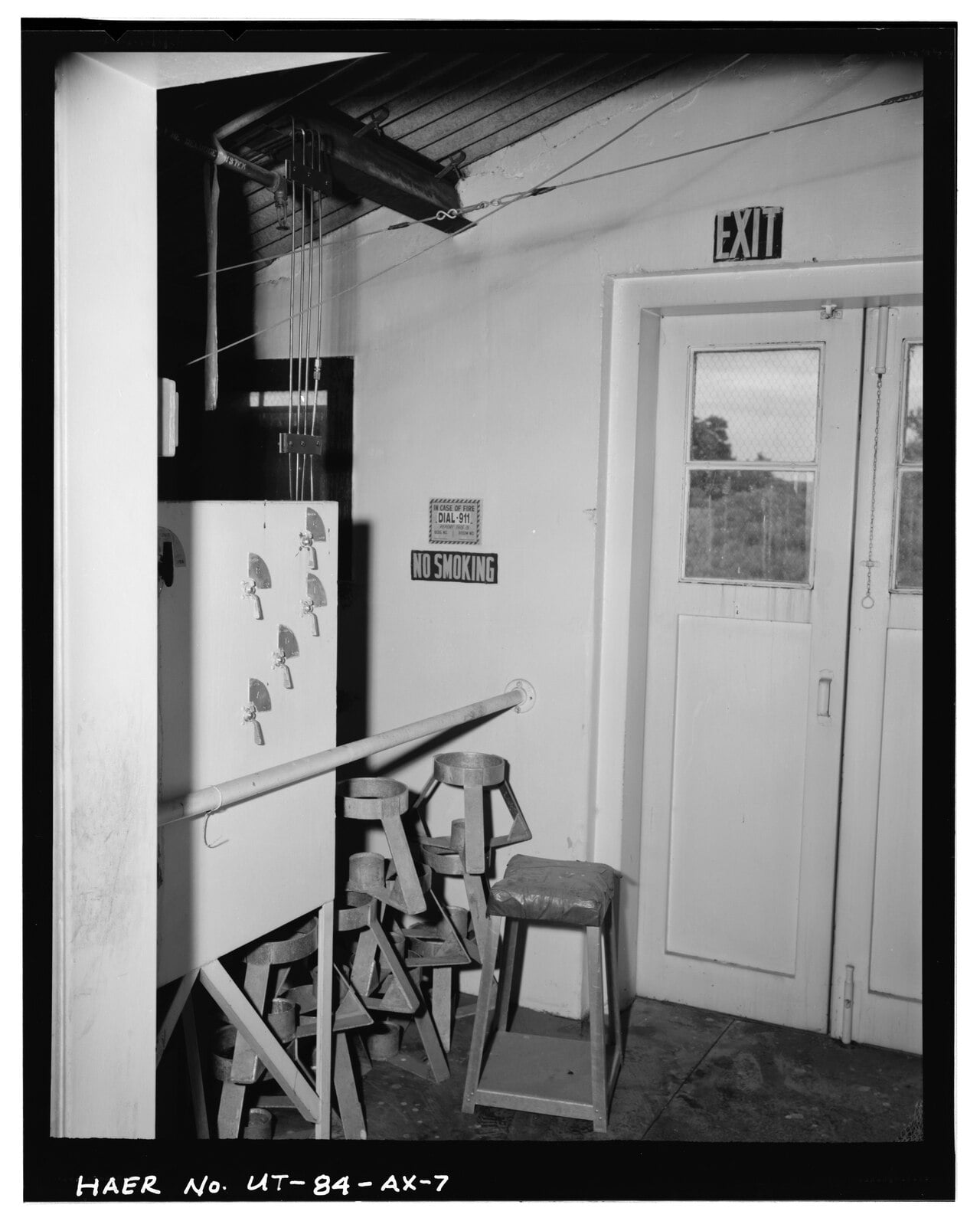
An exit means very little if someone has locked it. Fires in factories, theaters, and other crowded buildings repeatedly demonstrated how devastating locked or obstructed escape routes could become during an emergency. Modern fire regulations generally require designated exits to remain accessible while buildings are occupied, a rule that reflects a grim historical lesson: evacuation routes have to work at the exact moment people need them.
4. Rooftop Doors That Could Trap People
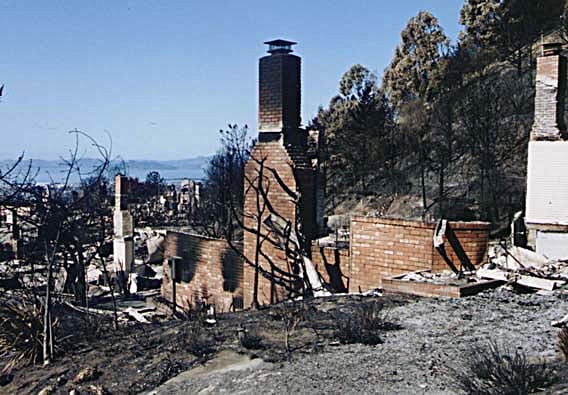
What happens when people flee upward only to discover there is nowhere left to go? Older buildings did not always treat rooftop access as part of a broader evacuation strategy, and poorly designed or inaccessible exits could leave occupants with dangerously limited options. Fire codes gradually became more systematic about means of egress, requiring planners to think beyond the nearest staircase and consider where escape routes actually led.
5. Crowded Streets With Little Fire Planning

Early urban fires could spread through dense neighborhoods with terrifying speed, especially where buildings stood close together, and firefighting resources were limited. Large conflagrations pushed cities toward stronger fire departments, improved water supplies, fire-resistant construction, and more deliberate urban planning. A city could not prevent every spark, but authorities increasingly recognized that its layout could determine whether one burning building remained one burning building.
Trending on The Scroller


6. Buildings Without Reliable Fire Escapes
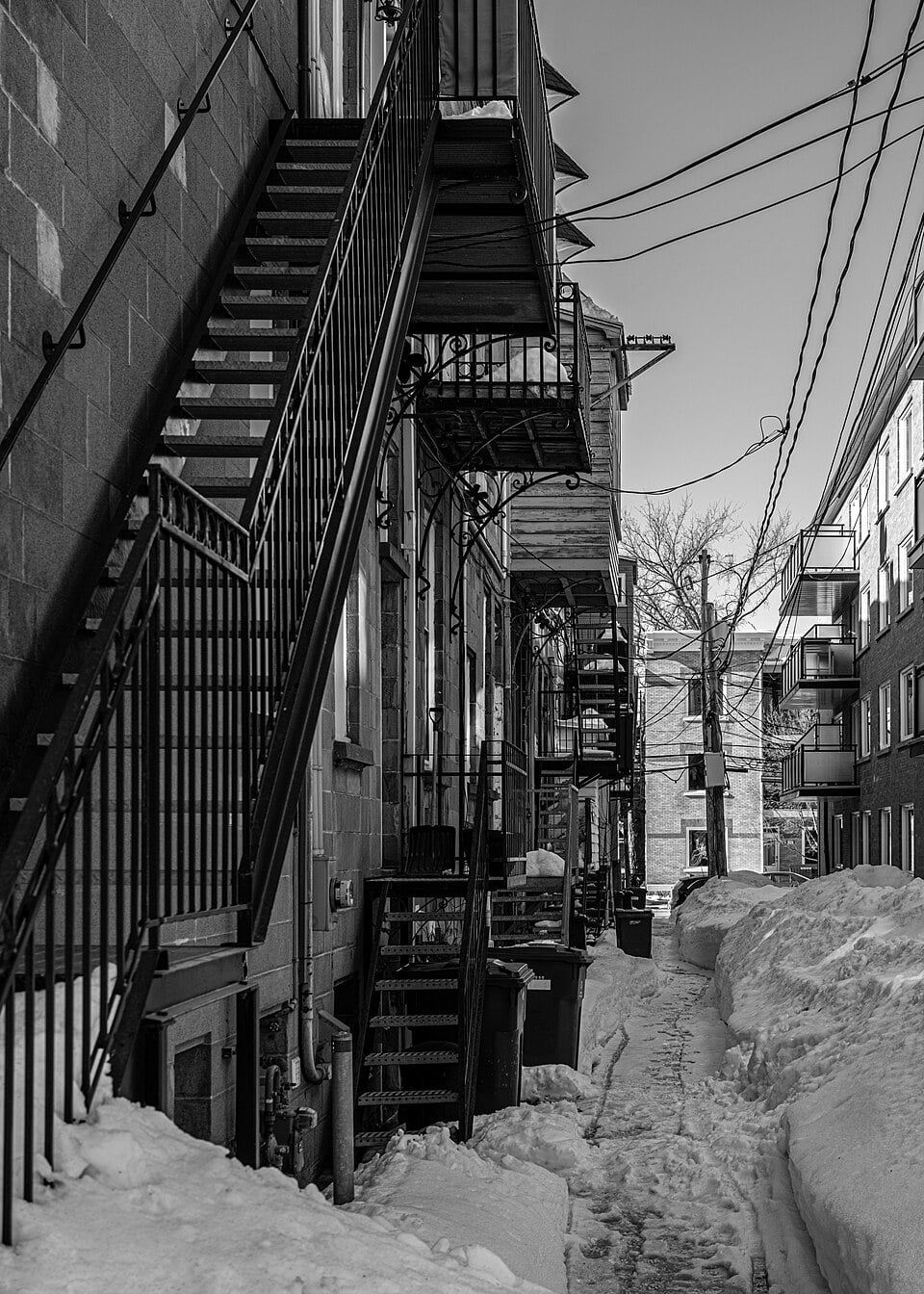
Fire escapes once appeared on buildings in an extraordinary range of designs, and their effectiveness was not always guaranteed. Catastrophic fires demonstrated that emergency escape could not depend on improvised ladders, questionable balconies, or routes occupants had never practiced using. Over time, building codes became more specific about stairs, exits, fire escapes, and other means of egress.
7. Factories Packed With Flammable Materials
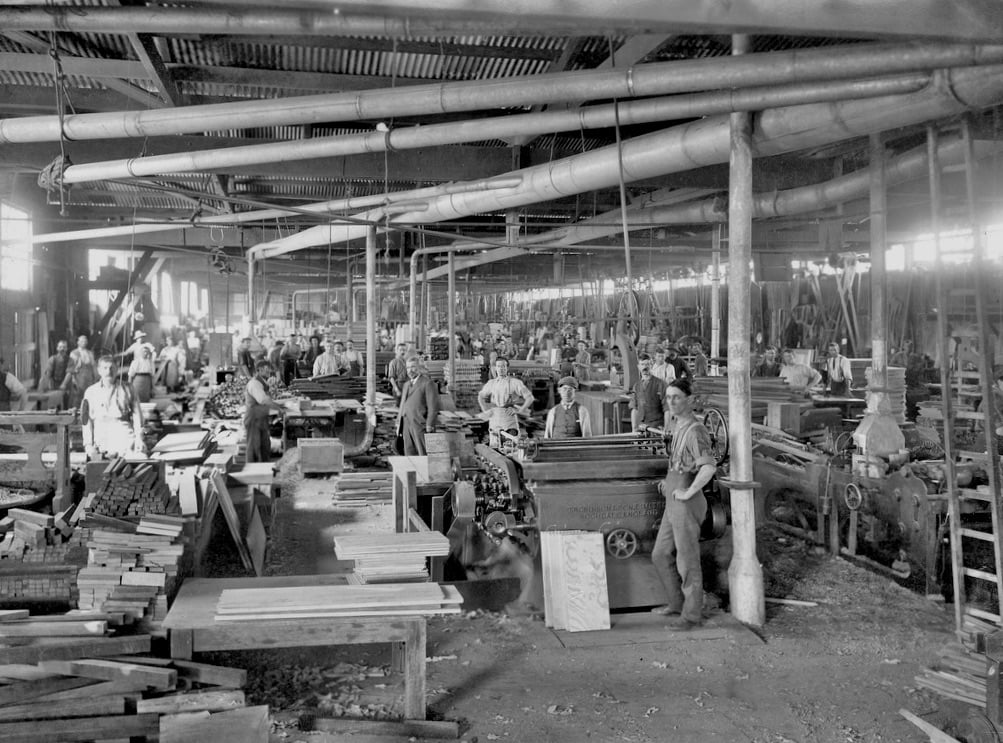
Industrial buildings could combine crowded workspaces, combustible materials, machinery, and limited escape routes under one roof. When fire broke out, those conditions could turn an ordinary workplace into a lethal environment within minutes. Major industrial disasters helped drive stricter rules around fire prevention, storage, exits, inspections, and workplace safety, shifting responsibility away from workers simply being expected to react quickly enough.
8. Windows That Offered Little Ventilation
Poorly ventilated buildings were once accepted as an unpleasant fact of indoor life. But what happened when heat, smoke, dust, or contaminated air accumulated in a crowded room with nowhere to go? Reformers increasingly connected ventilation with health and workplace safety, while building standards began paying greater attention to window design, airflow, and mechanical ventilation. Fresh air slowly moved from architectural preference toward a regulated necessity.
Sign up for our newsletter
9. Workplaces With Extreme Heat and Few Protections
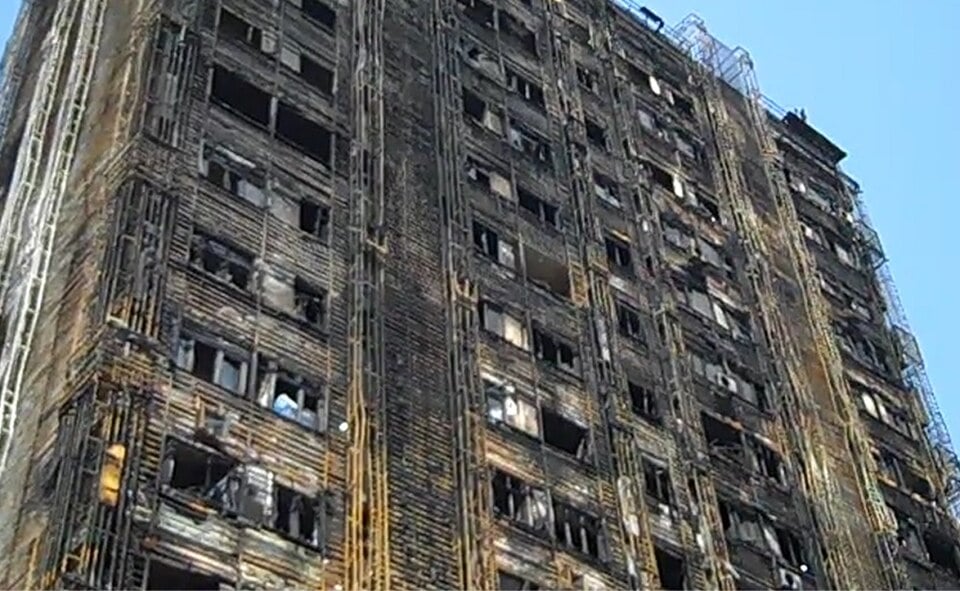
Heat was long treated as something workers simply endured. Factories, laundries, kitchens, mines, and other workplaces could become dangerously hot, while protections depended heavily on individual employers. Growing understanding of heat illness gradually changed that assumption, encouraging rules and guidance involving ventilation, drinking water, rest, and exposure management. The danger was not always dramatic enough to make headlines, but repeated injuries made it harder to dismiss.
10. Laws That Changed Around Emergency Exits
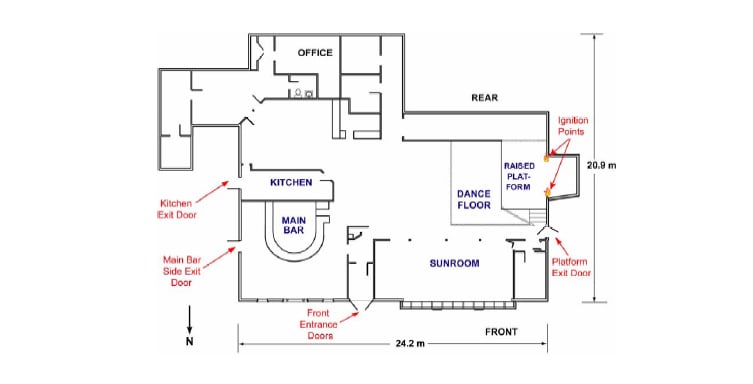
Disasters that changed laws also changed how safety experts think about human behavior. During the Station fire, roughly two-thirds of occupants attempted to escape through the familiar main entrance, producing severe crowding while other exits existed elsewhere in the building. Later model-code changes addressed issues including exit capacity and crowd management. The lesson was uncomfortable but important: providing exits is not enough if an emergency funnels people toward the doorway they instinctively know best.
11. Buildings Without Adequate Fire Separation
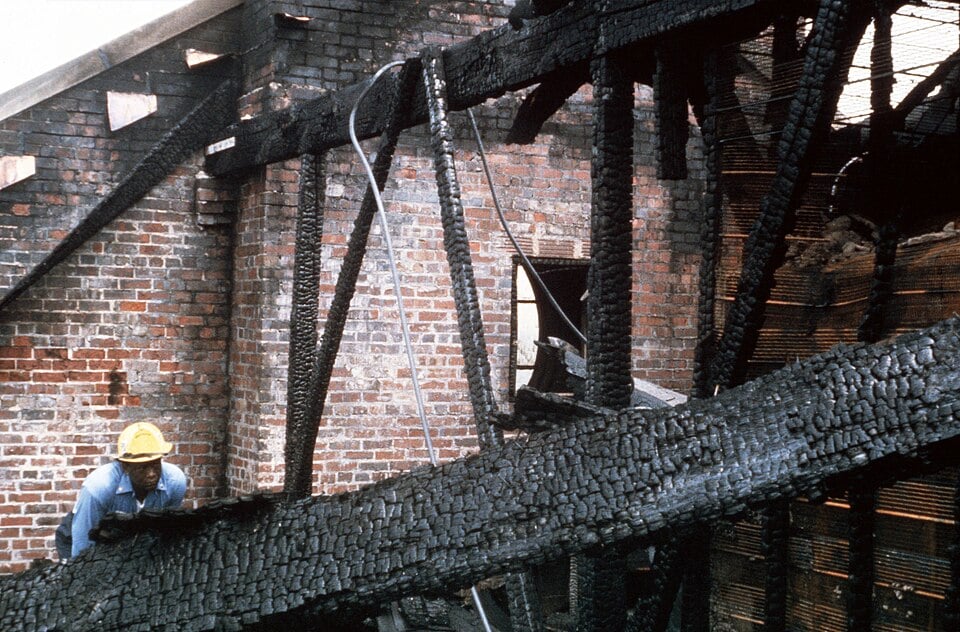
A fire becomes much harder to control when flames and smoke can travel freely from one part of a building to another. Historic disasters demonstrated the value of dividing structures into compartments using fire-resistant walls, doors, floors, and other barriers. The goal was not necessarily to stop a fire instantly, but to slow its movement long enough for occupants to escape and firefighters to respond.
12. Occupied Buildings Without Enough Safe Exits
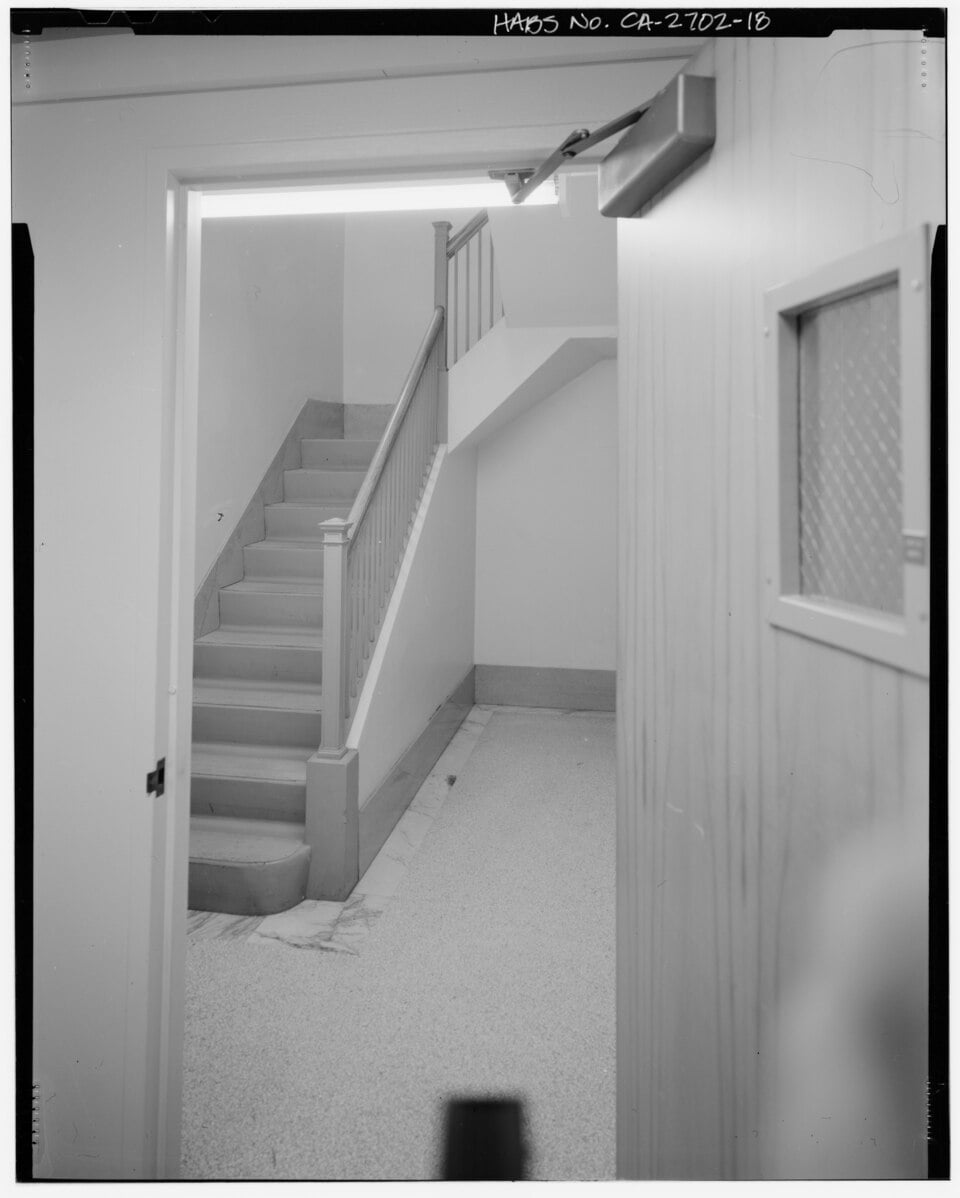
A single doorway might function perfectly during an ordinary afternoon and become a bottleneck during an emergency. How many exits does a crowded building actually need when hundreds of people decide to leave at once? Occupancy-based codes increasingly addressed that question by connecting building capacity with the number and width of escape routes. Safety planning began accounting not just for where people were, but for how quickly they could get out.
13. Homes Designed With Little Thought for Emergency Escape
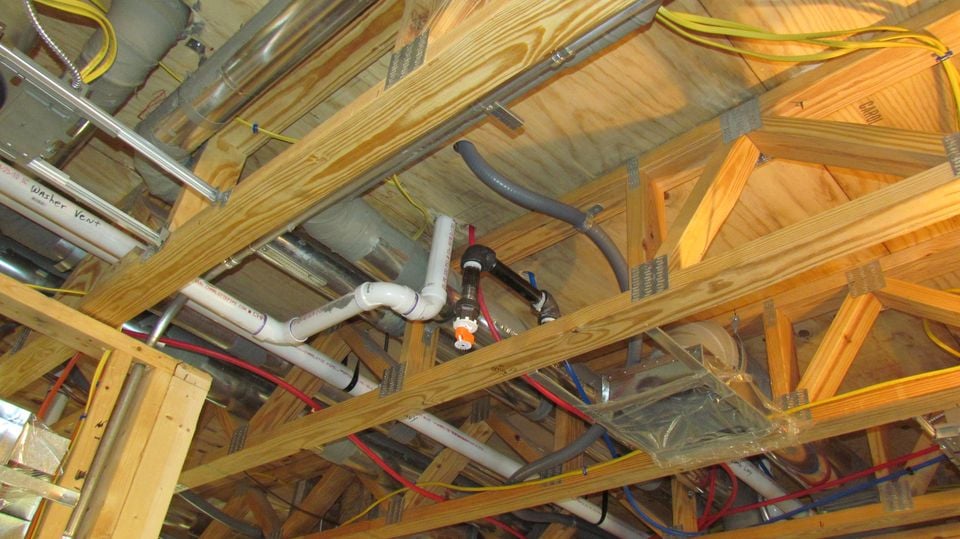
Residential safety rules also evolved as fires revealed how difficult it could be to escape bedrooms and upper floors. Windows, stairs, doors, smoke alarms, and other seemingly ordinary features became part of a larger approach to survivability. Modern residential codes increasingly treat escape as something that must be built into a home rather than improvised after smoke has already filled the hallway.
14. Crowded Venues Without Effective Crowd Control
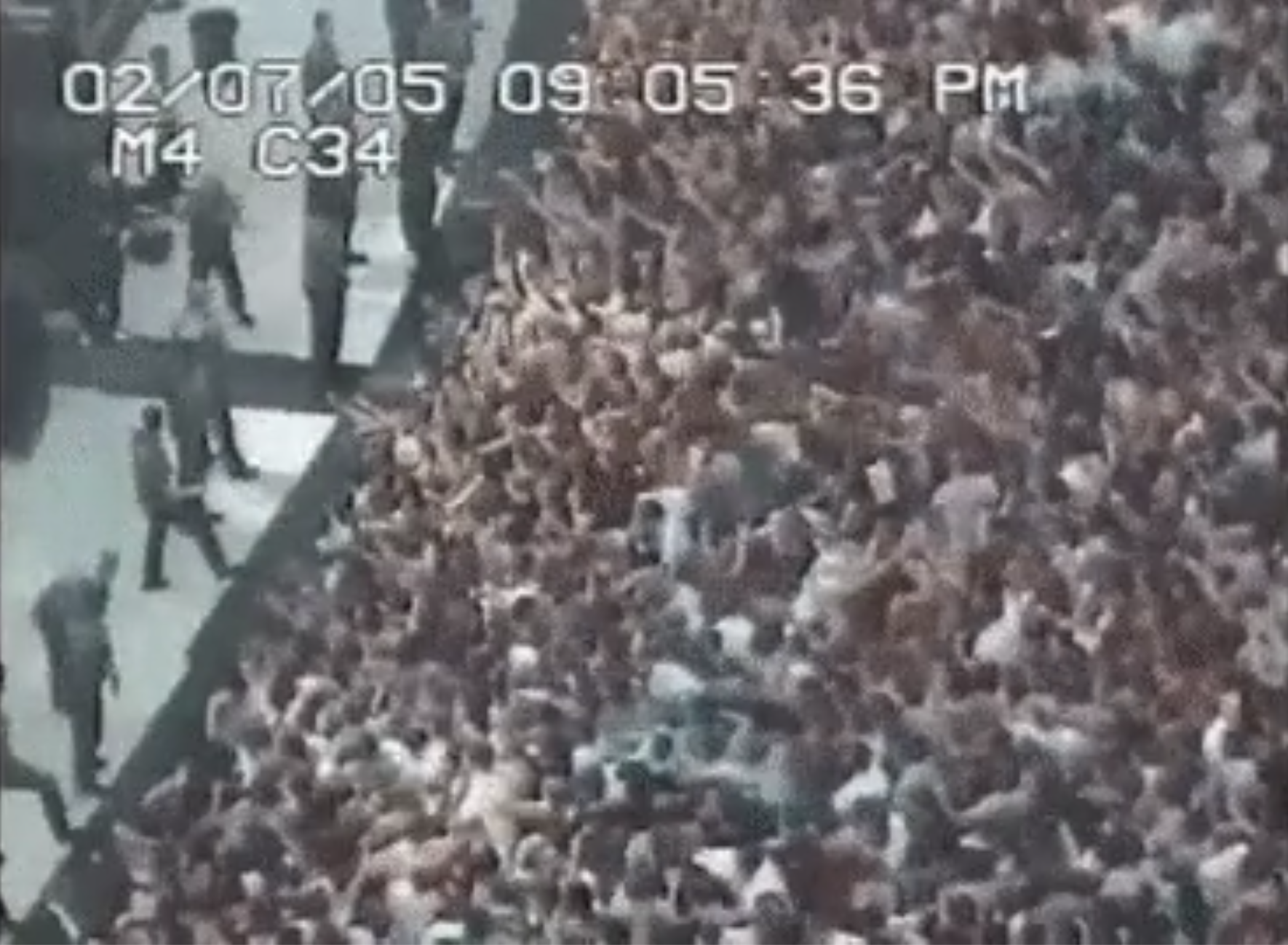
Large gatherings create risks even when there is no fire. A sudden movement toward a narrow exit can generate dangerous crowd pressure, particularly when barriers, confusing routes, or poor management restrict movement. Disasters at entertainment venues and public gatherings pushed authorities toward stricter occupancy limits, clearer exit planning, crowd-management procedures, and better control of how people enter and leave confined spaces.
15. Buildings That Ignored How Smoke Actually Moves
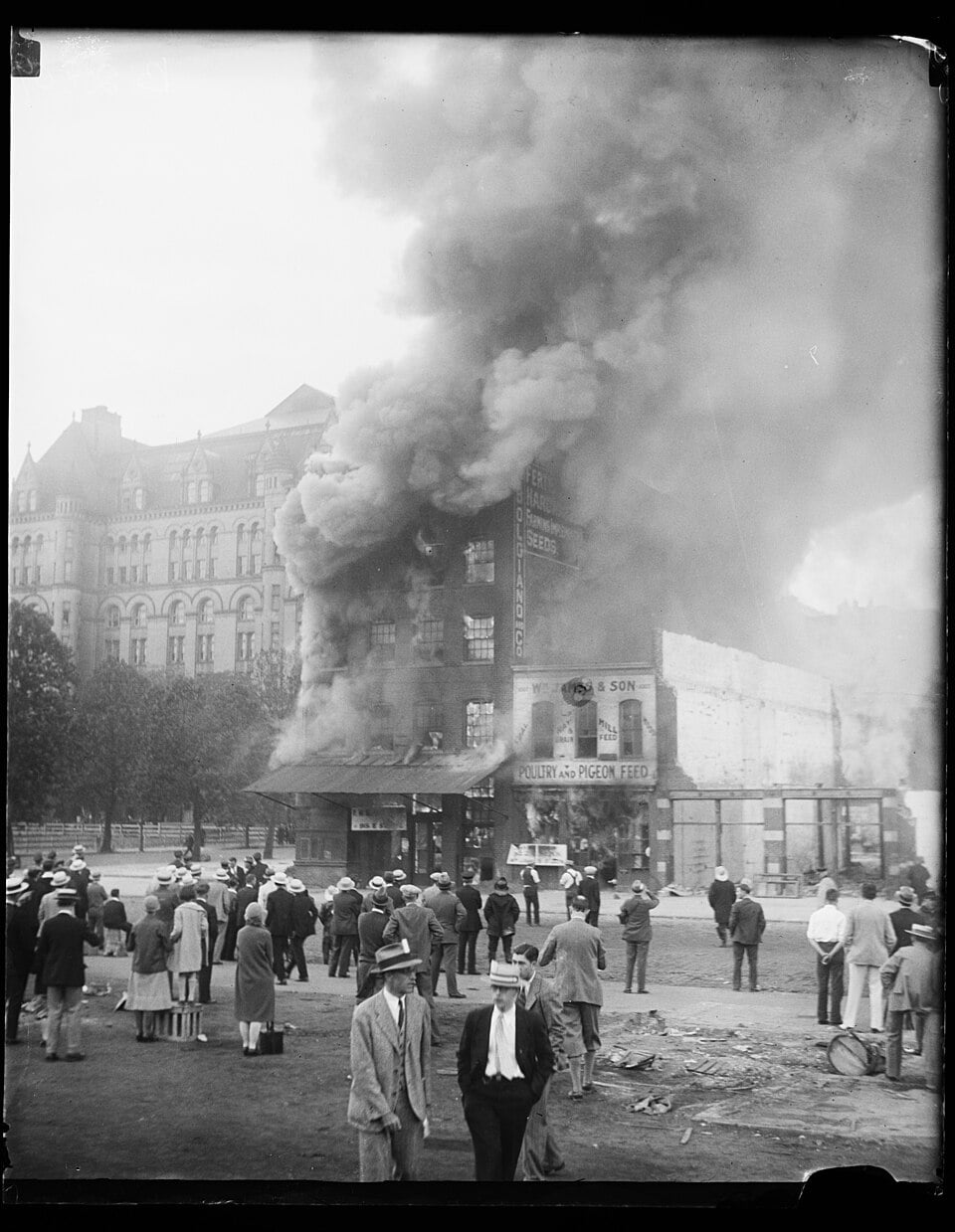
Flames are only part of the danger during a building fire. Smoke can spread through corridors, stairwells, shafts, and ventilation systems, cutting off escape routes before fire reaches them. That reality influenced increasingly sophisticated rules involving smoke barriers, enclosed stairways, alarms, ventilation systems, and compartmentation. Building safety had to account for an invisible threat capable of traveling far beyond the room where a fire began.
16. Safety Rules Written Only After Something Went Wrong
The pattern behind many modern regulations is uncomfortable: prevention often became politically urgent only after prevention had failed. Why did it take catastrophe to make certain hazards obvious? Disasters supplied evidence that abstract warnings often could not, exposing weaknesses in ships, factories, homes, workplaces, and public venues. Regulations that now appear routine are, in many cases, records of earlier assumptions that proved dangerously wrong.
The history of safety regulation is therefore also a history of hindsight. Lifeboats, accessible exits, ventilation, occupancy limits, fire-resistant construction, and emergency planning can feel like ordinary parts of modern life precisely because earlier disasters demonstrated what happened without them. Each new rule turned a lesson learned under terrible circumstances into an attempt to prevent the same failure from happening again.
Keep Exploring The Scroller
The rules surrounding everyday life have histories of their own, and many began with moments when old assumptions failed spectacularly. Keep exploring The Scroller for more historical turning points hiding behind rules that now seem completely obvious:
12 Historical Disasters Triggered by One Human Error
19 Haunting Images Showing the Destruction Caused By Natural Disasters
The Weirdest Weather: 16 Places Where Mother Nature Never Plays Fair