Major disasters are rarely caused by only one thing. Usually, there are weak procedures, poor communication, or warning signs sitting quietly in the background. Still, some catastrophes can be traced to one decisive mistake that passed through every layer meant to catch it. By the time anyone understood what had happened, the situation had already moved beyond recovery.
1. The Radioactive Source Left in an Abandoned Clinic
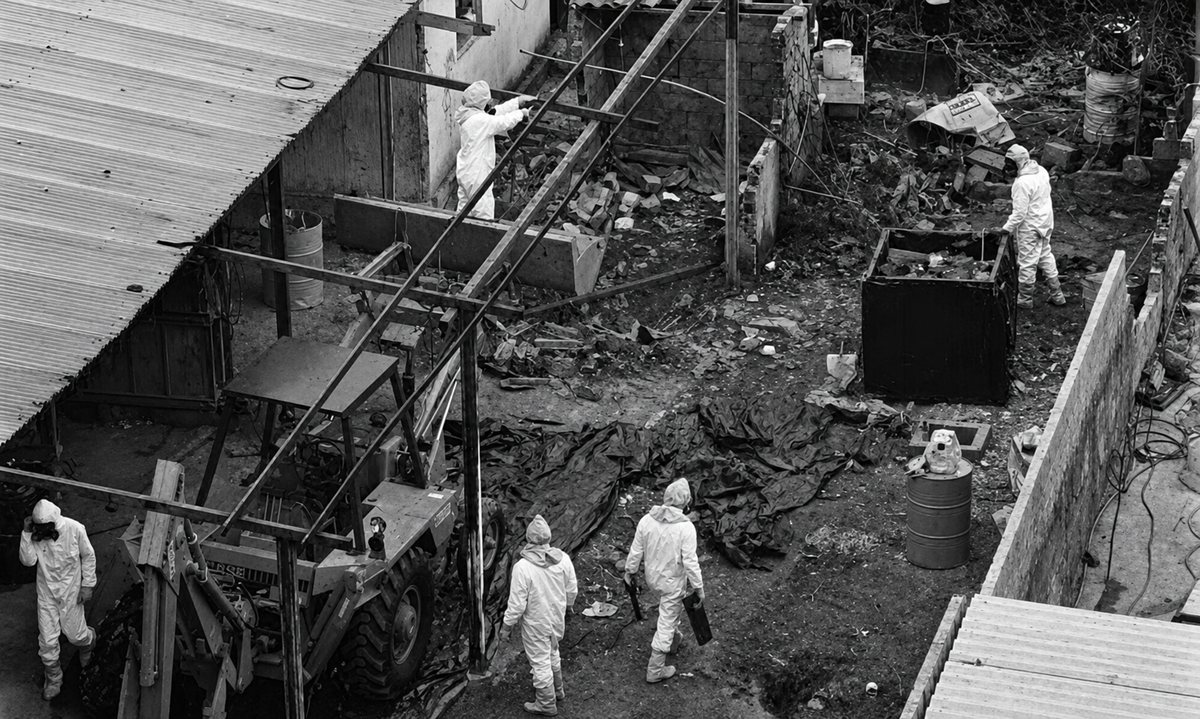
When a private radiotherapy clinic in Goiânia, Brazil, was abandoned, a machine containing highly radioactive cesium-137 was left behind instead of being properly secured and removed. In September 1987, two men entered the building, dismantled part of the machine, and sold the source capsule to a scrapyard. Its glowing blue powder was passed among friends and relatives before anyone realized it was dangerous. Four people died, hundreds were contaminated, and several homes had to be demolished. The original failure was administrative but devastatingly simple: someone left a powerful radioactive source in a building that no longer had adequate protection.
2. The Unit Mix-Up That Lost a Mars Spacecraft
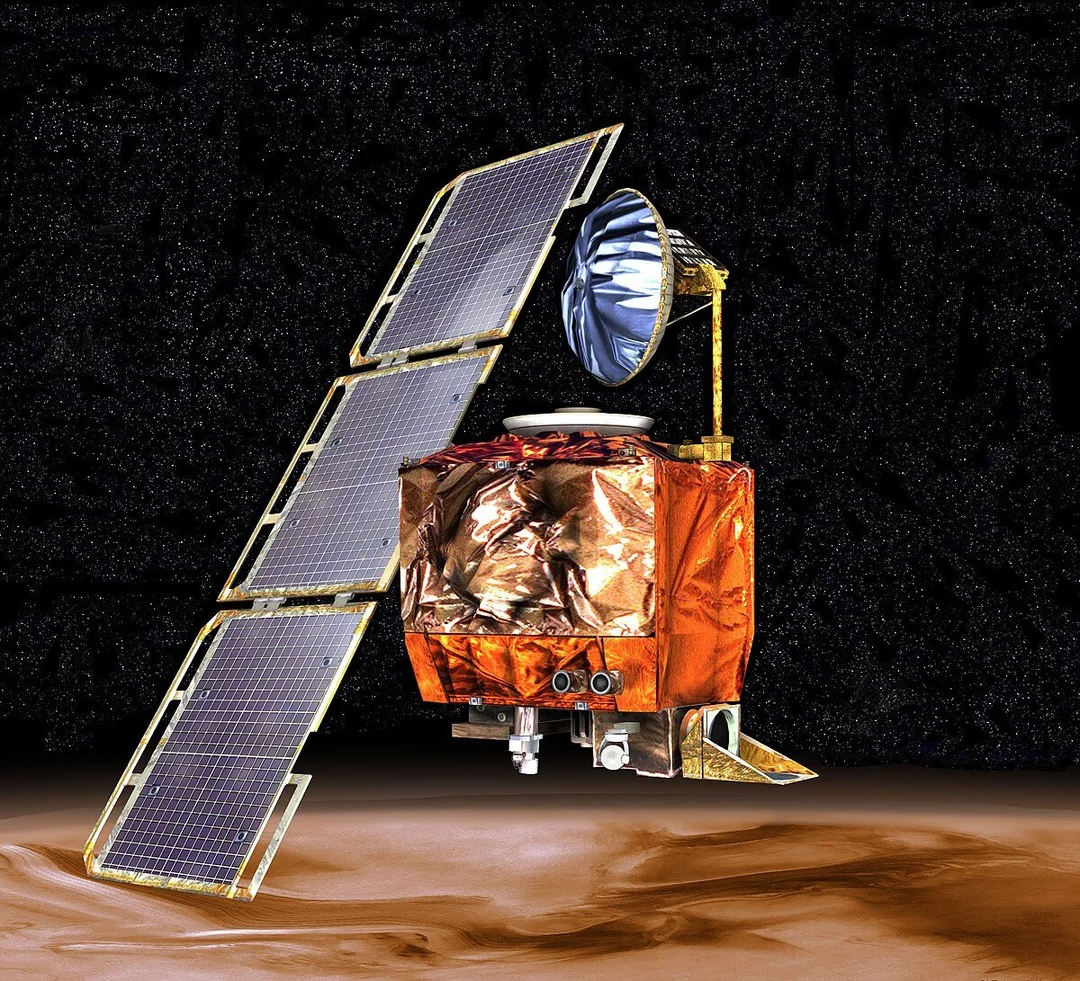
The Mars Climate Orbiter had traveled hundreds of millions of miles before a basic measurement mismatch sent it too close to the planet. One engineering team had supplied thruster data in pound-force seconds, while the navigation software expected Newton-seconds. The difference was not corrected during testing or mission reviews. When the spacecraft reached Mars in September 1999, it entered the atmosphere at the wrong altitude and was lost. NASA later emphasized that the larger failure was not simply the incorrect unit, but the fact that its checks never caught it.
3. The Hyatt Walkway Design Change
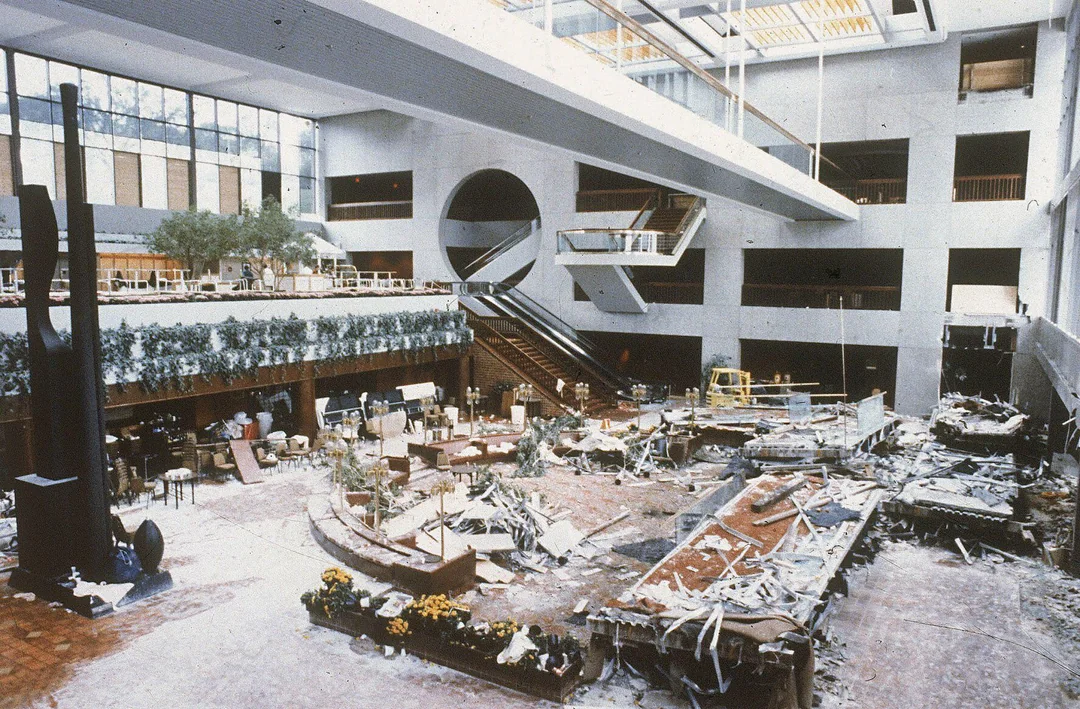
The suspended walkways inside the Kansas City Hyatt Regency were originally designed to hang from continuous steel rods, but during construction the connection was changed to a two-rod arrangement that placed roughly twice the intended load on part of the structure. The revised design was approved without a complete recalculation of the connection, and on July 17, 1981, the second- and fourth-floor walkways collapsed during a crowded dance event, killing 114 people and injuring more than 200. The alteration looked minor on paper, but it changed the forces acting on the supporting beams in a way the original design had never accounted for.
4. The Pump Restart That Ignited Piper Alpha
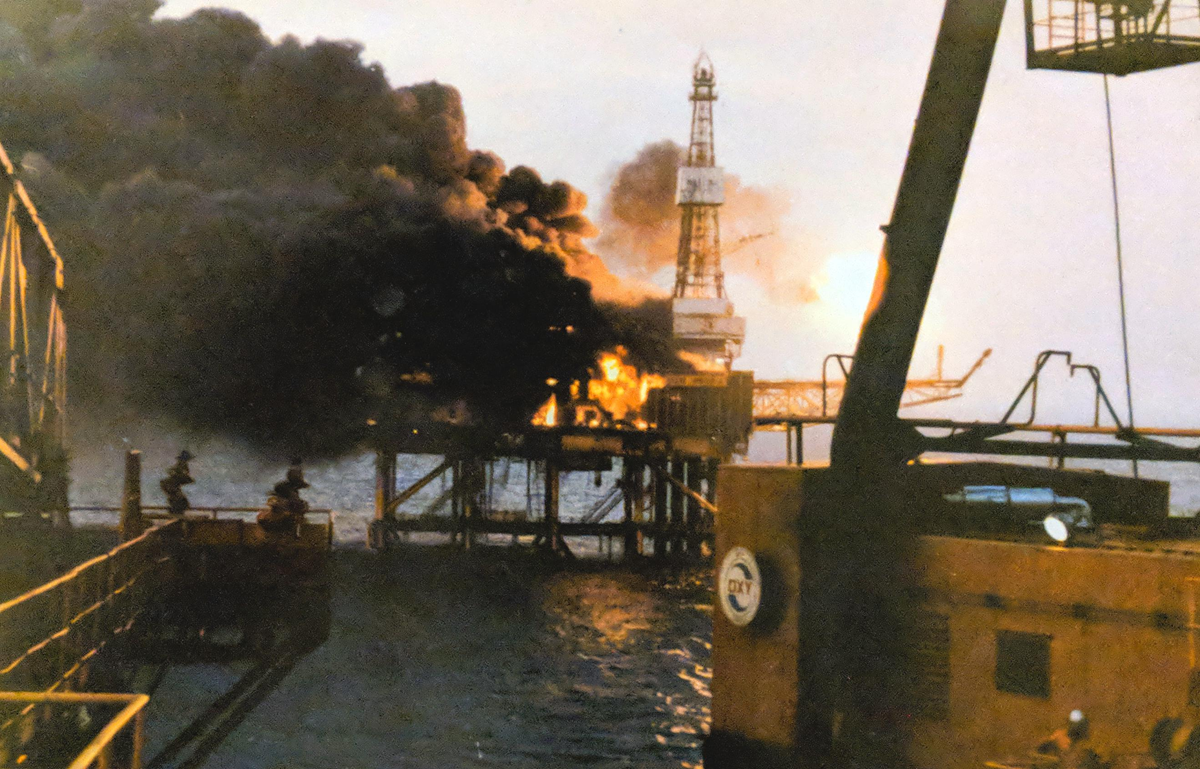
A maintenance crew on the Piper Alpha oil platform had removed a safety valve from one of its condensate pumps and temporarily sealed the opening. That information was recorded on a work permit, but the permit was not clearly communicated to the night shift. When another pump failed on July 6, 1988, workers restarted the one they believed was available. Gas escaped from the unfinished connection and ignited, beginning a chain of explosions and fires that killed 167 people. The disaster exposed much larger problems in offshore safety, but it began with a pump being activated without anyone realizing it was partly dismantled.
5. The Flight Plan Change Nobody Told the Pilots About
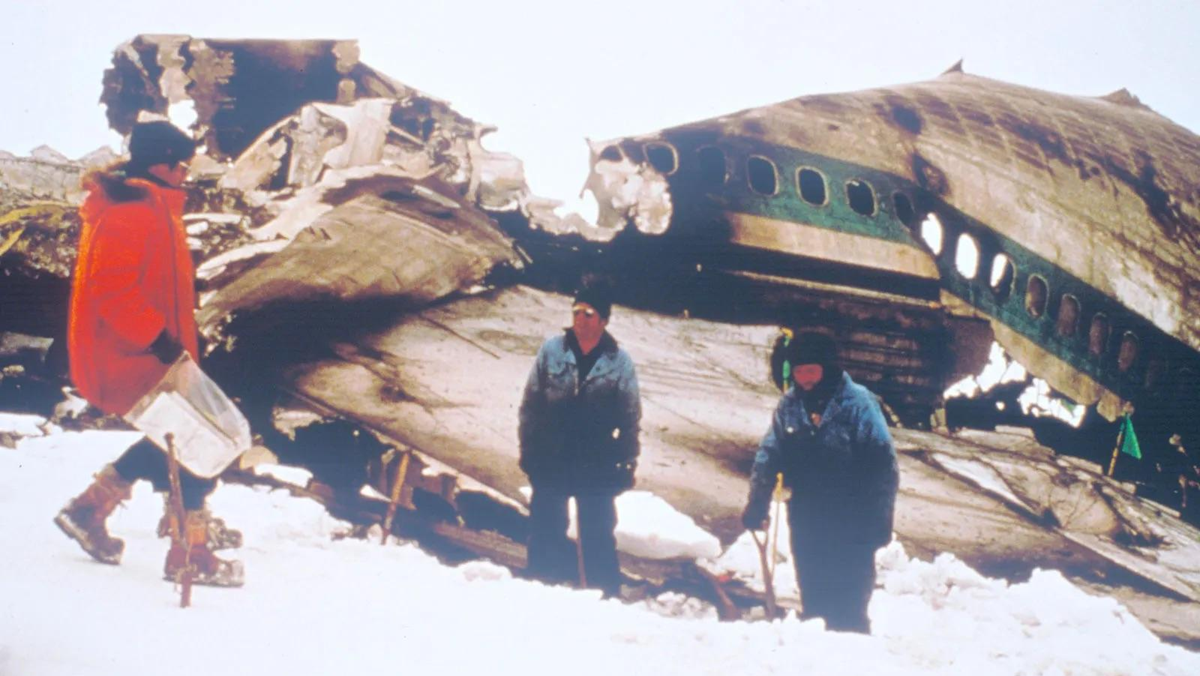
Air New Zealand Flight 901 was taking passengers on a sightseeing trip over Antarctica in November 1979 when a change to the aircraft’s computerized flight plan shifted the route several miles east without the crew being properly informed. Believing they were flying over open water, the pilots descended beneath the clouds near Mount Erebus, where whiteout conditions made the snow-covered volcano blend into the sky. The aircraft struck the mountain, killing all 257 people aboard, after a navigation change quietly placed it on a path toward solid ground.
Trending on The Scroller


6. The Drill That Punctured a Salt Mine
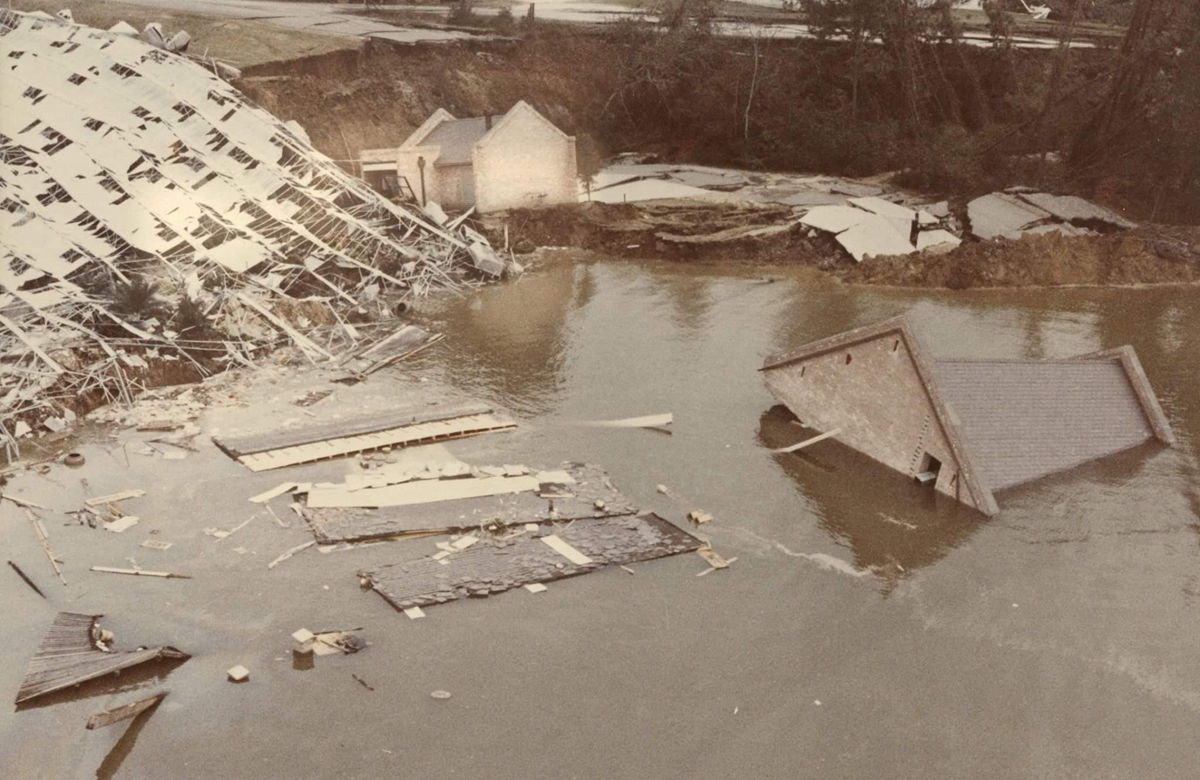
On November 20, 1980, an oil drilling crew working on Louisiana’s Lake Peigneur accidentally drilled into a salt mine beneath the lake. The most widely accepted explanation is that the rig was positioned using incorrect or misunderstood coordinates. Water rushed through the opening, widening it into an enormous vortex that swallowed the drilling platform, boats, trees, and large sections of shoreline. Remarkably, everyone escaped, but the shallow freshwater lake was permanently transformed into a deep saltwater basin connected to the Gulf of Mexico.
7. The Costa Concordia’s Close Pass
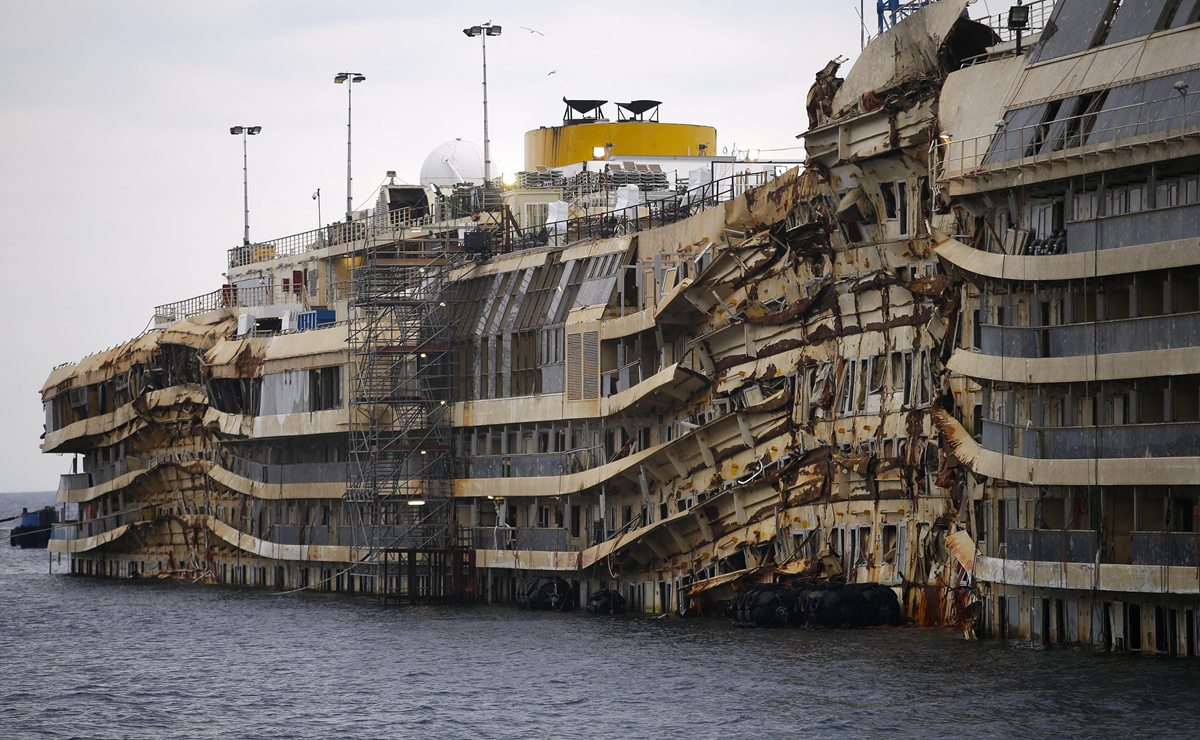
The Costa Concordia did not need to be sailing so close to the Italian island of Giglio on January 13, 2012. Captain Francesco Schettino had directed the cruise ship away from its planned route for a near-shore pass, sometimes described as a maritime salute. The ship struck an underwater reef, tearing open its hull. Confusion and delays followed, including a long wait before passengers were told to abandon ship. Thirty-two people died, and the enormous vessel remained lying on its side near the coast for more than two years.
8. The Indicator Operators Misread at Three Mile Island
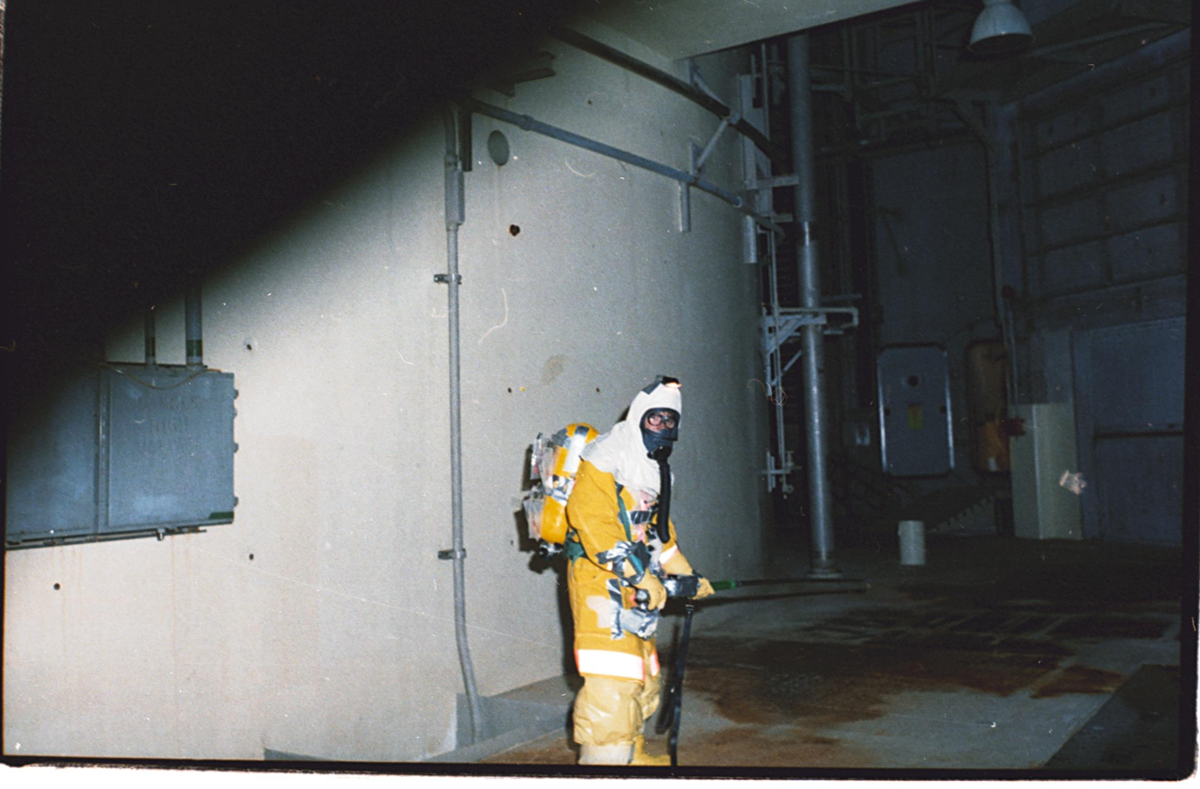
When a relief valve opened at the Three Mile Island nuclear plant in March 1979, it became stuck even though control-room instruments suggested that it had closed. The light showed that a command had been sent, not that the valve had physically moved, and operators misunderstood what the display was telling them. They reduced emergency cooling water while coolant continued escaping from the reactor system, contributing to a partial core meltdown and exposing how a single misleading indicator could shape a disastrous decision.
Sign up for our newsletter
9. The Negative Pressure Test on Deepwater Horizon
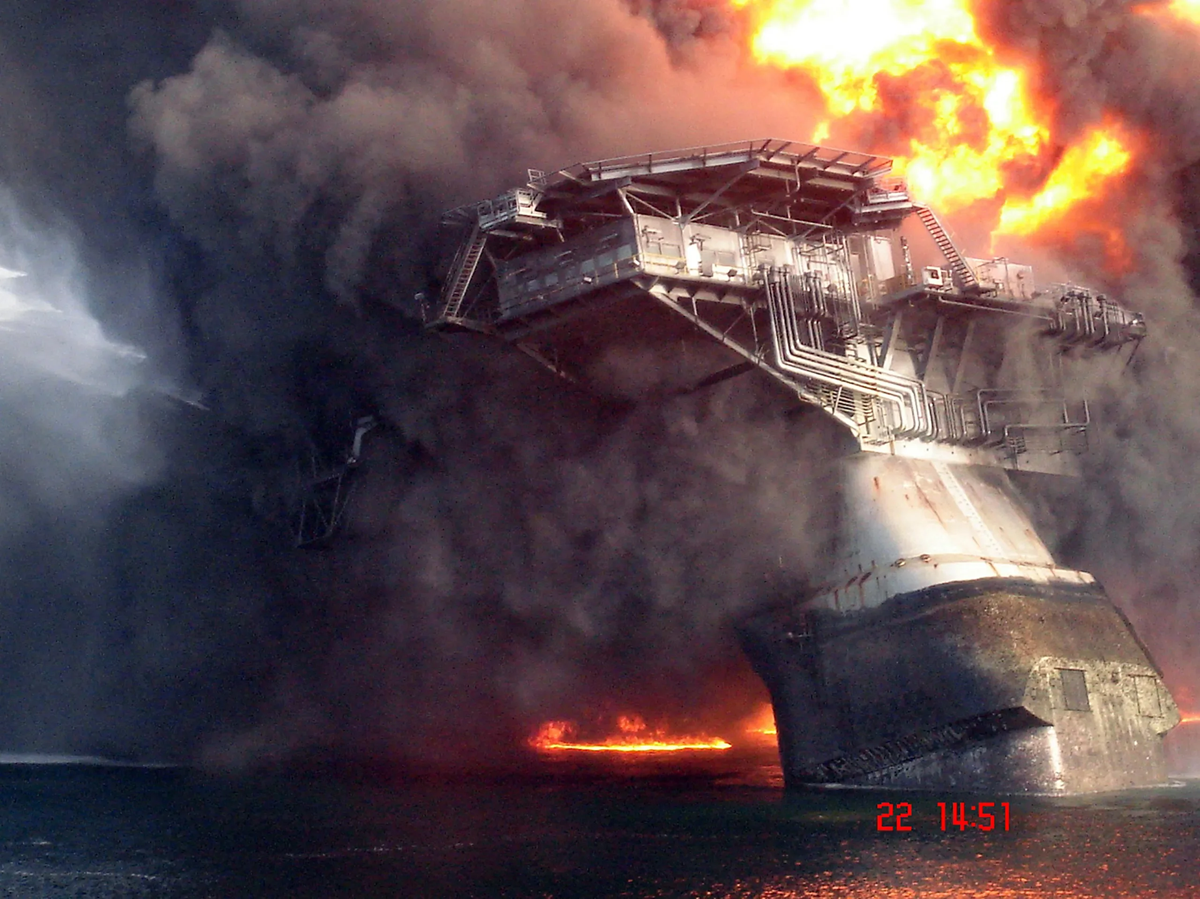
Hours before the Deepwater Horizon drilling rig exploded, workers conducted a negative pressure test to determine whether the Macondo well had been properly sealed. The readings were unusual and should have suggested that pressure was still building inside the well. Instead, the test was interpreted as successful. Work continued, hydrocarbons rose through the drilling system, and the rig exploded on April 20, 2010. Eleven workers were killed, and the damaged well released oil into the Gulf of Mexico for nearly three months.
10. The Sampoong Store Stayed Open
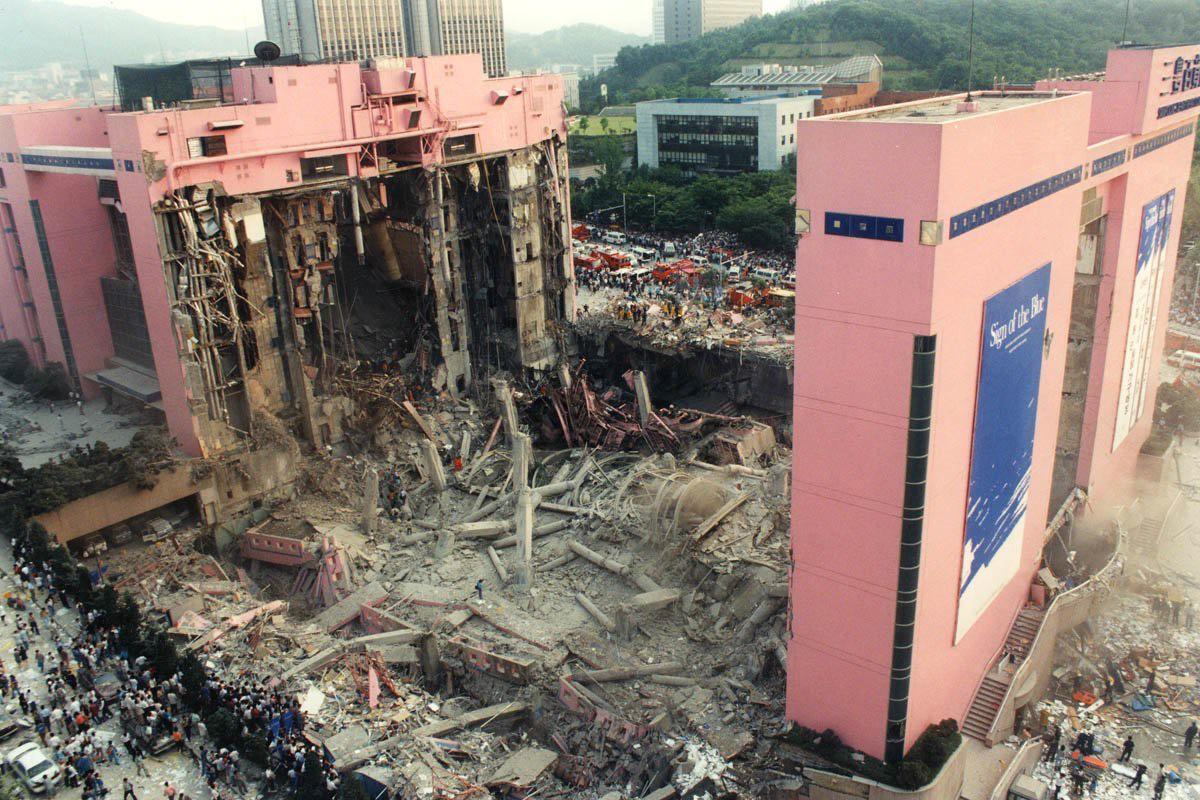
Cracks were spreading across the upper floors of Seoul’s Sampoong Department Store on June 29, 1995, and engineers warned management that the building was in serious danger. Executives closed only the top floor and allowed shoppers and employees to remain inside while the structure continued to fail. That evening, much of the building collapsed in less than 20 seconds, killing 502 people. Years of reckless construction changes had weakened it, but the final preventable mistake was keeping the store open after the danger had become obvious.
11. The Exxon Valdez Missed Its Turn
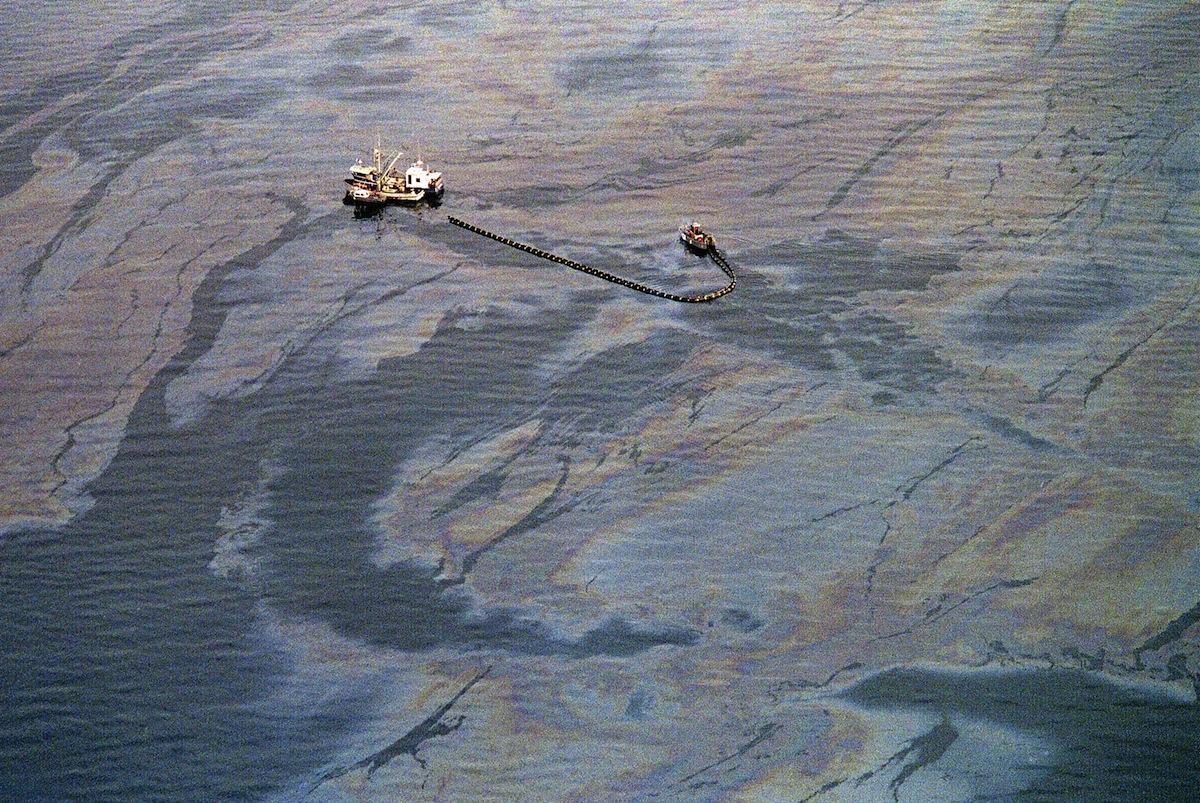
The Exxon Valdez left its normal shipping lane to avoid ice in Alaska’s Prince William Sound in March 1989. The third mate was expected to guide the tanker back toward the proper route, but the turn was not completed in time. The ship struck Bligh Reef and spilled millions of gallons of crude oil into a remote coastal ecosystem. Fatigue, reduced staffing, weak oversight, and questions about the captain’s condition all surrounded the accident, yet the immediate navigational mistake was painfully simple: the vessel stayed on the wrong course for too long.
12. The Boston Molasses Tank Was Never Properly Tested
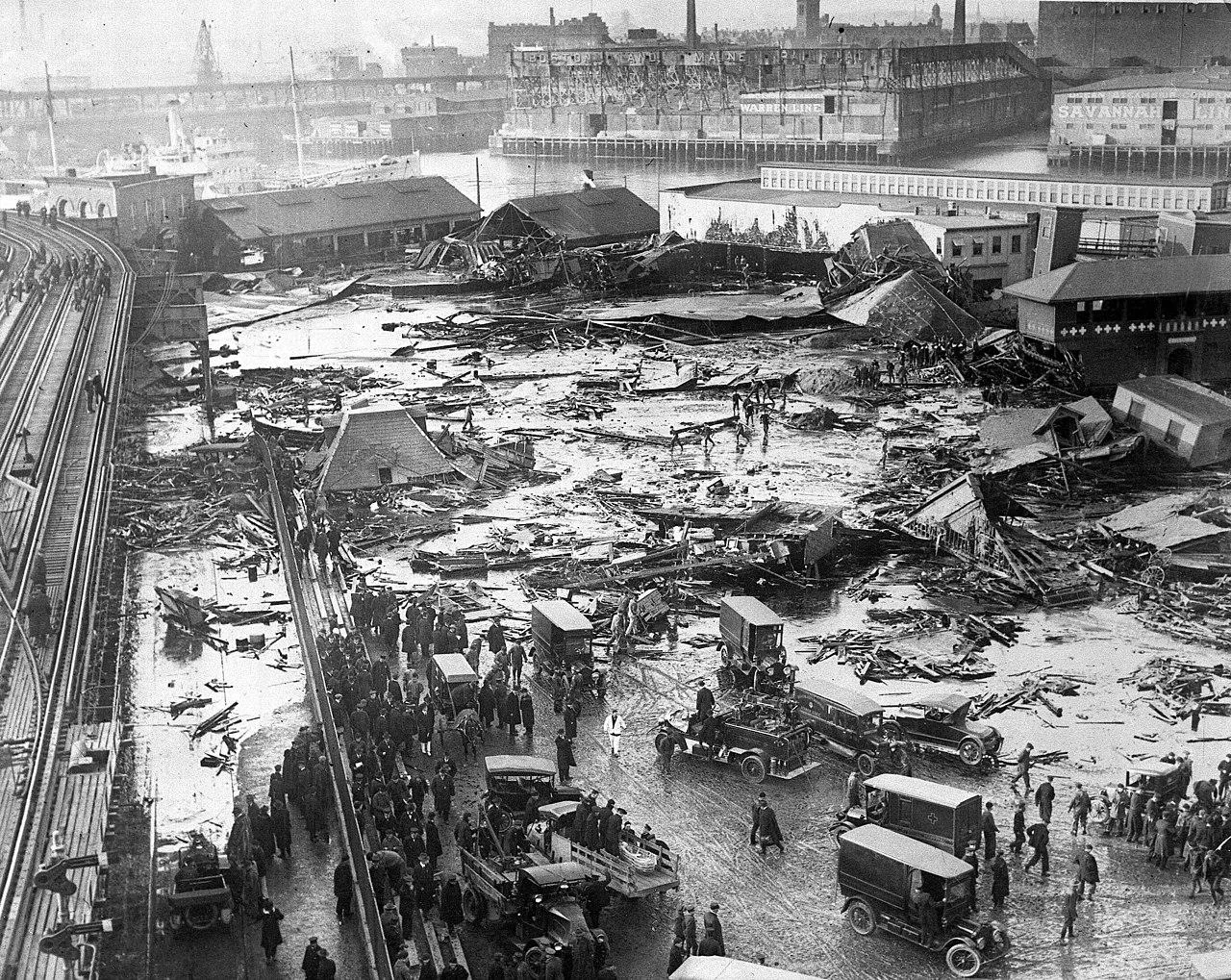
Before a massive molasses tank began operating in Boston’s North End, it was filled only partially with water instead of undergoing a complete structural test. The company had also rushed construction and continued using the tank despite visible leaks that local children reportedly collected in buckets. On January 15, 1919, the steel structure burst, releasing a fast-moving wave of molasses through the neighborhood. Buildings were damaged, horses and people were trapped, and 21 people died. The tank had been warning everyone for years, but the basic inspection that might have exposed its weakness never happened.
In the mood for more?
Check out 11 Concert Disasters That Shocked the Music World , or take a look at 17 Fascinating Facts About Chernobyl (40 Years After the Worst Nuclear Disaster in History). If you want to see stories about natural disasters, you can check out 19 Haunting Images Showing the Destruction Caused By Natural Disasters.