In April 1986, the world changed forever when the Chernobyl nuclear disaster unfolded in what was then the Soviet Union. What began as a late-night safety test at Reactor No. 4 quickly turned into the worst nuclear accident in human history. Residents near Chernobyl first noticed strange metallic tastes in their mouths, unusual headaches, and glowing blue light above the reactor before they understood the true scale of the catastrophe. Within hours, radioactive particles were spreading across Ukraine, Belarus, Russia, and much of Europe, exposing millions of people to dangerous contamination.
Forty years later, Chernobyl remains one of the most discussed disasters in modern history because it represented far more than a reactor explosion. It exposed failures in secrecy, government response, and nuclear safety while permanently changing the lives of thousands of families. Entire towns disappeared, emergency workers sacrificed their lives, and survivors carried invisible trauma for decades. Today, in 2026, the 40th anniversary of Chernobyl reminds the world why these events must never be forgotten. Remembering Chernobyl means honoring the victims, learning from the mistakes that caused the disaster, and understanding how fragile human systems can become when truth is hidden during a crisis.
1. The Explosion Happened During a Safety Test
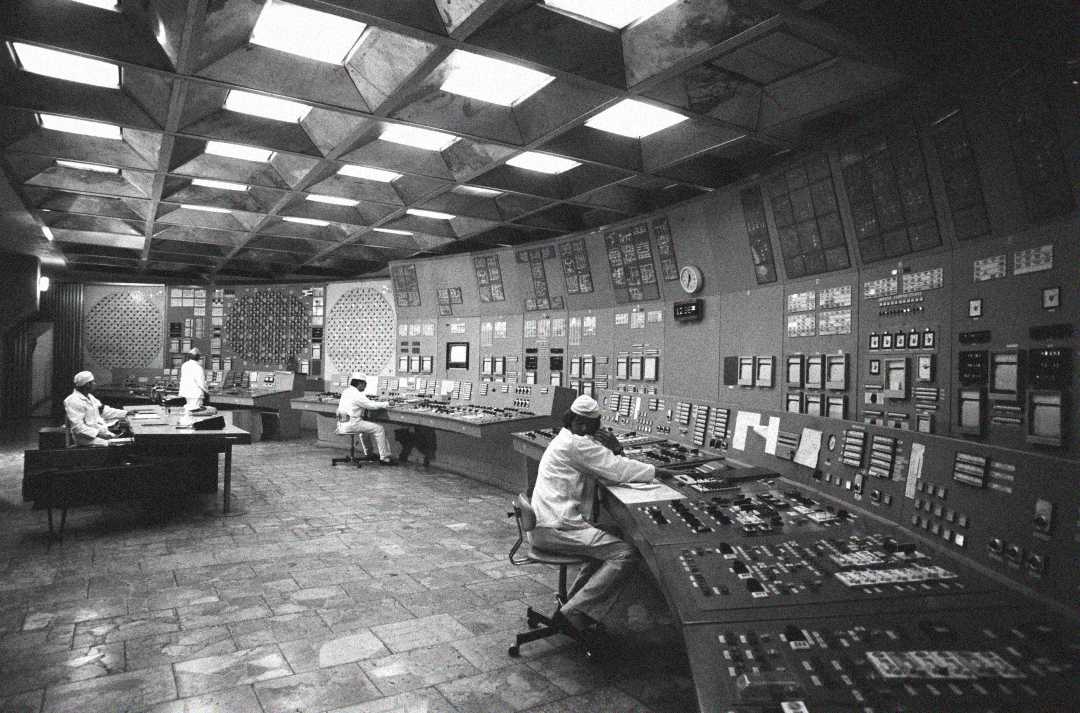
The Chernobyl disaster began during a late-night turbine test designed to determine whether the reactor could continue producing power during an emergency shutdown. Operators disabled several critical safety systems while trying to complete the experiment. Combined with flaws in the RBMK reactor design, the situation spiraled out of control within seconds. Two massive explosions tore through Reactor No. 4, sending radioactive material high into the atmosphere.
2. Firefighters Arrived Without Knowing About Radiation
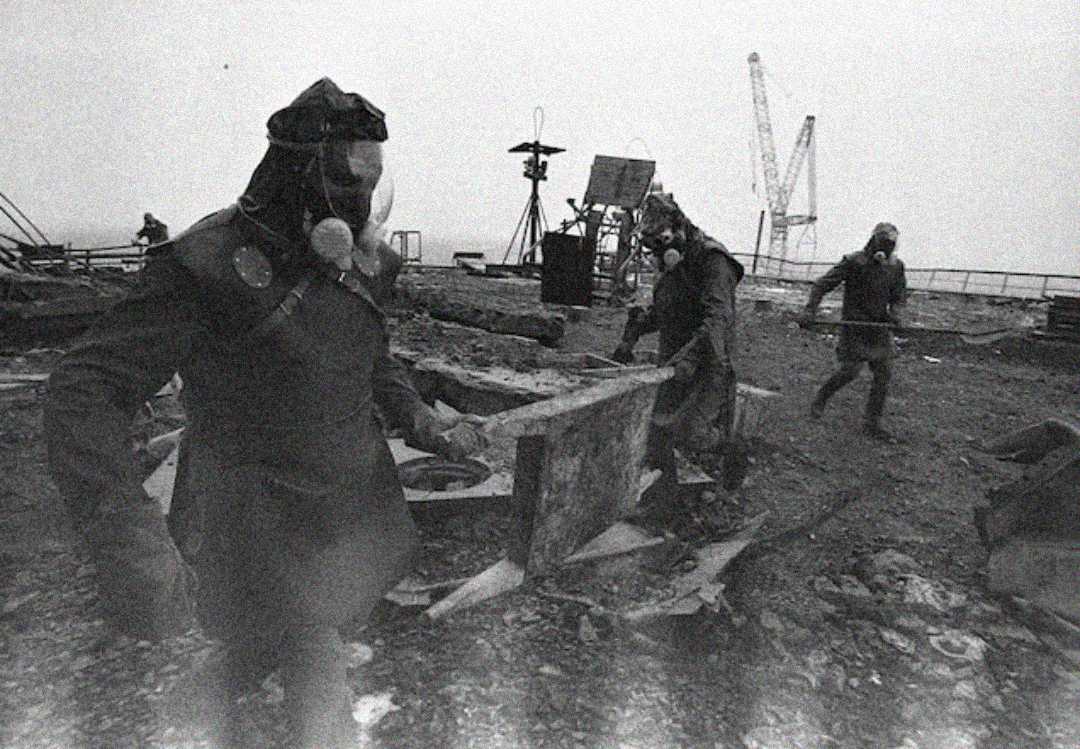
Many of the first firefighters who responded to Chernobyl had no idea they were entering an intensely radioactive environment. Some reportedly touched glowing graphite from the reactor core without protective equipment. Survivors later described how several workers complained of nausea, dizziness, and burns almost immediately. Many first responders later died from acute radiation sickness after trying to contain the flames.
3. The Nearby City of Pripyat Was Not Evacuated Immediately
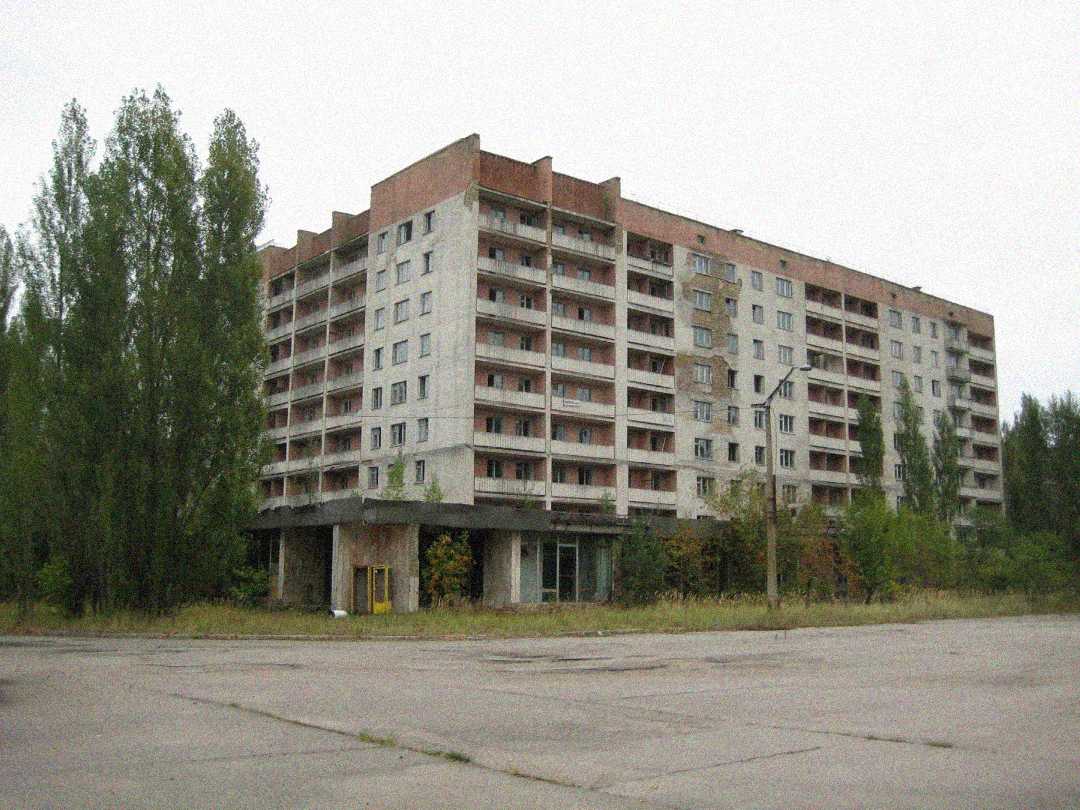
The city of Pripyat, home to nearly 50,000 people and built specifically for Chernobyl workers, continued operating almost normally after the explosion. Children went to school, weddings took place, and residents walked through the streets while invisible radioactive particles filled the air. Authorities waited around 36 hours before ordering a full evacuation, telling residents they would return in a few days. Most never came back.
4. A Glowing Blue Light Appeared Above the Reactor
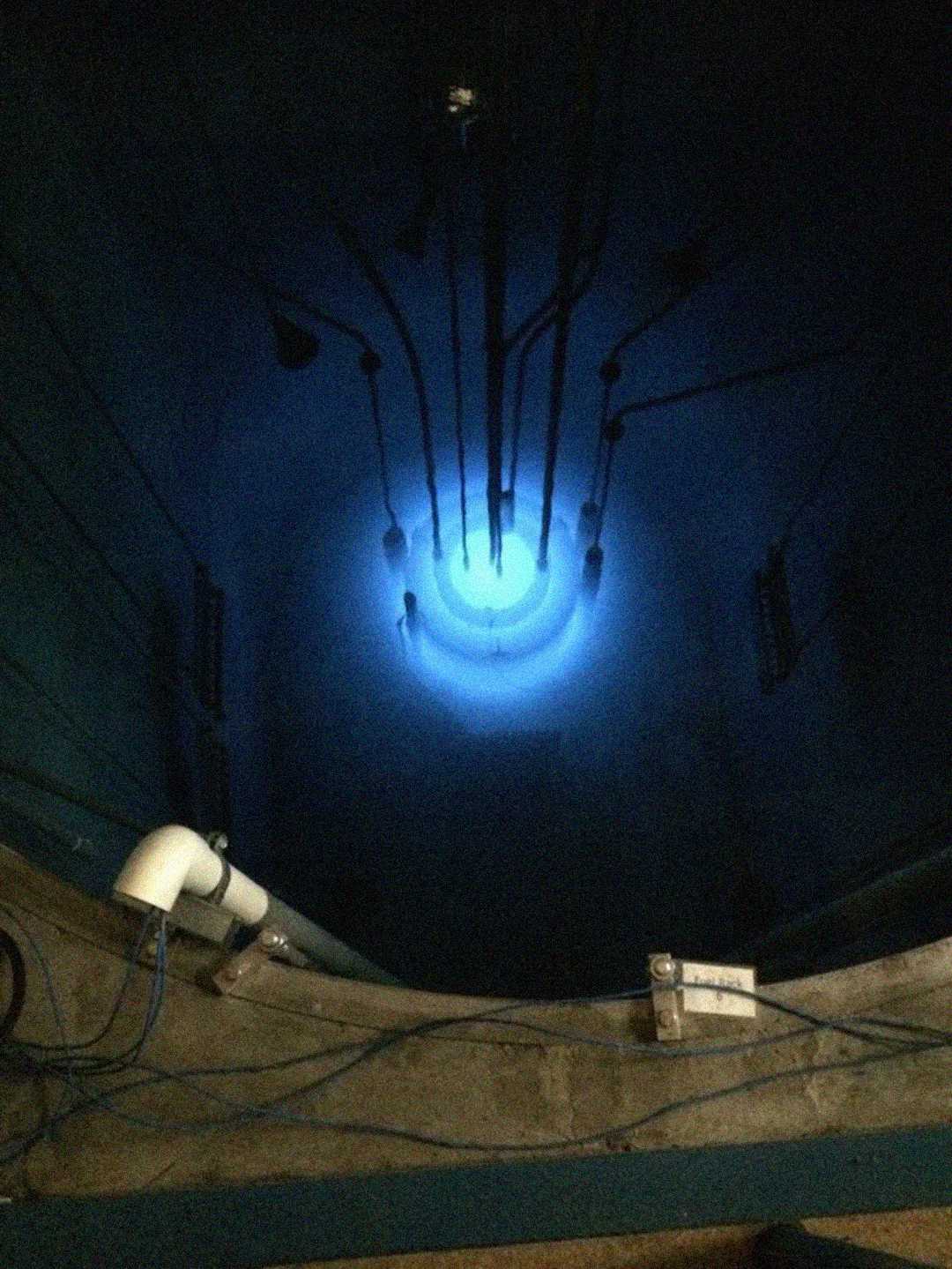
Several witnesses reported seeing a strange blue beam or glow above the damaged reactor shortly after the explosion. Scientists believe this effect may have been caused by ionized air and intense radiation interacting with the atmosphere. For many survivors, that eerie light became one of the most haunting memories associated with Chernobyl.
5. Radioactive Clouds Spread Across Europe
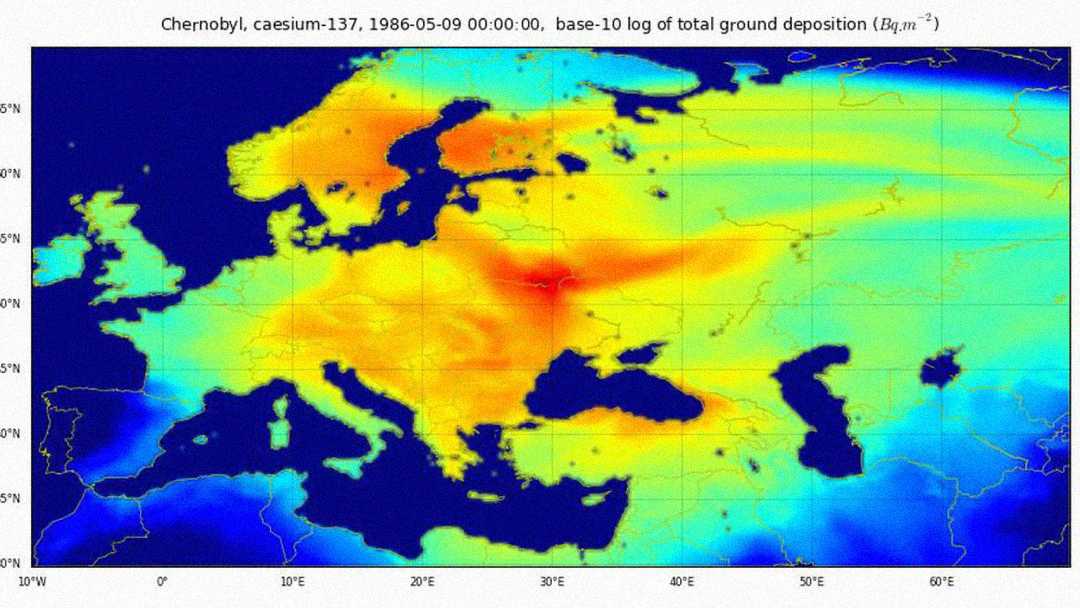
Although Soviet authorities initially tried to hide the accident, radiation from Chernobyl quickly spread beyond national borders. Elevated radiation levels were first detected at a nuclear plant in Sweden, forcing officials to investigate. Eventually, radioactive contamination was measured across large parts of Europe, including Germany, Austria, and the United Kingdom.
Trending on The Scroller
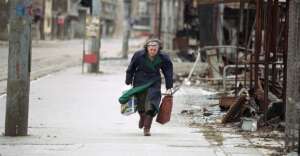

6. The Soviet Government Tried to Keep the Explosion Secret
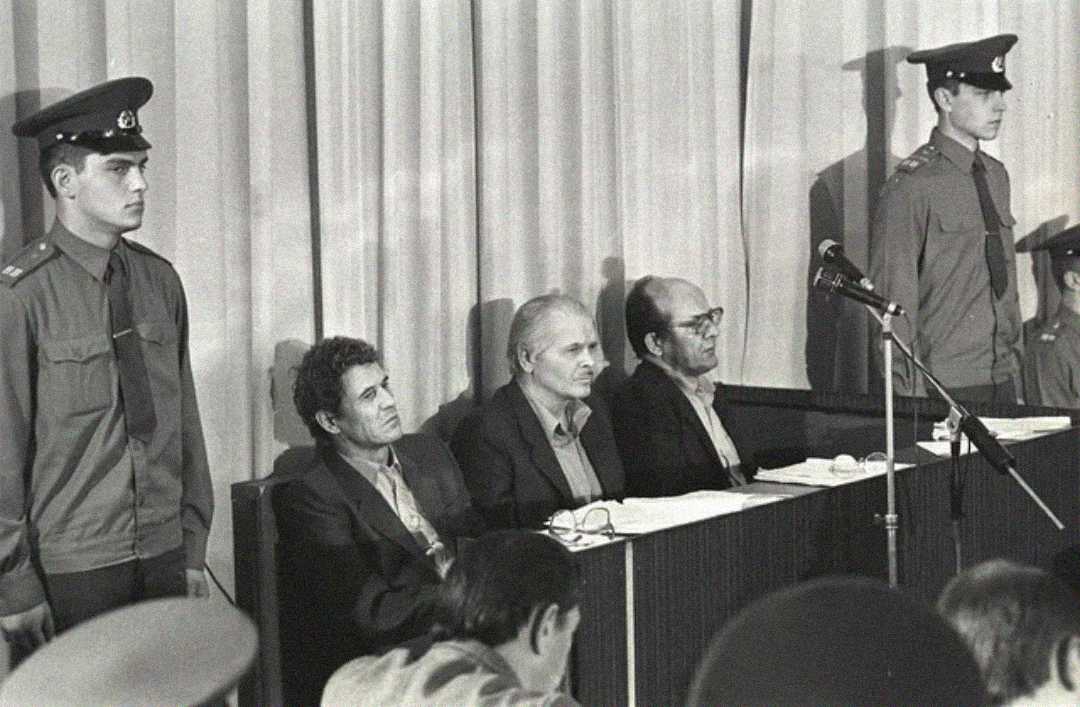
After the Chernobyl explosion, Soviet officials initially released very little information to the public. Even while radiation levels rose, many citizens remained unaware of the danger. International pressure increased after radiation detectors in other countries identified contamination. The disaster became a major example of how secrecy during emergencies can worsen human suffering.
7. Thousands of “Liquidators” Were Sent to Clean the Area
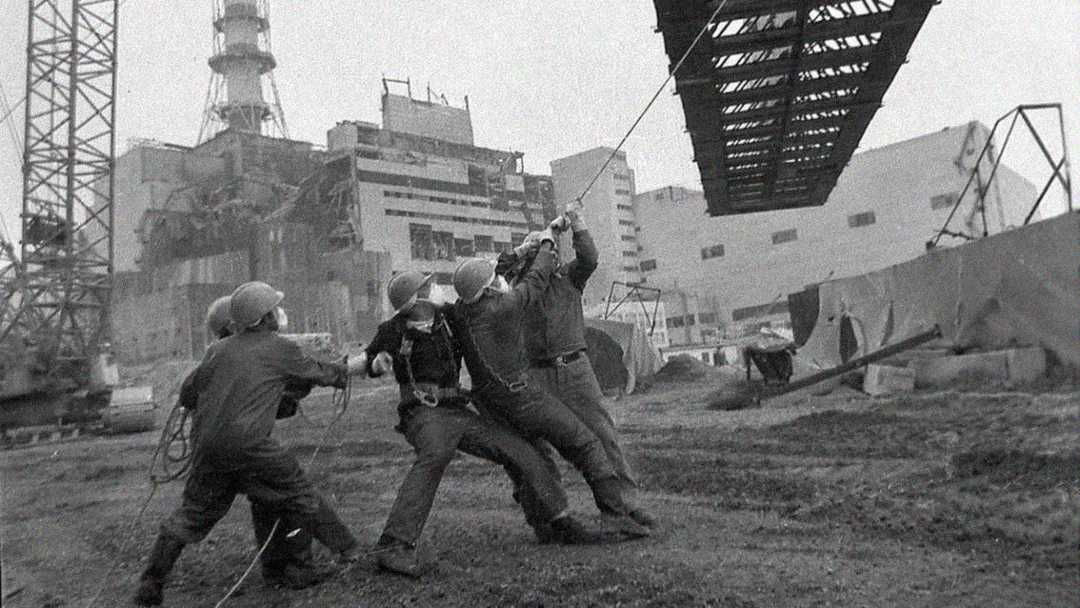
The workers tasked with cleaning the Chernobyl site became known as “liquidators.” Soldiers, miners, engineers, and volunteers were sent into contaminated zones to remove debris, bury radioactive materials, and build protective structures. Some workers were only allowed on rooftops for seconds because radiation exposure levels were so high. Their efforts helped prevent an even larger catastrophe.
8. The Reactor Fire Burned for Days
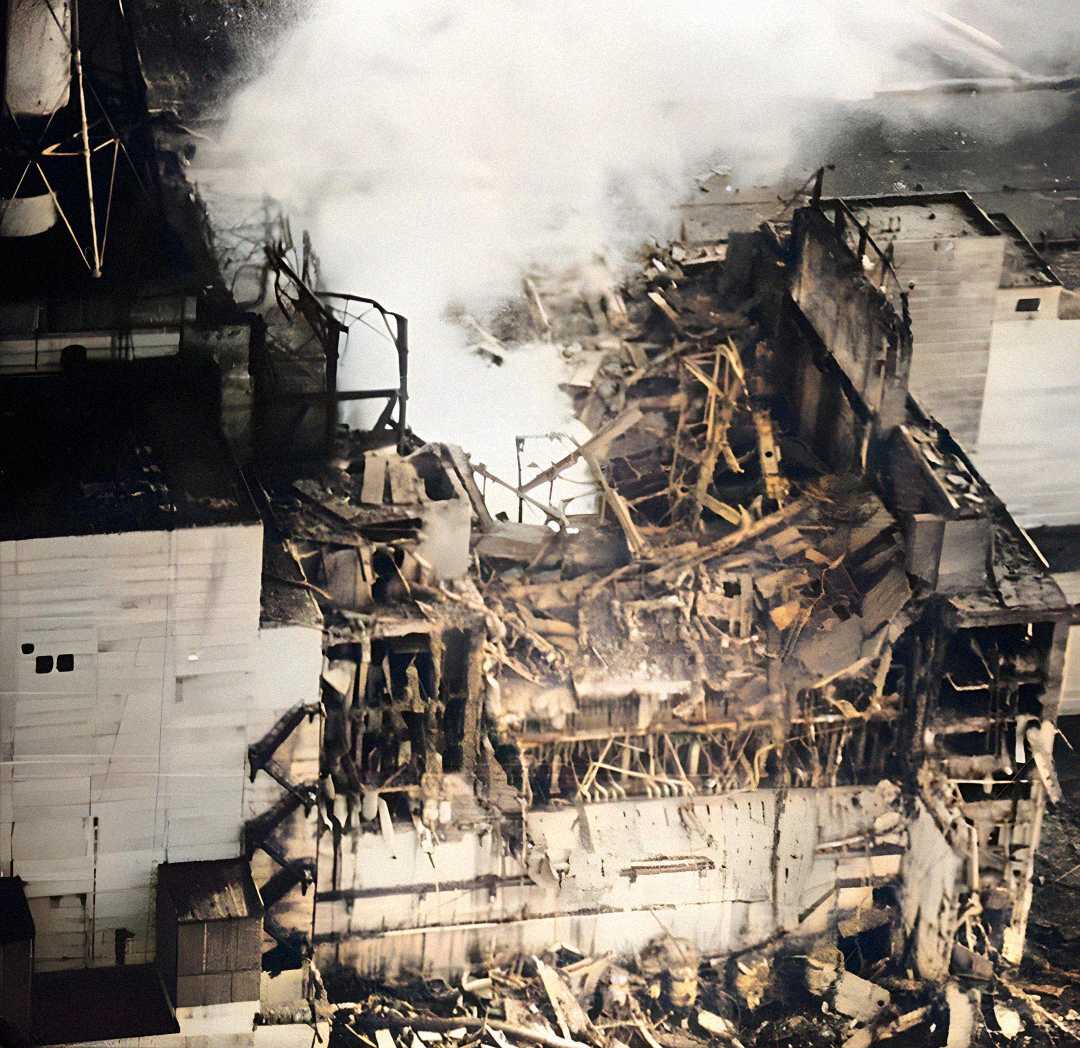
After the explosions, fires inside Reactor No. 4 continued burning for around 10 days. Helicopters dropped sand, lead, clay, and boron onto the reactor in desperate attempts to suppress the flames and reduce radiation emissions. During this period, massive amounts of radioactive material continued spreading into the atmosphere.
Sign up for our newsletter
9. The “Elephant’s Foot” Became One of the Deadliest Objects on Earth
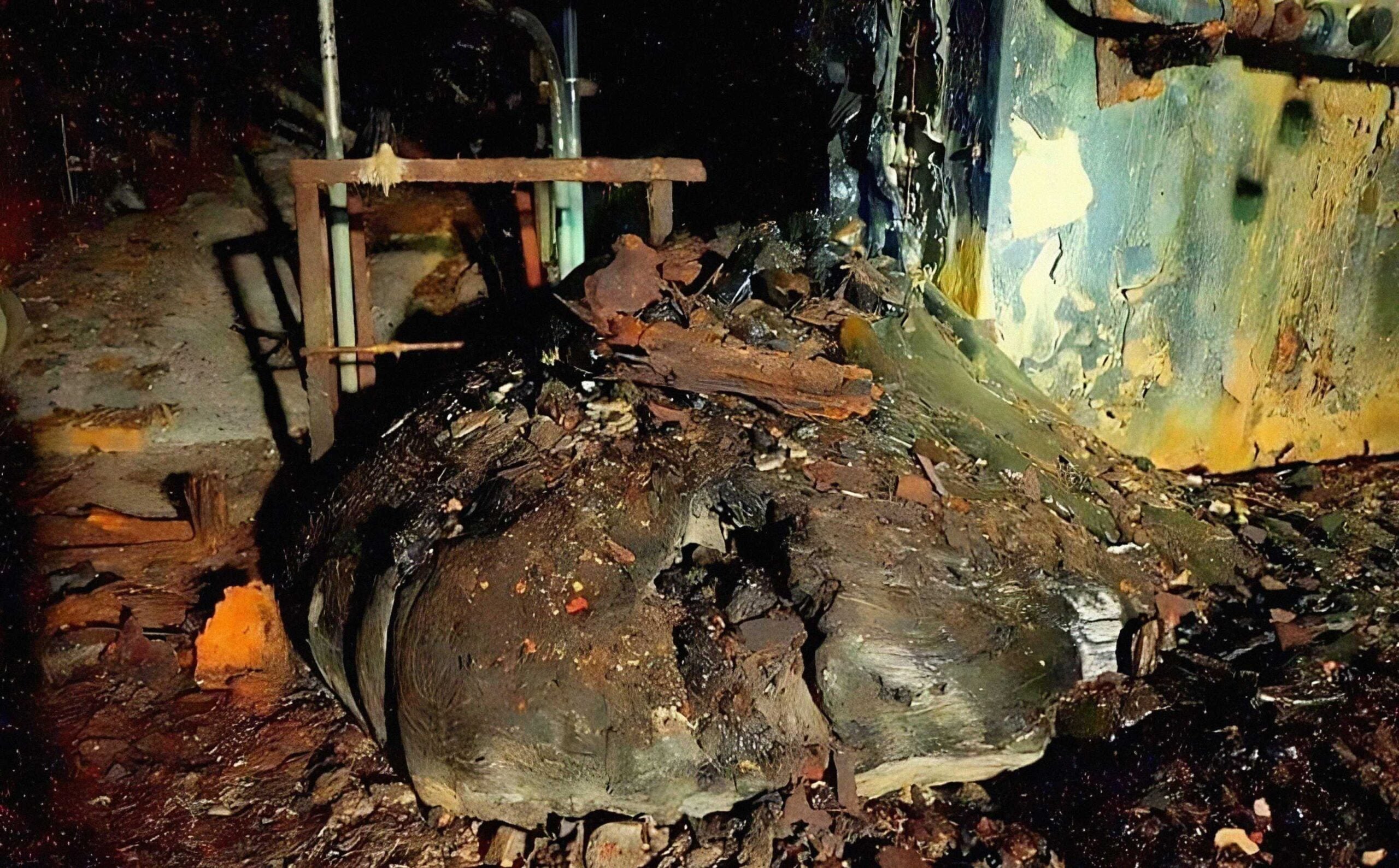
Deep inside the destroyed reactor, melted nuclear fuel combined with concrete and metal to create a substance called corium. One enormous mass became known as the “Elephant’s Foot” because of its appearance. When discovered in 1986, standing near it for only a short period could deliver a fatal dose of radiation.
10. Entire Villages Were Permanently Abandoned
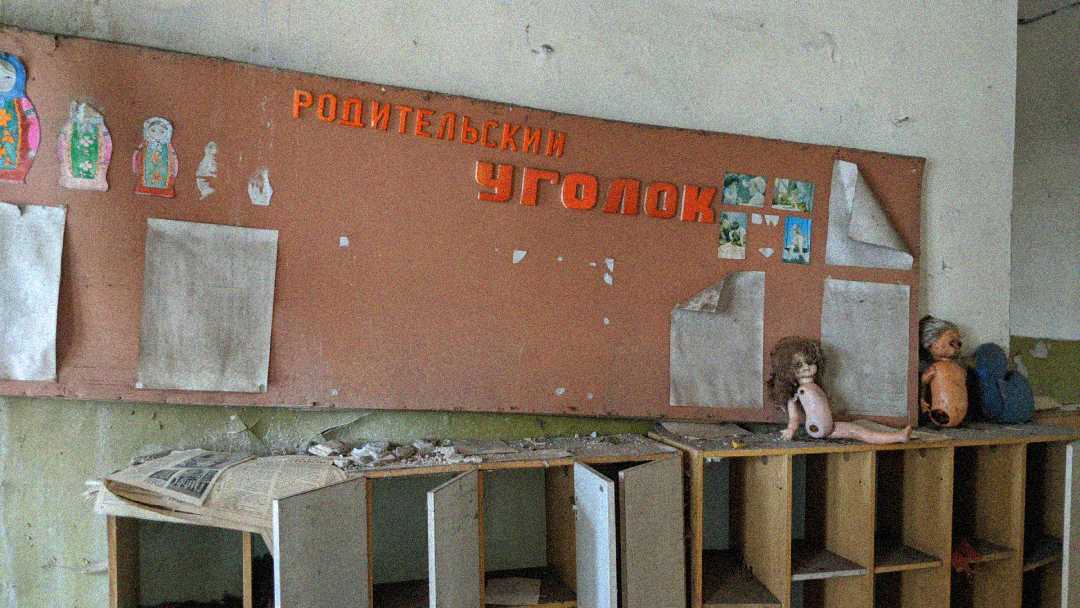
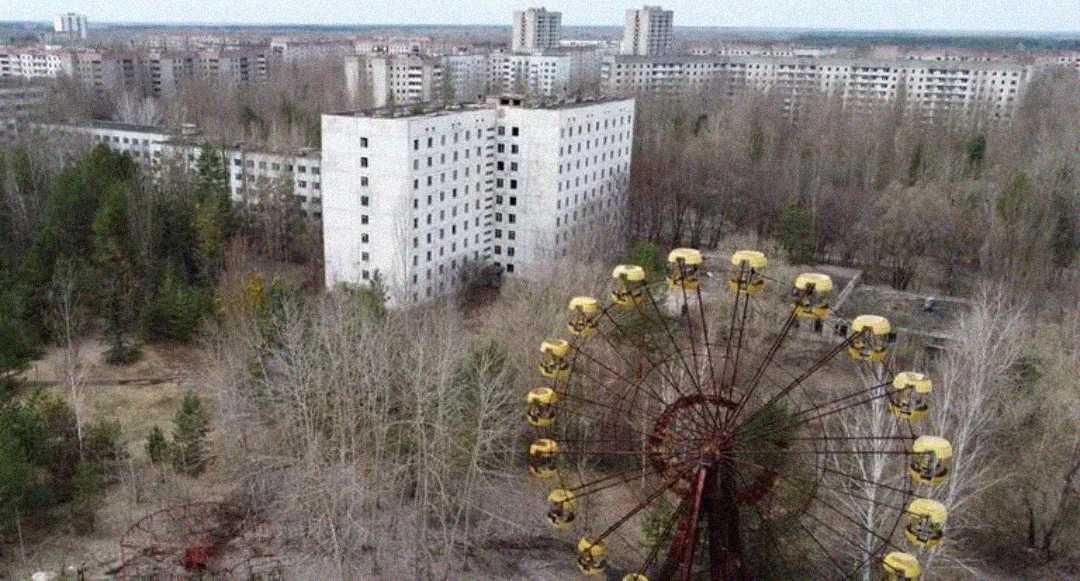
Following the Chernobyl disaster, authorities created a large exclusion zone around the reactor. Hundreds of towns and villages were evacuated, and many remain empty today. Personal belongings, photographs, schools, and toys were left behind, freezing entire communities in time. Walking through these places now feels like entering a historical snapshot from 1986.
11. Pripyat’s Ferris Wheel Became a Symbol of Chernobyl
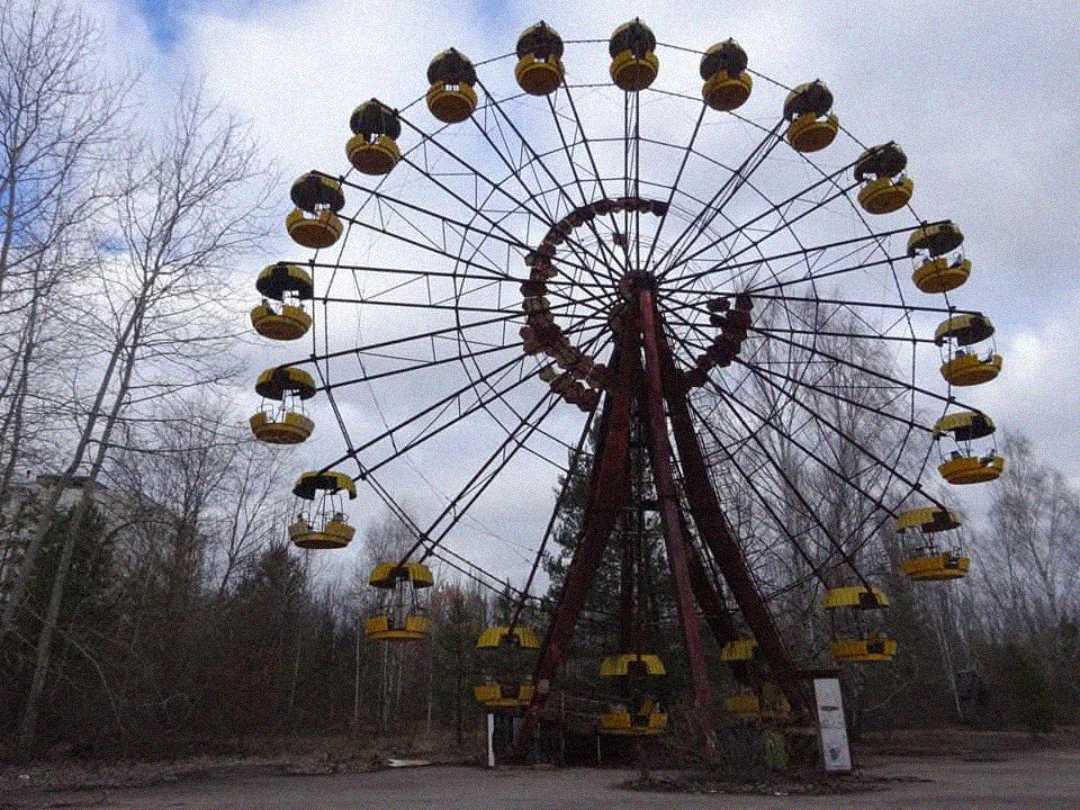
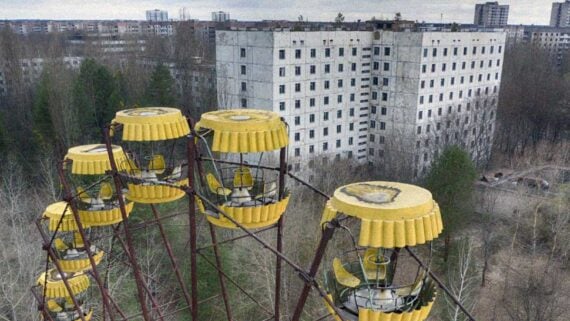
One of the most famous images linked to Chernobyl is the abandoned Ferris wheel in Pripyat. The amusement park was supposed to open for May Day celebrations just days after the explosion. Instead, the city was evacuated before the celebration could happen. Today, the rusting Ferris wheel remains a powerful symbol of interrupted lives.
12. Animals Returned to the Exclusion Zone

Despite radiation contamination, wildlife populations increased dramatically in parts of the Chernobyl exclusion zone after humans left. Researchers have documented wolves, wild horses, lynxes, boars, and other animals living in the area. Scientists still debate the long-term biological effects of radiation, but the region has become an unexpected example of how ecosystems can recover when human activity disappears.
13. Some Elderly Residents Secretly Returned Home
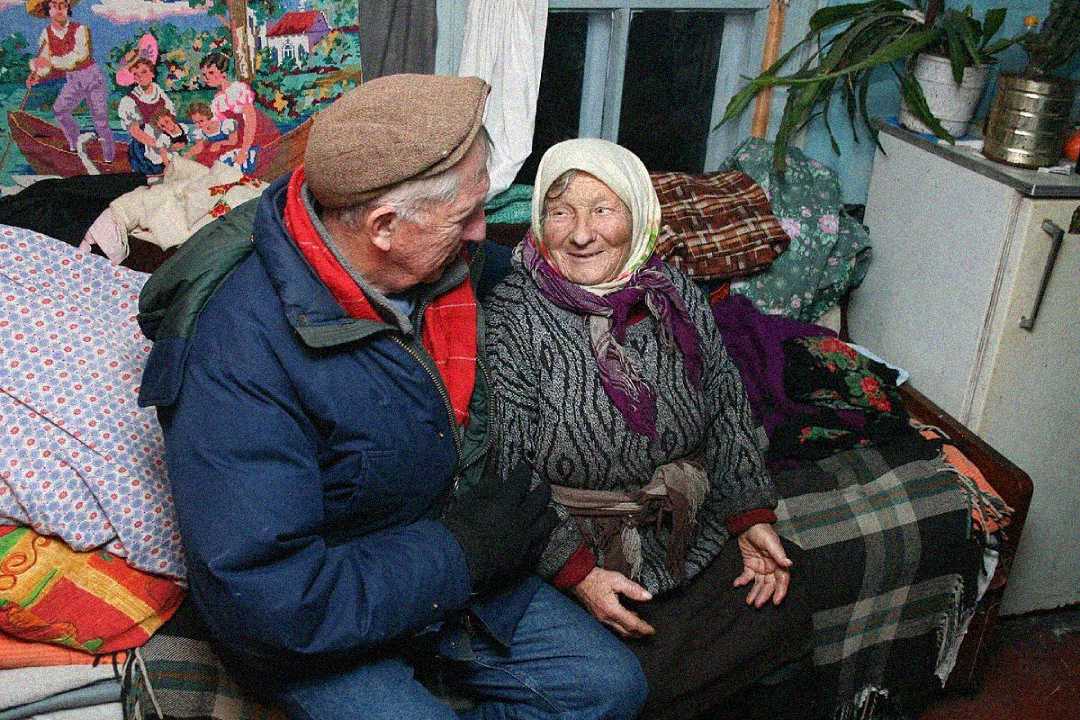
Years after the evacuation, some former residents illegally returned to their villages inside the exclusion zone. Many were elderly people who preferred living in their ancestral homes despite the risks. Survivors often explained that emotional attachment to their land mattered more to them than fear of radiation.
14. Chernobyl Changed Nuclear Safety Worldwide
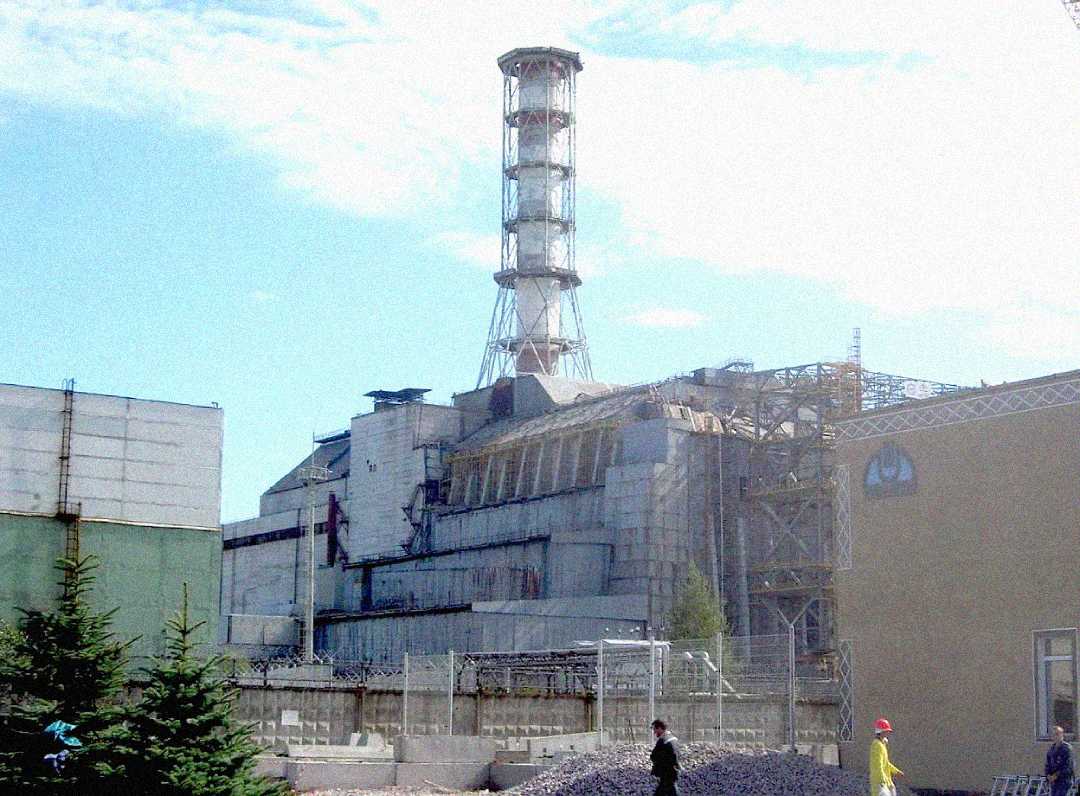
After Chernobyl, countries around the world introduced stricter nuclear safety protocols and reactor design changes. International cooperation on nuclear emergency response also increased significantly. The disaster influenced energy debates for decades and remains central to discussions about the risks and benefits of nuclear power.
15. The New Safe Confinement Was Built Over the Reactor
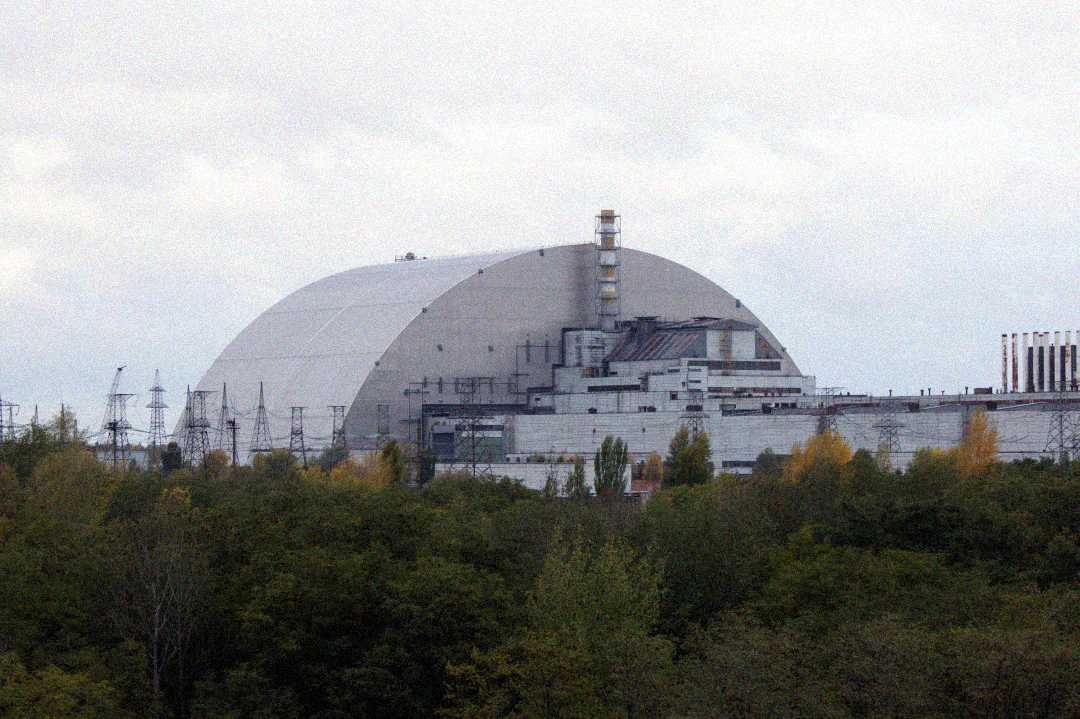
To contain remaining radioactive material, engineers constructed a giant steel arch called the New Safe Confinement over Reactor No. 4. Completed in 2016, the enormous structure was designed to prevent further radioactive leaks and allow safer dismantling of the old reactor remains. It became one of the largest engineering projects ever attempted in a radioactive environment.
16. Tourism Exists Inside the Exclusion Zone Today
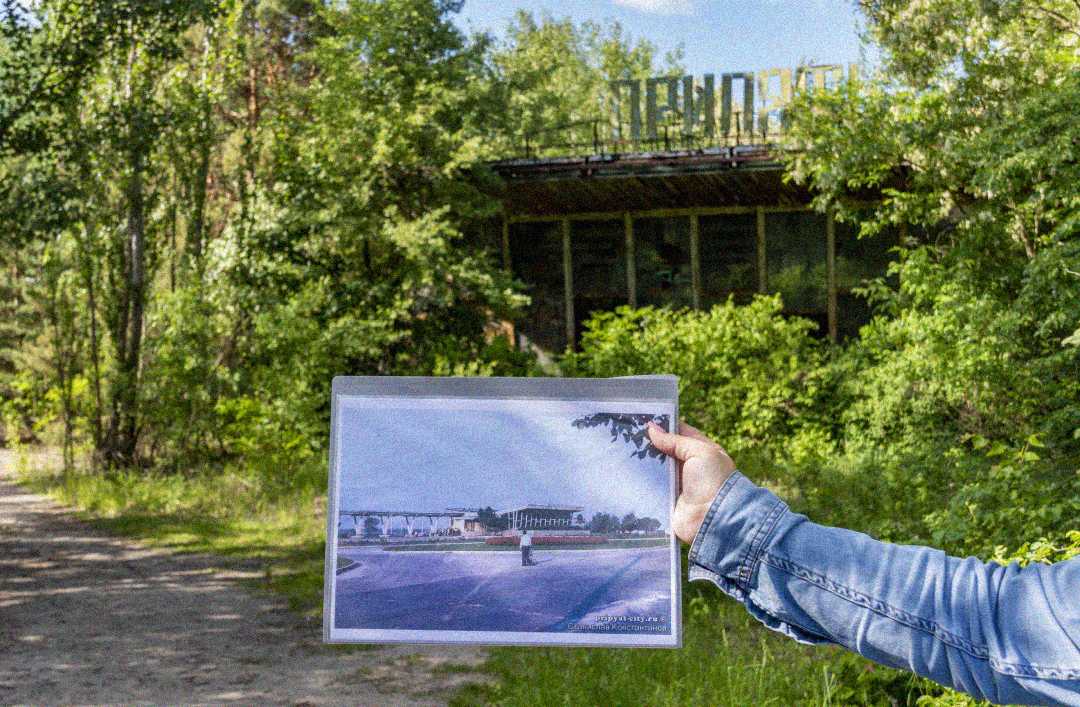
Before regional conflicts disrupted access in recent years, controlled tourism inside Chernobyl became increasingly popular. Visitors explored abandoned buildings, schools, and streets under strict safety regulations. Many tourists described the experience as emotionally overwhelming because it revealed how suddenly ordinary lives had been interrupted.
17. Chernobyl Still Affects Families Decades Later
Even 40 years later, many survivors and families connected to Chernobyl continue discussing the trauma they experienced. People who were children during the disaster remember confusion, fear, forced evacuations, and long-term health anxiety. For countless families, Chernobyl is not just history; it remains part of their personal story.
Forty years later, Chernobyl still teaches important lessons about responsibility, transparency, and the human cost of technological failure. Keep reading for more historical events that changed the world forever.
The story of Chernobyl is filled with tragedy and survival. Behind every statistic were real people who suddenly lost their homes, families, health, and sense of safety. Firefighters entered the reactor site without understanding the danger, parents evacuated their children with almost no information, and entire communities disappeared within days. The emotional scars left by Chernobyl continue across generations.
At the same time, modern-day Chernobyl has become one of the world’s most fascinating reminders of nature’s resilience. Forests now surround abandoned buildings, animals roam freely through empty streets, and ecosystems continue adapting in the absence of large-scale human activity. The exclusion zone remains haunting, but it also shows how powerful nature can become when human interference disappears for decades.
If you enjoyed learning about Chernobyl and its lasting impact on the world, we recommend checking out more of our articles about major historical events, disasters, and moments that changed humanity forever. Discover the stories behind the people, decisions, and consequences that still influence society today: 18 Things Invented During Wartime That We Now Use Every Single Day, 15 Famous Siblings Who Changed History, and 20 Photos From The 1969 Moon Landing.