The Olympics are supposed to be about extraordinary performances, national pride, and a few weeks of unusually intense interest in sports most people rarely watch. But the Games have also produced political confrontations, suspicious judging, elaborate cheating schemes, and controversies that escaped the stadium entirely. In some cases, the scandal became the main story before the medals had even been awarded. These incidents left behind images and arguments that lasted far longer than the competitions themselves.
1. The 1936 Games Became a Nazi Propaganda Showcase
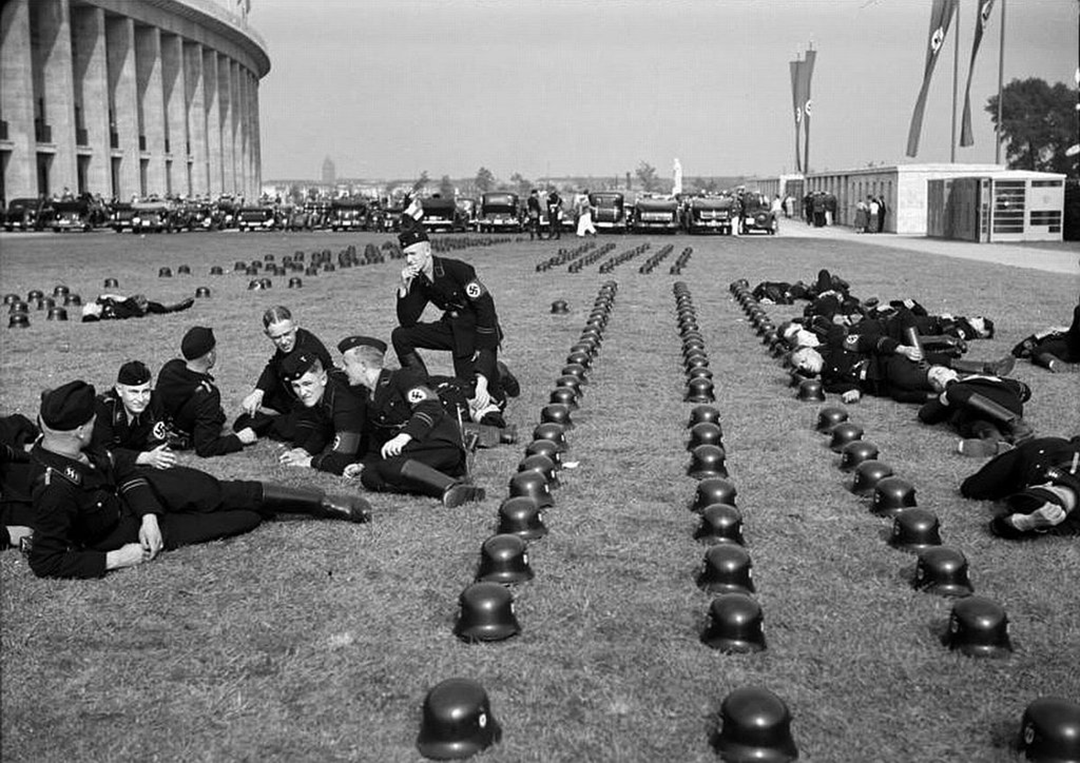
Berlin had been selected as the host before Adolf Hitler came to power, but by the time the Games opened in 1936, the Nazi government saw an enormous propaganda opportunity. Antisemitic signs were temporarily removed from public view, foreign visitors were shown a carefully controlled version of Germany, and the spectacle was designed to project order, strength, and national unity. There were international calls for a boycott, although most countries ultimately attended. Jesse Owens’ four gold medals complicated the racial mythology behind the event, but they did not erase the disturbing reality of an authoritarian regime using the Olympics to improve its image.
2. Jim Thorpe Lost His Medals Over a Small Baseball Payment
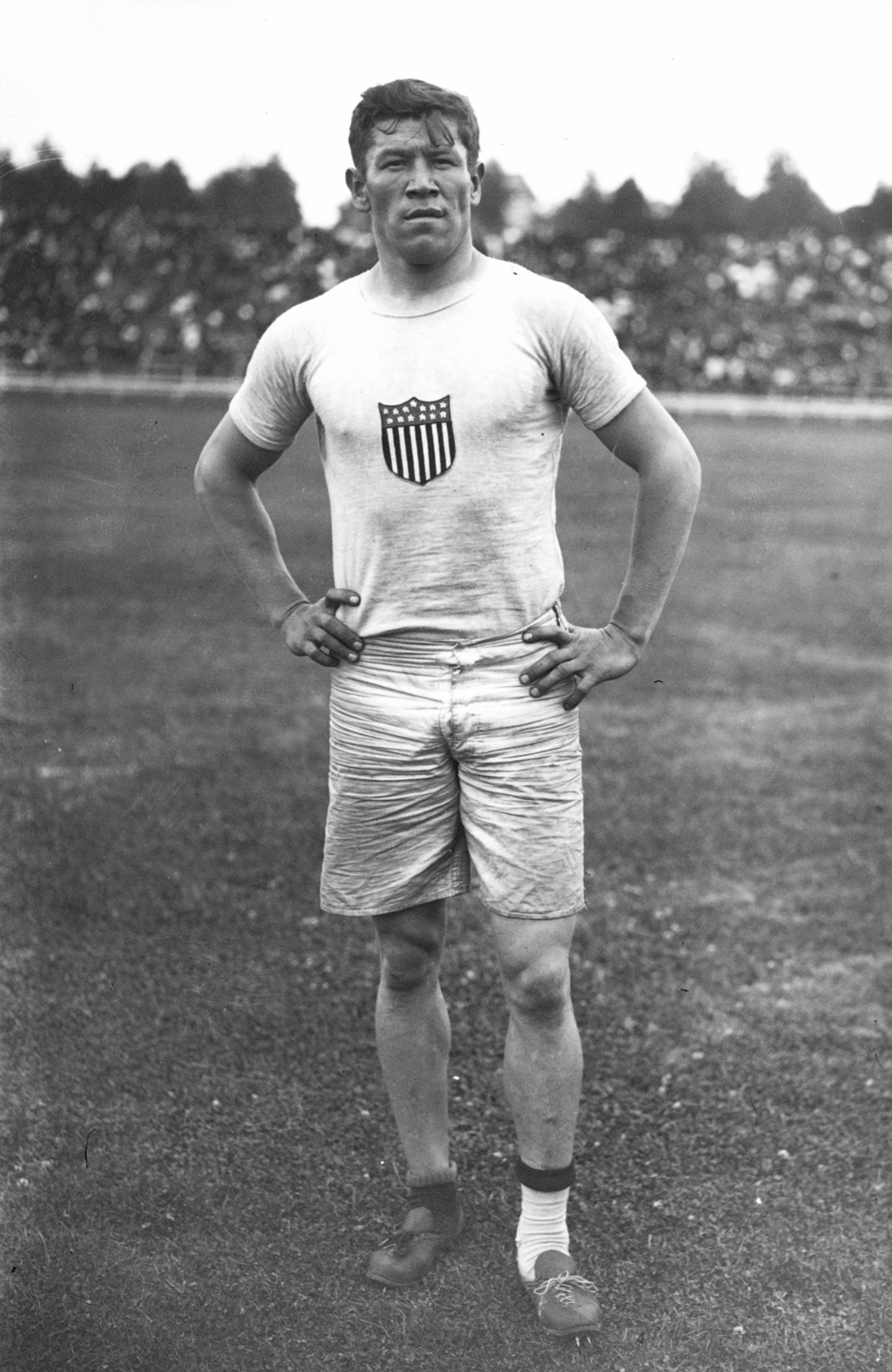
Jim Thorpe was the overwhelming star of the 1912 Stockholm Olympics, winning both the pentathlon and decathlon. Months later, officials discovered that he had previously received modest payments for playing minor-league baseball, violating the era’s strict amateur rules. His medals were taken away, even though other athletes had quietly earned money under different names. Thorpe was officially reinstated as a co-champion in 1982, nearly 30 years after his death, and recognized as the sole champion in both events in 2022.
3. Tommie Smith and John Carlos Were Punished for Their Podium Protest
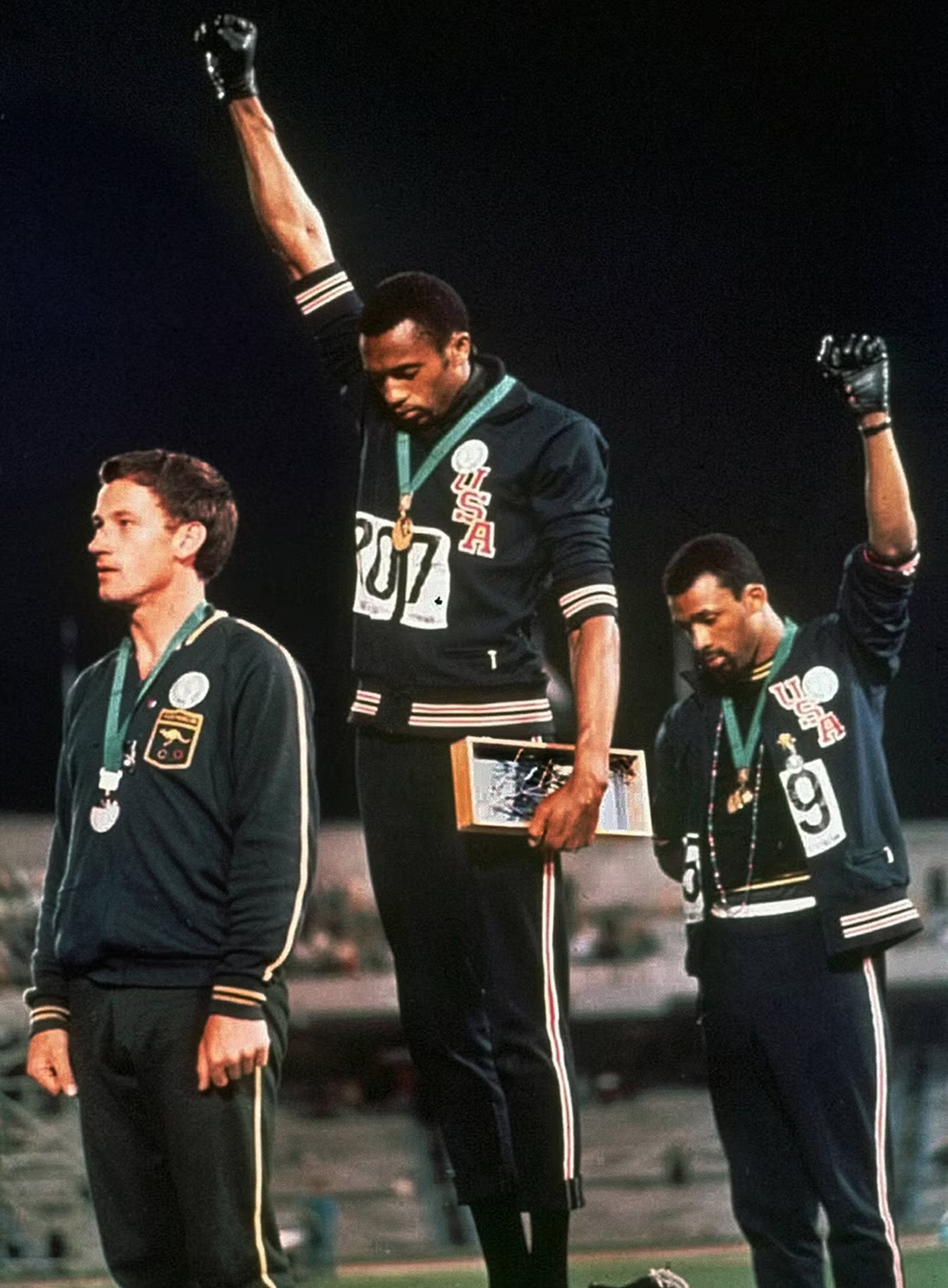
When American sprinters Tommie Smith and John Carlos raised gloved fists during the medal ceremony for the 200-meter race in Mexico City in 1968, the gesture immediately overshadowed much of the competition. They stood without shoes to represent poverty and wore badges supporting the Olympic Project for Human Rights. Australian silver medalist Peter Norman wore the same badge in solidarity. Smith and Carlos were expelled from the Olympic Village, while the image of the protest became one of the most recognizable photographs in sports history.
4. The 1972 Basketball Final Ended Three Different Times
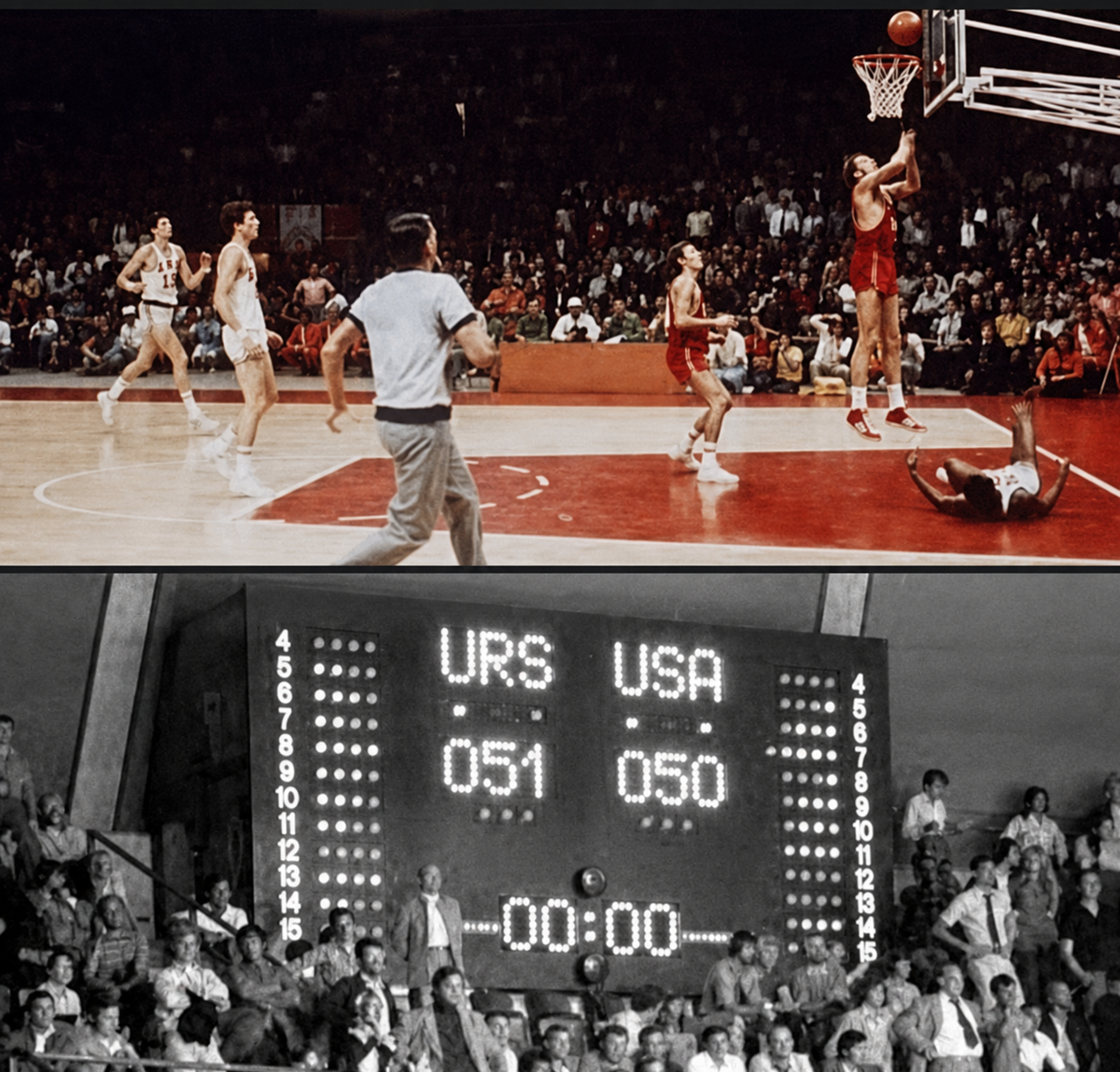
The United States believed it had beaten the Soviet Union in the men’s basketball final after Doug Collins made two late free throws. Confusion over a timeout and the game clock led officials to replay the final three seconds, not once, but twice. On the last attempt, the Soviet team completed a full-court pass and scored the winning basket. The American players refused their silver medals, which remain unclaimed.
5. Dozens of Countries Walked Out of the Montreal Games
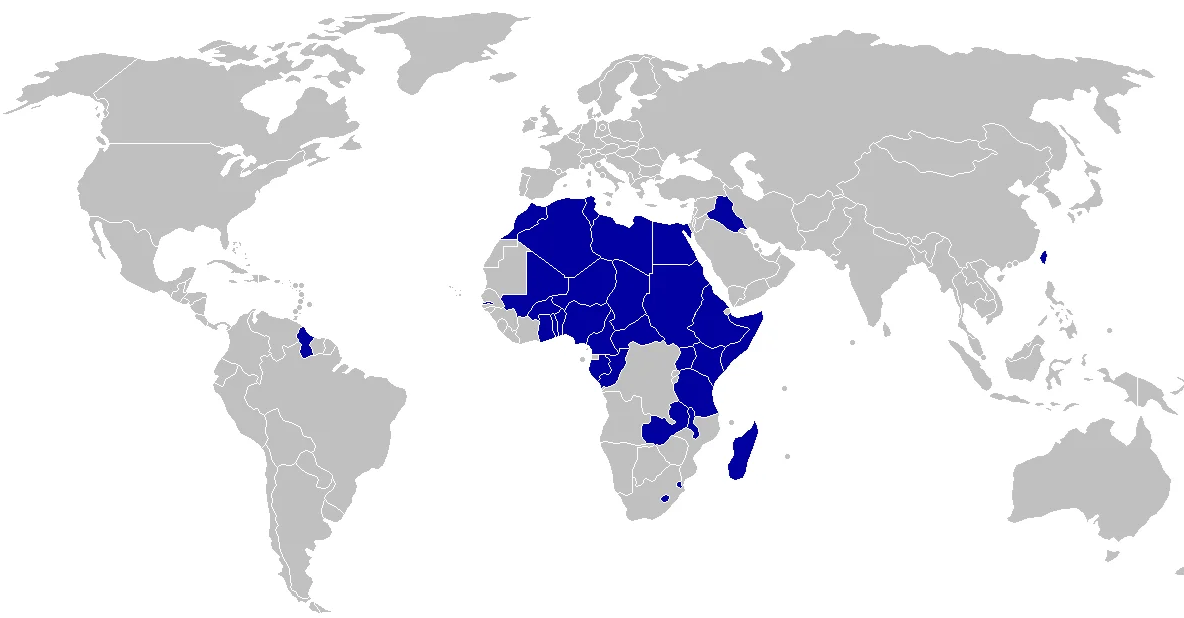
The 1976 Montreal Olympics lost much of Africa’s sporting presence just before competition began. More than 20 African nations withdrew after the International Olympic Committee refused to exclude New Zealand, whose rugby team had recently toured apartheid-era South Africa. Rugby was not an Olympic sport, but the tour was viewed as a rejection of international efforts to isolate the apartheid government. Entire events were reshaped by the sudden absence of athletes who had already traveled to Canada.
Trending on The Scroller

6. The Cold War Produced Two Massive Olympic Boycotts
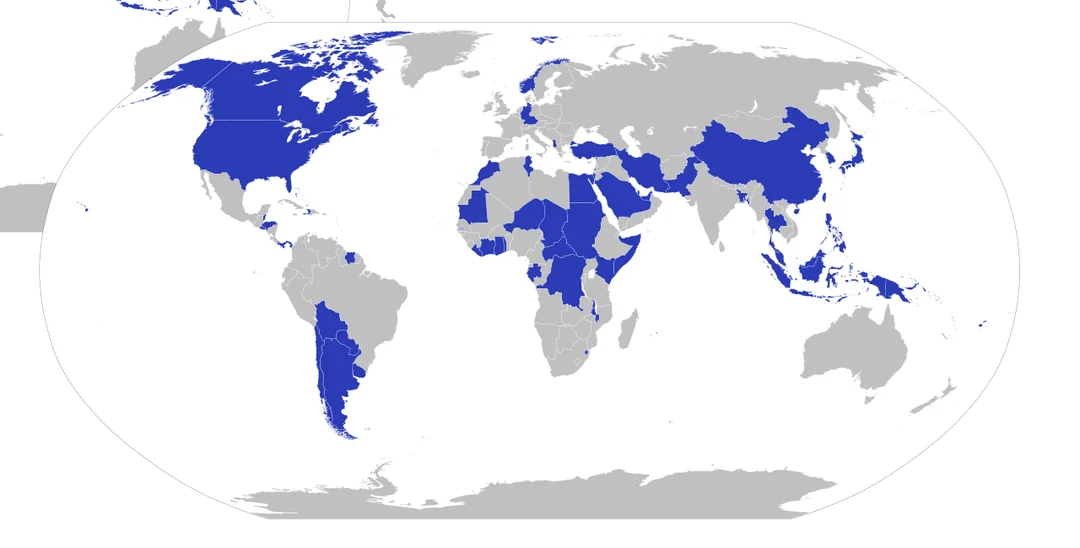
The United States led a boycott of the 1980 Moscow Olympics in response to the Soviet invasion of Afghanistan, with dozens of countries staying away or limiting their participation. Four years later, the Soviet Union and most of its allies skipped the Los Angeles Games, officially citing security concerns. Both host nations continued with large ceremonies and impressive medal performances, but the missing athletes were impossible to ignore. For a generation of competitors, international politics erased what might have been their only Olympic appearance.
7. Ben Johnson Went From Fastest Man Alive to Disqualified
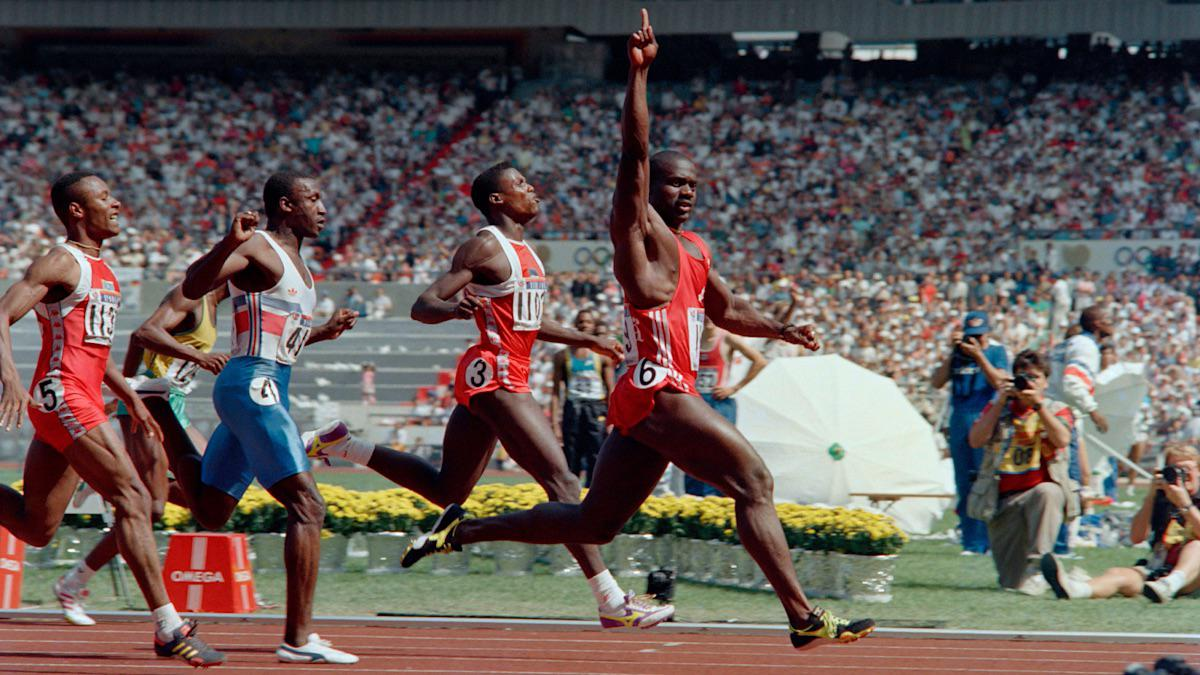
The men’s 100-meter final in Seoul in 1988 was promoted as a showdown between Canada’s Ben Johnson and American rival Carl Lewis. Johnson exploded out of the blocks and finished in a world-record 9.79 seconds, raising one finger before he had completely crossed the line. Three days later, he tested positive for the anabolic steroid stanozolol. His gold medal and record were removed, and one of the Olympics’ most celebrated finishes became its defining doping scandal.
8. The Nancy Kerrigan Attack Turned Figure Skating Into a Crime Story
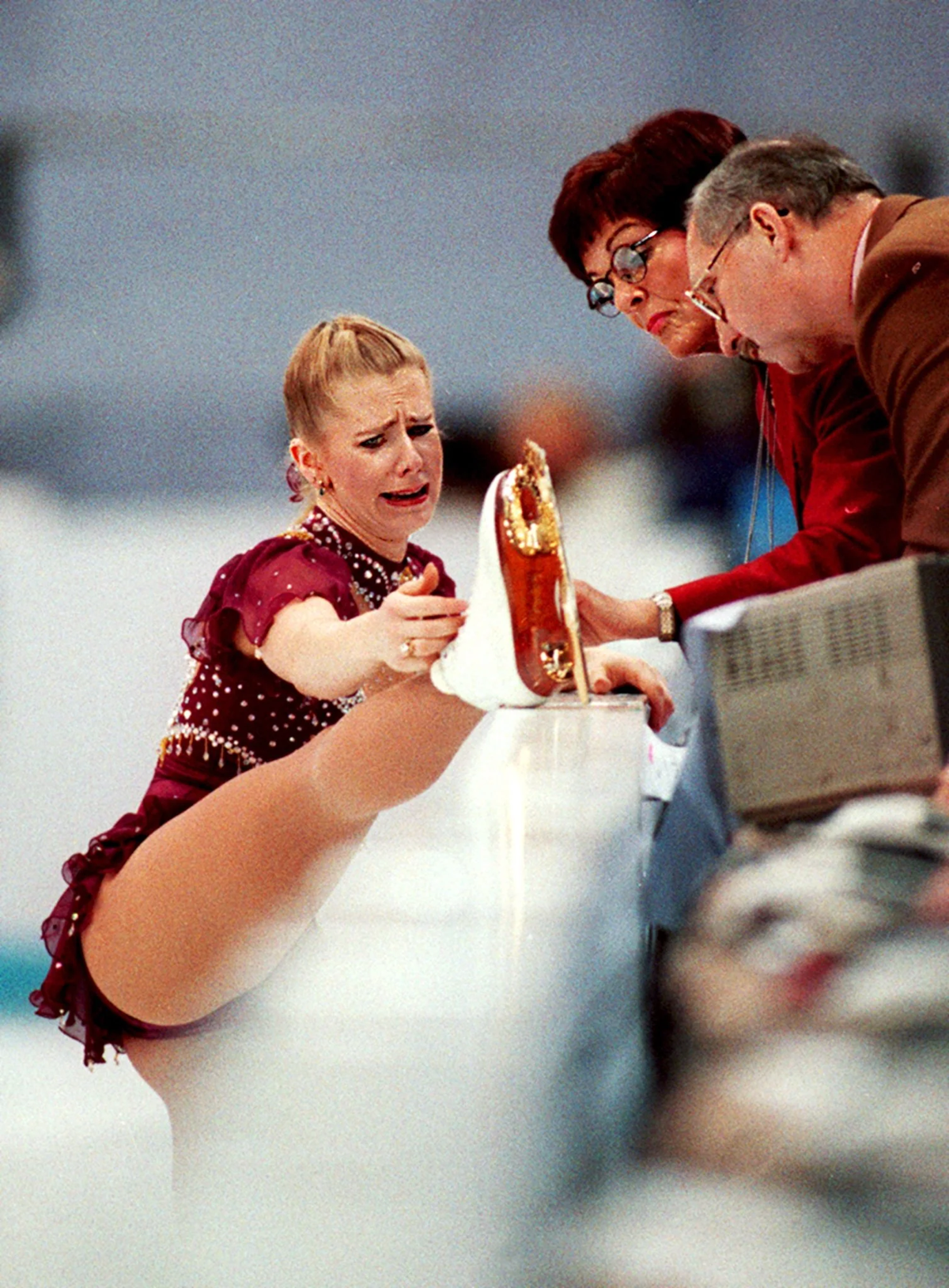
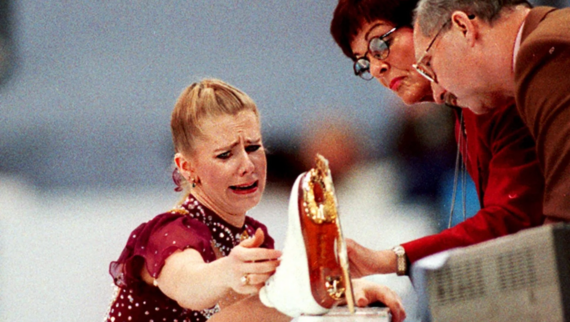
In January 1994, Nancy Kerrigan was struck on the knee after a practice session at the U.S. Figure Skating Championships. Investigators soon connected the attack to men associated with Jeff Gillooly, the former husband of Kerrigan’s rival Tonya Harding. Both skaters still went to the Lillehammer Olympics, where reporters followed their practices, press conferences, and every awkward encounter. Kerrigan won silver, Harding finished eighth, and the competition became a global tabloid event before either woman stepped onto Olympic ice.
Sign up for our newsletter
9. Salt Lake City’s Winning Bid Came With Gifts and Favors
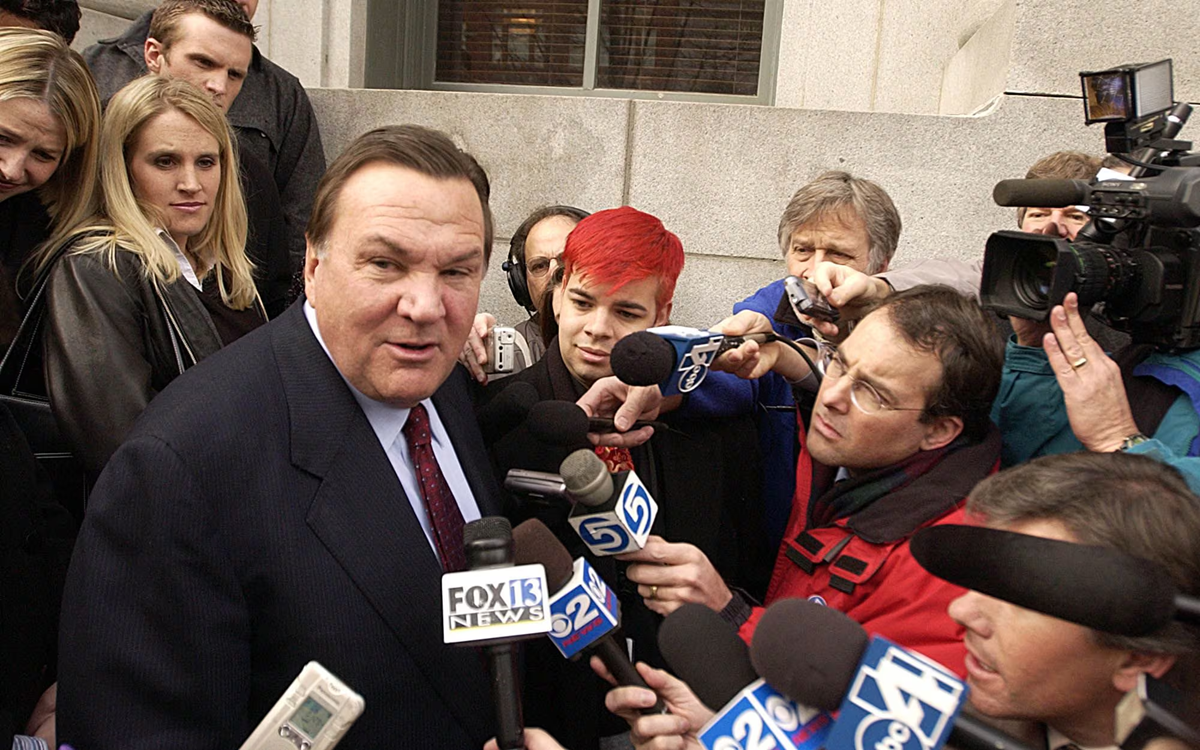
Before Salt Lake City hosted the 2002 Winter Olympics, its successful bid became the center of a major corruption investigation. Members of the International Olympic Committee had received gifts, travel, scholarships, medical assistance, and other benefits connected to the bidding effort. Several IOC members resigned or were expelled as the details emerged. The scandal led to reforms in the bidding process, although questions about how Olympic hosts are selected never completely disappeared.
10. A Figure Skating Result Was So Controversial That Two Teams Won Gold
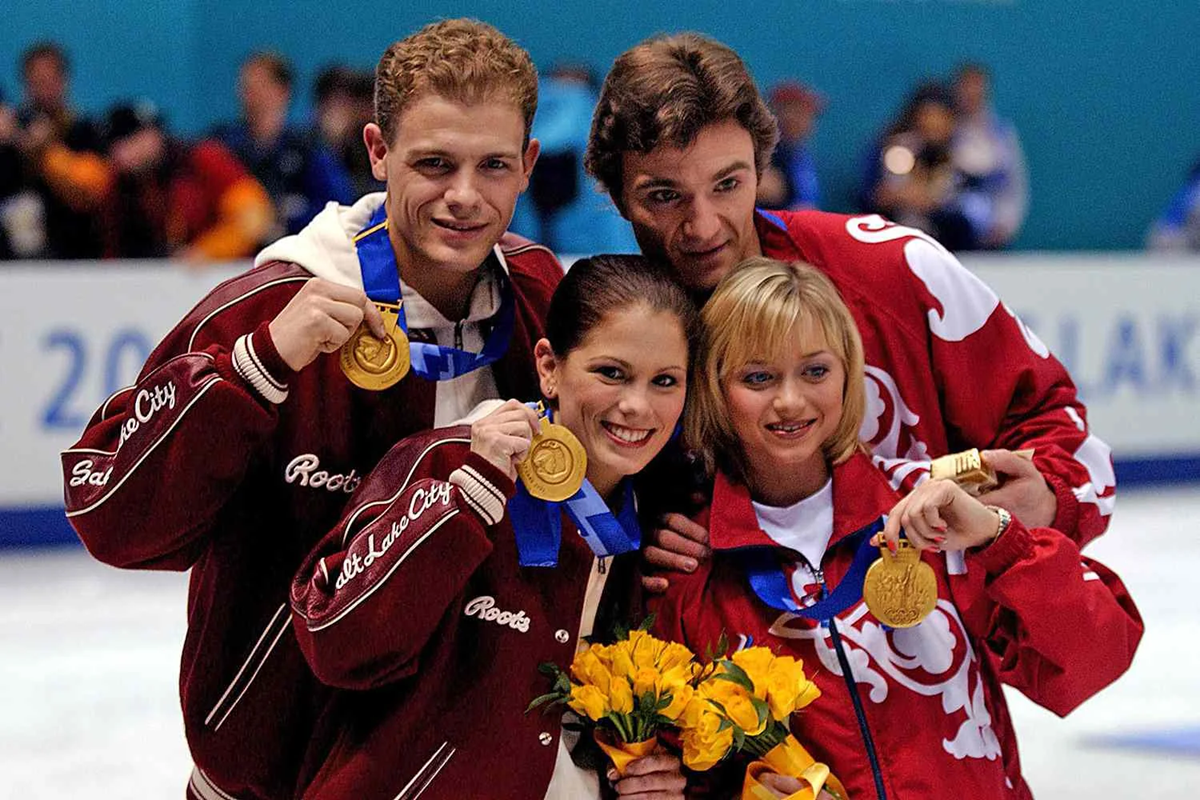
Russian pair Elena Berezhnaya and Anton Sikharulidze won the pairs figure skating event at Salt Lake City, narrowly defeating Canadians Jamie Salé and David Pelletier. Many viewers and commentators believed the Canadians had delivered the cleaner performance, and suspicion intensified when French judge Marie-Reine Le Gougne said she had faced pressure concerning her vote. After days of arguments and investigations, Olympic officials awarded Salé and Pelletier a second set of gold medals while allowing the Russian pair to keep theirs. Figure skating later replaced its familiar 6.0 scoring system with a more complex points-based format.
11. Marion Jones’ Five-Medal Olympics Fell Apart Years Later
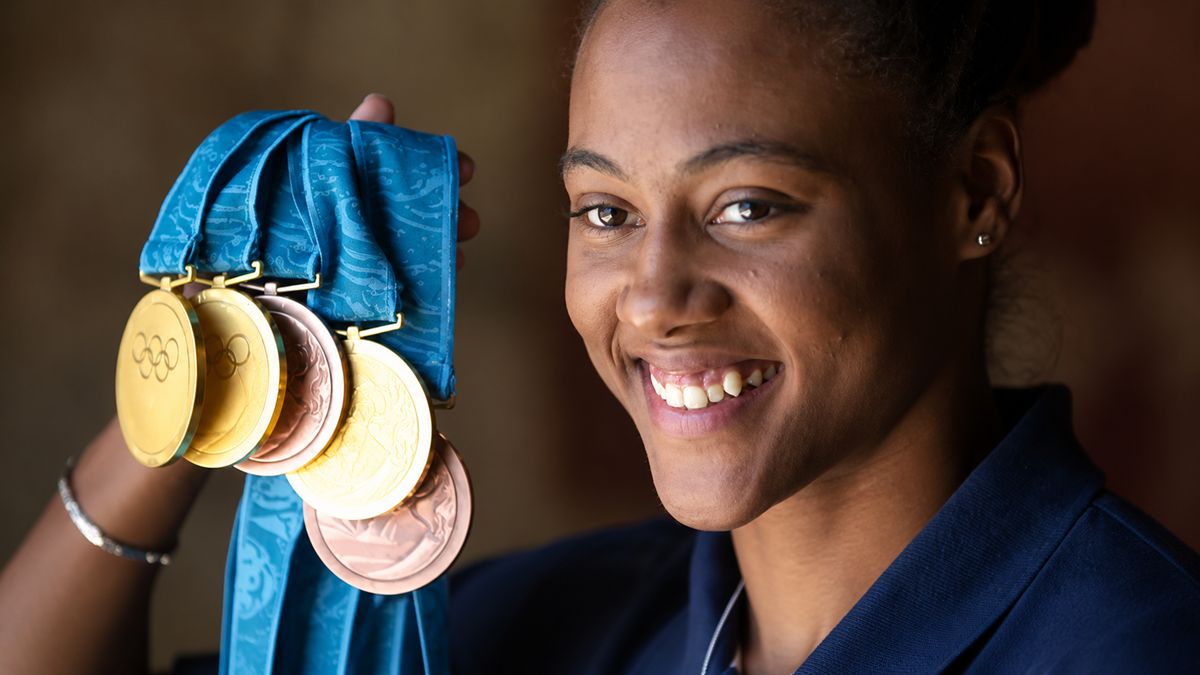
At the 2000 Sydney Games, Marion Jones became one of the event’s biggest stars by winning three gold medals and two bronzes in track and field. For years, she denied using performance-enhancing drugs despite her connections to the BALCO investigation. In 2007, Jones admitted that she had lied to federal investigators about steroid use. She returned all five medals, and one of the most heavily promoted Olympic achievements of the era was removed from the record books.
12. Questions About the Ages of Chinese Gymnasts Would Not Go Away
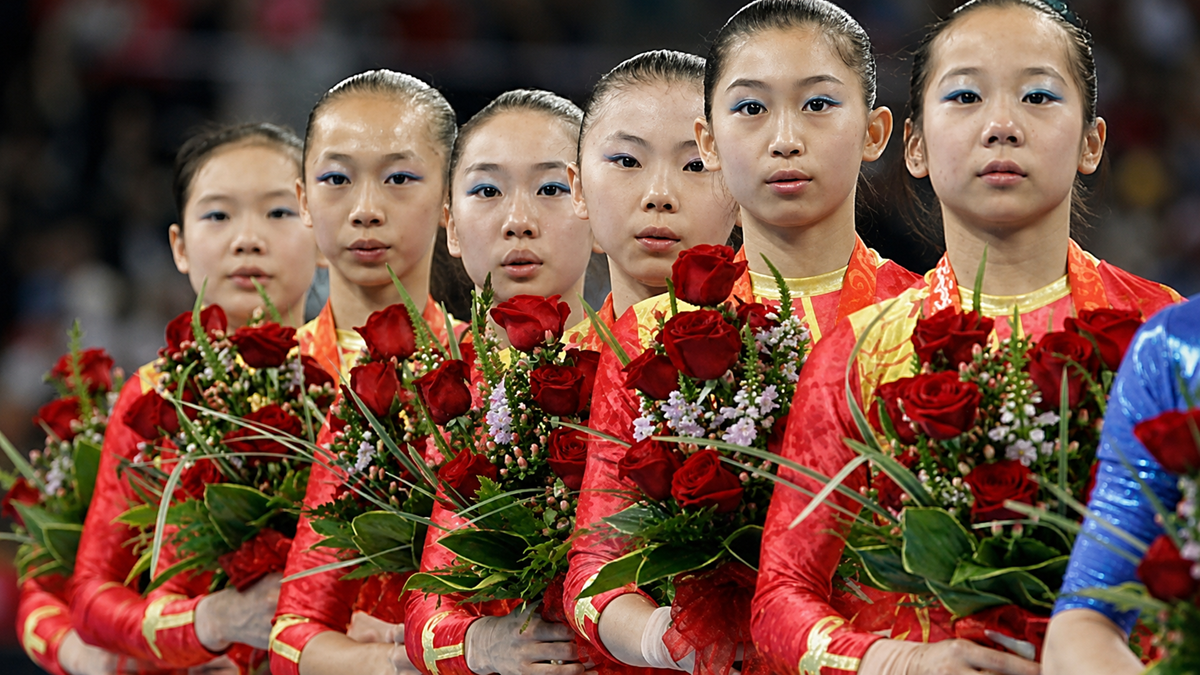
China’s women’s gymnastics team won gold at the 2008 Beijing Olympics, but questions quickly emerged about whether every member met the minimum age requirement of 16. Online records and earlier media reports appeared to list different birth dates for some gymnasts, particularly He Kexin. Chinese officials provided passports supporting the athletes’ eligibility, and an international investigation ultimately accepted the documentation. The controversy continued anyway, partly because age falsification had already been a recurring problem in elite gymnastics.
13. Russia’s Doping Operation Included Swapped Samples
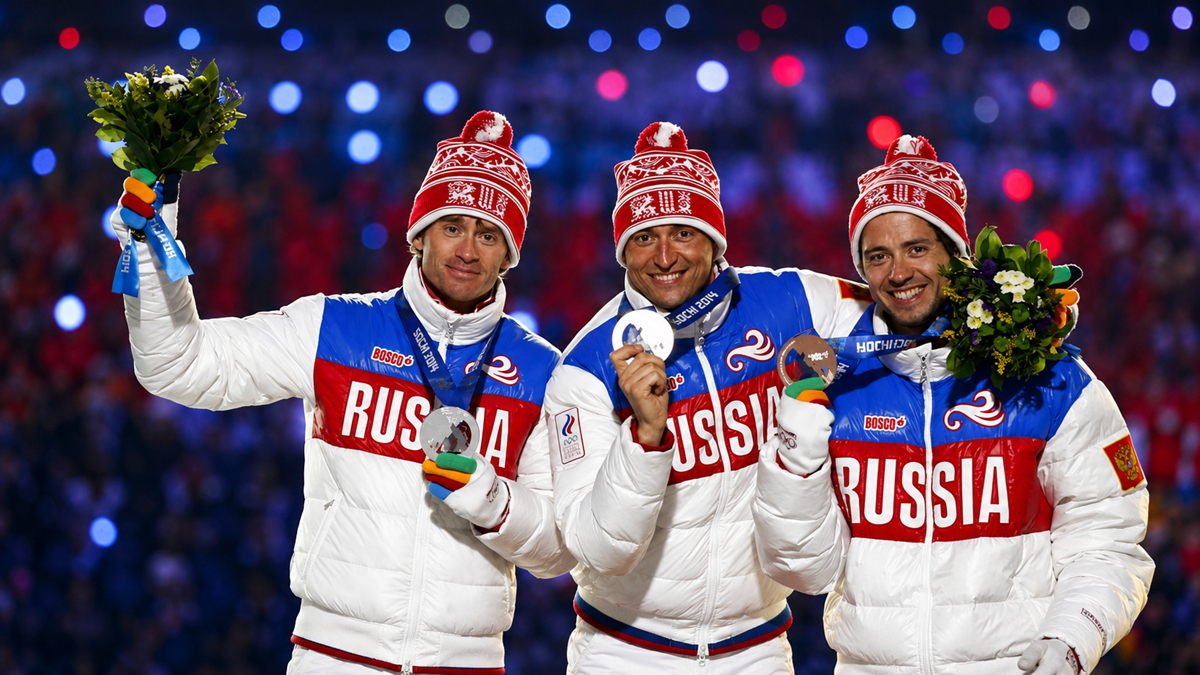
The scale of Russia’s doping scandal went well beyond an athlete secretly taking a banned substance. Investigators described a state-supported system that protected competitors, manipulated testing records, and replaced urine samples during the 2014 Sochi Winter Olympics. Former Moscow laboratory director Grigory Rodchenkov explained how supposedly tamper-proof bottles were opened and clean samples passed through a concealed opening in the laboratory wall. The fallout affected several Olympic cycles, with Russian athletes competing under restrictions, neutral designations, and intense suspicion.
14. Ryan Lochte’s Robbery Story Unraveled in Rio
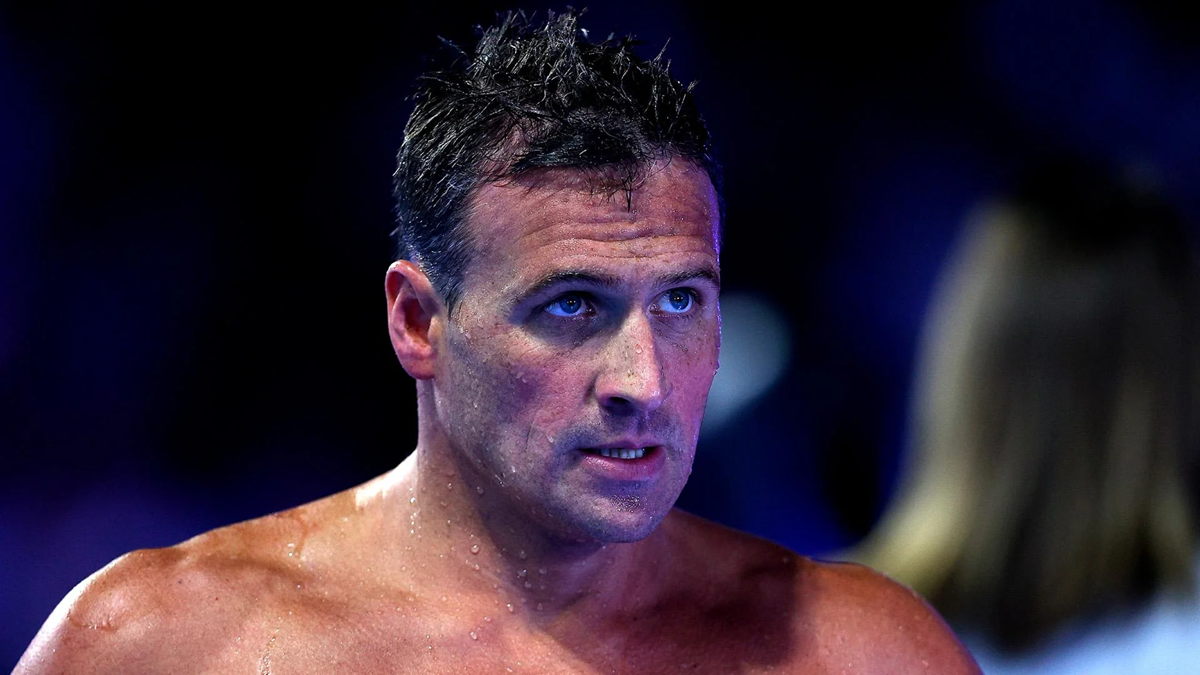
During the 2016 Rio Olympics, American swimmer Ryan Lochte said that he and three teammates had been robbed at gunpoint by men posing as police officers. Brazilian authorities challenged that account, and surveillance footage showed the swimmers at a gas station after a confrontation involving damaged property. Lochte later acknowledged that he had exaggerated parts of the story. The episode consumed international coverage during the final days of the Games and added another unwanted controversy to an Olympics already facing political, financial, and organizational criticism.
In the mood for more?
Check out 15 Colorized Photos From The Olympics (1900s-1970s), or take a look at 15 Sports Icons Who Made History With Record-Breaking Performances. If you want to see more sports history, you can check out 14 Sports Records That May Never Be Broken.